
Tridacna Clams Demystified: A Guide to Maxima, Crocea, Derasa & Squamosa

Welcome to Aquarium Mastery!
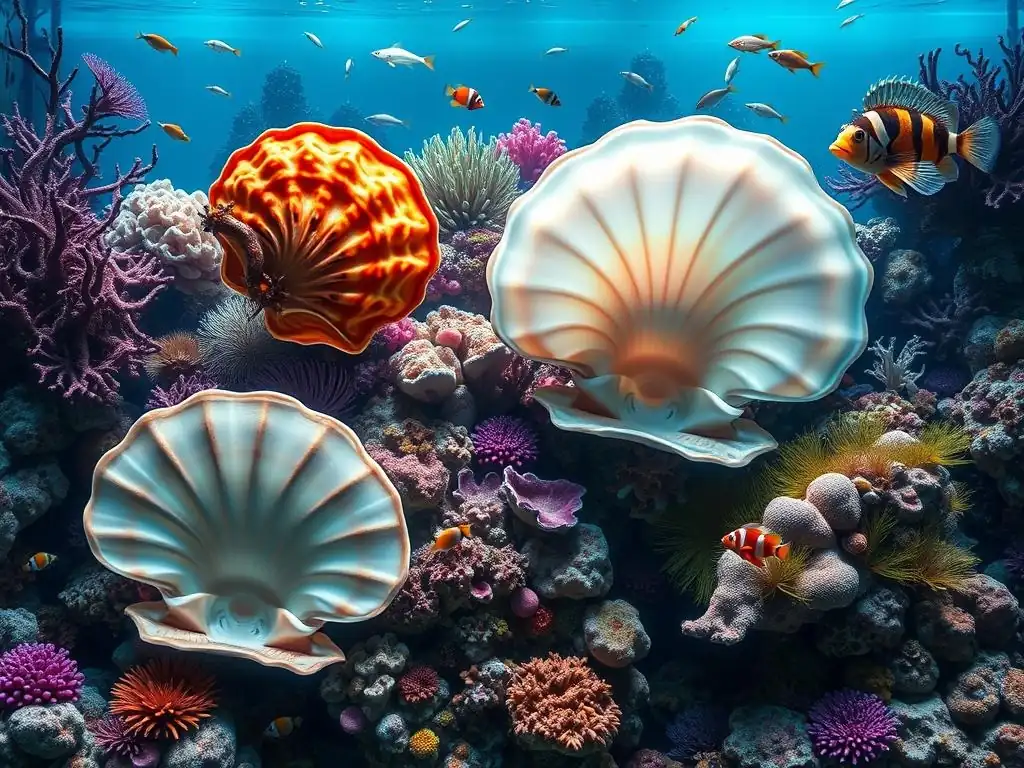
Ever been captivated by the vibrant beauty of a Tridacna clam, shimmering beneath the surface of a saltwater aquarium? Dive in and unlock the secrets to successfully keeping these magnificent creatures thriving. Our Tridacna clam care guide demystifies everything you need to know – from choosing the right species like Maxima, Crocea, Derasa, and Squamosa, to mastering their unique needs. Ready to transform your reef tank into a breathtaking spectacle? Let's explore!
- Introduction to Tridacna Clams: Jewels of the Reef Aquarium
- Tridacna Clam Species: Identifying the Most Popular Varieties
- Tridacna Clam Care Guide: Essential Parameters for Success
- Setting Up Your Reef Tank for Tridacna Clams: Creating a Suitable Environment
- Troubleshooting Common Tridacna Clam Problems: Prevention and Solutions
- Choosing Healthy Tridacna Clams: What to Look for Before Buying
- Tridacna Clam Compatibility: Selecting Suitable Tank Mates
- Advanced Tridacna Clam Care: Growth and Longevity
- Conclusion: Mastering Tridacna Clam Care for a Thriving Reef Aquarium
-
Frequently Asked Questions
- What are the main types of Tridacna clams discussed in the "Tridacna Clams Demystified" guide?
- What are the key considerations for water chemistry when caring for Tridacna clams?
- What lighting requirements are essential for healthy Tridacna clam growth?
- What are some common signs of stress or disease in Tridacna clams?
- Where can I find more in-depth information about Tridacna clam care beyond this guide?
- Final Reflection: The Enduring Allure of the Giant Clam
- Unlock the Secrets of Tridacna Clams!
Introduction to Tridacna Clams: Jewels of the Reef Aquarium
What are Tridacna Clams and Why Keep Them?
Tridacna clams, often referred to as giant clams, are large saltwater bivalve mollusks renowned for their stunning colors and unique mantle patterns. These captivating invertebrates are a cornerstone of many reef ecosystems, primarily found in the warm, clear waters of the Indo-Pacific region, inhabiting shallow coral reefs where sunlight is abundant. Their existence is largely dependent on a symbiotic relationship with zooxanthellae, photosynthetic algae that live within their mantle tissues, providing the clam with the majority of its nutritional needs.
Keeping Tridacna clams in a home aquarium is a rewarding experience, offering both aesthetic appeal and a fascinating glimpse into marine biology. Their vibrant blue, green, gold, and iridescent mantles add unparalleled beauty and dynamic movement to a reef tank. Beyond their visual allure, these clams contribute to the natural filtration of the aquarium, helping to process nitrates and phosphates by consuming particulate matter and utilizing these compounds for their growth. They are truly living jewels, embodying the intricate beauty and delicate balance of a thriving reef.
Understanding the Appeal of Giant Clams in Reef Tanks
The allure of giant clams in reef tanks stems from their striking visual impact and their role as indicators of a well-maintained system. A healthy Tridacna clam, with its fully extended and vibrantly colored mantle, signifies optimal water quality and lighting conditions, which are crucial aspects of a successful Tridacna clam care guide. Their dynamic response to light and shadow, where the mantle retracts slightly, adds an interactive element to the aquarium.
Furthermore, Tridacna clams represent a significant commitment to advanced reef keeping, as their specific requirements for light, water chemistry, and stability demand diligent attention. Successfully cultivating these magnificent creatures provides a sense of accomplishment and demonstrates a deep understanding of marine husbandry. They are not merely static decorations but active participants in the tank's ecosystem, inspiring awe and continuous learning for aquarists dedicated to comprehensive Tridacna clam care.
Tridacna Clam Species: Identifying the Most Popular Varieties
Tridacna Maxima: The Teardrop Clam - Care and Characteristics
Tridacna maxima, commonly known as the Teardrop Clam or Maxima Clam, is arguably the most popular species for home aquariums due to its manageable size and spectacular coloration. These clams typically grow to a maximum length of 8 to 12 inches (20-30 cm) in captivity, though some specimens might reach up to 14 inches. Their shells are often elongated and highly fluted, featuring prominent vertical ridges. The mantle is frequently adorned with brilliant iridescent blue, green, brown, or gold patterns, often with distinct "teardrop" or wavy markings that are unique to each individual.
When it comes to Tridacna maxima care, high intensity lighting is paramount. They thrive under Photosynthetically Active Radiation (PAR) levels ranging from 300 to 600 µmol·m⁻²·s⁻¹, often requiring placement in the upper regions of the tank directly beneath powerful LED or T5 lighting. Strong, turbulent water flow is also essential to prevent detritus accumulation and ensure adequate nutrient delivery. Their byssal threads, which are strong fibers used for attachment, require a stable surface, typically live rock, where they can firmly anchor themselves. This species demands consistent water parameters, making it a staple for any advanced Tridacna clam care guide.
Tridacna Crocea: The Boring Clam - Understanding its Unique Needs
The Tridacna crocea, known as the Boring Clam, is the smallest of the popular Tridacna species, typically reaching a maximum size of 4 to 6 inches (10-15 cm). Its name derives from its unique behavior of "boring" or burrowing into hard coral or rock substrates using its acidic secretions and mechanical grinding.
This creates a secure cavity where the clam resides, with only its mantle exposed to the water column. The shell is generally smooth with few scutes, and the mantle coloration is often exceptionally vibrant, featuring intricate patterns of blues, greens, and purples, making it a highly sought-after specimen despite its small size.
Caring for Tridacna crocea requires extremely high lighting conditions, often exceeding those for T. maxima. Optimal PAR levels for T. crocea can range from 400 to 700 µmol·m⁻²·s⁻¹, necessitating placement in the brightest areas of the tank. Furthermore, providing a suitable piece of live rock or a calcium carbonate structure for the clam to bore into is critical for its long-term health and security. Without a proper substrate to bore into, T. crocea can experience stress and fail to thrive. This specific need highlights a key difference in the Tridacna clam care guide for this species.
Tridacna Derasa: The Smooth Giant Clam - A Beginner-Friendly Option
Tridacna derasa, often called the Smooth Giant Clam, stands out as one of the largest and most robust species commonly available in the aquarium trade, capable of reaching an impressive size of up to 24 inches (60 cm) in the wild, though typically smaller in captivity (12-18 inches or 30-45 cm). Unlike T. maxima or T. squamosa, its shell is notably smoother with less prominent fluting and scutes, giving it a more streamlined appearance. The mantle coloration varies from plain browns and tans to more striking patterns with iridescent spots or stripes, often with a wavy edge.
Due to its larger size and more tolerant nature, Tridacna derasa is often considered a more beginner-friendly option for those new to Tridacna clam care. It requires moderate to high lighting, with PAR levels generally between 150 and 300 µmol·m⁻²·s⁻¹, allowing for placement in the mid to lower sections of the tank, depending on light intensity. Moderate water flow is also sufficient.
While it still demands stable water parameters, its resilience makes it more forgiving of minor fluctuations compared to its more sensitive cousins. This adaptability makes T. derasa an excellent choice for a comprehensive Tridacna clam care guide aimed at a wider audience.
Tridacna Squamosa: The Scaly Clam - Appreciating its Distinctive Shell
The Tridacna squamosa, known as the Scaly Clam, is instantly recognizable by its distinctive, large, leaf-like scutes (scales) that project outwards from its shell. These scutes can be quite pronounced, giving the clam a rugged, textured appearance. This species can grow to a substantial size, typically reaching 16 to 20 inches (40-50 cm) in captivity. The mantle displays a wide array of colors and patterns, often with a background of brown, green, or gold, accented by iridescent blue or green spots and lines, similar to T. maxima but with a more robust shell structure.
Tridacna squamosa care requires moderate to high lighting, with recommended PAR levels ranging from 200 to 400 µmol·m⁻²·s⁻¹. While not as demanding as T. maxima or T. crocea in terms of light, consistent illumination is still vital for their health. Good, turbulent water flow is particularly important for T. squamosa to prevent detritus from accumulating within its prominent shell scutes, which can lead to irritation or bacterial issues.
They attach firmly to live rock or a stable substrate using their byssal threads. The unique shell morphology makes T. squamosa a visually striking addition to any reef aquarium, provided its specific needs outlined in a thorough Tridacna clam care guide are met.
Tridacna Clam Care Guide: Essential Parameters for Success
Water Chemistry for Tridacna Clams: Achieving Optimal Conditions
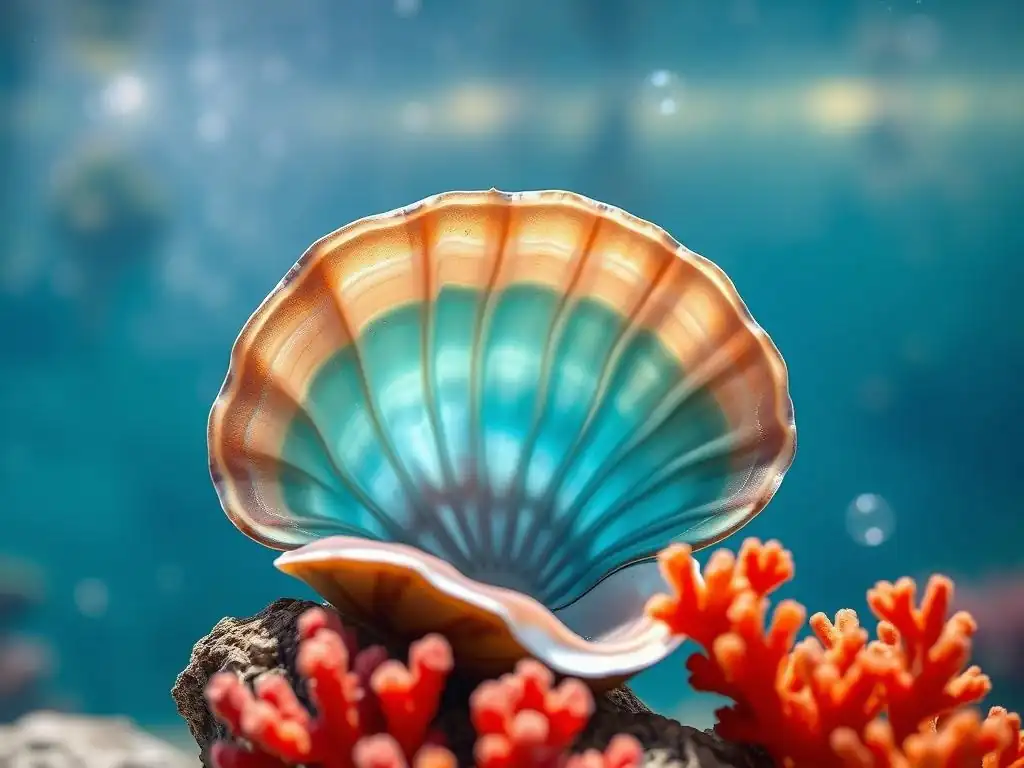
Maintaining precise and stable water chemistry is paramount for the health and longevity of Tridacna clams. These calcifying invertebrates require consistent levels of calcium, alkalinity, and magnesium to build and maintain their shells. Optimal calcium levels should range between 400-450 ppm (parts per million), while alkalinity should be maintained at 8-12 dKH (degrees of carbonate hardness). Magnesium is equally critical, supporting both calcium and alkalinity stability, with ideal levels between 1250-1350 ppm. Daily consumption of these elements by clams and corals necessitates regular testing and supplementation through dosing systems or balanced two-part solutions.
Beyond these primary parameters, overall water quality must be pristine. Nitrates should ideally be below 10 ppm, and phosphates should be kept at extremely low levels, preferably below 0.05 ppm, as elevated levels can inhibit calcification and promote undesirable algae growth. Salinity should be stable at 1.024-1.026 specific gravity, and temperature maintained between 76-80°F (24-27°C). Regular water changes, typically 10-20% monthly, help replenish trace elements and export accumulated nutrients, contributing significantly to a successful Tridacna clam care guide.
Lighting Requirements for Tridacna Clams: Providing Adequate Illumination
Lighting is arguably the single most critical factor for Tridacna clam health, as their primary nutrition comes from the photosynthesis of their symbiotic zooxanthellae. The intensity of light is measured in Photosynthetically Active Radiation (PAR). High-light demanding species like Tridacna maxima and Tridacna crocea require PAR levels typically ranging from 300 to 700 µmol·m⁻²·s⁻¹, often necessitating placement high in the aquarium, directly under powerful LED or T5 fluorescent fixtures. More tolerant species like Tridacna derasa and Tridacna squamosa thrive in moderate to high light, with PAR values between 150 and 400 µmol·m⁻²·s⁻¹, allowing for placement in mid-to-lower tank regions.
The spectrum of light is also important; blue and royal blue wavelengths are particularly beneficial for zooxanthellae photosynthesis. When introducing a new clam, a gradual acclimation to the tank's lighting is crucial. This can be achieved by initially placing the clam in a shaded area or lower in the tank and slowly moving it to its desired, brighter location over several days to weeks. Sudden exposure to intense light can shock the clam, leading to mantle recession or even death. A well-designed lighting strategy is a cornerstone of any effective Tridacna clam care guide.
Placement in the Reef Tank: Choosing the Right Spot for Your Clam
Careful placement of your Tridacna clam within the reef tank is essential for its long-term health and proper growth. High-light demanding species like T. maxima and T. crocea should be positioned higher up on the rockwork, in areas receiving direct and intense illumination. For T. crocea, ensure there is a stable, suitable piece of live rock or a calcium carbonate plug for it to bore into, as this is crucial for its security and well-being.
Larger, more robust species such as T. derasa and T. squamosa can be placed in mid to lower sections of the tank, either on the substrate or securely on stable rockwork, where light intensity is moderate to high. Regardless of species, ensure the clam is placed on a flat, stable surface where it cannot fall or be easily dislodged.
Provide ample space around the clam for its mantle to fully extend without touching other corals or tank inhabitants that could sting or irritate it. Additionally, ensure the clam is not subjected to direct, laminar flow from powerheads, which can cause mantle retraction and stress; instead, aim for turbulent, indirect flow that bathes the clam in moving water.
Feeding Tridacna Clams: Supplemental Feeding Strategies
While Tridacna clams primarily derive their nutrition from the photosynthetic activity of their symbiotic zooxanthellae, supplemental feeding can significantly benefit their growth and overall health, especially for smaller specimens or those in ultra-low nutrient systems. The zooxanthellae provide between 70-90% of the clam's energy needs, but the remaining percentage is obtained by filter-feeding on phytoplankton and other microscopic organic particles from the water column.
For supplemental feeding, high-quality liquid phytoplankton or marine snow products are ideal. These can be broadcast fed into the water column, allowing the clam to filter them out, or target-fed directly near the clam's inhalant siphon using a pipette or turkey baster. Feeding 2-3 times per week is generally sufficient for smaller clams (under 4 inches), while larger, established clams may not require frequent supplemental feeding if the tank's natural particulate matter is abundant.
Observe your clam's mantle extension and growth rate; a fully extended mantle and steady growth are good indicators of adequate nutrition. This aspect is often overlooked in general Tridacna clam care guides but is vital for optimal health.
Setting Up Your Reef Tank for Tridacna Clams: Creating a Suitable Environment
Tank Size Considerations for Tridacna Clams
Choosing an appropriately sized tank is a critical first step in setting up a suitable environment for Tridacna clams. While juvenile clams of smaller species like Tridacna crocea or T. maxima might temporarily reside in tanks as small as 20-30 gallons (75-115 liters), a more substantial tank is necessary for their long-term health and growth. For T. maxima and T. crocea, a minimum tank size of 50 gallons (190 liters) is recommended for a single adult specimen to provide adequate space for growth and light penetration.
For larger species such as Tridacna derasa and Tridacna squamosa, which can reach significant sizes, a minimum tank size of 75-100 gallons (280-380 liters) is advised. These larger tanks offer greater water volume stability, which is beneficial for maintaining consistent water parameters. Furthermore, a larger footprint allows for proper aquascaping that can accommodate the clam's size and light requirements, ensuring it has sufficient personal space without being overshadowed or crowded by other corals or rockwork. Thoughtful tank size selection is fundamental to a comprehensive Tridacna clam care guide.
Substrate and Rockwork: Providing a Stable Base
The type and arrangement of substrate and live rockwork are crucial for the stability and well-being of Tridacna clams. For Tridacna crocea, which is a boring species, it is absolutely essential to provide a piece of porous live rock or a clam-specific frag plug that it can bore into. Without a suitable substrate to anchor itself, T. crocea will experience chronic stress and may not thrive.
For other species like Tridacna maxima, T. derasa, and T. squamosa, a stable base on the live rock structure or directly on the sand bed is necessary. These clams attach themselves to surfaces using strong byssal threads. When placing the clam, ensure it is on a flat, secure surface where it will not tip over or fall.
Never forcefully detach a clam that has already attached its byssal threads, as this can severely injure or kill it. If relocation is necessary, carefully chip away the rock around the clam's foot. A well-designed aquascape will also facilitate proper water flow and light distribution, contributing to optimal Tridacna clam care.
Water Flow: Ensuring Proper Circulation for Clam Health
Appropriate water flow is a vital component of a healthy environment for Tridacna clams. While the exact requirements vary slightly by species, a general rule is to provide moderate to strong, turbulent flow throughout the tank. This type of flow ensures that fresh, oxygenated water, along with essential nutrients and phytoplankton, is constantly delivered to the clam's mantle and siphons. It also helps prevent the accumulation of detritus on the clam's shell and mantle, which can lead to localized irritation or bacterial issues.
However, it's crucial to avoid direct, laminar (straight-line) blasts of water from powerheads or return pumps, as this can cause the clam's mantle to retract excessively and lead to chronic stress. Instead, aim for chaotic or indirect flow patterns that gently "tumble" the water around the clam. This can be achieved by positioning powerheads strategically or using wavemakers that create oscillating currents. Good water circulation is essential for the clam's filter-feeding activities, gas exchange, and overall metabolic health, making it an indispensable part of any effective Tridacna clam care guide.
Troubleshooting Common Tridacna Clam Problems: Prevention and Solutions
Mantle Recession: Identifying and Addressing the Issue
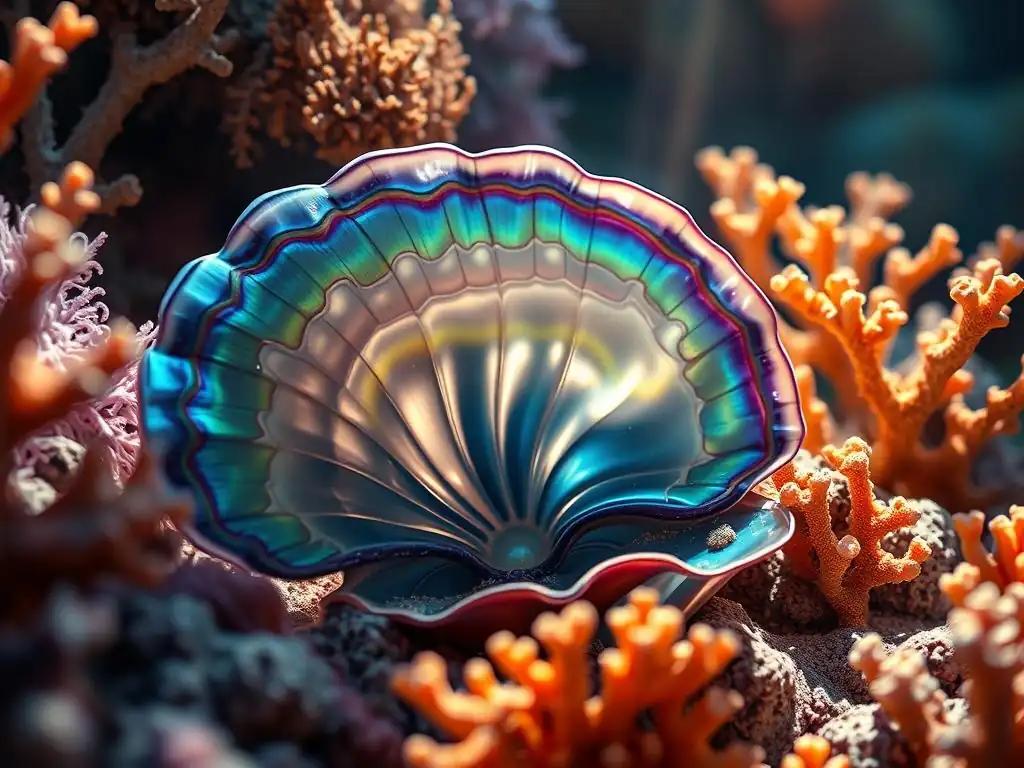
Mantle recession is a common and concerning issue in Tridacna clams, characterized by the clam's mantle appearing shrunken, pulled inward, and not fully extended over the shell edges. This can make the clam look smaller and less vibrant. The underlying causes are typically environmental stressors, including insufficient lighting (most common), poor water quality (e.g., high nitrates/phosphates, unstable calcium/alkalinity), starvation, parasitic infections, or physical irritation.
To address mantle recession, a systematic approach is required. First, meticulously test all water parameters, focusing on alkalinity, calcium, magnesium, nitrates, and phosphates, and correct any deviations to optimal ranges. Second, reassess lighting; if PAR levels are too low for the species, gradually increase light intensity or move the clam to a brighter location. Third, inspect the clam for signs of pests like Pyramidellid snails. Finally, consider supplemental feeding with phytoplankton, especially for smaller clams or those in nutrient-poor systems, to boost their nutritional intake. Consistent monitoring and proactive Tridacna clam care can often reverse this condition.
Pyramidellid Snails: Dealing with Parasitic Pests
Pyramidellid snails ( Pyramidella spp.) are notorious and highly destructive parasites of Tridacna clams. These tiny, cone-shaped, white or translucent snails, typically less than 3 mm in length, are nocturnal and feed by inserting their proboscis into the clam's mantle, sucking out vital fluids. Infestations can lead to severe stress, mantle recession, and eventually, the death of the clam if left unchecked. They often hide in the clam's shell grooves or around the byssal opening during the day, making them difficult to spot.
Effective management involves manual removal and, in severe cases, treatment. Regularly inspect your clam, especially at night with a flashlight, for these pests. Use tweezers or a soft brush to remove any snails found.
A freshwater dip, matching the tank's temperature and specific gravity (for a brief period, e.g., 5-10 minutes, with caution), can sometimes dislodge them. Some aquarists have had limited success with predatory nudibranchs, such as Chelonaplysilla sp., but these are specialized and difficult to keep. Quarantine of new clams for at least 3-4 weeks is highly recommended to prevent introduction of these parasites, a crucial aspect of responsible Tridacna clam care.
Algae Growth on the Shell: Keeping Your Clam Clean
Algae growth on the shell of a Tridacna clam is a common occurrence, particularly on the rough, fluted surfaces of species like Tridacna maxima and T. squamosa. While often benign, excessive algae can block light from reaching the clam's lower mantle and byssal opening, potentially irritating the clam or indicating underlying water quality issues. Common types include green hair algae, diatoms, or even cyanobacteria.
To manage algae growth, first ensure that nutrient levels (nitrates and phosphates) are optimally low in your system, as high nutrients fuel algal blooms. Nitrates should be below 10 ppm and phosphates below 0.05 ppm. Second, confirm that water flow around the clam is sufficient to prevent detritus accumulation, which can provide a substrate for algae.
Manually clean the clam's shell periodically using a soft toothbrush or a gentle brush to remove the algae. Some herbivorous snails, such as Trochus or Turban snails, can help graze on the shell. Maintaining excellent water quality and circulation, as detailed in a comprehensive Tridacna clam care guide, is the best preventive measure.
Choosing Healthy Tridacna Clams: What to Look for Before Buying
Inspecting the Mantle: Assessing Clam Health Visually
When selecting a Tridacna clam, the mantle is the primary indicator of its health. A healthy clam will have a fully extended mantle that completely covers the edges of its shell, appearing plump and vibrant. The colors should be rich and consistent, specific to the species and individual. Look for a mantle that is responsive to changes in light; a healthy clam will typically retract its mantle slightly or "clap" its shells shut when a shadow passes over it. This indicates a strong physiological response and good overall condition.
Avoid clams with a shrunken or perpetually retracted mantle, tears, nicks, or discoloration. Patches of white or necrotic tissue on the mantle are also red flags, suggesting severe stress, disease, or pest damage. A clam that remains tightly closed for extended periods or has a gaping shell (where the mantle does not close completely) is likely in distress and should be avoided. A thorough visual inspection of the mantle is the most crucial step in ensuring you acquire a healthy specimen for your Tridacna clam care guide.
Checking for Damage: Avoiding Injured Specimens
Beyond mantle health, a thorough inspection of the clam's physical structure, particularly its shell and byssal opening, is essential. Examine the shell for any cracks, chips, or significant damage that could compromise its integrity or indicate rough handling. While minor imperfections might be superficial, large cracks can be detrimental to the clam's long-term survival, making it susceptible to infection or inability to properly close.
Pay close attention to the byssal opening, the small hole on the underside of the clam where it extends its byssal threads for attachment. This area should be clean and free of any lesions, tears, or signs of irritation. Damage to the byssal opening can prevent the clam from attaching properly, leading to instability and stress. Avoid clams that appear to have been forcefully detached from a previous substrate, as this can cause irreversible damage to the byssal gland. Selecting an unblemished specimen is a key step in successful Tridacna clam care.
Acclimation Process: Safely Introducing Your Clam to the Tank
Proper acclimation is critical for safely introducing a new Tridacna clam to your reef tank and minimizing transplant shock. The process involves two main stages: water parameter acclimation and light acclimation. For water parameters (salinity, temperature, pH), a slow drip acclimation method is highly recommended. Place the clam in a container with its original water, then slowly drip water from your display tank into the container over a period of 1 to 2 hours, ensuring the clam is fully submerged. This gradual change minimizes osmotic stress.
Light acclimation is equally important. Tridacna clams are highly sensitive to sudden changes in light intensity. Even if your tank has the appropriate PAR levels, a new clam should not be immediately placed in the brightest spot.
Instead, begin by placing the clam in a shaded area or lower in the tank where light intensity is significantly reduced. Over the next few days to weeks, gradually move the clam to its final desired location, allowing it to slowly adjust to the higher PAR levels. This careful, step-by-step approach is vital for the clam's long-term health and is a cornerstone of any effective Tridacna clam care guide.
Tridacna Clam Compatibility: Selecting Suitable Tank Mates
Fish Compatibility: Choosing Reef-Safe Options
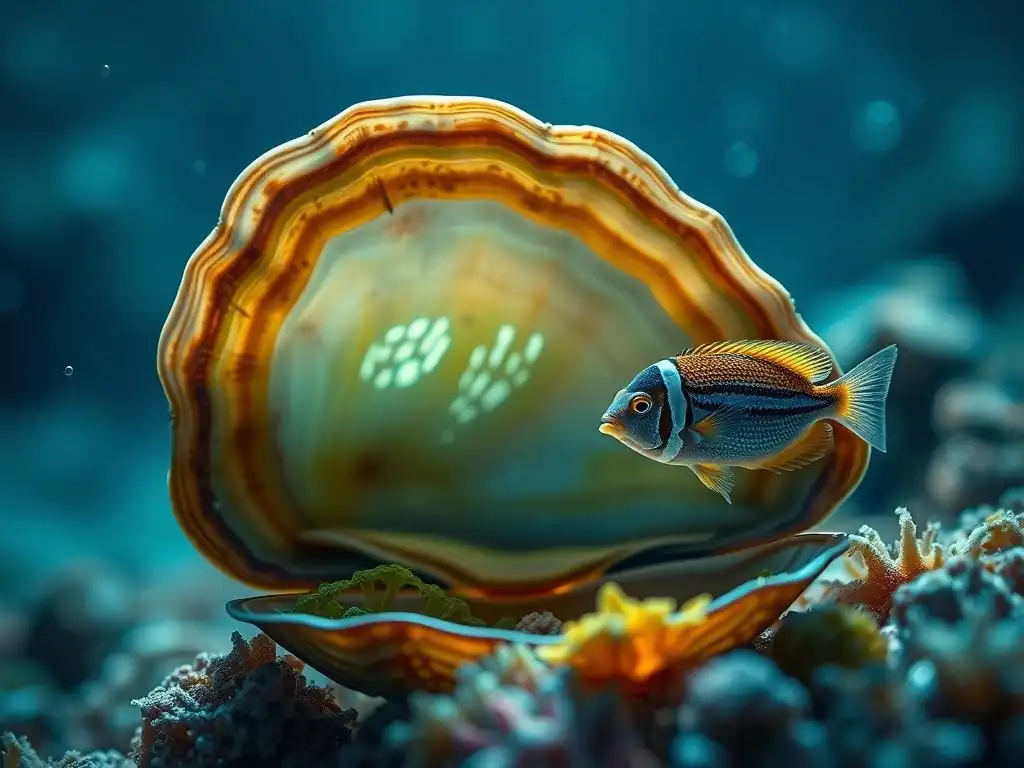
Selecting appropriate fish tank mates is crucial for the well-being of Tridacna clams. Many popular reef fish species are generally safe, but certain types can pose a threat to the clam's delicate mantle. Avoid known clam-nipping fish such as large angelfish (e.g., Emperor Angelfish, Queen Angelfish), which may view the clam's fleshy mantle as a food source. Similarly, triggerfish and puffers are almost universally incompatible due to their strong beaks and predatory nature, capable of severely damaging or consuming clams. Some wrasses, particularly certain larger or more aggressive species, might also nip.
Ideal tank mates include most peaceful reef fish that primarily feed on prepared foods or algae, such as clownfish, gobies, blennies, tangs, and most cardinalfish. Small, peaceful damselfish are generally fine, though caution should be exercised with more aggressive species. Always observe new fish introductions carefully for any signs of aggression or nipping at the clam's mantle. Prioritizing reef-safe fish is a fundamental aspect of a comprehensive Tridacna clam care guide, ensuring peaceful coexistence in your aquarium.
Invertebrate Compatibility: Avoiding Predatory Species
When considering invertebrate tank mates for Tridacna clams, the primary concern is to avoid predatory or opportunistic species that might harm the clam. Certain crabs, even those commonly sold as "reef-safe" like emerald crabs, can become opportunistic and nip at or damage clam mantles, especially if underfed. Large hermit crabs can also be problematic, as they may attempt to climb on or disturb the clam. Similarly, some starfish, particularly predatory species like chocolate chip starfish, are known clam predators and should never be housed with Tridacna clams.
Conversely, most common clean-up crew invertebrates, such as various species of snails (e.g., Nassarius, Trochus, Turbo snails), peppermint shrimp, and cleaner shrimp, are excellent and safe tank mates. They contribute to tank hygiene without posing a threat to the clam. However, it is vital to regularly inspect clams for parasitic Pyramidellid snails, which are microscopic and specifically target Tridacna clams. Vigilance regarding potentially harmful invertebrates is a key part of maintaining a successful Tridacna clam care guide.
Coral Compatibility: Ensuring Peaceful Coexistence
Ensuring peaceful coexistence between Tridacna clams and corals requires careful planning and spacing within the reef aquarium. While clams are generally tolerant of most corals, the primary concern is to prevent direct contact with corals that possess strong stinging capabilities, such as many LPS (Large Polyp Stony) corals (e.g., Euphyllia, Favia, Acanthastrea) and some soft corals (e.g., certain zoanthids or palythoa with potent toxins). These corals can chemically irritate or sting the clam's delicate mantle, leading to retraction, stress, and potential tissue necrosis.
Provide ample space around your Tridacna clam to allow its mantle to fully extend without touching any neighboring corals, typically a minimum of 6-12 inches (15-30 cm) depending on the coral's growth and sweeper tentacle length. Additionally, ensure that corals do not grow over or shade the clam, as this would reduce the vital light it needs for photosynthesis. Strategic placement that optimizes light exposure for the clam while respecting the space requirements of surrounding corals is a crucial element of a well-executed Tridacna clam care guide.
Advanced Tridacna Clam Care: Growth and Longevity
Factors Affecting Clam Growth Rates
The growth rate of Tridacna clams in a reef aquarium is influenced by a combination of environmental factors and species-specific characteristics. The most significant factor is light intensity and spectrum; clams provided with optimal PAR levels (e.g., 300-600 µmol·m⁻²·s⁻¹ for T. maxima) and a suitable light spectrum will grow much faster than those in subpar lighting. Adequate and stable water parameters, particularly calcium (400-450 ppm), alkalinity (8-12 dKH), and magnesium (1250-1350 ppm), are also critical, as these are the building blocks for shell growth. Inconsistent or low levels of these elements will directly hinder calcification.
Supplemental feeding, especially for smaller clams (under 4 inches), can also significantly boost growth by providing additional nutrition beyond what their zooxanthellae produce. Species naturally differ in their growth rates; Tridacna derasa and T. squamosa typically grow faster and larger than T. maxima or T. crocea. Finally, overall tank health, stability, and sufficient space within the aquarium contribute to a clam's ability to thrive and reach its full growth potential. A comprehensive Tridacna clam care guide emphasizes the synergy of these factors for robust growth and longevity.
Conclusion: Mastering Tridacna Clam Care for a Thriving Reef Aquarium
Mastering Tridacna clam care is a testament to an aquarist's dedication and understanding of complex reef ecosystems. These magnificent bivalves, with their dazzling mantles and vital roles as photosynthetic filter feeders, are truly jewels of the reef aquarium, offering both aesthetic beauty and ecological benefits. Successful cultivation hinges on providing a stable environment with pristine water chemistry, particularly consistent levels of calcium (400-450 ppm), alkalinity (8-12 dKH), and magnesium (1250-1350 ppm).
Crucially, meeting their specific and often high lighting requirements, measured in PAR (e.g., 300-700 µmol·m⁻²·s⁻¹ for high-light species), is non-negotiable for their long-term survival and vibrant coloration. Proper placement, ensuring adequate, turbulent water flow without direct blasts, and careful selection of compatible tank mates are equally vital.
By diligently adhering to these guidelines, from careful acclimation to vigilant troubleshooting of issues like mantle recession or parasitic snails, aquarists can ensure their Tridacna clams thrive, growing into stunning centerpieces that enrich any reef aquarium for many years. This detailed Tridacna clam care guide provides the foundation for a flourishing marine habitat.
Frequently Asked Questions
What are the main types of Tridacna clams discussed in the "Tridacna Clams Demystified" guide?
The guide focuses on four main types: Maxima, Crocea, Derasa, and Squamosa. These are popular choices among aquarists due to their vibrant colors and manageable sizes.
What are the key considerations for water chemistry when caring for Tridacna clams?
Maintaining stable and optimal water parameters is crucial. Key factors include calcium levels, alkalinity, and magnesium, as these are essential for shell growth.
What lighting requirements are essential for healthy Tridacna clam growth?
Tridacna clams require intense lighting to support their symbiotic algae, zooxanthellae. Providing adequate lighting is fundamental for photosynthesis and overall clam health.
What are some common signs of stress or disease in Tridacna clams?
Signs of stress include a receding mantle, closed shell, or lack of response to stimuli. These indicate potential problems with water quality, lighting, or presence of parasites.
Where can I find more in-depth information about Tridacna clam care beyond this guide?
AquariumMastery.com provides detailed articles on aquarium setup, maintenance, and troubleshooting. You can find further information organized by aquarium type and species profiles on the website.
Final Reflection: The Enduring Allure of the Giant Clam
The journey through the world of Tridacna clams, as detailed in this guide, underscores the vital importance of responsible aquarium keeping and conservation efforts in preserving these magnificent creatures. Understanding the nuances of Tridacna clam care isn't just about maintaining a beautiful reef tank; it's about actively participating in the future of these vulnerable species, especially in the face of climate change and habitat destruction.
This exploration has undoubtedly deepened our appreciation for the intricate beauty and ecological significance of these living jewels. My own fascination with these clams stems from their vibrant colors and the sheer wonder of witnessing their symbiotic relationship with algae. Their presence in our aquariums serves as a constant reminder of the delicate balance within our oceans. In the end, we will conserve only what we love; we will love only what we understand; and we will understand only what we are taught.
- Baba Dioum. This quote perfectly encapsulates the importance of education and understanding in fostering a genuine commitment to conservation.
Now, armed with this knowledge, I invite you to reflect on your own role in the future of Tridacna clams. Consider the choices you make, from sourcing your livestock responsibly to advocating for sustainable practices. Let this guide be more than just a set of instructions; let it be a catalyst for a deeper connection with the natural world and a commitment to protecting these incredible creatures for generations to come.
Unlock the Secrets of Tridacna Clams!
Thanks for exploring the fascinating world of Tridacna clams with us! Now that you're equipped with the knowledge to identify and appreciate these reef gems, let's put that understanding into action.
Here's how you can dive deeper:
- Share Your Passion: Post a picture of your favorite Tridacna clam (real or inspirational) on social media, tagging us @AquariumMastery, and tell us what captivates you about it.
- Research Local Options: Discover if you can ethically source Tridacna clams from sustainable aquaculture farms in your region.
- Discuss with Others: Start a conversation on a reefing forum about the challenges and rewards of keeping Tridacna clams, offering tips based on your newfound knowledge.
What's one unique characteristic of Tridacna clams that you're excited to share with fellow reef enthusiasts?