
Wrasse Nutrition Secrets: Beyond Basic Flakes – Crafting Enriched Diets


Welcome to Aquarium Mastery!
Ever wondered if your Wrasse is truly thriving? Unlocking the secrets to a vibrant Wrasse diet goes far beyond just flakes. Dive in and discover how to craft an enriched diet that will keep your Wrasse healthy, colorful, and full of life. Are you ready to master Wrasse nutrition?
- Understanding Wrasse Dietary Needs for Optimal Health
- Building a Balanced Wrasse Diet: Food Types and Preparation
- Wrasse-Specific Nutritional Considerations: Tailoring the Diet
- Enhancing Wrasse Nutrition: Supplements and Enrichment Strategies
- Avoiding Common Feeding Mistakes with Wrasses
- Optimizing Water Quality for Proper Nutrient Absorption in Wrasses
- Advanced Wrasse Feeding Techniques: Target Feeding
- Frequently Asked Questions
- Final Reflection: The Vibrant Future of Wrasse Nutrition
- Unleash the Vibrant Potential of Your Wrasses!
Understanding Wrasse Dietary Needs for Optimal Health
The Importance of a Varied Diet for Wrasses
A varied wrasse diet is paramount for the long-term health and vitality of these active and often specialized marine fish. Unlike many freshwater species, wrasses often come from diverse natural habitats, ranging from coral reefs to sandy flats, where they forage on a wide array of invertebrates, small fish, and zooplankton. A monotonous diet consisting solely of dry flakes, for instance, severely limits the spectrum of essential nutrients, leading to deficiencies that can manifest as faded coloration, suppressed immune function, and reduced longevity. Mimicking their natural foraging behaviors through a diverse food offering is key to their well-being.
The benefits of providing a diverse wrasse diet extend beyond mere nutrient intake. It stimulates natural behaviors, reduces stress, and enhances the fish's overall resilience against disease. For example, some wrasse species, like the Cleaner Wrasse ( Labroides dimidiatus), have a highly specialized natural diet that includes ectoparasites from other fish, alongside small planktonic organisms. While replicating this entirely in captivity is challenging, offering a broad range of high-quality frozen and live foods helps meet their complex nutritional requirements for optimal nutrition.
Key Nutrients for Thriving Wrasses: Vitamins, Minerals, and Proteins
Protein is the cornerstone of an optimal wrasse diet, given that most species are carnivorous or planktivorous. Wrasses require a high protein content, typically ranging from 40% to 55% of their diet, to support their rapid growth, active metabolism, and tissue repair. High-quality marine proteins from sources like fish meal, krill, and shrimp are essential. Without adequate protein, wrasses can exhibit stunted growth and a general decline in health.
Beyond protein, a comprehensive array of vitamins and minerals is critical for an wrasse's optimal nutrition. Vitamin C, for instance, is vital for immune system function and collagen synthesis, helping prevent conditions like lateral line erosion, which can affect marine fish. Vitamin A supports vision and epithelial tissue health, while B vitamins are crucial for metabolic processes. Minerals such as calcium and phosphorus are necessary for skeletal development, especially important for growing wrasses, and iodine supports thyroid function. Ensuring these micronutrients are present, often through enriched foods or supplements, completes a truly balanced wrasse diet.
Building a Balanced Wrasse Diet: Food Types and Preparation
Live Foods for Wrasses: A Natural and Stimulating Option
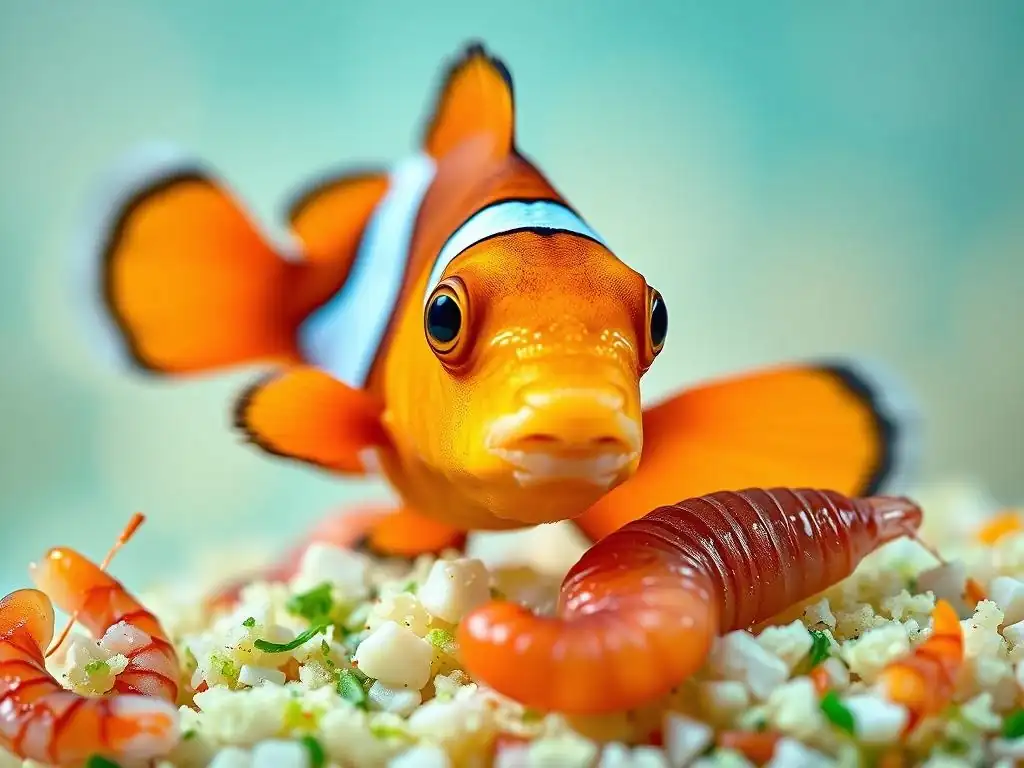
Live foods are an invaluable component of an optimal wrasse diet, offering unparalleled palatability and stimulating natural hunting instincts. Many wrasse species, particularly those newly introduced to a tank or wild-caught specimens, will initially only accept live prey. The movement and natural scent of live foods can entice even the pickiest eaters, encouraging them to feed and acclimate to their new environment.
Common live foods suitable for wrasses include copepods, amphipods, and various types of worms. Copepods and amphipods are particularly beneficial for smaller wrasses and those that naturally graze on microfauna within the reef. While brine shrimp ( Artemia salina) are readily available and stimulate feeding, they are nutritionally poor unless gut-loaded. Offering a diverse range of live foods enhances the overall nutritional profile of the wrasse diet and provides mental enrichment.
Culturing Live Foods: Brine Shrimp, Copepods, and More
Culturing live foods like brine shrimp is a straightforward process that allows for a consistent supply of fresh, live prey. Brine shrimp hatching kits are widely available, requiring only saltwater (around 1.020-1.025 specific gravity) and aeration at a temperature of 78-82°F. It is crucial to harvest the nauplii within 24-48 hours of hatching, as their nutritional value rapidly diminishes once their yolk sac is depleted.
Culturing copepods and amphipods is more involved but highly rewarding for maintaining a diverse wrasse diet. These crustaceans can be cultured in a dedicated refugium or separate culture vessels, typically fed with phytoplankton. A continuous supply of these micro-crustaceans provides a natural, self-sustaining food source that mimics the wrasse's natural foraging environment. This constant availability ensures a high level of optimal nutrition.
Best Practices for Introducing Live Foods to Your Wrasse
When introducing live foods to your wrasses, gradual integration is key, especially if they are accustomed to frozen or dry foods. Start by offering small quantities, observing how readily the wrasse accepts them. This helps prevent overfeeding and allows the fish to adjust to the new food source. For shy wrasses, introducing live foods can be a breakthrough in getting them to eat regularly.
Always ensure that any live foods you introduce are clean and disease-free. Sourcing from reputable suppliers or culturing them yourself in a controlled environment minimizes the risk of introducing pathogens into your aquarium. While live foods are excellent for the wrasse diet, they should ideally be part of a broader nutritional strategy, not the sole food source, unless the specific wrasse species has highly specialized requirements.
Frozen Foods: Convenience and Nutritional Value for Wrasses
Frozen foods are a staple in an optimal wrasse diet, offering a convenient and nutritionally rich alternative to live options. They boast a long shelf life and come in a vast array of types, allowing aquarists to provide a diverse diet that closely mimics the natural prey of many wrasse species. For the average aquarist, frozen foods form the backbone of a comprehensive wrasse feeding regimen.
Popular frozen food options for wrasses include Mysis shrimp, enriched brine shrimp, krill, bloodworms, and various marine blends containing a mix of seafood. Mysis shrimp are particularly valued for their high protein and lipid content, making them an excellent choice for many carnivorous and omnivorous wrasses. These diverse options contribute significantly to the wrasse's overall optimal nutrition.
Selecting High-Quality Frozen Foods for Wrasses
When selecting frozen foods for your wrasse diet, prioritize quality. Look for brands that utilize high-grade ingredients and employ flash-freezing techniques to preserve the maximum amount of nutrients. Avoid products with excessive binders or fillers, as these can dilute nutritional content and contribute to water pollution. The packaging should be airtight to prevent freezer burn, which degrades food quality.
Consider the size of the food particles relative to your wrasse's mouth. Smaller wrasses, such as fairy wrasses, will require finely chopped or smaller-sized frozen items like cyclops or finely crushed Mysis. For larger wrasse species, whole Mysis or chopped krill may be more appropriate. Always ensure the product is formulated for marine fish to guarantee the correct nutritional balance for a robust wrasse diet.
Properly Thawing and Preparing Frozen Food for Optimal Consumption
Proper preparation of frozen foods is crucial to maximize their nutritional value and prevent water quality issues. Always thaw frozen foods in a small amount of tank water or RO/DI water; never use tap water, which can contain chlorine or chloramines harmful to fish. Avoid thawing large quantities and refreezing, as this process degrades essential vitamins and nutrients.
Once thawed, it is highly recommended to rinse the food through a fine mesh net. This step removes excess phosphates and nitrates that can leach into the aquarium water, contributing to unwanted algae growth. Feed the prepared food immediately after thawing to ensure the wrasse receives the freshest, most nutrient-dense meal. This meticulous preparation contributes significantly to an optimal wrasse diet.
Flake and Pellet Foods: Supplementing the Wrasse's Core Diet
While not the primary food source for many wrasses, especially those that are obligate carnivores or primarily planktivorous, high-quality flake and pellet foods can serve as a valuable supplement to a diverse wrasse diet. They offer a convenient way to deliver essential vitamins, minerals, and trace elements, particularly for wrasse species that readily accept them.
It is important to emphasize that flakes and pellets should complement, rather than replace, a diet rich in frozen and live foods. Many wild-caught wrasses may initially ignore these processed foods, requiring patience and perhaps a gradual introduction alongside their preferred prey. However, for acclimated wrasses, they can provide a consistent baseline of nutrition.
Choosing the Right Flake and Pellet Foods for Wrasse Species
When selecting flake and pellet foods for your wrasses, opt for marine-specific formulations with a high protein content, ideally 40% to 50% or more. Look for products that list whole fish meal, krill, spirulina, and other marine-derived ingredients as primary components. Added vitamins, particularly stabilized Vitamin C, are also beneficial for an optimal wrasse diet.
Consider the size and texture of the food. Smaller wrasses will benefit from finely crushed flakes or very small pellets, while larger species can handle larger pellet sizes. Some manufacturers offer "carnivore" or "reef fish" specific formulations that are generally more appropriate for the nutritional needs of wrasse species, providing a comprehensive and balanced supplement to their feeding regimen.
Feeding Frequency and Portion Sizes for Wrasses
Wrasses are typically active fish with high metabolisms, necessitating multiple small feedings throughout the day to support their energy demands. Feeding 2-3 times per day is often ideal, mimicking their natural continuous foraging behavior and preventing long periods of fasting. This approach also helps maintain stable water quality by avoiding large nutrient dumps.
The key to proper portion sizing is to feed only what your wrasses can consume within 1-2 minutes. Overfeeding is a common mistake that leads to deteriorated water quality, excessive algae growth, and potential health issues for the fish. For a small-to-medium-sized wrasse, this might translate to a pinch of flake food or a small quarter-inch cube of frozen food per feeding, adjusting based on the number and size of the wrasses in your tank.
Wrasse-Specific Nutritional Considerations: Tailoring the Diet
Dietary Differences Among Wrasse Species: Carnivorous Wrasses (e.g., Leopard Wrasse)
Carnivorous wrasses, such as the various Leopard Wrasses ( Macropharyngodon spp.) and Six-Line Wrasses ( Pseudocheilinus hexataenia), primarily subsist on small invertebrates found within the sand bed or rockwork in their natural habitats. Their diet typically includes copepods, amphipods, small worms, and other micro-crustaceans. Therefore, their captive wrasse diet must be rich in animal protein and fats to support their active foraging lifestyle and high metabolic rate.
For these species, a core diet of live copepods and amphipods, ideally cultivated in a refugium or regularly dosed into the display tank, is highly beneficial and often essential. Supplement this with high-quality frozen Mysis shrimp, enriched brine shrimp, and finely chopped marine flesh like clam or shrimp. Due to their constant foraging, these wrasses often require frequent, small feedings throughout the day to maintain their optimal nutrition and prevent weight loss.
Planktivorous wrasses, which include many species of Fairy Wrasses ( Cirrhilabrus spp.) and Flasher Wrasses ( Paracheilinus spp.), primarily feed on zooplankton suspended in the water column. While the Cleaner Wrasse ( Labroides dimidiatus) is known for feeding on ectoparasites from other fish, a significant portion of its natural diet still consists of small planktonic organisms. These wrasses are typically active swimmers and require a steady supply of small, nutrient-dense foods.
Their optimal nutrition in captivity should focus on small, highly digestible frozen foods such as cyclops, rotifers, and enriched brine shrimp. Finely crushed, high-quality marine flakes or small pellets can also be incorporated once they are acclimated. Automatic feeders that dispense small amounts of food throughout the day can be particularly effective for these species, ensuring a continuous supply of food that mimics their natural feeding behavior and supports their high metabolism.
Addressing Nutritional Deficiencies in Wrasses: Symptoms and Solutions
Nutritional deficiencies in wrasses can manifest in various ways, often indicating a prolonged lack of specific vital nutrients in their wrasse diet. Common symptoms include faded or dull coloration, lethargy, emaciation (a sunken belly), fin erosion, and an increased susceptibility to common aquarium diseases. For instance, a persistent lack of Vitamin C can lead to conditions like lateral line erosion, characterized by pitting and lesions along the fish's lateral line.
The primary solution to addressing nutritional deficiencies is to diversify and enrich the wrasse diet immediately. This involves incorporating a wider variety of high-quality frozen foods, regularly offering gut-loaded live foods, and considering the use of marine-specific vitamin supplements. If a wrasse exhibits symptoms, gradually introduce nutrient-dense options like Mysis shrimp soaked in a vitamin solution, and ensure it is receiving enough food without competition from tank mates. Consistent observation and adjustment of the feeding regimen are crucial for recovery and maintaining optimal nutrition.
Enhancing Wrasse Nutrition: Supplements and Enrichment Strategies

Vitamin Supplements for Wrasses: Boosting Immunity and Coloration
Vitamin supplements play a vital role in enhancing the optimal nutrition of wrasses, particularly in boosting their immune system and intensifying their natural coloration. Liquid marine vitamin solutions, often rich in Vitamin C, B vitamins, and carotenoids, can be soaked into frozen or dry foods before feeding. Vitamin C is a powerful antioxidant that supports immune function and tissue repair, while carotenoids are crucial for vibrant pigmentation.
When using supplements, always adhere to the manufacturer's instructions to avoid over-supplementation, which can be detrimental. For instance, soaking a small portion of frozen Mysis shrimp in a marine vitamin solution for 10-15 minutes prior to feeding ensures that your wrasses receive a potent dose of essential nutrients. This practice is especially beneficial for newly acquired or stressed wrasses, helping them acclimate and thrive by ensuring their wrasse diet is robust.
Gut Loading Live Foods: Maximizing Nutritional Delivery
Gut loading is an advanced feeding technique that significantly enhances the nutritional value of live foods before they are offered to wrasses. This process involves feeding the live prey (such as brine shrimp, copepods, or feeder fish) a highly nutritious diet for several hours or days prior to feeding them to your wrasses. The nutrients consumed by the live food are then transferred directly to the wrasse, effectively delivering a concentrated dose of vitamins, minerals, and proteins.
To gut load, feed live brine shrimp or copepods with high-quality spirulina, phytoplankton, or specialized gut-loading formulas for 12-24 hours. For example, brine shrimp fed a spirulina-based diet will provide significantly higher levels of beta-carotene and essential fatty acids, dramatically improving the quality of the wrasse diet. This method ensures that even nutritionally sparse live foods become a powerhouse of optimal nutrition for your fish.
Creating a Feeding Schedule for Optimal Wrasse Health and Growth
Establishing a consistent feeding schedule is fundamental for the optimal health and growth of wrasses, given their high metabolism and active foraging behavior. Typically, providing 2-3 small meals per day is ideal, as it mimics their natural continuous grazing and prevents long periods of hunger. This structured approach helps maintain stable energy levels and reduces stress.
An effective feeding schedule might involve offering a portion of high-quality frozen Mysis shrimp in the morning, followed by a small amount of marine pellets or flakes in the afternoon, and concluding with gut-loaded live foods (like copepods or enriched brine shrimp) in the evening. This varied schedule ensures a continuous supply of diverse nutrients, supporting consistent growth, vibrant coloration, and overall robust health, contributing significantly to an optimal wrasse diet.
Avoiding Common Feeding Mistakes with Wrasses
Overfeeding and its Consequences for Wrasse Health
Overfeeding is one of the most common and detrimental mistakes in aquarium husbandry, leading to a cascade of negative consequences for wrasse health and tank stability. Excess food decomposes rapidly, releasing ammonia, nitrites, and nitrates, which degrade water quality and can stress or poison fish. High nutrient levels also fuel undesirable algae blooms and can contribute to internal organ damage in fish, such as fatty liver disease.
Signs of overfeeding include cloudy water, a proliferation of nuisance algae, and uneaten food accumulating on the substrate. To avoid this, feed only what your wrasses can consume within 1-2 minutes. For example, in a 50-gallon reef tank with several wrasses, a quarter of a standard frozen cube per feeding, distributed widely, is a good starting point, adjusting as necessary. Less is often more when it comes to an optimal wrasse diet.
Undernourishment and Recognizing Signs of Starvation in Wrasses
While overfeeding is a common issue, undernourishment is equally critical, particularly for shy, newly introduced, or specialized wrasse species. Signs of starvation include a noticeably sunken belly, emaciation, faded colors, lethargy, and a general wasting away. These symptoms indicate that the wrasse is not receiving enough food, or the food it is consuming is not meeting its nutritional needs.
To prevent undernourishment, closely observe individual wrasses during feeding times to ensure they are actively participating and consuming food. If a wrasse appears to be struggling, consider target feeding using a baster or syringe, or offering highly palatable live foods known to entice them, such as live copepods. Persistence and careful observation are key to ensuring every wrasse in the tank receives an optimal wrasse diet.
Food Competition: Ensuring All Wrasses Get Enough to Eat
In a community aquarium, food competition is a significant concern, especially when housing multiple wrasse species or wrasses with more aggressive or faster-eating tank mates. Dominant fish can quickly consume the majority of the food, leaving smaller, shyer, or slower-eating wrasses underfed, despite a seemingly abundant offering. This leads to stress and undernourishment for the less assertive individuals.
Strategies to mitigate food competition include dispersing food widely across the tank to create multiple feeding zones, or feeding in two or more locations simultaneously. For particularly shy wrasses, target feeding with a turkey baster can ensure they receive their share of the wrasse diet. For example, if you have a fast-eating tang and a timid flasher wrasse, feed the tang on one side of the tank, then quickly deliver food directly to the flasher wrasse on the other side.
Optimizing Water Quality for Proper Nutrient Absorption in Wrasses
The Link Between Water Parameters and Wrasse Digestion
Maintaining stable and optimal water parameters is intrinsically linked to a wrasse's ability to efficiently digest food and absorb vital nutrients from its wrasse diet. Poor or fluctuating water quality creates stress, which directly inhibits the digestive system's function and nutrient uptake. When a wrasse is stressed, its metabolic processes slow down, reducing appetite and the efficiency with which its body can extract nourishment from food.
Key parameters like salinity (ideally 1.023-1.026 specific gravity), stable temperature (75-82°F), and consistent pH (8.1-8.4) directly influence the enzymatic activity required for digestion. For instance, a sudden drop in pH or temperature can cause a wrasse to become lethargic and lose its appetite, making it less likely to fully benefit from even the most perfectly formulated optimal nutrition.
Maintaining Ideal Water Chemistry for Healthy Wrasses
Achieving and maintaining ideal water chemistry for wrasses involves a multi-faceted approach. Regular water changes, typically 10-20% bi-weekly for a well-stocked 75-gallon tank, are essential for diluting nitrates, phosphates, and other accumulated waste products. Consistent testing for parameters like nitrates (ideally below 20 ppm) and phosphates (below 0.05 ppm) is crucial to ensure a clean and stable environment.
Effective filtration, including mechanical, biological, and chemical filtration (such as carbon and GFO), also plays a vital role in removing pollutants that can stress wrasses and hinder nutrient absorption. Additionally, good water flow and proper oxygenation within the aquarium support a healthy gut microbiome and efficient waste removal, both of which indirectly contribute to a wrasse's ability to absorb nutrients from its optimal wrasse diet. A healthy internal environment is just as important as a healthy external one.
Advanced Wrasse Feeding Techniques: Target Feeding
Using a turkey baster or syringe to deliver food directly to shy or slow-eating wrasses.
Target feeding is an invaluable advanced technique for ensuring that every wrasse in your aquarium receives adequate nutrition, especially those that are shy, newly introduced, or less competitive eaters. This method involves using a long-handled tool, such as a turkey baster or a specialized feeding syringe, to deliver food precisely and directly to the mouth of a specific fish. This minimizes waste and ensures the intended recipient gets its meal without competition.
This technique is particularly effective for species like Leopard Wrasses ( Macropharyngodon spp.) or other delicate wrasses that might be easily outcompeted by faster or more aggressive tank mates. By gently squirting small amounts of preferred foods, such as small frozen Mysis shrimp or nutrient-enriched brine shrimp, directly into the wrasse's vicinity, you can guarantee it receives its share of the crucial wrasse diet.
Benefits of Target Feeding for Wrasse Health and Coloration
The primary benefit of target feeding is the assurance that all wrasses, regardless of their position in the tank's hierarchy, receive their required nutrients. This prevents undernourishment and promotes overall robust health. It also significantly reduces stress for shy individuals, as they do not have to contend with aggressive tank mates for food, allowing them to acclimate more comfortably to their environment.
Consistently receiving an optimal nutrition through target feeding leads to noticeable improvements in wrasse health, including more vibrant coloration, stronger immune responses, and consistent growth. For example, a target-fed Flasher Wrasse ( Paracheilinus spp.) is far more likely to display its full, brilliant colors and engage in natural flashing behaviors, which are direct indicators of a well-nourished and thriving fish, supported by a carefully managed wrasse diet.
Frequently Asked Questions
How important is a varied diet for Wrasse health?
A varied diet is absolutely critical for optimal Wrasse health. It helps ensure they receive all the necessary vitamins and minerals they need to thrive and exhibit vibrant colors. Lack of variety can lead to deficiencies.
What types of food should be included in a Wrasse's diet?
Wrasse diets should include a mix of high-quality flakes or pellets, frozen foods like mysis shrimp and brine shrimp, and potentially live foods depending on the species. This provides a balanced nutrient profile for optimal health.
Can I rely solely on flake food to feed my Wrasse?
While some Wrasse will accept flake food, relying solely on it is not recommended. Flake food often lacks the complete nutritional content found in a varied diet, particularly the essential fatty acids and amino acids from frozen or live foods.
How often should I feed my Wrasse each day?
Most Wrasse should be fed two to three times per day in small portions. This mimics their natural feeding behavior and helps prevent overfeeding and water quality issues.
What are some signs that my Wrasse is not getting proper nutrition?
Signs of poor nutrition in Wrasse can include faded colors, lethargy, loss of appetite, and increased susceptibility to diseases. These symptoms indicate an immediate need to re-evaluate and improve their diet.
Final Reflection: The Vibrant Future of Wrasse Nutrition
The insights explored throughout this article highlight the critical importance of understanding and optimizing wrasse diets in both aquarium and natural environments. No longer can we rely solely on basic flake food; a nuanced approach, considering species-specific needs and enriched nutritional profiles, is essential for the health, vibrancy, and longevity of these fascinating fish. The urgency of this knowledge is amplified by the increasing pressures on coral reef ecosystems and the growing popularity of wrasses in the aquarium trade.
This journey into wrasse nutrition has underscored the profound impact that informed dietary choices can have on the well-being of these creatures. It's a reminder that responsible stewardship, whether in a home aquarium or in the broader context of marine conservation, begins with understanding the fundamental needs of the animals we care for. We are tied to the ocean. And when we go back to the sea, whether it is to sail or to watch it we are going back from whence we came.
- John F. Kennedy. This quote resonates deeply, reminding us of our inherent connection to the marine world and our responsibility to protect its inhabitants, starting with something as fundamental as providing them with optimal nutrition.
Now, as we conclude this exploration, I invite you to reflect on the power of knowledge and its potential to transform our approach to wrasse care. Consider how you can apply these insights to your own aquarium practices, or how you can advocate for more sustainable and informed practices within the aquarium community. Let us all strive to be more conscious and compassionate stewards of these vibrant creatures, ensuring a brighter and healthier future for wrasses and the ecosystems they inhabit.
Unleash the Vibrant Potential of Your Wrasses!
Thanks for diving deep into the world of wrasse nutrition! We hope you've uncovered some valuable insights to keep your finned friends thriving. Now, let's put that knowledge into action!
Here's how you can take your wrasse care to the next level:
- Start enriching your wrasses' diet today! Introduce a wider variety of foods, focusing on frozen and live options alongside your regular flakes.
- Share your wrasse feeding schedule on social media and tag us @AquariumMastery – let's inspire other hobbyists!
- Research a unique, naturally sourced food item your wrasses might enjoy, and report your findings in the comments below!
What exciting new ingredient are you going to introduce to your wrasses' diet this week?