
Aquarium Mastery's Essential Checklist for a Peaceful and Thriving Reef Ecosystem

Welcome to Aquarium Mastery!
Dive into the captivating world of reef keeping! Ever wondered if you've covered every critical aspect of establishing a truly thriving and peaceful reef tank? Our comprehensive Reef Tank Ecosystem Checklist is your essential guide to ensuring a harmonious and healthy underwater paradise. Let's explore the secrets to a balanced ecosystem and unlock the full potential of your saltwater haven. Ready to embark on this exciting journey?
- Reef Aquarium Success: A Comprehensive Guide
- Understanding Reef Ecosystems: Foundations for a Thriving Tank
-
Pre-Setup Checklist: Planning and Preparation
- 1. Tank Planning: Size, Placement, and Budget Considerations
- 2. Aquarium Selection: Material Choices and Considerations
- 3. Substrate Options: Sand, Bare Bottom, and Alternatives
- 4. Aquascaping: Creating a Functional and Aesthetically Pleasing Layout
- 5. Essential Equipment Overview: Ensuring a Stable Environment
-
Critical Equipment Checklist: Choosing the Right Tools
- 6. Lighting for Coral Health: Spectrum, Intensity, and Photoperiod
- 7. Filtration Systems: Maintaining Pristine Water Quality
- 8. Water Circulation: Achieving Optimal Flow Patterns
- 9. Temperature Regulation: Maintaining a Stable Temperature Range
- 10. Salinity Management: Achieving and Maintaining Proper Salt Levels
-
Establishing and Maintaining the Reef Ecosystem
- 11. The Nitrogen Cycle: Establishing Biological Filtration
- 12. Water Chemistry Monitoring: Regular Testing and Adjustments
- 13. Coral Selection: Choosing Appropriate Species for Your Tank
- 14. Fish and Invertebrate Selection: Creating a Balanced Community
- 15. Acclimation Procedures: Safely Introducing New Livestock
- Ongoing Maintenance and Care: Ensuring Long-Term Health
- Troubleshooting Common Reef Tank Issues
- Optimizing for Long-Term Success
-
Frequently Asked Questions
- What are the key components of a successful reef tank ecosystem?
- How often should I test my reef tank water parameters?
- What type of lighting is best for my reef tank?
- What are some common reef tank problems and how can I prevent them?
- How do I choose the right fish and invertebrates for my reef tank?
- Final Reflection: Cultivating Harmony in Miniature Seas
- Dive Deeper: Transform Your Reef Tank Today!
Reef Aquarium Success: A Comprehensive Guide
Understanding Reef Ecosystems: Foundations for a Thriving Tank
Defining a Reef Ecosystem and Its Significance
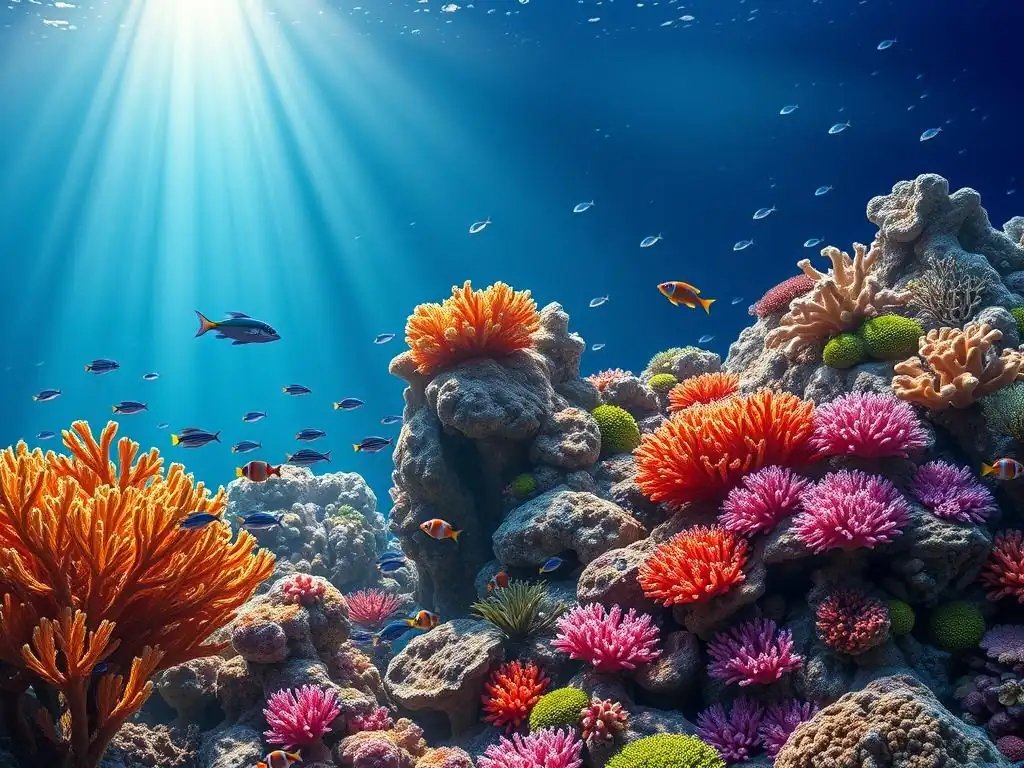
A reef ecosystem, in the context of an aquarium, is a complex, self-sustaining miniature ocean environment designed to mimic the intricate biological and chemical processes found on natural coral reefs. It typically comprises corals (stony and soft), diverse marine fish, invertebrates like snails, crabs, and starfish, and a plethora of beneficial microorganisms. The success of such a system hinges on the symbiotic relationships between these organisms, particularly the crucial partnership between corals and zooxanthellae algae, which provide corals with vital nutrients.
The significance of successfully maintaining a reef ecosystem extends beyond mere aesthetics; it represents a commitment to understanding and replicating a delicate natural balance. These tanks offer a unique window into marine biology, allowing aquarists to observe complex behaviors and interdependencies firsthand. Achieving a thriving reef environment is a testament to meticulous planning and consistent care, making a comprehensive reef tank ecosystem checklist an indispensable tool for any aspiring or experienced aquarist.
The Importance of Stability in Reef Aquariums
Stability is arguably the most critical factor for the long-term health and prosperity of a reef aquarium. Unlike robust freshwater systems, marine reef environments are highly sensitive to fluctuations in water parameters, temperature, and lighting cycles. Even minor, rapid changes can induce significant stress on corals and other inhabitants, leading to issues like coral bleaching, disease susceptibility, and even mortality. Maintaining consistent conditions minimizes stress, allowing organisms to allocate energy towards growth, coloration, and reproduction rather than constant adaptation.
For instance, a sudden temperature drop of just 3-4°F (around 2°C) can severely impact coral health, while wild swings in alkalinity can inhibit coral calcification. Similarly, unstable salinity levels can cause osmotic shock in fish and invertebrates. Therefore, every item on a reef tank ecosystem checklist should be geared towards minimizing variability, ensuring a predictable and unwavering environment that mirrors the consistent conditions found in natural reef habitats.
Essential Water Parameters for a Healthy Reef Environment
Maintaining precise water parameters is non-negotiable for a healthy reef ecosystem. Key among these is salinity, ideally kept at a specific gravity of 1.025-1.026 (or 35 ppt), which closely matches natural ocean water. Temperature should be consistently maintained within a narrow range, typically 76-82°F (24-28°C), to prevent thermal stress. The pH level, representing acidity or alkalinity, is also vital and should ideally remain between 8.0 and 8.4, with minimal daily fluctuation.
Beyond these fundamental parameters, the balance of major elements crucial for coral growth—Calcium (Ca), Alkalinity (dKH), and Magnesium (Mg)—is paramount. Calcium levels should typically range from 400-450 ppm, supporting the skeletal formation of stony corals. Alkalinity, representing the water's buffering capacity, is generally targeted between 7-12 dKH, preventing drastic pH swings. Magnesium, acting as a catalyst for calcium and alkalinity absorption, should be maintained between 1250-1350 ppm. Regular monitoring and adjustment of these parameters are critical components of any effective reef tank ecosystem checklist.
Pre-Setup Checklist: Planning and Preparation
1. Tank Planning: Size, Placement, and Budget Considerations
Thorough planning is the cornerstone of a successful reef aquarium. When considering tank size, it's often recommended to opt for larger volumes, generally 75 gallons (approximately 284 liters) or more, as larger water bodies offer greater stability against parameter fluctuations and dilute waste more effectively.
Placement is equally crucial: choose a location away from direct sunlight (to avoid excessive algae growth), drafts, and high-traffic areas, ensuring the floor can support the immense weight (a 100-gallon tank with rock, water, and equipment can easily exceed 1,000 pounds or 450 kg). Accessibility for maintenance, including water changes and equipment servicing, should also be a primary concern.
Budgeting extends far beyond the initial purchase of the tank itself. Aquarists must account for ongoing costs, including high-quality salt mix, specialized marine fish and coral foods, electricity for pumps and lighting, water testing kits, and potential medication or supplements. A realistic financial plan, factoring in both upfront investment and continuous expenditures, is an indispensable part of any comprehensive reef tank ecosystem checklist. Neglecting this aspect can lead to compromises in equipment quality or maintenance, ultimately jeopardizing the health of the ecosystem.
2. Aquarium Selection: Material Choices and Considerations
The choice between a glass or acrylic aquarium is a significant decision that impacts both the aesthetics and long-term maintenance of your reef system. Glass tanks are renowned for their scratch resistance and optical clarity that remains consistent over time, making them a popular choice for many aquarists. However, they are considerably heavier than acrylic tanks and are not easily drilled for custom plumbing, such as overflows or return lines, without specialized tools and expertise.
Acrylic aquariums, conversely, are much lighter and offer superior optical clarity, often appearing brighter and allowing for seamless viewing. They are also excellent insulators, which can help in maintaining stable temperatures. A key advantage of acrylic is its ease of modification; it can be readily drilled for custom plumbing configurations, offering greater flexibility in design. However, acrylic is highly susceptible to scratching, requiring careful cleaning techniques. Each material has distinct advantages and disadvantages that should be carefully weighed against your specific needs and the overall reef tank ecosystem checklist for your setup.
3. Substrate Options: Sand, Bare Bottom, and Alternatives
The choice of substrate profoundly influences the biological processes and maintenance routines within a reef aquarium. Aragonite sand, typically with a grain size of 0.5-2 mm, is a popular choice for its aesthetic appeal and its role in buffering pH by slowly dissolving and releasing calcium carbonate. A shallow sand bed (SSB), usually 1-2 inches deep, provides a habitat for beneficial microfauna and some denitrification, while a deep sand bed (DSB), 4-6 inches deep, can significantly contribute to anaerobic denitrification, converting nitrates into harmless nitrogen gas.
Alternatively, a bare bottom (BB) tank, without any substrate, is favored by some aquarists for its ease of cleaning and maintenance. Detritus and waste can be easily siphoned out, preventing nutrient accumulation, and higher water flow can be achieved across the tank floor. While BB tanks simplify nutrient export, they lack the biological diversity and denitrification benefits of sand beds. Other less common options, like crushed coral, are generally discouraged due to their tendency to trap detritus, leading to elevated nutrient levels. The substrate decision is a fundamental point on any reef tank ecosystem checklist, impacting filtration and the type of inhabitants that can thrive.
4. Aquascaping: Creating a Functional and Aesthetically Pleasing Layout
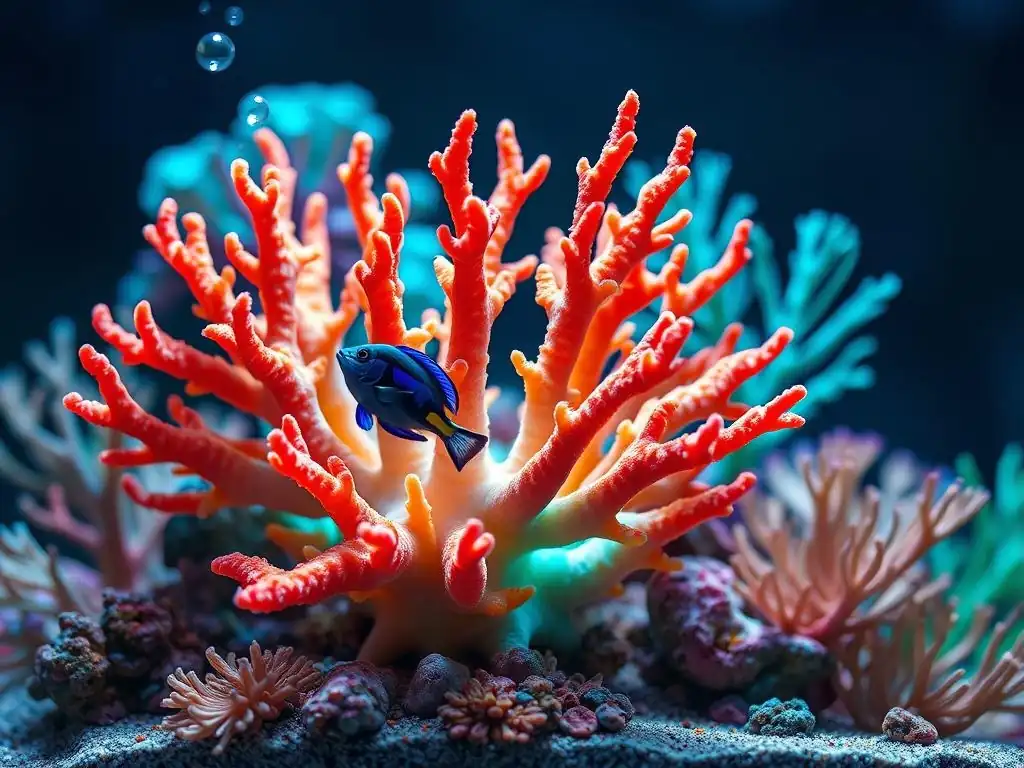
Aquascaping, the art of arranging live rock and other decor within the aquarium, is critical for both the aesthetic appeal and the biological functionality of a reef tank. A well-designed aquascape provides ample hiding spaces for fish, secure attachment points for corals, and allows for optimal water flow throughout the entire display. Creating arches, caves, and elevated structures not only enhances visual depth but also promotes diverse microclimates within the tank, catering to species with varying light and flow requirements.
Beyond aesthetics, the stability and safety of the rock structure are paramount. Rocks should be securely stacked or epoxied together to prevent collapses, which could damage the tank or injure inhabitants. Furthermore, the aquascape should be designed with future coral growth in mind, ensuring adequate spacing between corals to prevent shading or stinging. Sufficient open areas for fish swimming and access for maintenance, such as siphoning detritus or target feeding, are also crucial considerations. This thoughtful design process is a vital element of a comprehensive reef tank ecosystem checklist.
Live Rock vs. Artificial Rock: Pros and Cons
Live rock, typically porous calcium carbonate rock harvested from the ocean or aquacultured, is highly valued for its biological diversity. It comes pre-seeded with beneficial bacteria, microfauna, and even some macroalgae, which significantly aids in establishing the nitrogen cycle and providing natural filtration. Its irregular shapes also make for natural-looking aquascapes. However, live rock can be costly, heavy, and may sometimes introduce unwanted pests or algae into the system.
Artificial rock, often made from ceramic or inert plastics, offers a sterile, pest-free alternative. It is lighter, typically more affordable, and allows for greater control over the aquascape design. While it lacks the immediate biological benefits of live rock, it will become colonized by beneficial bacteria over time, eventually performing similar filtration functions. Many aquarists choose a combination of both, using a base of artificial rock for structure and adding a smaller amount of cured live rock to "seed" the system, a strategic choice for any reef tank ecosystem checklist.
5. Essential Equipment Overview: Ensuring a Stable Environment
Establishing a thriving reef ecosystem requires a suite of specialized equipment, each playing a vital role in maintaining the delicate balance of the marine environment. The core components include powerful lighting systems tailored for coral growth, robust filtration units to manage water quality, and efficient water circulation pumps to mimic natural ocean currents. Temperature regulation devices, such as heaters and chillers, are also indispensable for maintaining a stable thermal environment.
Furthermore, accurate salinity management tools, like refractometers, are necessary for precise salt level monitoring. Each piece of equipment must be carefully selected based on the tank's size, the type of corals and fish intended, and the overall goals for the reef system. Investing in high-quality, reliable equipment from the outset is crucial, as malfunctions can quickly destabilize the entire ecosystem. This comprehensive equipment assessment forms a critical section of any effective reef tank ecosystem checklist, ensuring all necessary tools are in place for success.
Critical Equipment Checklist: Choosing the Right Tools
6. Lighting for Coral Health: Spectrum, Intensity, and Photoperiod
Lighting is one of the most critical components for a successful reef tank, directly impacting coral health, growth, and coloration. Corals, particularly stony corals, rely heavily on their symbiotic zooxanthellae algae to photosynthesize, requiring specific light spectrums and intensities. The primary types of reef lighting include T5 fluorescent, Metal Halide, and LED (Light Emitting Diode) fixtures. LEDs are increasingly popular due to their energy efficiency, longevity, and customizable spectrums, often incorporating wavelengths from deep blue (450-470nm) to white (6500K-20000K) to promote both coral growth and vibrant coloration.
The intensity of light, often measured in PAR (Photosynthetically Active Radiation), must be appropriate for the specific coral species being kept; for instance, SPS (Small Polyp Stony) corals often require PAR values exceeding 250-300 µmol·m²·s⁻¹, while LPS (Large Polyp Stony) corals and soft corals may thrive with PAR between 50-150 µmol·m²·s⁻¹. The photoperiod, or duration of light exposure, typically ranges from 8 to 12 hours daily, often with a shorter peak intensity period. Proper lighting selection and management are non-negotiable elements of a comprehensive reef tank ecosystem checklist.
7. Filtration Systems: Maintaining Pristine Water Quality
Maintaining pristine water quality is paramount for a thriving reef ecosystem, and this is primarily achieved through a combination of filtration methods. A robust filtration system prevents the accumulation of harmful nitrates, phosphates, and other organic pollutants that can fuel nuisance algae growth and stress corals. The primary components of reef filtration typically include mechanical, biological, and chemical filtration, often integrated into a sump system.
A well-designed filtration setup ensures that waste products are efficiently removed before they can degrade water quality. This multi-faceted approach is essential for supporting the delicate balance required by corals and sensitive invertebrates. Understanding and implementing an effective filtration strategy is a cornerstone of any detailed reef tank ecosystem checklist, safeguarding the health and stability of the entire system.
Protein Skimmers: Removing Organic Compounds
Protein skimmers are indispensable devices in saltwater aquariums, playing a crucial role in removing dissolved organic compounds (DOCs) from the water before they can break down into harmful nitrates and phosphates. They work by creating a large number of fine air bubbles that attract and bind to organic waste particles. These waste-laden bubbles then rise to the surface, forming a foam that collects in a removable collection cup, effectively exporting pollutants from the system.
The efficiency of a protein skimmer is often measured by its air-to-water contact time and the volume of water it processes. High-quality skimmers can remove up to 30-50% of the dissolved organic carbon (DOC) in a reef tank daily, significantly reducing the bioload. Proper sizing of the skimmer to the tank volume and bioload is crucial for optimal performance, making it a high-priority item on any reef tank ecosystem checklist. Regular cleaning of the collection cup is also vital to maintain its effectiveness.
Refugiums: Natural Filtration and Biological Diversity
A refugium is a separate compartment or tank, often connected to the main display tank via a sump, designed to provide a safe haven for beneficial organisms and facilitate natural filtration processes. Typically, refugiums are lit on a reverse daylight cycle to the main tank (e.g., at night) to stabilize pH fluctuations and consume nutrients when the main tank lights are off. They are commonly used to grow macroalgae, such as Chaetomorpha or Ulva, which efficiently absorb nitrates and phosphates, acting as a natural nutrient export mechanism.
Beyond nutrient removal, refugiums foster biodiversity by providing a protected environment for copepods, amphipods, and other microfauna to reproduce without predation from fish in the main display. These small crustaceans then migrate into the display tank, serving as a natural food source for corals and fish, particularly finicky eaters. The inclusion of a refugium significantly enhances the overall stability and health of the reef tank ecosystem checklist, promoting a more balanced and resilient environment.
Mechanical Filtration: Particulate Removal
Mechanical filtration is the first line of defense in maintaining water clarity and removing suspended particulate matter from the reef aquarium. This typically involves the use of filter socks, filter floss, sponges, or roller mats that physically trap uneaten food, detritus, and other debris before they can decompose and pollute the water. These materials are usually placed in high-flow areas, such as after the overflow drain in a sump, to maximize their efficiency.
While highly effective at removing physical particles, mechanical filtration media must be cleaned or replaced very frequently—often daily or every few days—to prevent them from becoming a source of nitrates and phosphates as trapped organic matter breaks down. Neglecting this crucial step can quickly negate the benefits and contribute to water quality issues. Regular maintenance of mechanical filtration is a simple yet essential task on the reef tank ecosystem checklist for preventing nutrient build-up and maintaining crystal-clear water.
8. Water Circulation: Achieving Optimal Flow Patterns
Effective water circulation is paramount for a healthy reef ecosystem, mimicking the natural currents found on coral reefs. Proper flow ensures that all areas of the tank receive adequate oxygenation, prevents the accumulation of detritus on corals and in dead spots, and delivers essential nutrients to sessile invertebrates like corals. Insufficient flow can lead to "dead spots" where waste accumulates, fostering nuisance algae growth and stressing corals.
The specific flow requirements vary depending on the types of corals kept; SPS corals typically thrive in strong, turbulent, and random flow patterns, often requiring 20-40 times the tank volume per hour, while LPS and soft corals prefer more gentle, indirect flow. Powerheads and wavemakers are commonly used to achieve these patterns, often programmed to create oscillating or random currents. Achieving optimal flow is a complex but critical aspect of the reef tank ecosystem checklist, contributing significantly to the vitality and cleanliness of the entire system.
9. Temperature Regulation: Maintaining a Stable Temperature Range
Maintaining a stable and consistent temperature is absolutely vital for the survival and health of all inhabitants in a reef aquarium. Marine organisms, particularly corals, are highly sensitive to temperature fluctuations, as even small, rapid changes can induce significant stress, leading to coral bleaching, disease, and reduced metabolic function. The ideal temperature range for most reef tanks is between 76-82°F (24-28°C), with minimal daily swings.
To achieve this stability, aquarists typically employ heaters, often submersible models, appropriately sized for the tank volume. In warmer climates or during summer months, chillers may be necessary to prevent overheating, especially with high-wattage lighting. Digital thermometers with alarms can provide crucial monitoring. Consistent temperature control, free from sudden spikes or drops, is a fundamental requirement on any reef tank ecosystem checklist, directly impacting the long-term success of the system.
10. Salinity Management: Achieving and Maintaining Proper Salt Levels
Salinity, the measure of dissolved salts in the water, is one of the most critical parameters to monitor and maintain in a reef aquarium. Natural ocean water has a specific gravity of approximately 1.025-1.026 (equivalent to 35 ppt or 35 grams of salt per kilogram of water), and replicating this range is crucial for the osmotic balance of marine fish, corals, and invertebrates. Fluctuations in salinity, even by a few points, can cause severe osmotic stress, leading to dehydration or overhydration of cells, and potentially death.
Regular monitoring with a reliable refractometer or digital salinity meter is essential; inexpensive hydrometers are often inaccurate and not recommended for reef systems. Evaporation, which removes only pure water and leaves salts behind, will increase salinity, necessitating daily top-offs with RODI (Reverse Osmosis Deionized) water to compensate. Conversely, water changes with freshly mixed saltwater or the addition of supplements can affect salinity. Precise salinity management is a non-negotiable item on every reef tank ecosystem checklist to ensure the well-being of all marine life.
Establishing and Maintaining the Reef Ecosystem
11. The Nitrogen Cycle: Establishing Biological Filtration
The nitrogen cycle is the cornerstone of biological filtration in any aquarium, but it is particularly critical and delicate in a reef ecosystem. This natural process involves the conversion of harmful ammonia (NH3/NH4+), produced from fish waste, uneaten food, and decaying organic matter, into less toxic nitrite (NO2-), and then into relatively harmless nitrate (NO3-). This conversion is carried out by specific colonies of nitrifying bacteria (Nitrosomonas and Nitrobacter species) that colonize porous surfaces like live rock, biological media, and sand beds.
Establishing a robust nitrogen cycle, often referred to as "cycling the tank," is a mandatory initial step that typically takes 4-8 weeks before any sensitive marine life can be introduced. During this period, ammonia is introduced (e.g., through a small amount of fish food or pure ammonia solution), allowing bacterial colonies to multiply. Monitoring ammonia, nitrite, and nitrate levels daily during cycling is crucial to confirm the cycle's completion. A fully established nitrogen cycle is the foundational element of a stable reef tank ecosystem checklist, ensuring that toxic waste products are neutralized.
12. Water Chemistry Monitoring: Regular Testing and Adjustments
Consistent and accurate water chemistry monitoring is not merely a recommendation but a fundamental requirement for the long-term success of a reef aquarium. Regular testing allows aquarists to track key parameters, identify potential imbalances before they become problematic, and make precise adjustments. High-quality test kits for essential parameters are an indispensable investment. Without routine testing, it's impossible to know if the environment is suitable for sensitive corals and fish.
The frequency of testing depends on the maturity and stability of the tank, but initially, daily or every-other-day testing is advisable. As the tank matures, weekly or bi-weekly tests for major parameters might suffice, with daily checks for critical elements like alkalinity. Prompt and informed adjustments based on test results prevent cascading issues, ensuring the delicate balance required for a thriving reef ecosystem. This proactive approach to water chemistry is a central pillar of any effective reef tank ecosystem checklist.
Ammonia, Nitrite, and Nitrate Control
Controlling nitrogenous waste products—ammonia, nitrite, and nitrate—is paramount for the health of a reef aquarium. Ammonia and nitrite are highly toxic to marine life, even at very low concentrations (e.g., above 0.05 ppm). During the initial cycling phase, these levels will spike and then gradually fall to zero as the beneficial bacteria establish. Once the tank is established, any detectable levels of ammonia or nitrite indicate a serious problem, such as a dead animal, overfeeding, or a compromised biological filter.
While nitrates are significantly less toxic than ammonia or nitrite, high levels (e.g., consistently above 10-20 ppm, though many reefers aim for below 5 ppm) can inhibit coral growth, reduce coloration, and fuel nuisance algae blooms. Nitrate control involves a combination of efficient biological filtration (deep sand beds, refugiums), protein skimming, regular water changes, and careful feeding practices. Maintaining undetectable ammonia and nitrite, and very low nitrates, is a primary goal on any reef tank ecosystem checklist.
Calcium, Alkalinity, and Magnesium Balance
The precise balance of Calcium (Ca), Alkalinity (dKH), and Magnesium (Mg) is critical for the calcification process of stony corals, which form their skeletons from calcium carbonate. Calcium, typically maintained between 400-450 ppm, is the primary building block. Alkalinity, representing the water's buffering capacity, usually targeted between 7-12 dKH, ensures a stable pH and provides carbonate ions necessary for calcification. Magnesium, generally kept between 1250-1350 ppm, acts as a catalyst, preventing calcium and alkalinity from precipitating out of solution prematurely.
These three parameters are interdependent; for example, low magnesium can make it difficult to maintain stable calcium and alkalinity levels. As corals grow, they consume these elements, necessitating regular dosing to replenish them. Common dosing methods include two-part solutions, calcium reactors, or the Balling method. Consistent monitoring and precise supplementation of these elements are vital for promoting healthy coral growth and are a fundamental part of any advanced reef tank ecosystem checklist.
13. Coral Selection: Choosing Appropriate Species for Your Tank
Choosing appropriate coral species is a critical step that directly impacts the long-term success and stability of your reef ecosystem. Not all corals are suitable for every tank, as they have varying requirements for lighting, water flow, water chemistry, and even aggression levels. Beginner aquarists are often advised to start with more forgiving species, such as some soft corals (e.g., Zoanthids, Mushrooms, Leather Corals) and certain LPS corals (e.g., Euphyllia, Favia), which are more tolerant of minor parameter fluctuations and lower light/flow.
As experience grows and tank stability is proven, aquarists may venture into more demanding SPS corals (e.g., Acropora, Montipora), which require extremely stable parameters, intense light, and strong, turbulent flow. Researching each coral's specific needs before purchase is paramount to ensure it will thrive in your specific tank conditions and is compatible with existing inhabitants. This thoughtful selection process is a key component of a successful reef tank ecosystem checklist.
14. Fish and Invertebrate Selection: Creating a Balanced Community
Selecting the right fish and invertebrate species is crucial for creating a balanced, peaceful, and functional reef ecosystem. Compatibility is paramount; not all marine fish are "reef-safe," meaning some may nip at corals, consume invertebrates, or grow too large for the tank. Researching each species' temperament, adult size, dietary needs, and compatibility with corals and other fish is essential to prevent aggression, predation, and overcrowding.
For instance, many tangs are excellent algae grazers but require large tanks (e.g., Yellow Tangs need at least 75 gallons, Blue Tangs 125+ gallons) due to their active swimming and adult size (up to 12 inches or 30 cm). Clownfish are iconic and generally reef-safe, often forming symbiotic relationships with anemones. Invertebrates like snails (e.g., Trochus, Nassarius) and hermit crabs are invaluable as part of the "clean-up crew," consuming algae and detritus. A diverse and compatible community, carefully chosen, is a vital part of a comprehensive reef tank ecosystem checklist.
Reef-Safe Fish Species: Compatibility and Care Requirements
When stocking a reef aquarium, prioritizing reef-safe fish species is fundamental to protect corals and invertebrates. Examples of generally reef-safe fish include various species of Clownfish (e.g., Ocellaris, Percula), which are known for their symbiotic relationship with anemones (though anemones themselves can be challenging). Gobies, such as Watchman Gobies or Clown Gobies, are small, peaceful, and often form interesting partnerships with pistol shrimp. Blennies, like Lawnmower Blennies, are excellent for algae control.
Other popular reef-safe choices include certain Dottybacks (e.g., Orchid Dottyback), Royal Grammas, and some smaller Tangs (like the Yellow Tang, provided the tank is sufficiently large, typically 75 gallons or more). Each species has specific care requirements regarding diet, tank size, and temperament towards tank mates. Thorough research into these needs ensures that the chosen fish will not only survive but thrive without posing a threat to the delicate coral ecosystem. This careful selection is a core aspect of any reef tank ecosystem checklist.
Reef-Safe Invertebrates: Snails, Crabs, and Other Clean-Up Crew
Reef-safe invertebrates, collectively known as the "clean-up crew" (CUC), are indispensable for maintaining a healthy and balanced reef ecosystem. Snails are primary grazers of nuisance algae; for instance, Turbo Snails and Trochus Snails are excellent at consuming green hair algae, while Nassarius Snails burrow through the sand, consuming detritus and uneaten food. Hermit crabs, such as Blue Leg or Red Leg Hermits, also consume detritus and some algae, though they can sometimes harass snails for their shells.
Other beneficial invertebrates include various species of shrimp. Peppermint Shrimp are often used for Aiptasia (pest anemone) control, while Cleaner Shrimp provide services to fish by removing parasites and dead tissue. Emerald Crabs can help control bubble algae. Sea Cucumbers can process sand, but require careful consideration. The specific composition and density of the CUC should be tailored to the tank's size and bioload. A robust and diverse clean-up crew is a vital, active component of a functional reef tank ecosystem checklist.
15. Acclimation Procedures: Safely Introducing New Livestock
Proper acclimation is a critical step when introducing any new fish, coral, or invertebrate to a reef aquarium, minimizing stress and preventing shock from sudden changes in water parameters. The goal is to slowly equalize the temperature, salinity, and pH between the water the new inhabitant arrived in and the water in your display tank. Improper acclimation can lead to severe stress, compromised immune systems, and even death.
The drip acclimation method is highly recommended for most corals and invertebrates, as it slowly introduces tank water into the shipping bag or container over an extended period (e.g., 30-60 minutes or longer, depending on sensitivity), allowing for gradual parameter adjustment. Fish can often be acclimated using a floating bag method for temperature, followed by slow introduction of tank water. Quarantining new additions in a separate tank for several weeks is also highly advised to observe for diseases or pests before introducing them to the main display. This careful process is a non-negotiable step on every reef tank ecosystem checklist to safeguard existing and new inhabitants.
Ongoing Maintenance and Care: Ensuring Long-Term Health
16. Regular Water Changes: Maintaining Water Quality
Regular water changes are a fundamental and indispensable aspect of maintaining optimal water quality and long-term health in a reef ecosystem. While filtration systems work to remove waste, water changes physically export accumulated nitrates, phosphates, and other undesirable dissolved organic compounds that filtration alone cannot completely eliminate. They also replenish essential trace elements (like iodine, strontium, and molybdenum) that are consumed by corals and other inhabitants, and help to stabilize alkalinity, calcium, and magnesium levels.
The frequency and volume of water changes can vary depending on tank size, bioload, and individual tank parameters, but a common recommendation is a 10-20% water change every 1-2 weeks. Using high-quality salt mix and RODI (Reverse Osmosis Deionized) water is crucial to avoid introducing impurities. Consistent water changes are a cornerstone of any effective reef tank ecosystem checklist, directly contributing to the vitality, clarity, and overall stability of the marine environment.
17. Algae Control: Prevention and Management Strategies
Nuisance algae can quickly become a persistent problem in reef aquariums, detracting from aesthetics and potentially smothering corals. Effective algae control relies primarily on prevention through strict nutrient management. This involves diligently controlling nitrates and phosphates, which are the primary fuel for algae growth. Strategies include regular water changes, efficient protein skimming, proper feeding (avoiding overfeeding), and maintaining a robust clean-up crew. High-quality RODI water for top-offs and mixing saltwater is also essential to prevent introducing silicates and phosphates from tap water.
If algae outbreaks occur, management strategies include manual removal (siphoning, scrubbing), increasing the clean-up crew (e.g., adding more snails or herbivorous crabs), and addressing the root cause of elevated nutrients. For instance, if phosphate levels are high, using a GFO (Granular Ferric Oxide) reactor can effectively bind and remove it. Persistent algae issues often point to an underlying imbalance in the reef tank ecosystem checklist, requiring a review of feeding, filtration, and water change protocols.
18. Feeding Strategies: Providing Optimal Nutrition
Providing optimal nutrition is crucial for the health, growth, and vibrant coloration of all inhabitants in a reef ecosystem. Fish require a varied diet tailored to their specific needs; for example, herbivorous tangs need algae-based foods, while carnivorous fish require meaty foods. Corals, especially stony corals, derive most of their energy from photosynthesis, but many also benefit from supplemental feeding of specialized coral foods (e.g., phytoplankton, zooplankton, amino acids), particularly at night when their polyps are extended.
The key to successful feeding is moderation. Overfeeding is a common cause of elevated nutrient levels (nitrates and phosphates), which can lead to nuisance algae blooms and poor water quality. Feed small amounts multiple times a day rather than one large feeding, ensuring all food is consumed within a few minutes. Observing the behavior and condition of your fish and corals will help fine-tune feeding amounts and frequencies, making this a critical, ongoing consideration in your reef tank ecosystem checklist.
19. Pest Management: Identifying and Addressing Issues
Despite best efforts, reef aquariums can sometimes fall victim to various pests that can harm corals and compete for resources. Common coral pests include flatworms (e.g., Red Planaria), Aiptasia anemones, Montipora-eating nudibranchs, and various types of predatory snails. Identifying these pests early is crucial, as many can reproduce rapidly and cause significant damage to corals if left unchecked. Regular observation during feeding and maintenance can help spot new threats.
Addressing pest issues often requires specific treatments or manual removal. For example, Aiptasia can be treated with commercial Aiptasia-killing solutions or biological controls like Peppermint Shrimp. Flatworms can sometimes be managed with specific chemical treatments, though caution is advised as some treatments can harm beneficial invertebrates. Quarantining all new livestock (fish, corals, and invertebrates) in a separate tank for several weeks is the most effective preventative measure against introducing pests, making it a critical, proactive step in any reef tank ecosystem checklist.
20. Observation and Monitoring: Early Detection of Potential Problems
Consistent and diligent observation of your reef ecosystem is perhaps the most powerful tool for early detection of potential problems. Beyond routine water testing, daily visual inspection of all inhabitants—fish, corals, and invertebrates—can reveal subtle changes that signal underlying issues. Look for changes in fish behavior (e.g., labored breathing, clamped fins, scratching), coral appearance (e.g., loss of color, recession of tissue, failure to extend polyps), or the sudden appearance of unusual growths or algae.
Monitoring equipment functionality is also part of this process; ensure pumps are flowing correctly, skimmers are producing foam, and heaters are maintaining temperature. A quick daily check, perhaps during feeding, allows for prompt intervention before minor issues escalate into major crises. This proactive approach to observation and monitoring is a continuous, vital component of a successful reef tank ecosystem checklist, enabling timely adjustments and maintaining the health and stability of your thriving reef.
Troubleshooting Common Reef Tank Issues
Managing Algae Blooms Effectively
Algae blooms are one of the most common and frustrating issues faced by reef aquarists, often signaling an underlying imbalance in the ecosystem. Effective management begins with identifying the type of algae (e.g., green hair algae, diatoms, cyanobacteria, dinoflagellates) as each may require slightly different approaches. However, the fundamental cause of most nuisance algae is an excess of nutrients, specifically nitrates and phosphates. For example, if phosphate levels consistently read above 0.03 ppm, algae will likely proliferate.
To combat blooms, implement a multi-pronged strategy: increase water change frequency (e.g., 20% weekly), ensure protein skimmer is optimally producing dark skimmate, reduce feeding amounts, and confirm your RODI unit is producing 0 TDS (Total Dissolved Solids) water. Introduce appropriate clean-up crew members like Turbo or Trochus snails for green algae, or Emerald Crabs for bubble algae. For severe cases, consider GFO (Granular Ferric Oxide) or biopellets to actively export phosphates, or specific chemical treatments for cyanobacteria or dinoflagellates, always following instructions carefully. A diligent reef tank ecosystem checklist for nutrient control is the best defense.
Addressing Coral Health Problems: Identification and Treatment
Coral health problems can manifest in various ways, from tissue recession and loss of color to polyps failing to extend or the appearance of unusual growths. Early identification is crucial for successful intervention. For instance, coral bleaching, where corals expel their symbiotic zooxanthellae, is often indicated by a sudden paling of tissue and can be caused by drastic temperature swings (e.g., a rapid 5°F increase), high light intensity, or severe water parameter instability. If a coral shows signs of bleaching, check temperature and PAR levels immediately.
Other issues include brown jelly disease, a highly contagious bacterial infection characterized by a slimy brown coating, often requiring immediate fragging and removal of infected tissue. Pests like Montipora-eating nudibranchs or Aiptasia can also directly harm corals; these require specific dips or biological controls. When a coral shows distress, the first step is to test water parameters (calcium, alkalinity, magnesium, nitrates, phosphates) to rule out chemical imbalances. Prompt action based on accurate diagnosis is key to saving affected corals and maintaining a healthy reef tank ecosystem checklist.
Stabilizing Water Parameters: Corrective Measures
Unstable water parameters are a primary cause of stress and failure in reef aquariums. When parameters like salinity, temperature, pH, calcium, alkalinity, or magnesium fluctuate wildly, it indicates a need for corrective measures beyond routine maintenance. For instance, if alkalinity consistently drops from 9 dKH to 6 dKH over a few days, it suggests either insufficient dosing for coral consumption or an issue with the buffer. The solution might involve increasing the dose of your two-part solution or checking your calcium reactor's CO2 bubble count.
Similarly, if salinity consistently creeps up, it points to a need for more frequent RODI top-offs or checking the auto top-off (ATO) system. Persistent low pH might indicate insufficient gas exchange, requiring increased surface agitation or a CO2 scrubber. The key is to identify the root cause of the instability through meticulous testing and observation. Corrective measures often involve adjusting dosing regimens, improving water circulation, or enhancing filtration to bring parameters back into the ideal range and keep them there, a continuous process central to any effective reef tank ecosystem checklist.
Optimizing for Long-Term Success
Advanced Techniques: The Balling Method for Parameter Stability
For reef aquarists seeking to maintain highly stable water parameters in demanding systems with high coral loads, advanced dosing techniques like the Balling Method offer superior control. Unlike two-part solutions which typically combine calcium and alkalinity, the Balling Method involves dosing three separate solutions: Calcium Chloride (for calcium), Sodium Bicarbonate (for alkalinity), and a third solution containing a balanced mix of trace elements and magnesium chloride. This separation allows for independent adjustment of each major parameter.
The precise nature of the Balling Method ensures that the ionic balance of the aquarium water is maintained, preventing ionic imbalances that can occur with prolonged use of simpler two-part systems. While requiring more precise measurement and consistent dosing, it is highly effective for maintaining optimal calcium (420-450 ppm), alkalinity (8-10 dKH), and magnesium (1300-1350 ppm) levels, especially in tanks dominated by fast-growing SPS corals. Implementing such advanced techniques represents a significant step in refining your reef tank ecosystem checklist for ultimate stability.
Sustainable Reef Keeping: Responsible Practices and Innovations
Sustainable reef keeping is an increasingly important aspect of the hobby, emphasizing responsible practices that minimize environmental impact and promote the long-term health of both captive and wild reef ecosystems. This involves prioritizing aquacultured corals and tank-bred fish over wild-caught specimens whenever possible. Aquacultured corals, grown in controlled environments, reduce pressure on natural reefs and are often hardier and less prone to disease upon introduction to home aquariums.
Innovations in reef keeping technology, such as highly efficient LED lighting, advanced filtration systems like sulfur denitrifiers, and automated dosing systems, contribute to more stable and environmentally friendly tanks by reducing energy consumption and minimizing waste. Participating in coral frag swaps, where hobbyists exchange coral fragments, also promotes sustainability by sharing captive-grown corals. Embracing these responsible practices is not just ethical but also contributes to the overall success and resilience of your reef tank ecosystem checklist, aligning your hobby with broader conservation efforts.
Frequently Asked Questions
What are the key components of a successful reef tank ecosystem?
The core components are a stable water chemistry, appropriate lighting, and sufficient biological filtration. A healthy population of beneficial bacteria is also crucial.
How often should I test my reef tank water parameters?
It is recommended to test your water parameters, especially alkalinity, calcium, and magnesium, at least weekly. This ensures parameters remain within optimal ranges.
What type of lighting is best for my reef tank?
The best lighting depends on the coral species you plan to keep. Generally, LEDs or metal halides are preferred due to their intensity and spectrum control.
What are some common reef tank problems and how can I prevent them?
Common problems include algae blooms, nutrient imbalances, and pests. Prevention involves regular water changes, proper filtration, and careful introduction of new livestock.
How do I choose the right fish and invertebrates for my reef tank?
Consider the size of your tank, the temperament of the species, and their dietary needs. Research compatibility before introducing any new inhabitants to your reef ecosystem.
Final Reflection: Cultivating Harmony in Miniature Seas
The journey to a thriving reef tank, as outlined in this checklist, is more than just a technical exercise; it's a testament to our ability to create and sustain miniature ecosystems within our own homes. In a world increasingly disconnected from nature, the dedication to nurturing a reef tank serves as a powerful reminder of the delicate balance and interconnectedness of life, even within a glass enclosure.
The impact of responsible reef keeping extends far beyond the aesthetic beauty of a vibrant coral display. It fosters a deeper understanding and appreciation for the ocean's fragile ecosystems, inspiring us to become better stewards of our planet. In the end, we will conserve only what we love; we will love only what we understand; and we will understand only what we are taught.
- Baba Dioum. This quote perfectly encapsulates the ripple effect of knowledge and care that begins with a well-maintained reef tank and extends to a broader commitment to environmental responsibility.
Now, as you embark on or continue your reef-keeping journey, take a moment to reflect on the profound responsibility you've embraced. Let the principles of balance, observation, and continuous learning, so crucial to a thriving reef tank, guide your actions in all aspects of your life. Embrace the challenge, celebrate the successes, and remember that even the smallest act of care can contribute to a more harmonious world, both within your aquarium and beyond.
Dive Deeper: Transform Your Reef Tank Today!
Thanks for exploring the essentials of a thriving reef ecosystem! We hope this guide has given you the insights you need to create a peaceful and stunning underwater world. Now, let's turn that knowledge into action:
- Start with your water: Test your water parameters today to ensure optimal conditions for your corals and fish. This is the single most impactful step you can take.
- Share the love: Post a photo of your reef tank on social media using #AquariumMastery to connect with fellow reef keepers and inspire others.
- Uncover hidden potential: Research one new coral species that you haven't considered before – you might just discover your tank's next centerpiece!
What's one small change you can make this week to significantly improve your reef tank's health and beauty?