
Beyond the Blue: Exploring the Diverse World of Tangs & Surgeonfish

Welcome to Aquarium Mastery!
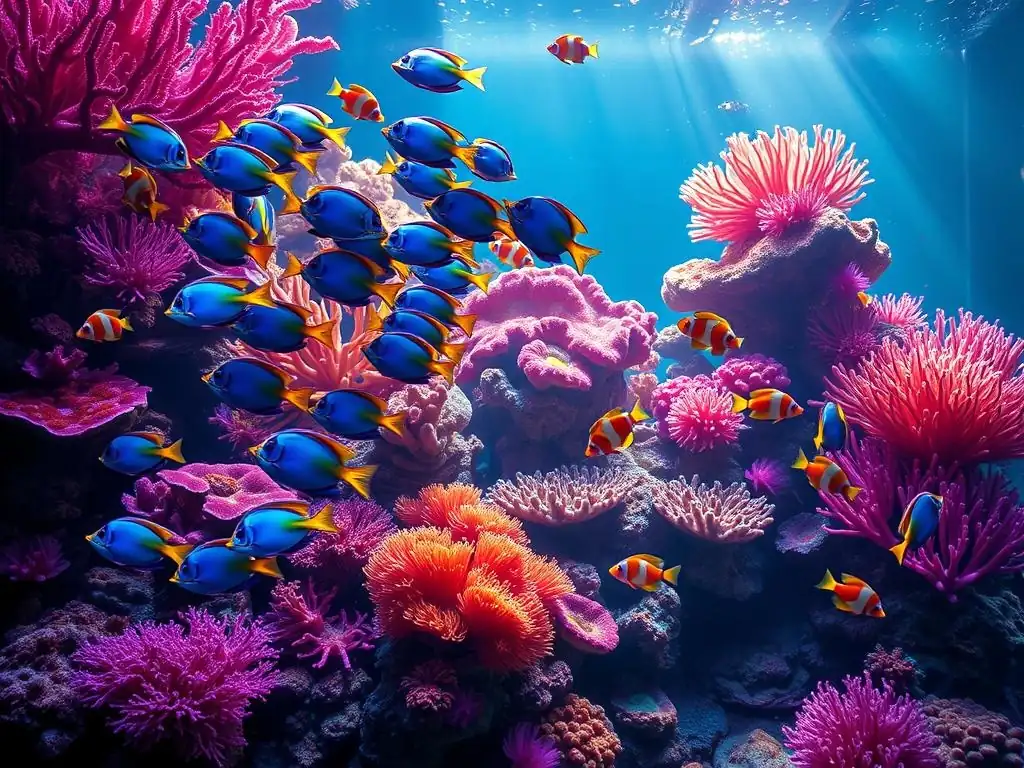
Ever been captivated by the vibrant colors and graceful movements of saltwater tangs? Beyond the Blue dives deep into the fascinating world of these reef inhabitants, offering a comprehensive saltwater tangs care guide to help you successfully keep these beauties thriving. Ready to unlock the secrets to creating the perfect tang-friendly environment? Let's explore!
- Magnificent Marine Algae Grazers: A Comprehensive Guide to Keeping Tangs and Surgeonfish
- Introduction to Tangs and Surgeonfish: Understanding Their Role in Reef Aquariums
-
Essential Care for Tangs and Surgeonfish: Creating a Thriving Habitat
- Selecting the Right Tang or Surgeonfish for Your Aquarium
- Tank Size and Space Requirements: Ensuring Adequate Swimming Room
- Water Quality: Maintaining a Stable and Healthy Environment
- Diet and Nutrition: Meeting the Grazing and Nutritional Needs of Tangs and Surgeonfish
- Supplementing with Prepared Foods: Ensuring a Balanced Nutritional Intake
- Creating a Feeding Schedule for Optimal Health and Coloration
- Frequently Asked Questions
- Final Reflection: Embracing the Reef's Kaleidoscope
- Dive Deeper: Chart Your Course in the Tang Galaxy!
Magnificent Marine Algae Grazers: A Comprehensive Guide to Keeping Tangs and Surgeonfish
Introduction to Tangs and Surgeonfish: Understanding Their Role in Reef Aquariums
The Allure of Tangs and Surgeonfish in Saltwater Aquariums
Tangs and surgeonfish are among the most sought-after inhabitants for saltwater aquariums, captivating enthusiasts with their vibrant colors, graceful swimming, and industrious grazing habits. Their appeal extends beyond aesthetics; these fish play a vital ecological role in natural reef environments by consuming vast quantities of algae, preventing its overgrowth and maintaining the delicate balance of the ecosystem. In a home aquarium, they serve a similar function, acting as natural algae control agents and contributing to the overall health and cleanliness of the tank. This makes them a cornerstone species for many a successful saltwater tangs care guide.
Their active nature and often striking appearance, from the brilliant yellow of a Yellow Tang to the deep blue of a Blue Tang, make them central figures in a well-maintained reef tank. Aquarists often choose them not just for their beauty but for their functional benefits, significantly reducing the need for manual algae scrubbing. However, their specific needs regarding tank size, diet, and water quality demand a thorough understanding to ensure their long-term well-being and vibrant display within a captive environment.
Distinguishing Features: Tangs vs. Surgeonfish
While the terms "tang" and "surgeonfish" are often used interchangeably, they refer to the same family of fish, Acanthuridae. The name "surgeonfish" derives from the scalpel-like spines, or "scalpels," located on either side of their caudal peduncle (the narrow part of the body connecting to the tail fin). These sharp, retractable spines are used for defense against predators and in territorial disputes with other fish. All tangs are surgeonfish, but the common nomenclature often splits them by appearance or specific genera.
For instance, species from the genus Zebrasoma (like the Yellow Tang) are commonly referred to as tangs, known for their disc-like bodies and often vibrant coloration. Meanwhile, species from Paracanthurus (like the Blue Tang) or Acanthurus (like the Powder Blue Tang) are frequently called surgeonfish, though they possess the same characteristic scalpels. Understanding this shared anatomical feature is crucial for safe handling and appreciating their unique adaptations within a saltwater tangs care guide, as these spines can deliver a painful cut if not handled with caution.
Essential Care for Tangs and Surgeonfish: Creating a Thriving Habitat
Selecting the Right Tang or Surgeonfish for Your Aquarium
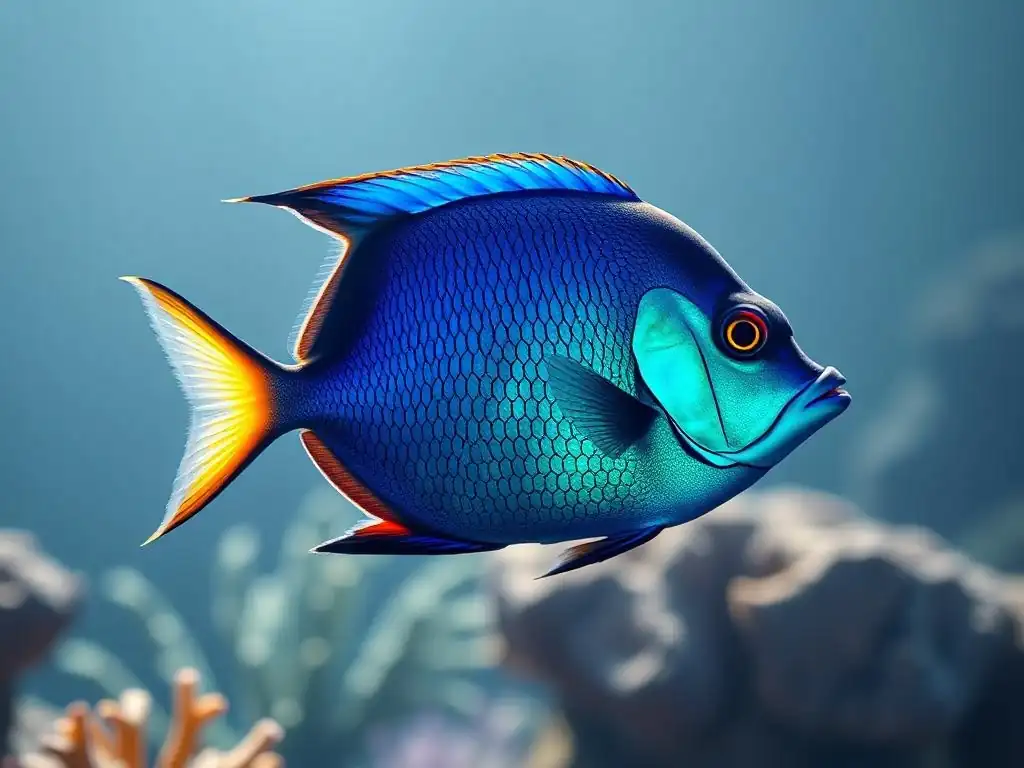
Choosing the appropriate tang or surgeonfish for your aquarium is a critical first step in providing a thriving habitat, heavily influencing the success of your saltwater tangs care guide. Considerations must include the fish's adult size, temperament, and specific dietary needs, all of which vary significantly between species. For example, a juvenile Yellow Tang (Zebrasoma flavescens) might appear small at purchase, often around 2-3 inches, but can grow to an impressive 8 inches in length. Its relatively peaceful nature, especially when kept alone or in very large groups, makes it a popular choice for tanks 75 gallons or larger.
Conversely, a Naso Tang ( Naso lituratus) can reach up to 18 inches and requires a tank of 180 gallons or more to accommodate its size and active swimming habits. Their temperament is generally docile, but their sheer size can intimidate smaller, more timid species. Researching the specific requirements of each species before purchase ensures that the fish will thrive and coexist peacefully with existing tank mates, preventing stress and potential aggression that can lead to disease. Always verify the fish's origin, health, and feeding habits with your local fish store or reputable online vendor.
Tank Size and Space Requirements: Ensuring Adequate Swimming Room
Providing ample tank size and swimming space is paramount for the health and longevity of tangs and surgeonfish. These active, pelagic fish are constant swimmers and require significant lateral space to thrive.
A general guideline is to provide at least 6-8 feet of swimming length for most medium-sized tangs (e.g., Yellow, Blue, Kole Tangs), translating to tanks of 75 gallons minimum for species like the Yellow Tang, and often 125 gallons or more for larger individuals or multiple tangs. Failure to provide sufficient space can lead to stunted growth, increased stress, aggression towards tank mates, and susceptibility to diseases like Head and Lateral Line Erosion (HLLE).
For larger species, such as the Achilles Tang ( Acanthurus achilles) or the aforementioned Naso Tang, tank requirements escalate significantly, often needing 180-gallon tanks or larger, measuring 6-8 feet in length. The width and depth of the tank are also important, allowing for turning radius and ample rockwork for grazing and hiding, without impeding swimming lanes. A well-designed aquascape that offers open swimming areas combined with plenty of crevices for refuge is crucial for their well-being, directly contributing to a successful saltwater tangs care guide.
Water Quality: Maintaining a Stable and Healthy Environment
Maintaining pristine and stable water quality is arguably the most critical aspect of a comprehensive saltwater tangs care guide. Tangs and surgeonfish, like most marine fish, are highly sensitive to fluctuations in water parameters and the accumulation of pollutants. Regular water testing and consistent maintenance routines are non-negotiable for their long-term health. This includes daily visual checks for unusual behavior or physical signs of distress, weekly parameter tests, and bi-weekly to monthly partial water changes, typically 10-20% of the tank volume, using high-quality reverse osmosis/deionized (RO/DI) water mixed with a reputable marine salt mix.
Stable water parameters minimize stress, bolster the fish's immune system, and prevent common ailments. A robust filtration system, including protein skimming, mechanical filtration, and biological filtration, is essential to process waste and maintain water clarity. Furthermore, incorporating live rock and a deep sand bed (if applicable) can contribute to natural biological filtration and denitrification, further enhancing water quality and stability for these sensitive fish.
Salinity, pH, and Temperature: Key Parameters for Tang and Surgeonfish Health
The triumvirate of salinity, pH, and temperature forms the bedrock of optimal water quality for tangs and surgeonfish. Salinity should be maintained within a narrow range, ideally between 1.023 and 1.026 specific gravity (SG), or 33-35 parts per thousand (ppt). Fluctuations, even by a few points, can cause osmotic stress, leading to lethargy and increased susceptibility to parasites like Ich. Regular testing with a calibrated refractometer is vital.
pH levels should be kept stable between 8.1 and 8.4. While minor daily fluctuations are natural (e.g., 0.1-0.2 pH units due to photosynthesis/respiration cycles), sudden drops or prolonged low pH can severely stress tangs, impacting their ability to regulate bodily functions. Temperature should be consistently maintained between 75°F and 80°F (24°C-27°C). A stable temperature is crucial for metabolic processes and immune function; rapid swings can be detrimental. Using reliable heaters with temperature controllers and monitoring with a precise thermometer are essential practices for any serious saltwater tangs care guide.
Nitrate and Phosphate Control: Preventing Algae Blooms and Maintaining Water Quality
Effective control of nitrates and phosphates is crucial not only for preventing nuisance algae blooms that compete with corals but also for the direct health of tangs and surgeonfish. While these fish are algae grazers, excessive levels of these nutrients indicate poor water quality and can lead to chronic stress, weakened immune systems, and increased susceptibility to diseases. Ideal nitrate levels should be below 10-20 ppm, and phosphates ideally below 0.03 ppm. Regular water changes, efficient protein skimming, and the use of phosphate-removing media (e.g., granular ferric oxide - GFO) are primary methods for nutrient export.
Furthermore, minimizing overfeeding and ensuring all food is consumed within a few minutes helps prevent nutrient buildup from decaying organic matter. Cultivating a diverse cleanup crew of snails and hermit crabs can also assist in consuming detritus and uneaten food, further contributing to nutrient control. For tanks with heavy bioloads or persistent nutrient issues, a refugium with macroalgae like Chaetomorpha can serve as a natural nitrate and phosphate absorber, providing an additional layer of biological filtration essential for a robust saltwater tangs care guide.
Diet and Nutrition: Meeting the Grazing and Nutritional Needs of Tangs and Surgeonfish
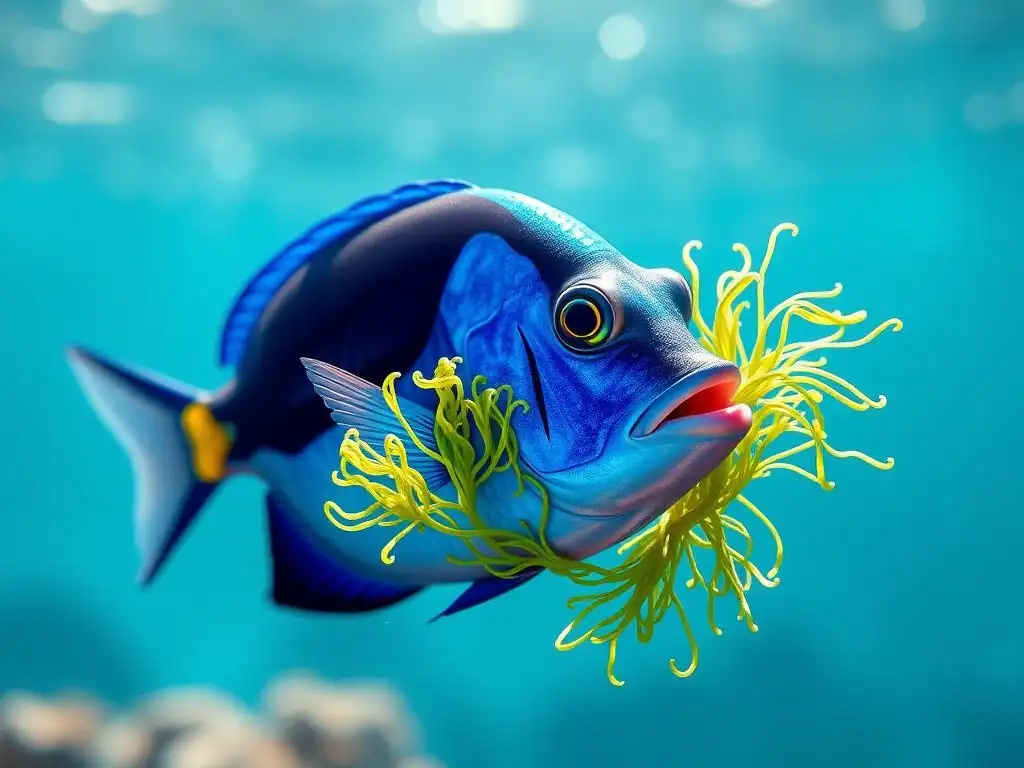
The dietary cornerstone for all tangs and surgeonfish is algae, reflecting their natural grazing behavior on coral reefs. In the wild, species like the Yellow Tang spend most of their day meticulously picking at filamentous algae and diatoms from rocks and substrate. This continuous grazing not only provides essential nutrients but also aids in their digestive process and keeps them active and engaged. Providing a constant supply of marine-based algae in the home aquarium is therefore non-negotiable for their long-term health and vibrant coloration.
Without adequate access to algae, tangs can suffer from nutritional deficiencies, leading to faded colors, reduced activity, and increased susceptibility to diseases such as Head and Lateral Line Erosion (HLLE). Aquarists should regularly offer various forms of marine macroalgae, such as nori (dried seaweed sheets), spirulina flakes, and specialized algae wafers. Attaching nori to a veggie clip in the tank allows the fish to graze throughout the day, mimicking their natural feeding patterns and providing crucial roughage for their digestive system.
Supplementing with Prepared Foods: Ensuring a Balanced Nutritional Intake
While algae is paramount, a balanced diet for tangs and surgeonfish also requires supplementation with high-quality prepared foods to ensure they receive a full spectrum of vitamins, minerals, and proteins. Frozen foods, such as mysis shrimp, brine shrimp (enriched), and various marine mixes, can provide essential amino acids and fats not always abundant in algae. These should be offered a few times a week, in addition to daily algae offerings.
High-quality flake and pellet foods specifically formulated for marine herbivores are also excellent staples. Look for brands that list marine algae, spirulina, and various seaweeds as primary ingredients. Some tangs, particularly those from the genus Acanthurus like the Powder Blue Tang, may also benefit from small amounts of meaty foods, although their primary diet should remain herbivorous. A varied diet prevents nutritional deficiencies and promotes robust health, making it a key component of any comprehensive saltwater tangs care guide.
Creating a Feeding Schedule for Optimal Health and Coloration
Establishing a consistent feeding schedule is vital for the optimal health and coloration of tangs and surgeonfish. Given their continuous grazing nature, it is often more beneficial to offer smaller amounts of food multiple times throughout the day rather than one large feeding. For example, offering a sheet of nori in the morning, followed by a small portion of spirulina flakes or pellets in the afternoon, and perhaps a frozen food offering in the evening. This mimics their natural behavior of constant foraging.
Ensure that all food offered is consumed within a few minutes to prevent excess nutrients from polluting the water, which can lead to algae outbreaks or declining water quality. Observing their feeding response is also important; a healthy tang will eagerly graze and consume food. Any reluctance to eat, or a significant change in appetite, can be an early indicator of stress or illness, requiring prompt attention as part of your active saltwater tangs care guide.
Frequently Asked Questions
How difficult is it to care for Saltwater Tangs?
Tangs can be moderately challenging to keep. They require large tanks and stable water parameters to thrive.
What size aquarium is recommended for most Saltwater Tang species?
Most Saltwater Tangs need a minimum of 75 gallons, but many require 125 gallons or more. This is due to their active swimming habits.
What type of diet do Saltwater Tangs need?
Tangs are primarily herbivores, needing a diet rich in marine algae and seaweed. Supplement their diet with high-quality flake food designed for herbivores.
What are some common diseases that affect Saltwater Tangs?
Common diseases include Ich (marine white spot disease) and Head and Lateral Line Erosion (HLLE). Maintaining pristine water quality is crucial for prevention.
Can I keep multiple Saltwater Tangs together in the same aquarium?
Keeping multiple Tangs together can be tricky. It's best to introduce them simultaneously to minimize aggression. Ensure the tank is large enough to provide adequate territory.
Final Reflection: Embracing the Reef's Kaleidoscope
The vibrant tapestry of the ocean, particularly the reef ecosystem, is a fragile wonder we must actively strive to protect. Understanding the specific needs of saltwater tangs and surgeonfish is no longer a niche interest, but a crucial step towards responsible aquarium keeping and, ultimately, the conservation of their natural habitats. The knowledge shared within this guide serves as a foundation for ensuring these magnificent creatures thrive, both in our care and in the wild.
The impact of informed choices extends far beyond the confines of a home aquarium. Our dedication to providing proper care for tangs and surgeonfish reflects a broader commitment to ecological stewardship, influencing how we perceive and interact with the natural world. We are tied to the ocean. And when we go back to the sea, whether it is to sail or to watch it, we are going back from whence we came.
- John F. Kennedy. This quote reminds us of our inherent connection to the ocean and the responsibility we bear to safeguard its future.
Now, armed with this knowledge, I invite you to reflect on your own role in preserving the beauty and biodiversity of our oceans. Consider how you can translate this understanding of saltwater tangs and surgeonfish into broader conservation efforts. Let us all strive to be informed stewards, ensuring that future generations can marvel at the kaleidoscope of life that thrives beneath the waves.
Dive Deeper: Chart Your Course in the Tang Galaxy!
Thank you for exploring the vibrant world of Tangs and Surgeonfish with us! We hope this journey has sparked a newfound appreciation for these reef inhabitants and equipped you with the knowledge to admire them even more. Now, let's translate this inspiration into action.
- Take the Plunge: Visit your local aquarium and spend at least 30 minutes observing the Tangs and Surgeonfish. Note their individual behaviors, social interactions, and the nuances you've learned from this article.
- Share the Wonder: Spread the word! Post a picture of your favorite Tang species on social media with a captivating fact you learned, using #AquariumMasteryTangs.
- Research ethical breeders: Find and learn the contact info of three local breeders and explore their work.
Ready to become a Tang ambassador and share your newfound knowledge?