
Why Quarantine is NonNegotiable for ReefSafe Additions: A StepbyStep Guide

Welcome to Aquarium Mastery!
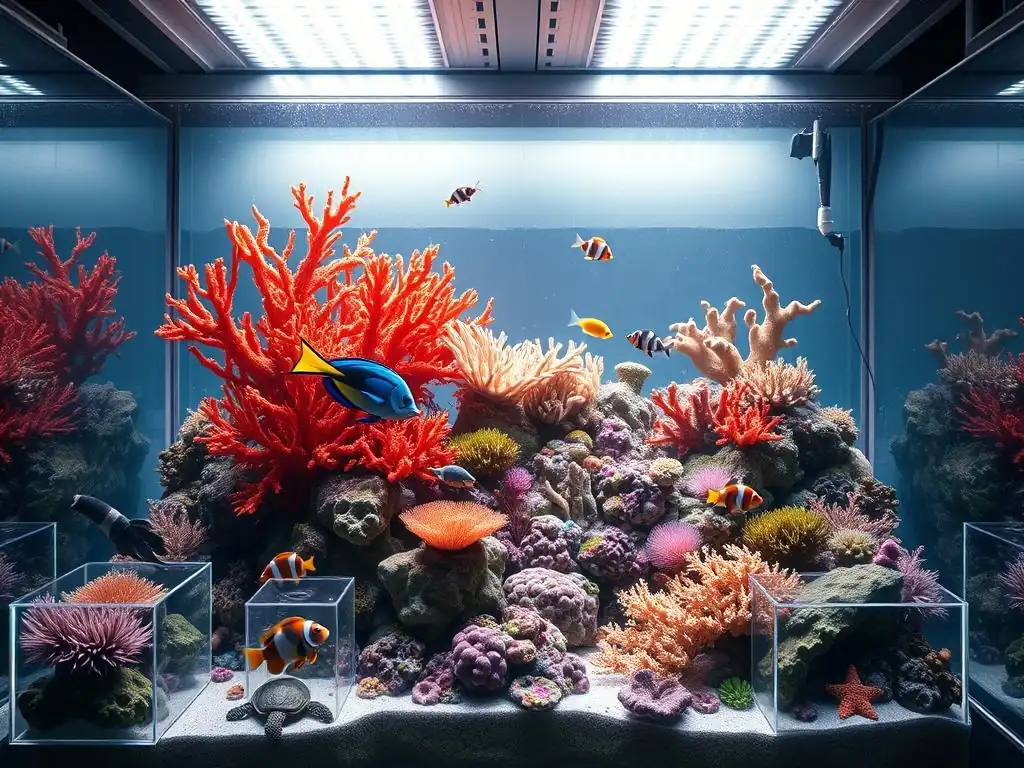
Ever wondered how to ensure your dazzling reef tank stays dazzling, free from unwelcome surprises? This isn't just about pretty corals; it's about protecting your entire underwater ecosystem. Dive into our Reef Tank Quarantine Guide and discover why this crucial step is absolutely non-negotiable for every new addition. Unlock the secrets to a healthy, thriving reef and avoid costly heartbreak. Ready to take control of your reef's destiny? Let's get started!
- Introduction: The Vital Role of Quarantine in Reef Tank Success
- Step 1: Setting Up Your Quarantine Tank for Reef Inhabitants
- Step 2: The Acclimation Process for New Reef Additions
- Step 3: Observation and Monitoring During Reef Quarantine
-
Step 4: Treatment Protocols in Reef Quarantine
- Choosing Reef-Safe Medications and Treatments: Considering the Sensitivity of Invertebrates
- Treating Common Fish Diseases in Quarantine: Copper-Based Medications, Hypo-salinity, Antibiotics
- Addressing Parasitic Infestations in Invertebrates: Dips, Biological Controls
- Recommended Treatments and Dosages for Specific Ailments
- Step 5: The Importance of a Proper Quarantine Period
- Step 6: Transferring Quarantined Inhabitants to Your Display Reef Tank
- Step 7: Post-Quarantine Observation in the Main Reef Tank
- Advanced Reef Quarantine Techniques
- Troubleshooting Common Quarantine Issues
- Conclusion: Investing in Quarantine for a Thriving Reef Aquarium
-
Frequently Asked Questions
- Why is quarantining new reef tank additions so important?
- What size quarantine tank do I need for my reef tank additions?
- How long should I quarantine new reef tank additions?
- What equipment is necessary for a proper reef tank quarantine setup?
- What are some common signs of disease to look for during quarantine?
- Final Reflection: Safeguarding Our Reefs, One Tank at a Time
- Ignite Your Reef: Take Control of Your Aquarium's Health!
Introduction: The Vital Role of Quarantine in Reef Tank Success
Understanding Reef Tank Ecosystems and the Risks of Introducing Pests and Diseases
Reef tank ecosystems are incredibly delicate and complex environments, meticulously balanced to support a diverse array of marine life, from vibrant corals to captivating fish and invertebrates. This intricate balance makes them highly susceptible to disruption from external threats.
When new livestock is introduced without proper precautions, there's a significant risk of unleashing a cascade of problems, including insidious parasites like Marine Ich (Cryptocaryon irritans) and Marine Velvet (Amyloodinium ocellatum), various bacterial infections, and unwanted hitchhikers such as Aiptasia anemones, predatory crabs, or nuisance flatworms. Even seemingly healthy fish can be asymptomatic carriers, harboring pathogens that, once introduced, can rapidly proliferate and decimate an established, valuable reef population.
The devastating impact of these introductions extends beyond the immediate loss of livestock, often leading to widespread coral necrosis, prolonged periods of stress for surviving inhabitants, and significant financial losses due to medication costs and replacement animals. For instance, a single outbreak of Marine Velvet can wipe out an entire fish population within days, while Aiptasia can quickly overrun a tank, stinging and killing corals. Preventing such scenarios is paramount for the long-term viability and enjoyment of a reef aquarium.
Why a Reef Tank Quarantine Guide is Essential for Every Aquarist
A comprehensive reef tank quarantine guide serves as an indispensable tool for every aquarist, acting as a proactive shield against the myriad threats posed by new additions. Unlike treating diseases in the main display tank, which often requires disruptive methods and can harm sensitive corals and invertebrates, quarantine allows for observation and treatment in a controlled, isolated environment. This segregation ensures that any pathogens or pests brought in with new arrivals are contained and eradicated before they can ever reach the established ecosystem.
Implementing a strict quarantine protocol prevents widespread outbreaks, which are notoriously difficult, time-consuming, and expensive to manage in a large, complex reef system. It provides a crucial window, typically 4-6 weeks, for any dormant diseases to manifest and for unwanted organisms to be identified and removed. Adhering to a detailed reef tank quarantine guide is not merely a precaution; it is a fundamental practice that underpins the stability, health, and ultimate success of your reef aquarium, safeguarding your investment and the well-being of your aquatic inhabitants.
Step 1: Setting Up Your Quarantine Tank for Reef Inhabitants
Choosing the Right Size Quarantine Tank Based on Expected Livestock
Selecting the appropriate size for your quarantine tank (QT) is a critical first step, directly impacting the effectiveness of your reef tank quarantine guide. The tank size should be proportionate to the size and number of the livestock you intend to quarantine. For smaller fish, such as clownfish, gobies, or single small invertebrates, a 10-gallon or 20-gallon long aquarium is often sufficient. These sizes provide enough space for observation and basic treatment without requiring excessive medication volumes.
However, if you plan to quarantine larger specimens, such as tangs or angelfish, or multiple smaller fish simultaneously, a 30-gallon or even a 40-gallon breeder tank is highly recommended. Larger tanks offer more stable water parameters, reduce stress by providing more swimming room, and dilute waste products more effectively, which is vital for the minimum 4-6 week quarantine period. Always prioritize a tank size that allows the new inhabitants to move freely and comfortably throughout their isolation, ensuring their well-being during this crucial phase.
Essential Equipment for a Reef Quarantine System: Heaters, Filters, Lighting, and Monitoring Tools
A well-equipped reef quarantine system requires a specific set of tools to ensure optimal conditions and effective treatment. Reliable heating is paramount; at least one, preferably two smaller, redundant heaters should be used to maintain a stable temperature, typically between 76-78°F (24-25.5°C), which is crucial for both fish health and accelerating parasite life cycles.
For filtration, simple and effective options include sponge filters or hang-on-back (HOB) filters equipped with mechanical and biological media, but notably without chemical media like activated carbon or resins, as these can remove medications. A basic LED light is sufficient for observation and maintaining a day-night cycle, but high-intensity lighting is unnecessary.
Monitoring tools are non-negotiable for precise control and safety. A high-quality thermometer is essential for temperature checks, while a calibrated refractometer is indispensable for accurate salinity measurements. Comprehensive test kits for ammonia, nitrite, nitrate, and pH are vital for tracking water quality, especially in a new or medicated system. Additionally, having inert hiding places, such as PVC pipes or un-cured rock rubble, provides crucial security for stressed fish, reducing their anxiety and promoting faster acclimation.
Establishing Biological Filtration in Your Quarantine Tank with Live Rock Rubble or Bottled Bacteria
Establishing robust biological filtration is a cornerstone of any effective reef tank quarantine guide, preventing toxic ammonia and nitrite spikes that can fatally stress new arrivals. There are two primary methods to quickly cycle your quarantine tank. The first involves utilizing live rock rubble from an established, healthy display tank.
A small amount, typically 1-2 pounds per 10 gallons of QT volume, can rapidly seed the new system with beneficial nitrifying bacteria, significantly accelerating the cycling process. This "seeded" material provides an immediate surface for bacterial colonization, often allowing for the safe introduction of fish within days, provided ammonia and nitrite levels are closely monitored.
Alternatively, for those without access to established live rock, high-quality bottled bacteria products offer a convenient and effective solution. Brands such as "Dr. Tim's Aquatics One & Only" or "Seachem Stability" contain live nitrifying bacteria strains that can jumpstart the nitrogen cycle, often allowing for fish introduction within 24-48 hours.
Regardless of the method chosen, it is imperative to test water parameters rigorously before adding livestock and to continue daily monitoring for ammonia and nitrite throughout the initial phase of quarantine. This proactive approach ensures a stable and non-toxic environment, which is critical for the health and recovery of new marine inhabitants.
Step 2: The Acclimation Process for New Reef Additions
Gradual Acclimation to Temperature and Salinity Using the Drip Method
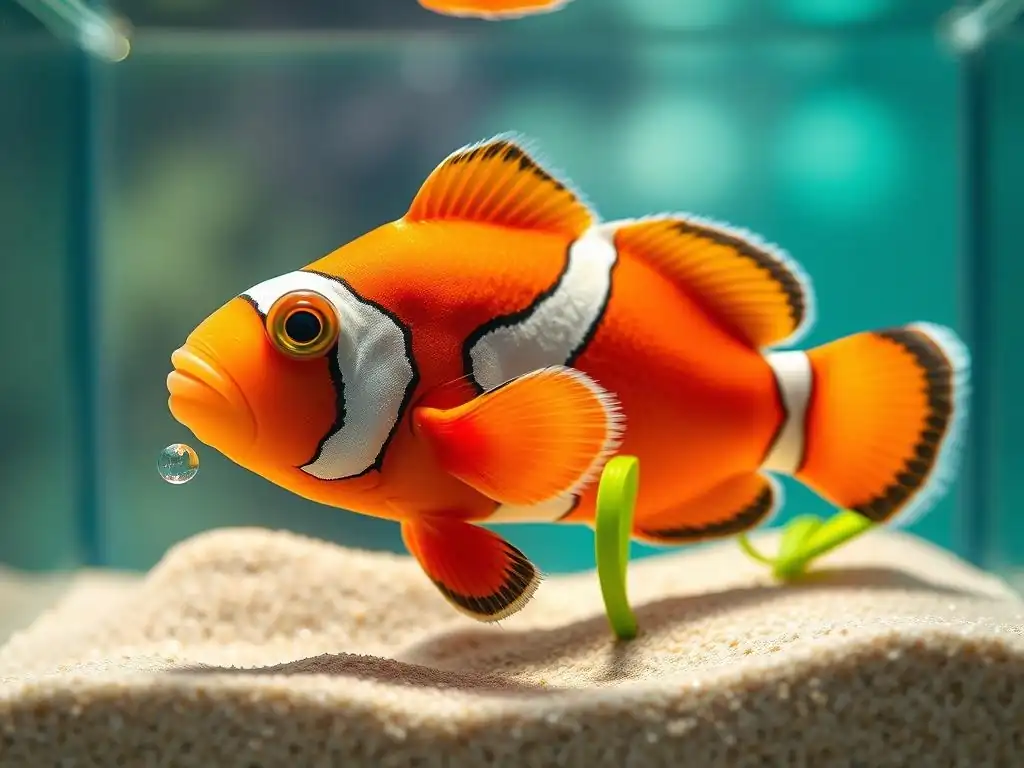
Proper acclimation is a crucial step in any reef tank quarantine guide, minimizing stress and shock for new arrivals. The drip method is widely regarded as the superior technique for gradually adjusting new livestock to the temperature and salinity of the quarantine tank. Begin by placing the fish or invertebrate in a clean container (e.g., a five-gallon bucket or a large plastic tub) with its original transport water.
Then, using airline tubing and an air valve, siphon water from the quarantine tank into the container, allowing it to drip slowly. A drip rate of approximately 1-2 drips per second is ideal, gradually mixing the QT water with the original water over a period of 30 to 60 minutes, or until the volume of water in the container has at least doubled.
During this process, it is essential to monitor the salinity of the water in the acclimation container with a refractometer to ensure it gradually matches the QT salinity. The gradual mixing allows the animal's osmoregulation system to slowly adjust, preventing osmotic shock. Before transferring the animal, ensure the temperature of the water in the container is also closely matched to the QT. Once the parameters are aligned, gently net the animal and introduce it to the quarantine tank, discarding the old transport water to avoid introducing any pathogens or undesirable elements into your system.
Minimizing Stress During the Introduction to Quarantine with Dim Lighting and Hiding Places
The initial hours and days in a new environment are incredibly stressful for marine livestock, and minimizing this stress is paramount for their successful acclimation and immune function. Upon introduction to the quarantine tank, it is highly recommended to keep the lighting very dim or completely off for the first 24 to 48 hours. This low-light condition mimics the natural darkness of their original habitat and reduces visual stressors, allowing the fish or invertebrate to explore its new surroundings without feeling exposed or threatened.
Furthermore, providing ample hiding places is a critical component of a thoughtful reef tank quarantine guide. Simple PVC pipes, T-fittings, or small, inert plastic decorations offer immediate refuge and security. These structures allow new arrivals to retreat and feel safe, reducing their anxiety and encouraging them to settle in. A less stressed animal is more likely to accept food, exhibit natural behavior, and mount a stronger immune response against any potential pathogens, thereby significantly increasing its chances of surviving the quarantine period and thriving in its new home.
Step 3: Observation and Monitoring During Reef Quarantine
Recognizing Signs of Disease and Parasites in New Arrivals: Behavior, Appearance, and Feeding
Diligent observation is the bedrock of any effective reef tank quarantine guide, enabling early detection and intervention for potential health issues. During the quarantine period, which should last at least 4-6 weeks, daily, thorough inspections of your new arrivals are crucial. Pay close attention to their behavior: are they lethargic, hiding excessively, or displaying erratic swimming patterns like flashing or scratching against surfaces? Rapid breathing or clamped fins are also significant indicators of distress or illness.
Equally important is their appearance. Look for any abnormalities such as small white spots resembling salt grains (Ich), a fine, dusty, golden-brown coating (Marine Velvet), cloudy eyes, fin erosion, lesions, discolored patches, or an excessive slime coat. Finally, monitor their feeding habits: are they eager to eat, spitting out food, or showing a complete lack of interest? Any deviation from normal behavior, pristine appearance, or healthy appetite warrants immediate investigation and potential treatment, ensuring that no diseased animal makes it into your main display tank.
Common Reef Fish Diseases and Their Symptoms: Ich, Marine Velvet, Brooklynella
Understanding the symptoms of common marine fish diseases is vital for accurate diagnosis and timely intervention within your reef tank quarantine guide. Marine Ich (Cryptocaryon irritans) is perhaps the most well-known parasite, manifesting as small, white spots, similar to grains of salt, primarily on the fins and body of infected fish. Other symptoms include flashing (rubbing against objects), rapid breathing, and general lethargy. While often not immediately fatal, Ich can severely weaken fish and lead to secondary infections.
Marine Velvet (Amyloodinium ocellatum) is a highly aggressive and often rapidly fatal dinoflagellate infection. Its characteristic symptom is a fine, dusty, golden-brown coating on the fish's skin, which can be difficult to see without proper lighting. Infected fish will typically exhibit rapid, labored breathing, gasping at the surface, and severe lethargy. Due to its rapid progression, immediate treatment is crucial.
Brooklynella Hostilis is a ciliate parasite commonly affecting clownfish, but can infect other species. Symptoms include a thick, white, patchy slime coat, rapid and labored breathing, and severe tissue sloughing. All three require prompt and specific treatment protocols to ensure the survival of the infected fish.
Identifying Invertebrate Pests and Pathogens: Aiptasia, Red Bugs, Flatworms
While fish diseases are a primary concern, a comprehensive reef tank quarantine guide also emphasizes the identification and eradication of invertebrate pests and pathogens that can devastate coral colonies. Aiptasia Anemones are perhaps the most notorious; these small, clear to brownish anemones reproduce rapidly and possess potent stinging cells that can damage or kill corals. They are frequently introduced on live rock or coral frags and can quickly become a pervasive nuisance in a display tank. Visual inspection and targeted removal are key during quarantine.
Red Bugs (Tegastes acroporanus) are tiny, reddish-brown copepods that specifically infest Acropora corals, causing significant tissue loss, polyp retraction, and overall decline. They are very difficult to spot with the naked eye, often requiring a magnifying glass for detection. Infested corals will show signs of stress and poor growth.
Lastly, various species of Flatworms, such as the reddish-brown Convolutriloba retrogemma, can multiply rapidly and irritate corals, sometimes releasing toxins when disturbed. These pests are often introduced on coral frags and can be seen crawling on the coral or tank glass. Thorough inspection and prophylactic dips are essential for preventing their entry into the main reef.
Step 4: Treatment Protocols in Reef Quarantine
Choosing Reef-Safe Medications and Treatments: Considering the Sensitivity of Invertebrates
A critical aspect of any reef tank quarantine guide is the understanding that "reef-safe" medications for the main display tank are vastly different from the potent, often invertebrate-toxic, treatments used in a dedicated fish-only quarantine tank. Many highly effective fish medications, such as copper-based treatments, formaldehyde, and certain antibiotics, are lethal to corals, anemones, shrimp, crabs, and other invertebrates. This fundamental distinction is precisely why a separate quarantine system is non-negotiable.
When selecting medications for the quarantine tank, it is paramount to read product labels meticulously and understand their active ingredients. Avoid any medication containing copper or formalin if you intend to treat invertebrates in the same system, or if the fish will eventually be housed with invertebrates. The QT environment provides the necessary isolation to use these powerful, non-reef-safe medications without endangering your valuable coral and invertebrate collection in the main display tank. This segregation allows for aggressive and effective treatment protocols that would be impossible in a mixed-reef environment.
Treating Common Fish Diseases in Quarantine: Copper-Based Medications, Hypo-salinity, Antibiotics
Effective treatment of common fish diseases within the quarantine tank is a cornerstone of a robust reef tank quarantine guide. Copper-based medications, such as Copper Power or Cupramine, are highly effective against external parasites like Marine Ich and Marine Velvet.
These treatments must be administered in a fish-only quarantine setting due to their toxicity to invertebrates. Precise dosing and diligent monitoring with a reliable copper test kit (e.g., Hanna Checker, Salifert) are crucial to maintain therapeutic levels (e.g., 0.5-0.8 ppm for Cupramine, 2.0-2.5 ppm for Copper Power) for the recommended duration, often 30 days, to break the parasite's life cycle.
Hypo-salinity, reducing the specific gravity to 1.008-1.010, is another effective method for eradicating marine parasites. This approach relies on osmotic shock to kill the parasites and requires gradual reduction and strict monitoring with a calibrated refractometer over 4-6 weeks. However, it's not suitable for all fish species and requires careful execution.
For bacterial infections like fin rot or bacterial gill disease, broad-spectrum antibiotics such as Furan-2 or Maracyn 2 can be used. These medications should only be administered when a bacterial infection is confirmed, and the full dosage regimen must be followed precisely to prevent antibiotic resistance and ensure efficacy.
Addressing Parasitic Infestations in Invertebrates: Dips, Biological Controls
Addressing parasitic infestations on new invertebrates, particularly corals, is a critical step within any comprehensive reef tank quarantine guide. Coral dips are the primary method for prophylactic treatment and pest eradication. Products like Revive, Coral RX, or Lugol's solution are specifically formulated to dislodge and kill common coral pests such as flatworms, red bugs, Aiptasia, and predatory snails.
The process involves gently dipping the coral frag in a diluted solution for a specific duration, typically 5 to 15 minutes, while gently swirling or using a small powerhead to dislodge pests. It is crucial to follow the manufacturer's instructions precisely regarding dilution ratios and dip times to avoid stressing or harming the coral. After the dip, the coral should be rinsed in clean, matching saltwater before being placed into the quarantine tank for observation.
While biological controls like peppermint shrimp (for Aiptasia) or certain wrasses (for flatworms) can be effective in a display tank, their use in a quarantine setting for new additions is less practical for immediate eradication. The focus in quarantine should be on physical removal and chemical dips to ensure that no unwanted organisms are transferred to the main system. Consistent observation in the quarantine tank after dipping allows for confirmation that no pests remain or re-emerge, ensuring a truly pest-free introduction to the display reef.
Recommended Treatments and Dosages for Specific Ailments
Adhering to precise treatment protocols and dosages is paramount for the success of any reef tank quarantine guide. For Marine Ich and Marine Velvet, a common and highly effective prophylactic treatment for fish is a 30-day course of copper medication. For example, using Cupramine, the target therapeutic range is 0.5-0.8 ppm, maintained consistently for the entire duration, requiring daily testing with a reliable copper test kit.
For Copper Power, the target is typically 2.0-2.5 ppm. If opting for hypo-salinity, the specific gravity should be gradually lowered to 1.008-1.010 over 24-48 hours and maintained for at least 4-6 weeks, with daily monitoring using a calibrated refractometer.
For bacterial infections, broad-spectrum antibiotics like Furan-2 or Maracyn 2 often require a 5-7 day treatment cycle, with specific dosages based on tank volume (e.g., one packet per 10 gallons every 24 hours for Furan-2). It is crucial to perform water changes and remove carbon before and after treatment periods to maintain water quality and remove residual medication. For coral pests, specific coral dips (e.g., Revive, Coral RX) are used prior to placing the coral in the QT.
A typical dip involves mixing the recommended amount (e.g., 4 ml per gallon for Revive) in a separate container of tank water, dipping the coral for 5-15 minutes, and then rinsing it thoroughly. Always consult and strictly follow the manufacturer's instructions for any specific product, as dosages and durations can vary significantly.
Step 5: The Importance of a Proper Quarantine Period
Recommended Quarantine Duration for Fish and Invertebrates: At Least 4-6 Weeks
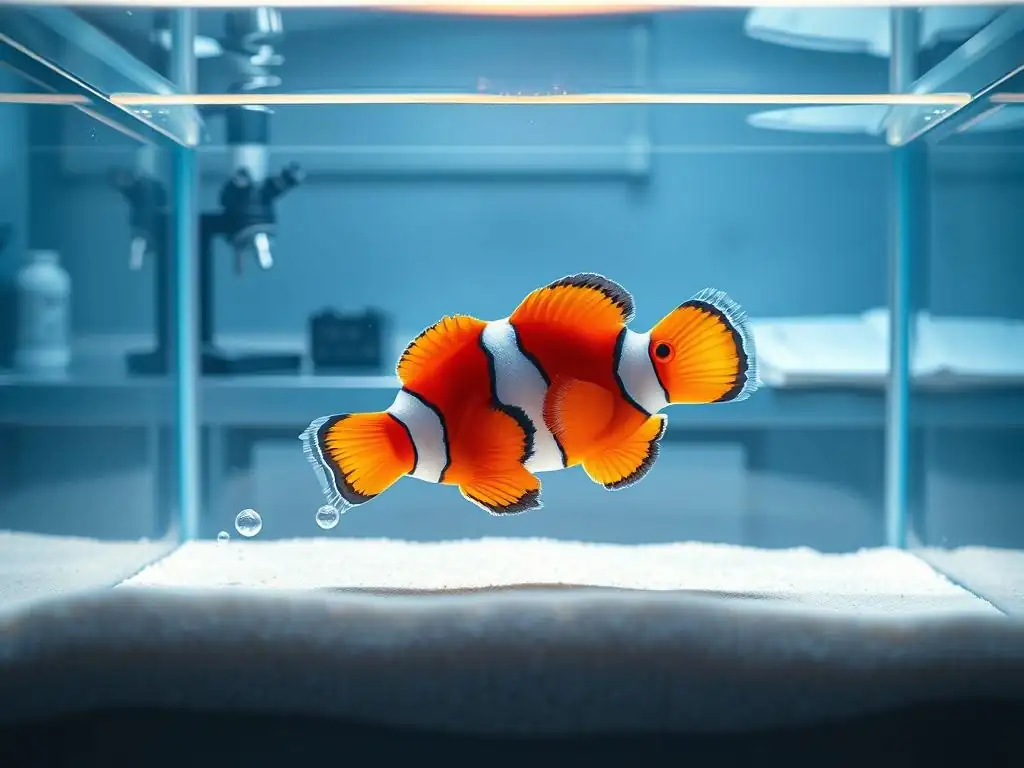
The duration of the quarantine period is a critical, non-negotiable element of any effective reef tank quarantine guide. For both fish and invertebrates, a minimum quarantine period of at least 4-6 weeks (28-42 days) is strongly recommended. This extended timeframe is not arbitrary; it is specifically designed to account for the complex life cycles of common marine parasites like Ich and Marine Velvet.
These parasites have a free-swimming, infective stage that must find a host within a limited window, followed by dormant stages within the host and then encysted stages in the substrate. A 4-6 week period, especially at stable temperatures around 78°F (25.5°C), ensures that multiple generations of these parasites complete their life cycle without finding a new host, effectively eradicating them from the quarantined animal.
For invertebrates, while the risk of internal parasites is lower, the 4-6 week period allows sufficient time for any dormant or hidden hitchhikers – such as predatory snails, Flatworms, or Aiptasia anemones – to emerge and become visible. This extended observation period provides ample opportunity to identify and remove these unwanted organisms before they can establish themselves and proliferate in your main display tank, protecting your valuable corals and other inhabitants from potential harm.
When is it Safe to Introduce New Additions to Your Main Reef Tank? After Confirmed Health and Observation
The decision to transfer new additions from the quarantine tank to your main reef display should only be made after stringent criteria outlined in a comprehensive reef tank quarantine guide have been met. It is safe to introduce new livestock only when they have shown no signs of disease or stress for the entire 4-6 week quarantine period, or for the entire duration after successful treatment if an illness was addressed.
This means observing consistently healthy behavior: active swimming, vibrant coloration, clear fins, absence of any spots, lesions, or unusual growths, and a robust appetite, readily accepting a variety of foods.
Furthermore, water parameters in the quarantine tank must be stable and within ideal ranges, mirroring those of your main display tank as closely as possible. If any symptoms, however minor, reappear during the final weeks of observation, the quarantine clock must be reset, and appropriate treatment initiated. Premature transfer risks introducing pathogens that could devastate an established, thriving reef ecosystem, undoing months or even years of careful cultivation. Patience and strict adherence to this final confirmation phase are paramount for the long-term health and stability of your reef aquarium.
Step 6: Transferring Quarantined Inhabitants to Your Display Reef Tank
Minimizing Stress During Transfer: Matching Water Parameters and Avoiding Netting
The transfer from the quarantine tank to the main display tank is a critical juncture where stress can compromise the new arrival's immune system, even after a successful quarantine. To minimize this stress, ensuring water parameter compatibility is paramount. Before initiating the transfer, meticulously match the salinity and temperature of the quarantine tank water to that of the main display tank. Small, gradual water changes in the QT using water from the main tank over several hours can help achieve this precise match.
Equally important is the method of transfer. Instead of using a net, which can damage delicate fins and scales, scoop the fish or invertebrate gently using a plastic container, such as a large cup or a small specimen container. This method reduces physical trauma and stress significantly.
Avoid exposing the animal to air during the transfer process, as even brief exposure can cause gill damage and severe stress. By carefully matching water parameters and employing a gentle transfer technique, you can ensure a smooth transition, allowing your newly quarantined inhabitant to adapt more quickly and successfully to its permanent home.
Ensuring Water Parameter Compatibility: Gradual Adjustment and Monitoring
Ensuring precise water parameter compatibility between the quarantine tank and the main display tank is a crucial final step for a successful transfer, as detailed in any thorough reef tank quarantine guide. While a general match of salinity and temperature is the goal, meticulous attention to detail can prevent osmotic shock and stress.
If there are any slight discrepancies in parameters like specific gravity, pH, or temperature, it's advisable to gradually adjust the quarantine tank's water to match the main display over a period of a few hours. This can be achieved by slowly dripping water from the main tank into the QT, similar to the initial acclimation process, or by performing small, frequent water changes in the QT using water directly from the display tank.
Before the final transfer, always perform a last check of the main tank's parameters to confirm their stability and ideal ranges. Once the new inhabitant is safely introduced to the display tank, continue to monitor its behavior and appearance closely for the next few days. While a well-executed quarantine significantly reduces risks, observing for any subtle signs of stress or adjustment issues ensures that the transition is truly seamless, allowing the new addition to integrate smoothly into the established reef ecosystem.
Step 7: Post-Quarantine Observation in the Main Reef Tank
Monitoring for Delayed Disease Outbreaks: Observing Behavior and Appearance
Even after a comprehensive quarantine period, vigilance in the main reef tank remains a crucial element of responsible aquarism. While rare if the reef tank quarantine guide was followed meticulously, it is still important to monitor for any delayed disease outbreaks or subtle signs of stress in the newly introduced inhabitant. For the first few weeks, observe the fish or invertebrate several times a day.
Look for any changes in behavior, such as excessive hiding, lethargy, rapid breathing, or unusual swimming patterns. Pay close attention to their appearance: any new spots, cloudy eyes, frayed fins, or discolored patches should be noted immediately.
Additionally, observe other inhabitants in the main tank for any signs of illness, even if the new arrival appears healthy. While the quarantine process aims to break parasite life cycles, some highly resilient pathogens might manifest symptoms only after a prolonged period or under new environmental stress. Early detection allows for prompt action, which may involve isolating the affected animal back into a treatment-ready quarantine tank, thereby preventing a potential widespread outbreak in your established display.
Observing Interactions with Existing Reef Inhabitants: Aggression and Competition
Beyond disease monitoring, post-quarantine observation in the main reef tank must also focus on the social dynamics and interactions between the new arrival and existing inhabitants. Marine ecosystems, even in aquariums, have established hierarchies and territories, and introducing a new fish can sometimes disrupt this balance. For the first few days and weeks, closely observe for any signs of aggression from established fish towards the newcomer, such as nipping, chasing, or preventing access to food and hiding spots. Conversely, watch if the new fish exhibits undue aggression towards smaller or more passive tank mates.
To mitigate potential conflicts, ensure there are ample hiding places and visual barriers within the main tank. Distribute food widely during feeding times to ensure the new addition gets its share and to reduce competition. Observing feeding behavior is particularly important, as a bullied fish may refuse to eat and quickly decline.
If severe aggression persists, it might be necessary to temporarily remove the aggressor or the new fish, and reintroduce them later using different strategies, such as rearranging the rockwork to disrupt existing territories. This careful observation ensures the successful social integration and long-term well-being of all your reef inhabitants.
Advanced Reef Quarantine Techniques
Prophylactic Treatments in Quarantine: Considering the Risks and Benefits
Prophylactic treatment in a reef tank quarantine guide involves administering medications to new fish even in the absence of visible disease symptoms. The primary benefit of this approach is a significantly higher certainty of eradicating common parasites like Marine Ich and Marine Velvet, which can be present but asymptomatic in newly acquired fish.
By consistently treating all new fish with a broad-spectrum anti-parasitic medication, such as copper, for a full therapeutic duration (e.g., 30 days), aquarists can essentially "sterilize" the fish of these common threats before they ever enter the main display tank. This proactive measure virtually eliminates the risk of introducing diseases that could devastate an established reef system, saving considerable time, money, and heartache in the long run.
However, prophylactic treatment is not without its risks. Any medication, even when used correctly, can induce stress on the fish, potentially weakening its immune system or causing adverse reactions. Some fish species are more sensitive to certain medications than others.
Unnecessary exposure to chemicals can also impact the fish's overall health, and there's a risk of developing drug-resistant strains if medications are used indiscriminately. Therefore, aquarists must carefully weigh these risks against the significant benefits, typically concluding that the protection offered to the main display tank far outweighs the potential downsides for the individual fish in the controlled QT environment.
Using a Copper-Based Treatment in Quarantine: Only for Fish, with Strict Monitoring and Precautions
Copper-based treatments are a powerful tool in a reef tank quarantine guide for eradicating external parasites such as Marine Ich and Marine Velvet, but their use demands strict adherence to specific protocols. It is absolutely imperative that copper treatments are only used in a fish-only quarantine tank. Copper is highly toxic to all invertebrates, including corals, anemones, shrimp, crabs, and snails, and even trace amounts can cause irreversible damage or death to these sensitive organisms in a display reef.
When using a copper medication, precise dosing and diligent monitoring are non-negotiable. A reliable copper test kit, such as a Hanna Checker or Salifert copper test, is essential for daily testing to maintain the therapeutic concentration. For example, Cupramine typically requires a level between 0.5-0.8 ppm, while Copper Power aims for 2.0-2.5 ppm.
These levels must be consistently maintained for the full treatment duration, often 30 days, to ensure all stages of the parasite's life cycle are eliminated. Fluctuations outside the therapeutic range can render the treatment ineffective or dangerously toxic to the fish. After the treatment period, the copper must be removed from the QT water, typically through large water changes or by using activated carbon, before the fish can be safely transferred to the main display.
Alternative Quarantine Methods: Observation Containers
While a dedicated, separate quarantine tank is the gold standard in any comprehensive reef tank quarantine guide, some aquarists consider alternative methods, such as using in-tank "observation containers" or acclimation boxes. These are typically clear acrylic or mesh boxes placed directly within the main display tank, allowing the new fish to be visually isolated while sharing the main tank's water parameters. The primary advantage is the convenience of not requiring a separate tank setup and the immediate matching of water parameters, theoretically reducing acclimation stress.
However, it is crucial to understand that these observation containers are not a substitute for a true quarantine tank for disease prevention. While they can be useful for short-term observation of aggression or initial health assessment, they do not prevent the spread of parasites or pathogens.
Any free-swimming parasites released by the new fish will immediately enter the main display tank, potentially infecting existing inhabitants. Therefore, while observation containers might serve a limited purpose for social acclimation, they offer no protection against the introduction of disease and should never be considered a primary method for disease prevention within a robust reef tank quarantine guide.
Troubleshooting Common Quarantine Issues
Dealing with Ammonia Spikes in the Quarantine Tank: Water Changes and Ammonia Detoxifiers
Ammonia spikes are a common and dangerous issue in newly set up quarantine tanks or those with a high bioload relative to their biological filtration capacity. Ammonia, a highly toxic waste product, can quickly stress or kill fish. The first and most effective response to an ammonia spike is to perform immediate and significant water changes, typically 20-50% of the tank volume, using aged, pre-mixed saltwater that perfectly matches the QT's parameters. This physically removes the ammonia from the water.
In conjunction with water changes, using an ammonia detoxifier such as Seachem Prime or AmGuard can provide immediate, temporary relief by converting toxic ammonia into a less harmful form. These products can buy time while the biological filter catches up or while larger water changes are prepared. To prevent future spikes, ensure the quarantine tank is fully cycled before adding livestock, or heavily seed it with beneficial bacteria. Feeding sparingly also reduces the bioload, helping to keep ammonia levels in check, which is a critical piece of advice in any effective reef tank quarantine guide.
Addressing Reduced Appetite in Quarantined Fish: Offering a Variety of Foods
Reduced appetite or complete refusal to eat is a common and concerning issue in newly quarantined fish, primarily due to the stress of a new environment, capture, or underlying illness. Addressing this promptly is vital for the fish's recovery and successful quarantine. The first step is to minimize all other stressors: ensure stable water parameters, provide ample hiding places (e.g., PVC pipes), and maintain dim lighting for the initial days.
Once the environment is stable, offer a wide variety of high-quality foods. Begin with highly palatable options like frozen mysis shrimp, enriched brine shrimp, or finely chopped seafood. Experiment with different textures and sizes, and try offering food at different times of the day. Some fish may prefer food introduced via a feeding clip or directly to their hiding spot.
Avoid overfeeding, as uneaten food will quickly degrade water quality and exacerbate the problem. Patience is key; some fish may take a few days to settle and begin eating. If appetite loss persists despite varied food offerings and stable parameters, it may indicate an underlying illness requiring further diagnosis and treatment within your reef tank quarantine guide.
Managing Aggression in Quarantine: Providing Hiding Places and Separating Aggressors
Aggression can sometimes occur in the confined space of a quarantine tank, particularly when multiple fish are housed together or if an aggressive species is quarantined alongside a more timid one. This stress can weaken immune systems and lead to physical injury. The most effective way to manage aggression is to provide an abundance of inert hiding places.
PVC pipes, elbows, and T-fittings, arranged in various configurations, offer multiple safe zones and visual barriers that can break lines of sight and allow submissive fish to escape. These simple structures are easily cleaned and do not absorb medications, making them ideal for a QT.
If severe aggression persists despite adequate hiding places, or if one fish is relentlessly bullying another, it may be necessary to separate the aggressor or the victim into a second quarantine tank if available. Alternatively, temporary dividers can sometimes be used, though these can also add to stress. When planning to quarantine multiple fish, consider their natural temperaments and compatibility beforehand. Housing highly territorial or aggressive species individually in separate QTs is often the safest approach, ensuring a less stressful and more successful quarantine period for all inhabitants, a vital consideration in any practical reef tank quarantine guide.
Conclusion: Investing in Quarantine for a Thriving Reef Aquarium
The Long-Term Benefits of a Comprehensive Reef Quarantine Program: Reduced Disease Outbreaks and Healthier Ecosystem
Implementing a comprehensive reef tank quarantine guide is not merely a precautionary measure; it is a strategic investment that yields profound long-term benefits for the health and stability of your reef aquarium. The most significant advantage is the dramatic reduction in the risk of devastating disease outbreaks.
By isolating and treating all new fish and invertebrates in a dedicated quarantine system for a minimum of 4-6 weeks, you effectively eliminate common pathogens like Ich, Marine Velvet, and unwanted pests such as Aiptasia or flatworms before they ever reach your main display. This proactive approach safeguards your existing, valuable livestock, preventing the widespread illness and mortality that can decimate an established reef.
Beyond disease prevention, a robust quarantine program contributes to a fundamentally healthier, more resilient, and aesthetically pleasing reef ecosystem. It minimizes stress on existing inhabitants, reduces the need for disruptive and potentially harmful in-tank treatments, and ensures that every new addition is introduced in peak health. This commitment translates into fewer losses, less frustration, and ultimately, a more stable and thriving aquatic environment that you can enjoy for years to come.
Reef Tank Quarantine: A Cornerstone of Responsible Aquarism.
The practice of quarantine transcends a simple recommendation; it stands as a cornerstone of responsible aquarism. For anyone serious about maintaining a vibrant and healthy marine environment, following a detailed reef tank quarantine guide is not an option, but an ethical imperative. It reflects a deep commitment to the well-being of the marine life entrusted to our care and a recognition of the delicate balance inherent in a thriving reef ecosystem.
By dedicating the necessary time, space, and diligence to the quarantine process, aquarists actively prevent suffering, protect their significant financial and emotional investments, and contribute to the overall health of the hobby. A well-executed quarantine program is the ultimate act of prevention, ensuring that every new addition enriches your reef, rather than endangering it. It is the single most effective way to guarantee the long-term success, stability, and beauty of your reef aquarium, solidifying its place as a fundamental best practice for every dedicated aquarist.
Frequently Asked Questions
Why is quarantining new reef tank additions so important?
Quarantining is essential for preventing the introduction of diseases and parasites into your established reef tank. This protects your existing livestock and avoids catastrophic outbreaks that can be difficult and costly to treat. It also allows you to observe new arrivals for any signs of illness.
What size quarantine tank do I need for my reef tank additions?
The appropriate size depends on the size and number of animals you plan to quarantine. A general rule is to have a tank large enough to comfortably house the additions without overcrowding, typically 10-20 gallons for smaller fish and invertebrates. Ensure adequate water flow and filtration for the bioload.
How long should I quarantine new reef tank additions?
A standard quarantine period is 4-6 weeks. This allows sufficient time to observe for signs of disease and administer any necessary treatments. It is crucial to monitor your livestock during this period and extend the quarantine if issues arise.
What equipment is necessary for a proper reef tank quarantine setup?
Essential equipment includes a tank, heater, filter (sponge or HOB filter), thermometer, hydrometer/refractometer, and a light source. You may also need a powerhead for water circulation and medications for potential treatments. Avoid using substrate or decorations that can harbor parasites.
What are some common signs of disease to look for during quarantine?
Common signs include abnormal swimming behavior, labored breathing, visible spots or lesions, clamped fins, and loss of appetite. Early detection and treatment are key to a successful quarantine. Always research specific diseases common to the species you are quarantining.
Final Reflection: Safeguarding Our Reefs, One Tank at a Time
The information presented underscores a critical truth: proactive quarantine is the cornerstone of responsible reef keeping. Ignoring this fundamental step isn't just a gamble with your existing ecosystem; it's a potential threat to the broader reefing community. The health and stability of our miniature underwater worlds depend on the diligence and foresight of each individual hobbyist.
This commitment to quarantine extends beyond mere procedure; it reflects a deeper appreciation for the delicate balance of marine life. My own journey in reef keeping has taught me that patience and meticulousness are far more rewarding than impulsive additions. The best time to plant a tree was 20 years ago. The second best time is now.
This ancient proverb resonates deeply with the practice of quarantine – delaying gratification now prevents potentially devastating consequences later.
As you embark on, or continue, your reefing journey, remember the lessons learned here. Let this guide serve not just as a set of instructions, but as a reminder of the responsibility we bear to protect these fragile ecosystems. Embrace the quarantine process, not as a burden, but as an act of stewardship, ensuring the vibrant health and longevity of your reef and contributing to the well-being of the global reefing community.
Ignite Your Reef: Take Control of Your Aquarium's Health!
Thank you for diving deep into the vital practice of quarantining new reef additions. We hope you now understand how crucial this step is for a thriving and healthy reef ecosystem. Now, let's put this knowledge into action!
Here's how you can ensure your next addition is a safe and successful one:
- Commit to a full 4-6 week quarantine period for every new arrival. Resist the urge to rush – patience is key to a healthy reef! This is the most important step.
- Explore advanced quarantine techniques: Consider implementing a prophylactic treatment plan, like a freshwater dip, to proactively address potential parasites.
- Share your quarantine experience: Post photos and updates of your quarantine tank on social media using #AquariumMasteryQuarantine to inspire and educate others.
What innovative quarantine method will you try next to elevate your reef keeping game?