
Tank Mates for SPS Dominant Reefs: Keeping Your Delicate Corals Safe

Welcome to Aquarium Mastery!
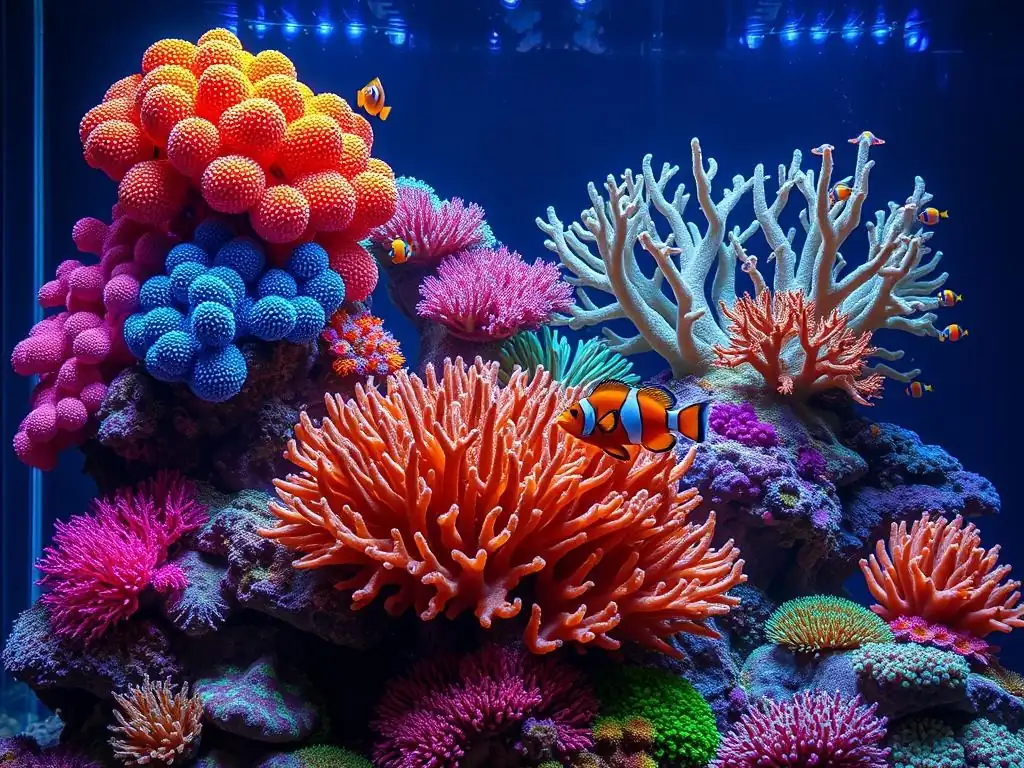
Ever wondered how to create the perfect ecosystem in your SPS dominant reef tank? Choosing the right inhabitants is crucial for the health and vibrancy of your delicate corals. Dive in to discover which species will thrive alongside your SPS, and which ones to avoid like the plague. Let's unlock the secrets to successful SPS coral tank mates together!
- Understanding the SPS Coral Ecosystem: A Foundation for Choosing Tank Mates
- Top Reef-Safe Fish for SPS Coral Tanks
- Invertebrate Tank Mates: Enhancing Your SPS Reef
- Fish and Invertebrates to Avoid in SPS Coral Aquariums
- Maintaining Water Quality: Crucial for SPS and Tank Mate Health
- Feeding Strategies for SPS Corals and Their Tank Mates
- Introducing New Tank Mates to Your SPS Reef: A Gradual Process
- Troubleshooting Common Problems in SPS Reefs with Tank Mates
- Conclusion: Creating a Thriving and Balanced SPS Reef Environment
-
Frequently Asked Questions
- What are the key considerations when choosing tank mates for an SPS dominant reef aquarium?
- Which fish species are generally considered safe tank mates for SPS corals?
- Are there any invertebrates that are particularly beneficial or detrimental to an SPS dominant reef tank?
- How does water quality affect the suitability of tank mates in an SPS reef aquarium?
- What steps should I take to introduce new tank mates to an established SPS reef aquarium?
- Final Reflection: Harmony in the Reef
- Ignite Your SPS Reef: Safeguard & Enrich Your Coral Kingdom!
Understanding the SPS Coral Ecosystem: A Foundation for Choosing Tank Mates
What are SPS Corals and Why are They Sensitive?
SPS, or Small Polyp Stony corals, encompass a diverse group of calcifying corals characterized by their small polyps and hard, stony skeletons. Common examples include Acropora, Montipora, Pocillopora, and Stylophora. These corals are the architects of natural reefs, forming intricate branching, plating, and encrusting structures.
Their growth is driven by the absorption of calcium, alkalinity, and magnesium from the water, which they use to build their aragonite skeletons. Unlike their Large Polyp Stony (LPS) or soft coral counterparts, SPS corals typically exhibit slower growth rates; for instance, a healthy Acropora millepora might grow 0.5 to 1 inch per month under optimal conditions, making their recovery from damage a prolonged process.
The sensitivity of SPS corals stems from their highly specialized requirements for light, water flow, and pristine water chemistry. They thrive in ultra-low nutrient (ULN) environments, where nitrate levels are typically below 5 ppm and phosphate levels are below 0.03 ppm.
Even slight fluctuations in critical parameters like alkalinity (ideally maintained within ±0.5 dKH over 24 hours), calcium (400-450 ppm), or magnesium (1300-1400 ppm) can induce significant stress, leading to tissue recession, bleaching, or even rapid tissue necrosis (RTN). This delicate physiological balance means that any external stressors, including the presence of incompatible SPS coral tank mates, can have severe consequences for their health and survival.
The Unique Challenges of an SPS Dominant Reef Aquarium
Establishing and maintaining an SPS-dominant reef aquarium presents unique challenges due to the stringent environmental demands of these corals. These systems require not only precise and stable water parameters but also high levels of turbulent water flow (often 30-50 times the tank volume per hour) and intense, spectrum-specific lighting to support the photosynthetic needs of their symbiotic zooxanthellae. The goal is to replicate the clear, nutrient-poor waters of natural reef crests, which necessitates robust filtration, often involving oversized protein skimmers, refugiums, and GFO/carbon reactors.
The introduction of SPS coral tank mates directly impacts this delicate balance. Every fish or invertebrate added contributes to the bioload, increasing waste production and potentially elevating nutrient levels.
For example, a 100-gallon SPS tank with 10 medium-sized fish could easily see its nitrate levels rise from 1 ppm to 15 ppm in a week if filtration is not adequate to handle the increased bioload, directly stressing the corals. Furthermore, some tank mates can cause physical damage through nipping, bumping, or even chemical irritation, jeopardizing the significant investment in time and resources that SPS corals represent—a small Acropora frag can cost $50-$200, while a mature colony can be worth thousands.
Key Considerations Before Adding Any Tank Mate to Your SPS Reef
Before introducing any new inhabitant to your SPS-dominant reef, a thorough evaluation of its compatibility is paramount. The primary concern is whether the potential tank mate will physically damage or chemically irritate your delicate corals. This includes assessing its propensity to nip at coral polyps, its potential to sting or compete for space, and its general temperament towards other tank inhabitants. For instance, a fish that is typically considered "reef-safe" for a mixed reef may still pose a risk in an SPS-only system due to the extreme sensitivity of these corals.
Beyond direct interaction, the bioload contribution of the new SPS coral tank mates must be carefully considered. Every additional organism adds to the waste output, potentially driving up nitrate and phosphate levels, which are detrimental to SPS health. An ideal SPS system aims for nitrates below 5 ppm and phosphates below 0.03 ppm.
Therefore, the total number and size of fish must be appropriate for the system's filtration capacity. Finally, the feeding habits of potential tank mates are crucial; obligate corallivores or even opportunistic nippers should be strictly avoided. Even herbivorous fish, if not adequately fed, might resort to nipping at corals out of hunger, making careful research and observation essential.
Top Reef-Safe Fish for SPS Coral Tanks
Peaceful Herbivores: Algae Grazers That Won't Bother SPS
Maintaining an ultra-low nutrient environment in an SPS dominant reef often requires the assistance of efficient algae grazers. These herbivores play a crucial role in controlling nuisance algae that can compete with corals for light and nutrients, without physically harming the delicate SPS structures. Selecting the right species ensures that algae control is achieved safely.
Tangs: Managing Algae with Care in SPS Reefs
Tangs are among the most popular and effective algae grazers in reef aquariums, and several species can be excellent SPS coral tank mates when chosen and managed correctly. Species such as the Yellow Tang ( Zebrasoma flavescens), Kole Tang ( Ctenochaetus strigosus), and Tomini Tang ( Ctenochaetus tominiensis) are highly regarded for their voracious appetite for film algae and diatoms. While generally considered reef-safe, it's important to note that larger tangs, particularly those in the Zebrasoma genus, can occasionally knock over poorly secured frag plugs or smaller coral colonies due to their active swimming and feeding habits.
Despite this minor caveat, their benefit in algae control far outweighs the risk for most SPS keepers. A study by the University of Florida on the diets of common aquarium tangs indicated that their primary consumption is filamentous and macroalgae, with little to no interest in coral polyps. Adequate tank size is crucial for these active swimmers; a Yellow Tang, for example, requires a minimum of 75-100 gallons to thrive and graze effectively. Providing supplemental nori daily also ensures they are well-fed, further minimizing any potential for them to nip at stressed corals.
Rabbitfish: An SPS-Safe Algae Control Option?
Rabbitfish from the Siganus genus are powerful algae grazers, particularly effective against stubborn hair algae and even some types of nuisance bubble algae ( Valonia). Their unique ability to consume a wide variety of algae makes them attractive SPS coral tank mates for systems prone to algal outbreaks. The Foxface Lo ( Siganus vulpinus) is a common choice, known for its striking appearance and diligent grazing.
However, caution is advised. While generally considered reef-safe, some individual rabbitfish, especially if underfed or if natural algae sources are scarce, may occasionally nip at coral polyps. To mitigate this risk, it is imperative to provide a constant supply of greens, such as dried nori, multiple times a day. A single Foxface can consume several square inches of film algae daily, demonstrating their efficiency. Regular observation of their behavior immediately after introduction is critical to ensure they are fulfilling their role as an algae eater without developing undesirable coral-nipping habits.
Small, Non-Aggressive Fish: Ideal Companions for SPS Corals
Beyond algae control, many small, non-aggressive fish species can add vibrant color, interesting behaviors, and movement to an SPS reef without posing any threat to the delicate corals. These fish typically occupy different niches within the tank, minimizing competition and stress.
Clownfish: A Classic Reef Addition, But SPS-Friendly?
Ocellaris Clownfish ( Amphiprion ocellaris) and Percula Clownfish ( Amphiprion percula) are iconic inhabitants of reef aquariums, beloved for their charismatic personalities. They are widely regarded as excellent SPS coral tank mates due to their peaceful nature and lack of interest in coral polyps. Unlike some other reef fish, clownfish do not graze on corals, nor do they typically cause physical damage to the delicate structures of SPS corals.
While clownfish are famously known for hosting in anemones, it is rare for them to host in SPS corals. On occasion, a clownfish might attempt to host in a large, branching SPS colony, such as a mature Acropora. In such instances, their constant rubbing could theoretically cause localized stress or minor tissue recession over a period of months, but this is an uncommon occurrence and generally not a significant concern for the overall health of a robust SPS colony. For the vast majority of SPS reef keepers, clownfish remain a safe and delightful addition.
Gobies: Peaceful Bottom Dwellers for SPS Tanks
Gobies represent a diverse group of small, peaceful fish that are exceptionally well-suited as SPS coral tank mates. Many species, such as the Watchman Gobies ( Cryptocentrus cinctus), Diamond Watchman Gobies ( Valenciennea puellaris), and various Shrimp Gobies (e.g., Amblyeleotris guttata), primarily inhabit the bottom stratum of the aquarium. This characteristic is particularly beneficial in an SPS tank, as they leave the mid and upper water columns, where SPS corals typically reside, undisturbed.
Diamond Watchman Gobies are renowned for their sand-sifting abilities, sifting through up to 1 gallon of sand per hour, which helps to keep the substrate clean and aerated, preventing detritus buildup. Other gobies, like the Yellow Watchman Goby, are excellent for pest control, preying on small invertebrates. These fish are typically non-aggressive, do not nip at corals, and their specialized behaviors contribute positively to the overall health and cleanliness of the SPS ecosystem, making them ideal low-impact companions.
Anthias: Adding Color and Movement to Your SPS Reef
Anthias species, such as the Lyretail Anthias ( Pseudanthias squamipinnis) and Dispar Anthias ( Pseudanthias dispar), are highly sought after for their vibrant colors and active, schooling behavior. They add dynamic movement and a splash of color to the open water column of an SPS reef, creating a visually stunning display. These fish are planktivores in their natural habitat, feeding on micro-crustaceans and zooplankton.
As SPS coral tank mates, Anthias are generally considered very safe as they have no interest in consuming or nipping at corals. However, their dietary needs require specific attention: they need frequent, small feedings (2-3 times daily) of high-quality meaty foods like mysis shrimp or finely chopped krill. If underfed, Anthias can become stressed, lose color, or even become aggressive towards each other. A thriving group of 5-7 Dispar Anthias can be a magnificent addition to a 75-gallon or larger SPS tank, provided their feeding requirements are consistently met.
Invertebrate Tank Mates: Enhancing Your SPS Reef
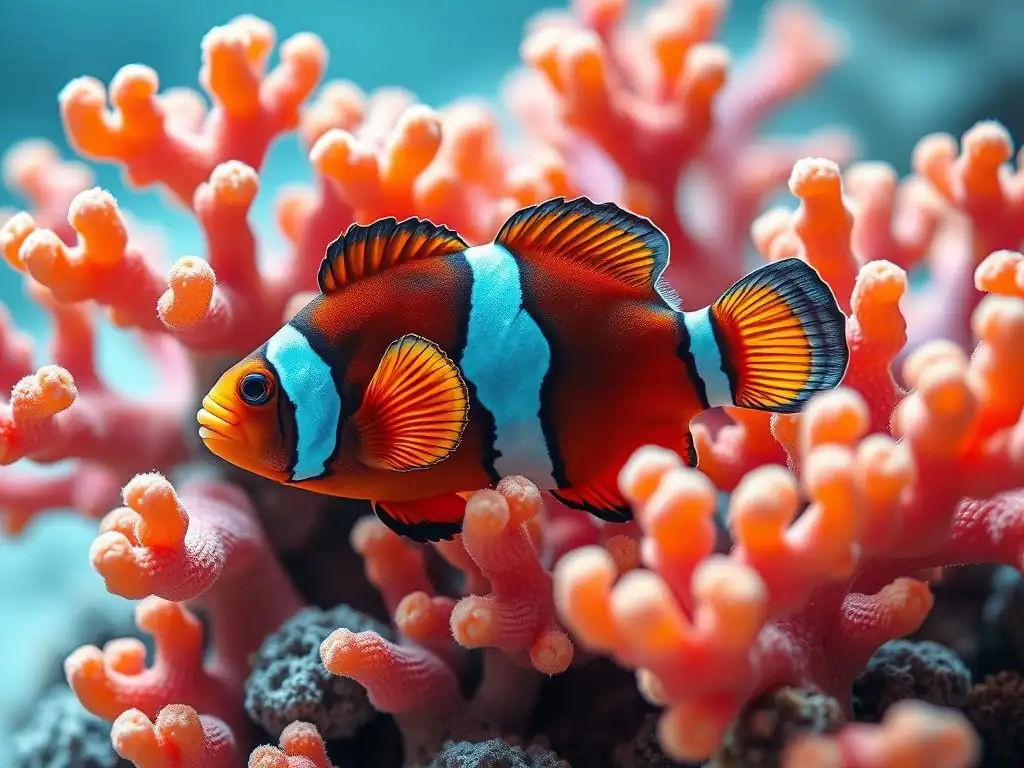
Invertebrates play a crucial role in maintaining the health and cleanliness of an SPS dominant reef, acting as a natural clean-up crew and pest control. Choosing the right invertebrate SPS coral tank mates is essential to ensure they provide benefits without posing any threat to the delicate corals.
Crustaceans: Shrimp and Crabs for a Balanced SPS Ecosystem
Certain crustaceans are highly beneficial for an SPS reef, contributing to hygiene and pest management.
Cleaner Shrimp: Essential for Parasite Control in SPS Reefs
Cleaner shrimp, such as the Skunk Cleaner Shrimp ( Lysmata amboinensis) and the Blood Red Fire Shrimp ( Lysmata debelius), are invaluable SPS coral tank mates. They are renowned for their symbiotic relationship with fish, actively removing external parasites and dead tissue from their tank mates. Beyond their cleaning services, these shrimp are excellent scavengers, consuming uneaten food and detritus that might otherwise contribute to nutrient buildup.
Peppermint Shrimp ( Lysmata wurdemanni) are another beneficial species, particularly known for their appetite for Aiptasia anemones, which are notorious pests that can rapidly proliferate and sting or irritate SPS corals. All cleaner shrimp species are completely safe with SPS corals, posing no threat of nipping or physical damage. A single Skunk Cleaner Shrimp can effectively service several fish in a 100-gallon tank, contributing significantly to the overall health and hygiene of the reef system.
Emerald Crabs: Controlling Algae Growth Around SPS Colonies
Emerald Crabs ( Mithraculus sculptus) are popular invertebrate SPS coral tank mates due to their effectiveness in controlling various types of nuisance algae, most notably bubble algae ( Valonia). Their ability to pick apart and consume these stubborn green spheres makes them a valuable asset in maintaining a clean and aesthetically pleasing SPS display. They also graze on film algae and detritus on rockwork.
While generally considered reef-safe, it is important to exercise caution with Emerald Crabs. Larger specimens or those that are not adequately fed might occasionally nip at coral polyps, especially if natural algae sources become scarce. It is often advisable to introduce smaller individuals and ensure they are well-fed with supplemental algae wafers or nori to prevent them from developing undesirable habits. Close observation of their behavior around corals is crucial during the initial weeks after introduction. Typically, one Emerald Crab is sufficient for a 50-gallon tank, and their activity should be monitored.
Mollusks: Snails and Other Grazers for SPS Reef Maintenance
Snails form the backbone of the clean-up crew in most reef tanks, and their roles are especially critical in SPS systems where nutrient control and clean surfaces are paramount.
Trochus Snails: Efficient Algae Eaters for SPS Tanks
Trochus Snails ( Trochus histrio or T. maculatus) are highly recommended SPS coral tank mates for their exceptional ability to graze on film algae and diatoms from rockwork and aquarium glass. Their conical shell allows them to navigate uneven surfaces effectively, and unlike some other snail species, they are able to right themselves if they accidentally fall or are flipped over.
These snails are completely reef-safe and pose absolutely no threat to SPS corals. Their diligent grazing helps maintain crystal-clear surfaces, which is vital for optimal light penetration, a critical factor for SPS coral health and growth. A common stocking density for Trochus snails is 1-2 snails per 10 gallons of aquarium water, ensuring efficient algae control across the system without adding significant bioload.
Cerith Snails: Detritus Removal Experts in SPS Systems
Cerith Snails ( Cerithium atratum or C. litteratum) are another invaluable component of the SPS clean-up crew. These small, elongated snails are known for their dual role: they graze on diatoms and film algae on rockwork and glass, but more importantly, they burrow into the sand bed. Their constant burrowing helps to aerate the substrate, preventing the formation of anaerobic pockets that can release harmful gases.
Furthermore, Cerith snails are highly efficient detritus removers, consuming decaying organic matter that settles in the sand bed. This detritus consumption directly contributes to maintaining ultra-low nutrient levels (nitrates and phosphates), which is paramount for the health and vibrant coloration of SPS corals. A stocking density of 1-2 Cerith snails per 5 gallons of water can be highly effective for detritus control and sand bed maintenance in an SPS-dominated system.
Fish and Invertebrates to Avoid in SPS Coral Aquariums
While many species can coexist peacefully with SPS corals, certain fish and invertebrates are notorious for causing damage and should be strictly excluded from an SPS-dominant reef. The delicate nature of SPS corals means that even occasional nipping or physical disturbance can lead to significant stress, tissue loss, or even the death of a colony.
Fish Known to Nip at SPS Corals
Several fish families contain species that are highly incompatible with SPS corals due to their natural feeding behaviors or aggressive tendencies. Triggerfish, such as the Clown Triggerfish ( Balistoides conspicillum), are notorious for their aggressive nature and powerful jaws, which they use to crush crustaceans and mollusks. This destructive capability extends to corals, and they are known to actively nip at and break off pieces of SPS corals, causing irreparable damage.
Pufferfish, like the Dogface Puffer ( Arothron nigropunctatus), are another group to avoid. While some are occasionally labeled "reef-safe with caution," many species are opportunistic coral nippers, particularly at polyp extensions. A single bite from a Puffer can cause significant tissue loss on an Acropora colony. Similarly, many large Angelfish species, such as the Emperor Angelfish ( Pomacanthus imperator), are beautiful but highly prone to nipping at stony corals, especially SPS polyps.
A study by the Florida Fish and Wildlife Conservation Commission noted that over 60% of large Pomacanthus species observed in captivity exhibited coral nipping behavior. Lastly, many Butterflyfish species, particularly obligate corallivores, are definite no-gos for SPS tanks. Even species like the Copperband Butterflyfish ( Chelmon rostratus), often used for Aiptasia control, can sometimes nip at SPS polyps if not consistently fed.
Invertebrates That Can Damage or Irritate SPS Corals
Just as with fish, certain invertebrates can pose a significant threat to the delicate SPS ecosystem. Large Hermit Crabs, such as the Halloween Hermit Crab ( Ciliopagurus strigatus), while sometimes helpful in detritus removal, can be clumsy and destructive. Their movement can easily knock over unsecured frag plugs or even entire SPS colonies, causing physical damage. They are also known to steal snail shells, often consuming the snail in the process, which depletes your essential clean-up crew.
Certain anemones, particularly larger species like the Bubble Tip Anemone ( Entacmaea quadricolor), are highly problematic SPS coral tank mates. While beautiful, their powerful nematocyst sting can severely damage or kill nearby SPS corals if the anemone decides to move and comes into contact with a colony. An anemone's foot can attach to and bleach a coral's tissue in a matter of hours, leading to rapid tissue necrosis.
Lastly, some larger urchins, while good at consuming algae, can inadvertently cause damage. Species like the Tuxedo Urchin ( Mespilia globulus), if large, or Diadema urchins, can scrape or abrade delicate SPS tissue as they move across rockwork, especially if food is scarce and they are "rasping" for algae on coral skeletons.
Maintaining Water Quality: Crucial for SPS and Tank Mate Health
Maintaining impeccable water quality and stability is the cornerstone of a successful SPS-dominant reef. This is even more critical when introducing SPS coral tank mates, as they contribute to the bioload and can impact the delicate chemical balance required by these sensitive corals.
The Importance of Stable Water Parameters in an SPS Reef
SPS corals demand unwavering stability in their environment. Key parameters such as temperature (ideally 76-78°F), salinity (1.025-1.026 specific gravity), alkalinity (8-9 dKH), calcium (400-450 ppm), and magnesium (1300-1400 ppm) must be maintained within very narrow ranges. Any significant fluctuation, even a drop of 1 dKH in alkalinity over a few days, can induce stress, leading to closed polyps, tissue recession, or browning out of corals.
The presence of SPS coral tank mates directly influences these parameters. Fish respiration and waste production increase the organic load, which can consume alkalinity and calcium and elevate nitrates and phosphates if not managed. For instance, a 100-gallon SPS tank housing a healthy population of fish might require daily dosing of 50-70 ml of a two-part solution (calcium and alkalinity) to maintain stable parameters, whereas a coral-only system might need less frequent or smaller doses. Unstable parameters stress corals first, making them more vulnerable to disease and irritation from their tank mates.
Regular Water Testing and Adjustments for Optimal Health
Consistent and accurate water testing is non-negotiable for an SPS reef. Alkalinity should be tested daily or every other day due to its rapid consumption by corals and susceptibility to fluctuations. Calcium and magnesium should be tested 2-3 times per week, while nitrates and phosphates should be monitored weekly. Utilizing reliable test kits, such as those from Salifert or Hanna Checkers, ensures accuracy.
The results of these tests guide adjustments to dosing regimens and water change schedules. A higher bioload from SPS coral tank mates necessitates more frequent monitoring and potentially larger or more frequent water changes. While weekly 10% water changes are a good baseline, a heavily stocked SPS tank might benefit from 15-20% weekly changes or increased automated dosing to counteract nutrient buildup and maintain ideal levels. Proactive adjustments based on test results are far more effective than reactive measures after problems arise.
Effective Filtration and Water Circulation in SPS Aquariums
Robust filtration is paramount in an SPS reef to manage the bioload contributed by SPS coral tank mates and maintain ultra-low nutrient levels. An oversized protein skimmer is essential, capable of removing up to 90% of organic waste before it breaks down into nitrates and phosphates.
Refugiums, typically housing macroalgae like Chaetomorpha, serve as natural nutrient export mechanisms, with Chaetomorpha capable of absorbing 10-20 mg of nitrate per day under optimal conditions. Additionally, GFO (granular ferric oxide) and activated carbon reactors are crucial for polishing the water, removing phosphates (aiming for <0.03 ppm) and organic impurities that can yellow the water and reduce light penetration.
High and turbulent water circulation is equally vital for SPS corals, typically ranging from 30 to 50 times the tank volume per hour. This strong flow prevents detritus buildup on coral colonies and rockwork, ensures efficient nutrient delivery to coral polyps, and helps dissipate metabolic waste products from both corals and their SPS coral tank mates. Proper flow also aids in gas exchange and prevents dead spots, which can lead to localized nutrient accumulation and algae growth.
Feeding Strategies for SPS Corals and Their Tank Mates
Effective feeding strategies are crucial in an SPS dominant reef to ensure the nutritional needs of both the corals and their SPS coral tank mates are met without compromising water quality. Overfeeding is a primary cause of nutrient spikes, which are detrimental to SPS health.
Providing Proper Nutrition for Your SPS Corals
While SPS corals primarily derive energy from photosynthesis via their symbiotic zooxanthellae, target feeding with specialized coral foods can significantly enhance their growth, coloration, and overall vitality. These foods typically include phytoplankton, zooplankton, and amino acid solutions. Products like Red Sea Reef Energy AB+ or Brightwell Aquatics CoralAmino provide a balanced blend of nutrients essential for polyp extension and tissue growth.
However, coral feeding must be approached cautiously to avoid nutrient spikes. For a 100-gallon SPS tank, only 5-10 ml of liquid coral food, administered 2-3 times per week, is often sufficient. It is advisable to turn off powerheads during feeding to allow corals to capture the food effectively and reduce the amount that goes to waste. Observing polyp extension after feeding can indicate if the corals are actively consuming the provided nutrition.
Balancing Feeding for Fish and Invertebrates in the SPS Reef
The SPS coral tank mates in your aquarium have diverse dietary needs that must be met to ensure their health and prevent them from developing undesirable behaviors like coral nipping. Fish should be fed multiple times a day (2-3 times) with small amounts of high-quality foods, including pellets, flakes, and various frozen foods such like mysis shrimp, brine shrimp, and spirulina. Herbivores like Tangs and Rabbitfish require daily supplemental nori.
It is crucial to ensure that all tank inhabitants receive adequate nutrition. For instance, Anthias, being planktivores, require frequent, small feedings throughout the day to sustain their high metabolism. Providing a varied diet not only supports the health of your fish and invertebrates but also reduces the likelihood of them becoming stressed or resorting to nipping at corals out of hunger or nutritional deficiency. Observing consumption rates helps determine the appropriate quantity to feed.
Preventing Overfeeding and Nutrient Buildup in SPS Aquariums
Overfeeding is one of the most common causes of high nitrate and phosphate levels in reef aquariums, which are highly detrimental to SPS corals. Excess food quickly breaks down, releasing nutrients that fuel nuisance algae growth and can cause SPS corals to "brown out" or lose their vibrant coloration.
To prevent overfeeding, feed only small amounts at a time and observe that all food is consumed within a few minutes. If uneaten food remains, reduce the quantity for subsequent feedings. Implementing strategies such as using a feeding ring to contain floating foods can also help.
Furthermore, ensuring that your protein skimmer is properly sized and efficiently removes dissolved organic carbon is critical for managing the increased nutrient input from feeding. A heavily fed tank might see nitrate levels climb from 1 ppm to 15 ppm in a week if filtration is not adequate to handle the organic load, highlighting the need for vigilance in feeding practices alongside robust filtration.
Introducing New Tank Mates to Your SPS Reef: A Gradual Process
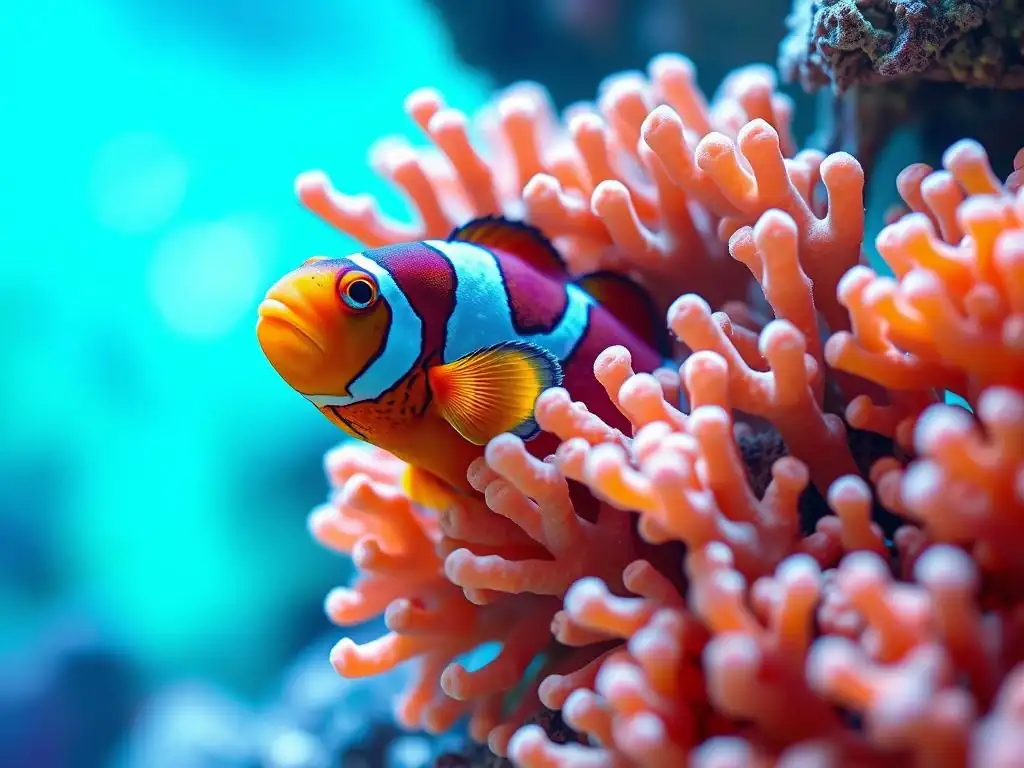
Introducing new SPS coral tank mates to an established reef aquarium is a delicate process that requires careful planning and execution. A gradual approach minimizes stress on both new and existing inhabitants and significantly reduces the risk of introducing diseases or pests that could devastate a sensitive SPS system.
Quarantine Procedures for New Additions
A dedicated quarantine tank (QT) is an indispensable tool for any serious SPS reef keeper. All new fish, and ideally invertebrates, should undergo a strict quarantine period before being introduced into the main display tank. The primary purpose of quarantine is to prevent the introduction of common diseases such as Ich ( Cryptocaryon irritans), Marine Velvet ( Amyloodinium ocellatum), and Brooklynella, which can rapidly spread and decimate an entire fish population in the display tank. It also allows for the observation and treatment of external parasites and bacterial infections.
For fish, a typical quarantine period lasts 4-6 weeks, allowing enough time for latent diseases to manifest and be treated (e.g., copper sulfate for parasites, praziquantel for flukes). Invertebrates can be observed for pests like Aiptasia, flatworms, or undesirable crabs, and can be dipped in a coral dip solution as a precautionary measure. A fish that has successfully completed a 4-week quarantine and treatment regimen dramatically reduces the risk of pathogen introduction, protecting your valuable SPS coral collection.
Acclimation Strategies for Minimizing Stress
Once a new tank mate has successfully completed quarantine, proper acclimation to the main display tank's water parameters is crucial to minimize stress. For invertebrates and sensitive fish species like Anthias or Gobies, drip acclimation is the preferred method. This involves slowly dripping water from the display tank into the acclimation container over 30-60 minutes, allowing the new inhabitant to gradually adjust to the precise salinity, pH, and temperature of its new home.
For all new arrivals, temperature acclimation should be done first by floating the bag in the display tank for 15-20 minutes. When ready to introduce, dimming the aquarium lights or turning them off completely for a few hours can significantly reduce stress on both the new arrival and existing inhabitants, preventing aggressive encounters and allowing the new SPS coral tank mates to explore their environment calmly.
Monitoring New Tank Mates for Compatibility with SPS Corals
After introduction, continuous monitoring of the new SPS coral tank mates is essential for several days to weeks. Observe their behavior closely: are they interacting peacefully with existing fish? Are they showing any signs of aggression, such as chasing or fin nipping? Most importantly, are they showing any interest in your SPS corals? Look for direct nipping at polyps, even subtle ones, or any signs of physical disturbance.
Simultaneously, observe your SPS corals for any signs of stress following the introduction. This could include closed polyps, tissue recession, paling, or browning out, which might indicate irritation from the new addition. A stressed Acropora might show paling or browning within 24-48 hours if a new tank mate is causing persistent irritation. If any negative interactions are observed, be prepared to remove the offending fish or invertebrate promptly to protect your delicate SPS colonies.
Troubleshooting Common Problems in SPS Reefs with Tank Mates
Even with meticulous planning, problems can arise in an SPS dominant reef. Understanding how to identify and troubleshoot common issues, especially those influenced by SPS coral tank mates, is crucial for maintaining a thriving system.
Identifying Signs of Stress in SPS Corals
SPS corals are highly sensitive indicators of environmental problems. Recognizing signs of stress early is key to intervention. Common indicators include retracted polyps, which can signal general irritation, poor water quality, or insufficient flow. Tissue recession, where the coral tissue pulls back from the skeleton, often starting from the base, can indicate severe stress, bacterial infection, or even predation. Browning out typically points to excessively high nutrient levels (nitrates >10 ppm, phosphates >0.05 ppm) or insufficient light, causing an overabundance of zooxanthellae. Conversely, paling or bleaching can result from too much light, unstable parameters, or the presence of pests.
The presence of SPS coral tank mates can contribute to these issues. Physical damage from clumsy fish bumping into corals, or the increased bioload leading to nutrient imbalances, directly stresses the corals. Rapid tissue necrosis (RTN) or slow tissue necrosis (STN) are critical signs of severe stress or infection, often leading to rapid coral death. Immediate investigation into water parameters, flow, lighting, and potential tank mate interactions is required upon observing these symptoms.
Addressing Algae Blooms and Nutrient Imbalances
Algae blooms, whether filamentous algae, diatoms, or cyanobacteria, are a common problem in reef tanks and a clear indicator of nutrient imbalances. In an SPS system, where ultra-low nutrients are desired, a bloom signifies a significant issue. Causes often include overfeeding, insufficient filtration (skimmer not efficient enough, GFO/carbon media exhausted), too many SPS coral tank mates for the system's capacity, or infrequent water changes.
To address these issues, first, reduce feeding amounts and frequency. Increase water change frequency and volume (e.g., 20-30% weekly) to manually export nutrients. Check the efficiency of your protein skimmer and ensure your GFO and carbon media are fresh and effectively removing phosphates and organic compounds. If the bioload from your SPS coral tank mates is consistently overwhelming your filtration, consider reducing the number of fish or upgrading your filtration equipment. Introducing more suitable algae grazers, such as additional Trochus or Cerith snails, can also help manage the existing algae.
Managing Aggression Among Tank Mates
Aggression among SPS coral tank mates can lead to stress, injury, and even death for less dominant fish, and indirectly impact SPS corals by causing stress to the overall system. Common causes include insufficient tank size, incompatible species choices, or improper introduction of new fish. For example, a 75-gallon tank might adequately support one Yellow Tang, but adding a second Zebrasoma species will almost certainly lead to aggressive territorial disputes.
Solutions involve observing which fish are initiating the aggression and identifying the trigger. Rearranging rockwork can help break up existing territories and create new hiding spots, alleviating stress for subordinate fish. Ensuring adequate tank size for the chosen species is paramount; if a fish is consistently aggressive and causing harm, it might need to be removed from the system. Introducing multiple individuals of a schooling species simultaneously (after quarantine) can sometimes dilute aggression, but this requires careful planning and a sufficiently large tank.
Conclusion: Creating a Thriving and Balanced SPS Reef Environment
Creating and maintaining a thriving SPS-dominant reef environment is a rewarding endeavor that demands meticulous planning, unwavering dedication, and a deep understanding of the delicate balance required by these exquisite corals. The selection of SPS coral tank mates is not merely an afterthought but a critical component of this success. Every fish and invertebrate introduced must be carefully vetted for its compatibility, its impact on water quality, and its overall contribution to the ecosystem's stability.
Ultimately, a balanced SPS reef thrives on research, patience, and continuous monitoring. By adhering to stringent water quality parameters, implementing robust filtration, practicing responsible feeding strategies, and thoughtfully choosing each inhabitant, aquarists can cultivate a vibrant and healthy SPS ecosystem. The pursuit of an SPS-dominant reef is a journey of constant learning and adaptation, but with careful selection of SPS coral tank mates and diligent husbandry, the breathtaking beauty and intricate growth of these corals can be admired for years to come.
Frequently Asked Questions
What are the key considerations when choosing tank mates for an SPS dominant reef aquarium?
The most important factor is to select fish and invertebrates that won't nip at or otherwise disturb your SPS corals. You also want to avoid species that produce excessive waste or compete for resources. Careful observation is critical for ensuring a peaceful environment.
Which fish species are generally considered safe tank mates for SPS corals?
Generally, smaller, peaceful fish are best. Examples include certain types of gobies, blennies, and dartfish. It is crucial to research the specific temperament of any fish before adding it to your SPS tank.
Are there any invertebrates that are particularly beneficial or detrimental to an SPS dominant reef tank?
Some invertebrates, like certain snails and crabs, can help control algae and detritus. Others, like some starfish or large crabs, may prey on corals or disturb the substrate.
How does water quality affect the suitability of tank mates in an SPS reef aquarium?
Maintaining pristine water quality is essential for the health of both SPS corals and their tank mates. Fluctuations in parameters like alkalinity, calcium, and magnesium can stress corals and fish alike.
What steps should I take to introduce new tank mates to an established SPS reef aquarium?
Quarantining new arrivals is crucial to prevent the introduction of diseases or parasites. Acclimate new fish and invertebrates slowly to your tank's water parameters before introducing them to the main display tank.
Final Reflection: Harmony in the Reef
The delicate balance of a thriving SPS reef aquarium, as we've explored, hinges significantly on the careful selection of its inhabitants. Understanding the compatibility of SPS coral tank mates is not merely a matter of aesthetics, but a crucial element in ensuring the health and longevity of these magnificent corals. The choices we make in stocking our tanks directly impact the delicate ecosystem we strive to create, highlighting the responsibility that comes with reef keeping.
This journey into the world of SPS coral tank mates has underscored the profound interconnectedness within a reef environment. It's a constant reminder that our actions, however small, can ripple outwards, affecting the entire system. The success of an SPS dominant reef is not just about water parameters and lighting, but about fostering a community where each member contributes to the overall well-being. In nature, nothing exists alone.
- Rachel Carson. This quote perfectly encapsulates the essence of reef keeping; it's about understanding and respecting the intricate web of life that we are attempting to replicate.
As you consider the future of your own SPS reef, remember that the choices you make today will shape the health and beauty of your underwater world tomorrow. Take the time to research, observe, and understand the needs of each potential inhabitant. Let your decisions be guided by a commitment to creating a harmonious and thriving ecosystem, a testament to the beauty and resilience of the natural world. Embrace the challenge, and you'll be rewarded with a vibrant and captivating reef that will inspire awe for years to come.
Ignite Your SPS Reef: Safeguard & Enrich Your Coral Kingdom!
Thank you for diving into the world of SPS corals! We hope you’ve gained valuable insights into selecting the perfect, peaceful tank mates to ensure the health and vibrancy of your delicate reef. Now, let’s take those insights and turn them into action!
- Prioritize Peace: Schedule a consultation with your local fish store to verify the temperament of potential tank mates before introducing them to your reef. Discuss their feeding habits and known coral nipping tendencies.
- Join the Conversation: Share your SPS reef experiences and successful tank mate pairings on aquarium forums. Contribute your knowledge and learn from fellow reef keepers.
- Embrace Observation: Commit to daily, focused observation of your tank. Note any unusual coral behavior or signs of stress, and be prepared to act quickly to address any potential problems.
What proactive steps will you take this week to ensure the peaceful coexistence of your SPS corals and their tank mates?