
Rescuing a Stressed Anemone: A StepbyStep Guide for Concerned Aquarists

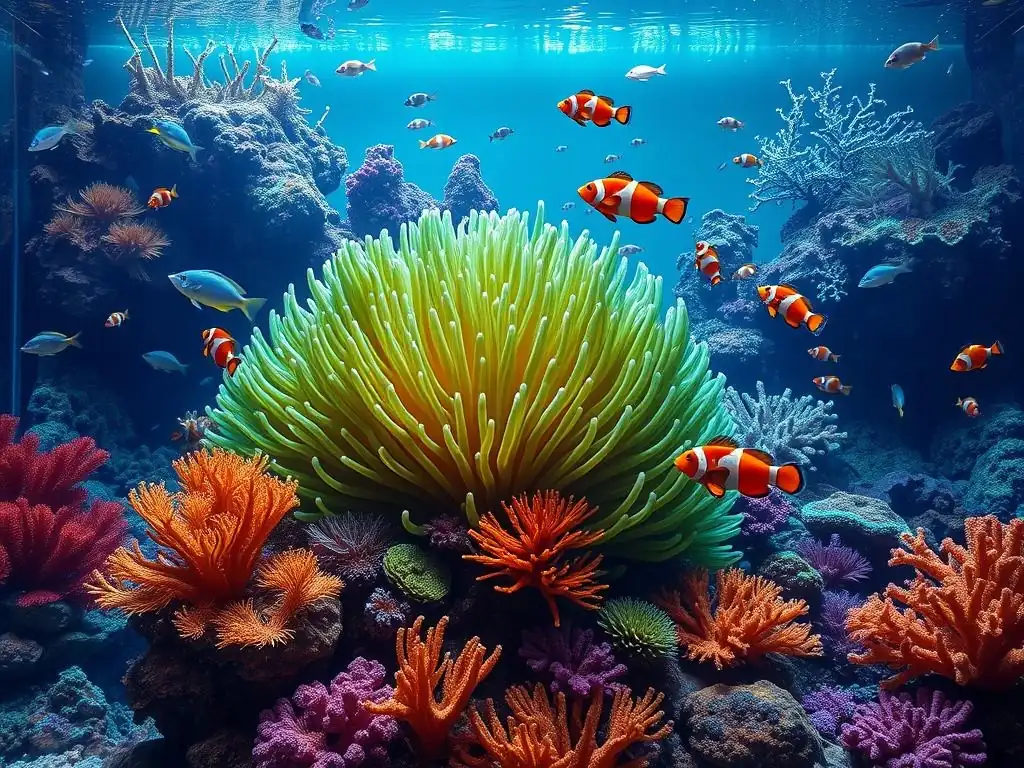
Welcome to Aquarium Mastery!
Worried about a struggling anemone? You're in the right place. Our Stressed Anemone Recovery Guide provides a step-by-step approach to diagnosing and addressing the issues causing your anemone distress. But what exactly is causing its stress, and how can you turn things around fast? Dive in and discover the secrets to a thriving anemone, and a healthier saltwater aquarium overall!
- Understanding Anemone Stress: Recognizing the Signs
- Step 1: Immediate Actions for a Stressed Anemone
- Step 2: Diagnosing the Underlying Cause of Anemone Stress
- Step 3: Addressing Specific Anemone Stress Factors
- Step 4: Providing Supportive Care for Anemone Recovery
- Step 5: Preventing Future Anemone Stress
- Advanced Anemone Care Tips for a Thriving Reef Tank
-
Frequently Asked Questions
- What are the first signs that my anemone is stressed?
- What are the most common causes of anemone stress?
- How often should I perform water changes when trying to revive a stressed anemone?
- What is the best way to ensure my anemone is getting enough light?
- When should I consider moving a stressed anemone to a separate quarantine tank?
- Final Reflection: The Resilient Reef Within
- Revive Your Anemone: Take Action Now!
Understanding Anemone Stress: Recognizing the Signs
Identifying Symptoms of a Stressed Anemone
Recognizing the early signs of stress in an anemone is paramount for successful intervention and a smooth stressed anemone recovery guide. One of the most common indicators is deflation or shrinking, where the anemone appears much smaller than its usual size, often retracting its tentacles or oral disc. Bleaching, a loss of vibrant coloration due to the expulsion of symbiotic zooxanthellae, is another critical symptom, often accompanied by a pale or translucent appearance. Furthermore, a persistently gaping mouth, especially if it appears to be prolapsed, is a severe sign of distress.
Beyond these visual cues, subtle behavioral changes can also signal a stressed anemone. An anemone that detaches its foot from its preferred location and drifts around the tank is in significant distress, often searching for more favorable conditions or attempting to escape poor ones. A lack of "stickiness" in its tentacles, where it doesn't readily grab food or respond to touch, indicates weakened health. In symbiotic relationships, if clownfish avoid or act aggressively towards their host anemone, it might be due to the anemone's declining health.
Common Causes of Anemone Stress in Reef Tanks
The primary culprits behind anemone stress in reef tanks are often environmental stressors. Poor water quality is a leading cause, including elevated levels of ammonia, nitrite, and nitrate, or unstable pH. Anemones are highly sensitive to these fluctuations, and even slight deviations from ideal parameters can induce stress. Inconsistent salinity (ideal specific gravity 1.024-1.026) and temperature (ideally 76-79°F or 24.5-26°C) are also significant stressors, leading to osmotic shock and metabolic distress.
Other common causes include improper lighting – either too little, leading to starvation of zooxanthellae, or too much, causing bleaching and oxidative stress. Inadequate or excessive water flow can also be detrimental; anemones need moderate, varied flow to bring them food and carry away waste, but strong, direct flow can damage their delicate tissues. Physical damage from tank mates, accidental nips from fish, or even being stung by other corals can also contribute to stress, necessitating a prompt stressed anemone recovery guide.
The Importance of Early Detection for Anemone Recovery
Early detection of anemone stress is absolutely crucial for a successful anemone recovery process. Anemones, while resilient in some aspects, are delicate invertebrates that can deteriorate rapidly once stressed. Waiting until symptoms are severe, such as complete bleaching or tissue necrosis, significantly reduces the chances of recovery and often leads to irreversible damage or death. Prompt action can halt the progression of stress and allow the anemone's natural healing mechanisms to take over.
Moreover, a stressed or dying anemone can quickly foul an entire reef tank, releasing toxins and decaying tissue that can spike ammonia and nitrite levels, endangering all other inhabitants. For instance, a large, dying Bubble Tip Anemone (Entacmaea quadricolor) can release enough waste to crash a 50-gallon reef tank within hours. Therefore, regular observation and immediate response to the first signs of distress are not just about saving the anemone, but about maintaining the overall health and stability of the entire ecosystem, making early detection a cornerstone of any effective stressed anemone recovery guide.
Step 1: Immediate Actions for a Stressed Anemone
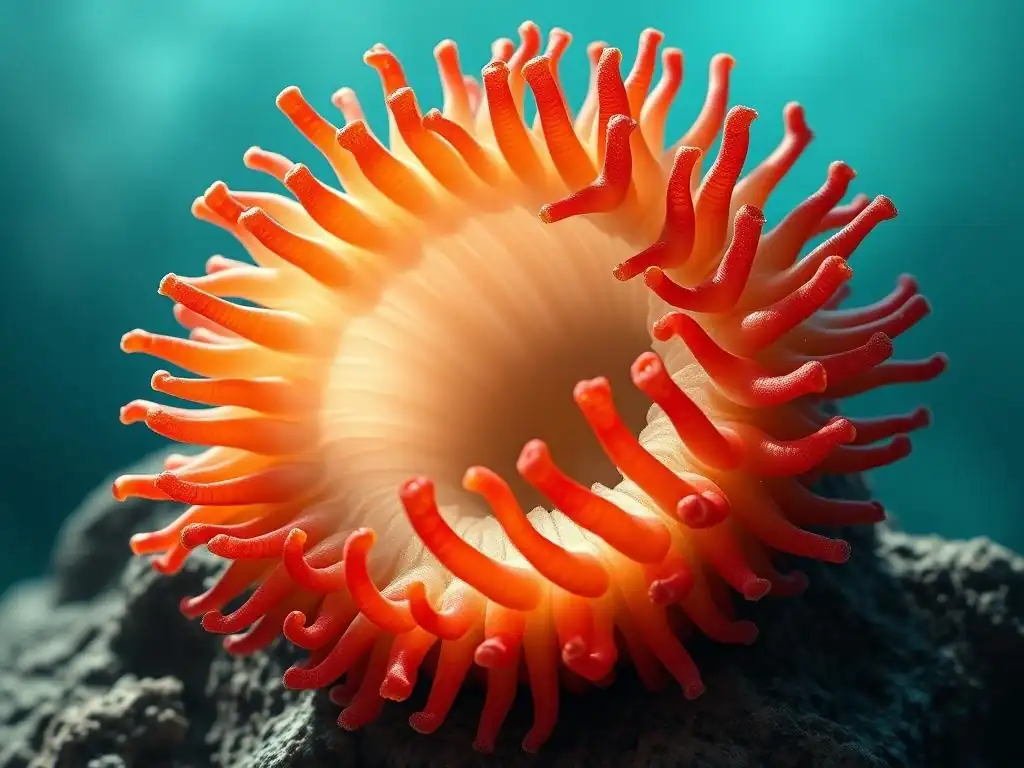
Testing Your Reef Tank Water Parameters: The First Critical Step
Upon noticing signs of a stressed anemone, the immediate and most critical action is to conduct a comprehensive test of your reef tank's water parameters. This includes testing for ammonia, nitrite, nitrate, pH, alkalinity (dKH), calcium, and magnesium. Ammonia and nitrite should ideally be undetectable (0 ppm), as even trace amounts are highly toxic to anemones. Nitrate levels should be kept below 10-20 ppm for sensitive invertebrates. For pH, a stable range of 8.1-8.4 is optimal, while alkalinity should be maintained between 8-12 dKH, calcium at 400-450 ppm, and magnesium at 1250-1350 ppm.
These tests provide immediate insight into potential environmental issues that are causing the stress, guiding the subsequent steps in your stressed anemone recovery guide. For example, if ammonia or nitrite are present, it indicates a compromised biological filter or a recent tank disturbance. Low alkalinity or calcium might suggest insufficient supplementation or a large demand from other corals. Accurate and immediate readings are essential for forming an effective recovery plan, as they pinpoint the most likely chemical imbalances affecting your anemone.
Performing a Partial Water Change to Improve Water Quality
Once initial water parameters are known, performing a partial water change is often the next immediate step to improve water quality and dilute any present toxins. A 10-20% water change using high-quality, pre-mixed saltwater with matched temperature and salinity (e.g., within 0.001 specific gravity and 1°F of tank water) can significantly reduce concentrations of nitrates, phosphates, and other accumulated pollutants. This fresh infusion of clean, balanced water provides a more hospitable environment for the stressed anemone.
When performing the water change, ensure minimal disturbance to the anemone itself. Siphon water from areas with detritus accumulation, which contributes to poor water quality. For instance, in a 75-gallon reef tank, a 15% water change would involve removing and replacing 11.25 gallons of water. This action provides immediate relief by removing harmful substances and replenishing essential trace elements, offering a vital boost in the stressed anemone recovery guide.
Temporarily Reducing Lighting Intensity for Anemone Relief
For a stressed anemone, especially one showing signs of bleaching, temporarily reducing lighting intensity can provide much-needed relief. Anemones host symbiotic zooxanthellae that perform photosynthesis, but when stressed, their photosynthetic machinery can become overwhelmed by high light, leading to further bleaching and oxidative damage. Dimming the lights by 20-30%, shortening the photoperiod, or even shading the anemone with a piece of PVC pipe or rock can reduce this stress.
This reduction in light allows the zooxanthellae to recover and the anemone to expend less energy on protecting itself from excessive light. For example, if your LED lights are running at 80% intensity for 10 hours, reduce them to 50-60% intensity for 8 hours. This adjustment is particularly important for anemones that have just been moved or are undergoing a significant environmental change, making it a key component of any comprehensive stressed anemone recovery guide.
Step 2: Diagnosing the Underlying Cause of Anemone Stress
Investigating Potential Water Quality Issues: Ammonia, Nitrite, and Nitrate Levels
A thorough investigation into ammonia, nitrite, and nitrate levels is paramount after initial testing. If ammonia or nitrite are detected (any reading above 0 ppm), it indicates a severe issue with the tank's biological filtration, often due to an immature tank cycle, overfeeding, or a dying organism. These compounds are highly toxic and can quickly lead to anemone tissue necrosis. Immediate and frequent small water changes (e.g., 10% daily) are necessary, along with reducing feeding and potentially adding a beneficial bacteria supplement.
High nitrate levels (above 20 ppm) suggest inadequate maintenance, overstocking, or insufficient biological filtration. While less acutely toxic than ammonia or nitrite, chronically high nitrates contribute to long-term stress and can inhibit an anemone's ability to thrive. Addressing this requires consistent weekly water changes (e.g., 15-20%), ensuring proper protein skimming, and potentially adding nitrate-reducing media or macroalgae to the sump. Understanding these specific readings is fundamental to any effective stressed anemone recovery guide.
Evaluating Salinity and Temperature Stability in Your Reef Tank
Beyond nitrogenous compounds, evaluating the stability of salinity and temperature is crucial. Anemones are stenohaline and stenothermic, meaning they tolerate only narrow ranges of salinity and temperature. Fluctuations, even subtle ones, can cause significant osmotic stress. For instance, a swing in specific gravity from 1.025 to 1.022 or a temperature drop from 78°F (25.5°C) to 73°F (22.8°C) within a few hours can be detrimental.
Use a calibrated refractometer for salinity and a reliable thermometer for temperature, checking them at least daily during a stress event. Implement an auto top-off (ATO) system to prevent salinity creep from evaporation, and ensure your heater is properly sized and functioning. Consistent parameters are more important than hitting exact numbers, as stability reduces physiological stress and allows the anemone to focus its energy on recovery, a cornerstone of any stressed anemone recovery guide.
Checking for Parasites or Diseases Affecting Your Anemone
While less common than environmental issues, checking for parasites or diseases is a vital diagnostic step. Carefully inspect the anemone, especially around its base and oral disc, for any unusual growths, lesions, white patches, or visible pests. Common threats include predatory snails (e.g., Berghia nudibranchs, which feed on Aiptasia but sometimes target other anemones), or predatory nudibranchs like those that consume Rock Anemones. Bacterial infections can manifest as tissue necrosis or slimy patches.
Observe the anemone at different times of the day, including after lights out, as some pests are nocturnal. If a parasite is identified, manual removal (if possible and safe) or targeted treatment may be necessary. For bacterial infections, maintaining pristine water quality and stability is often the best course of action, as most medications are not reef-safe or effective for anemones. A thorough inspection helps ensure that all potential causes of stress are addressed in this comprehensive stressed anemone recovery guide.
Step 3: Addressing Specific Anemone Stress Factors
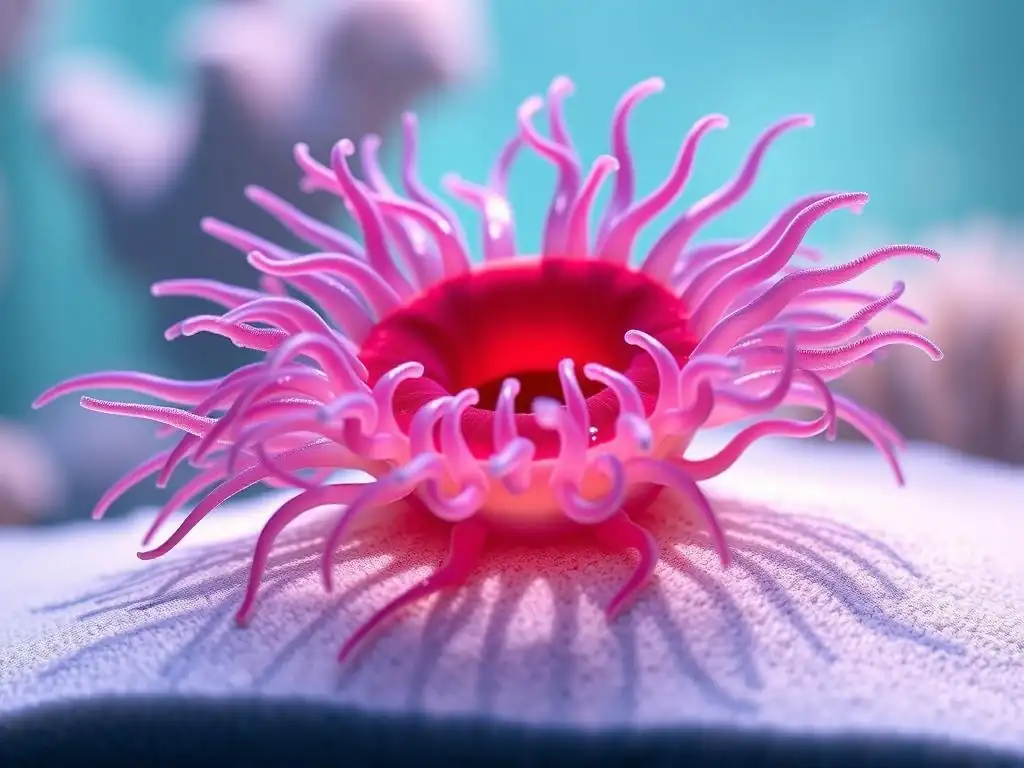
Correcting Water Chemistry Imbalances: A Detailed Guide
Correcting water chemistry imbalances is a precise process critical for anemone recovery. If alkalinity is low (below 8 dKH), slowly dose a high-quality alkalinity buffer, aiming to raise it by no more than 0.5-1 dKH per day to avoid shocking the system. Similarly, for low calcium (below 400 ppm), use a calcium supplement, increasing it gradually by 10-20 ppm daily. Magnesium (below 1250 ppm) should be corrected first if both calcium and alkalinity are persistently low, as it helps stabilize the other two; aim for a gradual increase of 25-50 ppm per day.
Always test parameters before and after dosing to prevent over-supplementation. For instance, in a 50-gallon tank, adding 5 ml of a standard two-part alkalinity solution might raise dKH by 0.5. These adjustments should be made over several days, not all at once, to allow the anemone to acclimate. Consistent monitoring with reliable test kits is essential throughout this phase of the stressed anemone recovery guide.
Improving Water Flow and Circulation for Anemone Health
Proper water flow and circulation are vital for an anemone's health, facilitating waste removal, oxygenation, and nutrient delivery. Too little flow can lead to detritus accumulation around the anemone's base, causing tissue necrosis, while too much direct flow can physically damage or dislodge it. Anemones generally prefer moderate, turbulent, and indirect flow that allows their tentacles to sway gently without being constantly blasted.
Adjust powerhead placement or add additional wavemakers to create a varied flow pattern. Observe how the anemone's tentacles move; they should undulate naturally, not be pinned flat against its body or violently thrashed. For a Bubble Tip Anemone, a flow rate of 10-20 times the tank volume per hour might be appropriate, depending on the specific location and the anemone's preference. This adjustment is crucial for creating an optimal environment as part of the stressed anemone recovery guide.
Adjusting Lighting to Meet Your Anemone's Specific Needs
Lighting is a critical factor, especially for photosynthetic anemones like Bubble Tips (Entacmaea quadricolor) and Magnificient Anemones (Heteractis magnifica). Different species have varying PAR (Photosynthetically Active Radiation) requirements. A bleached anemone, having lost its zooxanthellae, needs lower PAR initially to allow the remaining or returning symbionts to recover without being overwhelmed. As it regains color, light intensity can be gradually increased.
If using LED lights, slowly adjust the intensity settings over several days or weeks. For instance, if your anemone was receiving 300 PAR and is now bleached, reduce it to 100-150 PAR and slowly increase it by 20-30 PAR per week as it recovers. For anemones that are constantly retracting or moving to shaded areas, the light may be too intense. Conversely, a healthy anemone that remains deflated and pale despite good water parameters might be suffering from insufficient light. A careful adjustment of light intensity and duration is a cornerstone of this stressed anemone recovery guide.
Step 4: Providing Supportive Care for Anemone Recovery
Target Feeding Your Anemone to Boost its Health
Target feeding a stressed anemone can significantly boost its energy reserves and aid in recovery, especially if it's bleached or not receiving sufficient nutrients from photosynthesis. Offer small, meaty foods such as finely chopped shrimp, mysis shrimp, silversides, or krill. The food should be offered gently to its tentacles, allowing the anemone to capture and ingest it naturally. Avoid overfeeding, as uneaten food can decay and foul the water, counteracting your recovery efforts.
Initially, feed a stressed anemone 2-3 times per week, or even daily in severe cases, in small portions. For example, a medium-sized Bubble Tip Anemone might only need one or two small pieces of mysis shrimp. Observe how the anemone responds; if it readily accepts the food and retracts it into its mouth, it's a good sign. This direct nutrient supplementation provides the building blocks for tissue repair and zooxanthellae repopulation, making it a critical aspect of the stressed anemone recovery guide.
Maintaining Optimal Water Quality During the Recovery Period
During the anemone recovery process, maintaining optimal water quality is not just a diagnostic step but an ongoing supportive measure. This means continuing to test water parameters frequently (e.g., daily or every other day for ammonia/nitrite, weekly for others) to ensure stability and to catch any new fluctuations immediately. Regular, small water changes (e.g., 5-10% weekly) are essential to dilute any accumulated toxins and replenish trace elements.
Ensure your protein skimmer is running efficiently, producing consistent skimmate, as it actively removes dissolved organic compounds that can degrade water quality. Using high-quality activated carbon in a media bag or reactor can also help polish the water by removing impurities and yellowing agents. A clean, stable, and nutrient-rich environment is the foundation upon which the anemone can heal and regain its vitality, reinforcing the principles of this stressed anemone recovery guide.
Observing Your Anemone for Signs of Improvement or Deterioration
Consistent observation is perhaps the most important form of supportive care during anemone recovery. Look for specific signs of improvement: the anemone starting to re-inflate to its normal size, tentacles becoming more turgid and sticky, the oral disc closing tightly, and most importantly, the return of vibrant coloration, indicating the recovery of its zooxanthellae. A healthy anemone will also typically re-attach firmly to its chosen rockwork or substrate.
Conversely, be vigilant for signs of deterioration: continued deflation, persistent mouth gaping, a slimy appearance, tissue recession, or decay. If the anemone continues to detach and drift, it's a severe sign. Daily, even twice-daily, checks allow you to adjust your recovery strategy as needed. Documenting changes with photos can also be helpful for tracking progress. Your keen observation skills are the best tool in this stressed anemone recovery guide.
Step 5: Preventing Future Anemone Stress
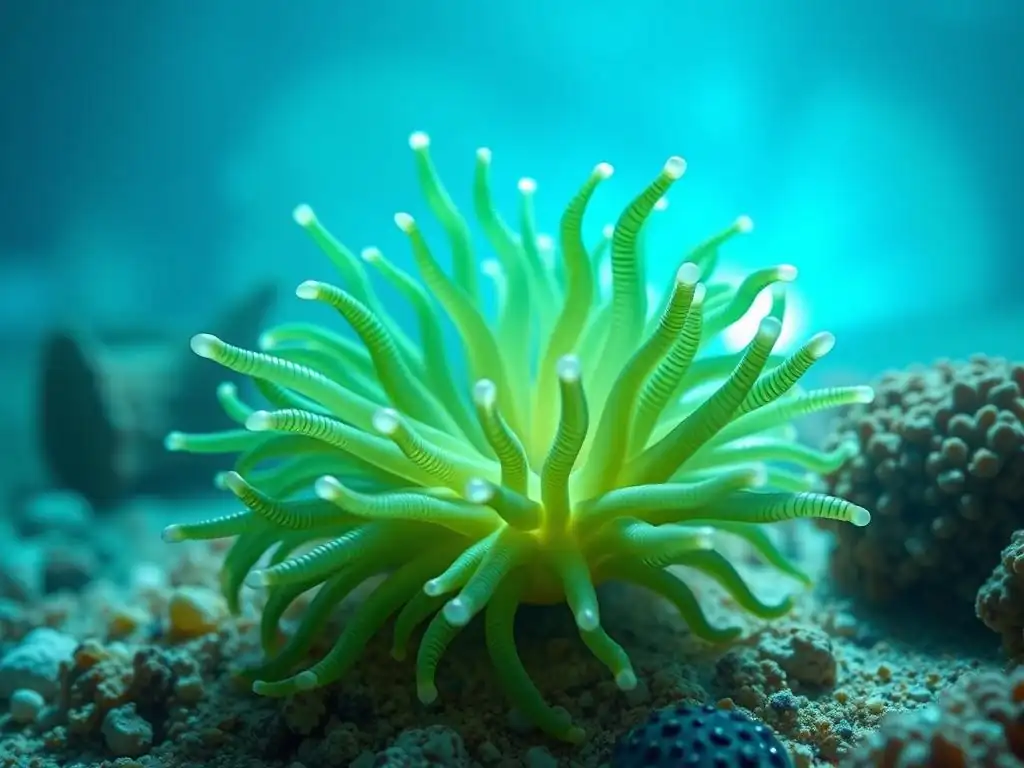
Implementing a Regular Water Testing and Maintenance Schedule
Preventing future anemone stress hinges on a proactive and consistent water testing and maintenance schedule. For a thriving reef tank, aim for daily visual checks of all inhabitants, weekly tests for salinity and temperature, and bi-weekly tests for ammonia, nitrite, nitrate, and pH. More advanced parameters like alkalinity, calcium, and magnesium should be tested at least monthly, or more frequently if dosing.
Coupled with testing, regular partial water changes are non-negotiable. A consistent 10-15% water change every two weeks, or 5-10% weekly, helps export accumulated nutrients and replenish essential trace elements. Cleaning protein skimmer cups weekly and rinsing filter socks or sponges every few days are also crucial to prevent organic waste buildup. Adhering to such a schedule significantly reduces the likelihood of parameter swings that necessitate a stressed anemone recovery guide.
Choosing the Right Lighting for Your Anemone Species
Selecting and maintaining appropriate lighting for your specific anemone species is critical for long-term health. Different anemones have distinct PAR requirements. For instance, a Bubble Tip Anemone (Entacmaea quadricolor) generally thrives under moderate to high light (e.g., 200-400 PAR), while a Magnificient Anemone (Heteractis magnifica) may require higher intensities (e.g., 400-600 PAR). Research the specific needs of your anemone before purchase.
Invest in a quality lighting system that allows for intensity control and a proper spectrum (e.g., LEDs with blue and white channels). When introducing a new anemone, acclimate it slowly to your tank's lighting by placing it in a shaded area initially and gradually moving it to brighter spots over several weeks. This prevents photobleaching and ensures the zooxanthellae can adapt, minimizing the chances of needing a stressed anemone recovery guide in the future.
Ensuring Adequate Water Flow and Circulation Long-Term
Long-term success with anemones requires ensuring adequate and stable water flow and circulation throughout the tank. Anemones need turbulent, indirect flow to bring them food, remove waste, and keep their tentacles free of detritus. Stagnant areas can lead to oxygen depletion and waste accumulation around the anemone's base, causing tissue necrosis. Conversely, overly strong, direct flow can physically damage the anemone or prevent it from properly expanding.
Strategically place powerheads or wavemakers to create varying flow patterns that mimic natural reef environments. Aim for a flow rate that gently undulates the anemone's tentacles without causing it to constantly retract or move. Consider using multiple smaller powerheads rather than one large one to achieve more diffused flow. Regularly clean powerheads to maintain their efficiency. Consistent, appropriate flow is a key environmental factor in preventing stress and ensuring your anemone thrives, thus avoiding the need for a stressed anemone recovery guide.
Advanced Anemone Care Tips for a Thriving Reef Tank
Understanding Anemone Species-Specific Requirements
While general care guidelines apply, understanding the specific requirements of your chosen anemone species is an advanced tip that differentiates thriving tanks from struggling ones. For example, a Carpet Anemone (Stichodactyla haddoni) requires a deep sand bed to bury its foot and high light, whereas a Sebae Anemone (Heteractis crispa) prefers to anchor its foot in rock crevices and needs strong light. Knowing these nuances, such as preferred host fish, specific feeding habits, and maximum size, is crucial.
Research your species thoroughly before purchase. For instance, some anemones, like the Gigantea Anemone (Stichodactyla gigantea), grow very large (up to 3 feet in diameter) and require massive tanks (300+ gallons) with specific flow and lighting. Others, like the Rock Anemone (Epicystis crucifer), are much smaller and less demanding. Tailoring your tank environment precisely to your anemone's unique needs prevents chronic stress and ensures it thrives, making a stressed anemone recovery guide less likely to be needed.
Recognizing and Addressing Potential Anemone Diseases
Beyond environmental stressors, recognizing and addressing potential anemone diseases is an advanced care aspect. While true "diseases" are less common than stress from poor water parameters, anemones can suffer from bacterial infections (often appearing as slimy patches or decaying tissue), fungal infections, or protozoan infestations. These often manifest as a rapid deterioration in health despite ideal water conditions.
Unfortunately, many medications safe for fish are harmful to invertebrates like anemones. Prevention through pristine water quality and stability is the best defense. If a localized infection is observed, carefully siphoning off affected tissue might be an option for experienced aquarists, but this carries risks. For systemic issues, maintaining optimal water parameters and providing supportive care (target feeding, reduced light) is often the only reef-safe course of action. Quarantining new anemones, though challenging, can prevent the introduction of pathogens.
Creating a Stable and Healthy Reef Environment for Anemones
Creating a truly stable and healthy reef environment is the ultimate advanced tip for long-term anemone success. This goes beyond just water parameters; it encompasses mature biological filtration, consistent temperature and salinity, appropriate lighting and flow for the specific species, and careful consideration of tank mates. A mature tank, typically running for at least 6-12 months, provides the stable microbial communities and microfauna that anemones benefit from.
Regular, proactive maintenance, including consistent water changes, protein skimmer cleaning, and filter media replacement, minimizes the chances of parameter swings. Avoiding sudden changes to lighting, flow, or chemistry is also key. By prioritizing stability, providing ample space, and selecting compatible tank mates, aquarists can cultivate an environment where anemones not only survive but truly flourish, making a stressed anemone recovery guide a rarely needed reference.
Frequently Asked Questions
What are the first signs that my anemone is stressed?
Early signs of stress in anemones include a shrunken appearance, a lack of stickiness, and a reluctance to open fully, or at all. They might also expel zooxanthellae, giving them a pale or bleached look.
What are the most common causes of anemone stress?
The most frequent culprits are poor water quality (especially unstable salinity, pH, or high nitrates), inadequate lighting, and physical damage from rocks or aggressive tankmates. Incompatible tank mates can also cause stress.
How often should I perform water changes when trying to revive a stressed anemone?
During a recovery period, increase the frequency of water changes. Aim for small, frequent changes (e.g., 10-15% every 1-2 days) to help stabilize parameters and remove potential irritants, while using high-quality salt mix.
What is the best way to ensure my anemone is getting enough light?
Research the specific lighting requirements for your particular anemone species. Consider upgrading your lighting system if necessary, and gradually acclimate the anemone to the new light intensity to prevent light shock.
When should I consider moving a stressed anemone to a separate quarantine tank?
If the anemone is being harassed by other tank inhabitants or if you need to administer medications or specific treatments, a quarantine tank provides a safer, more controlled environment to isolate the anemone and focus on its recovery.
Final Reflection: The Resilient Reef Within
The journey of rescuing a stressed anemone is more than just a technical process; it's a testament to our responsibility as stewards of delicate ecosystems, even within the confines of our own aquariums. The steps outlined in this guide, from careful observation to meticulous water parameter adjustments, reflect a deeper commitment to understanding and nurturing the intricate balance of life that thrives beneath the surface.
This act of care extends beyond the individual anemone. It underscores the profound connection we share with the natural world and the ripple effect our actions have, even in seemingly small environments. The fate of the living world is the most important issue facing mankind.
- Gaylord Nelson, founder of Earth Day. This quote reminds us that every effort, no matter how localized, contributes to the larger narrative of conservation and respect for all living things.
So, as you embark on your own journey to revive a struggling anemone, remember that you are not just following a guide; you are participating in a larger act of empathy and responsibility. Let the lessons learned in your aquarium inspire you to cultivate a deeper appreciation for the fragility and resilience of life, and to extend that care to the world beyond your glass walls. Let's all strive to be better aquarists, and ultimately, better inhabitants of this planet.
Revive Your Anemone: Take Action Now!
Thank you for delving into the world of anemone care! We hope this guide has empowered you with the knowledge to nurture your aquatic friends. Now, let’s translate that knowledge into action.
- Immediately assess your anemone's current condition based on the guidelines provided and document your observations with photos. This is crucial for tracking progress.
- Consider posting your anemone's health journey and photos in our Aquarium Mastery community forum for expert advice and shared support.
- Experiment with gentle, directed feeding using high-quality, reef-safe supplements to entice your anemone and boost its energy reserves.
What changes will you make today to ensure your anemone thrives?