
Blue Hippo Tang (Paracanthurus hepatus): Is Dory Truly ReefSafe? A Full Profile

Welcome to Aquarium Mastery!
Ever wondered if the real-life Dory, the Blue Hippo Tang, is as carefree as she seems? Dive in to discover the truth about Blue Hippo Tang care! This comprehensive profile explores everything you need to know about keeping these stunning fish happy and healthy in your saltwater aquarium. Prepare to uncover fascinating insights and avoid common pitfalls—your journey to mastering Blue Hippo Tang husbandry starts here!
- Introduction to the Blue Hippo Tang: A Reef Aquarium Favorite
- Blue Hippo Tang Care: Essential Considerations for a Healthy Life
-
Frequently Asked Questions
- How difficult is it to care for a Blue Hippo Tang?
- What size tank is recommended for a Blue Hippo Tang?
- Are Blue Hippo Tangs truly reef safe, as the title implies "Is Dory Truly ReefSafe?"
- What are the dietary requirements of a Blue Hippo Tang?
- What are some common health issues that affect Blue Hippo Tangs?
- Final Reflection: The Enduring Appeal of the Blue Tang
- Dive Deeper: Transform Your Reef Tank Knowledge!
Introduction to the Blue Hippo Tang: A Reef Aquarium Favorite
Understanding the Appeal of the Paracanthurus hepatus
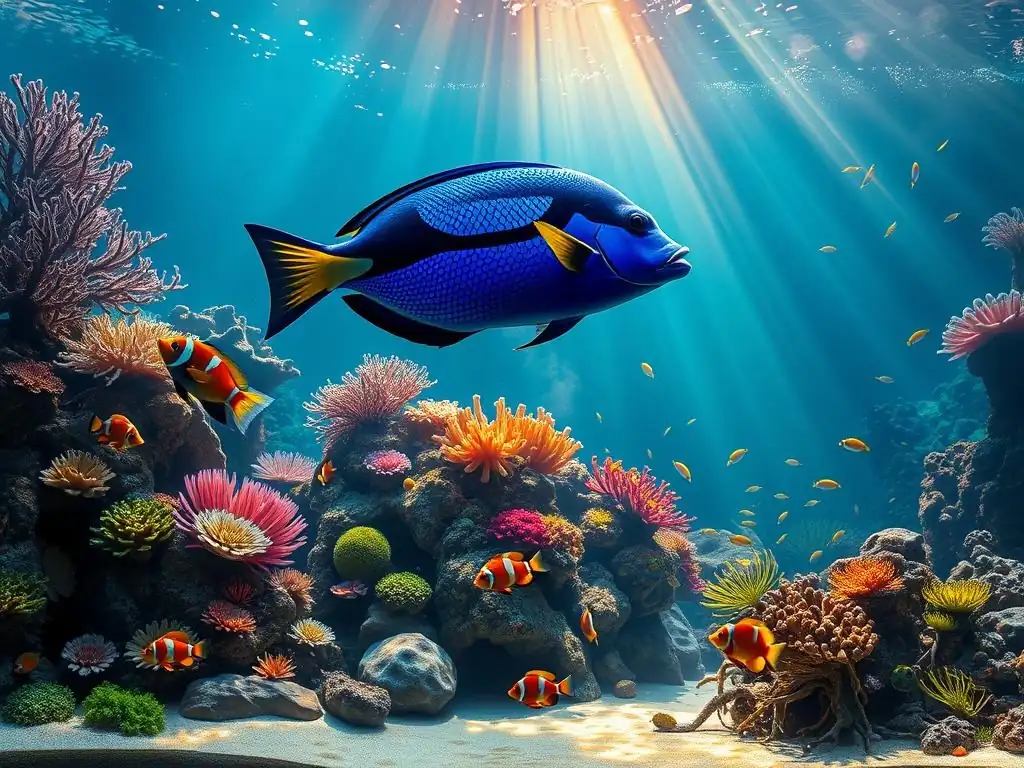
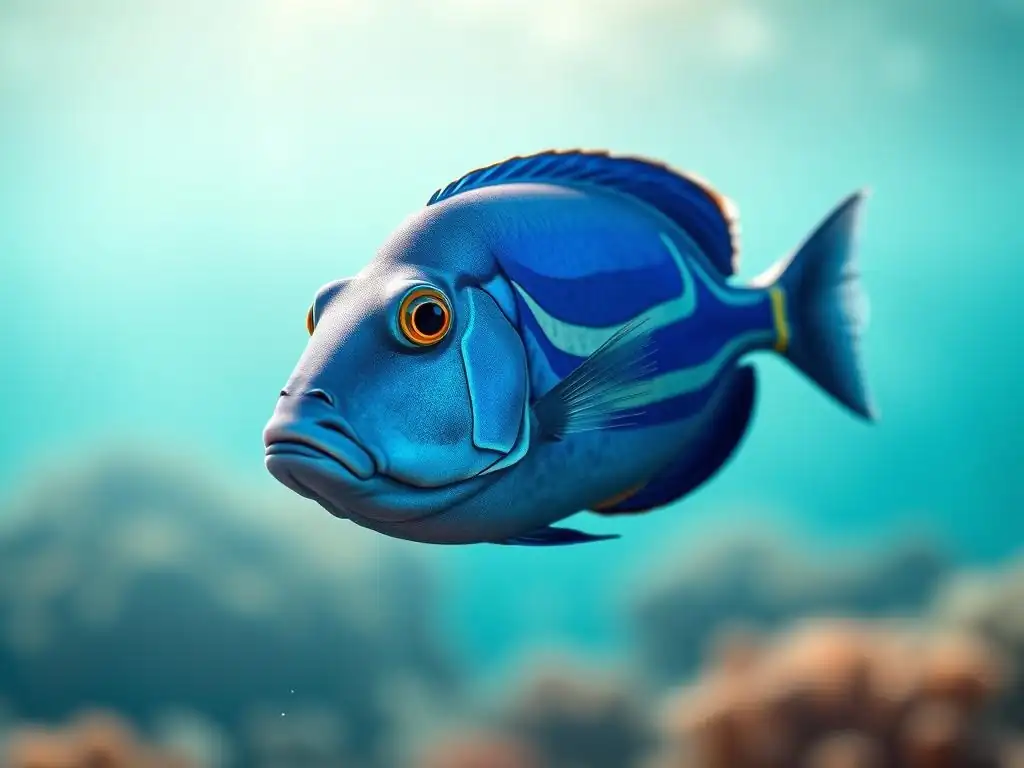
The Blue Hippo Tang, scientifically known as Paracanthurus hepatus, is a highly sought-after marine fish in the aquarium hobby, prized for its striking coloration and graceful swimming. Its vibrant royal blue body, accented by a bold black palette-like marking and a bright yellow tail, makes it an undeniable focal point in any reef tank.
Beyond its aesthetic appeal, this species exhibits interesting behaviors, often grazing on algae and navigating the rockwork with a fluid elegance that captivates aquarists. Its relatively peaceful demeanor towards most other fish species, when housed in an appropriately sized environment, further contributes to its popularity among saltwater enthusiasts aiming for a diverse community tank.
This surgeonfish, native to the Indo-Pacific reefs, typically grows to an adult size of about 10-12 inches (25-30 cm) in captivity, though specimens in the wild can reach up to 15 inches (38 cm). Its distinctive appearance and active nature make it a captivating addition, but potential owners must understand the significant commitment involved in providing proper Blue hippo tang care. Their natural habitat includes diverse reef structures, where they graze on plankton and various types of algae, indicating a need for a spacious, well-established aquarium with plenty of live rock for grazing and hiding.
The "Dory" Effect: Popularity and Responsible Fishkeeping
The animated character "Dory" from Disney-Pixar's Finding Nemo and Finding Dory significantly amplified the popularity of the Blue Hippo Tang, leading to a surge in demand for this species. This phenomenon, often referred to as the "Dory Effect," brought the beauty of marine aquariums into the mainstream but also highlighted the critical need for responsible fishkeeping. Many individuals, inspired by the charismatic character, purchased these fish without fully understanding the extensive Blue hippo tang care requirements, including their substantial adult size and specific environmental needs.
The increased demand put pressure on wild populations and raised concerns about sustainable collection practices. Responsible aquarists are now more aware of the importance of sourcing captive-bred or sustainably collected specimens, supporting ethical suppliers, and thoroughly researching the long-term commitment. This includes understanding the specific tank size, water parameters, and dietary needs necessary to ensure the health and longevity of Paracanthurus hepatus, rather than treating them as disposable pets.
Blue Hippo Tang Care: Essential Considerations for a Healthy Life
Tank Size Requirements for Blue Hippo Tangs
Providing an adequately sized aquarium is paramount for the long-term health and well-being of Blue Hippo Tangs. Due to their active swimming habits and potential adult size of up to 12 inches (30 cm) in captivity, a minimum tank size of 180 gallons (approximately 680 liters) is generally recommended for a single adult specimen. This allows ample space for swimming, grazing, and establishing territories without excessive stress. For juvenile tangs, a tank around 75-100 gallons (280-380 liters) might suffice temporarily, but they will quickly outgrow it, necessitating an upgrade within 12-18 months.
Housing multiple Blue Hippo Tangs or combining them with other large, active fish species requires an even larger system, often exceeding 250-300 gallons (950-1135 liters) to prevent aggression and ensure sufficient swimming room for all inhabitants. Overcrowding is a significant stressor for these fish, leading to weakened immune systems, increased susceptibility to diseases like Ich, and stunted growth. Therefore, prioritizing tank volume and length is a fundamental aspect of proper Blue hippo tang care, ensuring they have the necessary space to thrive and exhibit natural behaviors.
Water Parameters: Maintaining Optimal Conditions for Paracanthurus hepatus
Maintaining stable and optimal water parameters is critical for the health of Paracanthurus hepatus. These fish are sensitive to fluctuations and poor water quality, which can quickly lead to stress and disease. Regular testing and consistent maintenance are non-negotiable aspects of effective Blue hippo tang care.
Temperature, Salinity, and pH Levels for Blue Hippo Tangs
For Blue Hippo Tangs, consistent water temperature is vital, ideally maintained between 76°F and 82°F (24°C - 28°C). A stable temperature helps regulate their metabolism and immune system. Salinity should be kept within a specific gravity range of 1.023 to 1.026, mimicking natural reef conditions. Fluctuations, even minor ones, can cause osmotic stress, impacting their gills and overall health.
Furthermore, the pH level is crucial and should be maintained between 8.1 and 8.4. A stable pH prevents acidosis or alkalosis, which can severely stress marine fish. Utilizing a reliable heater with a thermostat and a quality refractometer or hydrometer for salinity checks are essential tools in this regard.
Importance of Water Changes and Filtration
Regular water changes are indispensable for diluting nitrates, phosphates, and other accumulated pollutants that can be detrimental to Blue Hippo Tangs. A recommended schedule involves changing 10-20% of the tank water weekly or 25% bi-weekly, depending on the bioload and filtration efficiency. This practice replenishes essential trace elements and maintains water clarity.
Robust filtration is equally important, incorporating mechanical filtration for particulate removal, biological filtration to process ammonia and nitrites, and chemical filtration (like activated carbon or GFO) to remove dissolved organic compounds and phosphates. A strong protein skimmer is also highly recommended for a tang tank, as it efficiently removes organic waste before it breaks down, significantly contributing to superior water quality and reducing the workload on other filtration components.
Diet and Feeding: What Do Blue Hippo Tangs Eat?
A comprehensive and varied diet is fundamental to the long-term health, vibrant coloration, and disease resistance of Blue Hippo Tangs. In their natural habitat, these surgeonfish primarily graze on algae and consume zooplankton, making their dietary needs diverse. Replicating this variety in captivity is a cornerstone of effective Blue hippo tang care.
Providing a Varied Diet for Optimal Health and Coloration
Blue Hippo Tangs are primarily herbivorous, and their diet should reflect this by being rich in plant-based matter. High-quality marine flakes and pellets formulated for herbivorous fish should form the base of their diet, supplemented daily with various types of macroalgae, such as nori (dried seaweed sheets). Offering nori attached to a veggie clip allows them to graze naturally throughout the day, mimicking their wild feeding behavior.
Beyond algae, occasional offerings of frozen foods like brine shrimp, mysis shrimp, or spirulina-enriched formulas can provide essential proteins and fats. It's crucial to offer multiple small feedings throughout the day rather than one large meal, as this supports their continuous grazing habits and reduces water pollution.
Preventing Nutritional Deficiencies in Hippo Tangs
Preventing nutritional deficiencies, particularly Head and Lateral Line Erosion (HLLE), is a critical aspect of Blue hippo tang care. HLLE is often linked to poor diet, lack of essential vitamins (especially Vitamin C and D), and inadequate water quality. To combat this, ensure the nori and other plant-based foods are enriched with vitamins, or consider using a vitamin supplement designed for marine fish.
For instance, supplementing their diet with foods rich in Vitamin C, such as certain prepared foods or fortified algae, can significantly reduce the risk of HLLE. A diet lacking in sufficient green matter can also lead to dull coloration and overall weakened health. Therefore, a consistent supply of varied, high-quality, and vitamin-fortified foods is essential for maintaining their vibrant blue hues and robust immune system.
Frequently Asked Questions
How difficult is it to care for a Blue Hippo Tang?
Blue Hippo Tangs are considered moderately difficult to care for. They require a large tank and stable water parameters to thrive.
What size tank is recommended for a Blue Hippo Tang?
A minimum tank size of 180 gallons is recommended for a single Blue Hippo Tang. They are active swimmers and need plenty of space.
Are Blue Hippo Tangs truly reef safe, as the title implies "Is Dory Truly ReefSafe?"
Generally, Blue Hippo Tangs are considered reef safe with caution. They may nip at certain corals, particularly LPS corals, if not properly fed.
What are the dietary requirements of a Blue Hippo Tang?
Blue Hippo Tangs are herbivores and require a diet rich in algae. Offer them a variety of marine algae sheets, Spirulina, and a high-quality herbivore flake food.
What are some common health issues that affect Blue Hippo Tangs?
Common health issues include ich (white spot disease) and head and lateral line erosion (HLLE). Maintaining excellent water quality and providing a stress-free environment are crucial for prevention.
Final Reflection: The Enduring Appeal of the Blue Tang
The journey through the intricacies of Blue Hippo Tang care reveals a responsibility that extends far beyond the confines of our aquariums. The popularity of Paracanthurus hepatus, fueled by its vibrant beauty and cinematic fame, demands a conscious awareness of its needs and the potential impact on reef ecosystems. It's not merely about keeping a fish alive; it's about ensuring its well-being and the health of the environment from which it originates.
The allure of the Blue Tang, often referred to as "Dory," has undeniably shaped the aquarium hobby, influencing countless individuals to embark on the rewarding, yet challenging, path of reef keeping. This enduring appeal underscores the importance of responsible sourcing and informed care, ensuring that the demand for these magnificent creatures doesn't contribute to unsustainable practices. In the end, we will conserve only what we love; we will love only what we understand; and we will understand only what we are taught.
- Baba Dioum. This quote perfectly encapsulates the need for education and understanding in the responsible keeping of Blue Tangs.
As you consider adding a Blue Hippo Tang to your reef aquarium, or simply admire its beauty from afar, remember the lessons learned here. Reflect on the space it requires, the dietary needs it demands, and the ethical considerations that accompany its acquisition. Let this knowledge empower you to make informed decisions, contributing to a future where the Blue Tang thrives, both in our homes and in the vast, vibrant reefs it calls home.
Dive Deeper: Transform Your Reef Tank Knowledge!
Thanks for exploring the fascinating world of the Blue Hippo Tang! We hope this guide has illuminated Dory's true reef compatibility and provided valuable insights for responsible aquarium keeping. Now, let's put this knowledge into action!
- Take the Plunge: Create a Hippo Tang Habitat.: Now that you know the specific needs of Paracanthurus hepatus, begin planning your tank expansion or upgrade to ensure a healthy and thriving environment.
- Share the Wisdom: Pass this article along and help others keep and care for their reef tanks and pet fish.
- Reflect and Revise: How will you change your current reef tank setup to better accommodate a Hippo Tang, or what other tangs or fish would you like to see profiled?
What’s one thing you’ll do differently with your reef tank approach, based on what you've learned about the Blue Hippo Tang today?