
Building a SpeciesOnly Tank for Your Majestic Lionfish: Design & Setup

Welcome to Aquarium Mastery!
Intrigued by the idea of a captivating underwater predator? Dive deep with us as we explore the fascinating world of Lionfish only aquarium setup. Discover the secrets to creating a thriving environment for these majestic creatures and avoid common pitfalls. Are you ready to unlock the secrets to a successful species-only tank? Let's begin!
- Building a Species-Only Tank for Volitans Lionfish: Design & Setup
- Introduction to Volitans Lionfish-Only Aquariums
-
Planning Your Volitans Lionfish Only Aquarium Setup
- Determining the Ideal Tank Size for Volitans Lionfish
- Essential Equipment for a Volitans Lionfish Species Tank
- Filtration Needs for a Volitans Lionfish Aquarium: Sump Filters, Protein Skimmers
- Lighting Requirements for a Volitans Lionfish Habitat: Standard Output Fluorescent
- Substrate Selection for a Volitans Lionfish-Focused Tank: Aragonite Sand
- Designing the Volitans Lionfish Aquarium Environment
-
Setting Up Your Volitans Lionfish-Only Tank: A Step-by-Step Guide
- Step 1: Preparing the Aquarium and Equipment
- Step 2: Setting Up the Filtration System for Volitans Lionfish
- Step 3: Adding Substrate, Rockwork, and Decorations
- Step 4: Filling the Tank and Cycling the Water
- Step 5: Monitoring Water Parameters for Volitans Lionfish Health: Ammonia, Nitrite, Nitrate, pH
- Introducing Your Volitans Lionfish to Its New Home
- Volitans Lionfish Care and Maintenance in a Species Tank
- Troubleshooting Common Issues in Volitans Lionfish-Only Aquariums
- Advanced Considerations for Volitans Lionfish Keepers
- Conclusion: Enjoying Your Majestic Volitans Lionfish in a Species-Specific Aquarium
-
Frequently Asked Questions
- How large of an aquarium is recommended for a Lionfish-only setup?
- What specific water parameters are crucial for a Lionfish-only aquarium?
- What type of filtration system is best suited for a Lionfish-only tank?
- What kind of substrate and decorations are recommended for a Lionfish habitat?
- What are some common health issues to watch out for in Lionfish, and how can they be prevented in a species-only aquarium?
- Final Reflection: Embracing the Majesty of Solitude
- Unveil Your Dream Lionfish Habitat!
Building a Species-Only Tank for Volitans Lionfish: Design & Setup
Introduction to Volitans Lionfish-Only Aquariums
The Appeal of a Species-Specific Volitans Lionfish Tank
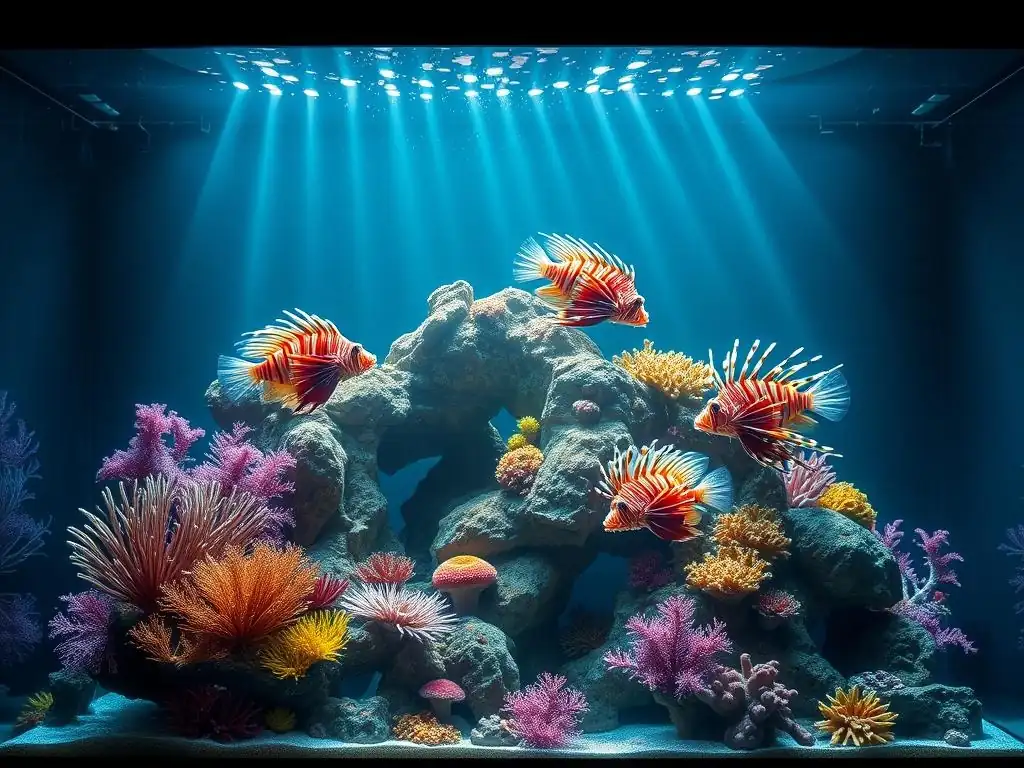
The Volitans Lionfish ( Pterois volitans) stands out as one of the most visually striking and captivating inhabitants of a marine aquarium. Its elaborate, venomous dorsal, pectoral, and anal fins, coupled with its distinctive striped pattern, create a truly majestic presence. A species-only tank for this magnificent predator allows its unique beauty and natural behaviors to be fully appreciated without the distraction or risks associated with tank mates. This dedicated environment ensures the lionfish remains the undisputed focal point, showcasing its slow, deliberate movements and ambush hunting style in a controlled setting.
Observing a Volitans Lionfish in a tank designed specifically for its needs offers an unparalleled experience for the aquarist. In a mixed reef or fish-only setup, these often-shy predators might be overshadowed or stressed by more active or aggressive species. A "lionfish only aquarium setup" provides the calm, stable environment where the lionfish feels secure enough to explore, hover, and truly display its awe-inspiring finnage, making it a living piece of art in your home.
Why Choose a Volitans Lionfish-Only Setup? Benefits & Considerations
Opting for a Volitans lionfish species tank offers several significant benefits. Primarily, it eliminates the risk of the lionfish preying on smaller tank mates, a common issue in mixed community tanks given their predatory nature. This setup also simplifies feeding, as lionfish are slow eaters and can struggle to compete for food in a bustling environment. Furthermore, maintaining specific water parameters tailored precisely to the lionfish's needs becomes much more straightforward, leading to a healthier, less stressed fish.
However, choosing a "lionfish only aquarium setup" also comes with important considerations. These fish grow large, often reaching 15-18 inches (38-45 cm) in captivity, necessitating a substantial tank. Their venomous spines require careful handling during maintenance, and their specialized diet of meaty foods means a commitment to sourcing appropriate nutrition. Despite these demands, the dedicated environment often translates to a longer, healthier life for the lionfish, making the investment worthwhile for serious aquarists.
Planning Your Volitans Lionfish Only Aquarium Setup
Determining the Ideal Tank Size for Volitans Lionfish
The size of your aquarium is the single most critical factor in a successful Volitans lionfish species tank. While juvenile Volitans Lionfish may seem small, they grow rapidly. For a single adult Volitans Lionfish, a minimum tank size of 75 gallons (approximately 280 liters) is generally recommended, but a 125-gallon (470-liter) or larger tank is highly preferred. This larger volume provides ample swimming space, especially for their expansive fins, and contributes significantly to water stability, which is crucial for their long-term health.
A larger "Volitans lionfish only aquarium setup" of 125 gallons or more offers several advantages beyond just physical space. It dilutes waste products more effectively, making it easier to maintain stable water parameters. It also provides more room for intricate rockwork and aquascaping, creating a richer, more engaging environment that mimics their natural habitat and allows for natural behaviors. Investing in a larger tank upfront avoids the need for costly upgrades as your lionfish matures.
Essential Equipment for a Volitans Lionfish Species Tank
Setting up a robust "lionfish only aquarium setup" requires specific, high-quality equipment to ensure optimal conditions. Key components include a well-sized glass or acrylic aquarium, a powerful and efficient filtration system (typically a sump with a protein skimmer), a submersible heater to maintain stable temperatures, and a reliable thermometer. Additionally, a strong return pump for the sump, circulation powerheads to ensure adequate water movement, and accurate test kits for water parameters are indispensable.
Beyond these core items, a salinity refractometer is crucial for precise salt level monitoring, superior to a hydrometer. A sturdy aquarium stand capable of supporting the immense weight of a filled tank (a 125-gallon tank can weigh over 1,000 pounds or 450 kg) is non-negotiable. Finally, specialized feeding tongs are vital for safely delivering food to your venomous lionfish, preventing direct hand contact and potential stings.
Filtration Needs for a Volitans Lionfish Aquarium: Sump Filters, Protein Skimmers
Volitans Lionfish are predatory and, consequently, produce a significant bioload due to their meaty diet and waste output. Therefore, a highly efficient filtration system is paramount for a "Volitans lionfish only aquarium setup." A comprehensive sump filter system is highly recommended. A sump, typically placed below the display tank, greatly increases the total water volume, enhancing stability, and provides ample space for mechanical filtration (filter socks/pads), biological filtration (live rock, bio-balls), and chemical filtration (activated carbon, GFO).
Integral to the sump system, a high-quality protein skimmer is absolutely essential. This device efficiently removes organic compounds before they break down into harmful nitrates. For a 125-gallon tank, aim for a protein skimmer rated for at least 150-200 gallons to ensure it can handle the lionfish's waste output effectively. Regular cleaning of the skimmer collection cup, ideally daily or every other day, maximizes its efficiency and significantly contributes to maintaining pristine water quality.
Lighting Requirements for a Volitans Lionfish Habitat: Standard Output Fluorescent
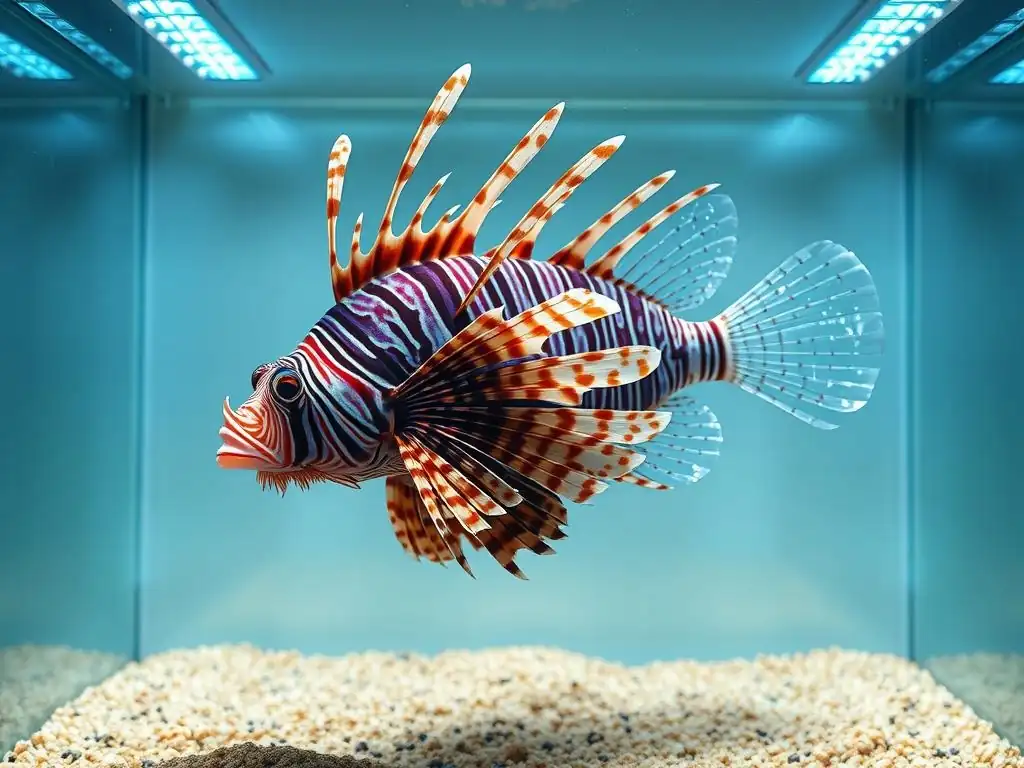
Unlike coral reef tanks that demand intense, specialized lighting, a "Volitans lionfish only aquarium setup" has relatively simple lighting requirements. Volitans Lionfish are naturally found in deeper waters or shaded areas of the reef, so they do not require high-intensity illumination. Excessive bright light can actually stress them, causing them to hide more frequently.
Standard output fluorescent lighting (such as T5 HO or comparable LED fixtures) providing a daylight spectrum (around 6,500K to 10,000K) is perfectly adequate. The primary purpose of lighting in a lionfish habitat is for aesthetic viewing and to establish a consistent day/night cycle, which aids in the fish's natural rhythm. A typical lighting schedule of 8-10 hours per day is sufficient.
Substrate Selection for a Volitans Lionfish-Focused Tank: Aragonite Sand
For a successful "Volitans lionfish only aquarium setup," the choice of substrate plays a role in water chemistry and aesthetics. Aragonite sand is the preferred substrate for saltwater aquariums, including those housing lionfish. This calcium carbonate-based substrate naturally helps to buffer the pH and alkalinity of the water, contributing to the stable marine environment that lionfish thrive in. A depth of 1-2 inches (2.5-5 cm) of fine to medium grain aragonite sand is typically sufficient.
Aragonite sand not only provides a natural, appealing look that mimics their native sandy bottoms but also offers a surface for beneficial bacteria to colonize, contributing to biological filtration. While a bare-bottom tank is an option for ease of cleaning, it can reduce natural aesthetics and some biological benefits. Avoid crushed coral, which can trap detritus and contribute to nitrate buildup, making it less ideal for a clean lionfish habitat.
Designing the Volitans Lionfish Aquarium Environment
Creating a Natural and Engaging Volitans Lionfish Habitat
Designing the interior of your "Volitans lionfish only aquarium setup" should focus on mimicking their natural reef environment. This means providing a balance of open swimming areas and ample hiding spots. Lionfish are ambush predators by nature, and while they won't be actively hunting tank mates in a species-only setup, they still instinctively seek out caves, crevices, and overhangs where they can rest, feel secure, and observe their surroundings.
The aquascape should be both functional and aesthetically pleasing. Consider the lionfish's size and elegant movements when placing rockwork. Ensure there are clear pathways for it to navigate, as well as distinct areas where it can retreat if it feels stressed. A well-designed habitat enhances the lionfish's comfort and allows for better observation of its fascinating behaviors.
Rockwork and Aquascaping for Volitans Lionfish: Providing Hiding Places
Live rock or high-quality dry rock forms the backbone of the aquascape in a "Volitans lionfish only aquarium setup." Aim for approximately 1 to 1.5 pounds of rock per gallon of water to provide significant biological filtration and structural complexity. The rockwork should be arranged to create numerous stable caves, tunnels, and overhangs. These structures serve as essential hiding places where your lionfish can rest during the day or retreat if startled.
When stacking rocks, ensure they are secure and stable, preventing any possibility of collapse, which could injure your fish or damage the tank. Use rock-safe epoxy or cement if necessary to secure larger structures. Distribute the rockwork to allow for good water circulation throughout the tank, preventing dead spots where detritus can accumulate, which is crucial for maintaining excellent water quality for your lionfish.
Avoiding Incompatible Tank Decorations: Copper-Based Ornaments
When selecting decorations for your "Volitans lionfish only aquarium setup," it is paramount to avoid any materials that contain copper. Copper, even in trace amounts, is highly toxic to marine fish and invertebrates. While your species-only tank won't house sensitive invertebrates, the principle holds true for the general health of all marine life. Many common freshwater aquarium ornaments, or even some older marine decorations, may contain copper or other metals not suitable for saltwater.
Always choose decorations, glues, and aquascaping materials explicitly labeled as "marine safe" or "reef safe." Avoid any metallic objects or painted items unless you are absolutely certain of their composition and marine compatibility. Introducing copper into your tank, even inadvertently, can lead to severe stress, disease, and ultimately, mortality for your magnificent lionfish.
Setting Up Your Volitans Lionfish-Only Tank: A Step-by-Step Guide
Step 1: Preparing the Aquarium and Equipment
Before anything else, thoroughly clean your new aquarium. Use only fresh RO/DI (Reverse Osmosis/Deionized) water and a clean cloth; never use soaps, detergents, or chemical cleaners, as residues can be harmful to marine life. Once cleaned, position the aquarium on a sturdy, level stand designed to support the immense weight of a filled saltwater tank. A 125-gallon tank, for instance, can weigh over 1,000 pounds (approximately 450 kg) when filled with water, rock, and equipment.
After positioning, unbox and inspect all your essential equipment, including the sump, protein skimmer, heater, and return pump. Ensure all components are present and undamaged. Having everything laid out and ready will streamline the subsequent setup steps for your "Volitans lionfish only aquarium setup."
Step 2: Setting Up the Filtration System for Volitans Lionfish
The filtration system, particularly the sump, is the heart of your "Volitans lionfish only aquarium setup." Begin by placing the sump inside the aquarium cabinet. Connect the overflow plumbing from the display tank to the sump, ensuring a secure and watertight fit. Then, connect the return pump plumbing from the sump back up to the display tank, again checking for any potential leaks.
Once the plumbing is in place, position your protein skimmer within the sump, adhering strictly to the manufacturer's recommended water level. Install the heater(s) and any temperature or pH probes in designated areas within the sump. Finally, perform a leak test by carefully filling the sump with RO/DI water and running the return pump to ensure all connections are sound and water flows correctly without any leaks.
Step 3: Adding Substrate, Rockwork, and Decorations
With the filtration system largely in place, it's time to add the foundational elements of your lionfish's habitat. Start by thoroughly rinsing your aragonite sand with RO/DI water to remove fine dust and debris. This prevents cloudy water after filling. Carefully spread the sand evenly across the bottom of the tank, aiming for a consistent depth of 1 to 2 inches (2.5-5 cm).
Next, carefully introduce your pre-cured or dry rockwork. Build stable structures that create appealing caves, overhangs, and crevices, providing multiple hiding spots for your Volitans Lionfish. Ensure all rocks are securely stacked and cannot shift or collapse. Finally, add any other marine-safe decorations, always keeping in mind the lionfish's size and its need for ample swimming space within its "lionfish only aquarium setup."
Step 4: Filling the Tank and Cycling the Water
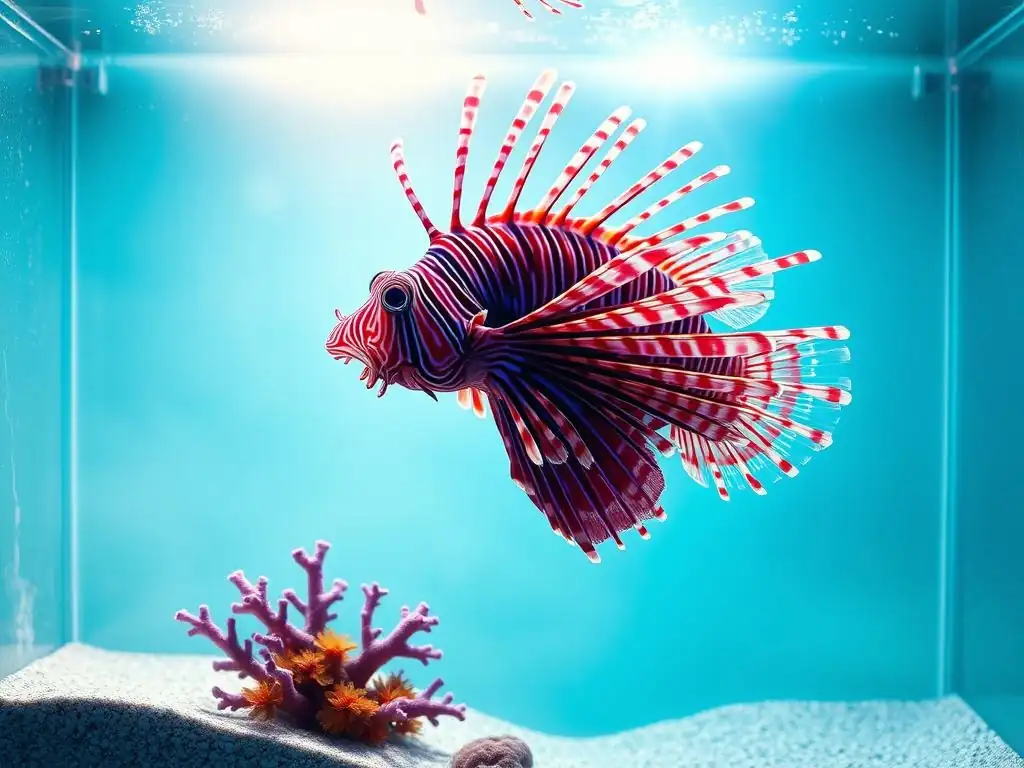
Now, it's time to fill your aquarium. Use high-quality RO/DI water and a reputable marine salt mix to create saltwater. Mix the salt in a separate container, ensuring it fully dissolves and reaches the correct salinity, typically between 1.023 and 1.025 specific gravity, measured precisely with a refractometer. Slowly add the mixed saltwater to your display tank, minimizing disturbance to the substrate and rockwork.
Once filled, the crucial nitrogen cycle must be established. This process typically takes 4 to 8 weeks. Introduce an ammonia source, such as a small piece of raw shrimp or a commercial ammonia solution, to kickstart the cycle. During this period, beneficial bacteria will colonize, converting ammonia to nitrite, and then nitrite to less toxic nitrate. Do not add your lionfish until ammonia and nitrite levels consistently read zero for several consecutive days.
Step 5: Monitoring Water Parameters for Volitans Lionfish Health: Ammonia, Nitrite, Nitrate, pH
Consistent and accurate water parameter monitoring is paramount for the health of your Volitans Lionfish. During the cycling phase and especially once the tank is established, regularly test for the following:
- Ammonia (NH3/NH4+): Should consistently be 0 ppm. Any detectable ammonia indicates an incomplete cycle or an issue with biological filtration.
- Nitrite (NO2-): Must also be 0 ppm. Nitrite is highly toxic to marine fish.
- Nitrate (NO3-): Levels should be kept below 20 ppm, ideally below 10 ppm. High nitrates indicate accumulated organic waste and necessitate larger or more frequent water changes.
- pH: Maintain a stable pH range between 8.1 and 8.4. Fluctuations can stress lionfish.
- Salinity: Keep specific gravity between 1.023 and 1.025.
- Temperature: Maintain a stable temperature between 75-79°F (24-26°C).
Regular testing, at least weekly once the tank is cycled, is non-negotiable for a thriving "Volitans lionfish only aquarium setup." Promptly address any deviations from these ideal ranges.
Introducing Your Volitans Lionfish to Its New Home
Acclimation Techniques for Volitans Lionfish: Minimizing Stress
Proper acclimation is critical to minimize stress when introducing your Volitans Lionfish to its new "lionfish only aquarium setup." The drip acclimation method is highly recommended for marine fish. Begin by floating the sealed transport bag in your tank for 15-20 minutes to equalize temperature. Then, open the bag, secure it to the tank rim, and begin a slow drip of tank water into the bag using airline tubing and a knot or valve to regulate the flow.
Allow the drip acclimation to continue for at least 60-90 minutes, or until the water volume in the bag has tripled. This gradual process slowly equalizes the pH, salinity, and temperature, preventing osmotic shock. During acclimation, keep the tank lights dimmed to further reduce stress. Once complete, gently net the lionfish, avoiding direct contact with its spines, and release it into the tank. Discard the bag water, as it may contain ammonia or other undesirable substances.
Monitoring Your Volitans Lionfish After Introduction: Erratic Swimming, Loss of Appetite
After introducing your Volitans Lionfish, close observation for the first 24-48 hours is essential. Look for signs of stress or discomfort:
- Erratic Swimming: Rapid, darting movements or constant rubbing against surfaces can indicate irritation or parasites.
- Clamped Fins: Fins held tight against the body are a common sign of stress or illness.
- Heavy Breathing: Rapid gill movements suggest poor water quality or respiratory distress.
- Excessive Hiding: While lionfish are naturally reclusive, prolonged hiding after initial shyness can be a concern.
- Loss of Appetite: A healthy lionfish should show interest in food within 24-48 hours.
Do not attempt to feed your lionfish immediately after introduction; allow at least 24 hours for it to settle. If it refuses food for more than 3-4 days, or exhibits persistent concerning behaviors, reassess water parameters and consider potential health issues, acting promptly to diagnose and address any problems in your "Volitans lionfish only aquarium setup."
Volitans Lionfish Care and Maintenance in a Species Tank
Feeding Your Volitans Lionfish: Diet and Nutritional Needs
Volitans Lionfish are obligate carnivores, and their diet in a "lionfish only aquarium setup" must reflect this. Their primary diet should consist of meaty, vitamin-enriched frozen foods. Excellent choices include silversides, krill, shrimp, pieces of squid, and various marine fish flesh (e.g., lancefish). It is crucial to avoid feeding live feeder fish, such as guppies or goldfish, as they are nutritionally deficient and often carry parasites or diseases that can harm your lionfish.
Feed your lionfish 2-3 times per week, offering enough food so that its belly appears slightly distended but not bloated. Use long feeding tongs to deliver the food, which not only ensures the lionfish gets its meal but also trains it to associate you with feeding and prevents accidental stings from its venomous spines. Occasionally supplementing with a high-quality marine vitamin solution can further enhance their nutritional intake.
Maintaining Water Quality in a Volitans Lionfish-Only Aquarium: Regular Testing & Water Changes
Consistent, pristine water quality is the cornerstone of a healthy "Volitans lionfish only aquarium setup." Even with robust filtration, regular maintenance is indispensable. Weekly water testing for ammonia, nitrite, nitrate, pH, alkalinity, and salinity is crucial to catch any deviations early. The goal is to maintain stable parameters within the ideal ranges previously mentioned.
Regular water changes are vital for replenishing trace elements and removing accumulated nitrates and other pollutants that filtration alone cannot fully eliminate. A typical schedule involves a 15-20% water change every two weeks, or a 10% weekly change, using freshly mixed and aged saltwater. Additionally, cleaning the protein skimmer collection cup daily or every other day is essential to maximize its efficiency in removing organic waste, directly contributing to superior water quality.
Recognizing and Treating Common Volitans Lionfish Diseases: Marine Ich, Bacterial Infections & Treatments
While a dedicated "Volitans lionfish only aquarium setup" reduces some stressors, lionfish can still succumb to common marine ailments if water quality declines or they are stressed.
- Marine Ich (Cryptocaryon irritans): This is one of the most common external parasites, appearing as tiny white spots resembling salt grains on the fish's body and fins.
- Bacterial Infections: These can manifest as fin rot, cloudy eyes, ulcers, or red lesions on the body.
To prevent disease, always quarantine new fish for 4-6 weeks in a separate tank before introducing them, even if you plan to keep a single lionfish. For Marine Ich, effective treatments include hyposalinity (gradually reducing salinity to 1.008-1.010 for several weeks in a hospital tank) or copper-based medications (also in a separate hospital tank, as copper is toxic to your display tank's beneficial bacteria). Bacterial infections often require broad-spectrum antibiotics, administered in a hospital tank to avoid harming your main display's biological filter. Always consult a reputable marine aquarist guide or a professional for precise diagnosis and treatment protocols.
Troubleshooting Common Issues in Volitans Lionfish-Only Aquariums
Addressing Aggression Issues in a Volitans Lionfish Species Tank
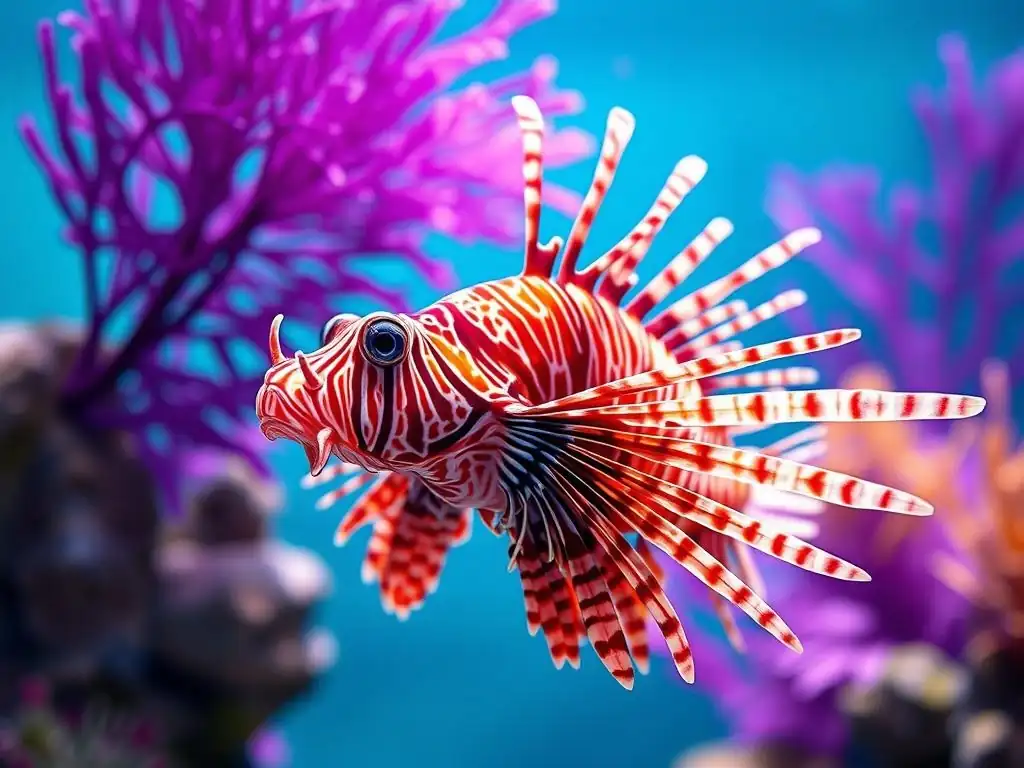
While the term "species tank" typically implies a single Volitans Lionfish, some aquarists might attempt to keep multiple specimens. This is generally ill-advised unless the tank is exceptionally large (e.g., 300+ gallons) and the lionfish are introduced simultaneously as juveniles, with ample hiding spots. Volitans Lionfish, particularly males, can exhibit territorial aggression towards conspecifics, leading to fin nipping, chasing, and stress.
If aggression arises in a multi-lionfish setup, the most effective solution is immediate separation. This often means moving one of the fish to another large, dedicated "lionfish only aquarium setup." This scenario underscores the fundamental recommendation for a true species-only tank with a single Volitans Lionfish to prevent these territorial disputes and ensure the well-being of your magnificent pet.
Dealing with Water Quality Problems
Water quality issues are the most frequent challenges in any marine aquarium, including a "Volitans lionfish only aquarium setup."
- High Nitrates (>20 ppm): This is a common problem, often indicative of overfeeding, insufficient water changes, or an undersized protein skimmer. The primary remedy is to increase the frequency and volume of water changes (e.g., 25% twice a week) and reduce feeding amounts. Ensure your protein skimmer is working optimally and consider adding a denitrifying filter or media.
- Sudden pH Drops or Low Alkalinity: These can signal insufficient buffering capacity in the water. Regular water changes with a high-quality salt mix that maintains proper alkalinity are usually sufficient. If persistent, consider cautiously dosing a marine buffer solution, but always test parameters before and after to avoid over-dosing. Address the root cause, which might be related to CO2 levels in the room or inadequate aeration.
Preventing and Managing Algae Growth in a Volitans Lionfish Setup
Algae growth, while not directly harmful to a lionfish, is often a visual indicator of excess nutrients (nitrates and phosphates) in the water. To prevent and manage algae in your "Volitans lionfish only aquarium setup":
- Nutrient Control: Reduce feeding amounts, ensure all food is consumed, and perform consistent water changes to export nitrates. Consider adding a phosphate-removing media (like granular ferric oxide or GFO) to your sump.
- Lighting Duration: Shorten your lighting period to 8 hours per day, as excessive light fuels algae growth.
- Cleanup Crew (Limited): While lionfish will eat most invertebrates, some larger, fast-moving snails (e.g., turbo snails or certain hermit crabs) might be considered to help with algae on the glass, but they are always at risk of becoming a meal. Manual scraping is often the safest and most reliable method for glass cleaning.
Advanced Considerations for Volitans Lionfish Keepers
Volitans Lionfish Breeding in Captivity: Low Feasibility & Challenges
For the vast majority of home aquarists, breeding Volitans Lionfish in a "lionfish only aquarium setup" is an unrealistic endeavor. They are pelagic spawners, meaning they release their eggs and sperm into the open water column, where the resulting larvae drift as plankton. This highly specialized reproductive strategy requires immense volumes of water, very specific environmental conditions, and extremely delicate larval rearing techniques that are beyond the capabilities of a typical home aquarium setup.
While some large public aquariums have achieved limited success in captive breeding, the complexity and resources required make it an impractical goal for hobbyists. The vast majority of Volitans Lionfish available in the aquarium trade are wild-caught. Therefore, focus your efforts on providing optimal care and a thriving environment for your single, majestic specimen.
Aquascaping Refinement for Optimal Volitans Lionfish Viewing
As your Volitans Lionfish matures and you observe its behaviors, you can refine your aquascape to enhance both its comfort and your viewing pleasure. Pay attention to where your lionfish prefers to rest, hover, and patrol. Ensure there are ample open areas in the front of the tank where it can display its magnificent fins and swim freely, allowing for an unobstructed view.
Consider creating a 'negative space' in your aquascape – an open sand bed area in front of the primary rock structure. This provides a clear stage for the lionfish. Use stable, inert materials that complement its natural colors. The goal of this "Volitans lionfish only aquarium setup" is not to create a busy reef, but rather a serene, functional environment that highlights the singular beauty and unique behaviors of this captivating predator.
Conclusion: Enjoying Your Majestic Volitans Lionfish in a Species-Specific Aquarium
Establishing a "Volitans lionfish only aquarium setup" is a commitment that promises immense rewards. By dedicating a tank solely to this magnificent predator, you provide an environment where it can truly thrive, free from competition or the risk of preying on tank mates. The journey involves meticulous planning, from selecting an appropriately sized tank (125 gallons or more is ideal) and robust filtration (a sump with an oversized protein skimmer is essential) to understanding their specific lighting and substrate needs.
Consistent water quality, achieved through regular testing and diligent water changes, coupled with a proper diet of meaty, vitamin-enriched foods, will ensure your Volitans Lionfish remains vibrant and healthy. While the challenges of their venomous spines and the need for a large, dedicated space are notable, the unparalleled opportunity to observe the majestic beauty and unique behaviors of this solitary hunter makes a "lionfish only aquarium setup" a truly gratifying endeavor for any passionate aquarist.
Frequently Asked Questions
How large of an aquarium is recommended for a Lionfish-only setup?
A larger tank is always better, but a minimum of 75 gallons is generally recommended for a single Lionfish. This allows for ample swimming space and helps maintain water quality. Consider a larger tank if you plan to house multiple Lionfish or larger species.
What specific water parameters are crucial for a Lionfish-only aquarium?
Maintaining stable and appropriate water parameters is critical. Key parameters include: a specific gravity of 1.023-1.025, a pH level between 8.1 and 8.4, and a temperature range of 72-78°F (22-26°C). Regular testing and adjustments are crucial.
What type of filtration system is best suited for a Lionfish-only tank?
A robust filtration system is essential due to the Lionfish's messy eating habits. A combination of a protein skimmer, a biological filter (such as live rock), and a mechanical filter (like filter floss) is ideal to remove waste and maintain water clarity.
What kind of substrate and decorations are recommended for a Lionfish habitat?
A sand substrate is generally preferred, as it allows Lionfish to exhibit natural behaviors. Include plenty of rockwork to provide hiding places and create a natural environment. Ensure decorations are stable to prevent injury.
What are some common health issues to watch out for in Lionfish, and how can they be prevented in a species-only aquarium?
Common issues include parasitic infections and bacterial infections, often related to stress or poor water quality. Quarantine new fish, maintain excellent water quality through regular water changes, and observe your Lionfish for any signs of illness, such as lethargy or unusual behavior.
Final Reflection: Embracing the Majesty of Solitude
The intricacies of crafting a species-only aquarium for the lionfish, as we've explored, transcend mere fishkeeping; they represent a commitment to understanding and respecting the unique needs of a truly majestic creature. In a world increasingly focused on complex ecosystems within aquariums, the deliberate choice of a solitary environment highlights the importance of prioritizing individual well-being and ethical considerations in our interactions with the natural world.
This journey into the lionfish-only aquarium setup has profoundly influenced my perspective on responsible aquaristics. It's a reminder that sometimes, the most impactful act of conservation is not about replicating a complex reef, but about providing a safe and enriching environment tailored to a single species. The greatness of a nation and its moral progress can be judged by the way its animals are treated.
- Mahatma Gandhi. This quote resonates deeply, urging us to consider the ethical implications of our choices and strive for a higher standard of care in all our interactions with animals.
Now, I invite you to reflect on the lessons learned. Consider how you can apply the principles of focused care and mindful observation, not just in aquariums, but in all aspects of your life. Embrace the beauty of simplicity, the power of understanding, and the responsibility that comes with caring for another living being. Let us all strive to create environments, both literal and metaphorical, where every creature can thrive in its own unique way.
Unveil Your Dream Lionfish Habitat!
Thank you for diving into the world of lionfish and learning how to create the perfect environment for these stunning creatures! Now, let's translate that knowledge into action.
Here are a few ways to take your lionfish-keeping journey to the next level:
- Start Designing Your Species-Only Tank: Begin sketching out your ideal tank layout, noting dimensions, filtration, and heating requirements. Don't be afraid to experiment with different rock formations and hiding places.
- Explore ethical sourcing options for your lionfish. Research reputable breeders and suppliers who prioritize sustainable practices.
- Share your lionfish tank vision with other aquarium enthusiasts online! Inspire others and get valuable feedback on your plans.
What unique design element are you most excited to incorporate into your lionfish's new home?