
Chainlink Moray Eel (Echidna catenata): An Intriguing Reef Dweller for Experts

Welcome to Aquarium Mastery!
Intrigued by the ocean's hidden gems? Dive in and uncover the secrets to successfully caring for the captivating Chainlink Moray Eel (Echidna catenata). This isn't your average aquarium inhabitant, and mastering its care requires dedication and expertise. Ready to learn what it takes to provide a thriving environment for this intriguing reef dweller? Let's explore!
- Introduction to the Chainlink Moray Eel
- Chainlink Moray Eel Care: Essential Guidelines
- Chainlink Moray Eel Diet and Feeding
- Chainlink Moray Eel Tank Mates: Compatibility Considerations
- Chainlink Moray Eel Health and Disease Prevention
- Chainlink Moray Eel: Temperament and Behavior in the Aquarium
- Acquiring a Chainlink Moray Eel: Ethical Considerations
- Chainlink Moray Eel vs. Other Moray Eel Species: Key Differences
- Advanced Chainlink Moray Eel Care: Tips and Tricks
- Conclusion: Is a Chainlink Moray Eel Right for Your Aquarium?
-
Frequently Asked Questions
- What are the key considerations when setting up an aquarium for a Chainlink Moray Eel?
- What is the ideal diet for a Chainlink Moray Eel in captivity?
- What water parameters are crucial for maintaining a healthy Chainlink Moray Eel?
- Are Chainlink Moray Eels compatible with other fish in a reef aquarium?
- What are some common health issues to watch out for in Chainlink Moray Eels?
- Final Reflection: Embracing the Enigmatic
- Dive Deeper: Transform Your Reef Tank into a Living Masterpiece!
Introduction to the Chainlink Moray Eel
What is a Chainlink Moray Eel? Overview of Echidna catenata
The Chainlink Moray Eel, scientifically known as Echidna catenata, is a captivating member of the Muraenidae family, distinguished by its striking labyrinthine pattern. This unique coloration, resembling interconnected dark brown or black links on a vibrant yellow or cream background, gives the species its common name. Found across the Indo-Pacific and Western Atlantic regions, from the Red Sea to the Caribbean, these eels typically inhabit shallow reef environments. While they can reach lengths of up to 30 inches (approximately 76 cm) in the wild, most specimens in captivity tend to be slightly smaller, usually around 24 inches (60 cm).
Echidna catenata possesses a robust, snake-like body, characteristic of moray eels, but with a notably blunter snout compared to many other species. Their small, rounded teeth are adapted for crushing the shells of crustaceans, which form a significant part of their natural diet, rather than tearing flesh. These eels are primarily nocturnal and highly reclusive, spending their daylight hours hidden deep within rocky crevices or under coral formations, emerging primarily at dusk to hunt. Their excellent sense of smell is crucial for navigating their environment and locating prey in low light conditions.
Why the Chainlink Moray Eel Appeals to Experienced Aquarists
The Chainlink Moray Eel holds a unique allure for seasoned aquarists due to its distinctive appearance, intriguing behavior, and the specialized Chainlink moray eel care it demands. Unlike more common reef inhabitants, this species offers a significant challenge, appealing to those who seek to push their husbandry skills. Successfully maintaining an Echidna catenata in a home aquarium is a testament to an aquarist's dedication and knowledge, as it requires meticulous planning and a deep understanding of their specific needs.
Beyond the challenge, the Chainlink Moray Eel can become a true centerpiece in a large, mature reef tank. Its vibrant pattern and secretive yet occasionally bold demeanor add a dynamic and predatory element to the aquarium ecosystem. With proper Chainlink moray eel care, these fascinating creatures can live for a remarkable period, often exceeding 10-15 years in captivity, providing long-term enjoyment and a unique focal point for the dedicated enthusiast.
Chainlink Moray Eel Care: Essential Guidelines
Understanding Chainlink Moray Eel Natural Habitat and Behavior
In their natural environment, Chainlink Moray Eels are typically found in the intricate structures of coral reefs, rocky shorelines, and rubble zones. They prefer areas with an abundance of nooks, crannies, and crevices, which serve as their primary hiding spots during the day. Their geographical range spans tropical and subtropical waters, where they can be found from the shallow intertidal zones down to depths of approximately 60 feet (about 18 meters). This crevice-dwelling nature is a critical aspect to replicate in a captive environment for successful Chainlink moray eel care.
As ambush predators, Echidna catenata primarily hunts during the night, utilizing their keen sense of smell to locate prey. Their diet in the wild consists predominantly of crustaceans, such as crabs and shrimp, which they crush with their specialized teeth. While generally solitary, they may occasionally be observed in close proximity if food and shelter are exceptionally abundant. Understanding these inherent behaviors is fundamental to providing an environment that promotes the eel's well-being and encourages natural behaviors within the aquarium.
Setting Up the Ideal Chainlink Moray Eel Tank Environment
Tank Size Requirements for Chainlink Moray Eels
Providing an appropriately sized aquarium is paramount for the long-term health and welfare of a Chainlink Moray Eel. For a single adult specimen, a minimum tank size of 75-100 gallons (approximately 280-380 liters) is generally recommended. However, experienced aquarists often advocate for even larger systems, such as 120 gallons (around 450 liters) or more, especially for long-term Chainlink moray eel care and to accommodate potential tank mates. The emphasis should be on the tank's footprint rather than its height, as these eels are benthic creatures that require ample floor space for exploration and hiding.
A larger tank offers several critical advantages. It provides more stable water parameters, which are less prone to rapid fluctuations, and allows for greater dilution of waste products. Furthermore, ample space reduces stress on the eel, preventing stunted growth and promoting a more natural expression of behavior. Overcrowding in a smaller tank can lead to aggression, poor water quality, and a diminished quality of life for the Chainlink moray eel.
Water Parameters: Maintaining Optimal Water Quality for Chainlink Morays
Maintaining pristine and stable water parameters is non-negotiable for exemplary Chainlink moray eel care. The ideal temperature range for Echidna catenata is between 72-78°F (22-26°C). Salinity should be kept stable at a specific gravity of 1.023-1.026, mirroring natural reef conditions. The pH level should consistently remain within the range of 8.1-8.4. Fluctuations in these parameters can cause significant stress, weakening the eel's immune system and making it susceptible to disease.
Beyond the basic parameters, the absence of ammonia and nitrite is crucial, with nitrate levels kept as low as possible, ideally below 20 ppm. A robust filtration system, including a high-quality protein skimmer, ample live rock, and potentially a refugium, is essential to manage bioload effectively. Regular partial water changes, typically 10-20% bi-weekly or monthly depending on the system's bioload, are vital for replenishing trace elements and exporting accumulated nitrates, forming a cornerstone of effective Chainlink moray eel care.
Substrate and Aquascaping for a Chainlink Moray Eel Habitat
The choice of substrate and the design of the aquascape are critical elements in creating a suitable habitat for a Chainlink Moray Eel. While a fine sand bed or crushed coral substrate is acceptable, the primary focus should be on providing an abundance of stable, secure rockwork. The aquascape must incorporate numerous caves, tunnels, and crevices that mimic their natural hiding spots. Live rock is ideal as it also contributes to biological filtration. It is imperative that all rock structures are meticulously stacked and secured to prevent collapses, as moray eels are powerful and can dislodge unstable formations.
The aquascape should be a labyrinthine structure, offering multiple entry and exit points for the eel to explore and retreat into. This complex environment not only provides security but also encourages natural exploratory behaviors. Incorporating PVC pipes or ceramic tubes discreetly hidden within the rockwork can offer additional, perfectly stable retreats. Avoid any sharp edges on rocks or decor that could potentially abrade the eel's delicate skin as it navigates its environment, ensuring optimal Chainlink moray eel care.
Chainlink Moray Eel Diet and Feeding
What Do Chainlink Moray Eels Eat? Understanding Their Natural Diet
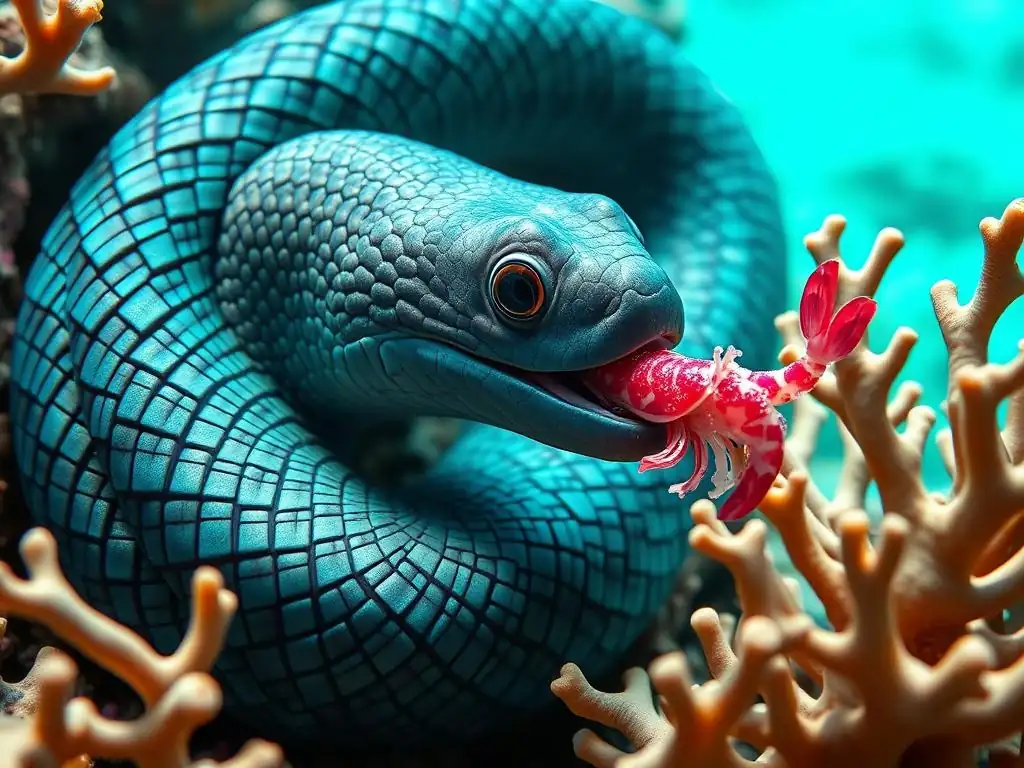
In their natural reef habitats, Chainlink Moray Eels are primarily carcinophagous, meaning their diet largely consists of crustaceans. Their specialized blunt snouts and rounded teeth are perfectly adapted for crushing the shells of crabs, shrimp, and other hard-shelled invertebrates. They are opportunistic predators, and while their main prey is crustaceans, they may occasionally consume small, slow-moving fish if the opportunity arises. Understanding this natural dietary preference is key to providing appropriate nutrition in captivity.
Translating this to the aquarium, the ideal diet for a captive Chainlink moray eel should be rich in high-quality, marine-sourced proteins. Relying solely on "feeder fish" is strongly discouraged, as they often lack essential nutrients and can introduce parasites or diseases. A varied diet is crucial to prevent nutritional deficiencies and ensure the eel receives all necessary vitamins and minerals for optimal growth and health.
Feeding Schedule and Techniques for Chainlink Moray Eels in Captivity
The feeding schedule for Chainlink Moray Eels in captivity should be tailored to their age and size. Younger, growing eels may benefit from feedings every 2-3 days, while mature adults typically thrive on a schedule of 2-3 times per week. It is important to avoid overfeeding, as this can lead to obesity and contribute to declining water quality in the aquarium. Observing the eel's body condition and appetite will help determine the most appropriate frequency.
When feeding, using long feeding tongs is the safest and most effective technique. This allows the aquarist to offer food directly to the eel, ensuring it gets its share and minimizing waste that could foul the water. Always exercise caution, as moray eels possess sharp teeth and can deliver a painful bite if startled or mistaken for prey. Offering food near their preferred hiding spot can encourage them to emerge and feed, making the process less stressful for both the eel and the aquarist, a key aspect of routine Chainlink moray eel care.
Supplementing the Chainlink Moray Eel Diet for Optimal Health
To ensure a complete and balanced nutritional profile, supplementing the Chainlink Moray Eel's diet is highly recommended. Foods should be fortified occasionally with high-quality marine vitamin supplements, such as Selcon or Vita-Chem, which provide essential fatty acids and vitamins. This is particularly important for wild-caught specimens that may have deficiencies from their initial diet. Careful attention should be paid to the potential for thiamine deficiency if a large proportion of the diet consists of raw fish containing thiaminase, an enzyme that breaks down thiamine (Vitamin B1).
Variety is the cornerstone of optimal Chainlink moray eel care. A diverse menu should include items like squid, silversides, shrimp, krill, mussels, and occasional pieces of high-quality marine fish flesh (e.g., cod, salmon, or snapper). Offering different food types not only ensures a broader spectrum of nutrients but also encourages the eel's natural foraging instincts and helps maintain its interest in food.
Chainlink Moray Eel Tank Mates: Compatibility Considerations
Choosing Suitable Tank Mates for Chainlink Moray Eels
Selecting appropriate tank mates for a Chainlink Moray Eel requires careful consideration due to their predatory nature and specialized diet. The most suitable companions are robust, fast-swimming, and significantly larger fish that cannot be swallowed whole by the eel. Examples of potentially compatible species include large tangs (such as Yellow Tangs, Sailfin Tangs, or Blue Tangs), certain large angelfish, and larger triggerfish (though even with caution, some triggerfish can be aggressive towards eels). Groupers of a suitable size might also be considered.
The general rule of thumb for Chainlink moray eel care concerning tank mates is that any fish or invertebrate small enough to fit into the eel's mouth will eventually be seen as food. Therefore, tank mates should ideally be at least twice the size of the eel's head. The aquarium itself must be spacious enough to accommodate all inhabitants without overcrowding, which can lead to stress and increased aggression.
Incompatible Species: Fish to Avoid with Chainlink Moray Eels
Given their predatory instincts, a wide range of species are incompatible with Chainlink Moray Eels. Any small, docile, or slow-moving fish should be strictly avoided, as they will inevitably become a meal. This includes most damsels, gobies, blennies, small wrasses, and cardinalfish. Even if they have coexisted for a period, the eel's natural predatory drive will eventually take over.
Furthermore, all ornamental shrimp and crabs, despite their size, are considered natural prey for Echidna catenata and should never be housed with them. This includes popular species like cleaner shrimp, peppermint shrimp, and emerald crabs. While moray eels typically do not bother corals directly, their powerful movements and burrowing habits can dislodge or damage coral colonies and anemones, especially if they are not securely attached. Therefore, a reef tank with delicate corals might not be the most ideal setting for long-term Chainlink moray eel care.
Monitoring Tank Mate Interactions and Potential Aggression
Regular observation of tank mate interactions is a crucial component of Chainlink moray eel care. While Chainlink morays are generally reclusive, they are opportunistic predators, and aggression, particularly during feeding times, can occur. Look for any signs of nipped fins on other fish, or if the eel appears overly stressed, constantly hiding, or exhibiting unusual aggressive posturing.
Aggression is often food-related, especially if tank mates attempt to steal food from the eel, or territorial, particularly if the tank is too small or lacks sufficient hiding spots. If consistent aggression is observed, it may be necessary to reassess the tank's population or consider rehoming certain individuals to ensure the well-being of all inhabitants. A well-designed aquascape with ample hiding spots for all residents can significantly mitigate potential conflicts.
Chainlink Moray Eel Health and Disease Prevention
Common Health Issues Affecting Chainlink Moray Eels
Chainlink Moray Eels are generally hardy creatures, but like all captive animals, they can be susceptible to certain health issues, often linked to environmental stress or improper Chainlink moray eel care. One common concern is skin abrasions, which can occur if the eel constantly rubs against sharp rockwork or attempts to squeeze through overly tight spaces. These abrasions can then become sites for secondary bacterial infections if water quality is poor.
Nutritional deficiencies are another potential issue, typically arising from a lack of dietary variety or reliance on low-quality foods. For example, a diet primarily composed of thiaminase-rich fish can lead to Vitamin B1 deficiency. While less common for eels than for fish, external parasites like marine Ich (Cryptocaryon irritans) or internal parasites can occasionally affect wild-caught specimens, especially if proper quarantine procedures are not followed.
Recognizing Early Signs of Illness in Chainlink Moray Eels
Early detection of illness is vital for effective Chainlink moray eel care and successful treatment. Aquarists should be vigilant for any changes in the eel's normal behavior or physical appearance. Behavioral signs of distress include prolonged lethargy, refusing to eat for extended periods, unusual swimming patterns (e.g., erratic movements, constant gaping), or an abnormal increase in hiding. While they are naturally reclusive, a complete disappearance for days on end without emerging for food can be a red flag.
Physical indicators of illness may include discoloration of the skin, the appearance of lesions, white spots (though Ich manifests differently on eels and is rare), cloudy eyes, or frayed fins. Any persistent change from the eel's typical demeanor or appearance warrants immediate investigation into water parameters, diet, and potential environmental stressors to identify and address the root cause promptly.
Quarantine Procedures for New Chainlink Moray Eels
Implementing a strict quarantine protocol for any new Chainlink Moray Eel is an indispensable part of responsible Chainlink moray eel care. A dedicated quarantine tank, equipped with appropriate filtration and ample hiding spots, should be set up prior to the eel's arrival. The new eel should be housed in this separate system for a minimum of 4-6 weeks. This isolation period allows for close observation, stress reduction, and the prevention of introducing diseases or parasites into the main display aquarium.
During quarantine, the eel should be monitored daily for any signs of illness, stress, or refusal to eat. If any issues arise, appropriate treatments can be administered in the isolated environment, preventing harm to other inhabitants in the main tank. Only after the quarantine period is complete, and the eel is observed to be healthy, eating well, and free of any visible ailments, should it be introduced to the display aquarium.
Treatment Options for Sick Chainlink Moray Eels
When a Chainlink Moray Eel exhibits signs of illness, the first step in Chainlink moray eel care is always to confirm optimal water quality and eliminate any immediate environmental stressors. For suspected bacterial infections, broad-spectrum antibiotics, such as Furan-2 or Maracyn 2, may be considered, but always research the specific medication's safety for eels.
For external irritations or potential parasites (though rare), a brief freshwater dip (pH and temperature matched to the tank) can sometimes provide relief, but this should be done with extreme caution and only for short durations (e.g., 5-10 minutes) while observing the eel closely for signs of distress.
It is crucial to note that eels can be sensitive to certain medications, particularly copper-based treatments, which are commonly used for Ich in fish. Therefore, any treatment should be thoroughly researched and administered with care. Consulting an aquatic veterinarian or a highly experienced aquarist is strongly recommended for specific diagnosis and treatment protocols to ensure the best possible outcome for the Chainlink moray eel's health.
Chainlink Moray Eel: Temperament and Behavior in the Aquarium
Understanding the Chainlink Moray Eel's Personality
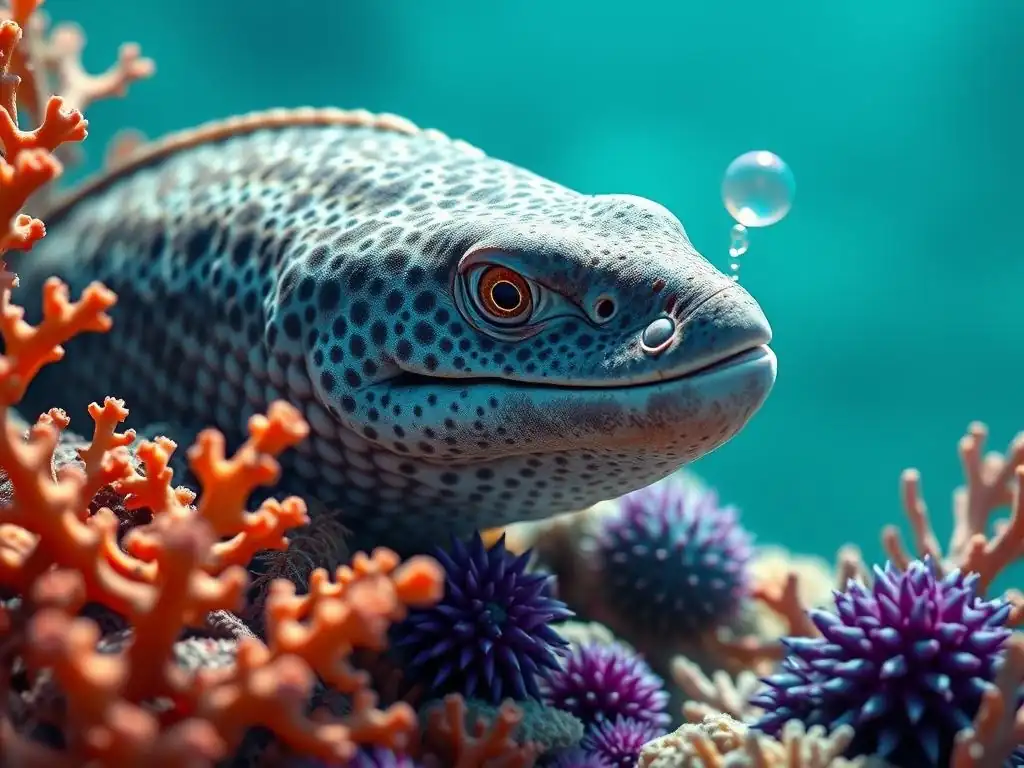
The Chainlink Moray Eel, Echidna catenata, possesses a distinct personality that can be both fascinating and somewhat reclusive. In the aquarium, they are generally solitary creatures, preferring to spend the daylight hours hidden deep within their rockwork. Their activity levels typically increase during the evening or when food is introduced. While not "social" in the traditional sense, they can exhibit a surprising degree of awareness and curiosity, often learning to associate their owner with feeding time.
Despite their predatory nature, Chainlink morays are not inherently aggressive towards humans and are generally quite shy. They are more likely to retreat than to confront, though they will defend themselves if they feel threatened or if their hiding spot is disturbed. Over time, with consistent, positive interactions (primarily feeding), some individuals may become bolder, emerging more readily and even showing a curious interest in activities outside the tank.
Encouraging Natural Behaviors in Captive Chainlink Moray Eels
To promote the well-being and natural behaviors of a Chainlink Moray Eel in captivity, the aquarium environment must be meticulously designed. Providing a complex aquascape with numerous stable hiding spots, tunnels, and crevices is paramount. This mimics their natural crevice-dwelling behavior and offers them the security they instinctively seek. Offering varied food items through feeding tongs can simulate natural hunting scenarios and encourage their predatory instincts.
Dimming the tank lights or switching to blue actinic lighting during the evening hours can encourage the eel to emerge from its hiding spots and explore, aligning with their natural nocturnal activity patterns. A large tank with ample space and a stable environment further reduces stress, allowing the eel to exhibit its full range of natural behaviors, from stealthy exploration to resting securely within its chosen lair. This holistic approach to Chainlink moray eel care fosters a healthier and more engaging display.
Acquiring a Chainlink Moray Eel: Ethical Considerations
Sourcing Chainlink Moray Eels Responsibly
When considering the acquisition of a Chainlink Moray Eel, responsible sourcing is an ethical imperative. It is crucial to purchase from reputable fish stores or online vendors who prioritize animal welfare and sustainable practices. A reliable supplier should be able to provide information on the eel's origin – whether it is wild-caught (which is most common for this species, as aquaculture is rare) – and details about its health and feeding habits. Inquire about their quarantine protocols and the conditions in which the eels are kept before purchase.
Before committing to a purchase, visually inspect the Chainlink moray eel for any visible signs of distress, injury, or disease. A healthy specimen should appear active (when disturbed), have clear eyes, an intact and unblemished skin, and show interest in food. Avoid any eels that appear lethargic, have obvious abrasions, or are housed in unsanitary conditions, as these are indicators of poor husbandry and potential health issues, impacting future Chainlink moray eel care.
Ensuring the Chainlink Moray Eel's Long-Term Well-being
Acquiring a Chainlink Moray Eel is a significant long-term commitment, potentially spanning over a decade. Ensuring its long-term well-being goes beyond initial setup and extends to continuous, meticulous Chainlink moray eel care. This involves consistently monitoring water parameters, performing regular water changes, and diligently observing the eel for any subtle changes in behavior or appearance that might indicate stress or illness. Proactive intervention at the earliest signs of trouble is key to preventing minor issues from escalating.
Maintaining a stable and mature aquarium environment is paramount. Avoid sudden fluctuations in temperature, salinity, or pH, as these can cause significant stress. Regular maintenance of filtration equipment, powerheads, and heaters is also essential to prevent system failures. A dedicated aquarist's attention to detail, consistency, and a deep understanding of the Chainlink moray eel's specific needs will ensure a thriving and long-lived specimen in the home aquarium.
Chainlink Moray Eel vs. Other Moray Eel Species: Key Differences
Distinguishing Features of the Chainlink Moray Eel
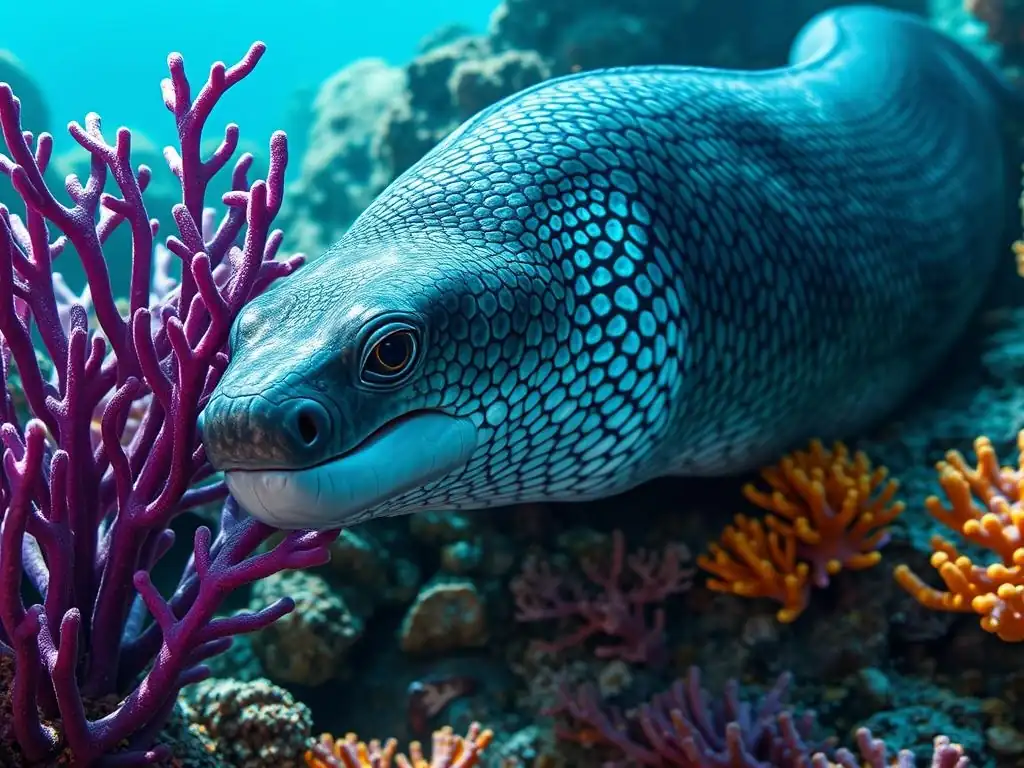
The Chainlink Moray Eel ( Echidna catenata) stands out among other moray eel species primarily due to its highly distinctive coloration and unique dental structure. Its most prominent feature is the intricate, interconnected dark brown or black chain-like pattern overlaying a vibrant yellow or cream body, which is notably different from the mottled, spotted, or banded patterns seen in many other morays. This striking design makes it easily identifiable even to the casual observer.
Beyond its visual appeal, Echidna catenata possesses a relatively stout body compared to the more slender build of some other moray species. Crucially, its blunt snout and small, rounded teeth are specifically adapted for crushing the shells of crustaceans, distinguishing it from the needle-like, backward-curving teeth of piscivorous (fish-eating) morays. This dietary specialization is a key differentiator in terms of their natural behavior and captive care requirements.
Comparing Chainlink Moray Eel Care to Other Common Moray Eels
While all moray eels require secure tanks and excellent water quality, Chainlink moray eel care has distinct differences from that of other common species like the Snowflake Moray ( Echidna nebulosa) or the Zebra Moray ( Gymnomuraena zebra). The primary difference lies in their diet and its implications for tank mate compatibility.
While Snowflake morays are opportunistic feeders that will readily consume fish and crustaceans, and Zebra morays are also primarily crustacean eaters but grow larger, the Chainlink is almost exclusively focused on crustaceans. This means while a Snowflake might be housed with larger, faster fish with caution, a Chainlink is even more prone to viewing smaller fish as food.
Furthermore, the Chainlink Moray Eel generally remains a manageable size (up to 24-30 inches) compared to truly giant species like the Green Moray ( Gymnothorax funebris) or Tessalata Moray ( Gymnothorax favagineus), which can exceed 6 feet. This impacts minimum tank size requirements, with Chainlink moray eel care typically requiring tanks of 75-120 gallons, while larger species demand several hundred gallons. Their specialized crushing teeth also mean they are less likely to inflict severe tearing bites on aquarists compared to sharp-toothed piscivores, though caution is always advised.
Advanced Chainlink Moray Eel Care: Tips and Tricks
Maintaining Long-Term Health and Vitality
Maintaining the long-term health and vitality of a Chainlink Moray Eel in a captive environment hinges on a combination of consistent, high-quality Chainlink moray eel care practices. Beyond the basic requirements, advanced care involves meticulous attention to nutritional excellence. Continuously providing a diverse array of high-quality, marine-sourced foods, fortified with essential vitamin supplements, is crucial. Avoid the temptation to rely on a single food item, as this can lead to subtle but significant nutritional deficiencies over time. Regular, appropriate feeding schedules that prevent both overfeeding and underfeeding contribute significantly to their longevity.
Environmental stability is equally paramount. This includes not only consistent water changes and robust filtration but also vigilant monitoring of all equipment. Investing in a reliable auto top-off system helps maintain stable salinity, while a high-quality heater with a controller prevents temperature fluctuations. Routine cleaning of powerheads and sumps prevents detritus buildup and ensures optimal water flow and oxygenation, all contributing to the eel's enduring well-being.
Addressing Specific Chainlink Moray Eel Challenges
Despite careful planning, Chainlink Moray Eels can present specific challenges that require advanced Chainlink moray eel care strategies. One of the most common issues is their notorious ability to escape. Moray eels are highly skilled at squeezing through incredibly small openings, and a secure, weighted tank cover is an absolute necessity. Any gap, no matter how small (even a quarter-inch opening), can be an escape route. Using egg crate tops or custom-fitted acrylic lids with minimal openings for equipment is essential.
Another challenge can be managing aggression towards tank mates or dealing with feeding issues. If an eel displays consistent aggression, reassessing the tank size, the number of hiding spots, and the compatibility of tank mates is crucial. If an eel refuses to eat, first check all water parameters for any fluctuations. Then, try offering different types of food, perhaps at different times of the day. Sometimes, a brief, well-researched freshwater dip (temperature and pH matched) can stimulate appetite if external irritation is suspected, but this should only be done by experienced individuals.
Conclusion: Is a Chainlink Moray Eel Right for Your Aquarium?
Assessing Your Experience Level and Resources
Bringing a Chainlink Moray Eel into your aquarium is a decision that should not be taken lightly. It requires a significant commitment of time, resources, and expertise. Prospective aquarists must honestly assess their experience level with large saltwater systems, particularly those that house specialized and predatory inhabitants. Do you have a proven track record of maintaining stable water parameters in a sizable tank over an extended period? Are you comfortable with the specific dietary and environmental needs of a moray eel?
Furthermore, consider the financial and space resources required. A Chainlink Moray Eel necessitates a substantial aquarium, typically 75-120 gallons or more, along with robust filtration and high-quality live rock for aquascaping. The ongoing costs of varied, high-quality marine foods, electricity for equipment, and potential veterinary care must also be factored in. Ensuring you have adequate space for such a system is equally important, as these eels thrive in well-planned, spacious environments.
Final Thoughts on Chainlink Moray Eel Care and Husbandry
For the dedicated and experienced aquarist, the Chainlink Moray Eel (Echidna catenata) can be an incredibly rewarding and captivating addition to a home aquarium. Their unique chain-like pattern, intriguing behaviors, and long lifespan make them a true showpiece. However, successful Chainlink moray eel care is not for the faint of heart; it demands meticulous attention to detail, a deep understanding of their specific needs, and an unwavering commitment to maintaining a stable, pristine environment.
From providing an escape-proof, intricately aquascaped habitat to offering a diverse and nutrient-rich diet, every aspect of their husbandry requires careful consideration. While the challenges are real, the satisfaction of providing a thriving home for such a specialized and fascinating creature is immense. A Chainlink Moray Eel truly represents a pinnacle of advanced saltwater aquarism, reflecting the aquarist's dedication to excellence in husbandry.
Frequently Asked Questions
What are the key considerations when setting up an aquarium for a Chainlink Moray Eel?
The most important factors are a large tank size (at least 180 gallons), robust filtration, and plenty of hiding places built from rockwork. These eels need stable water parameters and a secure environment to thrive.
What is the ideal diet for a Chainlink Moray Eel in captivity?
Chainlink Moray Eels primarily eat meaty foods, such as shrimp, squid, and small fish. It's crucial to provide a varied diet and avoid overfeeding, which can lead to health problems.
What water parameters are crucial for maintaining a healthy Chainlink Moray Eel?
Maintaining stable water quality is essential. Key parameters include a specific gravity of 1.020-1.025, a pH of 8.1-8.4, and a temperature of 72-78°F. Regular water changes are also necessary.
Are Chainlink Moray Eels compatible with other fish in a reef aquarium?
Chainlink Moray Eels are not generally reef safe and may prey on smaller fish and invertebrates. They are best kept with larger, semi-aggressive fish that can defend themselves.
What are some common health issues to watch out for in Chainlink Moray Eels?
Common issues include bacterial infections, parasitic infestations, and injuries from tank mates or rough surfaces. Quarantine new arrivals and monitor for signs of illness.
Final Reflection: Embracing the Enigmatic
The intricacies of Chainlink Moray Eel care extend far beyond the simple provision of food and shelter. They represent a commitment to understanding and replicating a complex ecosystem within the confines of an aquarium, a microcosm of the vibrant coral reefs they call home. This dedication not only ensures the well-being of these fascinating creatures but also deepens our appreciation for the delicate balance of marine life.
The allure of the Chainlink Moray Eel lies not just in its striking appearance, but also in the challenge it presents to aquarists. Successfully keeping this species requires patience, meticulous research, and a willingness to adapt to its unique needs. This pursuit fosters a deeper connection with the natural world and underscores the responsibility we bear as custodians of these incredible animals. In the end, we will conserve only what we love; we will love only what we understand; and we will understand only what we are taught.
- Baba Dioum.
As you embark on, or continue, your journey with the Chainlink Moray Eel, remember that your dedication contributes to a greater understanding of these captivating creatures. Let your passion for responsible aquarism inspire others to appreciate the beauty and fragility of our oceans, and to champion the conservation efforts that will ensure their survival for generations to come.
Dive Deeper: Transform Your Reef Tank into a Living Masterpiece!
Thanks for exploring the fascinating world of the Chainlink Moray Eel with us! We hope you've gained valuable insights into this captivating, yet challenging, reef inhabitant. Ready to take the next step?
Here are a few ways to put your newfound knowledge into action:
- Commit to Research: Delve further into the specific needs of Echidna catenata, focusing on their dietary requirements and tank environment. The more you know, the better prepared you'll be.
- Consider contacting a fellow aquarist: Share this article with an aquarist friend who might enjoy the Chainlink Moray Eel and discuss the challenges and rewards of keeping one.
- Explore the ecosystem: Think beyond tank and find out more about their life in the wild, studying the reef's ecosystem in relation to this species.
What's one small change you can make today to enhance your understanding and appreciation of reef inhabitants like the Chainlink Moray Eel?