
Clownfish Stress Signals: How to Read Them in Anemone & Breeding Setups

Welcome to Aquarium Mastery!
Ever wondered if your clownfish are truly happy in their anemone home, especially when you're dreaming of baby clownfish? Dive into our comprehensive guide, " Clownfish Stress Signals: How to Read Them in Anemone & Breeding Setups," and unlock the secrets to understanding their behavior. From subtle shifts in color to telltale signs of distress, learning to interpret these signals is crucial for a thriving saltwater aquarium. Ready to become a clownfish whisperer? Let's begin!
- Understanding and Addressing Stress in Clownfish
- Recognizing Stress in the Aquarium Environment
- Behavioral Signs of Stress in Clownfish
- Physical Indicators of Stress
- Stress in Anemone Relationships
- Stress During Breeding
- Mitigating and Preventing Stress
- Treatment and Recovery
- Conclusion: Proactive Care
-
Frequently Asked Questions
- How can I tell if my clownfish is stressed, especially in an anemone environment?
- What role does the anemone play in reducing stress for clownfish?
- How does stress impact clownfish breeding success?
- What are some common stressors that can affect clownfish during breeding attempts?
- How can I minimize stress when introducing a new anemone or when moving clownfish during breeding setup?
- Final Reflection: Understanding the Silent Language of Clownfish
- Dive Deeper: Unlock Your Clownfish's Secrets!
Understanding and Addressing Stress in Clownfish
Clownfish, with their vibrant colors and engaging personalities, are beloved inhabitants of many saltwater aquariums. However, like all living creatures, they are susceptible to stress, which can significantly impact their health, behavior, and overall well-being. Recognizing and mitigating stress is paramount for any aquarist, particularly for those aiming to establish successful anemone symbiosis or engage in clownfish stress anemone breeding. This article delves into identifying the subtle and overt signs of stress in these fascinating fish, offering practical strategies for prevention and recovery to ensure your clownfish thrive.
Recognizing Stress in the Aquarium Environment
Identifying stress in its early stages is a cornerstone of responsible aquarium husbandry. While clownfish are generally hardy, they are sensitive to changes in their environment and social dynamics. Understanding the root causes of stress is the first step toward creating a stable and healthy habitat.
Common Causes of Stress in Clownfish
Environmental factors are frequently at the heart of clownfish stress. Poor water quality, characterized by elevated nitrates exceeding 20 ppm, or sudden temperature fluctuations of more than 2-3°F within a few hours, can quickly compromise a clownfish's immune system. Inadequate tank size also plays a significant role; for instance, a bonded pair of Ocellaris clownfish requires a minimum of a 20-gallon aquarium to feel secure and prevent territorial disputes. Overcrowding, such as attempting to house multiple non-bonded clownfish pairs in a tank smaller than 100 gallons, invariably leads to aggression and chronic stress.
Beyond environmental parameters, social dynamics and nutritional deficiencies contribute heavily to stress. Aggressive tank mates, even seemingly benign species, can relentlessly harass clownfish, leading to constant hiding and refusal to eat. A lack of a varied and nutrient-rich diet, deficient in essential vitamins and fatty acids, also weakens their resilience. For example, a clownfish fed only a single type of dry flake food without supplementation may develop deficiencies that manifest as lethargy or faded coloration over time.
Why Early Detection of Stress is Crucial
Early detection of stress is vital because prolonged exposure to stressors rapidly weakens a clownfish's immune system, making them highly susceptible to opportunistic diseases. Conditions such as Marine Ich (Cryptocaryon irritans) or Brooklynella hostilis often emerge in fish already compromised by stress, potentially leading to widespread outbreaks in the aquarium. Catching the subtle signs of stress, such as slightly clamped fins or reduced activity, allows an aquarist to intervene before a full-blown illness takes hold.
Furthermore, stress directly impacts a clownfish's natural behaviors, especially concerning anemone hosting and breeding. Stressed clownfish are less likely to form a symbiotic relationship with an anemone, or if they do, the bond may be fragile. In the context of clownfish stress anemone breeding, a stressed pair may cease spawning entirely, or neglect previously laid eggs. For instance, a breeding pair that consistently produced clutches every 10-14 days might suddenly stop for months if a new stressor, like a significant water parameter swing, is introduced.
Behavioral Signs of Stress in Clownfish
Observing your clownfish's daily behaviors is one of the most effective ways to gauge their well-being. Any deviation from their typical patterns can be an early warning sign of stress.
Identifying Atypical Actions
Clownfish generally exhibit predictable behaviors, such as patrolling their territory, interacting with their host anemone, or eagerly anticipating feeding times. When these patterns change, it often signals an underlying issue.
Erratic Swimming
One of the most noticeable signs of stress is erratic swimming. This can manifest as darting quickly around the tank, flashing their bodies against rocks or substrate, or swimming aimlessly and without purpose. Unlike playful bursts of energy, erratic swimming associated with stress is often accompanied by other signs like clamped fins or rapid gill movement. For example, an Ocellaris clownfish that normally drifts gracefully near its anemone might suddenly begin repeatedly rubbing its flanks against a powerhead or glass, indicative of irritation from parasites or poor water quality.
Another manifestation of erratic swimming is constant pacing along the tank glass, especially in the corners, or repeatedly darting to the surface as if gasping for air, even when oxygen levels are confirmed to be adequate. This behavior differs significantly from typical active swimming during exploration or feeding. A healthy clownfish will generally move with purpose and spend most of its time within its established territory or near its host. Persistent, agitated swimming outside of these norms is a strong indicator of clownfish stress.
Hiding and Isolation
While some clownfish may naturally be shyer than others, a sudden and prolonged increase in hiding or isolation is a classic stress signal. A clownfish that typically swims openly might begin spending all its time tucked away behind live rock, in a cave, or in a secluded corner, avoiding interaction with other tank inhabitants or even its partner. This behavior is particularly concerning if it occurs during feeding times when the fish would normally be active.
For instance, a Percula clownfish that previously greeted you at the front of the tank during feeding, but now remains hidden behind a large piece of live rock for hours, even when food is presented, is likely experiencing significant stress. This isolation can be a coping mechanism to avoid perceived threats, whether from aggressive tank mates, a new environment, or discomfort caused by poor water conditions. A healthy, unstressed clownfish will typically be curious and engaged with its surroundings.
Loss of Appetite
A healthy clownfish is generally a voracious eater, eager for its next meal. A significant loss of appetite is a critical indicator of stress or illness. This can range from a complete refusal to eat, to taking food into its mouth only to spit it out, or showing no interest whatsoever when food is offered. Since nutrition is fundamental to fish health, a prolonged lack of feeding can quickly lead to a decline in condition.
Consider a pair of True Percula clownfish that usually devours frozen Mysis shrimp within minutes of it being introduced. If, for two consecutive days, they ignore this preferred food, or only pick at it listlessly, it's a strong sign of underlying clownfish stress or an emerging health issue. This behavioral change warrants immediate investigation into water parameters, tank mate compatibility, and potential signs of disease. Timely intervention can prevent severe malnutrition and further health complications.
Physical Indicators of Stress
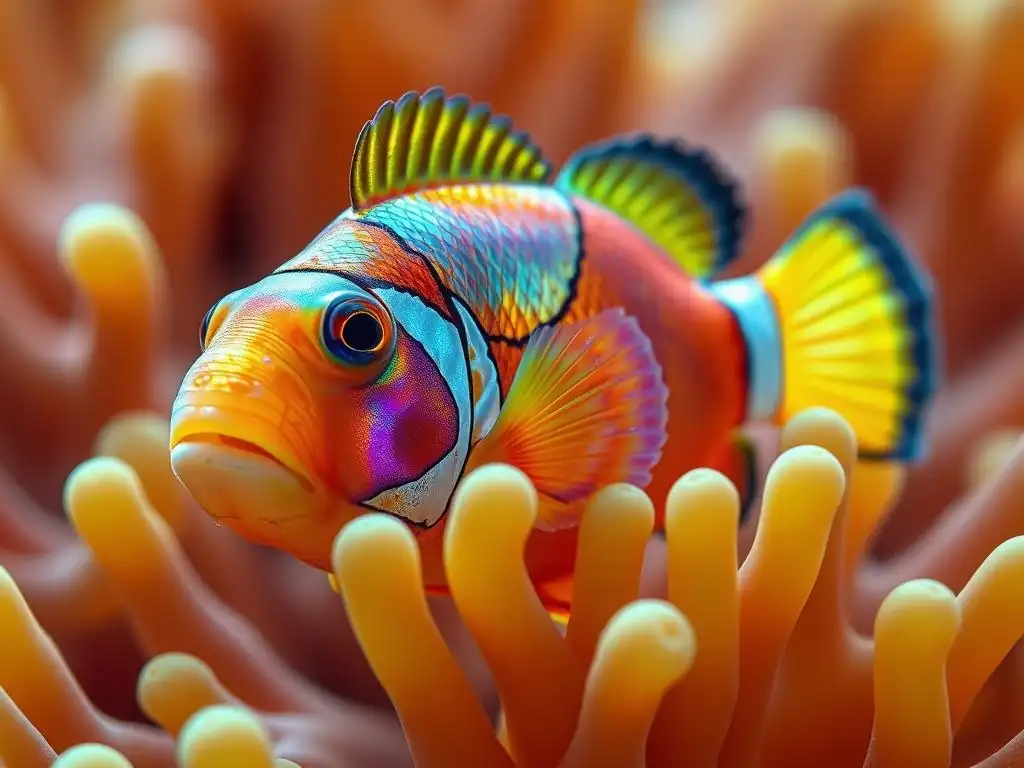
Beyond behavioral changes, stress can manifest through visible physical signs on a clownfish's body. These physical cues often accompany behavioral symptoms and provide further evidence of a fish in distress.
Rapid Gill Movement
One of the most immediate physical indicators of stress or distress is rapid gill movement, often referred to as "heavy breathing." A healthy, resting clownfish typically exhibits a steady, rhythmic gill movement. When stressed, especially due to poor water quality (such as elevated ammonia or nitrite, or low dissolved oxygen) or parasitic infections affecting the gills, their respiration rate significantly increases. This is their body's attempt to compensate for insufficient oxygen uptake.
To put it into perspective, while a normal respiration rate for a resting clownfish might range from 60 to 90 breaths per minute, a highly stressed or distressed fish could exhibit rates exceeding 120-150 breaths per minute. This accelerated movement is clearly visible as rapid fluttering of the gill covers and is a strong signal that the fish is struggling to breathe comfortably. It's crucial to test water parameters immediately if this symptom is observed, as it often points to an urgent environmental issue.
Faded Coloration
A clownfish's vibrant coloration is a hallmark of its health and well-being. When a clownfish is under chronic stress, its colors may appear dull, faded, or washed out. The typically brilliant orange might become pale, and the crisp black stripes could appear grayish or indistinct. This fading occurs because the fish diverts energy away from non-essential functions, like pigment production, to cope with the stressor.
For example, a normally vivid Picasso clownfish, renowned for its unique and striking patterns of orange and white with black outlines, might appear noticeably less brilliant, almost translucent, in its orange areas. The black markings might lose their intensity. This change is particularly evident after significant environmental shifts, such as a large water parameter swing or the introduction of an aggressive tank mate. Faded coloration is often a sign of prolonged, low-level clownfish stress rather than an acute event, indicating a need for comprehensive assessment of the aquarium environment.
Changes in Skin or Fins
Stress can also manifest in visible changes to a clownfish's skin and fins. Clamped fins, where the dorsal, pectoral, or caudal fins are held tightly against the body rather than fanned out, are a common sign of discomfort or illness. Additionally, the skin might develop a cloudy or dusty appearance, indicating an overproduction of slime coat as a protective response to irritation or infection. In more severe cases, fins might appear tattered, frayed, or show signs of fin rot, which is often a secondary bacterial infection exacerbated by stress.
Consider a clownfish that normally displays its elegant dorsal fin fully extended while swimming, but now keeps it perpetually clamped down, even when resting. Or, perhaps a fish develops a noticeable white, hazy film over its body, suggesting an excess slime coat response. These physical changes, such as frayed edges on the caudal fin or the appearance of small, raised white spots (indicating parasites like Ich), are direct consequences of a compromised immune system due to stress. Regular observation of these subtle changes can prompt early intervention and prevent the progression of ailments.
Stress in Anemone Relationships
The iconic symbiotic relationship between clownfish and their host anemone is a cornerstone of their natural history and well-being in an aquarium. Stress can significantly impact this bond, and conversely, a healthy anemone relationship can be a powerful stress reducer.
The Symbiotic Relationship and Stress Reduction
The symbiotic relationship with a host anemone provides clownfish with profound benefits, primarily physical protection and a sense of security. The anemone's stinging tentacles, to which the clownfish is immune, deter predators, creating a safe refuge. This constant availability of a secure "home" significantly reduces the clownfish's perceived threat level and, consequently, their stress. Many aquarists observe a dramatic calming effect on clownfish once they successfully host, leading to more natural behaviors, increased confidence, and often, improved health and feeding responses.
Commonly hosted anemone types, such as the Bubble Tip Anemone (Entacmaea quadricolor) or Sebae Anemone (Heteractis crispa), offer not only physical shelter but also provide a source of discarded food scraps, further aiding the clownfish's nutrition. The presence of a healthy, thriving host anemone contributes directly to the overall resilience of the clownfish, bolstering its immune system and making it less susceptible to various stressors. For any aquarist interested in clownfish stress anemone breeding, ensuring a robust and stable host relationship is a foundational step.
Signs of Stress During Anemone Introduction
Introducing a clownfish to an anemone, or vice versa, can be a delicate process. Even with ideal conditions, stress can arise, and recognizing the signs is key to a successful pairing.
Ignoring the Anemone
A significant sign of clownfish stress during anemone introduction is when the clownfish actively ignores or avoids the anemone, even after several days or weeks. While some clownfish may take time to host, persistent disinterest, especially from species known for their strong hosting instincts (like Ocellaris or Percula clownfish), can indicate underlying stress. The fish might prefer to hide elsewhere in the tank or simply swim past the anemone without acknowledgment.
For instance, an Ocellaris clownfish, typically eager to host, might consistently remain at the opposite end of the tank from a perfectly healthy and well-established Bubble Tip Anemone for over a week, despite all water parameters being optimal. This prolonged avoidance suggests the clownfish is experiencing stress, possibly from the recent move, a new tank environment, or even perceived threats from other tank inhabitants, preventing it from engaging in its natural hosting behavior. Such disinterest warrants a review of the tank's overall conditions.
Aggression Towards the Anemone
While rare, a clownfish exhibiting aggression towards its potential host anemone is a clear and alarming sign of severe stress or incompatibility. This can manifest as nipping, biting, or repeatedly bumping into the anemone's oral disc or tentacles in an unusual, non-hosting manner. Such behavior is highly detrimental to the anemone, causing it to retract, stress, and potentially decline, which in turn further stresses the clownfish.
A notable example might be a Maroon clownfish, known for its more assertive personality, repeatedly nipping at the tentacles of a newly introduced Sebae Anemone, causing it to deflate and remain retracted for extended periods. This aggression is not a natural part of the hosting process and signals significant clownfish stress. It could be due to the clownfish feeling threatened, the anemone itself being unhealthy, or a fundamental mismatch between the species or individuals involved, requiring immediate separation to prevent harm to both organisms.
Monitoring Anemone Health
The health of the host anemone is intrinsically linked to the clownfish's well-being. A stressed or unhealthy anemone can be a source of stress for its clownfish, undermining the very purpose of the symbiosis. Therefore, regularly monitoring the anemone's condition is crucial for overall clownfish stress anemone breeding success.
A healthy anemone should be fully inflated, display vibrant coloration, have turgid tentacles, and be firmly attached to a rock or substrate. Signs of a stressed anemone include constant movement around the tank, a deflated appearance, bleached or faded coloration, retracted tentacles, or a lack of sticky tentacles. For instance, if a Bubble Tip Anemone loses its characteristic "bubbles" or appears pale and translucent, it indicates significant stress, often from poor water quality, inadequate lighting, or insufficient feeding.
If a clownfish is hosted by a stressed anemone, it may also begin to show signs of stress, such as hiding more, reduced appetite, or even attempting to host in other, less suitable areas of the tank. The clownfish relies on the anemone for security, and if that security is compromised, its stress levels will rise. Regular checks on the anemone's foot attachment, tentacle turgidity, and overall responsiveness are vital. Maintaining pristine water parameters and appropriate lighting for the anemone will directly contribute to a less stressful environment for the clownfish.
Stress During Breeding
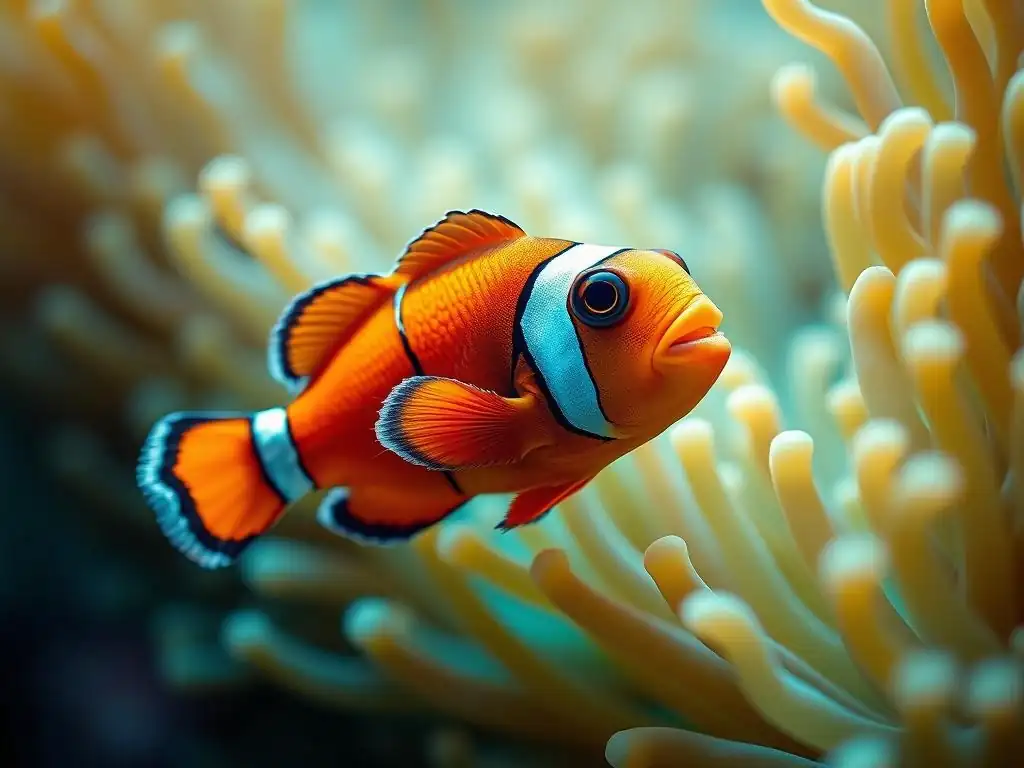
For aquarists aspiring to engage in clownfish stress anemone breeding, understanding and mitigating stress is paramount. Breeding pairs are particularly sensitive to environmental fluctuations and disturbances, and stress can quickly derail their reproductive efforts.
Factors Affecting Breeding Success
Successful clownfish breeding hinges on a stable and optimal environment. Several factors can introduce stress that inhibits spawning or leads to the neglect of eggs.
Water Quality
Pristine and stable water quality is arguably the most critical factor for successful clownfish breeding. Even slight fluctuations can induce stress that prevents spawning or leads to egg resorption. pH should be consistently maintained between 8.0-8.4, salinity at 1.024-1.026 specific gravity, and temperature within 76-80°F (24-27°C). The presence of detectable ammonia or nitrite, even at levels as low as 0.25 ppm, is highly detrimental and can cause immediate cessation of spawning activity.
Furthermore, elevated nitrate levels, even if considered "safe" for display tanks (e.g., above 10 ppm), can significantly stress breeding pairs and inhibit egg development. For optimal clownfish stress anemone breeding conditions, nitrates should ideally be kept below 5 ppm. Consistent weekly water changes of 10-15% with high-quality saltwater are essential to dilute waste products and replenish vital trace elements, ensuring the stable and clean environment necessary for the pair to feel secure enough to reproduce.
Tank Mate Interference
The presence of aggressive or overly active tank mates can be a major source of stress for breeding clownfish, often leading to a complete halt in spawning. Even seemingly benign fish can cause disruption if they constantly swim near the breeding pair's chosen spawning site, making the pair feel insecure or threatened. A breeding pair needs a sense of privacy and safety to focus on reproduction.
Consider a pair of breeding Ocellaris clownfish in a 40-gallon breeder tank that repeatedly abandons their spawning site due to constant disturbances from a curious or territorial Yellow Tang. This persistent interference causes significant clownfish stress, preventing them from laying eggs or properly guarding a clutch. For this reason, a dedicated breeding tank with no other tank mates, or only very small, non-threatening invertebrates, is highly recommended to minimize external stressors and maximize the chances of successful clownfish stress anemone breeding.
Stress Signals in Breeding Pairs
When a clownfish pair is stressed, their breeding behaviors will often be the first to suffer. Observing these specific signals can help pinpoint the issue.
Reduced Egg Laying
One of the most direct indicators of stress in a breeding clownfish pair is a significant reduction in the frequency or size of their egg clutches, or a complete cessation of spawning activity. A healthy, established breeding pair of Ocellaris or Percula clownfish can typically lay eggs every 10 to 14 days, with clutches often numbering in the hundreds (e.g., 300-500 eggs). Any deviation from this regular pattern is a strong signal of underlying stress.
For example, a pair that previously spawned like clockwork every two weeks now only produces a sparse clutch of 50-100 eggs once a month, or stops laying entirely for several months. This decline in productivity is a clear sign that the pair is not feeling secure or healthy enough to invest energy in reproduction. It warrants an immediate and thorough review of all environmental parameters, diet, and potential disturbances in the tank affecting the clownfish stress anemone breeding efforts.
Neglecting Eggs
Parental care is an integral part of clownfish breeding behavior, with the male typically taking on the primary role of fanning, cleaning, and guarding the eggs. When a breeding pair is stressed, they may neglect their eggs, failing to perform these crucial tasks. This neglect leaves the eggs vulnerable to fungal growth, predation by other tank inhabitants, or a lack of oxygen, ultimately leading to their demise.
An illustrative scenario is a male clownfish, usually diligent in fanning the eggs to ensure adequate oxygenation and removing any debris, instead spending his time hiding or ignoring the clutch for extended periods. This abandonment often results in the eggs turning white and molding, indicating they are infertile or have died due to neglect. Such a breakdown in natural parental instincts is a direct and alarming sign of significant clownfish stress impacting their breeding success.
Increased Aggression
While some territorial aggression is normal in breeding clownfish pairs, especially towards other tank inhabitants, an unusual increase in aggression between the breeding pair themselves, or disproportionate aggression towards other fish, can signal high stress. This can manifest as relentless chasing, nipping, or even physical damage to one another, beyond typical sparring.
For instance, a bonded pair of Maroon clownfish, usually cooperative in their breeding efforts, might suddenly engage in prolonged, intense sparring sessions, resulting in torn fins for one or both partners. This often indicates a severe stressor affecting their bond or perceived security, such as an intruder in their territory, a sudden drop in water quality, or even a nutritional deficiency causing irritability. Such heightened aggression is detrimental to the pair's health and breeding prospects, highlighting significant clownfish stress.
Mitigating and Preventing Stress
Proactive measures are the most effective way to prevent clownfish stress and ensure a healthy, thriving aquarium. Focusing on optimal water parameters, a suitable environment, and proper nutrition forms the foundation of good husbandry.
Optimizing Water Parameters
Maintaining stable and appropriate water parameters is the single most important factor in preventing clownfish stress. Consistency is key, as fluctuations can be as stressful as outright poor quality.
Maintaining Stable Salinity, pH, and Temperature
Stability across key water parameters is paramount. Salinity should be maintained within a tight range of 1.024-1.026 specific gravity, pH between 8.0-8.4, and temperature consistently within 76-80°F (24-27°C). Even minor, sudden fluctuations, such as a drop of more than 0.001 SG, 0.1 pH, or 1°F within a 24-hour period, can induce significant stress in clownfish. These parameters should be tested regularly, at least weekly for established tanks and daily for new setups, using reliable test kits.
Sudden drops in temperature can suppress the clownfish's immune system, making them vulnerable to disease, while unstable pH can lead to metabolic issues like acidosis or alkalosis. For instance, a pH swing from 8.2 to 7.8 in a single day can cause severe internal stress, even if the fish doesn't show immediate outward signs. Investing in a quality heater with a thermostat and a reliable refractometer for salinity checks is crucial. Consistent parameters provide a predictable and secure environment, directly reducing the likelihood of clownfish stress.
Water Changes and Filtration
Regular partial water changes are essential for diluting accumulated nitrates and replenishing vital trace elements that are depleted over time. For most clownfish setups, a 10-20% weekly or bi-weekly water change is recommended to keep nitrates consistently below 10-20 ppm, preventing chronic low-level stress. For clownfish stress anemone breeding tanks, even lower nitrate levels (below 5 ppm) are ideal.
Adequate filtration is equally critical. A robust mechanical filter removes particulate waste, biological filtration (e.g., live rock, bio-media) converts toxic ammonia and nitrite into less harmful nitrate, and chemical filtration (e.g., activated carbon) removes dissolved organic compounds and improves water clarity. For example, a 50-gallon tank housing two clownfish might require a 5-gallon weekly water change coupled with a high-quality protein skimmer and sufficient live rock (1-1.5 lbs per gallon) to maintain optimal water quality and minimize stressors. Insufficient filtration or infrequent water changes will inevitably lead to declining water quality and increased clownfish stress.
Creating a Suitable Tank Environment
Beyond water chemistry, the physical layout and daily management of the aquarium play a crucial role in preventing stress.
Providing Hiding Places and Territory
Clownfish, like many fish, need secure hiding places and clearly defined territories to feel safe and reduce stress. Ample live rock structures, caves, and overhangs should be provided, arranged in a way that offers multiple retreats. For a pair of Ocellaris clownfish in a 30-gallon tank, incorporating at least 20-30 pounds of live rock, strategically placed to form crevices and a natural "home" area, allows them to establish a territory and escape perceived threats.
In breeding setups, providing a smooth, flat rock or even a terracotta pot or PVC pipe can serve as a dedicated spawning site, further reducing stress by giving the pair a consistent, secure place to lay eggs. When clownfish have a safe haven to retreat to, they are less prone to anxiety from tank mates, external disturbances, or even their own reflection in the glass. This sense of security is fundamental to reducing overall clownfish stress.
Minimizing Disturbances
Sudden or unpredictable disturbances are significant stressors for fish. This includes abrupt changes in lighting, loud noises, sudden movements near the tank, or erratic maintenance routines. Establishing a consistent daily routine for feeding and tank maintenance helps create a predictable and less stressful environment for your clownfish.
For example, using a light timer to simulate a natural dawn and dusk cycle, rather than abruptly turning lights on and off, can prevent unnecessary shock. Avoiding tapping on the glass, placing the tank in a low-traffic area, and performing maintenance tasks calmly and consistently can significantly reduce stress levels. In the context of clownfish stress anemone breeding, minimizing foot traffic and sudden movements around the breeding tank is particularly important, as even subtle disturbances can cause a pair to abandon their eggs.
Nutritional Support
A balanced and high-quality diet is fundamental to a clownfish's immune system and overall resilience to stress. Malnutrition is a silent, chronic stressor.
High-Quality Food
Feeding a varied diet of high-quality marine flakes, pellets, and frozen foods is essential. Relying solely on one type of food can lead to nutritional deficiencies over time. Incorporate a mix of frozen foods such as Mysis shrimp, brine shrimp enriched with spirulina, and finely chopped seafood (e.g., shrimp, squid). For optimal health and vibrant colors, ensure foods are rich in Omega-3 fatty acids and astaxanthin.
It is often beneficial to feed small amounts two to three times a day rather than one large feeding. This mimics their natural foraging behavior and ensures all fish, particularly shyer individuals, get enough to eat without competition-induced stress. For instance, offering a pinch of high-quality marine pellets in the morning, followed by a cube of enriched frozen Mysis shrimp in the evening, provides a comprehensive and varied nutritional profile that supports the clownfish's immune system and reduces dietary clownfish stress.
Vitamin and Mineral Supplementation
Even with a varied diet, supplementing food with marine-specific vitamins and minerals can provide an extra layer of nutritional support, especially for stressed or breeding clownfish. Products like Selcon, which are rich in essential fatty acids and vitamins, can be used to soak frozen foods before feeding. This boosts the nutritional content and enhances the fish's immune response, making them more resilient to environmental stressors and diseases.
For example, soaking a day's portion of frozen brine shrimp in a liquid vitamin supplement for 15-30 minutes once or twice a week can provide crucial nutrients like Vitamin C, which is vital for immune function and stress reduction. This is particularly beneficial for clownfish stress anemone breeding pairs, as they expend significant energy during spawning and egg care, requiring peak nutritional support to maintain their health and productivity.
Treatment and Recovery
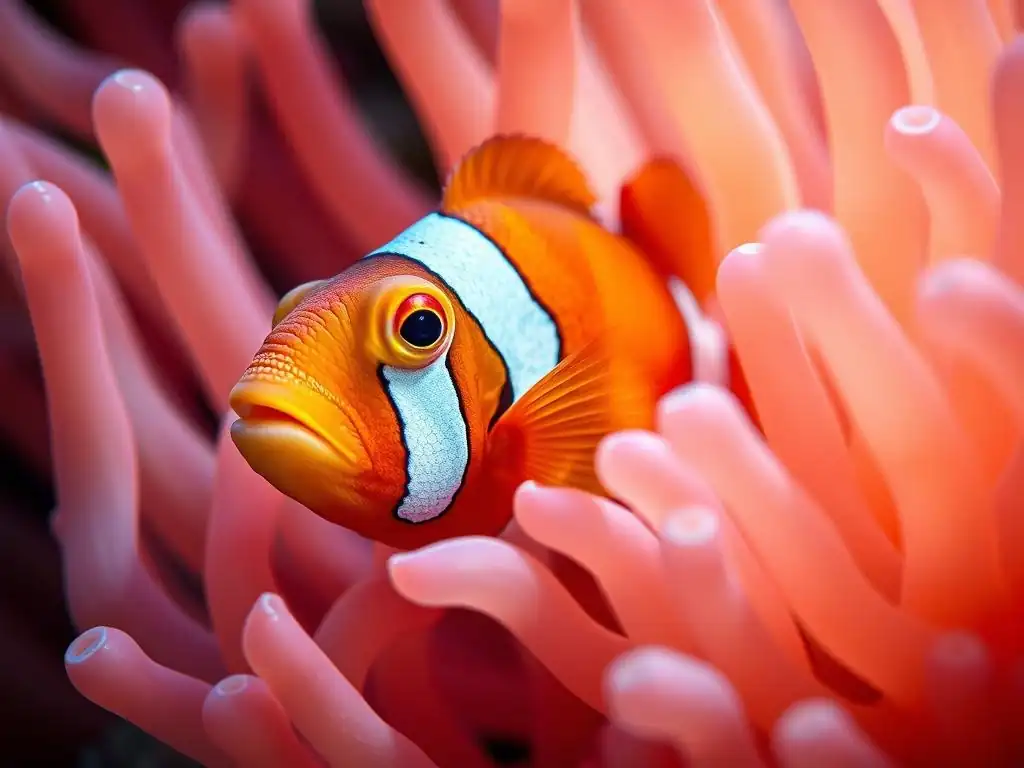
Despite best efforts, clownfish can still experience stress. When signs of stress are identified, a systematic approach to treatment and recovery is necessary to restore their health.
Quarantine and Observation
If a clownfish shows significant signs of stress, particularly if accompanied by physical symptoms or if the cause is unclear, isolating it in a dedicated quarantine tank (QT) is highly recommended. A QT of at least 10 gallons with stable parameters (heater, air stone, minimal decor) allows for closer observation without the added stress of competition or interaction with other tank mates. This isolation also prevents any potential disease from spreading to the main display tank.
During the quarantine period, which typically lasts 7-14 days, observe the fish meticulously for any changes in behavior, appetite, or physical symptoms. This controlled environment allows the clownfish to decompress and reduces external stressors. For instance, a stressed Ocellaris clownfish that was being harassed in the main tank will often show signs of recovery, such as increased activity and appetite, simply by being moved to a calm, isolated QT. This period of observation is crucial before determining if medication or further intervention is needed.
Addressing Underlying Health Issues
If the stress is accompanied by clear signs of disease, such as white spots (Ich), velvet, fin rot, or cloudy eyes, appropriate medication should be administered in the quarantine tank. Correct diagnosis is paramount, as treating the wrong ailment can cause further stress or be ineffective. For instance, distinguishing Marine Ich from Brooklynella hostilis, both common external parasites, is crucial for selecting the correct treatment.
Always follow medication instructions precisely, paying close attention to dosage based on the QT volume and duration of treatment. For example, if using a copper-based medication for Ich, accurate measurement and consistent monitoring of copper levels are critical to ensure efficacy while avoiding overdose, which itself is a major stressor. Treating the specific underlying health issue directly alleviates the physical burden on the clownfish, allowing it to recover from the stressor.
Gradual Acclimation
Whether introducing a new clownfish to the main tank or returning one from quarantine, gradual acclimation is critical to minimize shock and prevent post-transfer stress. Sudden changes in water parameters (pH, salinity, temperature) can be extremely stressful and even fatal. Drip acclimation is the preferred method, allowing the fish to slowly adjust to the new water chemistry.
To perform drip acclimation, place the clownfish in a container with its original water (from the bag or QT). Then, slowly drip water from the target tank (main display or QT) into the container using airline tubing with a knot to control the flow, over a period of 30-60 minutes, until the volume of water in the container has doubled.
For a fish returning from QT, ensure the QT water parameters are matched as closely as possible to the main tank before the drip. This slow, methodical approach significantly reduces the risk of stress-induced shock, ensuring a smoother transition and better long-term health for the clownfish.
Conclusion: Proactive Care
Understanding and addressing clownfish stress is a continuous process that underpins their health, longevity, and success in any aquarium setting. From recognizing subtle behavioral shifts like erratic swimming or hiding, to identifying physical indicators such as faded coloration or rapid gill movement, early detection is always the best defense.
For those engaged in clownfish stress anemone breeding, paying close attention to the symbiotic relationship with an anemone and specific breeding-related stress signals—like reduced egg laying or increased aggression—is crucial. By proactively optimizing water parameters, providing a suitable and stable tank environment, ensuring high-quality nutrition, and acting swiftly when stress is detected, aquarists can create a thriving habitat where clownfish can flourish, host their anemones confidently, and successfully reproduce.
Frequently Asked Questions
How can I tell if my clownfish is stressed, especially in an anemone environment?
Look for rapid breathing, erratic swimming, and loss of appetite. Clownfish may also stay hidden or develop unusual color patterns when stressed near their anemone.
What role does the anemone play in reducing stress for clownfish?
Anemones provide security and shelter, mimicking their natural habitat. A healthy and compatible anemone can significantly reduce stress levels and promote natural behaviors.
How does stress impact clownfish breeding success?
Stress can severely inhibit breeding behavior. Stressed clownfish are less likely to pair up, lay eggs, or properly care for their offspring. Maintaining a stable and stress-free environment is crucial.
What are some common stressors that can affect clownfish during breeding attempts?
Common stressors include poor water quality, aggressive tank mates, sudden changes in temperature or salinity, and inadequate diet. Addressing these issues is essential for successful breeding.
How can I minimize stress when introducing a new anemone or when moving clownfish during breeding setup?
Acclimate new anemones slowly to the tank. When moving clownfish, use a gentle transfer method and maintain consistent water parameters to minimize disruption and stress.
Final Reflection: Understanding the Silent Language of Clownfish
The insights shared in this article, detailing the subtle stress signals of clownfish in anemone and breeding setups, are more crucial than ever. As the popularity of keeping these vibrant creatures grows, so too does the responsibility to ensure their well-being. Recognizing these often-overlooked indicators of distress is not just about successful breeding; it's about ethical stewardship and fostering a deeper connection with the natural world.
This understanding extends far beyond the confines of our aquariums. The ability to empathize with and interpret the needs of other living beings, even those as seemingly different as clownfish, is a skill that enriches our lives and strengthens our connection to the planet. It reminds us that every creature, regardless of size or perceived complexity, deserves our respect and consideration. The greatness of a nation and its moral progress can be judged by the way its animals are treated.
- Mahatma Gandhi. This quote resonates deeply when we consider the delicate balance we strive to maintain in our aquariums and the wider ecosystem.
Now, armed with this knowledge, I urge you to look closer. Observe your clownfish, not just as colorful additions to your tank, but as individuals with their own unique needs and vulnerabilities. Let this understanding guide your actions, ensuring that their environment is not just aesthetically pleasing, but truly nurturing and supportive. By becoming more attuned to their silent language, you can contribute to a world where these fascinating creatures thrive, both in our homes and in the wild.
Dive Deeper: Unlock Your Clownfish's Secrets!
Thank you for exploring the fascinating world of clownfish stress signals with us! Now that you're equipped with the knowledge to recognize these signs, it's time to put that understanding into action and create a happier, healthier environment for your aquatic companions.
Here are a few things you can do right now:
- Immediately reassess your clownfish's environment. Spend some time observing their behavior and identify any potential stressors. Is the water quality optimal? Is there aggression from tank mates? Adjust accordingly.
- Share this article with fellow aquarium enthusiasts! Spreading awareness about clownfish well-being helps create a better community for these captivating creatures.
- Consider starting a journal to document your clownfish's behavior and environmental conditions. This will help you track their progress and identify subtle changes over time.
What specific change will you make in your aquarium today based on what you've learned?