
Decoding Reef Compatibility: Are Your Fish & Inverts Truly Safe for Corals?

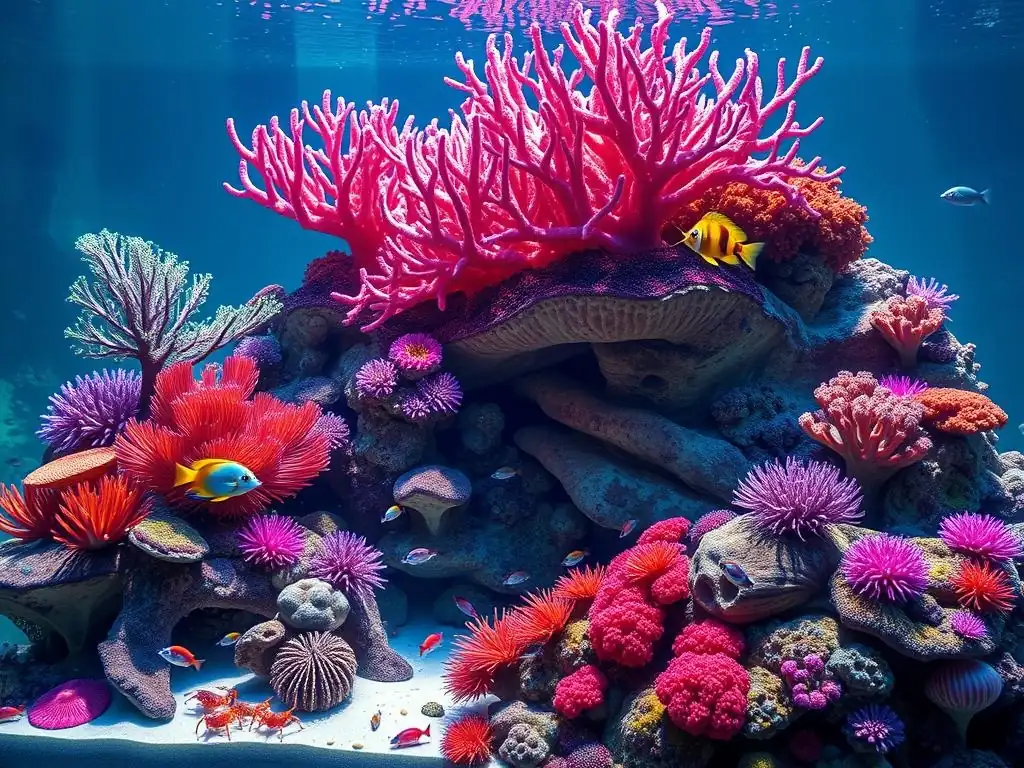
Welcome to Aquarium Mastery!
Ever wondered if your prized reef inhabitants are truly compatible? Dive in and unlock the secrets to a thriving reef ecosystem. Our guide, "Decoding Reef Compatibility: Are Your Fish & Inverts Truly Safe for Corals? ", explores the fascinating world of reef safe fish inverts, revealing the keys to peaceful coexistence and vibrant coral growth. Curious to know which species are friends and which are foes? Let's explore!
- Understanding Reef Compatibility in Saltwater Aquariums
- Reef Safe Fish: Choosing the Right Tank Mates for Corals
- Reef Safe Invertebrates: Adding Diversity and Functionality to Your Reef
- Assessing Potential Tank Mates: A Step-by-Step Guide to Determining Reef Safety
- Maintaining a Balanced Reef Ecosystem: Ensuring Long-Term Compatibility
- Beyond the Basics: Advanced Reef Compatibility Considerations
- Troubleshooting Reef Compatibility Issues: Identifying and Addressing Problems
- Conclusion: Building a Harmonious and Thriving Reef Aquarium with Compatible Fish & Invertebrates
-
Frequently Asked Questions
- What exactly does "reef safe" mean in the context of aquarium keeping?
- How can I determine if a specific fish or invertebrate is truly reef safe before introducing it to my tank?
- What are some examples of fish and invertebrates commonly considered not reef safe?
- What role does proper feeding play in maintaining a reef safe environment with fish and invertebrates?
- If a fish or invertebrate is generally considered reef safe, are there still any risks involved in adding it to my reef tank?
- Final Reflection: Navigating the Delicate Balance of Reef Life
- Cultivate Your Coral Sanctuary: Start Today!
Understanding Reef Compatibility in Saltwater Aquariums
What Does "Reef Safe" Really Mean? Defining Compatibility for a Thriving Reef Tank
The term "reef safe" in the context of saltwater aquariums signifies that a particular fish or invertebrate species is unlikely to cause harm to corals or the delicate ecosystem of a reef tank. This goes beyond merely not consuming corals; it encompasses a range of behaviors including not nipping at polyps, not disturbing coral placement, not competing aggressively for resources, and not introducing pathogens that could harm corals. A truly reef-safe inhabitant contributes positively or neutrally to the overall health and stability of the system.
However, the definition can be nuanced. A fish deemed "reef safe" for a tank dominated by fast-growing soft corals like Xenia or Zoanthids might not be suitable for a tank primarily housing delicate small polyp stony (SPS) corals such as Acropora or Montipora. For instance, some Angelfish species, while generally considered "reef safe with caution," may nip at the fleshy polyps of large polyp stony (LPS) corals like Euphyllia or Chalice corals, even if they leave SPS corals untouched. It's crucial to understand the specific dietary and behavioral patterns of each species.
Why Reef Compatibility Matters: Protecting Your Coral Investment
Ensuring reef compatibility is paramount for the long-term success and vitality of your saltwater aquarium, especially given the significant investment often made in corals. A single frag of a desirable SPS coral, like a "Red Dragon Acropora," can cost upwards of $50-$100, while a mature colony can represent an investment of several hundred dollars and years of growth. Incompatible tank mates can quickly undo this progress, causing tissue recession, RTN (Rapid Tissue Necrosis), or complete coral loss, leading to substantial financial and emotional setbacks for the aquarist.
Beyond the monetary aspect, reef compatibility is vital for maintaining the delicate balance of a thriving reef ecosystem. Corals are living animals that are highly sensitive to stress. Constant nipping, harassment, or competition from incompatible fish or invertebrates can weaken their immune systems, making them susceptible to diseases and algae overgrowth. A stressed coral colony may exhibit reduced growth rates, faded coloration, or fail to extend its polyps, diminishing the aesthetic appeal and overall health of the entire reef environment.
Factors Influencing Reef Compatibility: Beyond Simple Labels
Reef compatibility is influenced by a complex interplay of factors, extending far beyond a simple "yes" or "no" label. Key considerations include the species' natural diet, adult size, temperament, and activity level. For example, a fish that is primarily herbivorous, like a Yellow Tang ( Zebrasoma flavescens), is generally considered reef safe because it grazes on algae, but if underfed, it might opportunistically nip at coral polyps, especially soft corals or LPS, if algae grows on their surfaces.
Individual variability also plays a significant role. While a species might be broadly classified as reef safe, a particular specimen could exhibit unexpected nipping behavior. Tank size and stocking density are critical; overcrowding can lead to increased aggression and stress, causing fish to act out of character.
Furthermore, the presence of existing inhabitants and their established territories can influence how a new addition integrates. For instance, a Copperband Butterflyfish ( Chaetodon rostratus) is often introduced to control Aiptasia anemones, but some individuals, despite their generally good reputation, may develop a taste for certain LPS corals or feather dusters if their primary food source is scarce or their individual temperament dictates.
Reef Safe Fish: Choosing the Right Tank Mates for Corals
Top Reef Safe Fish Species: Beginner-Friendly Options
For aquarists new to the world of reef tanks, selecting reliably reef-safe fish is crucial for a smooth and successful experience. Among the most popular and consistently safe choices are the Ocellaris Clownfish ( Amphiprion ocellaris) and Percula Clownfish ( Amphiprion percula), known for their iconic appearance and peaceful nature, rarely bothering corals or other invertebrates. The Royal Gramma Basslet ( Gramma loreto) is another excellent choice, providing vibrant purple and yellow coloration without posing a threat to corals, typically staying in its own territory among the rockwork.
Other highly recommended beginner-friendly reef safe fish include the Firefish Goby ( Nemateleotris magnifica), a shy and elegant dartfish that prefers open water but quickly retreats to cover, and various species of Watchman Gobies ( Cryptocentrus cinctus, Valenciennea puellaris), often forming symbiotic relationships with pistol shrimp. Small Blennies, such as the Tailspot Blenny ( Salarias fasciatus) or Starry Blenny ( Salarias ramosus), are excellent algae grazers that pose no threat to corals, provided they have adequate rockwork for perching and grazing. These species generally remain under 5-6 inches in length, making them suitable for tanks 30 gallons and larger.
Exploring Reef Safe Nano Fish: Perfect Choices for Smaller Reef Aquariums
Nano reef tanks, typically under 30 gallons, require exceptionally small and peaceful fish to maintain a balanced ecosystem. Fortunately, several species are perfectly suited for these miniature marine environments, offering vibrant colors and interesting behaviors without overwhelming the limited space or delicate corals. Small species of Clownfish, such as a single Ocellaris Clownfish, can thrive in a well-established 20-gallon nano tank, often hosting in small anemones or even specific soft corals.
Gobies are particularly well-represented in the nano reef category. Neon Gobies ( Elacatinus oceanops), typically growing to just 2 inches, are excellent cleaners, often perching on rockwork or even larger fish to remove parasites.
Various Trimma Gobies and Eviota Gobies, which often stay under 1.5 inches, offer a wide array of colors and are incredibly peaceful, making them ideal for even the smallest reef setups. Small Blennies, such as the Midas Blenny ( Ecsenius midas) or the Two-Spot Blenny ( Ecsenius bimaculatus), are also great choices for algae control and adding personality to nano tanks, usually staying under 3 inches.
Cautionary Tales: Fish Species to Avoid in a Reef Tank
While many fish species can coexist harmoniously with corals, several groups are notorious for their coral-nipping or predatory tendencies and should generally be avoided in a reef tank. Large Angelfish from the Pomacanthidae family, such as the Emperor Angelfish ( Pomacanthus imperator) or Queen Angelfish ( Holacanthus ciliaris), are prime examples; while beautiful, they are known to opportunistically nip at and consume coral polyps, particularly LPS and soft corals, as they mature.
Even smaller Angelfish, like some Centropyge species (e.g., Flame Angelfish, Coral Beauty), are often considered "reef safe with caution" as individual specimens may develop a taste for corals.
Butterflyfish ( Chaetodontidae family) are another group to approach with extreme caution. Many species are obligate corallivores, meaning corals are a primary part of their diet. While the Copperband Butterflyfish is sometimes used for Aiptasia control, it remains a gamble, as some individuals will turn to nipping other corals. Pufferfish ( Tetraodontidae), Triggerfish ( Balistidae), and larger Wrasses (e.g., Lunare Wrasse, Thalassoma lunare) are also generally unsuitable due to their strong jaws and predatory nature, which can easily damage or consume corals and other valuable invertebrates.
Understanding Fish Behavior: How Grazing and Predation Impact Corals
Fish behavior, particularly feeding habits, directly impacts their compatibility with corals. Grazing, common among herbivorous fish like Tangs ( Acanthuridae family) and some Blennies, primarily involves consuming algae. While beneficial for algae control, some grazers might accidentally or opportunistically nip at coral polyps if algae grows on the coral's surface or if the fish is underfed. For instance, a Yellow Tang, while usually a model citizen, might occasionally "clean" a Montipora cap, potentially causing minor stress to the coral if it's overly zealous.
Predation, on the other hand, involves fish actively consuming coral tissue or polyps as a food source. This is a far more destructive behavior. Certain Butterflyfish species, for example, are obligate corallivores and will systematically devour corals. Additionally, some fish might prey on beneficial invertebrates that are part of the reef's cleanup crew or symbiotic relationships, disrupting the ecosystem balance. A Six-line Wrasse ( Pseudocheilinops hexataenia) is generally considered reef safe for corals but is known to decimate populations of flatworms and small crustaceans, which can be beneficial or benign depending on the species.
Reef Safe Invertebrates: Adding Diversity and Functionality to Your Reef
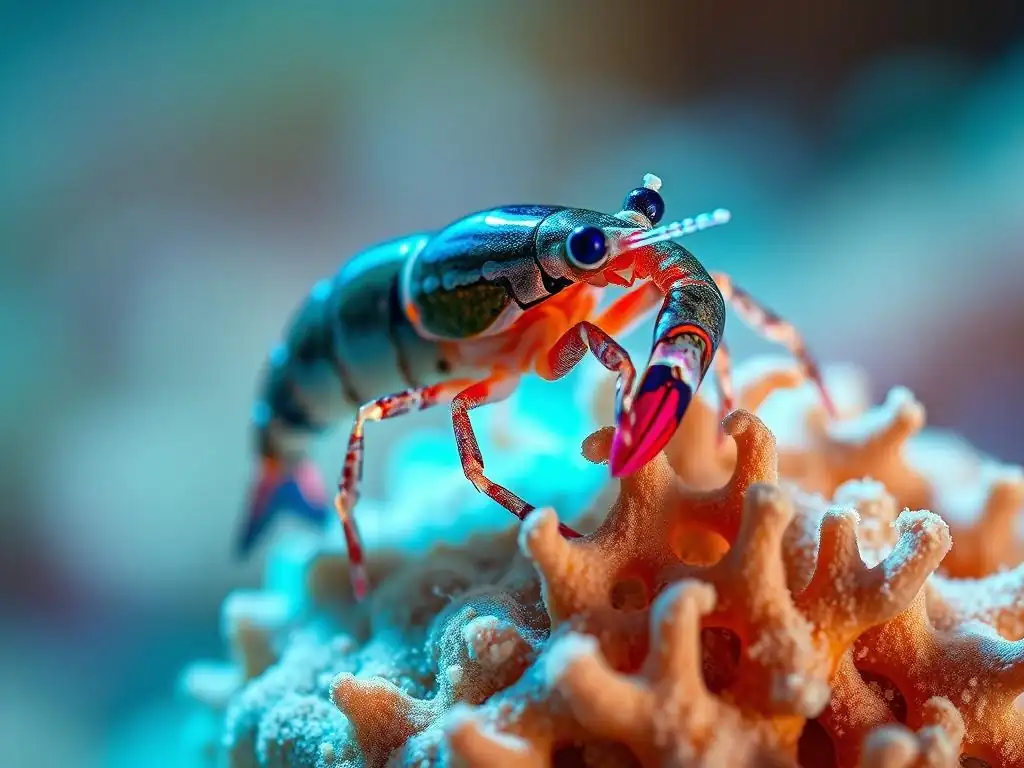
Essential Reef Safe Clean-Up Crew: Algae Eaters and Detritus Removers
A robust and diverse clean-up crew (CUC) is fundamental to a healthy reef tank, with many invertebrates playing crucial roles in algae control and detritus removal without harming corals. Snails are the backbone of most CUCs. Trochus Snails ( Trochus histrio) and Turbo Snails ( Turban snails, e.g., Astrea undosa) are excellent grazers of nuisance algae, including diatoms and green film algae, typically consuming 0.5-1 square inch of algae per day per snail. Nassarius Snails ( Nassarius vibex) are detritivores, burrowing into the sand bed to consume uneaten food and detritus, helping to keep the substrate clean.
Hermit Crabs also contribute significantly to detritus and algae control. Blue Leg Hermit Crabs ( Clibanarius tricolor) are small, active scavengers that consume detritus and film algae. Scarlet Hermit Crabs ( Paguristes cadenati) are larger and more colorful, also consuming detritus and some hair algae.
It is crucial to provide an ample supply of empty snail shells of various sizes for hermit crabs, as they will otherwise resort to preying on snails for their shells, leading to a diminished CUC population. A common stocking guideline for a CUC is 1-2 snails and 1 small hermit crab per 5 gallons of tank volume.
Beneficial Reef Safe Shrimp: Cleaner Shrimp, Peppermint Shrimp, and More
Shrimp add both functionality and visual interest to a reef aquarium, with several species being entirely reef safe and highly beneficial. Cleaner Shrimp, such as the Skunk Cleaner Shrimp ( Lysmata amboinensis) and Fire Shrimp ( Lysmata debelius), are renowned for their symbiotic relationships with fish, setting up "cleaning stations" where they remove external parasites and dead tissue from their finned tank mates. These shrimp are completely harmless to corals and other invertebrates, making them invaluable members of any reef community.
Peppermint Shrimp ( Lysmata wurdemanni) are particularly sought after for their effectiveness in controlling Aiptasia anemones, a common and persistent pest in reef tanks. While not always 100% effective, a small group of Peppermint Shrimp can significantly reduce or eliminate minor Aiptasia outbreaks. Other beneficial reef safe shrimp include various species of Pistol Shrimp ( Alpheus spp.), which often form symbiotic relationships with specific gobies, creating burrows in the sand bed that provide shelter for both species, contributing to substrate aeration.
Reef Safe Crabs: Selecting the Right Species for Algae Control
While many crabs are notorious coral predators, a few species are genuinely reef safe and can be beneficial for specific tasks, particularly algae control. The Emerald Crab ( Mithraculus sculptus) is a popular choice for its ability to consume nuisance bubble algae ( Valonia spp.). While generally considered reef safe, some individuals, especially if underfed or very large, might opportunistically nip at soft corals or larger polyp stony (LPS) corals. Therefore, it's advisable to monitor their behavior closely and ensure they have adequate food sources, such as algae pellets.
Another fascinating and entirely reef-safe option for smaller tanks is the Pom Pom Crab ( Lybia tessellata). These tiny crabs carry small anemones in their claws, using them for defense and to capture food particles. They are harmless to corals and other tank inhabitants, adding a unique and entertaining element to the reef. When considering any crab, thorough research is essential to differentiate between beneficial species and those that pose a threat to your corals or other invertebrates.
Invertebrates to Avoid: Coral Predators and Potential Threats
Just as with fish, certain invertebrates pose a significant threat to corals and should be rigorously avoided in a reef tank. Many species of crabs, particularly larger, unknown hitchhiker crabs or those specifically identified as predatory (e.g., large species of Mithraculus beyond the common Emerald Crab, Sally Lightfoot Crabs if not closely monitored, Fiddler Crabs), can easily damage or consume corals, clams, and other desirable invertebrates. Their strong claws are capable of crushing coral skeletons or tearing soft tissue.
Similarly, many species of starfish are not reef safe. The familiar Chocolate Chip Starfish ( Protoreaster nodosus), for example, is a known predator of corals, clams, and other sessile invertebrates. Only specific species, such as most Brittle Stars ( Ophiuroida) and Serpent Stars ( Ophiura spp.
), are considered truly reef safe, primarily acting as scavengers. While some sea urchins (e.g., Tuxedo Urchin, Mespilia globulus) are generally reef safe and effective algae grazers, many can mow down coralline algae, knock over unsecured frags, or even graze on coral tissue if their primary food source of algae is scarce. Always research any invertebrate thoroughly before introduction.
Assessing Potential Tank Mates: A Step-by-Step Guide to Determining Reef Safety
Researching Species Profiles: Understanding Natural Behaviors and Diets
Before introducing any new fish or invertebrate to your reef tank, comprehensive research into its species profile is the most critical step. Utilize reputable online databases (e.g., LiveAquaria.com, Reef2Reef forums, MarineBio.org), field guides, and books to understand the animal's adult size, specific dietary requirements, natural habitat, and known temperament.
Pay close attention to any warnings regarding coral nipping, invertebrate predation, or aggression towards other tank mates. For instance, a species might be listed as "reef safe with caution" if it occasionally nips at certain coral types, such as large polyp stony (LPS) corals, but is generally fine with small polyp stony (SPS) corals.
Understanding the natural diet is particularly telling. If a species is known to consume crustaceans, worms, or other sessile invertebrates in the wild, it is highly likely to do the same in your aquarium. Similarly, if its diet includes coral polyps or detritus, it poses a risk. For example, some species of Tangs, while primarily herbivorous, can become opportunistic coral nippers if their diet is insufficient or they are underfed. This detailed research provides a solid foundation for predicting compatibility within your specific reef setup.
Observing Behavior in the Store: Identifying Potential Problems Before Purchase
While online research is invaluable, observing the potential tank mate's behavior in the fish store can provide additional insights. Look for signs of health, such as clear eyes, active swimming, and full body condition. More importantly, observe how the fish interacts with other tank mates and, if available, any corals in the store's display tank. Does it exhibit aggressive fin nipping towards other fish? Does it dart at or show unusual interest in any corals? While a brief observation isn't a guarantee of future behavior, it can reveal immediate red flags.
Engage with knowledgeable store staff. Ask about the fish's specific diet in the store, how long it has been there, and if they have observed any coral nipping or aggressive tendencies in their systems. A reputable dealer will be transparent about a species' known compatibility issues. For example, if a store has a Centropyge angelfish in a mixed reef display, inquire if it has ever nipped at their LPS corals; their experience can be a valuable indicator of that particular specimen's likelihood of being a "reef safe fish invert."
Quarantine Procedures: Protecting Your Existing Reef from New Arrivals
Implementing a strict quarantine (QT) procedure for all new fish and invertebrates before introducing them to your main reef display is non-negotiable for long-term success and paramount for protecting your existing coral investment. A dedicated quarantine tank allows you to observe the new arrival for signs of disease (e.g., Ich, Velvet, Brooklynella) and treat them without exposing your sensitive corals and established inhabitants to harsh medications (many of which are toxic to invertebrates and corals). A typical quarantine period ranges from 4 to 6 weeks, providing ample time for observation and treatment.
Beyond disease prevention, the QT period serves as an excellent opportunity to assess the new inhabitant's reef compatibility in a controlled environment. You can observe its feeding habits and temperament without the stress of a full display tank. For fish, you might even introduce a very inexpensive "test" coral frag (e.g., a small green star polyp or mushroom) to see if the fish exhibits any nipping behavior. This proactive approach significantly reduces the risk of introducing a problematic reef safe fish invert or a disease outbreak that could devastate your entire reef ecosystem.
Tank Size and Stocking Density: Optimizing Space for Compatibility
Tank size and stocking density are critical determinants of long-term reef compatibility. An undersized or overstocked aquarium inevitably leads to stress, aggression, and poor water quality, all of which can severely impact coral health and the well-being of your fish and inverts. Ensure that your tank is adequately sized for the adult size of all your planned inhabitants.
A common guideline suggests a minimum of 1 inch of adult fish per 5-10 gallons of water, though this varies significantly based on species temperament and activity level. For example, a Yellow Tang requires a minimum of 75-100 gallons to thrive due to its active swimming habits and adult size of up to 8 inches.
Overstocking increases competition for food, hiding spots, and territory, which can escalate into aggression, leading to fin nipping among fish or even fish taking out frustration on corals. It also places a higher bioload on the filtration system, making it harder to maintain stable water parameters crucial for coral growth (e.g., stable alkalinity, calcium, and magnesium levels). Providing ample swimming space and plenty of intricate rockwork with hiding spots helps to define territories and reduce conflict, fostering a more harmonious environment for all your reef safe fish inverts and corals.
Maintaining a Balanced Reef Ecosystem: Ensuring Long-Term Compatibility
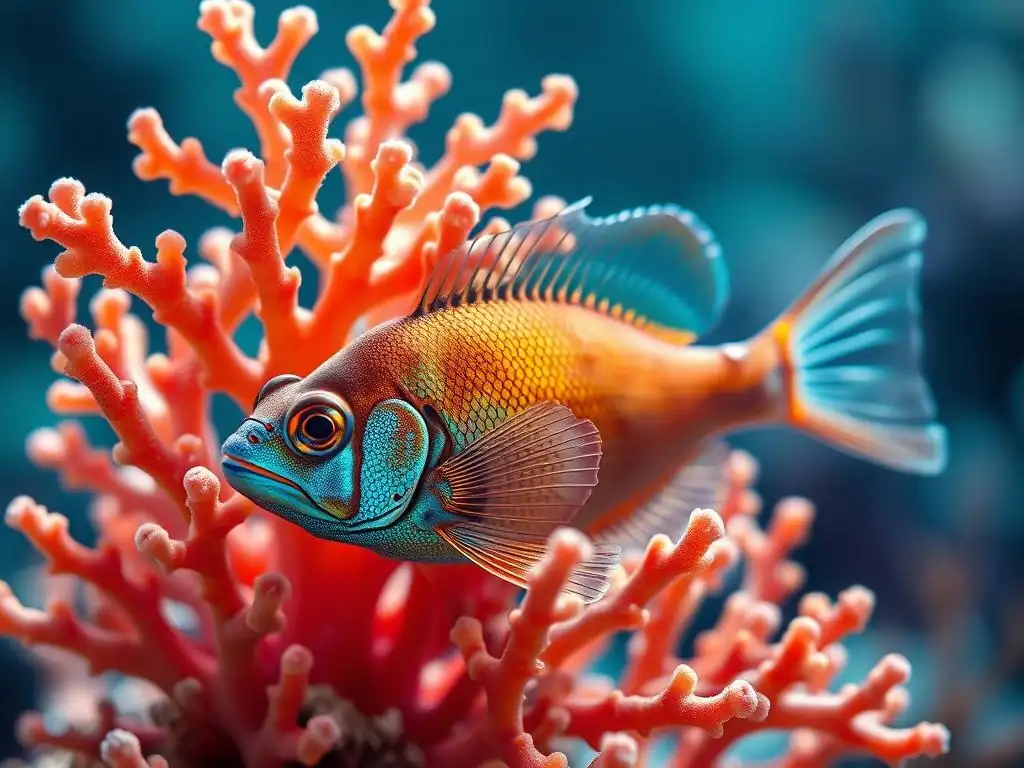
Proper Feeding Practices: Minimizing Coral Damage from Hungry Tank Mates
Proper feeding practices are paramount for ensuring long-term reef compatibility and preventing typically reef-safe fish from becoming coral nippers. Underfed fish, even those not naturally inclined to eat corals, may resort to opportunistic nipping out of hunger or curiosity.
Provide a varied and nutritious diet appropriate for all inhabitants, including high-quality flakes, pellets, frozen foods (e.g., Mysis shrimp, brine shrimp, spirulina), and nori for herbivorous species. For instance, herbivorous fish like Tangs and Blennies benefit significantly from daily offerings of dried seaweed (nori) clipped to the tank, which helps satisfy their grazing needs and reduces the likelihood of them picking at corals for algae.
Frequent, smaller feedings (e.g., 2-3 times per day) are often more beneficial than one large feeding, as they keep fish satiated and reduce the incentive to seek alternative food sources. Ensure that all tank inhabitants, including shy or slower-eating species, receive adequate food. Target feeding specific corals or filter-feeding invertebrates can also prevent fish from "stealing" their food, thereby minimizing potential nipping or disturbance to the corals. A well-fed reef community is a peaceful reef community, where reef safe fish inverts coexist harmoniously.
Monitoring Water Quality: Maintaining Optimal Conditions for Corals and Invertebrates
Maintaining pristine and stable water quality is foundational to a thriving reef ecosystem and plays a crucial role in ensuring the long-term compatibility of your fish and invertebrates with corals. Corals are highly sensitive to fluctuations in water parameters. Consistent levels of salinity (e.g., 1.025-1.026 specific gravity), alkalinity (8-11 dKH), calcium (400-450 ppm), and magnesium (1250-1350 ppm) are vital for their health and skeletal growth. Imbalances or rapid shifts can stress corals, making them more susceptible to disease, recession, and damage from opportunistic nipping, even from otherwise reef-safe fish.
Regular water changes (e.g., 10-20% bi-weekly or monthly, depending on stocking density and nutrient levels) are essential for replenishing trace elements consumed by corals and exporting accumulated pollutants like nitrates and phosphates. Consistent water quality reduces stress on all tank inhabitants, promoting a healthy immune system in fish and robust growth in corals. When corals are healthy and unstressed, they are more resilient to minor disturbances or occasional nipping, and fish are less likely to exhibit stress-induced aggressive behaviors.
Addressing Aggression: Strategies for Minimizing Conflicts
Even with careful planning and selection of reef safe fish inverts, aggression can sometimes arise in a reef tank, potentially impacting coral health. Close observation of fish interactions is crucial to identify early signs of conflict, such as chasing, fin nipping among fish, or constant harassment. If aggression occurs, several strategies can be employed to minimize conflicts. Rearranging the rockwork can often disrupt established territories and create new hiding spots, alleviating stress and reducing territorial disputes. Adding more caves or visual barriers can also help aggressive fish claim their own space without bothering others.
For persistent or severe aggression that leads to coral damage or significant stress to other fish, more direct intervention may be necessary. Introducing a "dither fish" – a fast-moving, peaceful fish that encourages shyer species to come out – can sometimes distract an aggressive fish. However, if a particular fish consistently targets corals or causes undue stress to the entire tank, its removal might be the only viable solution. This is a last resort but essential for the well-being of the entire reef ecosystem and the preservation of your valuable corals.
Beyond the Basics: Advanced Reef Compatibility Considerations
Coral Placement and Protection: Reducing Stress on Vulnerable Species
Beyond selecting reef safe fish inverts, strategic coral placement is an advanced compatibility consideration that can significantly reduce stress on vulnerable species and mitigate potential damage. Delicate and slow-growing small polyp stony (SPS) corals, such as Acropora or Montipora, should be positioned away from areas frequented by active grazers or potential nippers. Similarly, ensure adequate spacing between different coral colonies to prevent inter-coral aggression (e.g., stinging tentacles from LPS corals damaging neighboring SPS).
For particularly valuable or delicate coral frags, using frag plugs or bases that elevate them slightly can make them less accessible to bottom-dwelling nippers or detritivores that might accidentally dislodge them. Some advanced aquarists even employ small, temporary acrylic barriers around newly introduced or highly prized corals to allow them to acclimate and establish themselves without immediate interference from curious or opportunistic fish. This proactive approach to coral placement can significantly enhance their chances of thriving in a mixed reef environment.
Acclimation Strategies: Introducing New Inhabitants Safely
Proper acclimation is a critical, yet often overlooked, step in ensuring the long-term health and compatibility of new fish and invertebrates in a reef tank. Drip acclimation, performed slowly over 30-60 minutes, is the preferred method for marine organisms. This gradual introduction minimizes the shock from rapid changes in salinity, pH, and temperature, significantly reducing stress on the new arrival. A less stressed fish is more likely to integrate peacefully and less likely to exhibit erratic or aggressive behaviors.
When introducing new fish, it's often beneficial to do so with the aquarium lights off or dimmed. This reduces stress on the new fish and minimizes aggression from established tank inhabitants, who might perceive a brightly lit new arrival as an immediate threat. Providing ample hiding spots immediately upon introduction allows the new fish to retreat and feel secure, further promoting a smooth transition. For highly aggressive tanks, a temporary acrylic divider can allow new and existing fish to acclimate to each other's presence without direct physical conflict for a few days.
Reef Safe Disease Treatment: Protecting Your Reef Ecosystem
A crucial advanced consideration for reef compatibility is understanding the limitations of disease treatment in a mixed reef. Many common fish medications, particularly copper-based treatments and certain formalin-based products, are highly toxic to corals and most invertebrates. This inherent incompatibility means that treating diseases directly in the main display tank is almost always out of the question, underscoring the absolute necessity of a dedicated quarantine tank (QT).
If disease appears in the main display, treatment options become extremely limited, often restricted to non-medicinal approaches such as increasing water flow, using UV sterilizers, ozone, or enhanced water changes to improve water quality and reduce pathogen counts. This stark reality highlights why a robust quarantine protocol is the most effective "reef safe" disease treatment. By isolating new reef safe fish inverts in a QT, you can observe them, treat any ailments with appropriate medications, and ensure they are healthy before introducing them to your sensitive and valuable reef ecosystem.
Troubleshooting Reef Compatibility Issues: Identifying and Addressing Problems
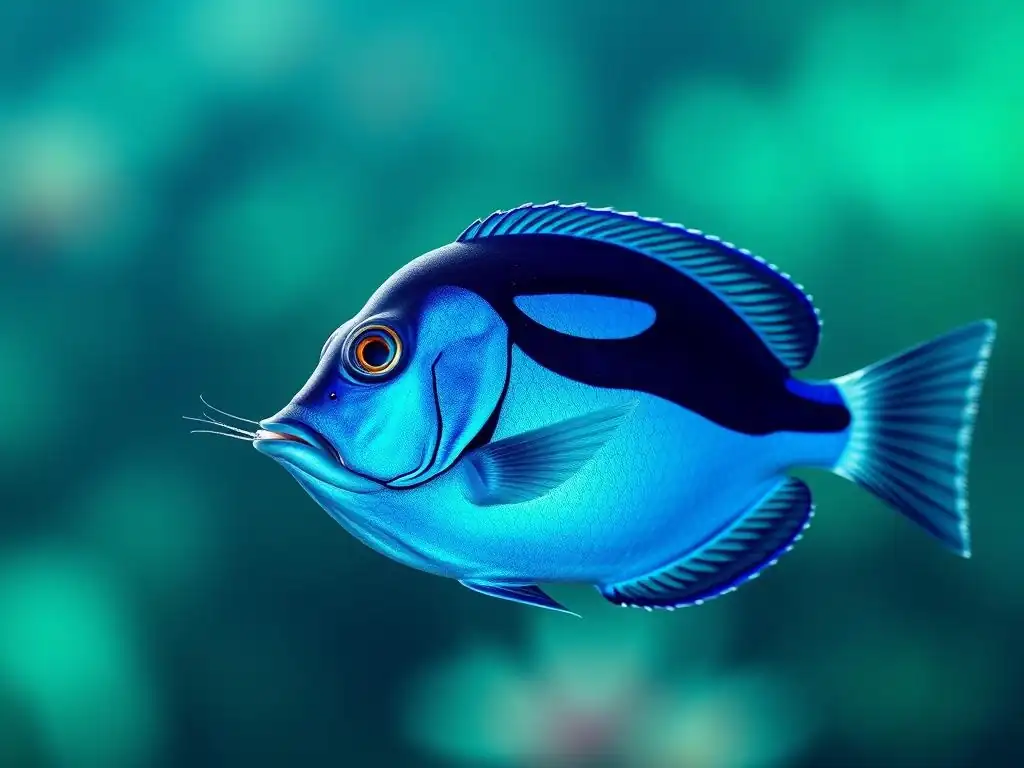
Recognizing Signs of Coral Stress: Early Warning Indicators
Early recognition of coral stress is vital for addressing compatibility issues before they lead to irreversible damage. Signs of stress can include polyps not extending fully or retracting completely, tissue recession (especially from the base upwards), fading or browning coloration, excessive sliming, or unusual growth patterns. For instance, if a specific large polyp stony (LPS) coral like a Frogspawn or Hammer coral consistently has retracted polyps or shows signs of tissue recession only on one side, it could indicate direct nipping or harassment from a fish.
Observe your fish and invertebrates closely, particularly around feeding times or during the day when they are most active. Is a specific fish constantly swimming close to a particular coral, making quick darting movements, or seemingly "inspecting" it? Even if you don't witness a direct nip, persistent harassment or even subtle contact can cause chronic stress to corals. Understanding these early warning indicators allows for prompt intervention to protect your valuable coral collection.
Identifying and Resolving Nipping Behavior: Protecting Your Corals
Identifying the specific culprit behind coral nipping can be challenging, as the behavior often occurs quickly or when the aquarist is not observing. If a fish is suspected, try increasing feeding frequency, especially with varied foods. Sometimes, an underfed fish, even a generally reef-safe one, will resort to opportunistic nipping. For example, a Tang that is not receiving enough nori might pick at soft corals. Observing during feeding times can sometimes reveal the nipper, as they might be more inclined to pick at corals if they are not getting enough food.
If a specific fish is consistently confirmed as the nipper, consider strategies to deter it. Rearranging rockwork can disrupt its territory and focus, sometimes curbing the behavior. Providing more hiding spots or introducing a dither fish can also sometimes alleviate stress-induced nipping. However, if nipping persists and causes significant coral damage (e.g., more than 10-15% tissue loss on a frag over a week), the most effective solution is often the removal of the problematic fish to protect the rest of your reef.
Rehoming Problematic Fish or Invertebrates: Ethical Considerations
When a fish or invertebrate consistently causes harm to corals or other tank mates, despite all efforts to mitigate the issue, rehoming becomes the most ethical and practical solution for the well-being of the entire reef system. Never release marine animals into the wild, as this can introduce invasive species or diseases that devastate local ecosystems. Instead, explore options such as contacting local fish stores, who may be willing to take the animal in, or reaching out to local aquarium clubs and online forums to find a suitable new home.
Before rehoming, ensure that the new environment is appropriate for the species' specific needs. For example, a coral-nipping angelfish would be best suited for a fish-only tank or a very large system where coral damage is less of a concern. This ensures the animal's welfare and prevents it from becoming a problem in another reef tank. Rehoming, while potentially difficult, demonstrates responsible pet ownership and is crucial for maintaining a harmonious and thriving reef aquarium.
Conclusion: Building a Harmonious and Thriving Reef Aquarium with Compatible Fish & Invertebrates
Frequently Asked Questions
What exactly does "reef safe" mean in the context of aquarium keeping?
"Reef safe" generally means that a fish or invertebrate is unlikely to harm or eat corals in a reef tank. However, it's crucial to understand that no animal is 100% reef safe.
How can I determine if a specific fish or invertebrate is truly reef safe before introducing it to my tank?
Research is key! Consult reliable sources like AquariumMastery.com, read species profiles, and consider the individual animal's behavior and feeding habits.
What are some examples of fish and invertebrates commonly considered not reef safe?
Many large angelfish, butterflyfish, and some species of crabs are known coral nippers. Certain starfish can also prey on corals and other invertebrates.
What role does proper feeding play in maintaining a reef safe environment with fish and invertebrates?
Adequate and varied feeding can greatly reduce the likelihood of reef inhabitants turning to corals as a food source. Regular feeding helps ensure they are getting all necessary nutrients.
If a fish or invertebrate is generally considered reef safe, are there still any risks involved in adding it to my reef tank?
Yes, there are always risks. Even reef safe animals can accidentally damage corals while foraging or competing for space. Careful observation and appropriate tank size are important.
The intricate dance of life within a reef aquarium, as we've explored, hinges on understanding the delicate balance between its inhabitants and the corals they share space with. This isn't merely about avoiding immediate destruction; it's about fostering a thriving ecosystem where every creature contributes, rather than detracts, from the overall health and beauty of the reef. The choices we make in stocking our tanks have profound and lasting consequences, impacting not only the survival of individual organisms but also the long-term viability of the entire system.
This journey into reef compatibility has underscored the profound responsibility we bear as aquarists. It's a constant learning process, demanding careful observation, diligent research, and a willingness to adapt our strategies as we learn more about the complex interactions within our miniature underwater worlds. As Jacques Cousteau so eloquently stated, The sea, once it casts its spell, holds one in its net of wonder forever.
This wonder, however, comes with the obligation to protect and nurture the life we bring into our care.
So, as you contemplate your own reef aquarium, or perhaps dream of establishing one, remember the lessons we've uncovered. Consider not just the aesthetic appeal of a particular fish or invertebrate, but its potential impact on the delicate coral ecosystem. Let the knowledge you've gained empower you to make informed decisions, fostering a reef that is not only visually stunning but also ethically sound. Embrace the challenge, and create a thriving underwater paradise where every creature can flourish in harmony.
Cultivate Your Coral Sanctuary: Start Today!
Thanks for diving deep into reef compatibility with us! We hope you've gained a clearer understanding of how to create a harmonious reef ecosystem. Now, let's put that knowledge into action and ensure your coral thrives.
Here are some immediate steps you can take:
- Take the "Compatibility Challenge": Review your current reef inhabitants and identify potential compatibility risks. Use online databases and forums to cross-reference species and behaviors.
- Share your reefing insights. What species have had success and horror stories in your reef tank?
- Explore the lesser-known symbiotic relationships that can benefit your reef. Research animals such as pistol shrimp and goby pair, or the benefits of the nudi branch.
What surprising compatibility discoveries have you made in your own reef tank journey?