
Peaceful Coexistence: Tank Mate Strategies for Gobies, Blennies & Dragonets in Nanos

Welcome to Aquarium Mastery!
Ever wondered if your vibrant goby, quirky blenny, or mesmerizing dragonet could truly thrive in a nano tank community? Unlocking the secrets to peaceful coexistence is easier than you think. Dive into our guide on " Gobies, blennies, dragonets tank mates" and discover the perfect companions to create a harmonious underwater world right in your own home. Ready to build a thriving nano reef? Let's get started!
- Understanding the Nano Reef Environment for Small Fish
-
Frequently Asked Questions
- How do I choose appropriate tank mates for my nano aquarium containing gobies, blennies, and dragonets?
- What size tank is generally recommended for keeping gobies, blennies, and dragonets with other fish?
- What are some examples of peaceful tank mates that are compatible with gobies, blennies, and dragonets?
- What water parameters are crucial to maintain for a tank housing gobies, blennies, and dragonets with tank mates?
- How can I minimize aggression and competition for food among gobies, blennies, dragonets, and their tank mates?
- Final Reflection: Harmony in Miniature
- Unlock Harmony: Transform Your Nano Tank Into a Thriving Ecosystem!
Understanding the Nano Reef Environment for Small Fish
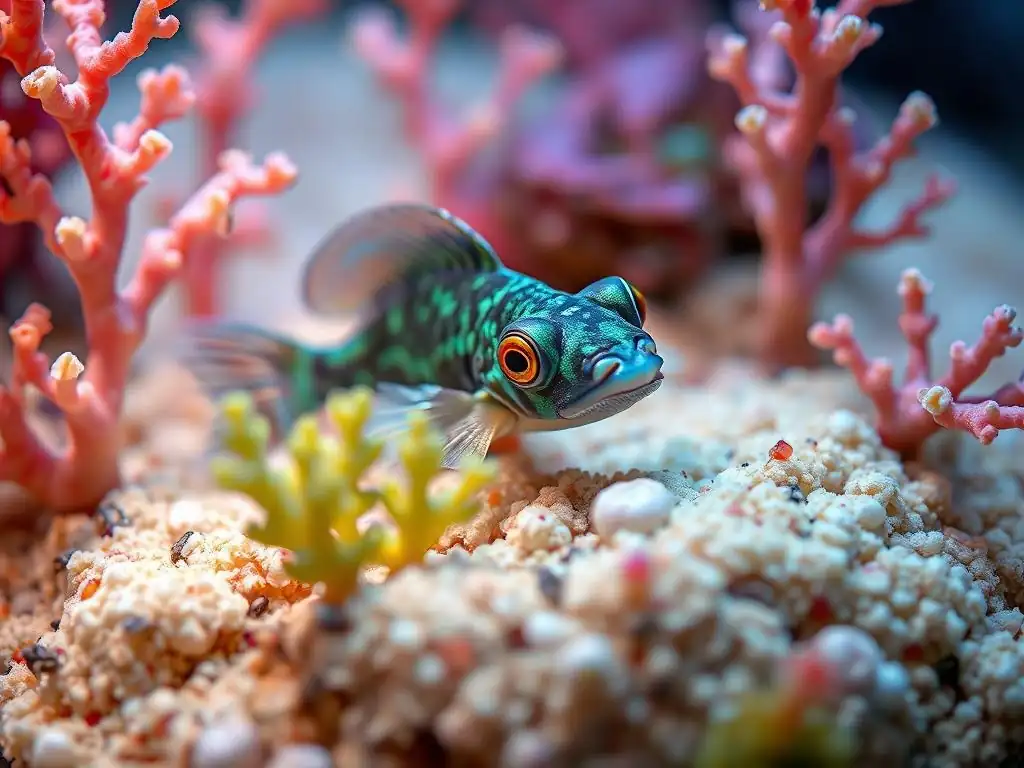
The Unique Challenges of Nano Aquariums for Gobies, Blennies, and Dragonets
Nano aquariums, typically defined as tanks under 30 gallons, present a distinct set of challenges when housing delicate species like gobies, blennies, and dragonets. The primary hurdle is the limited water volume, which amplifies the impact of waste accumulation and makes water parameters more susceptible to rapid fluctuations.
For instance, a sudden increase in nitrates from 5 ppm to 20 ppm might be negligible in a 100-gallon system, but in a 10-gallon nano, this four-fold increase can quickly stress or even prove fatal to sensitive fish, impacting their ability to coexist peacefully with gobies, blennies, dragonets tank mates. Maintaining pristine water quality through diligent small water changes (e.g., 10-20% weekly) becomes paramount.
Furthermore, the confined space intensifies territorial disputes among gobies, blennies, and dragonets tank mates. While a Watchman Goby might tolerate a small blenny in a larger tank, in a 10-gallon setup, the same two fish might constantly vie for the same rock crevice or sand patch.
This limited real estate means that even mildly aggressive or territorial behaviors can quickly escalate into chronic stress, fin nipping, or outright bullying, leading to compromised health and reduced lifespan for the fish involved. Careful selection of species known for their docile nature and minimal territorial demands is crucial to avoid such conflicts in these compact ecosystems.
Key Water Parameters for a Thriving Nano Reef Ecosystem
Maintaining stable and optimal water parameters is the cornerstone of a successful nano reef, especially for the well-being of gobies, blennies, and dragonets tank mates. Salinity should be consistently kept between 1.023 and 1.026 specific gravity, ideally at 1.025, which is close to natural seawater. Temperature stability is also critical, with a range of 76-78°F (24.4-25.6°C) being generally ideal. Fluctuations of more than 2°F within a day can significantly stress fish, making them more susceptible to disease and less tolerant of their tank mates.
Beyond salinity and temperature, the nitrogen cycle parameters—ammonia, nitrite, and nitrate—must be meticulously managed. Ammonia and nitrite should always read 0 ppm. While some nitrate is tolerable in larger systems, in nanos, levels should ideally be kept below 10 ppm, and certainly under 20 ppm, through regular water changes and efficient filtration.
Additionally, calcium (400-450 ppm), alkalinity (8-12 dKH), and magnesium (1250-1350 ppm) are vital for the health of any corals or coralline algae, which in turn contribute to a stable environment that benefits gobies, blennies, and dragonets and their tank mates. Consistent testing, perhaps 2-3 times per week for nitrates and once weekly for the major elements, is highly recommended for nano reef keepers.
Selecting Compatible Invertebrates for a Nano Reef with Gobies, Blennies, and Dragonets
Choosing the right invertebrates is essential for a balanced nano reef community, contributing to both tank aesthetics and ecological function without posing a threat to gobies, blennies, and dragonets tank mates. Cleanup crew members are particularly vital. Snails like Nassarius, Trochus, and Astrea are excellent for consuming detritus and algae without harming fish or corals.
For instance, a 10-gallon nano might comfortably house 5-7 small Nassarius snails and 2-3 Astrea snails, effectively managing waste. Hermit crabs, such as the Scarlet Reef Hermit ( Paguristes cadenati) or Blue Leg Hermit ( Clibanarius tricolor), can also be beneficial, but their shell-swapping habits and occasional aggression towards snails should be monitored.
Beyond the cleanup crew, certain shrimp species can make excellent invertebrate tank mates for gobies, blennies, and dragonets. Cleaner shrimp like the Skunk Cleaner Shrimp ( Lysmata amboinensis) or Peppermint Shrimp ( Lysmata wurdemanni) are generally peaceful, provide a fascinating symbiotic cleaning service, and are unlikely to bother small fish. A single cleaner shrimp is often suitable for tanks as small as 10-15 gallons. However, caution should be exercised with larger, more predatory shrimp species, or those known to be opportunistic feeders, as they could potentially harass or even prey on the smaller, more docile gobies or dragonets.
Frequently Asked Questions
How do I choose appropriate tank mates for my nano aquarium containing gobies, blennies, and dragonets?
Consider the size and temperament of potential tank mates. Avoid aggressive or overly competitive species that might bully or outcompete your gobies, blennies, and dragonets for food. Research compatibility carefully!
What size tank is generally recommended for keeping gobies, blennies, and dragonets with other fish?
While nano tanks are mentioned, the specific size depends on the number and types of fish. A larger tank with plenty of hiding places is always preferable to minimize aggression and stress.
What are some examples of peaceful tank mates that are compatible with gobies, blennies, and dragonets?
Good choices often include small, peaceful invertebrates such as certain shrimp and snails. Some small, docile fish species that occupy different areas of the tank might also work, but careful research is crucial.
What water parameters are crucial to maintain for a tank housing gobies, blennies, and dragonets with tank mates?
Maintaining stable and pristine water quality is paramount. Regular water changes, proper filtration, and monitoring parameters like ammonia, nitrite, and nitrate are essential for the health of all inhabitants.
How can I minimize aggression and competition for food among gobies, blennies, dragonets, and their tank mates?
Provide ample hiding spots and ensure all fish have access to food. Consider target feeding specific individuals and avoid overstocking the aquarium to reduce competition and stress levels.
Final Reflection: Harmony in Miniature
The delicate balance of a nano reef aquarium, as we've explored, hinges on understanding the intricate relationships between its inhabitants. Peaceful coexistence isn't merely a desirable outcome, but a necessity for the well-being of gobies, blennies, and dragonets in these confined spaces. Ignoring the nuances of their temperaments and needs can lead to stress, competition, and ultimately, failure.
This journey into the world of compatible tank mates has highlighted the importance of careful planning and observation. The success of a nano reef isn't just about aesthetics; it's about creating a thriving ecosystem where each creature can flourish. The best aquarium is not just a display case for beautiful fish, but a microcosm of the ocean itself, where every organism plays a vital role.
This quote reminds us that our responsibility extends beyond simply providing food and water; it's about fostering a harmonious environment.
Now, armed with this knowledge, consider the power you hold to create a truly exceptional nano reef. Reflect on the principles of compatibility, the importance of observation, and the ethical responsibility we have to the creatures in our care. Let this guide inspire you to not just build a tank, but to cultivate a thriving, peaceful community where gobies, blennies, and dragonets can coexist in miniature harmony.
Unlock Harmony: Transform Your Nano Tank Into a Thriving Ecosystem!
Thank you for exploring the art of peaceful coexistence in nano aquariums. We hope you've discovered valuable insights into creating a harmonious environment for your gobies, blennies, and dragonets. Now, it's time to put that knowledge into action!
Here’s how you can further enhance your nano aquarium experience:
- Prioritize your tank's ecosystem by meticulously observing your fish. Pay close attention to any signs of stress or aggression and adjust the environment accordingly. Consider re-arranging the aquascape to create new territories if needed.
- Share your newfound wisdom by teaching one friend about the wonders of nano aquarium keeping and the importance of choosing compatible tank mates. Help them avoid common pitfalls and create a thriving underwater world of their own.
- Challenge yourself to photograph each of your fish exhibiting its most natural and comfortable behaviors. Share these images in an online aquarium forum and spark conversations about creating ideal nano tank environments.
What unique aquascaping element will you introduce to your nano tank to foster even greater harmony among your finned friends?