
Six Line Wrasse: Friend or Foe? Navigating Its Reef Tank Compatibility

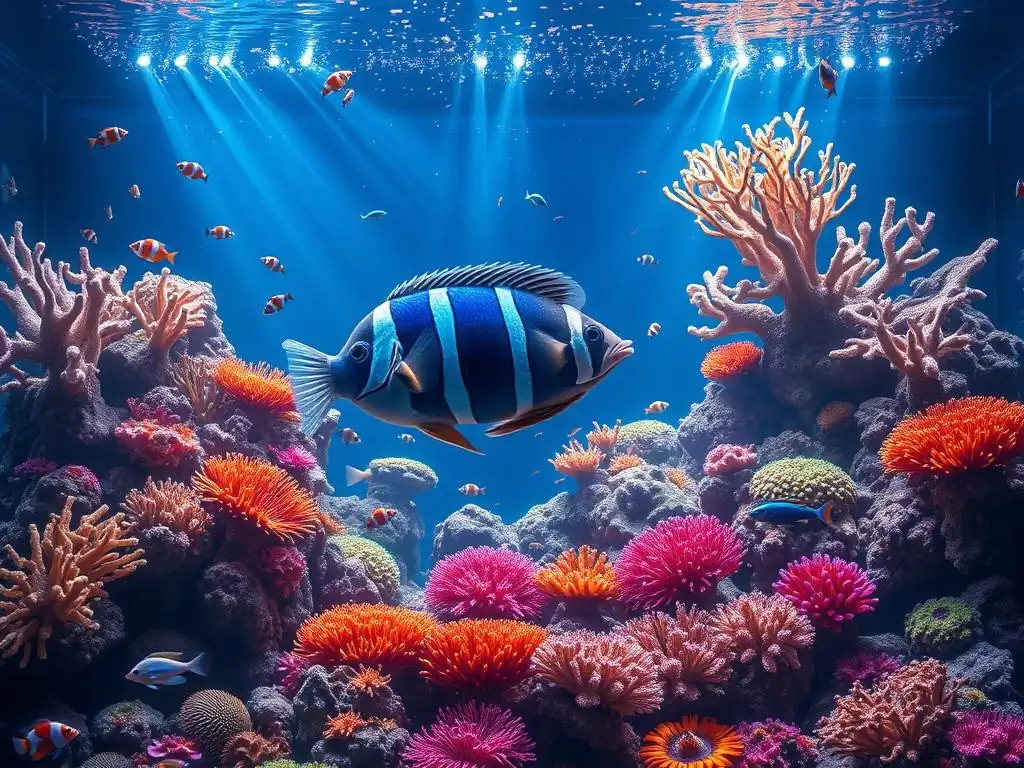
Welcome to Aquarium Mastery, where your aquatic ambitions take shape! Ever wondered if that vibrant six line wrasse is truly the perfect addition to your reef tank? Dive in and discover the secrets to successful six line wrasse care, exploring their compatibility and uncovering the key to a harmonious reef environment. Are you ready to unlock the potential of this captivating creature?
- Understanding the Six Line Wrasse: An Introduction to Pseudocheilinus hexataenia
- Six Line Wrasse Care: Creating the Ideal Reef Tank Environment
- Is a Six Line Wrasse Reef Safe? Assessing Compatibility
- Six Line Wrasse Temperament: Understanding Aggression and Tank Mate Selection
- Six Line Wrasse Health and Disease: Common Issues and Prevention
- The Six Line Wrasse: A Balanced Perspective on Reef Tank Suitability
- Frequently Asked Questions
- Final Reflection: Harmony in the Reef
- Unleash Your Reef's Potential: Take Control Now!
Understanding the Six Line Wrasse: An Introduction to Pseudocheilinus hexataenia
What is a Six Line Wrasse? Identifying Key Characteristics
The Six Line Wrasse, scientifically known as Pseudocheilinus hexataenia, is a small, vibrant marine fish highly sought after by reef aquarists. Its common name is derived from the six distinct horizontal lines, typically orange or yellow, that run along its deep purple to blue body. These striking markings, combined with a characteristic black ocellus (eyespots) near the caudal fin, make it easily identifiable. The fish's torpedo-shaped body and darting movements are also key visual cues.
This species typically reaches an adult size of about 2.5 to 3 inches (approximately 6 to 8 centimeters) in captivity, making it a suitable inhabitant for many home aquariums. Its relatively small stature belies a surprisingly active and sometimes feisty personality, which is crucial for understanding its long-term six line wrasse care requirements. The Pseudocheilinus hexataenia is a visually appealing addition, bringing a dynamic splash of color and movement to a well-maintained reef tank.
Natural Habitat and Behavior of the Six Line Wrasse in the Wild
In its natural environment, the Six Line Wrasse is widely distributed across the Indo-Pacific region, inhabiting coral-rich areas from the Red Sea to Fiji and the Great Barrier Reef. They are typically found in shallow to moderate depths, often associating with rubble zones, branching corals, and rocky crevices where they can dart in and out for shelter. Their natural habitat provides ample hiding spots and foraging grounds.
These wrasses are primarily solitary or found in small, loose aggregations, spending their days actively foraging among live rock and coral for tiny invertebrates. Their diet in the wild consists largely of small crustaceans, copepods, flatworms, and other minute organisms found within the reef ecosystem. This natural predatory behavior is a significant factor in their appeal to aquarists looking for a biological pest control solution, a key aspect of comprehensive six line wrasse care.
Six Line Wrasse Size and Lifespan in Captivity
The typical adult size of a Six Line Wrasse in a home aquarium ranges from 2.5 to 3 inches (6-8 cm), though some individuals may slightly exceed this in exceptionally large and stable environments. This modest size makes them suitable for tanks as small as 20-30 gallons, provided other six line wrasse care parameters are met. Their growth rate is relatively slow, reaching full size within 1-2 years under optimal conditions.
With proper six line wrasse care, including a stable environment, high-quality diet, and good water parameters, these fish can live for a surprisingly long time. The average lifespan observed in captivity is between 5 to 7 years, with some well-documented cases of individuals thriving for up to 10 years or more. Longevity is directly linked to the quality of their captive environment and the diligence of the aquarist in providing consistent and attentive six line wrasse care.
Six Line Wrasse Care: Creating the Ideal Reef Tank Environment
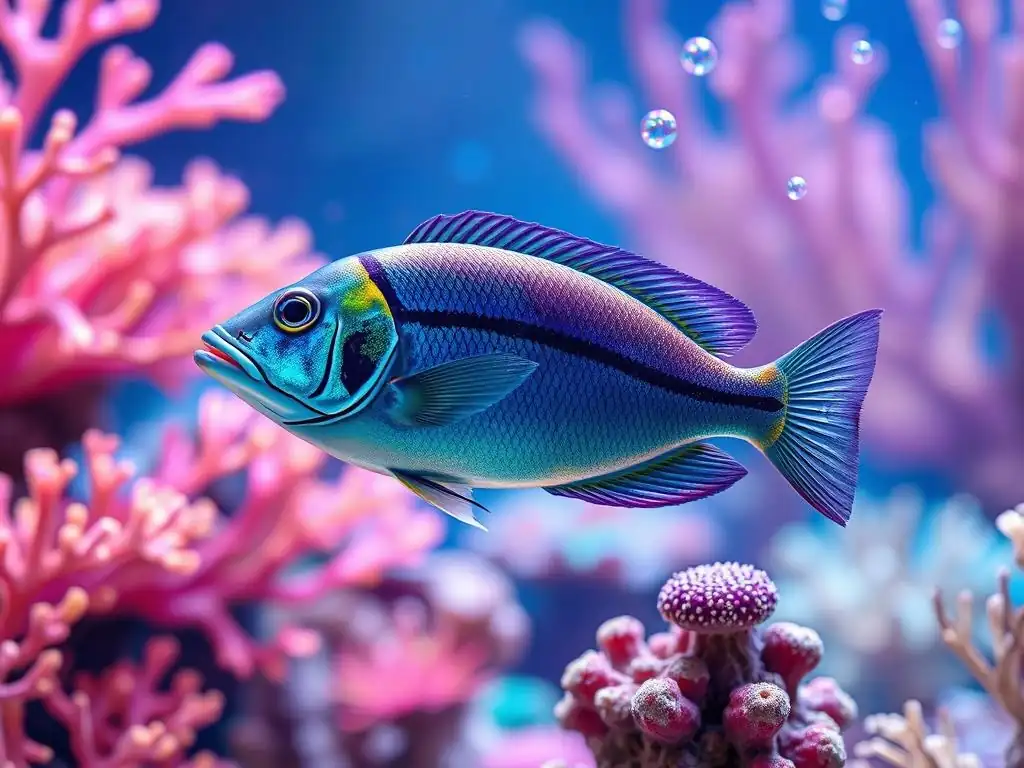
Essential Six Line Wrasse Tank Requirements: Size, Water Parameters, and Equipment
Providing the correct environment is fundamental to effective six line wrasse care. A minimum tank size of 20-30 gallons (approximately 75-115 liters) is recommended for a single Six Line Wrasse, though a larger tank of 50 gallons or more is preferable for long-term health and to mitigate potential aggression in a community setting. Crucially, the tank must have an abundance of live rock structured with numerous crevices, caves, and overhangs, offering ample hiding spots and foraging opportunities. These fish are known jumpers, so a tight-fitting lid is an absolute necessity to prevent escapes.
Maintaining stable and appropriate water parameters is paramount for robust six line wrasse care. The ideal temperature range is 72-78°F (22-26°C), with a specific gravity of 1.023-1.026. The pH should be stable between 8.1 and 8.4, and standard reef aquarium parameters for alkalinity (8-12 dKH), calcium (400-450 ppm), and magnesium (1250-1350 ppm) should be upheld. Essential equipment includes a reliable heater, adequate lighting for a reef environment, and robust filtration, often incorporating a protein skimmer to manage organic waste and maintain pristine water quality, which is vital for their delicate health.
Diet and Feeding Habits of Pseudocheilinus hexataenia: What to Feed Your Wrasse
The Six Line Wrasse is primarily carnivorous, and a varied diet is crucial for comprehensive six line wrasse care and long-term health. In the wild, their diet consists of small invertebrates, including copepods, amphipods, and various flatworms. In captivity, their diet should mimic this, consisting of high-quality frozen foods such as mysis shrimp, enriched brine shrimp, finely chopped krill, and other marine-based preparations. They will also readily accept high-quality marine flakes and pellets, particularly those formulated for carnivorous fish.
It is recommended to feed your Six Line Wrasse two to three times a day in small portions to ensure they receive adequate nutrition without overfeeding. Because they are active foragers, they will also spend a significant portion of their day picking at live rock, consuming microfauna. While they are known for their pest-controlling abilities, relying solely on tank pests for their diet is not sufficient; a consistent and varied supplemental feeding regimen is essential for optimal six line wrasse care and overall vitality.
Maintaining Optimal Water Quality for Six Line Wrasse Health
Pristine and stable water quality is a cornerstone of successful six line wrasse care. Regular water changes are critical, with a recommended schedule of 10-20% every two weeks or 5-10% weekly, depending on tank bioload and nutrient export capabilities. Consistent monitoring of key parameters—temperature, salinity, pH, ammonia, nitrite, and nitrate—is essential to detect and correct any deviations promptly. Ammonia and nitrite should always be undetectable, and nitrates should be kept as low as possible, ideally below 10-20 ppm for a healthy reef environment.
Effective mechanical and biological filtration, often supplemented by a protein skimmer, is vital for removing organic waste and maintaining low nutrient levels. Good water circulation is also important to prevent dead spots and ensure adequate oxygenation throughout the tank. A mature, well-established aquarium with stable parameters significantly reduces stress on the Six Line Wrasse, minimizing susceptibility to disease and promoting robust health as part of dedicated six line wrasse care.
Is a Six Line Wrasse Reef Safe? Assessing Compatibility
Six Line Wrasse and Corals: Potential Interactions and Risks
The Six Line Wrasse is generally considered "reef safe" with the vast majority of corals, making it a popular choice for mixed reef aquariums. Unlike some larger wrasse species that may nip at or consume coral polyps, Pseudocheilinus hexataenia typically ignores both Large Polyp Stony (LPS) and Small Polyp Stony (SPS) corals. Their natural diet primarily consists of small invertebrates, and they do not view corals as a food source.
While rare, there have been isolated reports of Six Line Wrasses occasionally nipping at certain soft corals, such as zoanthids or palythoas, especially if they are very hungry or if the corals are mistaken for a potential prey item. However, such instances are infrequent and usually do not cause significant damage to established coral colonies. For the most part, aquarists can introduce a Six Line Wrasse into a coral-dominated tank with high confidence, focusing more on their beneficial pest-controlling attributes than on potential coral harm.
Six Line Wrasse and Invertebrates: Shrimp, Snails, and Other Tank Mates
When considering the compatibility of a Six Line Wrasse with invertebrates, a degree of caution is warranted, particularly with smaller, more delicate species. While they generally coexist peacefully with most clean-up crew members like turbo snails, hermit crabs, and larger conch species, very small snails or newly introduced, tiny shrimp might occasionally be perceived as a meal. For instance, tiny copepods and amphipods are a natural part of their diet, and any similarly sized invertebrate could be at risk.
Larger ornamental shrimp, such as Skunk Cleaner Shrimp ( Lysmata amboinensis) or Blood Red Fire Shrimp ( Lysmata debelius), are typically safe from a Six Line Wrasse as they are too large to be considered prey. However, smaller species like Sexy Shrimp ( Thor amboinensis) or very small Peppermint Shrimp ( Lysmata wurdemanni) could potentially become targets, especially if the wrasse is particularly aggressive or underfed. Monitoring interactions closely during the initial introduction period is a key aspect of responsible six line wrasse care.
Six Line Wrasse as a Pest Controller: Dealing with Flatworms and Nuisance Pests
One of the most compelling reasons aquarists consider adding a Six Line Wrasse to their reef tank is its reputation as an effective biological pest controller. This species is highly regarded for its voracious appetite for nuisance flatworms, particularly the common Red Planaria ( Convolutriloba retrogemma). While not a guaranteed eradication solution, many aquarists report significant reductions in flatworm populations after introducing a Six Line Wrasse, often seeing results within a few days to weeks.
Beyond flatworms, Six Line Wrasses are also known to prey on pyramid snails, which are notorious pests of clams, and can help control certain parasitic flukes or trematodes. Their constant foraging behavior among the live rock helps to keep the population of various micro-invertebrate pests in check. While they are a valuable tool in integrated pest management for the reef aquarium, it's important to remember that their effectiveness can vary between individual fish, and they should not be the sole solution for severe infestations.
Six Line Wrasse Temperament: Understanding Aggression and Tank Mate Selection
Potential Six Line Wrasse Aggression: Identifying Problematic Behaviors
Despite their small size, Six Line Wrasses can exhibit a surprisingly assertive and territorial temperament, which is a critical consideration for six line wrasse care. Their aggression is often directed towards smaller, more docile fish, or those with similar body shapes and swimming patterns, such as gobies, blennies, dartfish, or even other small wrasses. They may also show aggression towards new additions to the tank, especially if they were the last fish introduced and have established their territory.
Signs of aggression can include persistent chasing, fin nipping, preventing tank mates from accessing food, or constantly harassing specific individuals. This behavior is often more pronounced in smaller tanks (under 30 gallons) where space is limited and hiding spots are scarce. While some individuals remain peaceful, others can become quite problematic, necessitating careful tank mate selection and proactive management strategies to ensure a harmonious environment for all inhabitants.
Choosing Compatible Tank Mates for Your Six Line Wrasse
Selecting appropriate tank mates is vital for minimizing aggression and ensuring successful six line wrasse care. Ideal companions are larger, more robust, and semi-aggressive fish that can hold their own without being overly dominant. Good choices often include most clownfish species, dwarf angelfish (such as Flame Angels or Coral Beauties), certain tangs (in adequately sized tanks), and larger, more assertive gobies like Diamond Watchman Gobies.
Fish to avoid include very small, shy, or docile species that could be easily intimidated or harassed, such as small dartfish, cardinalfish, or tiny blennies. It is also generally ill-advised to house a Six Line Wrasse with other wrasses, especially those of similar size or shape, as inter-species aggression is highly probable. Introducing the Six Line Wrasse as one of the last fish into the aquarium can sometimes help reduce territorial disputes, allowing other inhabitants to establish themselves first.
Managing Aggression in Six Line Wrasse: Tips and Strategies
If aggression becomes an issue with your Six Line Wrasse, several strategies can be employed to mitigate the behavior and improve overall tank harmony. Firstly, ensure the aquarium provides ample live rock with numerous hiding spots, caves, and visual barriers. This helps break up sight lines and allows targeted fish to escape harassment, reducing stress for all inhabitants. Adequate tank size is also crucial; smaller tanks exacerbate territorial behavior.
Introducing the Six Line Wrasse last into a community tank can sometimes help, as other fish will have already established their territories. Keeping only one Six Line Wrasse per aquarium is highly recommended, as they are typically not compatible with conspecifics unless in extremely large systems (e.g., 100+ gallons) with very specific pair introduction methods. If aggression persists and poses a significant threat to other tank mates, rearranging the rockwork to disrupt established territories or, in extreme cases, removing the wrasse may be necessary.
Six Line Wrasse Health and Disease: Common Issues and Prevention
Recognizing Symptoms of Illness in Six Line Wrasses
Early detection of illness is crucial for effective six line wrasse care. A healthy Six Line Wrasse is typically active, constantly foraging, and displays vibrant coloration. Any deviation from this normal behavior should prompt closer inspection. Symptoms of illness can include a noticeable loss of appetite or refusal to eat, which is often one of the first indicators. Lethargy, spending excessive time hiding, or a general lack of activity are also red flags.
Visual cues of disease might manifest as dulling of the typically bright colors, the appearance of spots (white, black, or red), cloudy eyes, or visible lesions on the body. Labored breathing, indicated by rapid gill movement, suggests respiratory distress. Additionally, scratching against rocks or substrate, often referred to as "flashing," can be a sign of external parasites or irritation. Prompt identification of these symptoms allows for timely intervention and improves the chances of successful treatment.
Common Diseases Affecting Six Line Wrasses and Their Treatment
Six Line Wrasses, like many marine fish, can be susceptible to common saltwater diseases, particularly if stressed or introduced into an unstable environment. Marine Ich (Cryptocaryon irritans) presents as small white spots resembling salt grains on the body and fins, often accompanied by flashing and labored breathing. It can be treated with copper-based medications or hyposalinity in a quarantine tank. Velvet (Amyloodinium ocellatum) is another common parasitic infection, appearing as a fine, dusty coating, and progresses much faster than Ich, requiring immediate treatment with copper or formalin-based medications.
Bacterial infections often manifest as fin rot, cloudy eyes, or open sores and are frequently secondary to stress or injury. These typically require broad-spectrum antibiotics, often administered via medicated foods or baths. Internal parasites may cause weight loss despite a healthy appetite and can be addressed with medicated foods containing anthelmintics. A proactive approach to six line wrasse care, including a strict quarantine protocol for all new fish, significantly reduces the risk of introducing and spreading diseases.
Proactive Health Management for a Thriving Six Line Wrasse
Proactive health management is the cornerstone of long-term six line wrasse care. The most effective preventative measure is maintaining stable, pristine water parameters within the recommended ranges. Fluctuations in temperature, salinity, or pH, as well as elevated ammonia or nitrite levels, cause significant stress that weakens a fish's immune system, making it more vulnerable to disease. Regular water testing and consistent water changes are therefore non-negotiable.
Providing a high-quality, varied diet ensures that your Six Line Wrasse receives all necessary nutrients, bolstering its immune system. Minimizing stress through appropriate tank mates and an adequately sized aquarium with plenty of hiding spots is also crucial. Perhaps the most impactful proactive measure is the use of a quarantine tank (QT) for all new fish. Housing new arrivals in a separate QT for 4-6 weeks allows for observation, deworming, and treatment of any potential diseases before they are introduced to the main display tank, preventing the spread of pathogens and safeguarding the health of all existing inhabitants.
The Six Line Wrasse: A Balanced Perspective on Reef Tank Suitability
The Pros and Cons of Keeping a Six Line Wrasse in a Reef Tank
The Six Line Wrasse presents a compelling set of advantages and disadvantages for the reef aquarist, requiring a balanced perspective for optimal six line wrasse care. On the positive side, their vibrant coloration and active, darting movements add dynamic beauty to any reef tank. They are relatively hardy once acclimated and, most notably, are highly valued for their ability to act as natural pest controllers, voraciously preying on nuisance flatworms and pyramid snails, which can be a significant benefit in a coral-rich environment.
However, there are notable drawbacks. Their potentially aggressive and territorial nature, especially in smaller tanks (under 30 gallons) or with specific tank mates, can lead to stress or harm for more docile or similarly shaped fish. They can also be challenging to catch if removal becomes necessary, due to their speed and ability to hide deep within rockwork.
While generally considered reef safe, a very small risk to delicate invertebrates or certain soft corals exists, although this is rare. A thorough understanding of these pros and cons is vital for making an informed decision about their inclusion in your aquarium.
Alternative Reef-Safe Fish Options for Pest Control
While the Six Line Wrasse is a popular choice for pest control, particularly for flatworms, aquarists have several alternative reef-safe options depending on the specific pest they aim to target. For flatworm control, some aquarists turn to certain nudibranch species, such as the Blue Velvet Nudibranch ( Chelidonura varians), though these are highly specialized feeders and often have short lifespans once their food source is depleted. Another option, albeit with very specific feeding requirements, is the Mandarin Dragonet ( Synchiropus splendidus), which consumes copepods and amphipods, indirectly competing with flatworms for food.
For Aiptasia anemone control, Peppermint Shrimp ( Lysmata wurdemanni) are a common choice, though their effectiveness can vary significantly between individuals. Berghia Nudibranchs ( Berghia verruciformis) are a highly specialized biological control for Aiptasia, but they exclusively eat Aiptasia and will starve once the pest is gone.
For general clean-up and algae control, various snails (e.g., Turbo, Nerite, Trochus) and hermit crabs are excellent, non-aggressive choices. It is crucial to remember that no single biological solution is foolproof, and often, a combination of manual removal, biological controls, and, if necessary, targeted chemical treatments provides the most comprehensive pest management strategy.
Making an Informed Decision: Is a Six Line Wrasse Right for Your Aquarium?
Deciding whether a Six Line Wrasse is suitable for your aquarium requires careful consideration of several factors, integrating comprehensive six line wrasse care knowledge. Firstly, evaluate your tank size: a minimum of 20-30 gallons is needed for a single specimen, but larger tanks (50+ gallons) are highly recommended to mitigate aggression and provide ample space for its active nature. Secondly, assess your current and planned tank mates. If you have very small, peaceful, or similarly shaped fish, a Six Line Wrasse might not be the best fit.
Consider your primary goals for adding this fish. Is pest control a significant need in your reef tank, or are you simply looking for a colorful addition? Understand that while they can be excellent pest controllers, their temperament can be a challenge for some community setups. Finally, be prepared for the potential need to manage aggression and ensure a stable, well-structured environment with plenty of hiding spots. An informed decision, based on a thorough understanding of their specific six line wrasse care requirements and potential behaviors, will lead to a more successful and harmonious reef aquarium experience.
Frequently Asked Questions
How difficult is Six Line Wrasse care for a beginner aquarist?
Six Line Wrasses are generally considered easy to care for, making them suitable for aquarists with some experience. However, they require a stable and well-established reef tank environment and careful monitoring.
What are the ideal water parameters for a Six Line Wrasse?
The ideal water parameters for a Six Line Wrasse include a temperature of 72-78°F, a specific gravity of 1.023-1.025, and a pH of 8.1-8.4. Maintaining stable water chemistry is crucial for their health.
What do Six Line Wrasses eat, and how often should they be fed?
Six Line Wrasses are carnivores and primarily eat small invertebrates. They should be fed a varied diet of high-quality frozen and live foods at least twice a day.
Are Six Line Wrasses reef safe?
This is a complex question! While they can be beneficial by eating pests like flatworms, they sometimes nip at corals and other invertebrates, making them potentially not reef safe depending on the specific inhabitants of your tank.
What size tank is recommended for a Six Line Wrasse?
A minimum tank size of 30 gallons is recommended for a single Six Line Wrasse. This provides sufficient space for them to swim and establish a territory.
Final Reflection: Harmony in the Reef
The intricacies of reef tank ecosystems, as explored through the lens of six line wrasse care, are not merely academic exercises; they are reflections of our responsibility as stewards of these delicate environments. Understanding the potential impact of introducing any species, even one as seemingly benign as the six line wrasse, underscores the importance of informed decision-making in maintaining a balanced and thriving reef.
The six line wrasse, with its vibrant colors and active personality, often captivates aquarists. However, its compatibility within a reef tank is a nuanced issue that demands careful consideration, reminding us that beauty alone is not enough. The question is not, 'Can they reason?' nor, 'Can they talk?' but rather, 'Can they suffer?'
This quote, often attributed to Jeremy Bentham, resonates deeply when considering the well-being of all inhabitants within our miniature underwater worlds.
As we conclude this exploration of six line wrasse care, I invite you to reflect on the broader implications of our choices. Consider how your actions, however small, can contribute to the health and vitality of these precious ecosystems. Let us all strive to be responsible reef keepers, prioritizing the well-being of every creature under our care, ensuring that our aquariums are not just visually stunning, but also havens of harmony and balance.
Unleash Your Reef's Potential: Take Control Now!
Thanks for diving into the world of Six Line Wrasses! Hopefully, you now feel more equipped to make the best decision for your reef ecosystem. Now it's time to translate that knowledge into action.
Here's how you can take the next step:
- Carefully observe your tank and current inhabitants for any potential compatibility issues before introducing a Six Line Wrasse. This will help prevent aggression and ensure a harmonious environment.
- Share this article with fellow reef keepers and spark a conversation! Maybe someone has a Six Line Wrasse success story (or cautionary tale) to share.
- Brainstorm three alternative pest control methods for your reef tank, beyond introducing a Six Line Wrasse, and research their pros and cons.
What specific concerns about Six Line Wrasse compatibility are still keeping you up at night? Share your thoughts below!