
Are Lionfish Reef Safe? The Hard Truth for Coral Enthusiasts

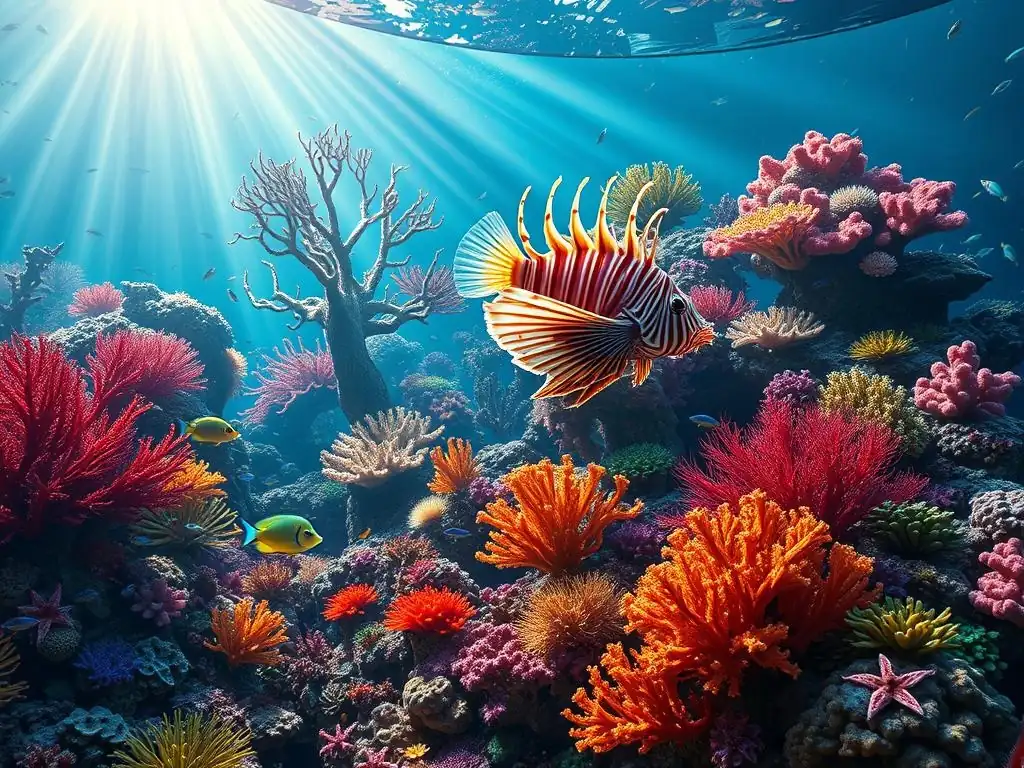
Welcome to Aquarium Mastery!
Curious about adding a majestic Lionfish to your reef tank? Are they really reef safe, though? Dive into our comprehensive guide, "Are Lionfish Reef Safe? The Hard Truth for Coral Enthusiasts," and uncover the surprising realities about keeping these stunning predators alongside your precious corals. Explore the potential risks, explore alternatives, and gain the knowledge you need to make the right choice for your saltwater aquarium. Let's unravel the mystery together!
- Understanding Lionfish and Reef Ecosystems
- The Truth About Lionfish in Reef Tanks: Are They Reef Safe?
- Mitigation Strategies: Can Lionfish Be Kept Responsibly in Reef Tanks?
- Alternative Approaches: Dedicated Lionfish Aquariums
- Conclusion: Responsible Lionfish Keeping for Coral Enthusiasts
-
Frequently Asked Questions
- Are Lionfish truly reef safe, considering their predatory nature?
- Are there any Lionfish species that are considered less of a threat to a reef environment?
- What size tank is generally required to house a Lionfish responsibly, minimizing the risk to other tank mates?
- What types of fish and invertebrates are most vulnerable to predation by Lionfish in a reef tank?
- If I already have a reef tank, what are the ethical considerations of adding a Lionfish?
- Final Reflection: Navigating the Lionfish Dilemma
- Dive Deeper: Explore the Ocean's Next Chapter!
Understanding Lionfish and Reef Ecosystems
What are Lionfish and Where Do They Come From?
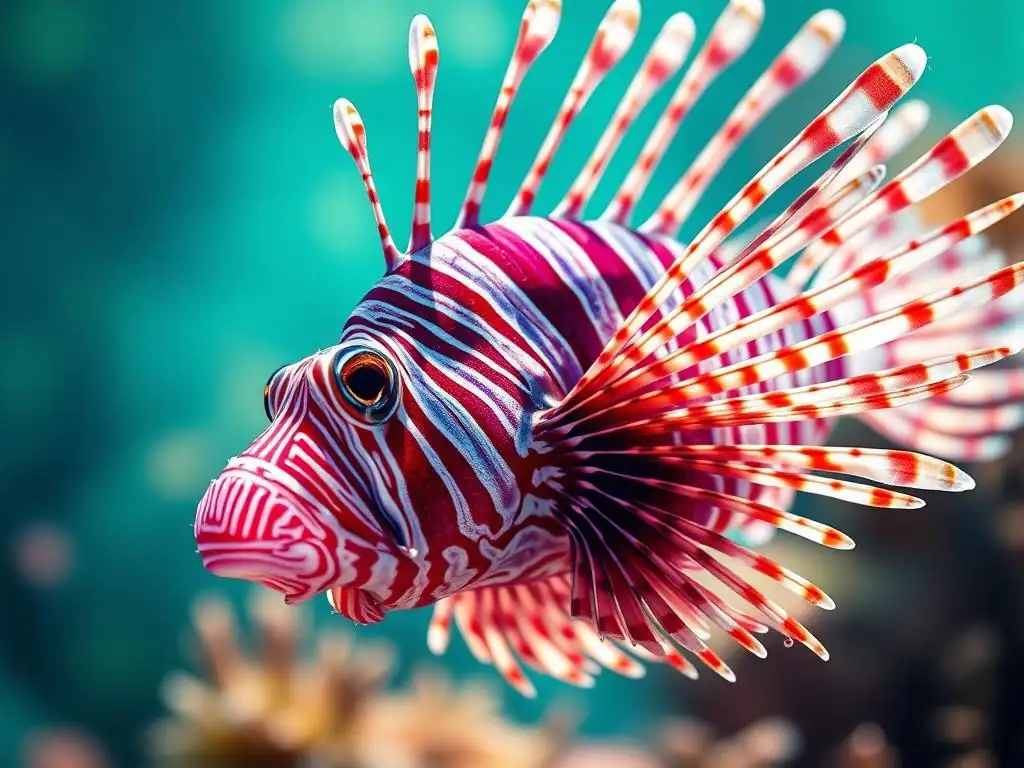
Lionfish, primarily species within the Pterois genus such as Pterois volitans (red lionfish) and Pterois miles (devil firefish), are striking marine predators instantly recognizable by their elaborate, venomous spines and banded coloration. These captivating fish are native to the vast Indo-Pacific region, spanning from the Red Sea and East Africa across to Japan, Australia, and the South Pacific islands. In their natural habitat, they are often found lurking in rocky crevices, under ledges, and among coral formations on shallow reefs, ambushing unsuspecting prey.
Their distinctive appearance serves both as camouflage and a warning, with their venomous dorsal, anal, and pelvic fins capable of delivering painful stings. Despite their beauty, these fish are highly efficient hunters, relying on their slow, deliberate movements to corner prey before a lightning-fast strike. This predatory nature is a fundamental aspect of their biology, a characteristic that remains constant whether they are in the wild or within the confines of a home aquarium.
The Delicate Balance of a Coral Reef Ecosystem
Coral reef ecosystems are among the most biodiverse and complex habitats on Earth, often referred to as the "rainforests of the sea." They are intricate webs of life where thousands of species of fish, invertebrates, and microorganisms coexist in a delicate balance. Corals themselves, which are colonies of tiny polyps, form the foundational structure, providing shelter, food, and breeding grounds for a vast array of marine life. This interconnectedness means that each species plays a vital role, from herbivorous fish that graze algae, preventing it from overgrowing corals, to predatory fish that help regulate prey populations.
The stability of a coral reef hinges on this precise equilibrium. Factors like water chemistry, temperature, light, and the presence of specific species all contribute to its health. Any significant disruption, such as the introduction of a new, highly efficient predator or a drastic change in water parameters, can have cascading negative effects throughout the entire ecosystem. Maintaining this balance in a closed aquarium environment is a primary goal for any responsible aquarist, especially when considering the intricate requirements of a thriving coral reef tank.
Why Lionfish Pose a Threat to Reef Environments
Lionfish pose a significant threat to reef environments primarily due to their highly predatory nature and their adaptability, particularly when introduced outside their native range. In regions like the Atlantic and Caribbean, where they are an invasive species, lionfish have decimated native fish populations by as much as 80-90% in some areas, consuming juvenile snappers, groupers, and other ecologically important species. Their rapid reproduction rates, lack of natural predators in these new environments, and insatiable appetites allow them to outcompete native predators and disrupt local food webs.
While an aquarium is a closed system and a lionfish cannot become "invasive" in the traditional sense, their inherent predatory instincts remain unchanged. They are opportunistic feeders that will consume any fish or invertebrate small enough to fit into their surprisingly large mouths.
This poses a direct and constant threat to the diverse community of small fish, shrimp, crabs, and other invertebrates that make up a typical coral reef aquarium. The very behavior that makes them successful in the wild makes them problematic for maintaining the delicate balance and biodiversity of a carefully curated reef tank, making the concept of "lionfish reef safe options" a complex dilemma.
The Truth About Lionfish in Reef Tanks: Are They Reef Safe?
Can Lionfish Coexist with Corals? Examining the Reality
When considering if lionfish are truly "reef safe," it's crucial to understand their direct impact on corals. The good news for coral enthusiasts is that lionfish are not corallivores; they do not consume coral polyps directly. Therefore, in terms of physical damage to the coral itself, a lionfish poses little to no direct threat. This often leads to the misconception that they are compatible with reef setups, as they won't actively nip at or destroy your prized SPS or LPS colonies.
However, the reality of their coexistence with corals is far more nuanced. While they don't eat corals, their presence and care requirements can indirectly stress a coral reef environment. For instance, lionfish have a heavy bioload, meaning they produce a significant amount of waste.
This can lead to elevated nitrate and phosphate levels, which are detrimental to sensitive corals and can fuel nuisance algae growth. Furthermore, the constant need for large, meaty feedings to satiate a lionfish can further contribute to water quality degradation, making the pursuit of truly "lionfish reef safe options" challenging for the overall health of a thriving coral system.
Lionfish Predatory Behavior: What They Eat in an Aquarium
Lionfish are obligate piscivores and carcinivores, meaning their natural diet consists primarily of small fish and crustaceans. In the wild, they are ambush predators, often observed slowly herding prey into a corner or crevice before a swift, engulfing strike. This highly evolved predatory behavior does not diminish when they are introduced into an aquarium. If a fish or invertebrate is small enough to fit into a lionfish's mouth, it is considered potential prey.
This translates to a wide range of common reef tank inhabitants being at severe risk. Popular choices like small gobies, blennies, chromis, damsels, and even juvenile tangs are all susceptible. Furthermore, the valuable clean-up crew, including cleaner shrimp, peppermint shrimp, hermit crabs, and snails, are often viewed as delectable snacks. Even if regularly fed prepared foods, a lionfish's instinct to hunt live prey is incredibly strong, making the idea of "lionfish reef safe options" for tank mates extremely limited and often leading to significant losses in a mixed reef environment.
The Impact of Lionfish on Small Fish and Invertebrates in Reef Aquariums
The impact of a lionfish on the population of small fish and invertebrates in a reef aquarium can be devastating and rapid. Their efficiency as predators means that a carefully cultivated community of diverse, active fish can quickly diminish to a barren landscape. Imagine a tank that once housed a school of vibrant anthias, a bustling clean-up crew, and various small, peaceful fish; with the introduction of a lionfish, these populations can be systematically eliminated over a matter of weeks or months.
Beyond the direct consumption, the constant threat of predation creates a highly stressful environment for the remaining inhabitants. Small fish will often hide excessively, display muted colors, and may refuse to feed due to fear, leading to their eventual decline even if not directly eaten. This not only results in significant financial losses for the aquarist but also undermines the very purpose of a vibrant, thriving reef tank. The presence of a lionfish fundamentally alters the dynamics of the ecosystem, making it virtually impossible to maintain a traditional mixed reef with true "lionfish reef safe options" for all inhabitants.
Mitigation Strategies: Can Lionfish Be Kept Responsibly in Reef Tanks?
Choosing Appropriate Tank Mates: Minimizing Predation Risks
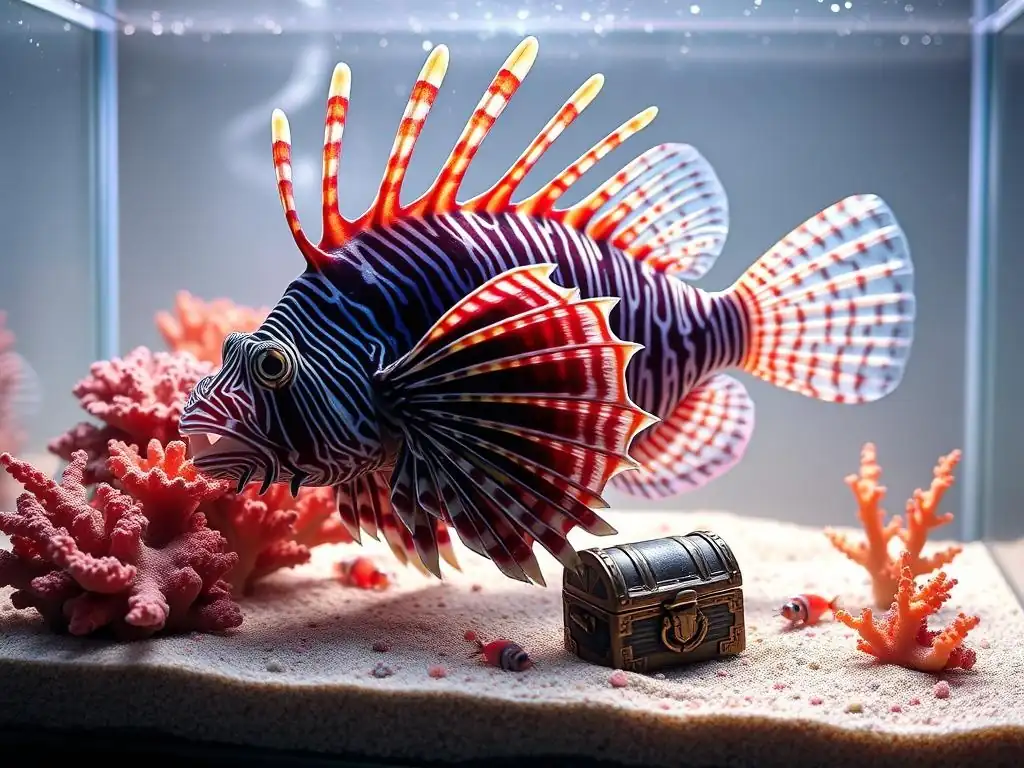
If an aquarist is determined to include a lionfish in a mixed system, the most critical mitigation strategy involves extremely careful tank mate selection. The fundamental rule is to only choose fish that are significantly too large to be consumed by the lionfish.
This typically means selecting species that are at least twice the length of the lionfish's mouth gape, and preferably robust, fast-moving, and not easily intimidated. Examples of potentially compatible, larger tank mates might include sizeable tangs (e.g., Yellow Tangs, Sailfin Tangs), certain large angelfish, or adult triggerfish (though care must be taken that the triggerfish does not become aggressive towards the lionfish).
However, even with these precautions, the "lionfish reef safe options" for tank mates remain severely restricted. All small fish, including popular reef dwellers like clownfish, gobies, blennies, and nearly all members of the clean-up crew (shrimp, crabs, snails), will inevitably become prey. Furthermore, while larger fish might not be eaten, their constant stress from cohabiting with a predator can lead to a less vibrant display and potentially compromise their long-term health. This approach often results in a tank that is more of a "predator tank" with corals, rather than a true mixed reef.
Feeding Strategies to Reduce Predation: A Supplementation Approach
A common strategy employed by aquarists hoping to reduce predation is to keep the lionfish extremely well-fed with prepared foods. The theory is that a satiated lionfish will be less inclined to hunt live prey. This involves offering a varied diet of high-quality frozen foods such as silversides, krill, shrimp, and squid multiple times a day. Some aquarists even use feeding sticks to hand-feed their lionfish, ensuring they receive adequate nutrition and reducing competition with other tank inhabitants.
While consistent and generous feeding can certainly reduce the frequency of predatory strikes, it rarely eliminates the behavior entirely. Lionfish are opportunistic predators, and even a well-fed specimen will often strike at a small, unsuspecting fish if the opportunity arises. Moreover, the increased feeding frequency and volume necessary to keep a lionfish satiated significantly contribute to the tank's bioload. This can lead to elevated nitrates and phosphates, which are detrimental to coral health and can foster nuisance algae growth, thereby compromising the "reef safe" aspect for the corals themselves.
Careful Observation and Intervention: Monitoring Lionfish Behavior
Maintaining a lionfish in a mixed reef setup requires an exceptional degree of vigilance and a willingness to intervene. Aquarists must constantly observe the lionfish's behavior, looking for signs of stalking, aggression, or any missing tank mates. This proactive monitoring is crucial, as lionfish can consume small fish remarkably quickly, often without the aquarist witnessing the act. Regular headcounts of smaller fish and invertebrates are essential to track the lionfish's impact.
Despite diligent observation, intervention options are limited once predation occurs. The only true intervention to prevent further losses is the removal of either the prey species or the lionfish itself. This reality underscores the fundamental incompatibility for many aquarists seeking truly "lionfish reef safe options" for a diverse community tank. The constant need for monitoring and the inevitability of losses often lead to the conclusion that a mixed reef is not the ideal environment for a lionfish, especially if the goal is to maintain a thriving and diverse ecosystem of smaller reef inhabitants.
Alternative Approaches: Dedicated Lionfish Aquariums
Setting Up a Species-Specific Lionfish Tank
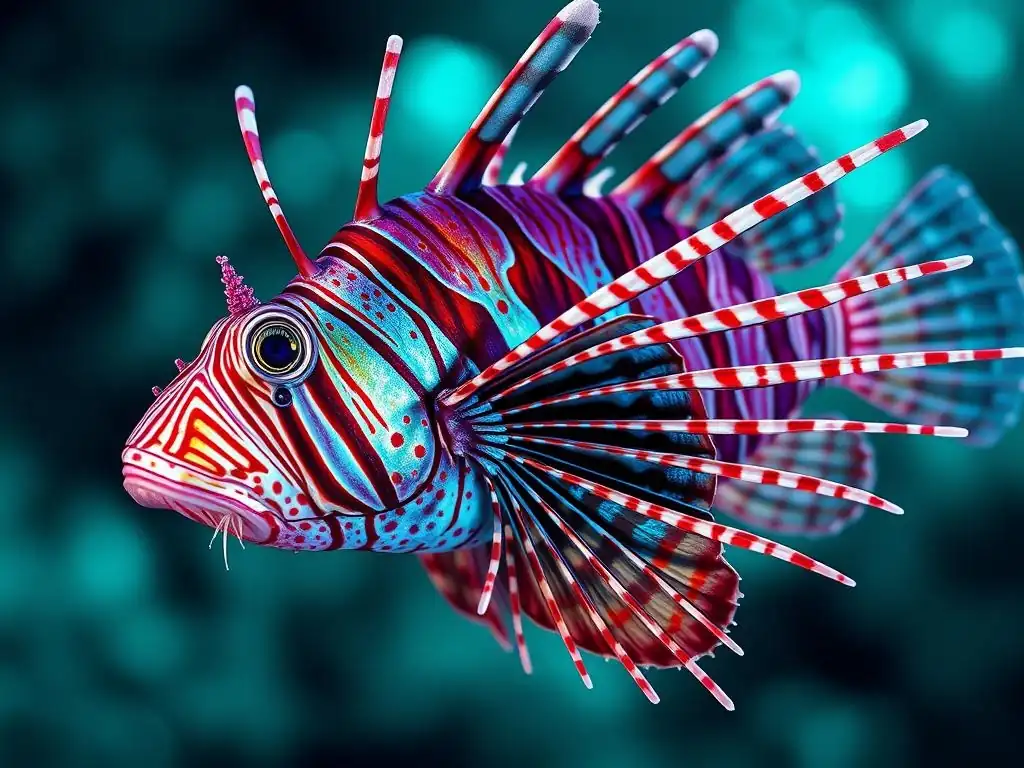
For aquarists captivated by the unique beauty and behavior of lionfish, the most responsible and successful approach is to establish a species-specific lionfish tank. This dedicated setup eliminates the inherent conflict with other fish and invertebrates, allowing the lionfish to thrive without posing a threat to a delicate reef ecosystem. A species-specific tank simplifies feeding routines, as there's no concern about the lionfish consuming expensive tank mates, and it allows the aquarist to focus entirely on the lionfish's specific needs and well-being.
A single adult Pterois volitans typically requires a minimum of 75-100 gallons, while smaller species like Dendrochirus zebra (dwarf zebra lionfish) can be kept in tanks as small as 30 gallons. This dedicated environment ensures that the lionfish has ample space to swim and explore, and it allows for precise control over water parameters without the added complexity of maintaining sensitive corals. This is truly where "lionfish reef safe options" become irrelevant, as the focus shifts to creating the optimal habitat for the lionfish itself.
Tank Design for Lionfish: Creating a Suitable Habitat
Designing a tank specifically for lionfish involves creating an environment that mimics their natural habitat while prioritizing their comfort and safety. Lionfish appreciate plenty of rockwork that provides caves, crevices, and overhangs where they can perch, hide, and ambush prey (even if the "prey" is just their frozen food). Live rock is excellent for biological filtration and aesthetics, but the emphasis should be on structure and hiding places rather than intricate coral placement. A sandy or fine gravel substrate is suitable, as lionfish often rest on the bottom.
Water flow should be moderate, avoiding strong currents that might buffet their delicate fins. Good filtration is paramount, as lionfish have a significant bioload due to their large size and meaty diet. A robust protein skimmer, along with a high-quality biological and mechanical filtration system, is essential to maintain pristine water quality, which is crucial for their long-term health. While not a "lionfish reef safe options" for a mixed tank, this design ensures the lionfish itself is in a safe and appropriate environment.
The Benefits of a Lionfish-Only Aquarium
The benefits of a lionfish-only aquarium are numerous, offering a win-win situation for both the aquarist and the fish. Firstly, it completely eliminates the ethical dilemma and financial drain of predation on other tank inhabitants. Aquarists can enjoy their lionfish's fascinating predatory behaviors without guilt or constant worry about missing fish. Secondly, a dedicated tank allows for optimal care tailored precisely to the lionfish's needs, leading to a healthier, less stressed, and more vibrant specimen. Feeding is simpler, and water parameters can be managed with their specific bioload in mind.
Moreover, a lionfish-only setup allows the aquarist to truly appreciate the unique beauty and personality of these fish without the distractions or compromises of a mixed reef. It represents a responsible approach to keeping a predatory species, aligning with best practices in animal husbandry. By embracing this alternative, aquarists can enjoy the allure of lionfish while upholding the integrity and biodiversity of their coral reef displays, effectively sidestepping the challenges of finding "lionfish reef safe options" in a traditional community setting.
Conclusion: Responsible Lionfish Keeping for Coral Enthusiasts
Balancing Fascination with Responsibility
The allure of the lionfish is undeniable, with its striking appearance and captivating predatory grace. For many aquarists, the desire to include such a unique creature in their home aquarium is strong. However, the hard truth for coral enthusiasts and those passionate about diverse reef ecosystems is that lionfish, by their very nature, are not genuinely "reef safe" in the traditional sense of a mixed community tank. Their powerful predatory instincts, coupled with a significant bioload, fundamentally conflict with the delicate balance and small, peaceful inhabitants that define a thriving coral reef aquarium.
Responsible aquarism demands a balance between fascination and ethical responsibility. This means making informed decisions that prioritize the well-being of all living creatures within the aquarium system. While it's tempting to seek "lionfish reef safe options" that allow for coexistence, the reality often leads to compromises that are detrimental to either the lionfish, the corals, or the other fish and invertebrates. Acknowledging this reality is the first step towards truly responsible keeping.
The Future of Lionfish in the Aquarium Hobby
The future of lionfish in the aquarium hobby lies in education and a shift towards more species-appropriate setups. As aquarists become more knowledgeable about the specific needs and behaviors of these fascinating predators, the trend is moving away from attempts to force them into incompatible mixed reefs. Instead, dedicated lionfish aquariums or very large, predator-specific tanks are emerging as the preferred and most successful method for keeping these fish.
This shift not only ensures the welfare of the lionfish but also promotes healthier, more stable reef tanks for those who wish to keep corals and smaller reef inhabitants. By understanding that "lionfish reef safe options" are largely contradictory for a vibrant, diverse reef, the hobby can continue to evolve towards more specialized and ethical practices, allowing enthusiasts to enjoy the beauty of lionfish without compromising the integrity of other aquarium ecosystems.
Resources for Further Research on Lionfish Care and Reef Conservation
For aquarists committed to responsible lionfish keeping or seeking to deepen their understanding of reef conservation, continuous research is vital. Reputable aquatic forums, university marine biology departments, and established aquarium literature offer invaluable insights into the specific care requirements of Pterois species, including their diet, tank size needs, and common health issues. Organizations dedicated to marine conservation can provide further context on the broader ecological impacts of lionfish, particularly in invasive regions.
Exploring detailed species profiles beyond general information is crucial for any hobbyist considering a lionfish. Understanding their adult size, temperament variations between species, and long-term care commitments will help in making an informed decision. By consulting a variety of trusted resources, aquarists can ensure they are well-prepared to provide the best possible environment for their lionfish, whether in a dedicated tank or as part of a carefully planned predator-only setup, thereby contributing positively to both the hobby and marine awareness.
Frequently Asked Questions
Are Lionfish truly reef safe, considering their predatory nature?
Lionfish are not reef safe in the traditional sense. They are opportunistic predators and will consume smaller fish and invertebrates that inhabit reef tanks.
Are there any Lionfish species that are considered less of a threat to a reef environment?
While no Lionfish is completely harmless, the Dwarf Lionfish (Dendrochirus brachypterus) is sometimes considered a slightly better option, but still poses a significant risk to smaller inhabitants.
What size tank is generally required to house a Lionfish responsibly, minimizing the risk to other tank mates?
A larger tank is crucial. Generally, a 75-gallon tank is the minimum for a single Dwarf Lionfish, and 125 gallons or more is recommended for larger species to provide ample space and dilute waste.
What types of fish and invertebrates are most vulnerable to predation by Lionfish in a reef tank?
Small fish like gobies, blennies, and clownfish, as well as invertebrates such as shrimp, crabs, and snails, are highly susceptible to being eaten by Lionfish.
If I already have a reef tank, what are the ethical considerations of adding a Lionfish?
Adding a Lionfish to an existing reef tank could lead to the loss of existing inhabitants. Consider whether you are prepared to remove or rehome vulnerable species before introducing a Lionfish.
The exploration of whether lionfish can ever truly be considered "reef safe" highlights a complex and evolving challenge for coral reef ecosystems. While the article has delved into various management strategies and potential solutions, the undeniable truth remains that lionfish pose a significant threat, demanding continuous vigilance and innovative approaches to mitigate their impact.
The ongoing lionfish invasion has profoundly altered the underwater landscape, impacting biodiversity and the delicate balance of coral reef ecosystems. This situation underscores the crucial responsibility we have to understand and address the consequences of our actions, both intentional and unintentional, on the natural world. In the end, we will conserve only what we love; we will love only what we understand; and we will understand only what we are taught.
- Baba Dioum. This quote reminds us that education and awareness are paramount in fostering a sense of stewardship and driving meaningful change.
As we conclude this discussion, I invite you to reflect on your own role in protecting our coral reefs. Consider how you can contribute to responsible aquarium practices, support conservation efforts, and advocate for policies that promote the health and resilience of these vital ecosystems. Let us all strive to be informed stewards, working together to ensure a future where coral reefs can thrive, even in the face of the lionfish challenge.
Dive Deeper: Explore the Ocean's Next Chapter!
Thank you for exploring the complex world of lionfish and their impact on coral reefs. Now that you're equipped with this knowledge, let's turn understanding into action. Here are some ways you can help:
- Support responsible diving and spearfishing initiatives that target lionfish populations in affected areas. This is the most direct way to help coral reefs recover.
- Share this article with fellow aquarium enthusiasts and divers to raise awareness about the lionfish threat. The more people who understand the issue, the better.
- Consider learning about local reef conservation efforts and volunteering your time or donating to support their work.
What steps will you take this week to advocate for healthier reef ecosystems?