
Feeding Fussy Predators: Advanced Techniques for Stubborn Saltwater Eaters

Welcome to Aquarium Mastery!
Ever wondered why your prized saltwater predator is turning its nose up at dinner? Unlocking the secret to successful saltwater fish feeding is more than just dropping food in the tank. Dive into our latest article, " Feeding Fussy Predators: Advanced Techniques for Stubborn Saltwater Eaters," and discover the expert saltwater fish feeding tips that will transform even the pickiest eaters into ravenous reef inhabitants. Ready to master the art of the saltwater feeding frenzy? Let's get started!
- Understanding Fussy Eating Habits in Saltwater Predators
- Saltwater Fish Feeding Tips: Overcoming Stubborn Eating Behaviors
- Advanced Feeding Techniques for Predatory Saltwater Fish
- Expanding the Palate: Introducing Variety in Saltwater Predator Diets
- Addressing Specific Feeding Challenges in Common Predatory Species
- Recognizing and Treating Malnutrition in Saltwater Predators
- Maintaining Long-Term Feeding Success in Your Predatory Saltwater Tank
-
Frequently Asked Questions
- How do I get my fussy predator fish to eat in my saltwater aquarium?
- What are some good live food options for picky saltwater fish?
- How important is water quality when trying to get a fish to eat?
- What if my fish only accepts one type of food?
- How often should I be attempting to feed a picky predator fish?
- Final Reflection: Cultivating a Thriving Reef Ecosystem
- Unleash the Feeding Frenzy: Transform Your Fussy Eaters!
Understanding Fussy Eating Habits in Saltwater Predators
Identifying Common Causes of Feeding Refusal in Predatory Fish
One of the primary reasons predatory saltwater fish refuse food is stress, often induced by their new environment or transportation. A newly acquired Lionfish ( Pterois volitans), for instance, might hide and refuse food for several days to over a week after being introduced to a new aquarium. This initial refusal is a natural response to unfamiliar surroundings, fluctuating water parameters during transit, or the presence of perceived threats from tank mates. It's crucial to provide ample hiding spots and a calm environment to minimize this stress and encourage a quicker acclimation period.
Beyond environmental stress, a significant factor is the discrepancy between a fish's natural diet in the wild and the food offered in captivity. Many wild-caught predatory species are accustomed to hunting live prey, such as small fish or crustaceans, and may not immediately recognize frozen or prepared foods as sustenance. For example, a Moray Eel ( Gymnothorax spp.)
that previously hunted live crabs might ignore frozen silversides. The size, texture, and movement (or lack thereof) of the offered food can also play a role, as can competition from more aggressive tank mates, which can intimidate a shy or slower-feeding predator.
The Role of Water Quality in Appetite and Feeding Response
Optimal water quality is paramount for maintaining the health and appetite of all saltwater fish, especially sensitive predators. Suboptimal parameters directly contribute to stress and can suppress a fish's immune system, leading to a reduced desire to eat. For instance, even slightly elevated ammonia (above 0 ppm) or nitrite (above 0 ppm) levels, or nitrates consistently above 20 ppm, can cause lethargy and food refusal. The ideal salinity for most marine predators ranges from 1.023 to 1.026, and temperatures typically fall between 75-82°F (24-28°C); deviations from these ranges can significantly impact metabolism and appetite.
Consistent water changes and robust filtration are essential to maintain these parameters. When water quality declines, a fish's energy is diverted from digestion and growth towards coping with environmental stressors, making it less likely to feed. Regular testing of pH (8.1-8.4), alkalinity (8-12 dKH), and calcium (400-450 ppm) alongside the basic nitrogen cycle parameters also contributes to a stable environment that encourages healthy feeding behaviors. These saltwater fish feeding tips emphasize that a healthy environment is the foundation for a good appetite.
Stress Factors Impacting Saltwater Fish Feeding
Chronic stress can severely undermine a predatory fish's appetite and overall well-being. One common stressor is incompatible tank mates; a highly aggressive Triggerfish ( Balistoides conspicillum), for example, might constantly harass a more timid Lionfish, preventing it from feeling secure enough to feed. Inadequate tank size also contributes to stress, as it limits territory and leads to overcrowding, causing constant low-level anxiety that suppresses feeding instincts. A Red Sea Sailfin Tang in a tank smaller than 180 gallons, for instance, might exhibit stunted growth and poor feeding due to insufficient space.
Beyond biological interactions, environmental disturbances can also induce stress. Sudden changes in lighting, loud noises, or excessive activity outside the tank can startle sensitive predators and make them reluctant to come out and feed. A fish that is constantly on edge due to perceived threats or sudden environmental shifts will prioritize evasion over eating. Ensuring a stable, quiet environment with appropriate lighting cycles and minimal external disturbances is crucial for encouraging consistent feeding habits in these saltwater fish feeding tips.
Saltwater Fish Feeding Tips: Overcoming Stubborn Eating Behaviors
Acclimation Strategies to Encourage Initial Feeding in New Predators
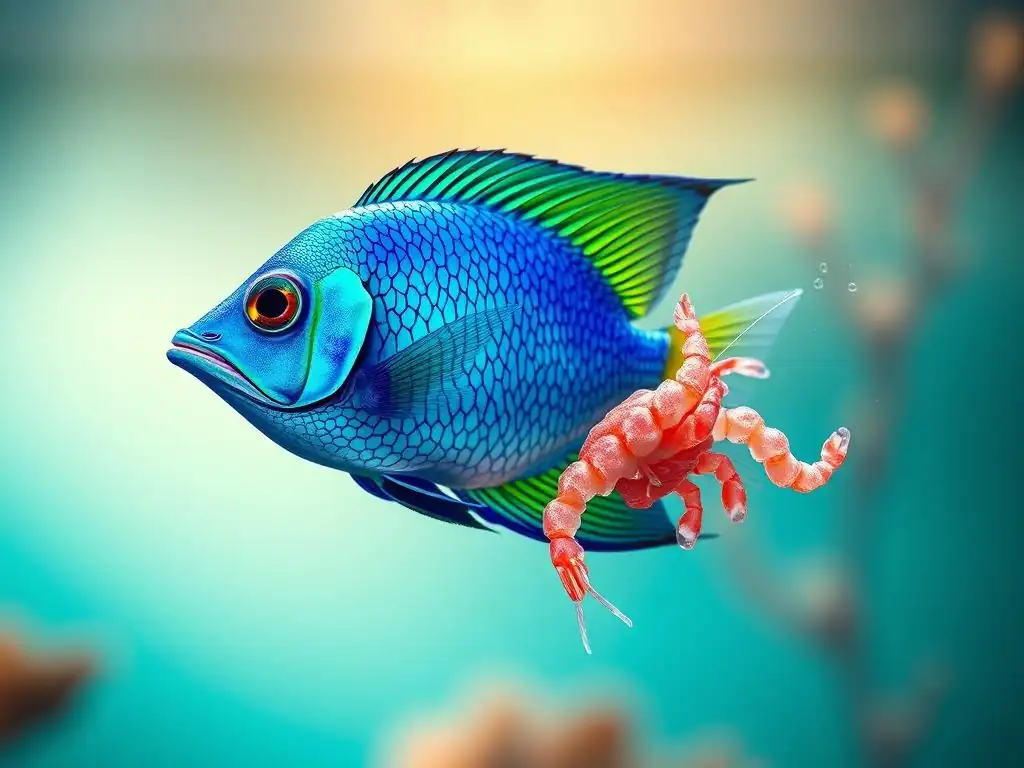
Proper acclimation is the first critical step in encouraging a new predatory fish to eat. Upon arrival, dimming the aquarium lights and allowing the fish to slowly acclimate to the new water parameters via drip acclimation (over 30-60 minutes, or longer for sensitive species) reduces immediate shock.
Once introduced, providing ample hiding spots like caves, PVC pipes, or rock overhangs allows the fish to feel secure and reduces stress during its initial adjustment period. For nocturnal predators like certain Moray Eels, offering the first meal after the main tank lights have been off for an hour or two can be highly effective.
During this initial phase, patience is key. Avoid over-handling or excessively disturbing the tank. Offer small, highly palatable food items that mimic their natural prey, such as live ghost shrimp or small silversides, which often trigger an instinctive feeding response. Some aquarists report success by offering food in a specific, consistent spot in the tank, allowing the fish to associate that location with food. This careful approach is among the best saltwater fish feeding tips for new additions.
Mimicking Natural Diets: Key to Successful Saltwater Fish Feeding
Understanding and mimicking a predatory fish's natural diet is fundamental to successful feeding in captivity. For instance, many Lionfish primarily consume small, live fish and crustaceans in the wild. While live feeders are generally discouraged long-term due to disease risk and nutritional deficiencies, starting with foods that closely resemble their natural prey in shape, size, and even movement can bridge the gap. For a Lionfish, this might mean offering frozen silversides or lancefish that are wiggled with tongs to simulate live movement.
Varying the presentation and type of food can also stimulate a more natural feeding response. Some predators, like certain Triggerfish, naturally crush hard-shelled prey; offering foods like whole, unshelled shrimp or small pieces of clam can appeal to these instincts. For species that ambush prey, feeding at irregular intervals or from different locations within the tank can keep them engaged. These saltwater fish feeding tips emphasize that understanding ethology enhances feeding success.
Live Food Alternatives: A Gateway to Acceptable Frozen & Prepared Foods
For extremely stubborn or wild-caught predatory fish, live food can serve as a temporary bridge to accepting frozen and prepared diets. Live ghost shrimp, small freshwater feeder fish (like guppies or mollies, but note their nutritional deficiencies if not gut-loaded), or even small crabs can entice a reluctant predator to feed. However, relying solely on live feeders is problematic due to the risk of introducing parasites or diseases, and the typically poor nutritional value of un-gut-loaded feeder fish.
The goal is to transition away from live food as quickly as possible. One effective strategy is to offer a live food item, and immediately after it's consumed, present a similar-looking frozen food item using tongs. Over time, gradually reduce the live food component while increasing the frozen offerings. Some aquarists report success by "training" the fish to associate the feeding tongs with food, eventually allowing them to offer only frozen food via the tongs. This gradual transition is a vital component of advanced saltwater fish feeding tips.
Advanced Feeding Techniques for Predatory Saltwater Fish
The "Garlic Soak" Method: Enhancing Palatability for Picky Eaters
The "garlic soak" method is a widely recognized technique to entice finicky eaters. Garlic's strong natural attractants and appetite-stimulating properties can make otherwise unappealing foods more palatable. Commercial garlic-based additives, such as Seachem GarlicGuard or Kent Marine Zoecon, are specifically formulated for aquarium use and can be used to soak frozen foods. Typically, a small amount (e.g., 5-10 ml per 100g of food) is used to coat the food for 10-15 minutes prior to feeding.
While not a complete nutritional solution, garlic acts as a potent feeding stimulant, often encouraging initial bites from reluctant fish. Many species, from Angelfish to some smaller predators, respond positively to this method. It's particularly useful when trying to introduce a new frozen food type or to encourage a stressed fish to start eating again. This simple yet effective saltwater fish feeding tip can be a game-changer for stubborn eaters.
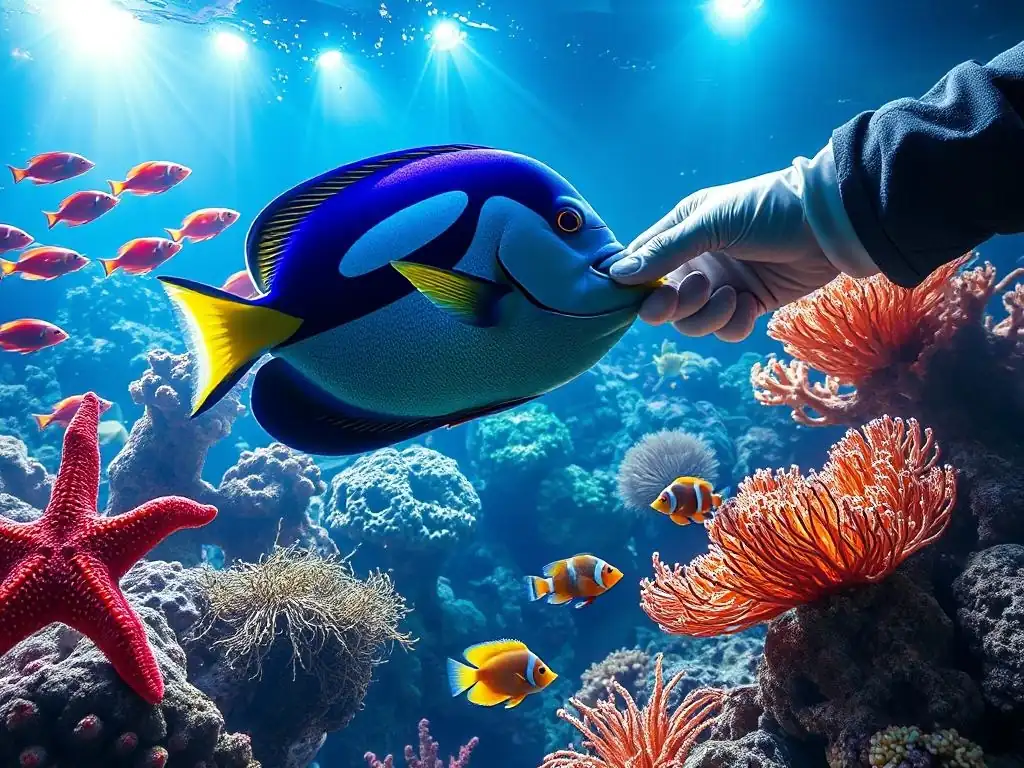
Target feeding involves delivering food directly to a specific fish using specialized tools, rather than simply broadcasting food into the tank. This technique is invaluable in community tanks with multiple species, especially when some fish are shy, slow eaters, or newly introduced. For instance, a timid Dwarf Lionfish might struggle to compete with a faster-moving Triggerfish for food. Using a long feeding stick, pipette, or tongs allows the aquarist to place food directly in front of the intended recipient.
This method ensures that all fish, particularly the more delicate or less assertive predators, receive adequate nutrition without being outcompeted. It also allows for precise monitoring of how much each fish is eating, which is crucial for assessing health and appetite. Target feeding minimizes wasted food, thereby contributing to better water quality by preventing uneaten food from decaying in the tank. It is a cornerstone of effective saltwater fish feeding tips for mixed predatory setups.
Using Feeding Sticks and Tongs for Controlled Food Delivery
Feeding sticks and tongs are indispensable tools for managing predatory saltwater fish. Long-handled tongs (often 12-24 inches) allow aquarists to maintain a safe distance from potentially venomous or aggressive species like Lionfish or large Moray Eels, while still offering precise food placement. These tools also prevent the introduction of oils or contaminants from hands into the aquarium water.
Beyond safety, these tools enable dynamic food presentation. Frozen silversides or shrimp can be gently wiggled or moved to simulate live prey, often triggering a stronger feeding response from ambush predators. For eels that hide in rockwork, tongs can deliver food directly into their lair, ensuring they get their meal. This controlled delivery method is not only safer for the aquarist but also highly effective in encouraging reluctant or reclusive predators to feed, making it a key saltwater fish feeding tip.
Expanding the Palate: Introducing Variety in Saltwater Predator Diets
Transitioning from Live to Frozen Foods: A Gradual Approach
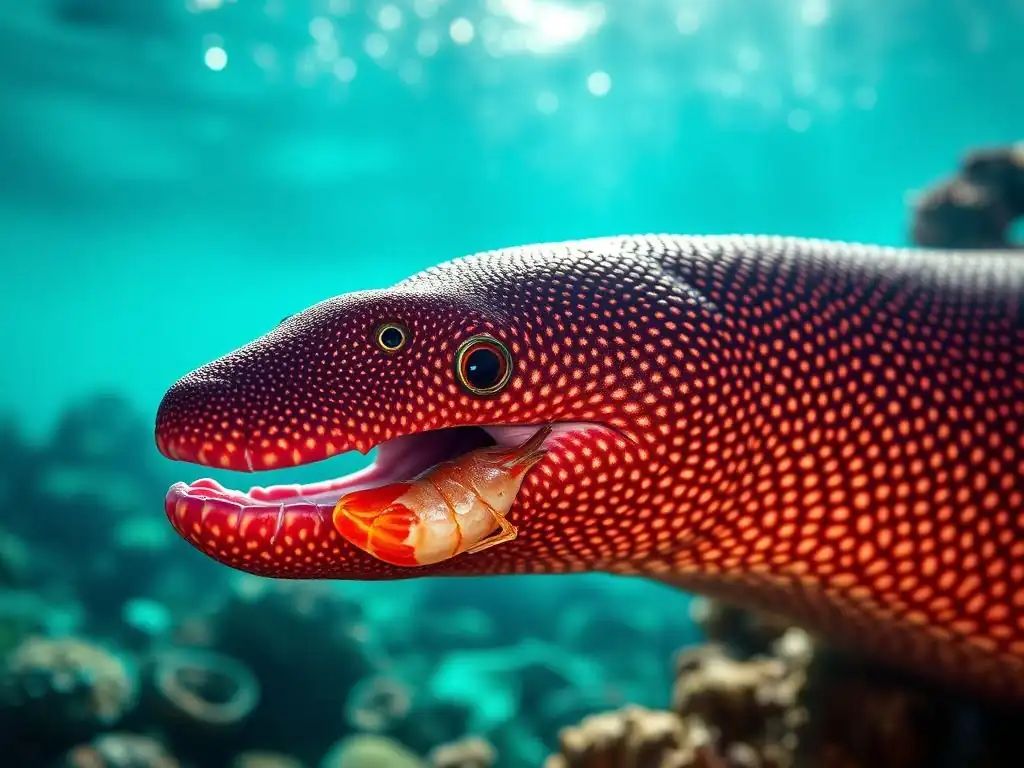
Successfully transitioning predatory fish from live to frozen foods is a critical step for their long-term health and for ease of aquarium maintenance. A gradual approach is most effective. Start by offering live prey (like gut-loaded ghost shrimp) and immediately follow with a similar-looking frozen food, such as a small frozen mysis shrimp or a piece of chopped silverside. The idea is to capitalize on the fish's awakened feeding instinct. Over several weeks, progressively reduce the live food offered while increasing the amount of frozen food.
Another strategy involves "training" the fish to associate the feeding tongs or stick with food. Once the fish consistently takes live food from the tongs, try offering a frozen item in the same manner. For some species, a brief starvation period (1-2 days) might make them more receptive to novel foods, but this should be done cautiously and only if the fish is otherwise healthy. This patient and persistent effort is one of the most important saltwater fish feeding tips for captive predators.
Incorporating Vitamin Supplements to Boost Nutritional Value
Frozen foods, while convenient, can lose some of their nutritional value, particularly water-soluble vitamins, during processing and thawing. To compensate, incorporating liquid vitamin supplements is highly recommended. Products like Brightwell Aquatics Vitamarin-C or Seachem Nourish are designed to be soaked into frozen foods. A typical application involves soaking a day's worth of food in a few drops of supplement for 5-10 minutes before feeding.
These supplements provide essential vitamins (e.g., Vitamin C for immune health, B vitamins for metabolism) that might be deficient in a solely frozen diet. For instance, a lack of Vitamin C can lead to issues like lateral line erosion in some fish. While beneficial, it's important not to over-supplement, especially with fat-soluble vitamins (A, D, E, K), which can accumulate to toxic levels. Regular, moderate supplementation ensures a well-rounded diet, a cornerstone of effective saltwater fish feeding tips.
Mysis Shrimp: A Palatable and Nutritious Dietary Addition
Mysis shrimp (e.g., Mysis relicta or Mysidae species) are often considered a "superfood" for many saltwater fish, including smaller predators and juveniles. They are highly palatable, rich in protein (typically around 60-70% dry weight), and contain beneficial fatty acids. Their natural attractants often make them one of the first frozen foods accepted by finicky eaters, making them an excellent transition food.
Mysis shrimp are versatile: they can be fed whole to many species, or finely chopped for fish with smaller mouths. For a newly acquired Mandarin Dragonet (though not a predator, often fussy), mysis shrimp are frequently the breakthrough food. For a juvenile Lionfish, the small size of mysis can be a perfect stepping stone before moving onto larger silversides. Including mysis shrimp regularly in the diet is a fundamental saltwater fish feeding tip for promoting health and appetite.
Krill: Diversifying Your Predator's Diet
Krill (e.g., Euphausia superba) represent another highly nutritious and palatable option for diversifying a predatory saltwater fish's diet. Rich in omega-3 fatty acids (like EPA and DHA) and the natural carotenoid astaxanthin, krill not only provide essential energy and nutrients but also enhance the vibrant coloration of fish. The astaxanthin, in particular, is responsible for the red and orange hues seen in many marine species.
Whole krill are suitable for larger predators like Groupers or Triggerfish, while smaller pieces can be offered to medium-sized fish. Like mysis, krill can be a key component in a varied diet, preventing nutritional deficiencies that can arise from feeding only one type of food. Offering krill a few times a week alongside other meaty foods ensures a broad spectrum of nutrients, reinforcing these important saltwater fish feeding tips.
Addressing Specific Feeding Challenges in Common Predatory Species
Lionfish Feeding Strategies: Tempting the Finicky Hunter
Lionfish, especially wild-caught specimens, are notorious for their preference for live prey. To tempt a finicky Lionfish, start by offering live ghost shrimp or small, gut-loaded freshwater feeder fish (used very sparingly and temporarily). The key is to engage their natural hunting instincts. Once they are consistently feeding, begin the transition to frozen foods. Use long feeding tongs to present frozen silversides, lancefish, or large pieces of shrimp, wiggling them to simulate movement.
Patience is paramount; some Lionfish may take several weeks to fully accept frozen food. Offering food at dusk or dawn, when they are naturally more active hunters, can also increase success. Avoid overfeeding live food, as this can make the transition to frozen even harder. Consistent effort with these saltwater fish feeding tips will eventually lead to a healthier, more sustainable diet for your Lionfish.
Eel Feeding Solutions: Overcoming Nocturnal Feeding Issues
Many Moray Eels and other eel species are primarily nocturnal or crepuscular (active at dawn/dusk) feeders. This means they might ignore food offered during the day when tank lights are on. The most effective strategy is to feed them after the main aquarium lights have been off for at least an hour, or in very dim ambient light. Use long feeding tongs to deliver food directly to their hiding spot or near their head, as their eyesight is often poor, relying more on scent.
Eels typically prefer meaty foods. Offer a variety of items such as chunks of silversides, shrimp, squid, or clam. For particularly stubborn eels, a strong-smelling food like a freshly opened clam or a piece of thawed, pungent shrimp can often entice them to feed. Regular, consistent feeding times after lights out will help establish a routine, making these saltwater fish feeding tips effective for your nocturnal predators.
Triggerfish Feeding Techniques: Managing Aggressive Eating Habits
While Triggerfish are rarely "fussy" in terms of refusing food, their aggressive and often voracious eating habits present a different kind of feeding challenge. They are typically quick to snatch food, often preventing shyer or slower tank mates from getting their share. Target feeding is essential here: use tongs to deliver food directly to the Triggerfish, then quickly follow up by offering food to other tank inhabitants.
Triggerfish require a varied diet of meaty foods, including krill, shrimp, squid, clam, and various frozen fish. Offer food that sinks quickly or can be anchored to the substrate to prevent them from bolting all the food at the surface. Some aquarists even use a feeding ring or designated feeding zone to help manage their enthusiasm. Managing their aggressive tendencies is a crucial saltwater fish feeding tip for maintaining a harmonious community tank.
Recognizing and Treating Malnutrition in Saltwater Predators
Identifying Signs of Malnutrition: A Visual Guide
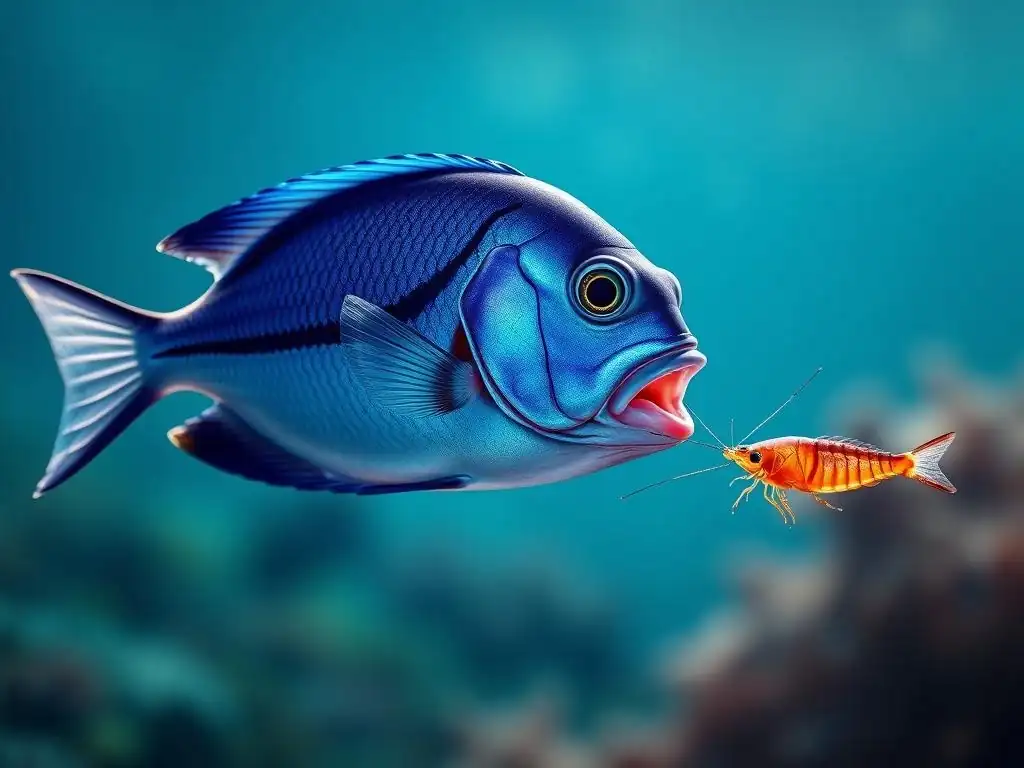
Recognizing the signs of malnutrition early is crucial for the health of your predatory saltwater fish. Visually, one of the most common indicators is emaciation, where the fish appears thin or "pinched," particularly along the dorsal spine or behind the head. Sunken eyes are another prominent sign, indicating a severe lack of fat reserves. Faded or dull coloration, often accompanied by clamped fins (fins held close to the body), can also suggest poor nutritional status.
Behaviorally, a malnourished fish may exhibit lethargy, reduced activity, and increased hiding. It might show a lack of interest in food even when offered, or it might take a bite and then spit it out. In some cases, stunted growth in juvenile fish or a general failure to thrive despite stable water parameters points towards dietary deficiencies. These visual and behavioral cues are vital saltwater fish feeding tips for early intervention.
Corrective Feeding Plans: Restoring Health and Appetite
Once malnutrition is identified, a corrective feeding plan must be implemented swiftly. If possible, isolate the affected fish in a separate quarantine or hospital tank. This reduces competition, allows for precise monitoring of food intake, and provides a stress-free environment. Begin by offering small, frequent meals (2-3 times per day) of highly palatable and nutrient-dense foods. Mysis shrimp, enriched silversides, and high-quality frozen shrimp are excellent choices.
Soaking the food in liquid vitamin supplements (e.g., Vitamin C, B complex) can significantly boost its nutritional value and help restore the fish's health. Gradually increase the quantity and variety of food as the fish shows signs of improvement, such as increased activity, improved coloration, and a more robust body shape. This focused approach is a critical saltwater fish feeding tip for successful recovery.
Quarantine and Observation: Monitoring Feeding Progress
The use of a quarantine tank is not only vital for new arrivals but also indispensable for monitoring and treating malnourished or ailing fish. A dedicated quarantine setup (typically 20-40 gallons for most predators) allows for focused observation of feeding habits without the distractions or competition of the main display tank. This controlled environment enables the aquarist to precisely track how much food the fish consumes, how quickly, and if it's spitting out any food.
Regular observation in quarantine also helps in identifying specific food preferences or aversions. For instance, you might discover a particular type of frozen shrimp that a previously stubborn fish readily accepts. This detailed insight allows for fine-tuning feeding strategies. Monitoring waste production and overall demeanor also provides clues to digestive health. This dedicated observation period is a cornerstone of effective saltwater fish feeding tips for individual fish rehabilitation.
Maintaining Long-Term Feeding Success in Your Predatory Saltwater Tank
Establishing a Consistent Feeding Schedule
Establishing and adhering to a consistent feeding schedule is one of the most effective saltwater fish feeding tips for long-term success with predatory fish. Fish, like many animals, thrive on routine. Feeding at the same time(s) each day helps reduce stress, promotes a natural feeding response, and allows the fish to anticipate meals, often becoming more active and visible around feeding times. For most predators, 1-3 feedings per day, depending on their size and metabolic rate, is appropriate.
For nocturnal species, ensure the feeding schedule aligns with their natural activity patterns, often after the main lights have been off for a period. Consistency also aids in maintaining stable water parameters, as the fish are more likely to consume all offered food, reducing waste. A predictable routine contributes significantly to the overall health and well-being of your predatory inhabitants.
Preventing Overfeeding: Avoiding Water Quality Issues
While ensuring your predators eat enough is crucial, preventing overfeeding is equally important for maintaining a healthy saltwater aquarium. Uneaten food quickly decomposes, releasing ammonia and nitrite into the water, which are highly toxic to fish. Even if these parameters remain at zero due to robust filtration, consistent overfeeding leads to elevated nitrate levels and can fuel nuisance algae blooms, stressing the entire ecosystem.
A general rule of thumb is to feed only what your fish can consume within 2-3 minutes. If food remains after this period, it indicates overfeeding, and the quantity should be reduced for subsequent meals. Promptly siphoning out any uneaten food is also critical. Regularly checking water parameters (ammonia, nitrite, nitrate) will provide immediate feedback on the effectiveness of your feeding regimen and prevent long-term water quality issues.
Consistent monitoring of your predatory saltwater fish is essential for early detection of any feeding-related problems. Conduct daily visual checks of all fish for signs of emaciation, sunken eyes, faded coloration, or unusual behavior such as prolonged hiding or lethargy. Observe their activity levels and their interest during feeding times. A sudden lack of appetite or refusal of previously accepted foods can be an early indicator of stress, disease, or dietary issues.
Beyond visual checks, routine water parameter testing (at least weekly) is crucial. Spikes in ammonia or nitrite, or steadily increasing nitrates, can signal overfeeding or inadequate waste removal, directly impacting fish health and appetite. A proactive approach to health checks, combining careful observation with diligent water quality management, ensures that any feeding-related problems are addressed quickly, supporting the long-term vitality of your predatory saltwater tank.
Frequently Asked Questions
How do I get my fussy predator fish to eat in my saltwater aquarium?
Often, offering a variety of food, including live and frozen options, can entice reluctant eaters. You might also try soaking food in garlic to make it more appealing.
What are some good live food options for picky saltwater fish?
Live food options like live brine shrimp, ghost shrimp, and blackworms can trigger a feeding response in stubborn predators. These can stimulate their natural hunting instincts.
How important is water quality when trying to get a fish to eat?
Poor water quality can stress fish and suppress their appetite. Ensure your tank parameters (ammonia, nitrite, nitrate) are within the optimal range for your species.
What if my fish only accepts one type of food?
Gradually introduce new foods by mixing them with the food it already accepts. Over time, increase the proportion of the new food until it eventually accepts it readily.
How often should I be attempting to feed a picky predator fish?
Offer small amounts of food several times a day, rather than one large feeding. This can stimulate their appetite and reduce food waste in the tank.
Okay, here's a final reflection tailored for your article "Feeding Fussy Predators: Advanced Techniques for Stubborn Saltwater Eaters," designed to resonate with readers and encourage further engagement, while also incorporating your specific instructions and targeting the keyword "Saltwater fish feeding tips":
Final Reflection: Cultivating a Thriving Reef Ecosystem
The challenges of maintaining a healthy saltwater aquarium are undeniable, and as we've explored in this article, mastering the art of feeding fussy predators is paramount to success. The techniques discussed, from targeted feeding to enriching live foods, are not merely suggestions, but essential tools for ensuring the well-being of these often-demanding creatures in our care.
This journey into the world of picky eaters highlights the delicate balance within our aquariums. It reminds us that responsible reef keeping extends beyond simply providing water and light; it requires a deep understanding of each species' unique needs and a commitment to meeting those needs with patience and ingenuity. As the renowned marine biologist Sylvia Earle once said, No water, no life. No blue, no green.
This simple statement underscores the profound interconnectedness of all life within our oceans, and by extension, within our carefully constructed reef tanks.
Now, armed with these advanced saltwater fish feeding tips, I encourage you to reflect on your own practices. Are you truly catering to the specific dietary requirements of your fish? Are you actively observing their feeding habits and adjusting your approach accordingly? The health and vitality of your reef ecosystem depend on your dedication. Embrace the challenge, experiment with these techniques, and witness the transformation as your fussy predators flourish, creating a vibrant and thriving underwater world within your home.
Unleash the Feeding Frenzy: Transform Your Fussy Eaters!
Thank you for diving deep into the world of picky predator feeding! We hope you’ve gained some valuable insights into enticing even the most stubborn saltwater eaters. Now, it's time to put that knowledge into action and witness the transformation in your aquarium.
Here are some actions you can take today:
- Experiment with a live food buffet! Offer a variety of small, enticing live foods like gut-loaded copepods, brine shrimp, and blackworms to trigger their natural hunting instincts and jumpstart their appetite.
- Record your feeding sessions! Start a feeding journal to track preferences and patterns to perfect future meals.
- Share your finicky-fish feeding secrets! Join the Aquarium Mastery forum and tell us about your best success stories.
What unusual food or technique has finally worked with your picky predator? Share your insights in the comments below!