
Lawnmower Blenny: Your Nano Reef's Natural Algae Control Expert? Pros & Cons

Welcome to Aquarium Mastery!
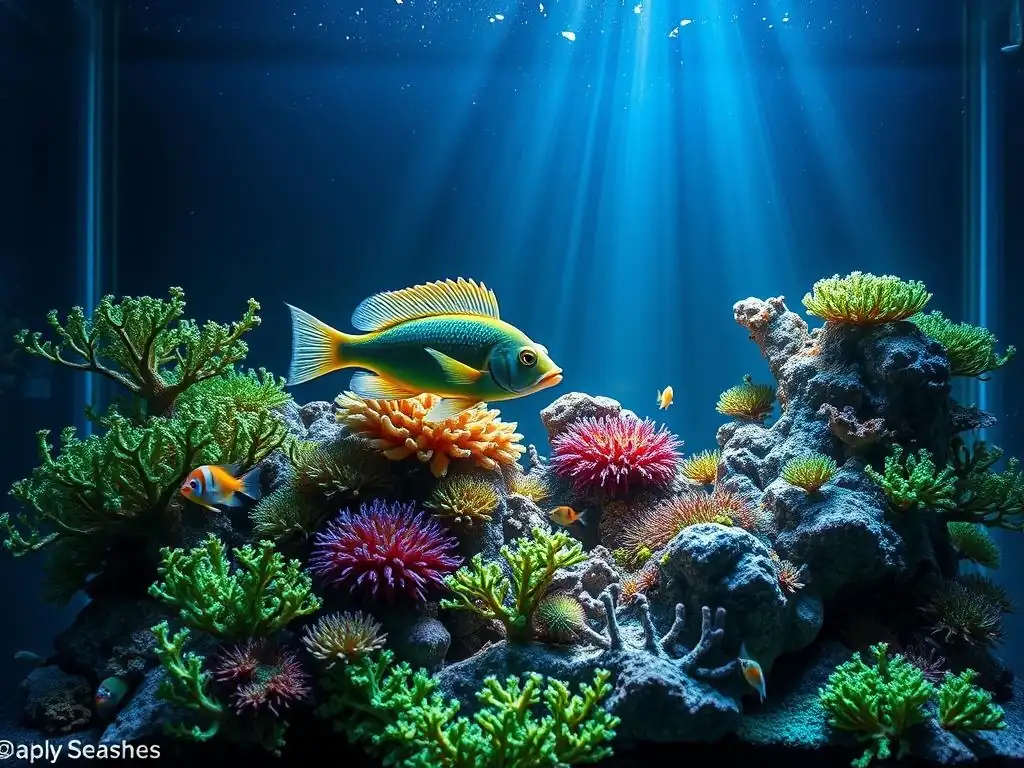
Ever dreamt of a sparkling clean nano reef without the endless scrubbing? Lawnmower blennies are often touted as the solution, but are they truly the natural algae control experts your tank needs? Dive in to discover the pros and cons of adding this fascinating fish to your saltwater aquarium and learn if it's the right fit for your reef's ecosystem. Prepare to unlock the secrets of successful algae management!
- Lawnmower Blenny: Nano Reef Algae Control - Pros & Cons
- Introduction to Lawnmower Blennies for Nano Reefs
- Lawnmower Blenny Species Overview
- Algae Control: The Advantages
- Potential Challenges and Disadvantages
- Setting Up a Nano Reef for a Lawnmower Blenny
- Essential Care Tips
- Selecting a Healthy Blenny
- Alternative Algae Control Methods
- Is a Lawnmower Blenny Right for Your Reef?
- Frequently Asked Questions
- Final Reflection: Embracing Natural Balance in Our Reefs
- Unlock a Cleaner Reef: Will a Lawnmower Blenny Be Your Algae Solution?
Lawnmower Blenny: Nano Reef Algae Control - Pros & Cons
Introduction to Lawnmower Blennies for Nano Reefs
Understanding Algae Control in Reef Tanks
Maintaining pristine water conditions and a balanced ecosystem is paramount in any reef aquarium, especially in the compact environment of a nano reef. Nuisance algae, such as hair algae, diatoms, and cyanobacteria, can quickly proliferate if nutrient levels are elevated, competing with corals for light and space, and detracting significantly from the tank's aesthetic appeal. Effective algae control is not merely about visual appeal; it's a critical component of nutrient export and overall reef health, preventing the smothering of delicate corals and maintaining stable water parameters.
The challenges of algae management are often amplified in nano reefs due to their smaller water volumes, which can make them more susceptible to rapid fluctuations in water chemistry and nutrient spikes. Without diligent intervention, an algae outbreak can quickly overwhelm a small system, leading to stressed corals and an unhealthy environment. Aquarists frequently seek sustainable, biological methods to mitigate these issues, rather than relying solely on chemical treatments or constant manual removal.
Lawnmower Blennies for Algae Grazing: A Potential Solution?
Among the myriad of marine inhabitants, the Lawnmower Blenny ( Salarias fasciatus) has gained considerable popularity as a potential natural solution for Lawnmower blenny algae control in reef tanks, particularly nano setups. Their reputation as voracious algae grazers makes them an attractive candidate for aquarists battling persistent algal blooms. These unique fish are known for their distinctive way of "mowing" down various types of nuisance algae from live rock and glass surfaces.
However, despite their seemingly perfect role as an algae-eating workhorse, integrating a Lawnmower Blenny into a nano reef requires careful consideration. While they can be highly effective in certain scenarios, their specific dietary needs, potential for aggression in confined spaces, and the long-term sustainability of their food source in smaller tanks present significant challenges. This article delves into the advantages and disadvantages, providing a comprehensive guide to determine if a Lawnmower Blenny is indeed the right choice for your nano reef's Lawnmower blenny algae control strategy.
Lawnmower Blenny Species Overview
Physical Characteristics of Salarias fasciatus
The Lawnmower Blenny, scientifically known as Salarias fasciatus, is easily recognizable by its distinctive physical traits. It possesses an elongated, slender body, typically reaching an adult size of about 4 to 6 inches (approximately 10 to 15 centimeters) in an aquarium setting, although specimens in the wild can sometimes grow slightly larger. Their prominent eyes, set high on their heads, allow them a wide field of vision, crucial for spotting both food and potential threats in their rocky habitats.
A key feature contributing to their efficacy in Lawnmower blenny algae control is their specialized mouth, equipped with a comb-like set of teeth. These teeth are perfectly adapted for scraping microalgae and diatoms from hard surfaces such as live rock, glass, and coral skeletons. Their cryptic coloration, often a mottled pattern of browns, greens, and tans, provides excellent camouflage amidst the reef's complex structures, allowing them to blend seamlessly into their environment while grazing.
Natural Habitat and Behavior
Originating from the shallow, rocky reef environments of the Indo-Pacific region and the Red Sea, Salarias fasciatus thrives in areas with abundant algal growth. In their natural habitat, they are typically found in surge zones, lagoons, and reef flats, where they spend their days meticulously grazing on the thin film of algae that coats rocks and rubble. This continuous grazing activity is a fundamental part of their survival strategy, ensuring a consistent intake of their primary food source.
Lawnmower Blennies are renowned for their unique perching behavior. Unlike many fish that swim constantly, these blennies prefer to "hop" or "perch" on various surfaces, using their pectoral fins to prop themselves up. They are often seen resting on rocks, observing their surroundings, before moving to another spot to continue their grazing. This territorial but generally peaceful nature, combined with their constant search for algae, makes them fascinating inhabitants for a reef tank.
Diet: Primarily an Algae Grazer
As their common name suggests, the Lawnmower Blenny's diet is overwhelmingly herbivorous, consisting primarily of filamentous algae, diatoms, and other microalgae found coating reef surfaces. Their specialized teeth allow them to efficiently scrape off these algal films, making them exceptional biological agents for Lawnmower blenny algae control. They are known to graze almost continuously throughout the day, effectively keeping surfaces clean in tanks where suitable algae are present.
While their diet is predominantly algal, it's important to note that they are not detritivores in the traditional sense, meaning they don't consume large amounts of uneaten food or decaying matter. Their digestive system is specifically adapted to process plant material. This singular dietary preference is both their greatest asset for algae control and their most significant vulnerability in a closed aquarium system, particularly if the natural algae supply becomes insufficient.
Algae Control: The Advantages
Effective Algae Removal in Nano Reefs
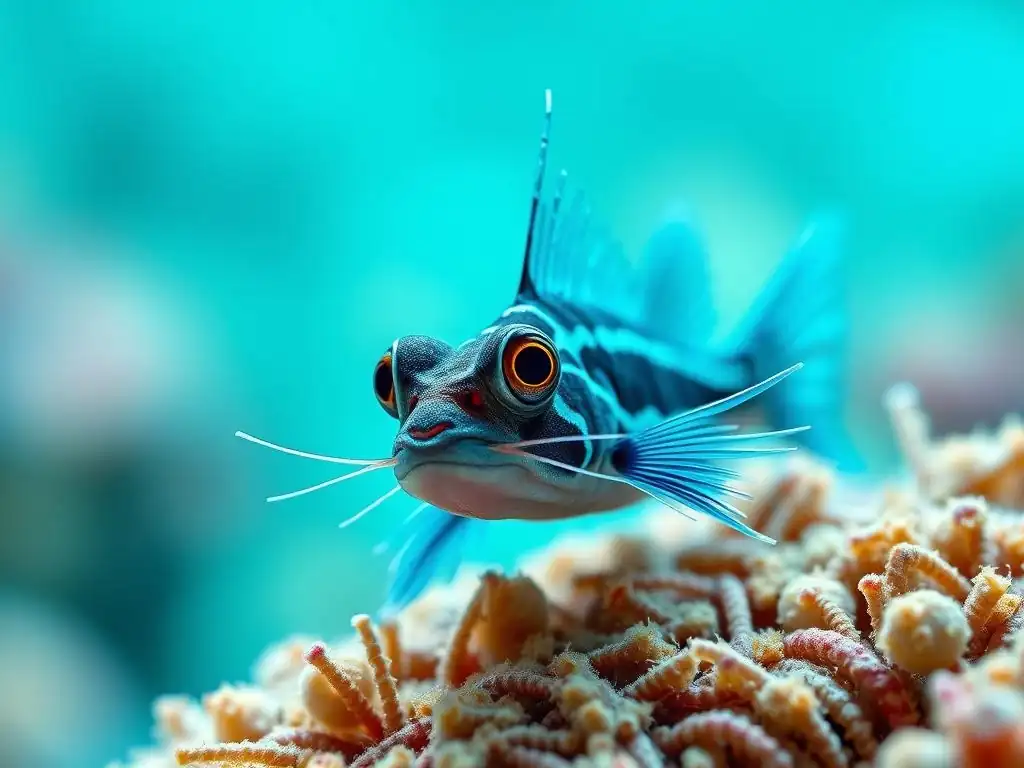
The primary advantage of introducing a Lawnmower Blenny to a nano reef is its remarkable efficiency in Lawnmower blenny algae control. These blennies are relentless grazers, spending the majority of their waking hours meticulously scraping algae from live rock, substrate, and tank glass. They are particularly effective against common nuisance algae such as green hair algae, diatoms (brown algae), and various film algaes that often plague new or nutrient-rich nano systems.
For instance, in a 20-gallon nano reef experiencing a moderate outbreak of hair algae, a single Lawnmower Blenny can often make a noticeable difference within days, significantly reducing the density of the algae. Their continuous grazing helps to prevent the algae from establishing firm holdfasts and spreading, offering a proactive and consistent solution compared to intermittent manual removal. This constant grazing pressure can keep surfaces remarkably clean, contributing significantly to the aesthetic appeal of the aquarium.
Biological vs. Chemical Algae Control
Employing a Lawnmower Blenny for Lawnmower blenny algae control represents a superior biological approach compared to chemical treatments. Biological control mechanisms leverage natural processes and organisms to manage issues, which is inherently safer and more sustainable for a delicate reef ecosystem. Chemical algae removers, while offering quick fixes, often come with significant risks, such as rapid oxygen depletion, potential harm to beneficial bacteria that are crucial for the nitrogen cycle, and even adverse effects on sensitive corals and invertebrates.
Moreover, chemical treatments frequently lead to a "rebound effect," where algae return with renewed vigor once the chemical's efficacy wanes, because the underlying nutrient issues are not addressed. In contrast, a blenny continuously works to consume existing algae and prevent new growth, contributing to a more stable and naturally balanced environment. This natural method supports the overall health of the reef by integrating a living organism into the nutrient export pathway, reducing the reliance on artificial interventions.
Impact on Reef Ecosystem Balance
The presence of a Lawnmower Blenny can profoundly impact the ecological balance within a nano reef. By consistently consuming algae, they play a vital role in nutrient export, effectively removing organic compounds that would otherwise fuel further algal growth. This continuous grazing helps to maintain lower levels of nitrates and phosphates, which are key drivers of nuisance algae. A cleaner tank, with reduced nutrient concentrations, is less prone to sudden algae blooms that can destabilize the delicate chemical equilibrium of a small system.
Furthermore, a blenny's activity helps to open up valuable real estate on live rock that might otherwise be overgrown by algae. This cleared space becomes available for coral growth and the establishment of beneficial sessile invertebrates, enhancing the biodiversity and visual richness of the reef. Their constant movement and grazing also contribute to the overall dynamism and natural feel of the aquarium, making them an active participant in maintaining a thriving and healthy reef microcosm.
Enhanced Coral Health Through Algae Reduction
Excessive algae growth poses a direct threat to coral health in a reef aquarium. Nuisance algae can directly compete with corals for light and space, physically shading them and inhibiting their photosynthetic processes. In severe cases, rapidly growing algae can even smother corals, leading to tissue recession and eventual mortality. Certain types of algae also release allelopathic chemicals, which can be toxic to corals, further compromising their health and growth.
By providing consistent Lawnmower blenny algae control, these fish directly contribute to the enhanced health and vitality of corals. With reduced competition from algae, corals receive more light, allowing for more efficient photosynthesis and robust growth. For example, a colony of Acropora or Montipora that was previously struggling under an algae canopy might exhibit improved polyp extension and faster calcification rates once the blenny has cleared the surrounding area. This cleaner environment reduces stress on corals, making them more resilient to disease and promoting vibrant coloration and natural expansion.
Potential Challenges and Disadvantages
Ensuring Adequate Algae or Supplemental Feeding
One of the most significant challenges in keeping a Lawnmower Blenny, especially in a well-established or overly "clean" nano reef, is ensuring a consistent and adequate supply of their primary food source: algae. While their efficacy in Lawnmower blenny algae control is undeniable, if the tank is too pristine or the algae outbreak has been sufficiently managed, the blenny may quickly deplete its natural food supply. This can lead to starvation, which is a common cause of mortality for these fish in captivity.
To prevent starvation, aquarists must be prepared to offer supplemental foods. This typically includes high-quality algae wafers, spirulina flakes, and sheets of dried nori (seaweed) attached to a veggie clip. It's crucial to monitor the blenny's belly condition – a pinched or sunken belly is a clear sign of undernourishment. In tanks with minimal natural algae, supplemental feeding might be required daily or every other day, with some aquarists reporting success by offering a 1x1 inch piece of nori multiple times a week to ensure proper nutrition.
Compatibility: Potential Aggression
While Lawnmower Blennies are generally considered peaceful towards most tank mates, their compatibility can be a concern in the confined spaces of nano reefs. They can exhibit territorial behavior, especially towards other blennies, gobies, or similar bottom-dwelling fish that occupy the same niche or resemble them. This aggression is usually directed at conspecifics or other fish that might compete for grazing grounds or hiding spots.
For instance, introducing a second Lawnmower Blenny into a tank smaller than 50 gallons is highly discouraged, as it almost invariably leads to intense territorial disputes and stress, often resulting in the demise of the weaker fish. Even other bottom-dwelling species like certain gobies (e.g., watchman gobies) or dragonets might face some harassment, though serious injury is less common. Individual blenny personalities can vary, with some being more docile than others, but caution is always advised when combining them with similar body-shaped or dietary-niche fish in a small aquarium.
Minimum Tank Size Requirements
Despite their appeal for nano reef Lawnmower blenny algae control, the minimum tank size required for a Lawnmower Blenny is a point of frequent debate and often underestimated. While some aquarists attempt to house them in tanks as small as 10-15 gallons, the widely accepted minimum for their long-term health and well-being is typically 20-30 gallons for a single specimen. This recommendation is not solely based on swimming space, but primarily on the availability of sufficient grazing surfaces.
A larger tank provides a more expansive area for algae to grow, offering a more stable and sustainable food source for the blenny. It also allows for more stable water parameters, which are crucial for the health of any marine inhabitant, and provides ample rockwork for hiding places and perching spots. Housing a Lawnmower Blenny in an undersized tank significantly increases the risk of starvation, stress, and aggression, ultimately compromising the fish's welfare and the tank's ecological balance.
Addressing Potential Starvation
The specter of starvation is a persistent concern for Lawnmower Blenny owners. Unlike some fish that can adapt to a wider range of prepared foods, these blennies are often notoriously finicky eaters when it comes to non-algal fare. If the natural algae supply in the tank diminishes, the blenny's health can decline rapidly. Signs of starvation include a noticeably pinched or concave belly, lethargy, faded coloration, and a general lack of activity or interest in grazing.
Preventative measures are key to addressing potential starvation. Regular monitoring of the blenny's physical condition and the tank's algae levels is essential. If natural algae is scarce, proactive supplemental feeding with high-quality marine algae products like nori or spirulina wafers becomes critical. In advanced setups, some aquarists even cultivate small refugiums or isolated rock sections specifically to grow algae, which can then be periodically introduced into the main display tank to supplement the blenny's diet and ensure consistent Lawnmower blenny algae control.
Setting Up a Nano Reef for a Lawnmower Blenny
Optimal Tank Parameters
Creating an optimal environment for a Lawnmower Blenny within a nano reef involves maintaining stable and appropriate water parameters. Like most marine inhabitants, these blennies thrive in temperatures between 72-78°F (22-26°C), a specific gravity of 1.023-1.026 (salinity of 32-35 ppt), and a pH range of 8.1-8.4. Consistent alkalinity (8-12 dKH), calcium (400-450 ppm), and magnesium (1250-1350 ppm) levels are also crucial, as these parameters contribute to a stable reef environment where both corals and the blenny can flourish.
In a nano reef, maintaining such stability can be more challenging due to the smaller water volume, which makes the system more susceptible to rapid shifts in chemistry. Therefore, diligent monitoring with reliable test kits and regular, small water changes (e.g., 10-15% weekly) are paramount. These consistent parameters not only ensure the blenny's physiological well-being but also support the growth of the microalgae it relies on for food, facilitating its role in Lawnmower blenny algae control.
Rockwork and Hiding Places
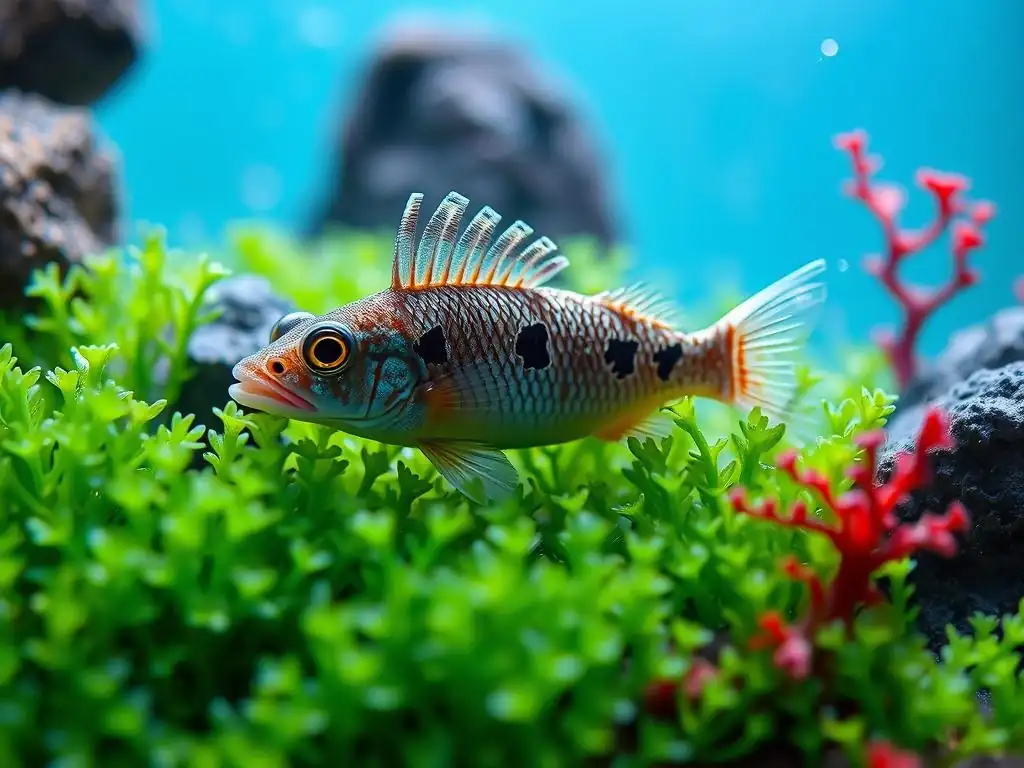
The strategic placement of live rock is fundamental to the successful housing of a Lawnmower Blenny. These fish require ample rockwork that provides numerous nooks, crannies, and crevices, which serve as essential hiding places and perching spots. Lawnmower Blennies are naturally cryptic and will retreat into rockwork when stressed or during their resting periods. A well-aquascaped tank with plenty of visual breaks also helps to mitigate potential territorial disputes if other bottom-dwellers are present.
Beyond providing security, the live rock serves as the primary grazing surface for the blenny. A diverse and porous rock structure allows for the growth of various types of microalgae and diatoms, ensuring a continuous food source. Aquarists often aim for at least 1-1.5 pounds of live rock per gallon in a nano reef, creating a rich, textured landscape that not only supports the blenny's grazing habits but also contributes to the biological filtration of the system.
Water Quality: Algae Growth and Blenny Wellbeing
The intricate relationship between water quality, algae growth, and the wellbeing of a Lawnmower Blenny cannot be overstated. While the blenny is a tool for Lawnmower blenny algae control, poor water quality, characterized by elevated nitrates and phosphates, will inevitably fuel rampant nuisance algae growth. Such excessive growth can overwhelm even the most diligent blenny, leading to unhealthy conditions for the entire tank. Therefore, effective nutrient management is a prerequisite.
Maintaining pristine water quality through efficient filtration (protein skimming, activated carbon, GFO), regular water changes, and sensible feeding practices ensures that algae growth remains at manageable levels – enough to feed the blenny, but not so much that it becomes a problem. Good water quality directly benefits the blenny's immune system and overall health, making it more resilient to disease and better able to perform its natural grazing duties. A healthy blenny is a more effective algae grazer, creating a positive feedback loop for tank cleanliness.
Essential Care Tips
Monitoring Algae and Supplementing Diet
Consistent monitoring of algae levels within the nano reef is perhaps the most crucial aspect of Lawnmower Blenny care. Daily observation will help determine if the blenny is finding enough natural food. If the tank appears too clean, or if the blenny's belly begins to look pinched, supplemental feeding is immediately necessary. High-quality marine algae products are ideal for this purpose.
For instance, small pieces of dried nori (seaweed), often sold for human consumption, can be affixed to the tank glass with a veggie clip. A piece approximately 1x1 inch (2.5x2.5 cm) offered a few times a week, or daily if algae is scarce, is a common practice. High-quality spirulina flakes or algae wafers specifically designed for marine herbivores are also excellent options, providing essential nutrients that may be lacking if the blenny only grazes on a limited variety of algae. Observe that the blenny is actively consuming the offered food, as some individuals can be finicky.
Recognizing Stress or Illness
Early detection of stress or illness in a Lawnmower Blenny is vital for successful intervention. A healthy blenny should be active, constantly grazing, and exhibit vibrant, natural coloration. Signs of stress or illness include faded or dull coloration, clamped fins (held close to the body), rapid or labored breathing, lethargy, and a loss of appetite. Physical symptoms such as white spots (indicative of marine Ich, Cryptocaryon irritans), fuzzy patches, or torn fins also warrant immediate attention.
Observing their behavior during feeding times is also key; a blenny that ignores offered supplemental food when it previously ate it is a red flag. Any deviation from their typical perching and grazing routine should prompt a thorough check of water parameters and a closer inspection of the fish for any physical signs of distress. Prompt action can often prevent minor issues from escalating into serious health problems.
Preventing and Treating Common Diseases
Prevention is always the best approach to disease management in a marine aquarium. When acquiring a new Lawnmower Blenny, it is highly recommended to quarantine it in a separate tank for at least 2-4 weeks. This allows for observation, minimizes the risk of introducing parasites or diseases into the main display tank, and provides a controlled environment for the blenny to acclimate and begin accepting prepared foods. During quarantine, freshwater dips (briefly immersing the fish in dechlorinated freshwater) can sometimes help dislodge external parasites.
Common diseases affecting marine fish include marine Ich ( Cryptocaryon irritans) and marine velvet ( Amyloodinium ocellatum). Symptoms include small white spots resembling salt grains (Ich) or a dusty, velvet-like coating (velvet). Treatment options often involve copper-based medications, hyposalinity (reducing salinity), or certain non-medicated approaches in a hospital tank. However, Lawnmower Blennies can be sensitive to some medications, making careful dosing and observation crucial. Maintaining pristine water quality in the display tank and avoiding sudden parameter shifts are fundamental to bolstering the blenny's natural immunity and preventing disease outbreaks.
Selecting a Healthy Blenny
Observing Behavior and Physical Condition
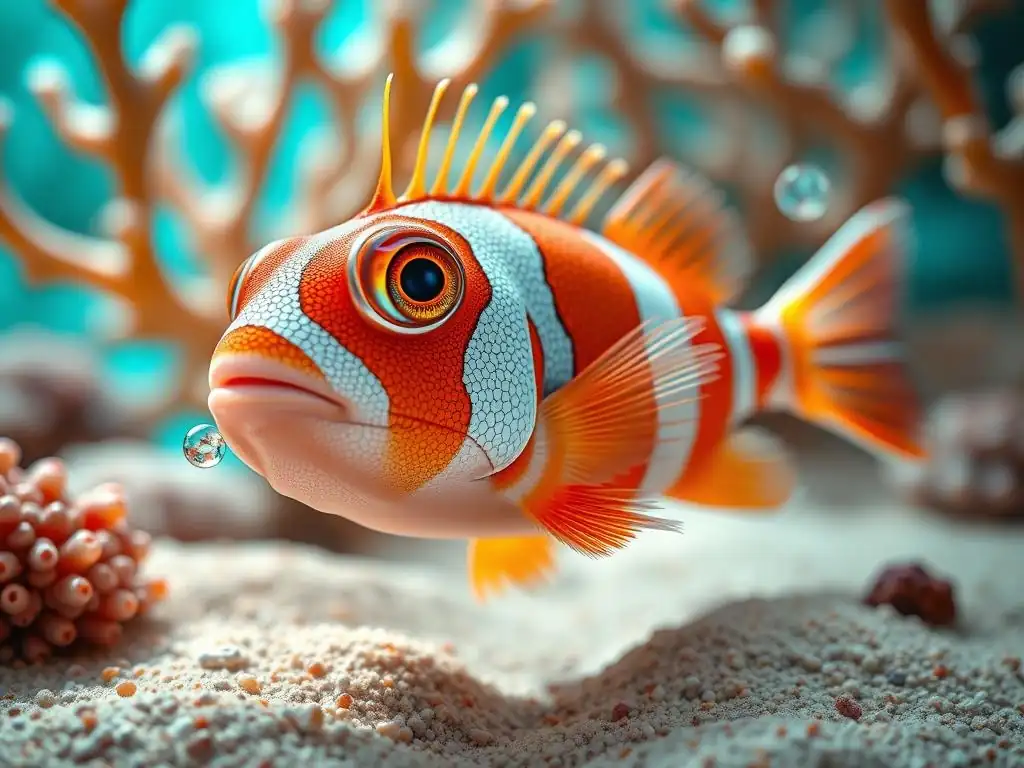
When selecting a Lawnmower Blenny for your nano reef, a thorough observation of its behavior and physical condition at the fish store is paramount. Look for an active and alert individual that is constantly sifting through the substrate or grazing on the tank's surfaces. A healthy blenny should have clear eyes, intact fins with no fraying or nips, and a full, rounded belly, indicating it has been eating well. Avoid any blennies that appear emaciated with a sunken belly, as these individuals are likely starving and may struggle to recover.
Also, observe its breathing rate; it should be calm and steady, not rapid or labored. Check for any visible signs of disease, such as white spots, cloudy eyes, or fuzzy growths on the body. A blenny that is hiding excessively, showing clamped fins, or exhibiting unusual swimming patterns (e.g., erratic darting) might be stressed or ill. Taking the time to observe these cues for at least 10-15 minutes can significantly increase your chances of bringing home a healthy and robust specimen, ready to contribute to your Lawnmower blenny algae control efforts.
Acclimation to Aquarium Life
Proper acclimation is a critical step in ensuring the successful transition of a new Lawnmower Blenny to its new home. The goal is to gradually equalize the water parameters (temperature, salinity, and pH) between the transport bag and your aquarium, minimizing stress to the fish. Drip acclimation is highly recommended for sensitive marine fish like blennies. This method involves slowly dripping water from your display tank into the container holding the blenny, allowing for a gradual adjustment over a period of 45-60 minutes, or until the water volume in the container has roughly quadrupled.
During acclimation, keep the lights dim or off to reduce stress. Once acclimated, gently net the blenny and transfer it to your tank, discarding the water from the bag. Avoid simply floating the bag and dumping the fish, as this can shock the blenny and introduce potentially harmful water from the fish store into your system. A smooth acclimation process sets the stage for the blenny's long-term health and its ability to effectively perform Lawnmower blenny algae control in your reef.
Alternative Algae Control Methods
When a Blenny Isn't Suitable
While the Lawnmower Blenny is an excellent candidate for Lawnmower blenny algae control, there are scenarios where it may not be the best fit for a nano reef. For instance, in very small tanks (under 20 gallons) or systems with extremely low nutrient levels and minimal algae growth, a blenny is highly susceptible to starvation, making its long-term survival unlikely. Similarly, if the tank already houses aggressive bottom-dwellers or other fish that compete for the same niche, introducing a blenny could lead to undue stress or territorial conflicts.
In such cases, or if an aquarist simply prefers not to keep a Lawnmower Blenny, alternative methods of algae control become essential. These alternatives range from other biological grazers to more proactive manual and mechanical interventions. Understanding these options ensures that effective algae management can still be achieved without compromising the health or balance of the specific nano reef environment.
Other Algae-Eating Invertebrates
Several other invertebrates can serve as effective biological agents for Lawnmower blenny algae control or as complementary additions. Snails are perhaps the most common alternative, with species like Turbo snails, Trochus snails, and Nerite snails being popular choices. Turbo snails are robust grazers that consume film algae and diatoms, while Trochus snails are excellent at cleaning rockwork and glass, and Nerite snails are particularly adept at consuming diatoms on glass.
Hermit crabs, such as the Blue Leg or Scarlet Hermit Crab, also contribute by scavenging for detritus and consuming some nuisance algae, though they are less specialized than blennies or snails. For specific, tougher algae like Bryopsis or Bubble Algae, certain sea urchins, like the Tuxedo Urchin ( Mespilia globulus), can be highly effective grazers. Each of these invertebrates has a slightly different grazing preference and behavior, allowing aquarists to select a diverse cleanup crew tailored to their tank's specific algae issues.
Manual Algae Removal
Despite the effectiveness of biological grazers, manual algae removal remains an indispensable tool in any reef aquarist's arsenal. No fish or invertebrate can entirely eliminate all types of algae, especially stubborn patches or those growing in hard-to-reach areas. Regular manual intervention is crucial for maintaining pristine tank aesthetics and preventing algae from becoming overwhelming.
This includes using magnetic algae scrapers or blade scrapers for cleaning the aquarium glass, siphoning algae from the substrate during water changes, and physically scrubbing algae off live rock with a toothbrush or specialized brush. For particularly tenacious algae, removing the affected rock and scrubbing it outside the tank can be effective. Manual removal immediately reduces the bioload of algae, providing instant relief and complementing the ongoing efforts of biological grazers, ensuring comprehensive Lawnmower blenny algae control.
Is a Lawnmower Blenny Right for Your Reef?
Weighing the Pros and Cons
Deciding whether a Lawnmower Blenny is the right addition for your nano reef's Lawnmower blenny algae control strategy requires a careful evaluation of its numerous advantages against its potential drawbacks. On the positive side, these blennies are highly effective and dedicated grazers, capable of significantly reducing nuisance algae such as hair algae and diatoms, contributing to a cleaner tank and healthier corals. They offer a natural, biological solution that avoids the risks associated with chemical treatments and adds a unique personality to the aquarium.
However, the cons are equally significant. The primary concern is the risk of starvation in tanks with insufficient natural algae, necessitating vigilant supplemental feeding. Their minimum tank size requirements are often underestimated, and they can exhibit territorial aggression towards similar-looking fish in confined spaces. The initial investment of time and resources into proper tank setup, monitoring, and potential supplemental feeding must be considered. Ultimately, the decision hinges on your tank's specific conditions, the level of algae present, and your commitment to meeting the blenny's unique care requirements.
Long-Term Health and Happiness.
The long-term health and happiness of a Lawnmower Blenny are directly proportional to the suitability of its environment and the diligence of its caretaker. A blenny that is consistently well-fed, housed in an appropriately sized tank with ample grazing surfaces and hiding spots, and maintained in stable, pristine water conditions will thrive. Such a blenny will not only live a full and healthy life, potentially for several years, but also perform its role as a natural algae control expert with maximum efficiency.
Conversely, a blenny introduced into a tank lacking sufficient algae or proper space will likely suffer from starvation, stress, and disease, ultimately leading to a premature demise. Therefore, before adding a Lawnmower Blenny, aquarists should honestly assess their ability to provide the necessary conditions and commitment. When properly cared for, a Lawnmower Blenny can be an invaluable asset to a nano reef, offering unparalleled Lawnmower blenny algae control and becoming a captivating, long-term resident.
Frequently Asked Questions
What is a Lawnmower Blenny and why is it considered for algae control?
The Lawnmower Blenny is a small fish known for its voracious appetite for algae. It's often introduced to aquariums as a natural biological control method to keep algae levels down, especially in reef tanks.
Are Lawnmower Blennies suitable for all aquarium sizes?
While helpful, Lawnmower Blennies need sufficient algae to graze on. They are better suited for tanks that are at least 30 gallons to ensure they have enough natural food available.
What types of algae do Lawnmower Blennies eat?
Lawnmower Blennies primarily consume hair algae and diatoms. They are not very effective at controlling all types of algae, such as cyanobacteria or bubble algae, so supplemental control methods may still be necessary.
What are the potential downsides of keeping a Lawnmower Blenny?
A major con is that they can starve in tanks with insufficient algae growth. They may also become territorial and aggressive towards other algae-eating fish, especially if food is scarce.
How can I ensure my Lawnmower Blenny gets enough food?
If algae levels are low, supplemental feeding is essential. Offer them blanched vegetables like zucchini or nori seaweed attached to a clip to ensure they receive adequate nutrition and prevent starvation.
Final Reflection: Embracing Natural Balance in Our Reefs
The exploration of the Lawnmower Blenny as a natural algae control agent in nano reefs underscores a crucial point: the delicate balance within our miniature ecosystems is paramount. While technological solutions abound, the allure of harnessing natural processes, like the Blenny's grazing habits, remains a powerful and compelling approach to reef keeping. Understanding both the benefits and limitations of such methods is essential for responsible and sustainable reef management.
This journey into the world of the Lawnmower Blenny has highlighted the ongoing influence of natural solutions in a hobby often dominated by technology. The decision to introduce any creature into a reef tank is a significant one, demanding careful consideration of its needs and its potential impact on the existing ecosystem. It reminds us that we are, in essence, curators of miniature oceans, and our choices have far-reaching consequences. The best way to observe a fish is to become a fish.
- Jacques Cousteau. This quote encapsulates the empathy and understanding required to truly appreciate and care for the life within our reef tanks.
As you contemplate the potential of a Lawnmower Blenny in your own nano reef, I invite you to reflect on the broader implications of your choices. Consider not only the immediate benefits of algae control but also the long-term well-being of your entire reef community. Embrace the challenge of creating a balanced and thriving ecosystem, and let the Lawnmower Blenny, or any natural solution you choose, be a testament to your commitment to responsible and sustainable reef keeping.
Unlock a Cleaner Reef: Will a Lawnmower Blenny Be Your Algae Solution?
Thanks for diving into the world of Lawnmower Blennies! We hope you've gained valuable insights into whether this algae-eating fish is the right fit for your nano reef. Ready to take the next step?
Here's how you can put your newfound knowledge into action:
- First and foremost, carefully assess your tank's algae situation. Is it a persistent problem that warrants a dedicated herbivore like a Lawnmower Blenny?
- Research alternative algae control methods – from manual removal to chemical treatments – to ensure you've explored all your options. Consider whether a different type of algae eater might be more suitable, given your specific tank setup.
- Share this article with fellow reefing enthusiasts who might be struggling with algae blooms. Help them make an informed decision about introducing a Lawnmower Blenny!
What specific type of algae are you struggling with the most in your reef tank, and what solutions have you already tried?