
Filtration Fit for Kings: Essential Systems for Sensitive Butterflyfish

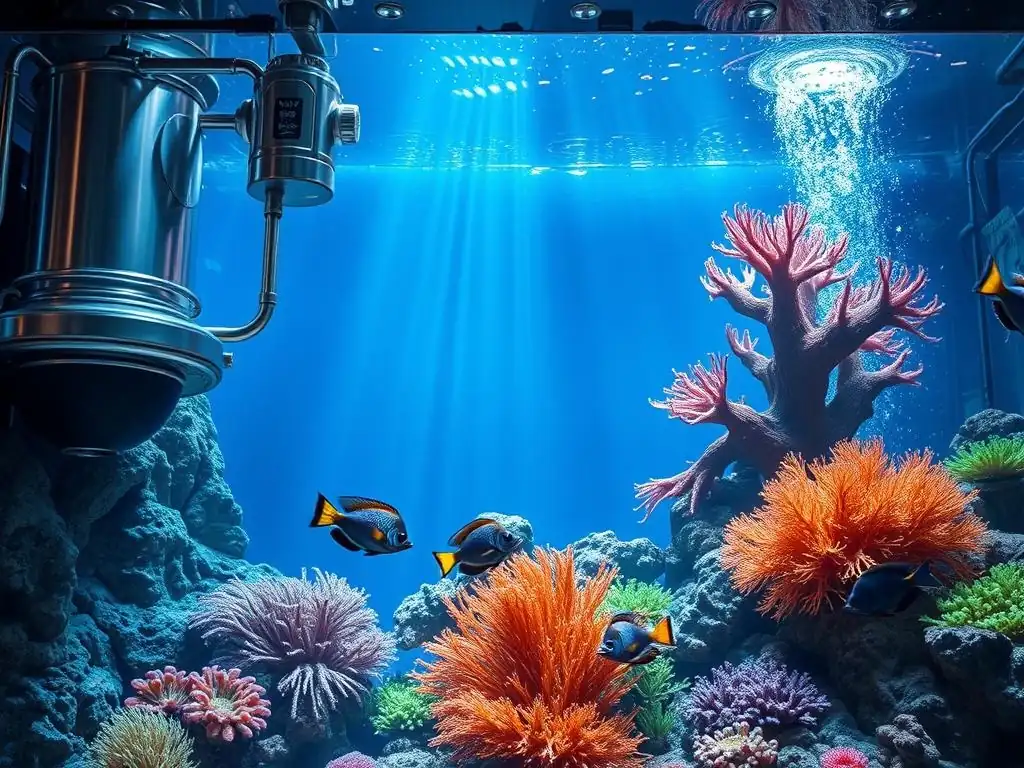
Welcome to Aquarium Mastery!
Ever wondered how to create a thriving underwater haven for the notoriously delicate Butterflyfish? You're in the right place! Dive in to discover the secrets of choosing the perfect Butterflyfish tank filtration systems – a critical key to their health and happiness. We'll unravel the complexities, offering expert advice to ensure your Butterflyfish reign supreme in a pristine, crystal-clear environment. Ready to unlock the secrets? Let's get started!
- Precision Filtration for Butterflyfish: Ensuring a Pristine Reef Environment
- Understanding the Specialized Needs of Butterflyfish
- Selecting the Optimal Filtration System for a Butterflyfish Tank
- Effective Filtration Methods for Butterflyfish Aquariums
- Implementing Your Butterflyfish Tank's Filtration System
- Maintaining a Healthy Filtration System
- Recommended Filtration Systems for Butterflyfish Tanks
- Optimizing Water Quality for Butterflyfish Well-being
- Common Filtration Mistakes to Avoid
- Advanced Filtration Strategies for Butterflyfish Aquariums
- Conclusion: Creating a Flourishing Habitat for Your Butterflyfish
-
Frequently Asked Questions
- What types of filtration systems are most recommended for Butterflyfish tanks?
- Why is filtration so crucial for Butterflyfish in particular?
- How often should I perform water changes in a Butterflyfish tank with a robust filtration system?
- What size filtration system should I choose for my Butterflyfish tank, considering the tank's volume?
- Besides filtration, what other factors contribute to a healthy environment for Butterflyfish?
- Final Reflection: The Crystal Clarity of Care
- Ignite Your Reef: Master the Butterflyfish Habitat!
Precision Filtration for Butterflyfish: Ensuring a Pristine Reef Environment
Understanding the Specialized Needs of Butterflyfish
The Sensitivity of Butterflyfish to Water Quality
Butterflyfish, native to the pristine coral reefs of tropical oceans, are inherently sensitive to fluctuations and degradation in water quality. Their natural habitats are characterized by stable parameters, low nutrient levels, and high clarity, which their delicate gill structures and physiological systems are adapted to. Exposure to elevated levels of ammonia, nitrite, or even prolonged high nitrates can induce severe stress, compromise their immune systems, and lead to various health issues such as fin rot, bacterial infections, or parasitic infestations like marine ich.
Maintaining undetectable levels of ammonia (0 ppm) and nitrite (0 ppm) is non-negotiable for these delicate fish. While some species might tolerate nitrate levels up to 20 ppm, for butterflyfish, aiming for consistently below 10 ppm is crucial for their long-term health and vibrant coloration. Rapid shifts in temperature, pH, or salinity by even small increments—for example, a pH drop of 0.2 units within a few hours—can cause osmotic shock, significantly stressing the fish and making them highly susceptible to disease.
Why Butterflyfish Demand Superior Filtration
Given their profound sensitivity, butterflyfish necessitate a Butterflyfish tank filtration system that goes beyond basic requirements, demanding a truly superior and robust setup. Their active metabolism, coupled with specific dietary needs (some species graze on coral polyps or small invertebrates), contributes to a significant bioload within the aquarium. Without efficient processing, this bioload quickly leads to the accumulation of undesirable organic compounds and nutrients.
Superior filtration for butterflyfish means not just removing visible particulate matter but meticulously maintaining ultra-low nutrient levels and pristine water chemistry. This often involves a multi-faceted approach that integrates highly efficient mechanical, biological, and chemical filtration components, alongside advanced nutrient export methods. The goal is to replicate the stable, nutrient-poor conditions of their natural reef environment, ensuring their delicate physiology is not constantly battling against suboptimal water parameters.
Selecting the Optimal Filtration System for a Butterflyfish Tank
Prioritizing Overfiltration for Butterflyfish Health
For sensitive species like butterflyfish, the concept of "overfiltration" is not just a recommendation but a critical strategy for success. Overfiltration means installing a Butterflyfish tank filtration system with a processing capacity significantly greater than the actual bioload of the aquarium. For instance, using a protein skimmer rated for a 200-gallon system on a 100-gallon display tank provides a substantial buffer against sudden increases in organic waste and ensures rapid removal of pollutants.
This strategic excess capacity offers multiple benefits: it provides redundancy in case a component's efficiency dips, it ensures rapid removal of dissolved organic compounds before they break down into harmful nitrates and phosphates, and it helps maintain exceptionally stable water parameters. A well-designed overfiltered system can process the entire tank volume through the sump's filtration stages multiple times an hour, often aiming for 3 to 5 times the tank volume per hour, effectively preventing nutrient accumulation and algae proliferation.
Key Factors in Filtration System Selection
Selecting the optimal Butterflyfish tank filtration system involves evaluating several key factors to match the system to the specific needs of your aquarium. The most obvious factor is tank size, but equally important are the projected bioload (number and size of butterflyfish and any tank mates), whether it's a fish-only or mixed reef system, the available space for equipment, and your budget. For example, a system designed for a 75-gallon tank housing a pair of Copperband Butterflyfish will differ considerably from one for a 180-gallon system with multiple larger butterflyfish species and corals.
Beyond these basics, consider the level of automation and maintenance you are comfortable with. Some advanced filtration methods require more hands-on attention, while others are relatively passive once set up. Prioritize components known for their reliability and efficiency, as consistent performance is paramount for butterflyfish health. A robust system for a 120-gallon butterflyfish tank might ideally include a large-volume sump (30-40 gallons), a protein skimmer rated for 180-250 gallons, dedicated media reactors for carbon and GFO, and a high-quality return pump capable of moving 1500-2000 gallons per hour through the sump.
Effective Filtration Methods for Butterflyfish Aquariums
Mechanical Filtration: Eliminating Particulate Waste
High-Quality Filter Socks and Sponges
Mechanical filtration serves as the first line of defense in a Butterflyfish tank filtration system, physically removing uneaten food, detritus, and other suspended particulate matter from the water column. High-quality filter socks, typically with a micron rating of 100 to 200, are exceptionally effective at trapping fine particles, preventing them from breaking down and contributing to the nutrient load. Marine-grade filter sponges, strategically placed, also serve a similar purpose, providing a large surface area for trapping debris.
The effectiveness of these mechanical media hinges on their quality and appropriate sizing for the system's flow rate. A 7-inch, 200-micron filter sock, for instance, can quickly polish the water in a 100-gallon system, improving clarity within hours. These elements are crucial for maintaining the sparkling clear water that butterflyfish prefer, as murky water can reduce light penetration and indicate a high organic load.
Frequent Cleaning Regimen
The utility of filter socks and sponges is directly tied to a rigorous and frequent cleaning regimen. As they trap organic matter, these media quickly become saturated and, if not cleaned promptly, will begin to decompose the trapped waste, effectively becoming nitrate factories themselves. For optimal performance in a Butterflyfish tank filtration system, filter socks should be replaced or cleaned every 1 to 3 days, depending on the bioload and feeding habits.
To maintain efficiency, it is advisable to have multiple filter socks on hand. When one is removed, immediately replace it with a clean one. The soiled sock can be thoroughly rinsed under a strong stream of tap water to dislodge debris, then ideally soaked in a diluted bleach solution (followed by thorough rinsing and drying to remove all bleach residue) or run through a washing machine without detergent for sterilization, ensuring no chemical contaminants remain before reuse.
Biological Filtration: Establishing a Stable Ecosystem
Live Rock: Cultivating Beneficial Bacteria
Live rock is the cornerstone of biological filtration in a saltwater aquarium, providing an immense surface area for the colonization of beneficial nitrifying and denitrifying bacteria. These bacteria are essential for the nitrogen cycle, converting toxic ammonia into nitrite, and then nitrite into less harmful nitrate. High-quality, porous live rock also contains anaerobic zones within its matrix, where denitrifying bacteria can convert nitrates into harmless nitrogen gas, though this process is less efficient than dedicated nitrate reduction methods.
Aim for approximately 1 to 1.5 pounds of live rock per gallon of tank volume for optimal biological filtration in a Butterflyfish tank filtration system. Premium live rock, such as Fiji or Pukani, offers superior porosity and a diverse array of beneficial microfauna, contributing to the overall biodiversity and stability of the tank. Ensuring the live rock is fully cured before introduction is paramount to prevent ammonia spikes that could devastate sensitive butterflyfish.
Protein Skimmers: Removing Organic Waste Before Decomposition
A protein skimmer is arguably the most critical piece of equipment for a Butterflyfish tank filtration system, acting as a highly efficient export mechanism for dissolved organic compounds (DOCs). By creating a multitude of fine air bubbles, the skimmer draws in tank water, and organic molecules adhere to the surface of these bubbles. As the bubbles rise, they form a foam head that carries the concentrated organic waste into a collection cup, effectively removing it from the water column before it can break down into ammonia, nitrite, and nitrate.
Proper sizing is crucial; a protein skimmer should be rated for 1.5 to 2 times the actual tank volume to handle the bioload of sensitive species. For a 100-gallon butterflyfish tank, a skimmer rated for 150-200 gallons would be appropriate, ensuring robust organic waste removal. Regular cleaning of the collection cup (daily or every few days) and the skimmer neck (weekly) is vital to maintain peak efficiency and prevent organic buildup from hindering foam production.
Strategies for Minimizing Nitrate Accumulation
While biological filtration on live rock converts ammonia and nitrite to nitrate, additional strategies are often necessary to minimize nitrate accumulation to the low levels required by butterflyfish. Methods like deep sand beds (DSB) in the sump, refugiums with macroalgae, and even sulfur denitrifiers are employed to promote anaerobic denitrification, where nitrates are converted into nitrogen gas and safely off-gassed from the system.
A refugium, typically a separate chamber in the sump, can house fast-growing macroalgae like Chaetomorpha. When illuminated on a reverse daylight photoperiod, this macroalgae actively consumes nitrates and phosphates from the water. Regular harvesting of the macroalgae (e.g., removing 10-20% of its biomass weekly from a 10-gallon refugium in a 100-gallon system) physically exports these nutrients from the aquarium, significantly contributing to a low-nitrate environment essential for a Butterflyfish tank filtration system.
Chemical Filtration: Fine-Tuning Water Chemistry
Activated Carbon: Removing Toxins and Improving Clarity
Activated carbon is an indispensable component of chemical filtration in a Butterflyfish tank filtration system, renowned for its ability to adsorb a wide range of dissolved organic pollutants, phenols, medications, and other impurities. It effectively removes yellowing compounds that can reduce water clarity and light penetration, eliminates unwanted odors, and adsorbs residual toxins that might be present in the water. This results in crystal-clear water, which not only enhances the aesthetic appeal of the aquarium but also signifies a healthier environment for its inhabitants.
For optimal performance, high-quality, granular activated carbon should be used, typically placed in a media bag within a high-flow area of the sump or, ideally, in a dedicated media reactor for maximum contact time. Its adsorptive capacity becomes exhausted over time, necessitating regular replacement every 2 to 4 weeks. For a 100-gallon tank, using approximately 0.5 to 1 cup of carbon in a reactor is a common and effective practice to maintain water purity.
Phosphate Control: Limiting Algae Proliferation
Phosphates are a primary nutrient for nuisance algae and, when present in elevated concentrations, can inhibit the calcification process in corals, making their control crucial even in fish-only butterflyfish tanks. They can enter the aquarium through various sources, including tap water (if not using RO/DI), fish food, and the decomposition of organic matter. Unchecked phosphate levels can lead to unsightly and persistent algae blooms, which not only detract from the tank's appearance but also compete with beneficial organisms for nutrients.
To effectively control phosphates, phosphate-removing media such as Granular Ferric Oxide (GFO) or Lanthanum Chloride are highly recommended. GFO is best utilized in a fluidized media reactor, which ensures optimal water flow through the media for maximum contact and absorption. This media should be replaced every 2 to 4 weeks, or whenever phosphate test kits indicate levels rising above 0.03 ppm, ensuring continuous control over this problematic nutrient in your Butterflyfish tank filtration system.
Implementing Your Butterflyfish Tank's Filtration System
Optimal Placement of Filtration Equipment
The optimal placement of filtration equipment is crucial for the efficiency and ease of maintenance of a Butterflyfish tank filtration system. Most primary filtration components, including the protein skimmer, return pump, media reactors, and often a refugium, are housed within a sump located beneath the display tank. This arrangement not only maximizes aesthetic appeal by keeping equipment out of sight but also minimizes noise and provides a dedicated space for equipment and water volume.
Water typically flows from the display tank's overflow into the sump's mechanical filtration section (e.g., filter socks), then sequentially through the protein skimmer chamber, followed by areas for biological media or a refugium, and finally into the return pump chamber. This sequential flow ensures that mechanical waste is removed first, followed by organic waste removal by the skimmer, and then nutrient export and fine-tuning by other media, before the clean water is returned to the display tank.
Establishing the Nitrogen Cycle
Before any butterflyfish are introduced, establishing a fully functional nitrogen cycle is an absolute prerequisite for a healthy Butterflyfish tank filtration system. This biological process, carried out by beneficial bacteria, converts highly toxic ammonia (from fish waste and decaying food) into nitrite, and then converts nitrite into less toxic nitrate. Without a mature nitrogen cycle, ammonia and nitrite will rapidly accumulate, leading to severe stress, illness, and ultimately death for sensitive species.
The cycling process typically takes 4 to 6 weeks to complete, though this can be accelerated with commercially available bacterial starter cultures. During this period, ammonia should be introduced (e.g., via a small piece of raw shrimp or a measured ammonia solution) to feed the developing bacterial colonies. Daily testing of ammonia, nitrite, and nitrate levels is essential until both ammonia and nitrite consistently read 0 ppm, indicating the cycle is fully established and the tank is safe for its delicate inhabitants.
Maximizing Water Circulation and Oxygen Levels
Beyond chemical and biological purification, robust water circulation and high oxygen levels are vital components of a thriving Butterflyfish tank filtration system. Good water flow prevents dead spots where detritus can accumulate, ensures uniform temperature and parameter distribution throughout the tank, and delivers essential oxygen to all inhabitants while removing carbon dioxide. Butterflyfish, being active swimmers, also appreciate dynamic water movement.
Achieving optimal flow typically involves the strategic placement of powerheads or wavemakers within the display tank, in addition to the flow provided by the return pump from the sump. For a fish-only butterflyfish tank, aiming for a total water turnover of 10 to 20 times the tank volume per hour is generally recommended. For example, a 100-gallon tank should have 1000-2000 gallons per hour of turbulent, random flow to ensure all areas are adequately oxygenated and detritus is kept suspended for removal by mechanical filtration.
Maintaining a Healthy Filtration System
Consistent Filter Maintenance and Replacement
Consistent maintenance of your Butterflyfish tank filtration system is not merely recommended; it is absolutely critical for the long-term health and survival of these sensitive fish. Neglecting regular cleaning and replacement of filtration media will inevitably lead to a decline in water quality, turning beneficial components into sources of pollution. A dirty filter sock, for instance, will quickly become saturated with organic debris, which will then begin to decompose, leaching nitrates and phosphates back into the water.
Establish and adhere to a strict maintenance schedule: typically, this involves daily checks of the protein skimmer collection cup, weekly cleaning of the skimmer neck and replacement/cleaning of filter socks, and bi-weekly to monthly replacement of chemical media like activated carbon and GFO. Additionally, pumps and powerheads should be periodically cleaned (e.g., every 1-3 months) to remove calcium deposits and slime that can reduce their efficiency and flow rates.
Regular Water Parameter Testing
Regular and accurate water parameter testing is the only way to truly gauge the effectiveness of your Butterflyfish tank filtration system and the overall health of your aquarium. Without consistent testing, you are operating blindly, risking the well-being of your delicate inhabitants. Key parameters to monitor include salinity, temperature, pH, ammonia, nitrite, nitrate, phosphate, alkalinity, calcium, and magnesium.
A typical testing regimen for a butterflyfish tank would involve daily checks of salinity and temperature, weekly tests for ammonia, nitrite, and nitrate, and bi-weekly to monthly tests for alkalinity, calcium, magnesium, and phosphate. If nitrate levels consistently creep above 10 ppm, it signals that your current filtration and nutrient export methods are insufficient, necessitating increased water changes, more frequent media replacement, or the addition of further nutrient export strategies to your Butterflyfish tank filtration system.
Addressing Common Filtration Problems
Even with a well-designed Butterflyfish tank filtration system, common problems can arise that require prompt attention. These often include clogged filter socks leading to sump overflow, an overflowing protein skimmer collection cup, reduced skimmer performance, or a gradual but persistent rise in nitrate and phosphate levels despite routine maintenance. Recognizing these issues early and addressing them swiftly is key to preventing water quality degradation.
A clogged filter sock demands immediate replacement or cleaning to prevent the sump from overflowing and to ensure mechanical filtration remains effective. An overflowing skimmer cup might indicate an adjustment is needed, or that the skimmer neck is dirty and requires cleaning. Reduced skimmer performance is often due to a dirty impeller, air intake blockage, or a shift in water level. Persistently rising nutrients, despite regular maintenance, indicate an imbalance in your nutrient export, potentially requiring more frequent water changes, an increase in chemical media, or the implementation of advanced strategies like a refugium or ATS.
Recommended Filtration Systems for Butterflyfish Tanks
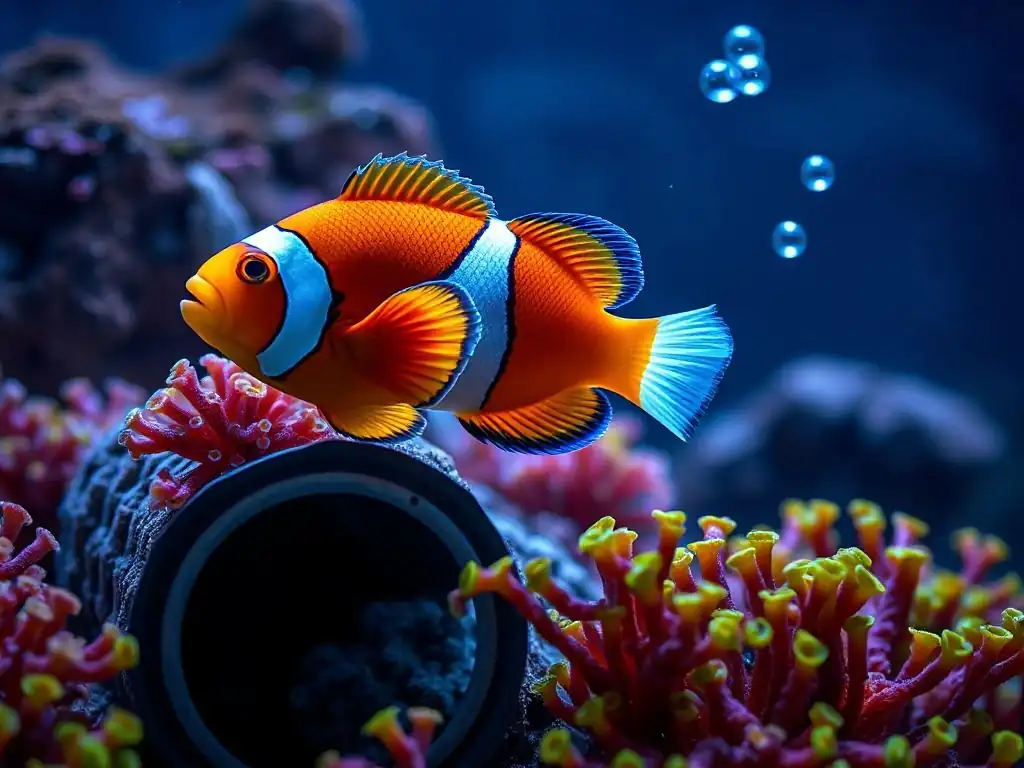
Reef Octopus Regal 200INT Protein Skimmer
The Reef Octopus Regal 200INT Protein Skimmer is a highly regarded internal skimmer, well-suited for the demanding filtration needs of a butterflyfish tank. It features a high-performance Aquatrance controllable pump, allowing for precise adjustment of foam production. Designed for systems up to 200 gallons, its robust build and efficient waste removal make it an excellent choice for maintaining the pristine water quality essential for butterflyfish.
Trigger Systems Ruby Elite 36S Sump
The Trigger Systems Ruby Elite 36S Sump offers a comprehensive and organized solution for housing filtration components. This 36-inch sump is designed with multiple chambers, including dedicated sections for filter socks, a protein skimmer, and a generously sized refugium. Its sturdy construction and thoughtful layout make it an ideal foundation for a high-performance Butterflyfish tank filtration system for tanks ranging from 75 to 120 gallons.
Nyos Quantum 160 Protein Skimmer
The Nyos Quantum 160 Protein Skimmer is a compact yet powerful skimmer known for its exceptional foam production and quiet operation. Utilizing Nyos's proprietary "Twister" technology, it creates an extremely fine and stable bubble structure for highly efficient organic waste removal. Rated for tanks up to 150 gallons, its combination of performance and small footprint makes it a popular choice for discerning aquarists building a top-tier Butterflyfish tank filtration system.
Optimizing Water Quality for Butterflyfish Well-being
Routine Water Changes: A Cornerstone of Butterflyfish Husbandry
Even the most advanced Butterflyfish tank filtration system cannot completely remove all dissolved organic compounds or replenish all trace elements depleted over time. This is where routine water changes become an indispensable cornerstone of butterflyfish husbandry. Water changes effectively dilute accumulated nitrates, phosphates, and other undesirable pollutants that filtration systems might miss, while simultaneously replenishing vital trace elements and maintaining the natural ionic balance of saltwater.
For sensitive butterflyfish, a weekly water change of 10-20% of the tank volume is highly recommended to maintain optimal water quality. For a 100-gallon system, this translates to changing 10 to 20 gallons of water each week. Always use high-quality RO/DI (Reverse Osmosis/Deionized) water and a reputable marine salt mix, ensuring the new saltwater is mixed to the correct salinity and temperature before being slowly added to the aquarium.
The Significance of Water Chemistry Balance
Butterflyfish originate from remarkably stable reef environments, making them highly intolerant of rapid or drastic fluctuations in water chemistry. Maintaining a consistent balance of key parameters is therefore paramount to their long-term health and stress reduction. Parameters such as salinity (ideally 1.025-1.026 specific gravity), temperature (consistently between 76-78°F), and pH (stable between 8.0-8.4) must be diligently monitored and maintained within narrow ranges.
Even seemingly minor shifts can induce significant physiological stress on butterflyfish, weakening their immune systems and predisposing them to disease. For instance, a sudden drop in salinity by even 0.002 specific gravity points over a short period can cause osmotic stress, leading to lethargy and potential health issues. A well-balanced Butterflyfish tank filtration system contributes significantly to this stability, but it must be supported by consistent husbandry practices.
Preventing Drastic Fluctuations in Water Parameters
Preventing drastic fluctuations in water parameters is as important as achieving ideal levels for the well-being of butterflyfish. Several proactive strategies can be employed to ensure the stability these delicate fish require. Utilizing an auto top-off (ATO) system is crucial; it automatically replenishes evaporated fresh water, preventing salinity from creeping up as pure water evaporates, thus maintaining a constant specific gravity.
Employing a reliable heater paired with a separate temperature controller provides redundancy and ensures the water temperature remains within the narrow desired range, preventing potentially fatal temperature swings. Furthermore, always mix new saltwater to the exact target salinity and temperature before adding it to the display tank, and add it slowly. This meticulous approach minimizes the shock to the system and ensures the Butterflyfish tank filtration system supports a consistently stable environment.
Common Filtration Mistakes to Avoid
Underestimating Filtration Requirements
One of the most common and detrimental mistakes made by aquarists keeping sensitive species like butterflyfish is underestimating their specific filtration requirements. Many opt for an undersized or inadequate Butterflyfish tank filtration system, assuming that standard filtration will suffice. This oversight fails to account for the high bioload these active fish can generate and their inherent intolerance to even slightly elevated nutrient levels.
The direct consequences of insufficient filtration are persistent water quality issues, including chronically high nitrate and phosphate levels, frequent nuisance algae blooms, and, most critically, stressed and immune-compromised fish. For example, relying solely on a hang-on-back filter for a 50-gallon tank housing a larger butterflyfish species will almost certainly lead to long-term health problems due to inadequate nutrient export and water purification.
Ignoring Regular Maintenance Schedules
A critical error that negates the benefits of even the best Butterflyfish tank filtration system is neglecting regular maintenance schedules. Filtration components, particularly mechanical and chemical media, are designed to trap or adsorb pollutants. If these components are not cleaned or replaced on time, they become saturated and can no longer perform their intended function; worse, they can begin to release trapped pollutants back into the water, effectively becoming sources of contamination.
Forgetting to clean a protein skimmer's collection cup or neck leads to reduced efficiency and eventual failure to export organics, resulting in an accumulation of dissolved organic compounds. Similarly, leaving activated carbon in the system past its effective life means it no longer adsorbs toxins and may even begin to leach previously adsorbed pollutants. Such neglect directly contributes to declining water quality, leading to stress and disease outbreaks among sensitive butterflyfish.
Combining Incompatible Filtration Approaches
While a multi-faceted Butterflyfish tank filtration system is essential, combining incompatible filtration approaches can be counterproductive. Not all filtration methods work synergistically, and some can even counteract the benefits of others or create new problems for the aquarium ecosystem. Understanding the interactions between different components is crucial to avoid unintended negative consequences.
For instance, heavily relying on highly aggressive chemical filtration that strips the water too "clean" of all trace elements can be detrimental to corals and even some fish over time, especially if not balanced with trace element dosing. Another example is running a very efficient Granular Ferric Oxide (GFO) reactor at maximum capacity while simultaneously trying to cultivate macroalgae in a refugium for nutrient export; the GFO might strip phosphates so effectively that it starves the macroalgae, reducing the refugium's effectiveness. Balance and an understanding of the entire system are key.
Advanced Filtration Strategies for Butterflyfish Aquariums
Deep Sand Beds (DSB) in Sump
A Deep Sand Bed (DSB) strategically placed in a sump or a dedicated chamber within the Butterflyfish tank filtration system represents an advanced and highly effective method for passive nitrate reduction. A DSB typically consists of 4-6 inches or more of fine aragonite sand, which creates an anoxic (oxygen-deprived) environment within its lower layers. In these anoxic zones, a specific type of beneficial bacteria thrives, capable of performing denitrification – converting nitrates into harmless nitrogen gas, which then off-gasses from the system.
The implementation of a DSB requires patience, as it can take several months for the bed to fully mature and become effective. Once established, however, a well-maintained DSB can significantly reduce or even eliminate the need for frequent large water changes for nitrate control, contributing to an exceptionally stable and low-nutrient environment. This stability is invaluable for delicate species like butterflyfish, making a DSB a powerful addition to a comprehensive Butterflyfish tank filtration system.
Refugiums for Nutrient Export and Pod Production
A refugium is a separate, isolated chamber within the sump of a Butterflyfish tank filtration system, designed to cultivate beneficial macroalgae and microfauna without predation from the main display tank inhabitants. Macroalgae, such as Chaetomorpha, are typically grown under a reverse daylight photoperiod (lights on when display lights are off) to stabilize pH and maximize nutrient consumption. These algae actively absorb nitrates and phosphates from the water column.
The benefits of a refugium are twofold: primarily, it acts as a highly effective nutrient export mechanism. Regular harvesting of the fast-growing macroalgae physically removes the absorbed nitrates and phosphates from the system, helping to maintain ultra-low nutrient levels. Secondly, a refugium provides a safe haven for the proliferation of beneficial microfauna, such as copepods and amphipods. These tiny crustaceans serve as a natural, nutritious food source for butterflyfish and other reef inhabitants, enriching their diet and promoting natural foraging behaviors. A 10-20 gallon refugium on a 100-gallon system can significantly contribute to nutrient reduction.
Algae Turf Scrubbers (ATS) for Nitrate and Phosphate Removal
An Algae Turf Scrubber (ATS) is an innovative and highly efficient advanced filtration strategy for a Butterflyfish tank filtration system, specifically designed for robust nitrate and phosphate removal. An ATS operates by flowing tank water over a textured screen that is intensely illuminated by a light source. This setup encourages the rapid growth of "nuisance" algae (often hair algae) directly on the screen. These fast-growing algae aggressively strip nitrates and phosphates from the water, effectively outcompeting undesirable algae in the display tank.
ATS systems are renowned for their effectiveness, often demonstrating superior nutrient uptake compared to traditional macroalgae refugiums. The primary advantage is that the algae on the screen are periodically harvested (typically weekly), physically removing the trapped nutrients from the system. This method provides a natural, chemical-free, and highly robust solution for maintaining ultra-low nutrient levels, contributing significantly to the pristine water quality demanded by sensitive butterflyfish.
Conclusion: Creating a Flourishing Habitat for Your Butterflyfish
The Vital Role of Comprehensive Filtration
For the discerning aquarist, understanding and implementing a comprehensive Butterflyfish tank filtration system is not merely an optional upgrade but the absolute cornerstone of their well-being. These delicate and majestic fish, originating from the most pristine coral reef environments, demand water quality that mirrors their natural habitat. A robust, multi-faceted filtration setup is paramount to achieving this, acting as the primary defense against the accumulation of harmful pollutants and the destabilization of crucial water parameters.
By meticulously integrating highly efficient mechanical, biological, and chemical filtration methods, coupled with advanced nutrient export strategies like refugiums or deep sand beds, aquarists can create an environment where nitrates and phosphates are kept at ultra-low, near-undetectable levels. This dedicated approach ensures that butterflyfish are not constantly under physiological stress, allowing them to thrive, display their vibrant colors, and exhibit their natural behaviors.
Maintaining a Balanced and Stable Reef Aquarium
While a superior Butterflyfish tank filtration system is the foundation, it is part of a larger, interconnected ecosystem that requires continuous attention and a holistic approach to maintenance. Consistent water changes, diligent parameter testing, and proactive problem-solving are all essential components that work in tandem with the filtration system to ensure enduring stability. The goal extends beyond simply removing waste; it is about fostering a balanced, resilient, and consistently stable reef environment.
By committing to these meticulous husbandry practices, aquarists can provide a truly flourishing habitat for their butterflyfish. This dedication not only safeguards the health and longevity of these "kings" of the reef but also allows their delicate beauty and intricate behaviors to be fully appreciated within the home aquarium, making the effort invested in their Butterflyfish tank filtration system profoundly rewarding.
Frequently Asked Questions
What types of filtration systems are most recommended for Butterflyfish tanks?
Sponge filters are a great starting point for biological filtration, and canister filters offer powerful mechanical and chemical filtration. Protein skimmers are also essential for removing organic waste in saltwater Butterflyfish tanks.
Why is filtration so crucial for Butterflyfish in particular?
Butterflyfish are sensitive to water quality. Poor filtration leads to high nitrate levels and other imbalances, which can stress them, making them susceptible to disease.
How often should I perform water changes in a Butterflyfish tank with a robust filtration system?
Even with excellent filtration, regular water changes are vital. Aim for 25% water changes every 1-2 weeks to replenish trace elements and further dilute accumulated waste.
What size filtration system should I choose for my Butterflyfish tank, considering the tank's volume?
As a general rule, select a filter rated for at least double the tank's volume. This ensures adequate water turnover and efficient waste removal for Butterflyfish.
Besides filtration, what other factors contribute to a healthy environment for Butterflyfish?
Maintaining stable water parameters (temperature, pH, salinity), providing appropriate tank mates, and offering a varied diet are all crucial for Butterflyfish health and well-being.
Final Reflection: The Crystal Clarity of Care
The journey to understanding the nuances of butterflyfish tank filtration systems underscores a crucial point: responsible aquarium keeping demands a commitment to replicating, as closely as possible, the pristine conditions of their natural habitats. This isn't merely about aesthetics; it's about the very survival and well-being of these delicate creatures, transforming a simple tank into a thriving ecosystem.
This exploration into filtration has profoundly shaped my understanding of the delicate balance within an aquarium. It's a constant reminder that our actions, however small, have a direct impact on the lives we choose to nurture. The complexity of these systems, from mechanical to biological, highlights the interconnectedness of life itself. In nature, there is no such thing as a single cause and effect. Every cause becomes the cause of more effects, and every effect has had multiple causes.
- Barry Commoner. This quote perfectly encapsulates the intricate web of factors that contribute to a healthy butterflyfish tank, and indeed, to any ecosystem.
Now, as you consider the information presented, I invite you to reflect on your own role in the aquatic world. Whether you're a seasoned aquarist or just beginning your journey, remember that the pursuit of knowledge and the dedication to providing optimal care are paramount. Embrace the challenge of creating a truly thriving environment for your butterflyfish, and in doing so, contribute to the preservation and appreciation of these magnificent creatures.
Ignite Your Reef: Master the Butterflyfish Habitat!
Thanks for diving into the world of butterflyfish! We hope you've gleaned valuable insights into creating the perfect aquatic haven for these sensitive beauties. Now, let's turn that knowledge into action.
- Prioritize a robust filtration system. Invest in a high-quality setup designed to maintain pristine water conditions, focusing on mechanical, biological, and chemical filtration to handle the unique needs of butterflyfish.
- Unearth hidden algae havens. Regularly inspect your tank for overlooked algae patches and proactively address them to prevent nutrient imbalances.
- Share your success! Post pictures of your thriving butterflyfish and filtration setup on your favorite aquarium forum, inspiring other hobbyists to create optimal environments.
Ready to build a filtration masterpiece? What's the first tweak you'll make to your system to better support your butterflyfish?