
Flame Hawkfish: A Fiery Personality – But What About Your Shrimp?

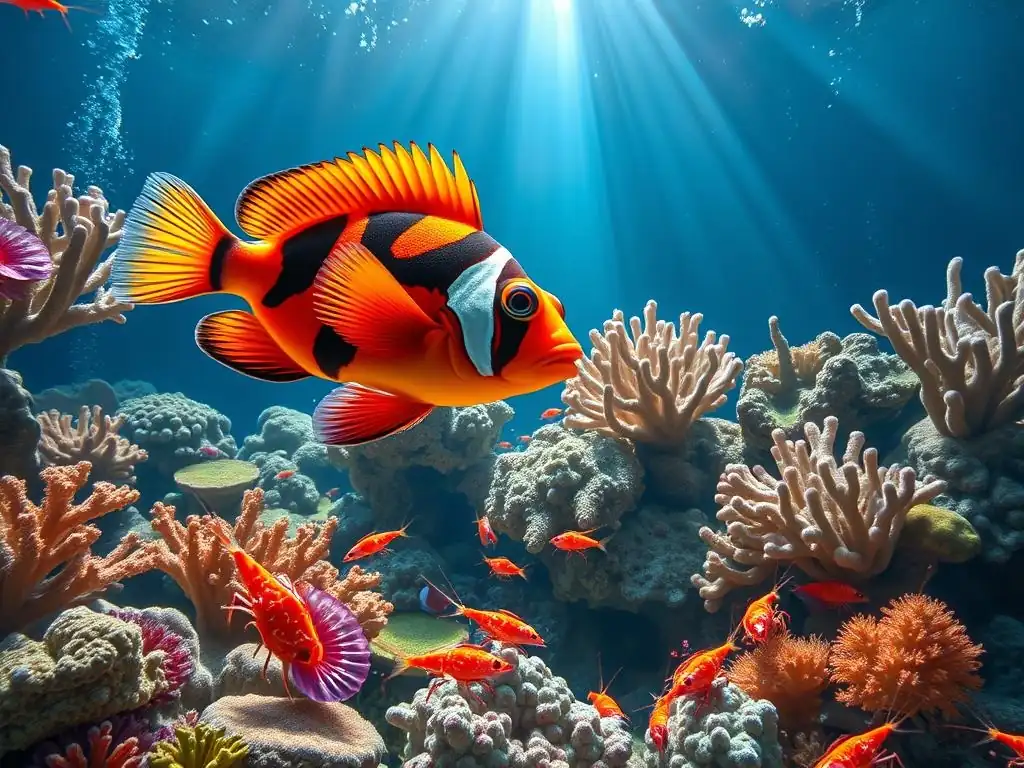
Welcome to Aquarium Mastery!
Intrigued by the vibrant allure of the Flame Hawkfish? Their fiery personality and striking colors make them a captivating addition to any saltwater aquarium. But before you introduce one to your tank, are you absolutely sure they'll get along with your shrimp? Dive in to explore the crucial details of Flame Hawkfish shrimp compatibility issues and discover how to create a harmonious underwater world!
- Flame Hawkfish and Shrimp: A Risky Reef Tank Combination?
- Understanding the Flame Hawkfish: Predatory Reef Dweller
- The Compatibility Challenge: Flame Hawkfish and Shrimp
- Analyzing Compatibility Factors: Shrimp Size and Species
- Strategies for Mitigation: Attempting Coexistence (Limited Success)
- Monitoring and Intervention: Protecting Vulnerable Shrimp
- Anecdotal Evidence: Successes and Failures of Coexistence
- Conclusion: Evaluating the Risks of Combining Flame Hawkfish and Shrimp
-
Frequently Asked Questions
- How likely is a Flame Hawkfish to eat my shrimp?
- What size shrimp is generally safe to keep with a Flame Hawkfish?
- Are there specific types of shrimp that are never compatible with a Flame Hawkfish?
- Can providing plenty of hiding places guarantee the safety of shrimp kept with a Flame Hawkfish?
- If I want to keep shrimp, is it better to avoid Flame Hawkfish altogether?
- Final Reflection: Navigating the Reef's Delicate Balance
- Ignite Your Reef Tank Adventure!
Flame Hawkfish and Shrimp: A Risky Reef Tank Combination?
Understanding the Flame Hawkfish: Predatory Reef Dweller
Flame Hawkfish Profile: Size, Temperament, and Diet
The Flame Hawkfish, scientifically known as Neocirrhites armatus, is a captivating inhabitant of Indo-Pacific coral reefs, prized for its striking, fiery red to orange coloration and distinctive tasseled dorsal fin rays. These vibrant fish typically reach an adult size of 3 to 4 inches (approximately 7.5 to 10 centimeters) in captivity, making them a suitable size for many home aquariums. While generally considered peaceful towards other fish of similar size or larger, their temperament shifts dramatically when it comes to smaller invertebrates, revealing their innate predatory nature.
In their natural habitat, Flame Hawkfish are opportunistic carnivores, perching on coral branches or live rock and darting out to ambush unsuspecting prey. Their wild diet primarily consists of small benthic crustaceans, such as copepods and amphipods, along with worms and other minute invertebrates found within the reef structure.
In a home aquarium, their diet should mimic this carnivorous preference, including high-quality frozen foods like mysis shrimp, brine shrimp, and finely chopped seafood, supplemented with carnivorous pellets. Consistent feeding is crucial, though it rarely fully suppresses their instinct to hunt live prey, which is central to understanding "Flame hawkfish shrimp compatibility issues."
The Appeal of Flame Hawkfish in Reef Aquariums
The aesthetic appeal of the Flame Hawkfish is undeniable. Its brilliant red hue provides a dramatic splash of color against the blues and greens of a reef tank, making it a focal point for many aquarists. Beyond their vibrant appearance, their unique behavior of perching on rockwork or corals, observing their surroundings with curious eyes, adds an engaging dynamic to the aquarium. They are also relatively hardy and adaptable, tolerating a range of common reef tank parameters, which contributes to their popularity among both novice and experienced hobbyists.
Furthermore, Flame Hawkfish are widely considered "reef-safe" regarding corals, meaning they typically do not nip at or damage stony or soft corals. This makes them an excellent choice for a thriving coral display, as they add movement and color without posing a threat to the sessile invertebrates that form the backbone of a reef aquarium. However, this definition of "reef-safe" often leads to misunderstandings, as it does not extend to all invertebrates, particularly smaller, motile species like ornamental shrimp, which are at the heart of "Flame hawkfish shrimp compatibility issues."
The Compatibility Challenge: Flame Hawkfish and Shrimp
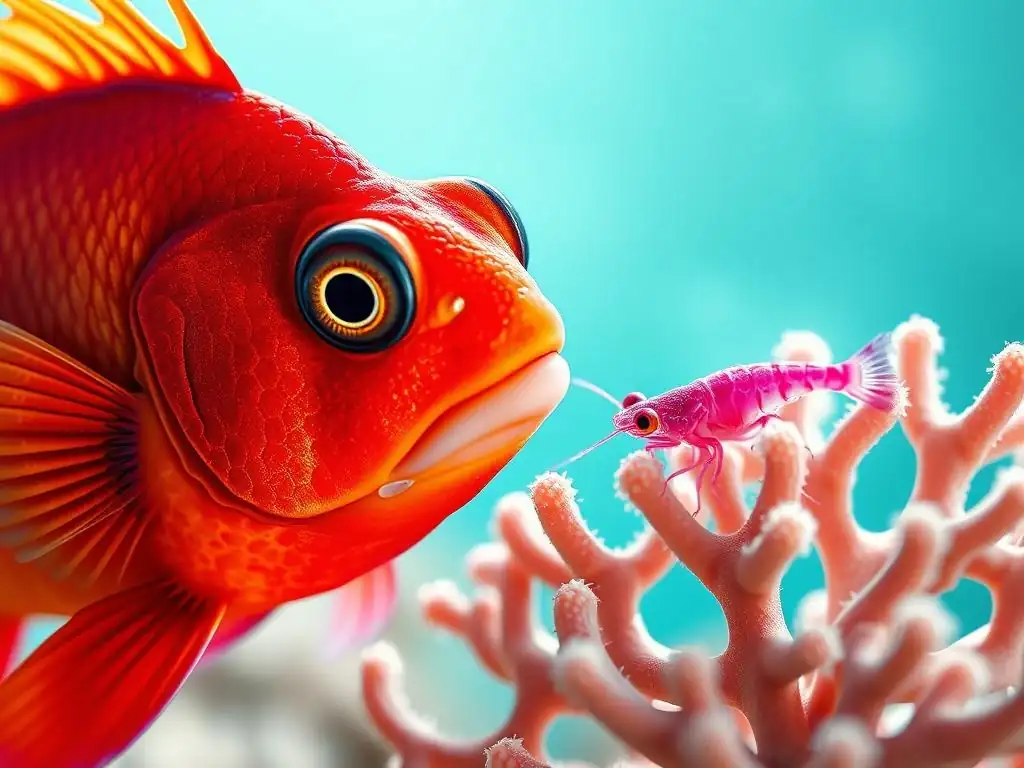
Reef Safety: Assessing Risks to Small Invertebrates
The term "reef-safe" when applied to fish often refers specifically to their compatibility with corals. However, the Flame Hawkfish, despite being an excellent coral-safe choice, is inherently a predator of small invertebrates. Their natural diet and hunting strategy are geared towards ambushing and consuming tiny crustaceans and worms. Therefore, any small, slow-moving invertebrate that can fit into the hawkfish's mouth, regardless of whether it's a shrimp, small crab, or even a tiny snail, is at significant risk of becoming a meal. This predatory inclination is a key factor in "Flame hawkfish shrimp compatibility issues."
Beyond direct predation, the mere presence of a Flame Hawkfish can induce chronic stress in smaller, more timid invertebrates. Shrimp, for instance, may spend most of their time in hiding, venturing out only rarely to feed. This constant state of alert can lead to weakened immune systems, poor feeding, and ultimately, a reduced lifespan or eventual demise, even if direct predation isn't immediately observed. The ongoing threat can transform a vibrant shrimp population into a reclusive and struggling one.
Predatory Behavior: Focusing on Crustaceans
The predatory behavior of the Flame Hawkfish is particularly focused on crustaceans, which form a significant portion of their natural diet. Their sharp eyesight, agile movements, and ability to perch patiently before striking make them highly effective hunters of these shelled creatures. This innate hunting instinct is deeply ingrained and is unlikely to be completely suppressed, even with a consistent and varied feeding regimen in the aquarium. Many aquarists report that even well-fed Flame Hawkfish will opportunistically consume any shrimp they can catch.
The risk extends to various ornamental shrimp species commonly kept in reef tanks, as well as smaller crabs (e.g., emerald crabs, porcelain crabs) and even hermit crabs if they are small enough or caught outside their shells during molting. The most vulnerable period for shrimp is immediately after molting, when their new exoskeleton is soft and they are temporarily immobile and defenseless. This makes them an easy target for a hungry Flame Hawkfish, highlighting the severity of "Flame hawkfish shrimp compatibility issues."
Analyzing Compatibility Factors: Shrimp Size and Species
Shrimp Size: Impact on Predation Risk
The most critical factor in determining the predation risk for shrimp is their size relative to the Flame Hawkfish. A general rule of thumb in aquarium keeping is the "mouth-size rule": if a fish can fit another creature into its mouth, it will likely attempt to eat it.
For Flame Hawkfish, which typically grow up to 4 inches (10 cm), this means that any shrimp under approximately 2 inches (5 cm) is at very high risk. Juvenile shrimp, often less than 1 inch (2.5 cm) when newly introduced or after molting, are particularly vulnerable and almost guaranteed to be targeted.
Even larger ornamental shrimp, such as adult Skunk Cleaner Shrimp or Peppermint Shrimp, which can reach 2 to 3 inches (5 to 7.5 cm), are not entirely safe. While a very large, robust individual might be ignored by a smaller Flame Hawkfish, a larger or more aggressive hawkfish can still pose a threat, especially if the shrimp is slender or in the vulnerable post-molt state. Tiny shrimp species, such as Sexy Shrimp ( Thor amboinensis), which rarely exceed 0.5 inches (1.2 cm), are considered guaranteed prey for any Flame Hawkfish, leading to significant "Flame hawkfish shrimp compatibility issues."
Shrimp Species: Vulnerability to Hawkfish Predation
Cleaner Shrimp (Lysmata amboinensis): Potential Target?
Skunk Cleaner Shrimp ( Lysmata amboinensis) are a popular addition to reef tanks due to their vibrant coloration and fascinating cleaning symbiosis with fish. However, despite their interactive nature, they are not immune to predation by Flame Hawkfish. Their bright red and white stripes might even make them more noticeable to a hunting hawkfish. Many aquarists report that cleaner shrimp, especially when young or freshly molted, are often among the first casualties after a Flame Hawkfish is introduced.
While cleaner shrimp are active and possess some awareness of their surroundings, their "cleaning station" behavior does not deter a determined predator. A hungry Flame Hawkfish prioritizes its predatory instincts over any perceived symbiotic relationship. This often leads to the disappearance of cleaner shrimp within days or weeks of cohabitation, underscoring the severe "Flame hawkfish shrimp compatibility issues" they face.
Peppermint Shrimp (Lysmata wurdemanni): Risk of Predation?
Peppermint Shrimp ( Lysmata wurdemanni) are frequently introduced to reef tanks for their beneficial role in controlling Aiptasia anemones. They are generally smaller and more reclusive than cleaner shrimp, often hiding within the rockwork during the day. While their reclusiveness might seem like a defense mechanism, it can also make them easier ambush targets for a hawkfish diligently patrolling the live rock.
Anecdotal evidence from numerous aquarists suggests a very high predation rate for Peppermint Shrimp when cohabiting with Flame Hawkfish. Their relatively small size, typically 1 to 2 inches (2.5 to 5 cm), combined with their somewhat delicate build, makes them easy prey. It is a common outcome for these shrimp to disappear within a short period after a Flame Hawkfish's introduction, highlighting the significant "Flame hawkfish shrimp compatibility issues" for this species.
Pistol Shrimp (Alpheus spp. ): Defense Mechanisms and Hawkfish Interactions
Pistol Shrimp ( Alpheus spp.), such as the Tiger Pistol Shrimp or Candy Cane Pistol Shrimp, are unique invertebrates known for their powerful snapping claw, which creates a cavitation bubble used for stunning prey or deterring threats. They often form symbiotic relationships with gobies, sharing a burrow for shelter. While the loud "snap" can be startling and might deter some fish, it is unlikely to cause significant harm or deter a determined Flame Hawkfish long-term.
The primary defense mechanism of Pistol Shrimp is their ability to retreat quickly into their burrow. However, they must venture out to forage for food, and it is during these excursions, particularly when molting, that they become most vulnerable. Despite their defensive snap, many aquarists report predation on Pistol Shrimp by Flame Hawkfish, especially on smaller individuals or if the hawkfish can ambush them away from their burrow. The presence of a protective goby might offer some minor deterrence, but it does not eliminate the inherent "Flame hawkfish shrimp compatibility issues."
Strategies for Mitigation: Attempting Coexistence (Limited Success)
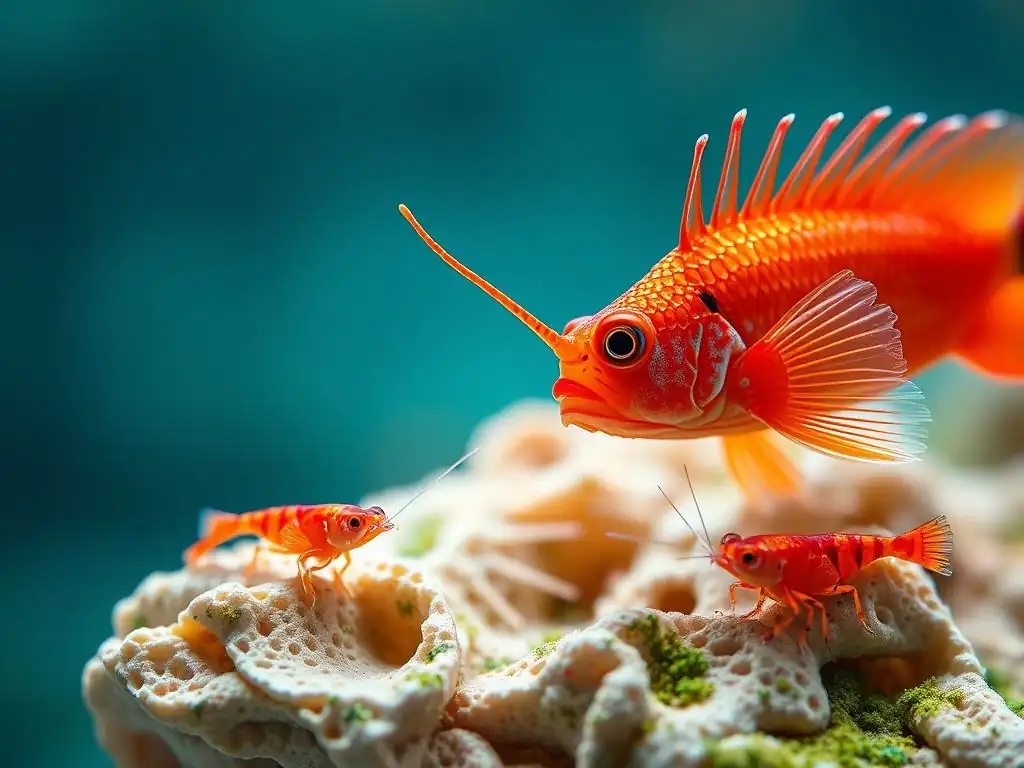
Ample Hiding Places: Creating Shrimp Refuges
Providing a densely aquascaped environment with numerous small crevices, caves, and overhangs can offer shrimp temporary refuge from a patrolling Flame Hawkfish. Intricate live rock structures, ceramic caves, or even PVC pipe sections hidden within the rockwork can serve as boltholes. The idea is to create so many potential hiding spots that the shrimp can evade detection or quickly retreat when threatened.
While ample hiding places can reduce the immediate risk of predation, they rarely eliminate it entirely. Shrimp may become stressed from constantly hiding and may not venture out sufficiently to feed, leading to their eventual decline. Furthermore, a Flame Hawkfish is a patient and persistent hunter; it can stake out an area for extended periods, waiting for a shrimp to emerge, thereby prolonging the "Flame hawkfish shrimp compatibility issues."
Introduction Order: Shrimp First, Hawkfish Last
A common strategy attempted by aquarists is to introduce the shrimp to the tank first, allowing them to establish territories and familiarize themselves with potential hiding spots for several weeks or even months before the Flame Hawkfish is introduced. The theory is that established shrimp are more aware of their surroundings and have secure retreats, giving them a slight advantage over a newly introduced predator.
This approach may offer a marginal increase in the shrimp's chances of survival by allowing them to acclimate without immediate predatory pressure. However, it is by no means a foolproof solution to "Flame hawkfish shrimp compatibility issues." A hungry or territorial Flame Hawkfish will eventually discover and target the shrimp, regardless of how long they have been established. The hawkfish's natural instincts usually prevail.
Consistent Feeding: Reducing Predatory Urges
A well-fed Flame Hawkfish is generally less inclined to actively hunt live prey. Offering a varied diet of high-quality frozen foods, such as mysis shrimp, brine shrimp, and finely chopped seafood, several times a day can help satiate their predatory drive. Providing multiple small meals throughout the day can keep the hawkfish's stomach full, theoretically reducing its motivation to hunt for shrimp.
While consistent and generous feeding can temper a Flame Hawkfish's aggression and reduce its immediate hunger, it cannot eliminate its natural instinct to hunt crustaceans. Even a full hawkfish may opportunistically snap up a passing shrimp, especially if the shrimp is small, appears vulnerable (e.g., recently molted), or presents itself as an easy target. The predatory instinct is deeply ingrained and not easily overridden.
Tank Size and Aquascape: Minimizing Aggression
A larger aquarium, typically 75 gallons (280 liters) or more, coupled with a complex aquascape, can potentially provide more territory and visual barriers, thereby reducing direct encounters between the Flame Hawkfish and shrimp. In a spacious environment, the hawkfish might establish a territory that doesn't constantly overlap with the shrimp's hiding spots, theoretically minimizing aggression.
However, while a larger tank can diffuse some territorial aggression between fish, it does not fundamentally alter the Flame Hawkfish's predatory nature. In a large tank, the hawkfish might simply have more ground to cover in its hunt for crustaceans, making it even harder for shrimp to evade detection over time. The core "Flame hawkfish shrimp compatibility issues" related to predation remain, regardless of tank volume.
Monitoring and Intervention: Protecting Vulnerable Shrimp
Recognizing Aggression: Early Intervention is Key
Close and consistent observation of your aquarium inhabitants is crucial when attempting to keep Flame Hawkfish with shrimp. Look for clear signs of aggression, such as the hawkfish actively stalking, chasing, or attempting to nip at shrimp. Shrimp that are constantly hiding, showing signs of stress (e.g., clamped fins, loss of color), or failing to emerge for feeding are strong indicators of a problematic situation. The most definitive sign, of course, is the disappearance of shrimp, especially smaller or newly molted individuals.
If aggressive behavior is observed, prompt intervention is essential to prevent further losses. This might involve attempting to rehome the Flame Hawkfish to a different tank or, if feasible, moving the vulnerable shrimp to a separate, shrimp-only aquarium or a dedicated sump. Delaying action almost certainly leads to the eventual loss of the shrimp, confirming severe "Flame hawkfish shrimp compatibility issues."
Alternative Tank Mates: Shrimp-Safe Fish Options
For aquarists whose priority is a thriving community of ornamental shrimp, numerous truly reef-safe fish options exist that do not pose a threat to crustaceans. Excellent choices include many species of peaceful gobies (e.g., Clown Gobies, Watchman Gobies, Diamond Watchman Gobies), blennies (e.g., Bicolor Blenny, Starry Blenny), and specific types of clownfish. These fish generally focus on microfauna, algae, or prepared foods and exhibit no predatory interest in shrimp.
Other reliable shrimp-safe options include Assessors Basslets ( Assessor maculosus), many species of Anthias (e.g., Lyretail Anthias), and small wrasses like the Possum Wrasse ( Wetmorella nigropinnata). While some caution is advised with certain wrasses and very tiny shrimp, these alternatives allow for a vibrant and active reef display without the constant worry of "Flame hawkfish shrimp compatibility issues." Prioritizing these species ensures the safety and well-being of your valuable invertebrates.
Anecdotal Evidence: Successes and Failures of Coexistence
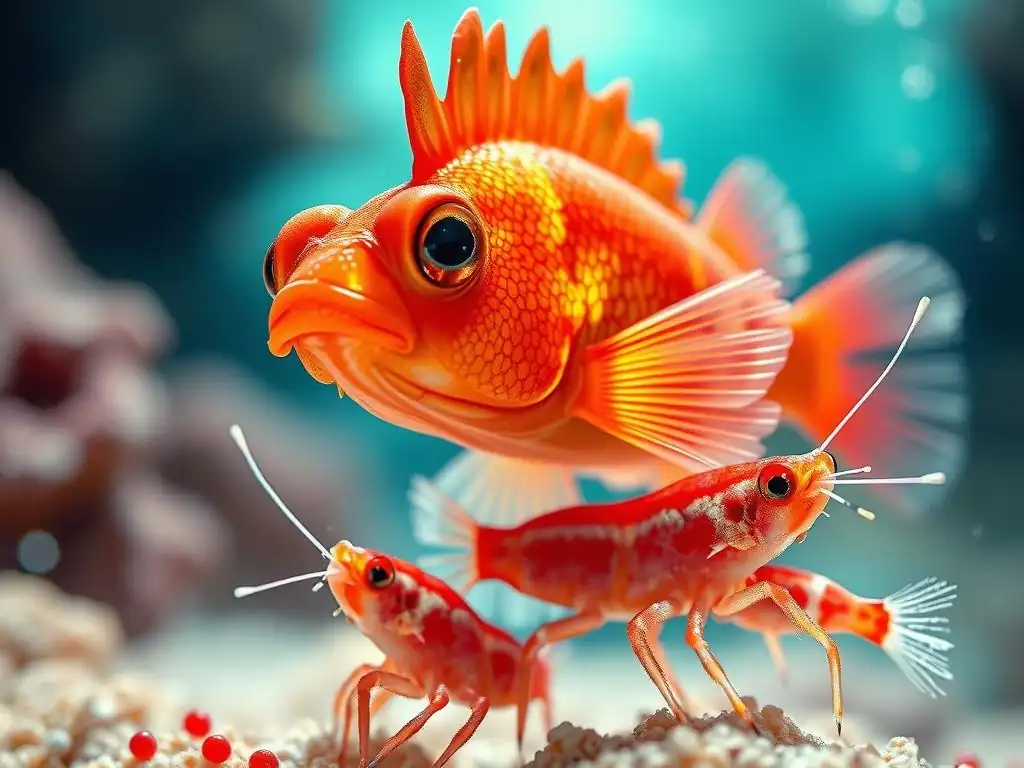
Case Study 1: Large Tank Success with a Very Large Ornamental Shrimp and a Well-Fed Hawkfish
In a meticulously maintained 120-gallon mixed reef tank, an aquarist successfully cohabited a Flame Hawkfish with a single, very large, robust ornamental shrimp, measuring approximately 3 inches (7.5 cm) in body length. The tank was densely aquascaped with over 150 pounds of live rock, providing an extensive network of caves, tunnels, and crevices. The hawkfish was introduced only after the shrimp had been established for over eight months, allowing it to fully acclimate and identify its secure hiding spots.
The aquarist ensured the Flame Hawkfish was consistently fed 3-4 times daily with a rich diet of frozen mysis shrimp, brine shrimp, and high-quality pellets. Over a period of two years, no predation was observed on the adult shrimp. However, the aquarist noted that any newly introduced, smaller ornamental shrimp (under 1.5 inches / 3.8 cm) or juvenile shrimp were quickly targeted and consumed, demonstrating that while exceptional circumstances and large shrimp might rarely succeed, size remains a critical factor in "Flame hawkfish shrimp compatibility issues."
Case Study 2: Failure with Cleaner Shrimp Despite Ample Hiding Spots
An aquarist introduced a Flame Hawkfish to a 40-gallon breeder tank that had been home to two adult Skunk Cleaner Shrimp ( Lysmata amboinensis), each around 2 inches (5 cm) long, for over a year. The tank featured a moderate amount of live rock with several well-defined caves and overhangs, intended to provide ample hiding places. The hawkfish was fed twice daily with frozen foods to mitigate predatory urges.
Within a week of the Flame Hawkfish's introduction, one of the cleaner shrimp disappeared without a trace. The remaining shrimp became extremely reclusive, rarely venturing out from its hiding spot even during feeding times. Despite the aquarist's efforts to increase feeding frequency and observe closely, the second cleaner shrimp was gone within two weeks. This outcome starkly illustrates the high risk of "Flame hawkfish shrimp compatibility issues" even in tanks with established shrimp and what appeared to be sufficient refuge.
Conclusion: Evaluating the Risks of Combining Flame Hawkfish and Shrimp
Informed Decision-Making: Is a Flame Hawkfish Suitable for Your Reef?
The evidence overwhelmingly suggests that while Flame Hawkfish are beautiful, hardy, and truly "reef-safe" for corals, they pose a significant and often unavoidable risk to ornamental shrimp and other small crustaceans. Their natural predatory instincts are deeply ingrained and extremely difficult to mitigate, even with careful planning, ample hiding spots, and consistent feeding. The inherent "Flame hawkfish shrimp compatibility issues" stem from their natural diet and hunting behavior.
Therefore, aquarists considering a Flame Hawkfish must make an informed decision by weighing the aesthetic appeal of this vibrant fish against the very high probability of losing their valuable and often beloved shrimp. If the primary goal is a thriving community of ornamental shrimp and small, delicate invertebrates, a Flame Hawkfish is generally not a recommended tank mate. The risk of predation is simply too high for many aquarists to comfortably accept.
Alternative Hawkfish: Exploring Less Predatory Species
For those who are set on adding a hawkfish to their aquarium but prioritize shrimp safety, there are a few alternative species that are considered less predatory, though caution is still advised. The Longnose Hawkfish ( Oxycirrhites typus) is primarily a planktivore, feeding mostly on zooplankton and small invertebrates from the water column, making it generally safer for most ornamental shrimp. However, very tiny or newly molted shrimp could still theoretically be at risk.
Another option is the Arc-Eye Hawkfish ( Paracirrhites arcatus), which is smaller (typically up to 5 inches / 12.5 cm) and tends to be less aggressive towards larger shrimp compared to the Flame Hawkfish. While small crustaceans are still part of its natural diet, its predatory drive is often less pronounced. Nonetheless, for absolute shrimp safety, avoiding hawkfish altogether or establishing a dedicated shrimp-only tank remains the most reliable approach to completely circumvent "Flame hawkfish shrimp compatibility issues."
Frequently Asked Questions
How likely is a Flame Hawkfish to eat my shrimp?
Flame Hawkfish have a reputation for being opportunistic predators. While not all individuals exhibit the same aggression, they are known to prey on smaller invertebrates, including shrimp.
What size shrimp is generally safe to keep with a Flame Hawkfish?
Generally, only larger shrimp species, such as Cleaner Shrimp or Peppermint Shrimp that are significantly larger than the Flame Hawkfish's mouth, have a better chance of survival. Smaller shrimp are highly vulnerable.
Are there specific types of shrimp that are never compatible with a Flame Hawkfish?
Yes, very small shrimp like Baby Brine Shrimp or Ghost Shrimp will almost certainly be considered food by a Flame Hawkfish. Avoid keeping these with this fish.
Can providing plenty of hiding places guarantee the safety of shrimp kept with a Flame Hawkfish?
While ample hiding spaces can help improve the shrimp's chances, it's not a guarantee of their safety. A hungry Flame Hawkfish can be quite persistent in hunting them.
If I want to keep shrimp, is it better to avoid Flame Hawkfish altogether?
If your primary focus is keeping shrimp, it's generally recommended to avoid keeping Flame Hawkfish in the same tank. Choose a fish known for being peaceful with invertebrates instead.
Okay, here's a final reflection designed to fit your article "Flame Hawkfish: A Fiery Personality – But What About Your Shrimp?" and target the keyword "Flame hawkfish shrimp compatibility issues," using the structure you provided:
The exploration of Flame Hawkfish shrimp compatibility issues reveals more than just the potential for a reef tank tragedy; it highlights the responsibility we bear as stewards of these miniature ecosystems. Understanding the inherent predatory nature of the Flame Hawkfish, and acknowledging the vulnerability of smaller invertebrates, is crucial for ethical and successful reef keeping. Ignoring this delicate balance leads to avoidable losses and undermines the very beauty we seek to cultivate.
This topic has profoundly influenced the way aquarists approach stocking their tanks, moving from impulsive purchases to carefully considered choices. The shift towards prioritizing the well-being of all inhabitants, rather than solely focusing on aesthetic appeal, is a testament to the growing maturity of the reef keeping hobby. The question is not, 'Can I keep this fish?' but rather, 'Should I keep this fish, considering the needs of all the creatures in my care?'
This ethical consideration is paramount in ensuring the long-term health and sustainability of our reef tanks.
Now, consider your own role in this intricate dance. Are you willing to commit to the research and planning necessary to create a truly harmonious reef environment? Let the lessons learned from understanding Flame Hawkfish shrimp compatibility issues inspire you to make informed decisions, prioritize the well-being of your aquatic companions, and contribute to a more responsible and compassionate approach to reef keeping. Your choices shape the future of these miniature ecosystems, so choose wisely and create a reef where all creatures can thrive.
Ignite Your Reef Tank Adventure!
Thank you for diving deep into the world of Flame Hawkfish with us. We hope you've gained valuable insights into their unique personality and how they might interact with your reef inhabitants. Now, let's translate that knowledge into action!
- Carefully observe your existing reef tank inhabitants, especially shrimp, for any signs of stress or interaction before introducing a Flame Hawkfish.
- Share your experiences! Head to your local fish store or online aquarium community and discuss the Flame Hawkfish – help other hobbyists make informed decisions.
- Challenge yourself: Research alternative, more peaceful reef fish that might be a better fit for your current tank setup.
What unexpected discoveries have you made about compatibility in your own reef tank, and how did you adapt your approach?