
Garlic for Tangs: Myth or Miracle Immune Booster in Their Diet?

Welcome to Aquarium Mastery!
Ever wondered if that pungent clove in your kitchen could be the secret to a healthier, happier Tang? We're diving deep into the world of Garlic benefits tang aquarium diet and exploring whether it's a myth or a genuine miracle immune booster for your finned friends. Prepare to unravel the truth behind this popular aquarist's trick and discover how it could transform your saltwater aquarium experience! Ready to learn more?
- Garlic for Tangs: Myth or Effective Appetite Stimulant and Immune Support?
- Introduction: Exploring Garlic's Role in Tang Fish Husbandry
- Understanding the Dietary Needs of Tangs and Surgeonfish
- Garlic Composition and Potential Benefits for Tangs
- Examining the Evidence: Does Garlic Actually Benefit Tangs?
- Garlic and Parasite Management in Tang Aquariums: Understanding the Limitations
- How to Properly Use Garlic in Your Tang's Diet: A Practical Guide
- Potential Risks and Side Effects of Garlic Supplementation in Tangs
- Comparing Garlic to Other Supplements for Tangs
- Expert Perspectives on Garlic Use in Tang Aquarium Diets
- Conclusion: Is Garlic a Valuable Tool in Tang Husbandry?
- Frequently Asked Questions
- Final Reflection: Unlocking the Potential of Nature's Pharmacy
- Unlock the Power of Garlic for a Healthier Tang!
Garlic for Tangs: Myth or Effective Appetite Stimulant and Immune Support?
Introduction: Exploring Garlic's Role in Tang Fish Husbandry
Why Proper Tang Nutrition is Crucial for Aquarium Success
Proper nutrition is paramount for the long-term health and vibrancy of Tangs and Surgeonfish in a captive environment. These predominantly herbivorous or omnivorous marine fish require a diet rich in specific nutrients to thrive and resist common ailments. A deficiency in essential vitamins, minerals, or adequate roughage can quickly lead to severe health issues, such as Head and Lateral Line Erosion (HLLE), a debilitating condition characterized by pits and lesions on the fish's head and body, often linked to poor diet and water quality.
Beyond preventing specific diseases like HLLE, a balanced diet ensures that tangs maintain a robust immune system, vibrant coloration, and natural vigor. Healthy tangs are more resilient to stress, less susceptible to parasitic infections, and generally exhibit more active and natural behaviors within the aquarium. For aquarists aiming for a successful and stable marine ecosystem, prioritizing the dietary needs of their tangs is a foundational step, directly impacting the overall success and longevity of their aquatic inhabitants.
The Increasing Popularity of Garlic as a Supplement for Picky Tangs
In the marine aquarium hobby, garlic has gained considerable popularity as a dietary supplement, particularly for encouraging finicky eaters like certain tang species to accept prepared foods. Many aquarists report that soaking foods in garlic extracts significantly enhances palatability, making otherwise reluctant feeders more eager to consume their meals. This anecdotal success has propelled garlic into the spotlight as a go-to solution for new or stressed tangs that may be hesitant to eat in a new environment.
The widespread adoption of garlic in the Garlic benefits tang aquarium diet discussion stems from numerous firsthand accounts of its effectiveness as an appetite stimulant. While its precise mechanisms are often debated, the observable increase in feeding response has led many hobbyists to consider it an indispensable tool for helping delicate or wild-caught tangs acclimate to captive diets. This growing trend highlights the need to critically examine the scientific basis and practical implications of using garlic in marine fish husbandry.
Understanding the Dietary Needs of Tangs and Surgeonfish
Essential Dietary Components for Healthy Tangs: Variety is Key
Tangs, belonging to the family Acanthuridae, are primarily herbivorous, with some species being omnivorous, meaning their diet in the wild consists largely of various types of algae and detritus. In a home aquarium, replicating this natural diet is crucial for their long-term health. Essential dietary components include high-quality marine-based proteins, beneficial lipids, complex carbohydrates, and a comprehensive array of vitamins and minerals. For instance, a typical high-quality marine flake or pellet food might contain 35-45% crude protein, with a significant portion derived from marine sources like fish meal or spirulina.
Variety is not just a preference but a necessity for tangs. Relying on a single food source, even a high-quality one, can lead to nutritional deficiencies over time. A balanced diet should incorporate a mix of commercial foods such as spirulina flakes, marine pellets, and frozen preparations like mysis shrimp or enriched brine shrimp, alongside their primary herbivorous fare. This diverse approach ensures that the tangs receive a full spectrum of amino acids, fatty acids (like Omega-3 and Omega-6), and trace elements necessary for cell function, growth, and disease resistance.
The Importance of Macroalgae and Seaweed in a Tang's Diet
Macroalgae and various forms of seaweed are indispensable staples in a tang's diet, mirroring their natural grazing habits in coral reefs. These fibrous plant materials are not only a primary source of nutrition but also provide crucial roughage that aids in digestion and gut motility. Many tang species, such as the Yellow Tang ( Zebrasoma flavescens) and the Kole Tang ( Ctenochaetus strigosus), spend the majority of their day grazing on filamentous algae or detritus-covered rocks in their natural habitat.
In captivity, dried seaweed sheets, commonly known as nori, are an excellent substitute for natural macroalgae. Green, red, and brown nori varieties offer different nutrient profiles, making it beneficial to rotate them.
For example, some nori products are rich in chlorophyll, while others provide higher concentrations of specific vitamins or minerals. Offering nori on a veggie clip several times a week ensures that tangs receive the necessary fiber and plant-based nutrients, which are vital for preventing digestive issues and maintaining a healthy gut microbiome, reinforcing the idea that a Garlic benefits tang aquarium diet only as a supplement to this core need.
Garlic Composition and Potential Benefits for Tangs
Key Compounds in Garlic: Allicin and its Reported Properties
Garlic ( Allium sativum) contains a complex array of sulfur-containing compounds, with allicin being the most well-known and widely studied. Allicin is not naturally present in intact garlic but is formed when garlic cloves are crushed, chopped, or bruised, triggering an enzymatic reaction between alliin and the enzyme alliinase. This conversion gives garlic its characteristic pungent odor and is believed to be responsible for many of its purported biological activities.
Beyond allicin, garlic also contains other organosulfur compounds such as diallyl disulfide (DADS), diallyl trisulfide (DATS), and ajoene, among others. These compounds have been investigated for a range of properties, including antimicrobial (antibacterial and antifungal), antioxidant, and anti-inflammatory effects in various organisms. While research on these specific compounds in marine fish is limited, their general biological activity forms the theoretical basis for why garlic might offer health advantages in an aquarium setting.
Potential Appetite Stimulation and Immune Support from Garlic
One of the most frequently cited Garlic benefits tang aquarium diet is its ability to act as an appetite stimulant. The strong, distinctive aroma and flavor of garlic are thought to entice picky or stressed tangs to accept prepared foods more readily. This "masking" effect can be particularly useful when introducing new foods or encouraging a reluctant fish to eat after transport or illness. Many aquarists observe a noticeable increase in feeding vigor when foods are soaked in garlic extract.
Furthermore, garlic is anecdotally believed to offer immune-boosting properties for fish. The active compounds, particularly allicin, are thought to enhance the fish's natural immune response, making them more resilient to common pathogens. This is often described as strengthening the fish's ability to fight off infections or recover more quickly from environmental stressors. While direct scientific evidence in marine tangs is scarce, the general understanding is that garlic may provide supportive care by potentially modulating immune pathways, rather than acting as a direct medication.
Examining the Evidence: Does Garlic Actually Benefit Tangs?
Documented Observations of Increased Feeding Response with Garlic
Numerous aquarists and anecdotal reports consistently highlight an increased feeding response in tangs when their food is supplemented with garlic. For instance, a common scenario involves newly introduced Yellow Tangs or Kole Tangs, which are often shy or stressed from shipping, refusing to eat. When their staple foods, such as spirulina flakes or nori, are soaked in a commercial garlic extract, many hobbyists observe these fish beginning to feed within hours or days. This immediate and observable change in feeding behavior is one of the primary reasons for garlic's popularity.
While large-scale, peer-reviewed studies specifically on marine tangs are limited, similar appetite-stimulating effects have been documented in aquaculture settings for other fish species. For example, studies on freshwater species like tilapia ( Oreochromis niloticus) and common carp ( Cyprinus carpio) have shown that dietary garlic supplementation can significantly improve feed intake and growth rates. These findings, though not directly transferable to marine tangs, lend some credibility to the hypothesis that garlic's pungent compounds can indeed act as effective feeding attractants, making the Garlic benefits tang aquarium diet claim for appetite stimulation quite strong.
Aquarist Reports on Garlic's Impact on Tang Health and Vigor
Beyond appetite stimulation, many aquarists report broader improvements in the overall health and vigor of their tangs when garlic is regularly incorporated into their diet. These observations include enhanced coloration, increased activity levels, and a generally more robust appearance. For example, a faded or lethargic Blue Tang ( Paracanthurus hepatus) might show brighter blues and yellows and more active swimming patterns after a period of garlic-supplemented feeding.
While these reports are predominantly anecdotal and not supported by controlled scientific experiments, they contribute significantly to the perceived Garlic benefits tang aquarium diet. Some hobbyists attribute a stronger slime coat or faster recovery from minor skin irritations to garlic use, suggesting a potential, albeit indirect, immune-modulating effect. It's crucial to acknowledge that these observed improvements could also be synergistic with other good husbandry practices, such as pristine water quality and a diverse diet, which are often maintained by diligent aquarists using supplements like garlic.
Garlic and Parasite Management in Tang Aquariums: Understanding the Limitations
Addressing Common Misconceptions about Garlic as a Parasite Cure
One of the most persistent and dangerous misconceptions in the marine aquarium hobby is the belief that garlic can cure or prevent parasitic infections like marine ich ( Cryptocaryon irritans) or velvet ( Amyloodinium ocellatum). This claim is entirely unfounded and can lead to devastating consequences for an aquarium if relied upon instead of proper treatment protocols. While some in vitro studies on isolated garlic compounds have shown anti-parasitic activity against certain protozoa, the concentrations required to achieve such effects are far beyond what can be safely or effectively delivered internally to a fish in an aquarium setting.
Feeding garlic to a fish infected with external parasites will not eliminate the parasites from the fish or from the water column. The active compounds in garlic are metabolized by the fish's digestive system, and insufficient concentrations reach the skin or gills to impact external parasites.
Relying on garlic as a "cure" for ich or velvet often results in prolonged suffering for the fish, increased stress, and the eventual loss of the entire tank population due to the rapid life cycle of these pathogens. It is critical for aquarists to understand that garlic is not a medication and should never be used as a substitute for recognized quarantine procedures or medical treatments.
Evaluating Garlic's Role in a Comprehensive Parasite Management Strategy
While garlic is not a cure for parasites, it can potentially play a supportive role within a comprehensive parasite management strategy, primarily by boosting the fish's overall health and immune system. A healthy, well-nourished fish with a robust immune response is generally more resilient to environmental stressors and may be better equipped to fight off minor parasitic loads or recover more quickly after proper medical treatment. In this context, the Garlic benefits tang aquarium diet are seen as an enhancement to the fish's natural defenses, rather than a direct attack on parasites.
A truly effective parasite management strategy for a marine aquarium must include:
- Quarantine: All new fish should undergo a strict quarantine period (typically 4-6 weeks) in a separate tank, where they can be observed and treated for any signs of disease before introduction to the main display. This is the single most effective method for preventing disease introduction.
- Prophylactic Treatment: For high-risk species or if a disease outbreak has occurred, prophylactic treatments (e.g., copper-based medications, Chloroquine Phosphate, Tank Transfer Method) in the quarantine tank are often necessary.
- Pristine Water Quality: Maintaining stable and optimal water parameters reduces stress on fish, thereby strengthening their natural immunity.
- Nutritional Support: A varied and high-quality diet ensures fish are strong enough to resist disease. Garlic, as an appetite stimulant, can aid in ensuring fish consume this beneficial diet.
Therefore, garlic should be viewed as a potential dietary aid to support general health and appetite, which indirectly contributes to resilience, but it is not a standalone solution for parasite control.
How to Properly Use Garlic in Your Tang's Diet: A Practical Guide
Choosing the Right Form of Garlic: Liquid Extracts vs. DIY Methods
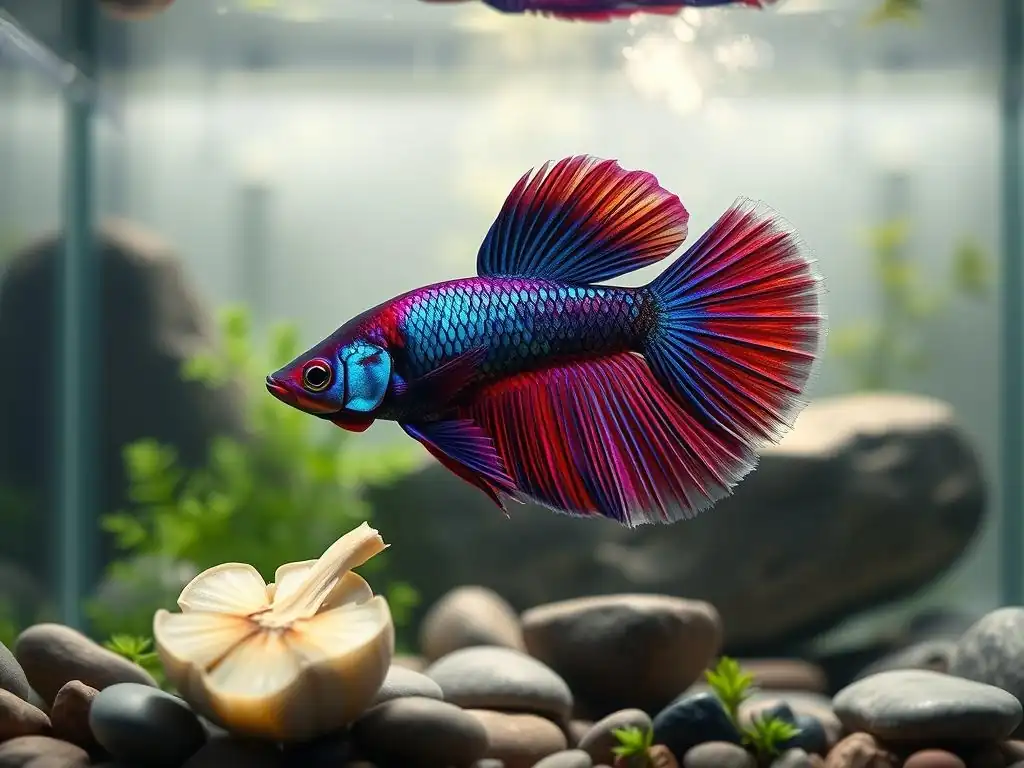
When considering how to integrate garlic into a tang's diet, aquarists have a few options, with commercial liquid extracts being the most recommended. Products like Seachem GarlicGuard or Kent Marine Garlic Xtreme are specifically formulated for aquarium use. These extracts are typically stable, easy to dose, and are less likely to introduce unwanted compounds into the water column. They are designed to enhance palatability without negatively impacting water quality.
Alternatively, some aquarists opt for DIY methods using fresh garlic. This usually involves finely mincing a small piece of fresh garlic or extracting its juice. While fresh garlic contains the highest concentration of allicin, it also carries a higher risk. Improper preparation or excessive amounts can introduce oils and organic compounds that may degrade water quality. Additionally, garlic powders or oils intended for human consumption should be strictly avoided, as they often contain additives like anti-caking agents, salts, or preservatives that are harmful to fish.
Preparing Garlic-Enriched Food for Tangs: Practical Techniques
Preparing garlic-enriched food for tangs is a simple process that can significantly improve food acceptance. The most common method involves soaking frozen or dried foods. For frozen foods like mysis shrimp or brine shrimp, thaw a small portion in a separate container with a little aquarium water. Once thawed, drain the water and add a few drops of a commercial garlic extract to the food. For dry foods such as spirulina flakes or pellets, place the desired amount in a small cup, add a few drops of garlic extract, and gently mix until coated.
Allow the garlic-treated food to soak for approximately 10-15 minutes. This allows the garlic compounds to permeate the food, enhancing its aroma and flavor. Avoid soaking for excessively long periods (e.g., over an hour), as this can lead to nutrient leaching from the food into the soaking water, reducing its nutritional value. After soaking, feed the garlic-enriched food directly to your tangs. This practical technique ensures that the Garlic benefits tang aquarium diet are directly delivered to the fish.
Dosage and Frequency: Finding the Right Balance for Garlic Use
Determining the appropriate dosage and frequency of garlic supplementation is key to maximizing its potential benefits while minimizing any risks. For commercial liquid garlic extracts, follow the manufacturer's recommendations, which typically suggest 1-2 drops per cube of frozen food or per pinch of flakes. When using fresh garlic, a tiny sliver (less than 1/8th of a clove, finely minced) for a small meal is generally sufficient.
Regarding frequency, garlic should not be a daily staple but rather used intermittently or as needed. For new or finicky tangs, supplementing their food with garlic 2-3 times a week can help encourage consistent feeding.
Once the fish is eating well and consistently, the frequency can be reduced to once a week or even less, using it primarily as a treat or during periods of stress (e.g., after a water change or tank rearrangement). Overuse can potentially impact water quality, so observation of the fish and regular water parameter testing are crucial to ensure a beneficial Garlic benefits tang aquarium diet approach.
Potential Risks and Side Effects of Garlic Supplementation in Tangs
Overuse of Garlic: Potential Impact on Biological Filtration
While the Garlic benefits tang aquarium diet are often discussed, it's crucial to acknowledge the potential risks associated with its overuse, particularly concerning the biological filtration system. Garlic, especially fresh garlic or excessive amounts of commercial extracts, can introduce organic compounds into the aquarium water. These compounds, when they decompose, contribute to the overall organic load, which can strain the beneficial nitrifying bacteria responsible for breaking down ammonia and nitrite.
An overloaded biological filter may struggle to process these additional organics, leading to spikes in ammonia (NH3/NH4+) and nitrite (NO2-) levels. Elevated levels of these compounds are highly toxic to marine fish, causing stress, gill damage, and potentially death. Therefore, while garlic can be beneficial as an appetite stimulant, it should be used judiciously to avoid inadvertently compromising the crucial nitrogen cycle in the aquarium.
Garlic and Water Quality: Monitoring Ammonia and Nitrite Levels
Due to the potential for increased organic load, rigorous monitoring of water quality parameters is essential when incorporating garlic into a tang's diet. Regular testing for ammonia and nitrite levels using a reliable test kit should become a standard practice, especially during the initial phases of garlic supplementation or if using it more frequently. Ammonia and nitrite should always read zero in a healthy, established marine aquarium.
If detectable levels of ammonia or nitrite appear, it is a strong indicator that the biological filter is being overwhelmed, possibly by excessive garlic use or other factors. Immediate action, such as performing a partial water change (e.g., 25-50%), reducing feeding, and temporarily ceasing garlic supplementation, is necessary to mitigate the risk to the fish. Maintaining pristine water quality is far more critical for the health of tangs than any potential Garlic benefits tang aquarium diet might offer.
Impact of Garlic on Beneficial Bacteria Populations
A theoretical concern with garlic supplementation is its reported antimicrobial properties, specifically the potential for it to negatively impact the beneficial bacteria populations within the biological filter. While allicin and other compounds in garlic are known to inhibit bacterial growth in various in vitro studies, the concentrations typically used in an aquarium setting are highly diluted.
In practice, a well-established and robust biological filter is quite resilient. However, chronic and heavy use of garlic, particularly raw or poorly prepared forms, could theoretically introduce enough antimicrobial compounds to stress or slightly reduce the efficiency of nitrifying bacteria over time. This risk is generally considered low with recommended dosages of commercial aquarium-specific garlic products. Nevertheless, it underscores the importance of moderation and observing the aquarium's overall health and stability when using any dietary supplement.
Comparing Garlic to Other Supplements for Tangs
Vitamin and Mineral Supplements: Enhancing Overall Health
While garlic primarily functions as an appetite stimulant and potential immune modulator, other supplements offer more direct and comprehensive nutritional benefits for tangs. Broad-spectrum vitamin and mineral supplements, such as Selcon or Vita-Chem, are crucial for enhancing overall fish health. These products typically contain a balanced blend of essential vitamins (e.g., Vitamin A, D, E, K, B-complex) and trace minerals (e.g., iodine, selenium, zinc) that may be lacking in processed foods or leached out during thawing.
Soaking frozen or dry foods in these vitamin concentrates ensures that tangs receive a complete nutritional profile, directly addressing potential deficiencies that can lead to issues like HLLE or compromised immune function. Unlike garlic, which has a more indirect role, these supplements directly provide the building blocks for healthy growth, vibrant coloration, and robust disease resistance, making them a fundamental component of a truly beneficial Garlic benefits tang aquarium diet strategy.
Probiotics for Tangs: Promoting Gut Health and Digestion
Probiotic supplements, which introduce beneficial bacteria into the fish's gut, represent another category of valuable dietary additives for tangs. Products containing live beneficial bacteria (e.g., Brightwell Aquatics MicroBacter7 or specific probiotic-enriched fish foods) can aid in digestion, improve nutrient absorption, and help suppress the growth of pathogenic bacteria within the digestive tract. A healthy gut microbiome is fundamental to a fish's overall well-being and immune response.
By fostering a robust population of beneficial gut flora, probiotics can enhance the efficiency with which tangs process their food, leading to better nutrient utilization and potentially reducing waste output. This direct support for internal health contrasts with garlic's more external or stimulatory role. For tangs prone to digestive issues or those recovering from stress, probiotics can be a more targeted and scientifically supported approach to improving gut health and overall vitality.
Other Supplements: Addressing Specific Nutritional Deficiencies
Beyond general vitamins and probiotics, several other specialized supplements can address specific nutritional deficiencies or enhance particular aspects of tang health. For example, some tang species benefit from additional sources of Omega-3 fatty acids, which are crucial for cell membrane integrity, brain function, and vibrant coloration. Products enriched with spirulina or astaxanthin are often used to intensify the natural colors of tangs, as these pigments are naturally found in the algae they consume in the wild.
Furthermore, some aquarists use iodine supplements, as certain marine fish, including tangs, can benefit from this trace element for thyroid function and overall metabolic health, though this is usually added to the water column rather than food. The key takeaway is that a holistic approach to a Garlic benefits tang aquarium diet involves a diverse range of high-quality foods augmented by targeted, proven supplements that directly address nutritional needs, rather than relying on one single additive.
Expert Perspectives on Garlic Use in Tang Aquarium Diets
Marine Biologist Insights: Understanding Garlic's Limited Scientific Backing
From a marine biologist's perspective, the scientific evidence supporting the widespread Garlic benefits tang aquarium diet claims, particularly regarding immune boosting or parasite eradication, is largely inconclusive or anecdotal. While garlic compounds like allicin have shown antimicrobial properties in laboratory settings against various pathogens, these studies are often conducted in vitro (in a test tube) and do not replicate the complex physiological processes or diluted concentrations found within a living fish or aquarium system.
Experts emphasize that robust, peer-reviewed research specifically demonstrating garlic's efficacy as an immune stimulant or anti-parasitic agent in marine tangs is scarce. Many observed benefits in the hobby are often attributed to a combination of factors, including improved overall husbandry, a more varied diet, and the placebo effect. Marine biologists generally advocate for established, evidence-based practices such as meticulous quarantine, proper nutrition, and chemical treatments for diseases, rather than relying on unproven supplements for critical health issues.
Experienced Aquarists' Approaches to Garlic Supplementation
Experienced aquarists, while acknowledging the lack of definitive scientific proof, often adopt a pragmatic approach to garlic supplementation. Many seasoned hobbyists view garlic not as a "cure-all" or a primary immune booster, but primarily as a valuable tool for appetite stimulation. For instance, they might use garlic-soaked foods for newly acquired tangs that are stressed and refusing to eat, or for fish recovering from illness to encourage them to resume feeding.
These aquarists typically use commercial garlic extracts sparingly and intermittently, rather than as a daily staple. They understand that the core of Garlic benefits tang aquarium diet lies in its ability to entice picky eaters to consume the truly nutritious foods (like nori and high-quality pellets). They prioritize excellent water quality, a diverse and balanced diet, and strict quarantine protocols as the foundational pillars of tang health, with garlic serving as a supportive aid in specific situations, not a substitute for these essential practices.
Conclusion: Is Garlic a Valuable Tool in Tang Husbandry?
Weighing the Benefits and Risks of Garlic for Tangs
When evaluating whether garlic is a valuable tool in tang husbandry, it's essential to weigh its potential benefits against its risks. On the benefit side, garlic is widely acknowledged as an effective appetite stimulant, particularly useful for encouraging new, stressed, or finicky tangs to eat. This can be crucial for acclimation and recovery, ensuring the fish receive vital nutrition. There's also anecdotal evidence suggesting it may offer mild immune support, helping fish resist minor stressors.
However, the risks and limitations must not be overlooked. Garlic is not a cure for parasitic infections like marine ich or velvet, and relying on it for such purposes is dangerous and ineffective. Overuse can potentially impact water quality by increasing organic load, straining biological filtration, and potentially leading to ammonia/nitrite spikes. Furthermore, robust scientific evidence specifically demonstrating broad immune-boosting or anti-parasitic effects in marine tangs is largely absent, making many claims purely anecdotal.
Best Practices for Responsible Garlic Supplementation in Aquariums
For aquarists considering the Garlic benefits tang aquarium diet, responsible supplementation is key. Here are best practices:
- Choose Commercial Products: Opt for liquid garlic extracts specifically formulated for aquariums (e.g.,
Seachem GarlicGuard). These are safer and more stable than DIY methods or human-grade garlic products. - Use Sparingly and Intermittently: Employ garlic primarily as an appetite stimulant for specific situations, such as introducing new fish, encouraging reluctant eaters, or during periods of stress. Avoid daily, heavy use.
- Never as a Treatment: Understand that garlic is a dietary supplement, not a medication. It cannot cure diseases or parasites. Always follow established quarantine protocols and medical treatments for sick fish.
- Prioritize Core Husbandry: Garlic should complement, not replace, a foundation of excellent water quality, a varied and nutritious diet (rich in marine algae), and appropriate tank conditions. These factors are paramount for tang health.
- Monitor Closely: Observe your fish's response to garlic and regularly test water parameters (ammonia, nitrite) to ensure no adverse effects. Adjust usage as needed.
While garlic offers genuine utility as an appetite stimulant, its role as a panacea for immune health or parasite control is largely a myth. Used responsibly and in conjunction with comprehensive husbandry practices, garlic can be a valuable, albeit limited, tool in the successful care of tangs.
Frequently Asked Questions
Is garlic truly beneficial for Tangs in a reef aquarium?
While not a miracle cure, garlic can be a valuable supplement in a Tang's diet. It is often used to stimulate appetite and may have some anti-parasitic properties.
How should I administer garlic to my Tangs?
The most common method is to soak their food in garlic juice before feeding. You can also find commercially available garlic-infused foods specifically designed for aquarium fish.
Can garlic alone cure diseases in Tangs?
No, garlic is not a substitute for proper medication and treatment. It can support their immune system, but serious illnesses require veterinary attention.
What are the potential risks of using garlic in my Tang aquarium?
Overuse of garlic can harm the beneficial bacteria in your aquarium's biological filter. Always use garlic in moderation and monitor water parameters.
What other foods should I include in a Tang's diet besides garlic?
Tangs are herbivores, so their diet should consist primarily of algae and seaweed. Supplement with high-quality flake food and frozen foods to ensure a balanced diet.
Final Reflection: Unlocking the Potential of Nature's Pharmacy
The journey through the world of garlic and its potential benefits for tangs in aquariums reveals a fascinating intersection of anecdotal evidence and scientific inquiry. The enduring question of whether garlic truly acts as a miracle immune booster remains complex, yet the exploration itself underscores the growing desire within the aquarium hobby to embrace more natural and holistic approaches to fish health. This pursuit reflects a broader trend of seeking sustainable and responsible practices in all aspects of our lives, extending even to the care of our aquatic companions.
This exploration has not only challenged existing beliefs but also highlighted the importance of critical thinking and responsible experimentation within the aquarium community. The ongoing debate surrounding garlic's efficacy serves as a constant reminder that our understanding of marine ecosystems is still evolving, and that careful observation and data collection are crucial for advancing our knowledge. The important thing is to never stop questioning.
- Albert Einstein. This quote resonates deeply, urging us to maintain a spirit of inquiry as we navigate the complexities of aquarium keeping and the potential benefits of natural supplements like garlic.
As we conclude this exploration, let us not dismiss the power of observation and the potential of nature's pharmacy. Instead, let us embrace a balanced approach, combining scientific rigor with the wisdom of experience. Consider how you can contribute to the ongoing conversation, sharing your own observations and experiences responsibly. Let the quest for knowledge and the pursuit of optimal fish health guide your actions, ensuring a thriving and sustainable future for our beloved tangs and the vibrant ecosystems they inhabit.
Unlock the Power of Garlic for a Healthier Tang!
Thanks for diving deep into the world of garlic and Tang health! We hope you've found some valuable insights to help you provide the best possible care for your finned friends. Now, let's put that knowledge into action!
Here are a few ways you can start incorporating what you've learned:
- Implement Garlic Infusion: Experiment with feeding your Tangs garlic-soaked food – start small and observe how they react! This is the primary action that can directly impact their health.
- Share Your Experiences: Discuss your results, successes, and challenges with other aquarists in forums or groups. Perhaps you'll discover new methods together!
- Research Additional Immune Boosters: Look into other natural supplements that could synergize with garlic for an even stronger immune defense!
What unique garlic preparation method will you try first to boost your Tang's immunity?