
Golden Dwarf Moray (Gymnothorax melatremus): A Small Eel with Big Appeal

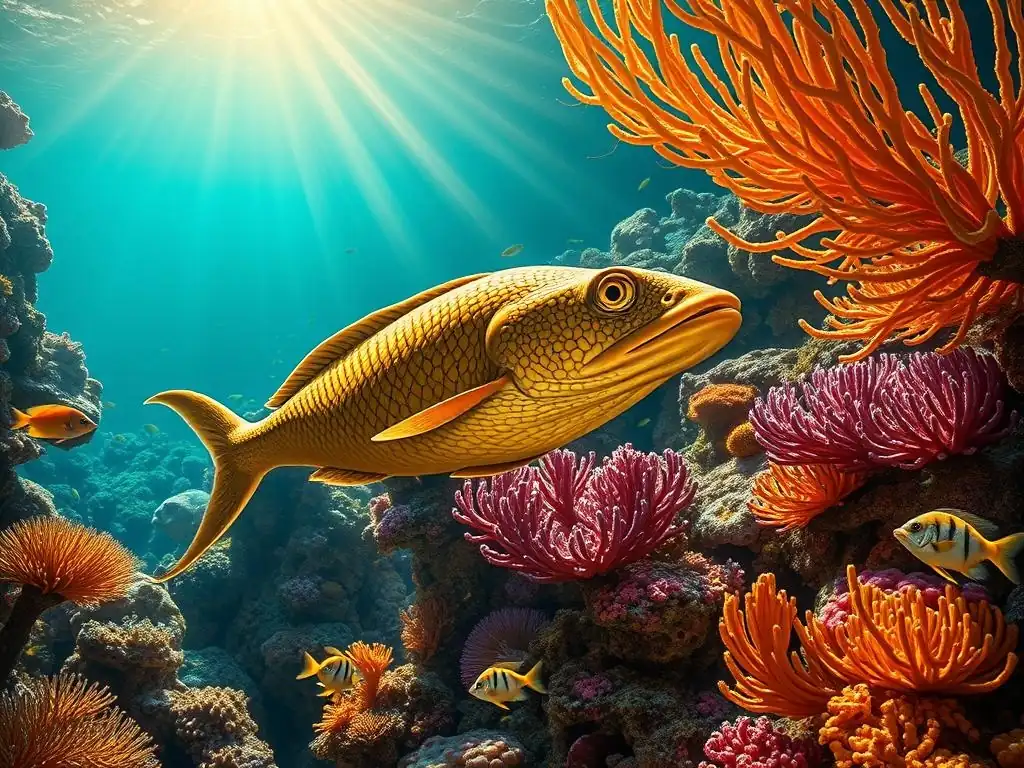
Welcome to Aquarium Mastery, where we unlock the secrets to thriving aquatic ecosystems!
Ever been captivated by the enigmatic beauty of an eel? Then prepare to be amazed! Today, we dive deep into the world of the Golden Dwarf Moray, a miniature marvel that's making waves in the aquarium hobby. But how do you keep this captivating creature happy and healthy? Get ready to uncover essential Golden Dwarf Moray care tips and ensure your new underwater companion thrives in your saltwater haven. Let's explore!
- Golden Dwarf Moray (Gymnothorax melatremus): A Captivating Nano Reef Addition
- Introduction to the Golden Dwarf Moray Eel
- Understanding the Golden Dwarf Moray: Species Profile
- Golden Dwarf Moray Care Tips: Creating the Ideal Aquarium Environment
- Feeding Your Golden Dwarf Moray: Diet and Nutrition
- Golden Dwarf Moray Tank Mates: Compatibility and Considerations
-
Golden Dwarf Moray Health and Disease Prevention
- Common Diseases Affecting Golden Dwarf Morays (Ich, Bacterial Infections)
- Recognizing Symptoms of Illness in Your Eel (Loss of Appetite, Cloudy Eyes, Erratic Swimming)
- Quarantine Procedures for New Arrivals (4-6 Weeks)
- Preventative Measures for Maintaining a Healthy Aquarium (Regular Water Changes, Proper Filtration)
- Breeding Golden Dwarf Morays: Challenges and Possibilities
- Golden Dwarf Moray Care: Advanced Tips and Tricks
- Troubleshooting Common Issues with Golden Dwarf Morays
- Where to Buy Golden Dwarf Moray Eels
- Conclusion: The Golden Dwarf Moray - A Rewarding Challenge for Experienced Aquarists
- Frequently Asked Questions
- Final Reflection: The Enduring Allure of Miniature Marvels
- Unleash Your Inner Reef Explorer!
Golden Dwarf Moray (Gymnothorax melatremus): A Captivating Nano Reef Addition
Introduction to the Golden Dwarf Moray Eel
Discovering the Appeal of Gymnothorax melatremus for Experienced Reef Aquarists
The Golden Dwarf Moray, Gymnothorax melatremus, stands out as a truly unique and appealing inhabitant for the discerning reef aquarist. Unlike its larger, more imposing moray relatives, this species remains relatively small, making it a viable option for nano or smaller reef tank setups that typically cannot house other eels. Its striking golden coloration and reclusive yet fascinating behavior offer a captivating glimpse into the secretive lives of reef predators, drawing in those with a keen interest in specialized marine life.
For experienced hobbyists, the allure of the Golden Dwarf Moray lies in the challenge and satisfaction of providing precise Golden dwarf moray care tips tailored to its specific needs. Successfully maintaining such a specialized creature requires a deep understanding of marine aquarium husbandry, including stable water parameters, appropriate aquascaping, and a carefully managed diet. As interest in compact, high-quality reef systems continues to grow, the demand for reliable guidance on keeping unique species like this dwarf moray has increased significantly.
Understanding the Golden Dwarf Moray: Species Profile
Gymnothorax melatremus: Scientific Classification and Origins (Indo-Pacific)
The Golden Dwarf Moray belongs to the family Muraenidae, which encompasses all true moray eels. Scientifically classified as Gymnothorax melatremus, this species is part of a diverse genus known for its varied sizes and colorations. Its natural range is quite extensive, originating from the vast Indo-Pacific region. This distribution spans from the Red Sea and East Africa, across the Indian Ocean, and throughout the Pacific Ocean, reaching as far east as several Pacific island nations.
This wide geographical spread indicates its adaptability to various reef environments within tropical waters. Specifically, specimens are frequently collected from the coral-rich waters surrounding the Philippines, Indonesia, and parts of the Great Barrier Reef. Understanding its Indo-Pacific origins is crucial for replicating its natural conditions in a home aquarium, informing essential Golden dwarf moray care tips related to water chemistry and temperature.
Physical Characteristics and Identifying Features of the Golden Dwarf Moray (Size, Coloration)
One of the most defining characteristics of the Golden Dwarf Moray is its diminutive size, especially when compared to other moray species. Most individuals reach an adult length of approximately 6 to 12 inches (15 to 30 cm), making it a true dwarf among its kin. Its body is typically slender and elongated, tapering towards a compressed tail, which allows it to navigate and hide effectively within narrow rock crevices.
The coloration of Gymnothorax melatremus is its most striking feature and the source of its common name. It typically displays a vibrant golden-yellow to bright yellow hue across its entire body, occasionally interspersed with faint, darker speckles or a reddish tint, particularly along the fin edges. Its head is relatively small and pointed, featuring prominent eyes that are well-adapted for its nocturnal lifestyle, making it easily identifiable among other small eels.
Natural Habitat and Behavior in the Wild (Reef Crevices, Nocturnal)
In its natural Indo-Pacific habitat, the Golden Dwarf Moray is predominantly found in coral reefs, rocky outcrops, and rubble zones. It thrives in environments rich with intricate structures, typically inhabiting depths ranging from shallow waters of 10 feet (3 meters) down to about 100 feet (30 meters). Its preferred dwelling places are tight crevices, small caves, and narrow cracks within the reef structure, where it can remain hidden and secure.
The behavior of Gymnothorax melatremus is largely reclusive and nocturnal. During daylight hours, it typically remains concealed deep within the rockwork, only occasionally poking its head out to survey its surroundings. As dusk falls, the eel becomes more active, emerging from its hiding spots to hunt for small invertebrates and tiny fish that constitute its natural diet. This shy, nocturnal nature is a significant consideration for Golden dwarf moray care tips, emphasizing the need for ample hiding places in captivity.
Golden Dwarf Moray Care Tips: Creating the Ideal Aquarium Environment
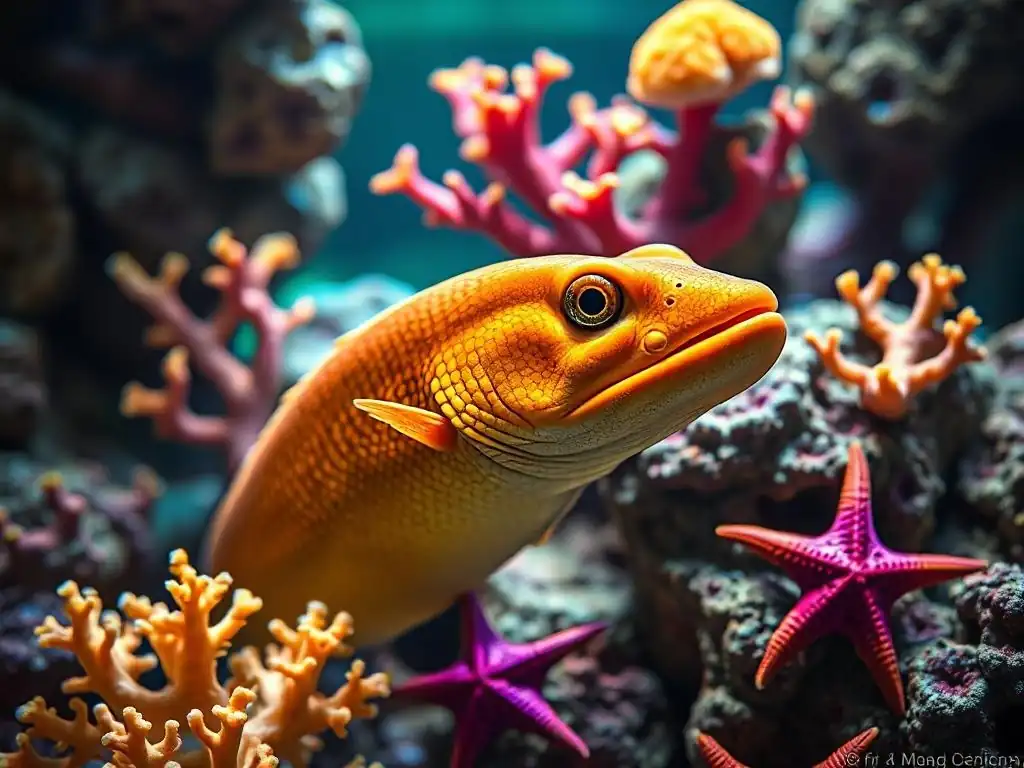
Tank Size Requirements for Golden Dwarf Moray Eels (Minimum 30 Gallons)
Despite their small adult size, Golden Dwarf Moray Eels require a minimum tank size of 30 gallons (approximately 113 liters) for a single specimen. While seemingly generous for an eel that doesn't grow very large, this volume is crucial for maintaining stable water parameters. Smaller tanks are more susceptible to rapid fluctuations in water chemistry, which can be highly stressful and detrimental to the health of delicate species like morays.
Furthermore, a 30-gallon tank provides sufficient space for the elaborate rockwork and multiple hiding places that these eels absolutely require for their well-being. It's important to prioritize tank footprint over height; a longer, wider tank offers more bottom surface area for aquascaping and natural exploration, which is more beneficial for a crevice-dwelling species than a tall, narrow one. Adequate space contributes significantly to successful Golden dwarf moray care tips.
Essential Water Parameters for a Healthy Dwarf Moray (Specific Gravity, Ammonia, Nitrite, Nitrate)
Maintaining precise and stable water parameters is paramount for the health and longevity of a Golden Dwarf Moray Eel. The specific gravity should be consistently kept between 1.024 and 1.026, replicating the salinity of their natural marine environment. Ammonia and nitrite levels must always be at 0 ppm (parts per million), as these compounds are highly toxic to all marine fish, including eels, and can quickly lead to fatal poisoning even at trace concentrations.
Nitrate levels, while less immediately toxic than ammonia or nitrite, should be kept as low as possible, ideally below 20 ppm, and preferably closer to 10 ppm. Elevated nitrates indicate an accumulation of organic waste and can cause chronic stress, suppress the immune system, and contribute to various health issues over time. Regular testing using reliable kits is a non-negotiable aspect of effective Golden dwarf moray care tips.
Maintaining Optimal Water Chemistry: Salinity, pH, and Temperature (1.024-1.026, 8.1-8.4, 72-78°F)
Beyond the basic nitrogenous compounds, maintaining optimal salinity, pH, and temperature is critical for a healthy Golden Dwarf Moray. As previously mentioned, specific gravity should be maintained within the narrow range of 1.024-1.026 to ensure the eel's osmotic balance is not stressed. Fluctuations outside this range can lead to severe health problems. The pH level should consistently remain between 8.1 and 8.4, which is typical for a healthy saltwater reef environment.
The ideal water temperature for Gymnothorax melatremus ranges from 72 to 78°F (22 to 26°C). Consistency in temperature is just as important as the precise value; sudden drops or spikes can be highly detrimental. A reliable submersible heater, appropriately sized for the tank, and an accurate thermometer are essential tools to ensure these parameters are steadily maintained, forming the bedrock of advanced Golden dwarf moray care tips.
Golden Dwarf Moray Tank Setup: Recreating Their Natural Habitat
Substrate and Decor Considerations for Moray Eel Comfort (Live Rock, Aragonite Sand)
When setting up an aquarium for a Golden Dwarf Moray, the choice of substrate and decor should closely mimic its natural reef habitat. A fine aragonite sand bed, approximately 2 to 3 inches (5 to 7.5 cm) deep, is suitable. While these eels primarily hide within rock structures rather than burrowing extensively, a soft substrate can still contribute to a natural aesthetic and provide a comfortable base.
The most crucial decor element is ample live rock. Live rock not only provides essential biological filtration, helping to process waste, but it also forms the intricate network of caves, crevices, and tunnels that these eels require for security and shelter. Aquascaping should be done thoughtfully, creating numerous stable hideouts where the eel can retreat completely out of sight, which is fundamental to successful Golden dwarf moray care tips.
Providing Adequate Hiding Places for Golden Dwarf Morays (Caves, PVC Pipes)
The provision of numerous secure hiding places is non-negotiable for the well-being of a Golden Dwarf Moray. These eels are inherently shy and reclusive, and they need to feel completely safe and hidden to thrive in captivity. Without adequate cover, they will experience chronic stress, leading to a compromised immune system and increased susceptibility to disease.
Ideal hiding places include natural caves formed by carefully stacked live rock, ensuring all structures are stable and cannot collapse or trap the eel. Appropriately sized PVC pipes, camouflaged within the aquascape, can also serve as excellent and easily cleaned hideouts. The more options for retreat, the more comfortable and confident the eel will become, even venturing out more frequently when it feels secure.
Feeding Your Golden Dwarf Moray: Diet and Nutrition
What Do Golden Dwarf Moray Eels Eat? A Guide to Their Diet (Carnivorous)
The Golden Dwarf Moray Eel is a carnivorous species, and its diet in captivity must reflect its natural predatory instincts. In the wild, these eels are opportunistic ambush predators, primarily feeding on small crustaceans such as shrimp and crabs, as well as various marine worms and occasionally very small fish that venture too close to their hiding spots. They possess excellent senses of smell, which they use to locate prey, especially in the dark.
Understanding their natural diet is crucial for providing appropriate nutrition in the aquarium. Their sharp, backward-pointing teeth are designed to grasp and hold slippery prey, making them efficient hunters of small, live organisms. Therefore, captive diets should focus on meaty foods that mimic the nutritional profile of their natural prey, ensuring a healthy and robust eel.
Recommended Food Items: Frozen, Live, and Prepared Foods (Mysis Shrimp, Brine Shrimp, Small Pieces of Fish)
For captive Golden Dwarf Morays, a varied diet of high-quality frozen foods is generally recommended. Excellent choices include vitamin-enriched Mysis shrimp, enriched brine shrimp, krill, and small, bite-sized pieces of defrosted marine fish flesh, such as silversides, lancefish, or squid. It's essential to cut any larger food items into pieces small enough for the eel to consume easily, preventing choking hazards.
While live foods like ghost shrimp can be used to entice reluctant eaters, they should be quarantined and gut-loaded beforehand to prevent the introduction of diseases and ensure nutritional value. Live feeder fish are generally discouraged due to their high risk of carrying parasites and often poor nutritional content. Some eels may accept high-quality marine pellets, but this is usually not their primary food source. A varied diet is a cornerstone of effective Golden dwarf moray care tips.
Feeding Frequency and Portion Control for Dwarf Morays (2-3 Times Per Week, Small Portions)
Adult Golden Dwarf Moray Eels typically require feeding 2 to 3 times per week. Younger or smaller specimens might benefit from slightly more frequent feedings, perhaps every other day. Overfeeding should be strictly avoided, as it can lead to obesity in the eel and, more significantly, rapidly degrade water quality, contributing to high nitrate levels and other issues.
Portion control is key: offer only what the eel can consume within a few minutes. It is often best to use feeding tongs to present food directly near their known hiding spot, as they can be shy and may not venture far for a meal, especially during daylight hours. This direct approach ensures the eel receives its fair share and minimizes uneaten food decaying in the tank, a vital aspect of practical Golden dwarf moray care tips.
Golden Dwarf Moray Tank Mates: Compatibility and Considerations
Selecting Suitable Tank Companions for Your Golden Dwarf Moray (Peaceful Fish of Similar Size)
Selecting appropriate tank mates for a Golden Dwarf Moray requires careful consideration due to their predatory nature and reclusive habits. Ideal companions are peaceful, non-aggressive fish that are significantly larger than the eel's mouth. As a general rule, any fish that can fit into the eel's mouth, regardless of its species, is a potential meal. Therefore, choose tank mates that are at least twice the eel's girth.
Suitable examples might include certain types of peaceful, medium-to-large gobies (e.g., Diamond Watchman Goby, though still with caution regarding size), larger blennies, or various peaceful wrasses that are too robust to be considered prey. The goal is to select species that will not harass the eel, compete excessively for food, or be perceived as a food source themselves.
Fish to Avoid: Aggressive or Incompatible Species (Triggerfish, Lionfish)
Several types of fish are highly incompatible with Golden Dwarf Morays and should be strictly avoided. Aggressive or highly territorial species, such as triggerfish, large angelfish, or most damselfish, can harass and stress the reclusive eel, potentially leading to injury or even death. These aggressive behaviors can prevent the eel from feeling secure enough to eat or emerge.
Furthermore, any fish that is small enough to be swallowed by the eel, including small gobies, blennies, or juvenile fish of any species, should not be housed with a Golden Dwarf Moray. While lionfish are also predatory, they can pose a threat to the eel if they are significantly larger and view the moray as competition for territory or food, making them unsuitable companions.
Invertebrate Tank Mates: A Safe or Risky Choice? (Caution Advised, May Eat Small Crustaceans)
When it comes to invertebrate tank mates, extreme caution is advised. Golden Dwarf Morays are natural predators of crustaceans in the wild. Therefore, virtually any small shrimp (e.g., Peppermint Shrimp, Skunk Cleaner Shrimp, sexy shrimp) or small crab is highly likely to be considered a meal, even if initially ignored for a period. It is not a matter of if they will be eaten, but when.
Larger, more robust invertebrates such as certain species of conchs or larger snails might be less at risk, but even then, there's no absolute guarantee of safety. Small hermit crabs are also very susceptible to predation. It is generally safest to assume that any invertebrate small enough to fit into the eel's mouth is a potential food item, making it an important consideration in comprehensive Golden dwarf moray care tips.
Golden Dwarf Moray Health and Disease Prevention
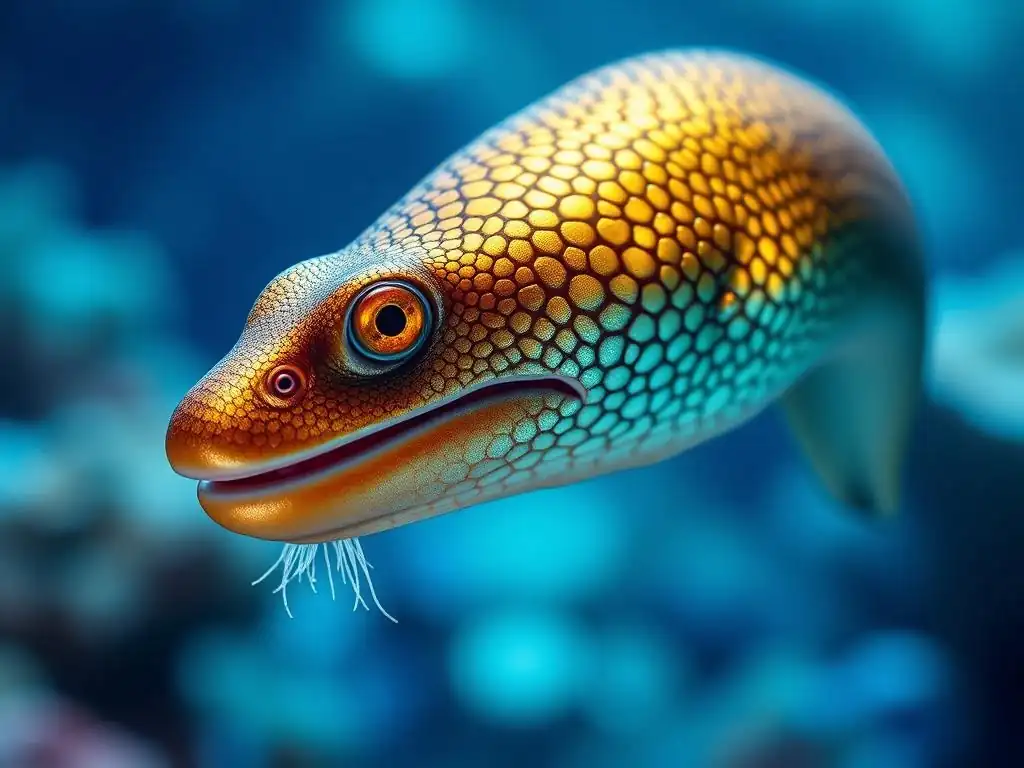
Common Diseases Affecting Golden Dwarf Morays (Ich, Bacterial Infections)
Like all marine fish, Golden Dwarf Morays are susceptible to common saltwater diseases, particularly if water quality is poor or they are stressed. Marine ich ( Cryptocaryon irritans) and velvet ( Amyloodinium ocellatum) are two of the most prevalent parasitic infections. It's crucial to note that eels, being scaleless or having very small scales, are highly sensitive to copper-based medications commonly used to treat these parasites, making treatment challenging.
Bacterial infections are also common, often manifesting as fin rot, cloudy eyes, or visible lesions on the body. These infections typically arise from prolonged exposure to poor water quality, physical injury, or a compromised immune system due to stress. Early detection and intervention are vital for successful treatment.
Recognizing Symptoms of Illness in Your Eel (Loss of Appetite, Cloudy Eyes, Erratic Swimming)
Recognizing the symptoms of illness early is critical for successful intervention and is a key component of Golden dwarf moray care tips. A primary indicator of distress or illness in a Golden Dwarf Moray is a loss of appetite or refusal to eat for an extended period. Other observable symptoms include lethargy, unusual color changes (e.g., dullness), rapid or labored breathing, or visible spots, white specks, or lesions on the body.
Behavioral changes can also signal illness: cloudy eyes, frayed or deteriorating fins, or erratic swimming patterns such as darting, rubbing against tank decor, or constantly trying to escape. An eel that remains hidden for an unusually long time, even during its active hours, or appears listless when observed, should also raise concern. Prompt action based on these observations can make a significant difference.
Quarantine Procedures for New Arrivals (4-6 Weeks)
A non-negotiable aspect of responsible Golden dwarf moray care tips is the strict implementation of a quarantine procedure for all new arrivals. A new Golden Dwarf Moray should be housed in a separate quarantine tank for a minimum of 4 to 6 weeks. This isolation period is essential to prevent the introduction of diseases, parasites, or other pathogens into your established display tank, which can devastate an entire ecosystem.
During the quarantine period, carefully observe the eel for any signs of illness, ensuring it is eating well and active. Any necessary treatments for parasites or bacterial infections can be administered safely in the quarantine tank without harming the main display's invertebrates or beneficial bacteria. Only after the quarantine period, and if the eel shows no signs of disease, should it be introduced to the main aquarium.
Preventative Measures for Maintaining a Healthy Aquarium (Regular Water Changes, Proper Filtration)
The cornerstone of disease prevention and long-term health for a Golden Dwarf Moray is maintaining pristine and stable water quality. This involves performing regular partial water changes, typically 10-20% weekly or bi-weekly, to dilute nitrates and replenish essential trace elements. Robust filtration, encompassing mechanical, chemical, and biological filtration, is also paramount to process waste and maintain water clarity.
Other crucial preventative measures include providing a stable and stress-free environment with plenty of hiding places, offering a balanced and nutritious diet, and avoiding overstocking the aquarium. Minimizing stress factors, such as aggressive tank mates or fluctuating parameters, significantly boosts the eel's immune system and reduces its susceptibility to illness, ensuring it thrives.
Breeding Golden Dwarf Morays: Challenges and Possibilities
Understanding the Breeding Behavior of Gymnothorax melatremus (Unknown in Captivity)
The breeding behavior of Gymnothorax melatremus in captivity is largely unobserved and undocumented. To date, there are no widely reported instances of successful captive breeding or even spawning of Golden Dwarf Moray Eels by hobbyists or commercial aquaculture facilities. This makes their reproductive biology in an aquarium setting a significant mystery.
In the wild, like many marine eel species, they are believed to be pelagic spawners. This means they release their eggs and sperm into the open water column, where fertilization occurs. The resulting larvae are typically planktonic, drifting in ocean currents for an extended period before settling into a benthic lifestyle. This complex larval stage presents immense challenges for any potential captive breeding efforts.
Creating a Breeding Environment: [Not Applicable - Breeding Not Achieved in Captivity]
Given that successful captive breeding of Gymnothorax melatremus has not been achieved, there are no established guidelines or known parameters for creating a breeding environment for this species. Any attempts to induce spawning or facilitate reproduction in an aquarium would be highly experimental and based on theoretical understanding of general marine eel reproductive biology, rather than specific observations.
Such endeavors would likely require exceptionally large, specialized facilities, precise control over environmental cues like photoperiod and temperature, and potentially hormonal induction. These requirements are far beyond the scope and capabilities of typical home aquarists, highlighting the significant challenges in advancing Golden dwarf moray care tips to include breeding.
Raising Golden Dwarf Moray Fry: [Not Applicable - Breeding Not Achieved in Captivity]
As captive breeding has not been successful, there is no known information or methodology available for raising Golden Dwarf Moray fry. The larval stage of marine eels is notoriously difficult to rear in captivity. These larvae are often microscopic, requiring specific live food cultures (e.g., rotifers, copepods) at precise densities, along with extremely stable and pristine water conditions.
The extended planktonic phase, coupled with the specialized feeding requirements of developing larvae, presents an immense hurdle for aquaculturists. Until successful spawning and larval rearing are achieved, the Golden Dwarf Moray will remain a species primarily sourced from wild collection.
Golden Dwarf Moray Care: Advanced Tips and Tricks
Maintaining Water Quality: [Protein Skimmer, Refugium]
For optimal Golden dwarf moray care tips and long-term health, advanced water quality maintenance equipment is highly recommended. A high-quality protein skimmer is essential for removing dissolved organic compounds before they can break down into nitrates and phosphates. This significantly reduces the bioload and maintains cleaner, healthier water, which is paramount for delicate species like eels.
Additionally, incorporating a refugium into the filtration system can greatly benefit water quality. A refugium, particularly one with macroalgae like Chaetomorpha, acts as a natural nitrate and phosphate exporter, absorbing these nutrients as the algae grows. It also provides a safe haven for beneficial microfauna, contributing to a more stable and resilient aquarium ecosystem.
Acclimation Process: Ensuring a Smooth Transition (Drip Acclimation)
A crucial step often overlooked is the proper acclimation of a new Golden Dwarf Moray Eel. Due to their sensitivity to changes in water parameters, the drip acclimation method is by far the safest approach. This slow, gradual process minimizes stress from sudden shifts in specific gravity, pH, and temperature, which can otherwise lead to osmotic shock and severe health issues.
To perform drip acclimation, place the eel (still in its transport bag water) into a clean bucket or separate container. Use airline tubing to siphon water from your display tank into the bucket, creating a slow drip (e.g., 2-3 drips per second). Allow this process to continue for at least 1-2 hours, or until the volume of water in the bucket has quadrupled. Then, carefully net the eel and transfer it to the display tank, discarding the water from the bucket.
Observing and Understanding Your Moray's Behavior (Nocturnal Hunting, Hiding During the Day)
Understanding and observing your Golden Dwarf Moray's natural behavior is a key aspect of advanced Golden dwarf moray care tips. It's important to remember that these eels are primarily nocturnal. Therefore, don't be alarmed if your eel remains hidden for most of the daylight hours, burrowed deep within its rockwork. This is completely normal and indicative of a comfortable, secure eel.
To truly observe their activity, watch the tank in the evening after the main lights have been off for a while, perhaps using a dim blue light. You may then see your eel emerging from its hiding spots, actively exploring the rockwork or "sniffing" for food. Consistent hiding without any signs of activity or refusal to eat, however, can be a sign of stress or illness and warrants closer inspection of water parameters and overall health.
Troubleshooting Common Issues with Golden Dwarf Morays
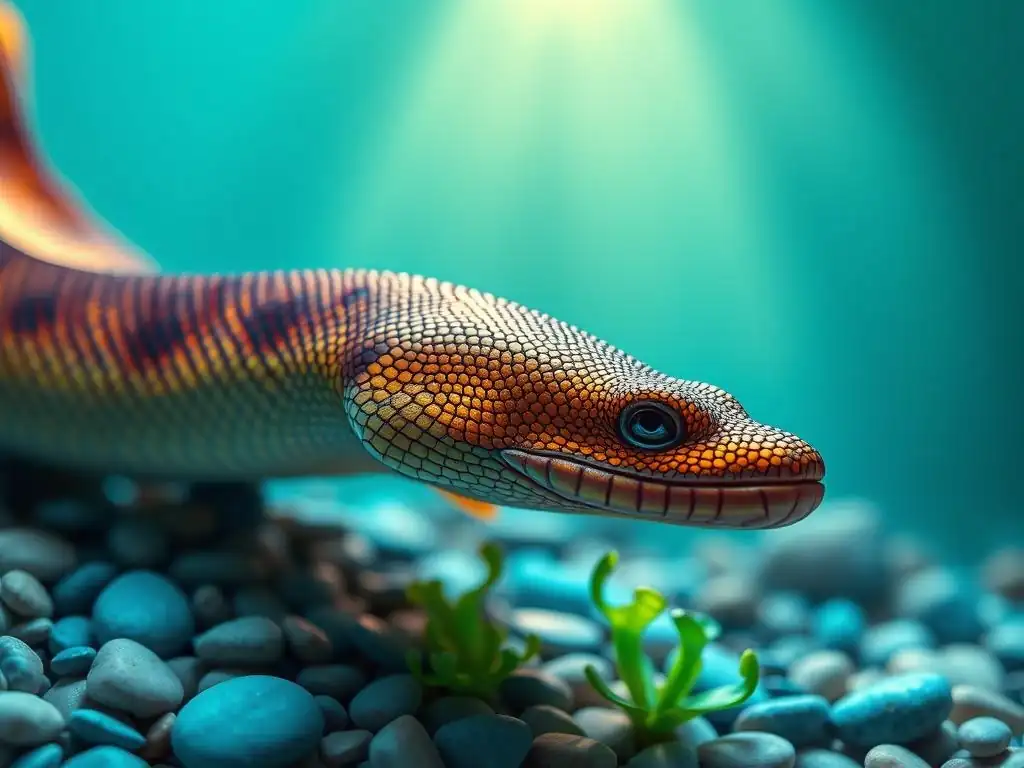
Refusal to Eat: Identifying and Addressing the Problem (Offer Different Foods, Check Water Parameters)
One of the most common issues encountered with Golden Dwarf Morays is refusal to eat. If your eel is not eating, the first step is always to thoroughly check all water parameters: ammonia, nitrite, nitrate, specific gravity, pH, and temperature. Imbalances in any of these can cause significant stress and suppress appetite. Ensure parameters are stable and within the ideal ranges.
If water parameters are optimal, try offering a variety of different foods. Sometimes, an eel may be finicky or simply not recognize a particular food item as sustenance. Offer small pieces of various frozen meaty foods like Mysis shrimp, krill, or defrosted pieces of silverside. In some cases, offering a small, quarantined live ghost shrimp can entice a reluctant eater. Always present food close to their hiding spot, as they may be too shy to venture far.
Aggression Towards Tank Mates: Causes and Solutions (Insufficient Hiding Places, Territoriality)
While Golden Dwarf Morays are generally considered peaceful for an eel, aggression towards tank mates can occur. This usually happens if the eel feels threatened, if there are insufficient hiding places, or if tank mates are too small and are perceived as prey. An eel that feels insecure due to lack of cover may become more defensive or territorial.
Solutions involve ensuring there are ample secure hiding places within the aquascape, allowing the eel to retreat when it feels stressed. Re-evaluate tank mates to ensure they are appropriately sized and not overly aggressive or competitive. If aggression persists and is causing harm, the most effective solution is to remove the incompatible tank mate, as the eel's natural instincts are unlikely to change significantly.
Water Quality Problems: Prevention and Correction (Regular Testing, Water Changes)
Water quality problems are the leading cause of health issues and death in Golden Dwarf Morays. Prevention is always better than correction: regularly test your water parameters (at least weekly) to catch any deviations early. Consistent partial water changes (10-20% weekly/bi-weekly) are essential for maintaining low nitrate levels and replenishing trace elements.
If water quality issues arise (e.g., elevated ammonia, nitrite, or nitrates), immediate action is required. Perform a significant partial water change (e.g., 25-50% depending on severity). Review your feeding habits to ensure you're not overfeeding, which is a common cause of nutrient buildup. Check for any decaying organic matter (dead fish, uneaten food) and remove it promptly. Ensure your filtration system is adequately sized and functioning correctly.
Where to Buy Golden Dwarf Moray Eels
Finding Reputable Breeders and Suppliers (Online Retailers, Local Fish Stores)
When seeking to acquire a Golden Dwarf Moray Eel, it is paramount to find reputable breeders or suppliers. While captive breeding is not established for this species, reputable vendors will source wild-caught specimens responsibly and prioritize their health. Look for established online marine fish retailers with strong customer reviews and clear policies on animal health.
Alternatively, visit local fish stores that specialize in saltwater fish. Inquire about their sourcing practices, how long the eels have been in their care, and their quarantine procedures. A good supplier will be transparent about these details and demonstrate a commitment to the welfare of their animals. Avoid impulse purchases from stores that cannot provide this information or appear to have unhealthy stock.
Assessing the Health and Condition of the Eel Before Purchase (Active Swimming, Clear Eyes, Healthy Weight)
Before purchasing a Golden Dwarf Moray, carefully assess its health and condition. Observe the eel in its holding tank for signs of activity, even if it's mostly hidden. A healthy eel will be alert and occasionally peek out or shift positions. Look for clear, bright eyes; cloudy or sunken eyes can indicate illness or stress. The body should appear plump and well-fed, not emaciated or gaunt.
Check for any visible signs of disease such as white spots (ich), cottony growths (fungus), lesions, or frayed fins. Ask the staff if you can see the eel eat; a healthy eel will usually show interest in food. Avoid any specimens that appear lethargic, are constantly gasping at the surface, or show any other signs of distress. A thorough pre-purchase inspection is a vital Golden dwarf moray care tip to ensure you bring home a healthy specimen.
Conclusion: The Golden Dwarf Moray - A Rewarding Challenge for Experienced Aquarists
The Golden Dwarf Moray, Gymnothorax melatremus, truly offers a captivating and unique addition to the marine aquarium, particularly for those with a passion for nano reef systems and specialized species. While its small size makes it approachable for compact setups, it is by no means a beginner's fish. Successfully keeping this elusive and beautiful eel demands a dedicated approach and a commitment to precise Golden dwarf moray care tips.
With meticulous attention to stable water parameters, a thoughtfully designed aquascape providing ample hiding places, and a consistent, appropriate feeding regimen, the Golden Dwarf Moray can thrive and become a fascinating, long-term inhabitant of your reef. For the experienced aquarist willing to embrace the rewarding challenge, the Golden Dwarf Moray provides an unparalleled opportunity to observe the intriguing behaviors of a miniature reef predator, adding a touch of golden mystique to their underwater world.
Frequently Asked Questions
How difficult is it to care for a Golden Dwarf Moray?
Golden Dwarf Morays are considered moderately difficult to care for. They require stable water parameters and a diet of meaty foods, making them best suited for experienced aquarists.
What size tank is recommended for a Golden Dwarf Moray?
A tank of at least 30 gallons is recommended, although larger is always better. They need plenty of hiding places among the rockwork to feel secure.
What type of diet does a Golden Dwarf Moray require?
They are carnivores and require a diet of small meaty foods, such as frozen mysis shrimp, brine shrimp, and chopped seafood. It's important to offer variety and ensure they are eating regularly.
What water parameters are ideal for a Golden Dwarf Moray?
Maintaining stable and pristine water quality is crucial. Aim for a temperature of 72-78°F, a salinity of 1.023-1.025, and a pH of 8.1-8.4. Regular water changes are essential.
Are Golden Dwarf Morays reef safe?
They are generally considered reef safe with caution, but can sometimes nip at smaller invertebrates if not properly fed. Careful observation is needed to ensure they are not harming any tank inhabitants.
Final Reflection: The Enduring Allure of Miniature Marvels
The information presented throughout this article highlights the growing fascination with the Golden Dwarf Moray and the increasing demand for responsible Golden Dwarf Moray care tips. This reflects a broader trend: the desire to connect with the natural world, even within the confines of our homes, and the responsibility that comes with caring for these delicate creatures. The popularity of this tiny eel underscores our inherent appreciation for beauty and uniqueness, even in the smallest packages.
The Golden Dwarf Moray, though diminutive, has made a significant impact on the aquascaping hobby. Its vibrant color and manageable size have captivated aquarists, fostering a deeper understanding and appreciation for marine biodiversity. This tiny eel reminds us of the intricate ecosystems that exist beyond our immediate perception. In the end, we will conserve only what we love; we will love only what we understand; and we will understand only what we are taught.
- Baba Dioum's words resonate deeply, emphasizing the importance of education and responsible care in preserving these miniature marvels.
As you consider the information shared in this article, I invite you to reflect on your own role in the aquarium hobby and the broader ecosystem. How can you contribute to the responsible care and conservation of species like the Golden Dwarf Moray? Let us all strive to be informed, conscientious aquarists, ensuring that these beautiful creatures continue to thrive, inspiring awe and wonder for generations to come.
Unleash Your Inner Reef Explorer!
Thank you for diving deep into the fascinating world of the Golden Dwarf Moray! We hope you’ve enjoyed learning about this unique and captivating creature. Now, let's turn that knowledge into action!
Here are a few ways you can continue your exploration:
- Commit to Researching Responsible Sourcing: Before even considering a Golden Dwarf Moray, thoroughly research reputable and ethical sources. Avoid contributing to unsustainable collection practices that harm wild populations.
- Explore other nano reef inhabitants. Consider the unique challenges and rewards of building a thriving ecosystem for these smaller aquatic wonders.
- Share this article with fellow aquarists! Help spread awareness about the Golden Dwarf Moray and the importance of responsible aquarium keeping.
What’s one small step you can take this week to become a more responsible and informed aquarist?