
Head and Lateral Line Erosion (HLLE) in Tangs: Causes, Prevention, and Recovery

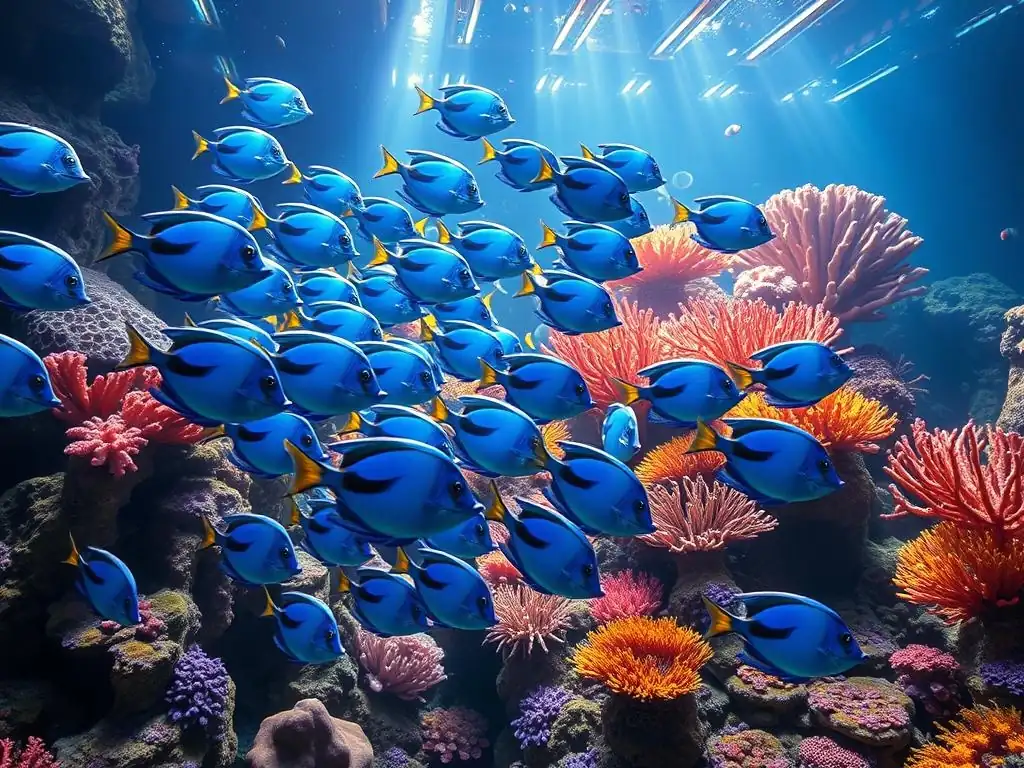
Welcome to Aquarium Mastery!
Ever wondered why your beautiful Tang might be developing unsightly pits and lesions? Head and Lateral Line Erosion (HLLE) can be a serious concern for saltwater aquarists. Delve into our comprehensive guide on Tangs HLLE treatment solutions and discover the causes, proven prevention strategies, and effective recovery methods to keep your reef inhabitants thriving. Ready to unlock the secrets to a healthier, happier Tang? Let's dive in!
- Understanding Head and Lateral Line Erosion (HLLE) in Tangs
- Causes of HLLE in Tangs: A Deep Dive
- Preventing HLLE in Tangs: Proactive Measures
- Tangs HLLE Treatment Solutions: Recovery Strategies
- Long-Term Tank Management to Prevent HLLE Recurrence
- Conclusion: Ensuring the Health and Wellbeing of Your Tangs
-
Frequently Asked Questions
- What are the primary causes of Head and Lateral Line Erosion (HLLE) in Tangs?
- How can I prevent HLLE from developing in my Tangs?
- What are the early signs of HLLE in Tangs that I should look for?
- What are some effective treatment solutions for Tangs suffering from HLLE?
- Is HLLE always fatal for Tangs, or can they recover?
- Final Reflection: Healing the Scars of the Reef
- Revitalize Your Tang: Take Action Now!
Understanding Head and Lateral Line Erosion (HLLE) in Tangs
What is HLLE Disease in Tangs? Identifying the Symptoms
Head and Lateral Line Erosion (HLLE) is a progressive and often disfiguring disease that primarily affects the sensory pores and lateral line system of marine fish, with tangs being particularly susceptible. It is characterized by the gradual erosion of tissue, leading to visible pitting, lesions, and open sores, predominantly on the head region, around the eyes, and along the lateral line. These erosions can range from tiny, pinprick-sized holes in early stages to large, coalescing lesions that expose underlying bone or muscle in advanced cases.
Initially, symptoms may be subtle, appearing as a slight discoloration or small depressions, often mistaken for minor scratches. As the disease progresses, these areas deepen and enlarge, sometimes affecting the fins and even leading to secondary bacterial or fungal infections due to compromised skin integrity. While HLLE is rarely directly fatal, severe cases can cause significant stress, impair the fish's immune system, and lead to a general decline in health, making the fish more vulnerable to other diseases. The progression can occur over weeks to several months, making early identification crucial for effective Tangs HLLE treatment solutions.
Why Certain Tang Species are Susceptible to HLLE: Predisposing Factors
Tangs, also known as surgeonfish, are particularly prone to HLLE duey to a combination of their unique physiology, specific dietary requirements, and sensitivity to environmental stressors. Their highly developed and extensive lateral line system, which they use to detect water movement and navigate, is thought to be more sensitive to irritants or deficiencies that contribute to HLLE. This intricate sensory system, comprising numerous pores and canals, appears to be a primary target for the disease's erosive effects.
Furthermore, most tang species are obligate herbivores, requiring a diet rich in marine algae and plant matter. A consistent lack of specific essential nutrients, particularly certain vitamins (like A, C, D, and E) and trace minerals (such as iodine and selenium), directly impacts their skin health, immune function, and overall vitality. When these dietary needs are not met, their susceptibility to HLLE increases significantly. Combined with their active nature and potential for stress in sub-optimal environments, these factors collectively predispose tangs to developing HLLE.
Causes of HLLE in Tangs: A Deep Dive
Poor Water Quality as a Primary HLLE Trigger
Suboptimal water quality is widely recognized as a major contributing factor to the development and progression of HLLE in tangs. Chronic exposure to elevated levels of dissolved organic compounds, nitrates, and phosphates can act as persistent irritants to a fish's delicate skin and gill tissues, weakening their natural defenses. For instance, consistently high nitrate levels, often exceeding 20 ppm, or phosphate levels above 0.05 ppm, can stress the fish's system and contribute to tissue degradation.
Beyond just high pollutant levels, rapid or significant fluctuations in key water parameters such as pH, salinity, or temperature are also highly detrimental. A pH swing of more than 0.2 units within a 24-hour period, for example, can cause significant osmotic stress, compromising the fish's skin barrier and making it more vulnerable to HLLE. The presence of chlorine or chloramines from improperly treated tap water, even in trace amounts, can cause severe irritation and burns to sensitive fish tissues, further exacerbating the risk of HLLE.
The Potential Role of Activated Carbon in HLLE Development
The debate surrounding activated carbon's role in HLLE development has been ongoing for decades, though current scientific consensus largely discredits it as a direct cause. Early theories suggested that certain types of activated carbon, particularly those derived from bituminous coal, might leach heavy metals or create an electrical charge in the water that somehow contributed to the erosion. However, these theories lack substantial empirical support.
A more plausible explanation, if carbon is implicated, is related to its improper use. Exhausted or old carbon can begin to leach previously adsorbed pollutants back into the water, potentially introducing toxins. Alternatively, some speculate that activated carbon, if not properly rinsed or if used excessively, might remove beneficial trace elements from the water column, leading to subtle deficiencies that weaken the fish over time. Therefore, while not a primary trigger, using high-quality, fresh carbon and replacing it regularly (e.g., every 2-4 weeks) is crucial for maintaining optimal water quality and preventing potential issues.
Stray Voltage and its Potential Contribution to HLLE in Tangs
Stray voltage refers to minute electrical currents that can leak into the aquarium water from faulty or improperly grounded equipment, such as heaters, powerheads, or pumps. While often imperceptible to humans, these low-level currents can be highly irritating and stressful to fish, particularly affecting their sensitive lateral line system which is designed to detect electrical fields and vibrations.
Chronic exposure to even small amounts of stray voltage can cause persistent stress, leading to a compromised immune system and potentially contributing to the tissue damage seen in HLLE. The constant irritation to the lateral line, a key area affected by HLLE, suggests a plausible link. Many aquarists have reported improvements in HLLE symptoms after installing a grounding probe in their tank, which effectively shunts any stray electrical current safely away, thereby removing a potential chronic irritant.
Nutritional Deficiencies and HLLE in Tangs
Nutritional deficiencies are a critical and often overlooked cause of HLLE in tangs. As primarily herbivorous fish, tangs have specific dietary requirements that differ significantly from many omnivorous or carnivorous marine species. Their digestive systems are optimized for processing plant matter, which is rich in fiber, specific vitamins, and trace minerals essential for their health.
A common mistake in aquarium husbandry is feeding tangs a diet primarily composed of protein-rich flakes or pellets designed for general marine fish, with insufficient or no marine-based greens. This can lead to a severe lack of the specific nutrients their bodies need for proper skin integrity, immune function, and cellular repair. For example, a diet lacking in high-quality marine algae and spirulina can quickly lead to deficiencies that manifest as HLLE, as their bodies cannot synthesize all necessary compounds.
Vitamin and Mineral Imbalances: Impact on Tang Health
Specific vitamin and mineral imbalances have a profound impact on a tang's susceptibility to and recovery from HLLE. Vitamin A is crucial for epithelial tissue health, including skin and mucous membranes, and its deficiency can lead to impaired tissue repair and regeneration. Similarly, Vitamin C is a powerful antioxidant and is vital for collagen synthesis, which is essential for skin structure and wound healing. Studies on fish nutrition have indicated that low levels of these vitamins can directly impact skin integrity and immune response.
Vitamin D plays a role in calcium absorption and bone health, while Vitamin E acts as a key antioxidant, protecting cells from oxidative stress that can damage tissues. Deficiencies in these vitamins can weaken the fish's overall resilience. Furthermore, trace minerals like iodine, selenium, and iron are vital cofactors for numerous metabolic processes and enzyme functions.
For instance, iodine is essential for thyroid function, which indirectly influences skin health and metabolism. An absence or imbalance of these elements can disrupt normal physiological processes, leading to weakened immune responses and making tangs more prone to the tissue erosion characteristic of HLLE.
Stress and HLLE in Tangs: A Correlation?
While not a direct cause, chronic stress is a significant contributing factor to HLLE in tangs. Prolonged exposure to stressful conditions suppresses a fish's immune system, making it more vulnerable to diseases and less able to repair tissue damage. When a tang is under constant stress, its body releases stress hormones like cortisol, which can negatively impact various physiological functions, including nutrient absorption and immune response.
Stressed tangs often exhibit behavioral changes such as increased hiding, darting, refusal to eat, or heightened aggression towards tank mates. These behaviors are indicators of an unhealthy environment that compromises the fish's well-being and predisposes it to health issues like HLLE. A fish constantly in a state of alarm or discomfort is less likely to thrive and more likely to develop chronic conditions.
Tank Size and Overcrowding Stress
Inadequate tank size and overcrowding are among the most common sources of chronic stress for tangs, directly contributing to their susceptibility to HLLE. Tangs are highly active, open-water swimmers that require substantial horizontal swimming space to thrive. For instance, a common Yellow Tang (Zebrasoma flavescens), which can grow up to 8 inches, ideally needs a minimum of 75-100 gallons to provide adequate swimming room and territory. Larger species, such as the Sohal Tang (Acanthurus sohal) or Naso Tang (Naso lituratus), can reach over a foot in length and require tanks of 180 gallons or more to prevent stress.
When tangs are housed in tanks that are too small or are overcrowded with too many fish, it leads to increased aggression, competition for food and territory, and reduced water quality due to higher waste production. This constant state of competition and confined living space elevates stress levels, weakens their immune system, and makes them significantly more prone to developing HLLE. Providing ample space is fundamental to their long-term health.
Preventing HLLE in Tangs: Proactive Measures
Maintaining Optimal Water Quality for Tangs: Key Parameters
Maintaining pristine and stable water quality is the cornerstone of HLLE prevention in tangs. Consistency in parameters is often more critical than hitting specific "perfect" numbers if those numbers fluctuate wildly. For saltwater aquariums housing tangs, aim for stable salinity between 1.023 and 1.026 specific gravity, a consistent temperature range of 75-80°F (24-27°C), and a pH level between 8.1 and 8.4.
Beyond these basic parameters, pay close attention to alkalinity (7-12 dKH), calcium (400-450 ppm), and magnesium (1250-1350 ppm), as these contribute to overall water stability and the health of a reef environment, which tangs inhabit. Crucially, nutrient levels must be kept low: nitrates ideally below 10-20 ppm and phosphates below 0.03 ppm. Regularly testing these parameters and taking corrective action is vital for mitigating environmental stressors that can trigger HLLE.
Regular Water Changes: Diluting Harmful Substances
Regular water changes are one of the most effective and fundamental practices for maintaining high water quality and preventing HLLE in tangs. Performing weekly or bi-weekly water changes of 10-20% of the total tank volume actively dilutes accumulated nitrates, phosphates, and other dissolved organic compounds that can irritate fish and contribute to poor health. These compounds, which are byproducts of fish waste and uneaten food, can build up over time, creating a toxic environment if not regularly exported.
Beyond simply diluting pollutants, fresh saltwater also replenishes essential trace elements and minerals that are naturally consumed by marine life or removed by filtration. This replenishment helps maintain the chemical stability of the water, reducing osmotic stress on tangs and supporting their immune system. For a 100-gallon tank, this would mean changing 10-20 gallons of water every 1-2 weeks using properly mixed and temperature-matched saltwater.
Effective Filtration Systems for Tangs
An effective filtration system is paramount for maintaining the clean, stable water quality necessary to prevent HLLE in tangs. A multi-stage approach combining mechanical, biological, and chemical filtration offers the best defense against pollutants. Mechanical filtration, often using filter socks or sponges, physically removes particulate matter like uneaten food and detritus, preventing it from breaking down into harmful compounds. These should be cleaned or replaced frequently, perhaps every few days.
Biological filtration, typically provided by live rock, sand beds, and dedicated bio-media, converts toxic ammonia and nitrite into less harmful nitrates through the nitrogen cycle. A well-cured live rock system, for example, can provide extensive surface area for beneficial bacteria. Chemical filtration, such as activated carbon and GFO (granular ferric oxide), removes dissolved organic compounds, yellowing agents, and phosphates, respectively. A high-quality protein skimmer is also an indispensable component for saltwater tanks, efficiently removing organic waste before it can contribute to nutrient buildup, often removing up to 30-50% of the dissolved organic carbon daily.
Ensuring a Balanced Diet for Tangs: Nutritional Strategies
Ensuring a balanced and varied diet is a cornerstone of preventing HLLE in tangs, addressing one of the primary causes of the disease. As predominantly herbivorous fish, their diet must be rich in high-quality marine-based greens. Relying solely on dry flake or pellet foods, even those labeled "marine formula," is often insufficient as they may lack the specific fiber, vitamins, and minerals found in natural algae.
A proactive nutritional strategy involves offering a diverse range of foods throughout the day. This variety ensures that all essential amino acids, vitamins, and trace elements are supplied, supporting robust immune function and healthy skin. For example, offering different types of dried marine algae, supplemented with vitamin-enriched frozen foods, provides a comprehensive nutritional profile necessary for preventing the onset of HLLE.
Providing a Variety of Algae and Seaweed
The foundation of a tang's diet should be a consistent and varied supply of marine algae and seaweed. Dried marine algae sheets, commonly known as nori (unseasoned, human-grade seaweed), are an excellent staple and can be offered daily, typically clipped to the side of the tank. For instance, a 3x3 inch piece of nori can be offered once or twice a day to an adult tang.
In addition to nori, spirulina flakes and specialized herbivore pellets designed for marine fish should also be part of their daily intake. Occasionally, blanched fresh vegetables like spinach, romaine lettuce, or zucchini can be offered as a treat, ensuring they are organic and pesticide-free. It's crucial to avoid terrestrial plant matter as a primary food source, as tangs cannot properly digest the cellulose in land plants and may not absorb sufficient nutrients from them. Providing this consistent and varied algal diet significantly reduces the risk of nutritional deficiencies leading to HLLE.
Supplementing with Vitamins and Minerals: Considerations
While a varied diet of marine algae and high-quality pellets forms the bulk of a tang's nutrition, targeted supplementation with vitamins and minerals can provide an extra layer of protection against HLLE. Liquid vitamin supplements specifically formulated for marine fish, such as Selcon, Vita-Chem, or Zoecon, can be used to soak dry or frozen foods a few times per week. Soaking food for 10-15 minutes allows it to absorb essential fat-soluble vitamins (A, D, E) and water-soluble vitamins (like C) that may be lacking or degrade quickly in prepared foods.
Additionally, regularly testing and dosing trace elements, particularly iodine, is important. Iodine is often depleted in active reef systems and is crucial for thyroid function and overall fish health. While not a direct HLLE cure, maintaining proper levels of these micronutrients supports the fish's immune system and skin integrity, making them more resilient. Always follow manufacturer guidelines for dosing to avoid over-supplementation, which can also be harmful.
Reducing Stress in Tangs: Creating a Suitable Environment
Reducing stress is a critical, yet often underestimated, component of HLLE prevention in tangs. Chronic stress can severely compromise a fish's immune system, making it highly susceptible to various ailments, including HLLE. Creating an environment that mimics their natural habitat and minimizes stressors is paramount for their long-term health.
This involves providing ample space, suitable hiding places, and carefully selecting compatible tank mates. Stable environmental parameters, consistent lighting cycles, and a peaceful tank atmosphere all contribute to a low-stress environment. For example, avoiding sudden, drastic changes in lighting or temperature can prevent shock and reduce stress levels, allowing the tangs to thrive and build resilience against diseases like HLLE.
Adequate Tank Size and Hiding Places
Providing adequate tank size is perhaps the most fundamental aspect of reducing stress for tangs. These active swimmers require significant horizontal swimming space to prevent feelings of confinement and to allow for natural behaviors. For instance, a juvenile Yellow Tang may appear fine in a 50-gallon tank initially, but as it matures to its adult size of 7-8 inches, it will quickly become stressed, ideally requiring a minimum of 75-100 gallons. Larger species like the Blue Tang (Paracanthurus hepatus), which can grow to over 10 inches, need at least 100-125 gallons.
In addition to open swimming areas, providing plenty of live rock with caves, overhangs, and crevices is crucial. These hiding places offer tangs security and a retreat when they feel threatened, need to rest, or establish a territory. A well-structured aquascape with multiple visual barriers can also help diffuse aggression among tank mates, further reducing stress and contributing to effective Tangs HLLE treatment solutions by preventing the disease in the first place.
Choosing Compatible Tank Mates
The selection of compatible tank mates plays a vital role in minimizing stress for tangs and preventing HLLE. Tangs, while generally peaceful within their own species when given enough space, can be territorial, especially towards other tangs or fish of similar body shapes. Introducing overly aggressive or boisterous fish can lead to constant harassment, causing significant chronic stress for the tangs.
Before adding any new fish, thorough research into their temperament, adult size, and compatibility with tangs is essential. For example, avoid housing a highly aggressive Sohal Tang (Acanthurus sohal) with more docile species unless the tank is exceptionally large (300+ gallons) and offers ample territories. Instead, opt for peaceful, non-competitive species like clownfish, gobies, or certain wrasses. A harmonious community tank reduces competition for food and space, allowing tangs to exhibit natural behaviors and maintain a strong immune system, which is key to preventing HLLE.
Tangs HLLE Treatment Solutions: Recovery Strategies
Early Intervention: Recognizing and Addressing HLLE Early
Early intervention is paramount for successful Tangs HLLE treatment solutions. The moment any signs of pitting, discoloration, or erosion are observed on your tang's head or lateral line, immediate action is required. These initial symptoms, though subtle, indicate that environmental or nutritional factors are already impacting the fish's health. Ignoring these early warnings can lead to rapid progression of the disease, making recovery significantly more challenging.
Upon noticing symptoms, the first step involves a thorough review of all aquarium husbandry practices. This includes comprehensive water parameter testing, an assessment of the tang's diet, and an evaluation of the tank environment for potential stressors. Early detection allows for the prompt implementation of corrective measures, which can halt the progression of HLLE and facilitate tissue regeneration before severe and irreversible damage occurs.
Improving Water Quality for HLLE Recovery
Improving water quality is the most critical and immediate step in any HLLE recovery strategy. For tangs suffering from HLLE, it is essential to aggressively test all key water parameters to identify any deviations from optimal ranges. Pay particular attention to nitrates, phosphates, pH, and salinity levels, as imbalances in these can exacerbate the condition. For instance, if nitrates are consistently above 20 ppm, or phosphates above 0.05 ppm, these must be addressed promptly.
Once issues are identified, corrective measures must be implemented without delay. This might involve increasing the frequency and volume of water changes, optimizing your filtration system, or addressing specific nutrient export issues. The goal is to create and maintain consistently pristine and stable water conditions that reduce environmental stress and remove irritants, thereby allowing the tang's immune system to focus on healing.
Water Changes and Carbon Management
For tangs undergoing HLLE recovery, increasing the frequency and volume of water changes is a highly effective strategy. Instead of a weekly 10-20% change, consider performing 20-25% water changes every 3-4 days for several weeks, or until significant improvement is observed. This aggressive approach rapidly dilutes accumulated irritants like nitrates and phosphates, while simultaneously replenishing essential trace elements and minerals that support tissue repair.
Regarding carbon management, ensure you are using high-quality, fresh activated carbon. Place it in a media bag or a dedicated carbon reactor for optimal flow. Replace the carbon every 2-4 weeks, as exhausted carbon can leach adsorbed pollutants back into the water. Always rinse new carbon thoroughly before use to prevent the release of fine dust. This meticulous approach to water changes and carbon use is a cornerstone of effective Tangs HLLE treatment solutions.
Nutritional Support for HLLE Treatment
Nutritional support is a cornerstone of effective Tangs HLLE treatment solutions. For fish suffering from HLLE, their diet needs to be not only balanced but also highly enriched to provide the necessary building blocks for tissue repair and immune system recovery. The focus should be on providing a diverse, high-quality, and nutrient-dense diet specifically tailored for herbivorous marine fish.
It is crucial to offer small amounts of food multiple times throughout the day rather than one or two large feedings. This ensures a consistent supply of nutrients, mimics their natural grazing behavior, and reduces competition among tank mates, allowing the affected tang to consume adequate amounts. A consistent intake of nutrient-rich foods is vital for reversing deficiencies and promoting healing.
Vitamin-Enriched Foods and Supplements
To address the nutritional deficiencies often underlying HLLE, vitamin-enriched foods and supplements are indispensable. All dry foods (pellets, flakes) and even frozen foods should be soaked in liquid vitamin supplements specifically formulated for marine fish, such as Selcon, Vita-Chem, or Zoecon. This should be done daily during the recovery phase, allowing the food to absorb the critical fat-soluble vitamins (A, D, E) and water-soluble vitamins (C, B-complex) that are essential for skin regeneration and immune function.
In addition to supplementation, emphasize feeding high-quality marine algae. Offer multiple types of dried marine algae (nori, spirulina sheets) daily, using a veggie clip. Some aquarists report significant success when at least 50% of the tang's daily caloric intake comes from high-quality marine greens. This consistent provision of nutrient-dense, vitamin-fortified foods is a primary component of successful Tangs HLLE treatment solutions.
Medication and Advanced HLLE Treatments [If Applicable - Consult a Vet]
It is important to understand that there is no specific "medication" that directly cures HLLE, as it is primarily a disease rooted in environmental stress and nutritional deficiencies. Therefore, the primary focus of Tangs HLLE treatment solutions remains on optimizing water quality and nutrition. However, in advanced cases where lesions are severe, open, or appear infected, secondary bacterial or fungal infections can occur.
In such instances, an aquatic veterinarian may recommend specific broad-spectrum antibiotics or antifungal treatments to address these secondary infections. These medications aim to prevent further tissue damage and aid the healing process by eliminating opportunistic pathogens, but they do not treat the underlying HLLE itself. It is crucial to consult a qualified aquatic veterinarian before administering any medication, as improper use can cause further stress or harm to your fish and the aquarium ecosystem. A vet can provide an accurate diagnosis and recommend the most appropriate course of action.
Monitoring Progress and Long-Term Care After HLLE
Monitoring progress is a continuous process in the recovery from HLLE. Regularly observe the affected areas on your tang's head and lateral line for signs of improvement. Look for the lesions becoming shallower, the edges appearing smoother, and new tissue growth filling in the eroded areas. A general improvement in the fish's overall appearance, color, and activity level also indicates recovery.
Patience is key, as recovery from HLLE can be a slow process, often taking several weeks to many months for significant improvement to be visible. Complete regeneration of tissue, especially in severe, deep lesions, is not always possible, but the goal is to halt progression and promote as much healing as possible. Long-term care after the initial recovery phase involves maintaining the improved water quality, continuing the vitamin-enriched diet, and ensuring a stress-free environment to prevent recurrence. Consistent adherence to these practices is vital for lasting Tangs HLLE treatment solutions and overall fish health.
Long-Term Tank Management to Prevent HLLE Recurrence
Consistent Monitoring of Water Parameters
Consistent monitoring of water parameters is absolutely essential for preventing HLLE recurrence in tangs. Once the immediate crisis has passed and the fish shows signs of recovery, vigilance must not lapse. Establish a regular testing schedule for key parameters such as salinity, temperature, pH, alkalinity, calcium, magnesium, nitrates, and phosphates. For example, weekly or bi-weekly testing of nitrates and phosphates, along with daily temperature and salinity checks, is a good preventative routine.
Maintain a detailed log of your test results. This record allows you to identify subtle trends or gradual shifts in water chemistry before they escalate into significant problems that could trigger HLLE again. Proactive adjustments based on these readings, such as minor water changes or filtration adjustments, can maintain the stable, pristine environment crucial for your tangs' long-term health and prevent the need for further Tangs HLLE treatment solutions.
Regular Nutritional Assessments
Regular nutritional assessments are a vital component of long-term tank management to prevent HLLE recurrence in tangs. Even after your tang has recovered, it's crucial to periodically review and assess its diet to ensure it remains varied, balanced, and nutritionally complete. Avoid falling into a rut of feeding the same few foods; instead, rotate through different types of marine algae, high-quality pellets, and vitamin-enriched frozen foods.
Continue a regular, albeit perhaps less frequent, schedule of vitamin supplementation. For instance, soaking food in liquid vitamin supplements 2-3 times a week can serve as an excellent preventative measure, ensuring your tangs consistently receive the essential vitamins (A, C, D, E) and minerals vital for maintaining strong skin integrity and immune function. This proactive approach to diet helps prevent the re-emergence of nutritional deficiencies that contribute to HLLE.
Observing Tang Behavior for Early Warning Signs
Consistent observation of your tangs' behavior is a powerful tool for early detection and prevention of HLLE recurrence. Pay close attention to any subtle changes in their normal patterns, such as a decrease in appetite, unusual lethargy, increased hiding, darting movements, or uncharacteristic aggression towards tank mates. These behavioral cues can often be the first indicators of stress or underlying health issues, even before physical symptoms appear.
Regularly inspect their physical appearance, focusing on the head and lateral line area, as well as the fins and body. Look for any new pitting, discoloration, or minor erosions. The moment you notice any of these early warning signs, you can immediately re-evaluate water parameters, diet, and environmental stressors, allowing for prompt corrective action. This proactive vigilance is essential to prevent HLLE from taking hold again and to minimize the need for intensive Tangs HLLE treatment solutions.
Conclusion: Ensuring the Health and Wellbeing of Your Tangs
Head and Lateral Line Erosion (HLLE) in tangs is a complex condition, but its causes are largely understood, making it both preventable and treatable through diligent aquarium husbandry. The journey to a healthy tang, free from HLLE, hinges on a meticulous attention to pristine and stable water quality, the provision of a comprehensive and nutrient-rich diet, and the creation of an environment that minimizes stress.
A proactive and consistent approach is the most effective strategy. By regularly monitoring water parameters, ensuring a varied diet rich in marine algaes and vital supplements, and providing ample space with compatible tank mates, aquarists can significantly reduce the risk of HLLE. Should symptoms appear, early intervention focusing on these core principles offers the best chance for successful Tangs HLLE treatment solutions and full recovery. Ultimately, consistent dedication to these practices ensures the long-term health, vibrant appearance, and wellbeing of these magnificent and charismatic inhabitants of your saltwater aquarium.
Frequently Asked Questions
What are the primary causes of Head and Lateral Line Erosion (HLLE) in Tangs?
HLLE in Tangs is often linked to poor water quality, specifically high nitrate levels and lack of essential vitamins in their diet. Stress from inadequate tank size or aggressive tankmates can also be contributing factors.
How can I prevent HLLE from developing in my Tangs?
Prevention focuses on maintaining pristine water conditions through regular water changes and effective filtration. Supplementing their diet with vitamin-enriched foods and providing a stress-free environment are also crucial.
What are the early signs of HLLE in Tangs that I should look for?
Early signs include small pits or lesions appearing around the head and lateral line of the fish. These can start as subtle discolorations before progressing to more noticeable erosions.
What are some effective treatment solutions for Tangs suffering from HLLE?
Treatment involves addressing the underlying causes such as improving water quality and dietary deficiencies. Medications may be used to prevent secondary infections, but they are not a cure on their own.
Is HLLE always fatal for Tangs, or can they recover?
While HLLE can be severe and potentially fatal if left untreated, Tangs can recover with proper treatment and improved conditions. Early intervention and a focus on addressing the root causes are key to successful recovery.
Final Reflection: Healing the Scars of the Reef
The journey through understanding Head and Lateral Line Erosion (HLLE) in Tangs, as we've explored, is far more than just identifying Tangs HLLE treatment solutions. It's a stark reminder of the delicate balance within our aquariums and the responsibility we bear as custodians of these miniature reef ecosystems. The prevalence of HLLE, even with advancements in aquarium technology, underscores the continued need for vigilance and a holistic approach to fishkeeping.
This condition, often a visible manifestation of underlying stressors, has profoundly influenced the way we perceive the health and well-being of our aquatic companions. Witnessing the recovery of a Tang from HLLE is not just a victory in aquarium keeping; it's a testament to the resilience of life and the power of informed care. The cure for anything is salt water: sweat, tears, or the sea.
- Isak Dinesen. This quote resonates deeply, reminding us that sometimes, the most effective solutions lie in recreating the natural, balanced environment these creatures are adapted to.
As we conclude, let us not simply file away this knowledge as another article read. Instead, let us carry forward a renewed commitment to providing optimal conditions for our Tangs and all aquarium inhabitants. Let us reflect on the interconnectedness of water quality, nutrition, and stress reduction, and strive to create thriving ecosystems where HLLE becomes a rarity, not a common occurrence. Your dedication to understanding and addressing HLLE can truly make a difference, ensuring the health and beauty of these magnificent fish for years to come.
Revitalize Your Tang: Take Action Now!
Thank you for diving into the world of Tang health and HLLE. We hope you've gained valuable insights into preventing and addressing this condition. Now, let's put that knowledge into action to ensure your Tang thrives!
Here are a few actionable steps you can take today:
- Immediately review your water parameters and perform a partial water change. Pristine water is the cornerstone of Tang health and HLLE prevention.
- Research and consider supplementing your Tang's diet with vitamin-enriched foods known to promote healing and immune system strength.
- Share this article with fellow aquarists to spread awareness about HLLE and help them keep their Tangs healthy!
What specific dietary changes will you implement this week to boost your Tang's health and well-being?