
The Fascinating Life Cycle of the Nano Reef Goby Revealed

Welcome to Aquarium Mastery!
Ever wondered about the secret lives of those tiny, vibrant reef dwellers? Dive into the captivating world of the nano reef goby and uncover the mysteries of their intriguing life cycle. Get ready to be amazed as we explore everything from their delicate beginnings to their vital role in the reef ecosystem. Intrigued? Let's get started and see what makes these miniature marvels so special!
- Introduction to Nano Reef Gobies
- Understanding the Nano Reef Goby Life Cycle: A Comprehensive Guide
- Stage 1: Spawning and Egg Production in Nano Reef Gobies
- Stage 2: Larval Development of Nano Reef Gobies
- Stage 3: Settling and Metamorphosis in Nano Reef Gobies
- Stage 4: Juvenile Growth and Development of Nano Reef Gobies
- Stage 5: Adulthood and Reproduction in Nano Reef Gobies
- Factors Influencing the Nano Reef Goby Life Cycle
- Common Challenges in Raising Nano Reef Gobies Through Their Life Cycle
- Tips for Successfully Raising Nano Reef Gobies
- Conclusion: Appreciating the Intricacies of the Nano Reef Goby Life Cycle
-
Frequently Asked Questions
- What is a Nano Reef Goby and why are they popular for reef tanks?
- What are the typical stages in the Nano Reef Goby life cycle?
- What do Nano Reef Gobies eat during different stages of their life cycle?
- How long do Nano Reef Gobies typically live in a reef aquarium environment?
- What are some common challenges faced when breeding Nano Reef Gobies in captivity?
- Final Reflection: Unveiling the Wonders of Miniature Marine Life
- Dive Deeper: Embrace the Nano Reef Goby's World!
Introduction to Nano Reef Gobies
What are Nano Reef Gobies?
Nano reef gobies are a diverse group of small, often vibrant, marine fish highly sought after by aquarists for their captivating behaviors and compact size. These species typically remain under 3 inches (approximately 7.5 cm) in length, making them ideal inhabitants for smaller reef aquariums. Many nano gobies belong to genera such as Trimma, Elacatinus (cleaner gobies), and Stonogobiops (shrimp gobies), each exhibiting unique characteristics and ecological roles within the reef environment. Their popularity stems from their ability to thrive in constrained spaces while adding significant visual interest and dynamic interactions to the tank.
These miniature marvels are often bottom-dwellers, frequently perching on live rock or sand, and some species form fascinating symbiotic relationships, such as the pistol shrimp and watchman goby pair. Their diet primarily consists of small invertebrates and zooplankton, reflecting their natural foraging habits on coral reefs. Understanding the full nano reef goby life cycle is crucial for successful long-term care and, for advanced aquarists, for attempting captive breeding.
Why Nano Reef Gobies are Popular for Small Aquariums
The compact size of nano reef gobies is their primary appeal for enthusiasts maintaining small aquariums, typically ranging from 10 to 30 gallons. Unlike larger marine fish that require extensive swimming space and generate considerable bioload, gobies like the Trimma cana (Candy Cane Goby) or Elacatinus oceanops (Neon Goby) can comfortably inhabit these smaller volumes without stressing the system. Their minimal bioload contributes to more stable water parameters, a critical factor in the success of any nano reef setup.
Furthermore, their relatively peaceful temperament makes them excellent candidates for community nano tanks, coexisting well with other small, docile invertebrates and fish. Their intriguing behaviors, such as burrowing, perching, and interacting with their environment or symbiotic partners, provide endless observation opportunities. This combination of manageable size, low impact, and engaging personality solidifies their status as a top choice for nano reef aquarists.
Benefits of Keeping Nano Reef Gobies in a Nano Tank
Keeping nano reef gobies in a nano tank offers several distinct advantages beyond just their aesthetic appeal. Their small stature means they contribute very little to the overall bioload, helping maintain pristine water quality, which is paramount in smaller, less forgiving systems. This reduced waste output translates to less frequent large water changes compared to tanks housing larger fish, though regular maintenance remains essential.
Many species, such as cleaner gobies, provide beneficial services by consuming parasites from other fish, while others, like the Stonogobiops spp., engage in fascinating symbiotic relationships with pistol shrimp, aerating the sand bed through their burrowing activities. These natural behaviors contribute to a healthier, more balanced ecosystem within the confines of a nano aquarium. Successfully observing and understanding the nano reef goby life cycle within such a controlled environment provides immense satisfaction and educational value to the dedicated aquarist.
Understanding the Nano Reef Goby Life Cycle: A Comprehensive Guide
Overview of the Nano Reef Goby Life Stages
The nano reef goby life cycle is a complex biological journey encompassing several distinct stages, each with specific environmental and nutritional requirements. This cycle typically begins with the spawning of eggs, often guarded by the male parent, which hatch into microscopic, free-swimming larvae. These larvae then undergo a perilous planktonic phase, relying on microscopic food sources and precise water conditions for survival and development.
Following the larval stage, the young gobies undergo metamorphosis, transforming into juvenile forms that begin to resemble miniature adults and settle onto the substrate or live rock. They then grow and mature into reproductive adults, completing the life cycle and potentially initiating a new generation. While the exact duration of each stage can vary significantly between species, the entire nano reef goby life cycle, from egg to reproductive adult, generally spans 6 to 12 months for many commonly kept species, with an overall lifespan often ranging from 2 to 5 years under optimal aquarium conditions.
Stage 1: Spawning and Egg Production in Nano Reef Gobies
Conditions Necessary for Spawning Nano Reef Gobies
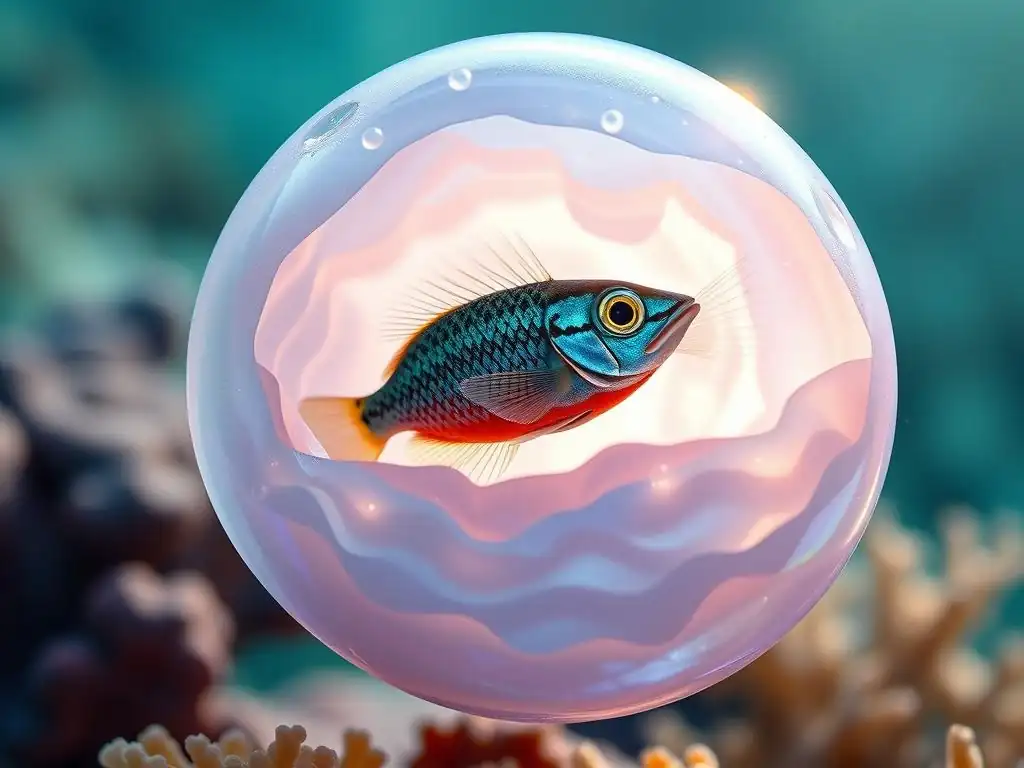
Successful spawning in nano reef gobies hinges on providing precise and stable environmental conditions that mimic their natural breeding grounds. Optimal water parameters are crucial, including a stable salinity of 1.023-1.026 specific gravity, a consistent temperature range of 76-80°F (24.4-26.7°C), and a pH between 8.1 and 8.4. Additionally, adequate alkalinity (8-12 dKH) and calcium (400-450 ppm) levels are important for overall fish health and egg development.
Beyond water chemistry, a rich and varied diet is essential to condition breeding pairs, providing the necessary energy and nutrients for gamete production. Live foods such as enriched brine shrimp, copepods, and mysis shrimp are highly beneficial. Finally, the provision of suitable spawning sites—such as small caves, crevices within live rock, or even inverted PVC pipes—is critical, as many goby species are cave spawners. For instance, Trimma species often prefer tight spaces for egg deposition, while Stonogobiops might utilize the shared burrow of their shrimp partner.
The Mating Ritual of Nano Reef Gobies
The mating ritual of nano reef gobies is a fascinating display of natural instinct, often involving specific courtship behaviors to attract a mate and prepare for spawning. In many species, the male initiates the courtship, displaying enhanced coloration, flaring fins, and performing elaborate dances to entice the female. For example, some Elacatinus species exhibit a vibrant intensification of their stripes during courtship. This ritualistic behavior ensures the compatibility of the pair and signals readiness for reproduction.
Once a pair has bonded, they will typically select a suitable spawning site. This often involves the male meticulously cleaning the chosen surface, ensuring it is free of debris for egg adhesion. The male may also guard the female vigorously from other tank inhabitants during this sensitive period. This preparatory phase is a critical component of the nano reef goby life cycle, setting the stage for successful egg deposition and subsequent parental care.
Egg Deposition and Parental Care in Nano Reef Aquariums
Following the mating ritual, egg deposition occurs, marking a pivotal moment in the nano reef goby life cycle. The female will carefully lay adhesive eggs, often in clusters, on the prepared surface within a cave, crevice, or burrow. The number of eggs can vary significantly by species and female size; for example, a mature Trimma goby might lay anywhere from 50 to 300 eggs, while larger Gobiodon species could produce several hundred. Immediately after deposition, the male fertilizes the eggs.
Parental care is a hallmark of many goby species, with the male typically taking on the primary responsibility of guarding and fanning the eggs. He diligently ventilates the clutch with his fins, ensuring adequate oxygenation and preventing fungal growth, and aggressively defends the eggs from potential predators. This paternal dedication continues throughout the incubation period, which generally lasts between 3 to 7 days, depending on species and water temperature, until the larvae hatch and embark on their next life stage.
Stage 2: Larval Development of Nano Reef Gobies
The Fragile Larval Stage: Challenges and Considerations
The larval stage is arguably the most challenging and critical phase in the nano reef goby life cycle, characterized by extremely high mortality rates in captivity. Newly hatched goby larvae are typically minuscule, often less than 2 millimeters (0.08 inches) in length, and are primarily planktonic, drifting in the water column. Their undeveloped digestive systems and minuscule mouths necessitate specific, highly nutritious, and appropriately sized live food.
Furthermore, their delicate nature makes them incredibly susceptible to fluctuations in water parameters, even minor changes in temperature or pH can be fatal. Predation from even the smallest invertebrates or detritus in the water column poses a significant threat. Successfully navigating this stage requires a dedicated larval rearing system, meticulous attention to water quality, and a precise feeding regimen, making it a significant hurdle for aquarists attempting to breed nano gobies.
Feeding Larval Nano Reef Gobies: Diet and Methods
Providing the correct diet is paramount for the survival and growth of nano reef goby larvae. Due to their minute size and specific nutritional requirements, live food sources are almost exclusively necessary during the initial weeks. Rotifers ( Brachionus plicatilis) are the staple first food, ideally enriched with highly unsaturated fatty acids (HUFA) to boost the larvae's nutritional intake. These rotifers must be consistently cultured and maintained to ensure a continuous supply.
As the larvae grow, typically after 7-14 days, their mouths become large enough to consume larger prey. At this point, a transition to copepod nauplii or newly hatched Artemia nauplii (brine shrimp) can begin. Feeding must be frequent, often 4-6 times per day, to ensure a constant presence of food in the water column, as the larvae have limited energy reserves and need to feed almost continuously. Overfeeding, however, must be avoided to prevent water quality degradation.
Maintaining Optimal Water Quality for Larval Growth
Maintaining pristine and stable water quality is non-negotiable for the successful development of nano reef goby larvae. Their tiny size means they are highly sensitive to even trace amounts of ammonia, nitrite, or nitrate. A dedicated larval rearing tank, often a bare-bottomed vessel with gentle aeration (e.g., via an air stone or small sponge filter), is typically employed to facilitate easy cleaning and prevent the accumulation of waste.
Frequent, small water changes, sometimes as much as 10-20% daily, are essential to remove metabolic byproducts and replenish trace elements. The replacement water must be precisely matched to the tank's parameters (temperature, salinity, pH) to avoid shocking the delicate larvae. Continuous monitoring of water parameters is critical; for instance, ammonia levels must remain at 0 ppm, and nitrates should be kept below 5 ppm. This rigorous attention to environmental stability is a cornerstone of successfully rearing the nano reef goby life cycle through its most vulnerable phase.
Stage 3: Settling and Metamorphosis in Nano Reef Gobies
From Larva to Juvenile: The Transition Phase
The transition from the fragile larval stage to the more robust juvenile form, known as metamorphosis, is a remarkable transformation in the nano reef goby life cycle. This phase typically occurs when the larvae are between 3 to 6 weeks old, though the exact timing varies by species and environmental conditions. During metamorphosis, the goby larvae undergo significant physiological and behavioral changes. Their body shape begins to resemble that of the adult fish, fins develop and become more defined, and their planktonic swimming behavior shifts to a more settled, bottom-dwelling habit.
Internally, their digestive and respiratory systems mature, allowing them to process a wider range of food items and better adapt to a benthic lifestyle. This critical period marks their readiness to leave the open water column and seek out suitable habitats on the reef, such as crevices, burrows, or sand beds, depending on their species-specific needs.
Identifying Juvenile Nano Reef Gobies
Identifying juvenile nano reef gobies is relatively straightforward once metamorphosis is complete, as they begin to exhibit characteristics similar to their adult counterparts, albeit in miniature form. Their bodies become more elongated and robust, and their characteristic adult coloration and fin patterns start to emerge, though often in a more muted or simplified version initially. For instance, a juvenile Elacatinus oceanops will display the distinctive blue stripe, though perhaps less intensely than a mature specimen.
Behaviorally, juveniles abandon their free-swimming larval habits and begin to settle on the substrate or perch on live rock, actively seeking shelter and establishing small territories. They will also start to exhibit more complex behaviors, such as foraging for food among the sand and rocks, indicating their readiness to transition to a grow-out tank environment.
Acclimation to the Nano Reef Environment
Acclimating juvenile nano reef gobies to a more typical nano reef environment is a delicate process that ensures their continued survival and growth. Once they have completed metamorphosis and are actively feeding on larger prey, they can be gradually introduced to a grow-out tank. This tank should replicate the conditions of a mature nano reef, providing stable water parameters (e.g., salinity 1.025, temperature 78°F, pH 8.2), ample live rock for hiding spots, and a suitable substrate.
The transition should be slow, potentially involving drip acclimation over several hours to minimize stress from changes in water chemistry. Initially, the juveniles may be shy, but with time and consistent feeding, they will become more active and integrate into the system. This phase is crucial for their long-term health and is a vital step in successfully nurturing the nano reef goby life cycle from its most vulnerable stages to maturity.
Stage 4: Juvenile Growth and Development of Nano Reef Gobies
Nutritional Needs of Growing Nano Reef Gobies
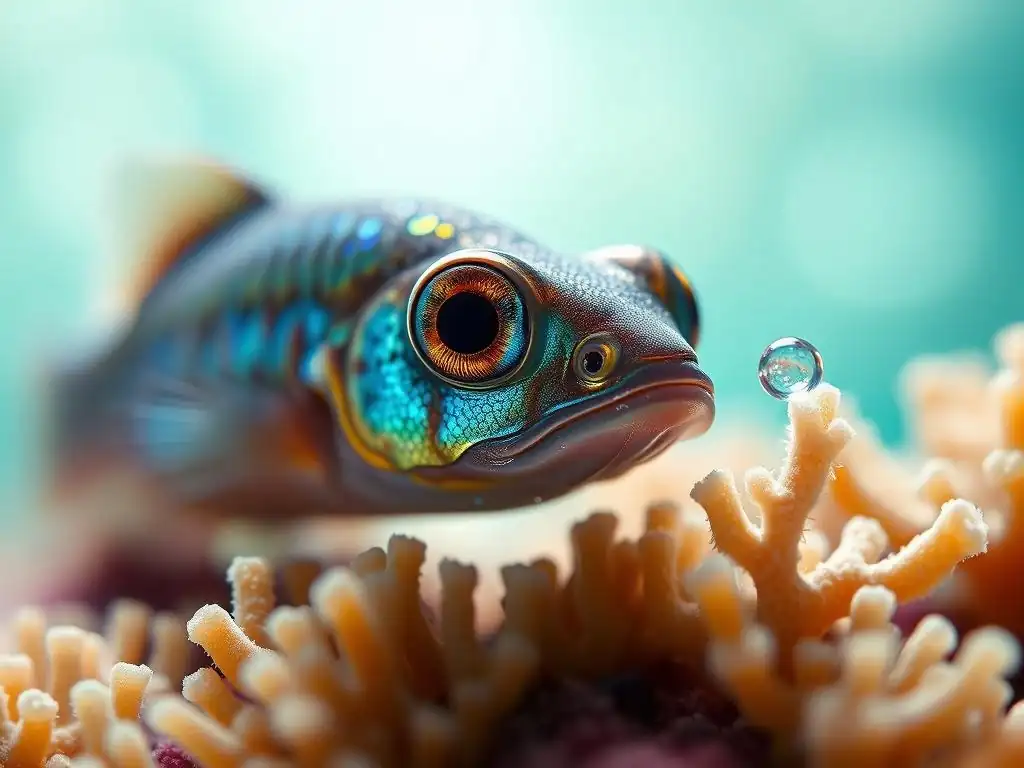
As nano reef gobies transition from their larval and post-larval stages into juveniles, their nutritional needs evolve significantly. While they still require high-quality, protein-rich foods, their larger mouths and more developed digestive systems allow them to consume a wider variety of prey items. A balanced diet is critical for rapid growth and robust health, ensuring they receive all necessary vitamins, minerals, and fatty acids.
Ideal foods for growing juveniles include finely crushed high-quality marine flakes, small sinking pellets, frozen cyclop-eeze, enriched frozen brine shrimp, and small mysis shrimp. Feeding should remain frequent, typically 2-3 times per day, to support their rapid metabolism and developmental demands. Consistent access to nutritious food directly influences their growth rate; for example, well-fed juveniles can double their size within a month, depending on the species.
Juvenile nano reef gobies, while generally peaceful, begin to establish their social behaviors and territorial preferences as they grow. Many species are solitary or form pairs, and some may exhibit aggression towards conspecifics if adequate space and hiding spots are not provided. For instance, while a Trimma species might tolerate several individuals in a larger nano tank (e.g., 20 gallons or more), a Stonogobiops will typically only pair with one pistol shrimp and may become territorial towards other gobies.
Careful selection of tank mates is crucial to prevent stress and aggression. Ideal companions for juvenile gobies include other small, peaceful invertebrates like cleaner shrimp or hermit crabs, and other docile nano fish that occupy different niches in the water column, such as small blennies or clownfish. Avoiding larger, more aggressive species is paramount to ensure the juveniles can thrive without competition or predation, allowing them to progress smoothly through the nano reef goby life cycle.
Monitoring Health and Preventing Diseases in Young Gobies
Vigilant monitoring of health is essential during the juvenile growth phase to prevent diseases and ensure the successful progression of the nano reef goby life cycle. Young gobies, while more resilient than larvae, are still vulnerable to common marine ailments if water quality is compromised or stress levels are high. Regular observation for signs of distress, such as labored breathing, clamped fins, loss of appetite, or the appearance of white spots (ich) or cloudy eyes, is crucial.
Preventative measures are the best defense. This includes maintaining impeccable water parameters (zero ammonia/nitrite, low nitrate, stable salinity), providing a consistent and varied diet, and ensuring adequate hiding spots to reduce stress. Quarantining any new fish or invertebrates for at least 3-4 weeks before introducing them to the main tank can significantly reduce the risk of introducing pathogens. Early detection and intervention are key to successfully treating any health issues that may arise.
Stage 5: Adulthood and Reproduction in Nano Reef Gobies
Reaching Sexual Maturity: Signs and Timeline
Reaching sexual maturity marks the final significant stage in the nano reef goby life cycle, allowing the fish to contribute to the next generation. The timeline for maturity varies by species, but many commonly kept nano gobies, such as those from the Trimma or Elacatinus genera, can become reproductively active within 6 to 12 months from hatching, provided they have been raised under optimal conditions. Signs of sexual maturity often include a noticeable intensification of adult coloration, more pronounced finnage, and, most notably, the initiation of courtship behaviors.
In species that form pairs, such as the Neon Goby ( Elacatinus oceanops), a male and female will begin to exhibit synchronized swimming, chasing, and eventually select a spawning site. For shrimp gobies, the pair bond between the goby and its pistol shrimp partner often solidifies further, as the goby's burrow becomes a potential spawning location. Observing these behavioral cues indicates that the goby is ready to reproduce.
Adult Nano Reef Goby Behavior and Characteristics
Adult nano reef gobies exhibit a range of fascinating behaviors and distinct characteristics that define their role in the reef ecosystem. Many species, particularly those in the Stonogobiops genus, continue their symbiotic relationship with pistol shrimp, maintaining and guarding a shared burrow, where the goby acts as a lookout for danger. Other species, like the Gobiodon (Coral Gobies), integrate themselves into specific coral colonies, perching and feeding among the polyps.
Adults are typically more territorial than juveniles, especially when paired or during breeding cycles. Their feeding habits are well-established, and they will actively forage for small invertebrates and zooplankton. Their coloration is at its peak vibrancy, making them stunning additions to any nano reef. Understanding these adult behaviors is essential for providing suitable tank conditions and for potentially encouraging subsequent spawning cycles within the nano reef goby life cycle.
Optimizing Tank Conditions for Breeding Adult Gobies
Optimizing tank conditions is paramount for encouraging adult nano reef gobies to breed successfully. The primary goal is to provide a stable, stress-free environment that closely mimics their natural spawning habitat. This involves maintaining consistent, pristine water parameters: salinity at 1.024-1.026, temperature between 78-80°F (25.6-26.7°C), and a pH of 8.2-8.4. Regular, small water changes (e.g., 10% weekly) help maintain water quality and can sometimes trigger spawning by mimicking natural water refreshment.
A highly nutritious and varied diet, including live and frozen foods, is crucial for conditioning the breeding pair, ensuring they have ample energy for egg production and parental care. Providing ample hiding spots and suitable spawning sites, such as small caves, PVC pipes, or inverted ceramic dishes, is also vital. In some cases, a slight increase in temperature (e.g., 1-2°F) or a shift in photoperiod can stimulate breeding activity, encouraging the completion of the nano reef goby life cycle in captivity.
Factors Influencing the Nano Reef Goby Life Cycle
Water Parameters and Their Impact on Goby Development
Water parameters exert a profound influence on every stage of the nano reef goby life cycle, from egg development to adult health. Deviations from optimal ranges can severely impede growth, cause stress, and even lead to mortality. For instance, consistent salinity (1.023-1.026) is crucial for proper osmoregulation; fluctuations can dehydrate or over-hydrate cells. Temperature (76-80°F) directly impacts metabolic rates, affecting growth speed and immune function; temperatures outside this range can slow development or cause thermal shock.
pH (8.1-8.4) and alkalinity (8-12 dKH) are vital for stable carbonate buffering, which prevents rapid pH swings that are highly detrimental to delicate larval stages. Ammonia and nitrite must always be at 0 ppm, as even trace amounts are toxic, particularly to eggs and larvae. Elevated nitrates (above 20 ppm) can cause chronic stress and suppress the immune system, making gobies susceptible to diseases. Maintaining these parameters within tight tolerances is fundamental to the successful progression of the nano reef goby life cycle.
Diet and Nutrition for Each Life Stage
The specific dietary needs of nano reef gobies evolve dramatically throughout their life cycle, and meeting these requirements is critical for survival and development. Newly hatched larvae, for example, require live, microscopic prey like rotifers, as their mouths are too small for anything else. As they grow into post-larvae and early juveniles, their diet expands to include larger live foods such as copepod nauplii and newly hatched brine shrimp.
Adult gobies benefit from a varied diet of high-quality frozen foods (e.g., mysis shrimp, cyclop-eeze, enriched brine shrimp) and finely ground dry foods (flakes, pellets). Insufficient or inappropriate nutrition at any stage can lead to stunted growth, weakened immune systems, and reduced reproductive capacity. For instance, a diet lacking essential fatty acids can lead to poor larval development and high mortality rates, directly impacting the success of breeding the nano reef goby life cycle.
Environmental Stressors and Disease Prevention
Environmental stressors are significant factors that can negatively impact the nano reef goby life cycle, often leading to disease and premature mortality. Poor water quality, including persistent high nitrates, low oxygen, or fluctuating parameters, is a primary stressor. Overcrowding in a nano tank can lead to increased aggression, competition for resources, and rapid accumulation of waste, all of which elevate stress levels. Incompatible tank mates, such as larger, more aggressive fish, can also cause chronic stress through intimidation or direct harassment.
Preventing disease hinges on minimizing these stressors. This involves diligent tank maintenance, including regular water changes (e.g., 10-20% weekly for a 20-gallon tank), appropriate stocking levels (e.g., one pair of gobies in a 10-gallon tank or a small group in a 20+ gallon tank, depending on species), and providing ample hiding spots. A strong immune system, bolstered by a balanced diet and stable environment, is the best defense against common ailments like marine ich ( Cryptocaryon irritans) or bacterial infections, ensuring the health and longevity of the nano reef goby life cycle.
Common Challenges in Raising Nano Reef Gobies Through Their Life Cycle
Larval Mortality and Prevention Strategies
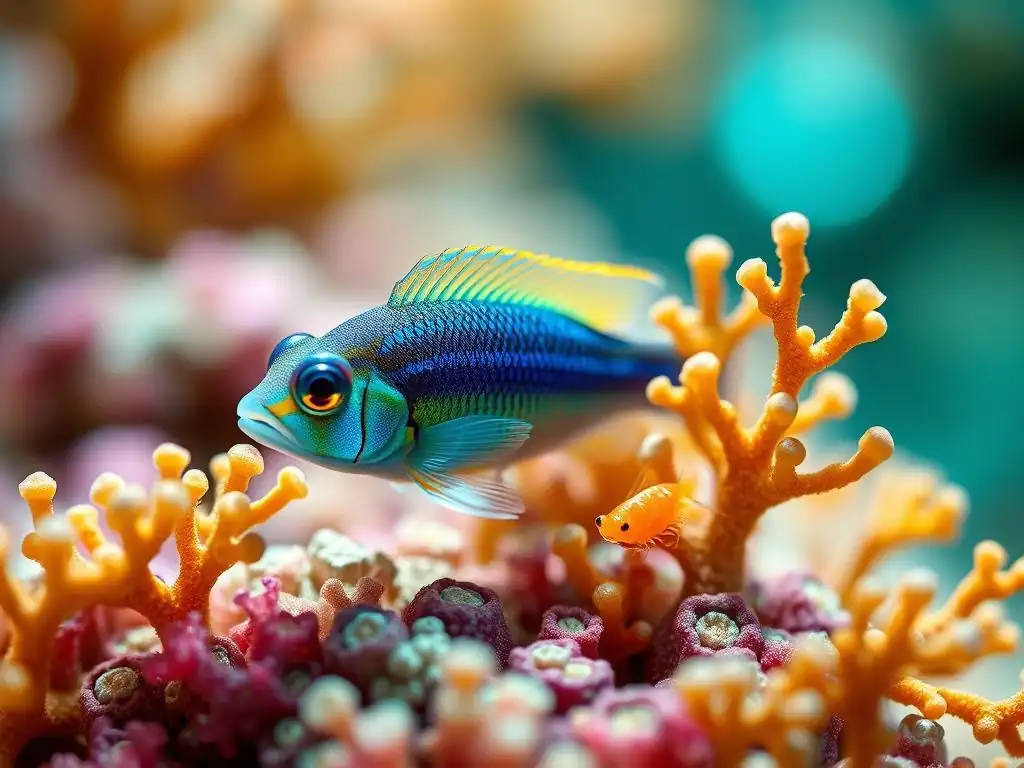
Larval mortality represents the single greatest challenge in raising nano reef gobies through their life cycle, with survival rates often below 1% in home aquaria without specialized care. The primary causes include starvation due to insufficient or inappropriately sized food, poor water quality from metabolic waste, and predation by even microscopic organisms or detritus. Their minute size and undeveloped systems make them incredibly vulnerable.
Prevention strategies are intensive but effective. This includes setting up a dedicated larval rearing system (e.g., a 5-10 gallon bare-bottom tank with gentle air stone aeration). A continuous supply of appropriately sized, enriched live foods, such as rotifers and copepods, is essential, often requiring daily culturing. Rigorous water quality management, with daily small water changes (e.g., 10-20%) and siphoning of detritus, is paramount to maintain pristine conditions and prevent toxic buildups. These efforts are critical to successfully navigate the most fragile stage of the nano reef goby life cycle.
Disease Outbreaks and Treatment Options
Disease outbreaks pose another significant challenge throughout the nano reef goby life cycle, affecting fish of all ages, though juveniles can be particularly susceptible. Common marine diseases include marine ich ( Cryptocaryon irritans), marine velvet ( Amyloodinium ocellatum), and various bacterial infections (e.g., fin rot, columnaris). Symptoms can range from white spots on the body and fins to labored breathing, loss of appetite, or physical lesions.
Prevention is always preferable: quarantine all new fish for 3-4 weeks in a separate tank. If an outbreak occurs, treatment options vary. For ich, methods like copper-based medications (e.g., Cupramine) or hyposalinity (reducing salinity to 1.008-1.010 for several weeks) can be effective in a separate hospital tank, as many treatments are harmful to corals and invertebrates. Bacterial infections may require broad-spectrum antibiotics, often administered via food or water, but always with careful consideration for the fish's overall health and the specific pathogen.
Maintaining a Stable and Healthy Nano Reef Environment
Maintaining a stable and healthy nano reef environment is a continuous challenge, yet it is foundational to the successful progression of the nano reef goby life cycle. Nano tanks, by their very nature, are less forgiving than larger systems due to their smaller water volume, which magnifies the impact of any fluctuations or imbalances. Rapid shifts in temperature, salinity, pH, or nutrient levels can quickly stress fish and corals.
Consistent efforts are required: daily visual inspections, regular parameter testing (e.g., weekly tests for ammonia, nitrite, nitrate, pH, alkalinity, calcium, and salinity), and strict adherence to a maintenance schedule. This includes weekly 10-20% water changes, routine cleaning of filtration media, and careful monitoring of feeding to prevent overfeeding. A stable environment minimizes stress, enhances immune function, and allows nano reef gobies to thrive from hatching through adulthood, completing their full life cycle.
Tips for Successfully Raising Nano Reef Gobies
Choosing the Right Nano Reef Goby Species
Choosing the right nano reef goby species is the first critical step towards successful rearing and potentially observing the full nano reef goby life cycle. Not all gobies are created equal in terms of care requirements, adult size, or breeding difficulty. For beginners, species like the Neon Goby ( Elacatinus oceanops) or Green Clown Goby ( Gobiodon atrangulatus) are often recommended due to their relatively small size (typically under 2 inches), peaceful temperament, and adaptability.
Researching species-specific needs is paramount. Consider their adult size (e.g., some Trimma species stay under an inch, while a Diamond Watchman Goby can reach 6 inches), their compatibility with other tank mates (some are territorial), and whether they require a specific substrate or symbiotic partner (like pistol shrimp). Understanding these nuances ensures the chosen goby will thrive in your specific nano reef setup, laying the groundwork for a healthy life.
Providing Optimal Tank Conditions
Providing optimal tank conditions is fundamental to the health and longevity of nano reef gobies, directly influencing every stage of their life cycle. A stable environment is key, meaning consistent water parameters: salinity between 1.024-1.026, temperature ranging from 76-80°F (24.4-26.7°C), and a pH of 8.1-8.4. Ammonia and nitrite must remain at zero, and nitrates should be kept below 20 ppm.
Beyond chemical parameters, the physical setup of the nano tank is crucial. Ensure adequate live rock is present, providing numerous crevices and hiding spots, which are essential for gobies to feel secure and to establish territories. A suitable substrate, such as fine sand, is vital for burrowing species like the Stonogobiops gobies. Proper filtration (e.g., protein skimmer, media reactor, robust live rock) and gentle water flow are also necessary to maintain water quality and mimic natural reef conditions, allowing the nano reef goby life cycle to progress without undue stress.
Implementing a Consistent Feeding Schedule
Implementing a consistent and appropriate feeding schedule is vital for the growth and vitality of nano reef gobies throughout their entire life cycle. Unlike larger fish, gobies have small stomachs and high metabolisms, necessitating frequent, small meals rather than large, infrequent ones. For adult gobies, feeding 2-3 times per day is generally recommended. Juveniles and larvae require even more frequent feedings, sometimes 4-6 times daily, due to their rapid development and limited energy reserves.
The diet should be varied and high-quality, including a mix of frozen foods (e.g., mysis shrimp, enriched brine shrimp, cyclop-eeze), high-quality marine pellets, and flakes. For species that forage in the sand, ensuring food reaches the bottom is important. Consistent feeding with nutritious options directly impacts growth rates, coloration, and overall immune health, contributing significantly to the successful journey through the nano reef goby life cycle.
Conclusion: Appreciating the Intricacies of the Nano Reef Goby Life Cycle
The Importance of Understanding Goby Development
Understanding the intricate nano reef goby life cycle is not merely an academic exercise; it is fundamental for any aquarist aiming for long-term success and deeper appreciation of these fascinating creatures. Each stage, from the delicate larval phase to the reproductive adult, presents unique challenges and requirements. Knowledge of their specific needs for water parameters, nutrition, and environmental enrichment at every developmental point empowers aquarists to provide optimal care, significantly increasing survival rates and overall well-being.
This comprehensive understanding fosters a more responsible approach to fishkeeping, moving beyond simply keeping fish alive to helping them thrive and, for advanced enthusiasts, reproduce. It highlights the delicate balance of the marine ecosystem and the precise conditions necessary to mimic it in a home aquarium, ensuring that these nano personalities can complete their full life journey.
Contributing to Sustainable Aquarium Practices
By delving into and mastering the nano reef goby life cycle, aquarists can directly contribute to more sustainable aquarium practices. The vast majority of marine ornamental fish, estimated at over 90%, are still collected from wild reefs. This places immense pressure on natural populations and fragile ecosystems. Successfully breeding nano gobies in captivity reduces the demand for wild-caught specimens, alleviating this pressure and promoting conservation efforts.
Every successful breeding attempt, particularly of species that are challenging to propagate, signifies a step towards a more self-sustaining hobby. It demonstrates that with dedication and knowledge, aquarists can play a vital role in protecting marine biodiversity, ensuring that future generations can also appreciate the beauty and wonder of species like the nano reef goby without further impacting their natural habitats.
Further Research and Resources on Nano Reef Gobies
The journey of understanding the nano reef goby life cycle is ongoing, with new insights continually emerging from scientific research and dedicated aquarists. For those seeking to deepen their knowledge or embark on breeding projects, numerous resources are available. Consulting scientific journals, specialized forums, and reputable aquarium books provides invaluable detailed information on species-specific care, breeding protocols, and larval rearing techniques.
Engaging with experienced breeders and marine biologists through online communities or local aquarium clubs can offer practical advice and troubleshooting tips. Continued research into dietary requirements for larval stages, optimal environmental triggers for spawning, and genetic diversity in captive populations will further advance our ability to successfully raise these captivating fish. This commitment to continuous learning enriches the hobby and supports the long-term sustainability of keeping nano reef gobies.
Frequently Asked Questions
What is a Nano Reef Goby and why are they popular for reef tanks?
Nano Reef Gobies are small, bottom-dwelling fish ideal for nano reef aquariums. Their popularity stems from their small size and beneficial algae-eating habits, contributing to a balanced ecosystem.
What are the typical stages in the Nano Reef Goby life cycle?
The Nano Reef Goby life cycle includes egg, larval, juvenile, and adult stages. The larval stage is particularly delicate, relying on plankton as their main source of food. Successful breeding in captivity can be challenging.
What do Nano Reef Gobies eat during different stages of their life cycle?
Newly hatched larvae require microscopic food sources, such as rotifers. As juveniles and adults, they primarily consume algae and small invertebrates, which are key to their survival.
How long do Nano Reef Gobies typically live in a reef aquarium environment?
With proper care and a suitable environment, Nano Reef Gobies can live 2-3 years in a reef aquarium. Maintaining stable water parameters and providing a varied diet are crucial for their longevity.
What are some common challenges faced when breeding Nano Reef Gobies in captivity?
Breeding Nano Reef Gobies is complex, with challenges including providing appropriate larval food, maintaining optimal water quality, and simulating natural breeding conditions. This requires specialized knowledge and dedication.
Okay, here's a final reflection designed to close your article, "The Fascinating Life Cycle of the Nano Reef Goby Revealed," optimized for the keyword "Nano reef goby life cycle" and following the structure you provided:
Final Reflection: Unveiling the Wonders of Miniature Marine Life
The detailed exploration of the nano reef goby life cycle underscores a critical point: even within the smallest ecosystems, complexity and beauty abound. Understanding these intricate processes is not merely an academic exercise; it's essential for effective reef keeping and the broader conservation of marine biodiversity, especially as our oceans face increasing pressures.
This journey into the world of the nano reef goby has profoundly illuminated the delicate balance within these miniature ecosystems. Witnessing the fragility and resilience of these tiny creatures firsthand has deepened my appreciation for the interconnectedness of all life in the ocean. In the end, we will conserve only what we love; we will love only what we understand; and we will understand only what we are taught.
- Baba Dioum. This quote perfectly encapsulates the importance of sharing knowledge about creatures like the nano reef goby to inspire conservation efforts.
Now, consider how you can apply this newfound knowledge. How can you, as a reef keeper or simply as an ocean enthusiast, contribute to the well-being of these fascinating creatures? Let the intricate dance of the nano reef goby's life cycle inspire you to make informed choices, support sustainable practices, and advocate for the protection of our precious marine environments. The future of these tiny wonders, and indeed the health of our oceans, rests in our collective hands.
Dive Deeper: Embrace the Nano Reef Goby's World!
Thanks for exploring the captivating life of the Nano Reef Goby with us! We hope you've gained a newfound appreciation for these tiny titans of the reef. Now, let's turn that knowledge into action!
- Start a Nano Reef Journal: Meticulously document the behaviors and interactions of your gobies. What secrets will you uncover in your own mini reef ecosystem?
- Share your goby insights! Engage with fellow reef enthusiasts on forums or social media – let your passion inspire others.
- Consider a quirky coral pairing. Research unconventional corals that might thrive alongside your gobies, creating a truly unique habitat.
What unexpected behavior have you observed in your Nano Reef Goby, and what did you learn from it?