
Flasher Wrasses: A Spectacle of Light and Motion for Your Reef Aquarium

Welcome to Aquarium Mastery!
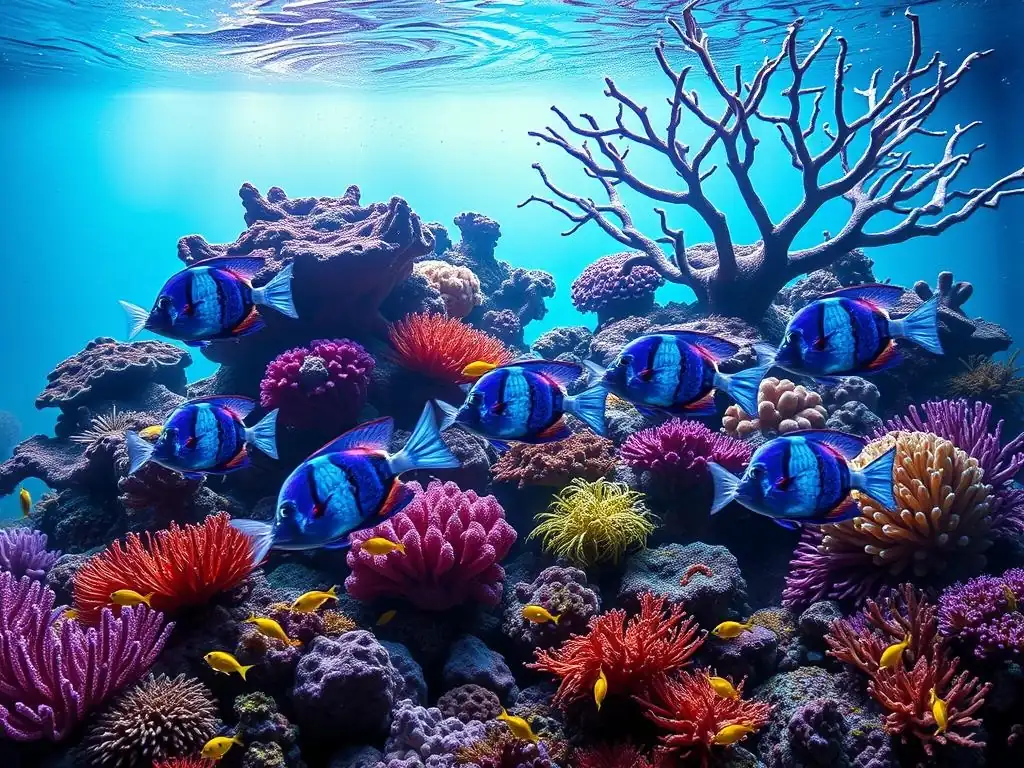
Dive into the dazzling world of reef aquariums and uncover the secrets to keeping your underwater paradise thriving. Ever wondered how to bring a vibrant splash of color and dynamic personality to your saltwater setup? Then you're in the right place. Today, we're illuminating the captivating beauty and unique care requirements of one of the reef's most mesmerizing inhabitants: Flasher wrasses. Get ready to explore everything you need to know to successfully introduce these radiant gems into your flasher wrasses reef aquarium and witness a true spectacle of light and motion! Intrigued? Let's get started!
- Introduction to Flasher Wrasses for Reef Tanks
- Understanding Flasher Wrasse Species Suitable for Reef Aquariums
- Setting Up the Ideal Reef Aquarium Environment for Flasher Wrasses
- Flasher Wrasse Tank Mates: Choosing Compatible Reef Inhabitants
- Feeding Flasher Wrasses in Your Reef Aquarium
- Flasher Wrasse Care: Ensuring Health and Longevity
- Observing Flashing Behavior: The Display of Flasher Wrasses
- Maintaining a Thriving Flasher Wrasse Reef Aquarium: Long-Term Considerations
- The Benefits of Keeping Flasher Wrasses in Your Reef Tank
- Conclusion: Enjoying the Beauty and Activity of Flasher Wrasses in Your Reef
-
Frequently Asked Questions
- How suitable are Flasher Wrasses for a reef aquarium?
- What are the specific water parameters needed to keep Flasher Wrasses healthy?
- What type of food do Flasher Wrasses eat in a reef aquarium?
- Are Flasher Wrasses compatible with other fish species in a reef tank?
- What is the typical behavior of Flasher Wrasses in a reef aquarium, and how can I encourage their flashing display?
- Final Reflection: Embracing the Dance of the Reef
- Ignite Your Reef: Unleash the Wrasse Wonder!
Introduction to Flasher Wrasses for Reef Tanks
Why Flasher Wrasses are Popular Among Reef Aquarists
Flasher wrasses, primarily from the genus Paracheilinus, have captivated reef aquarists worldwide with their unparalleled beauty and dynamic displays. Their popularity stems from a unique combination of dazzling, iridescent colors, peaceful temperament, and relatively small adult size, typically ranging from 2 to 4 inches. Unlike many larger or more aggressive reef fish, these wrasses integrate seamlessly into most established reef aquariums, adding a vibrant splash of life without posing a threat to corals or most invertebrates.
The main allure, however, lies in their spectacular "flashing" behavior. Male flasher wrasses periodically intensify their coloration, extending their fins and shimmering with an almost electric glow, particularly during courtship rituals or territorial displays. This brief, but breathtaking, spectacle transforms the aquarium into a living light show, making them a highly sought-after addition for any enthusiast looking to enhance the visual appeal and activity of their Flasher wrasses reef aquarium.
Overview of Flasher Wrasse Characteristics and Behavior
Flasher wrasses are characterized by their sleek, torpedo-shaped bodies and often vibrant coloration, which can include shades of red, orange, blue, and yellow, frequently adorned with intricate patterns or lines. While females typically exhibit more subdued hues, males are renowned for their brilliant, changeable colors and elongated fin rays, especially during their "flashing" events. This sexual dimorphism is a key characteristic of the genus.
Behaviorally, flasher wrasses are active swimmers, constantly darting in and out of rockwork, foraging for small crustaceans and zooplankton. They are generally peaceful and shy, preferring to retreat into crevices or bury themselves in the sand bed if startled or when sleeping. This propensity for hiding underscores their need for ample rockwork and a suitable substrate in a Flasher wrasses reef aquarium, ensuring they feel secure and can exhibit their natural behaviors.
Understanding Flasher Wrasse Species Suitable for Reef Aquariums
Identifying Popular Flasher Wrasse Varieties
The genus Paracheilinus encompasses numerous species, many of which are regularly available in the aquarium trade. While they share common traits, each species boasts unique color patterns and fin extensions that distinguish them. Popular choices include the Carpenter's Flasher Wrasse ( Paracheilinus carpenteri), McCosker's Flasher Wrasse ( Paracheilinus mccoskeri), Filamented Flasher Wrasse ( Paracheilinus filamentosus), and Line-spot Flasher Wrasse ( Paracheilinus lineopunctatus).
Identifying these varieties often involves observing the specific color banding, the presence and length of dorsal or anal fin filaments in males, and the overall body shape. For instance, the Carpenter's is often recognized by its reddish-orange body with distinct blue lines, while the McCosker's tends to be more yellow-orange with specific blue spotting or fin extensions. Understanding these distinctions is key to selecting the ideal specimen for your Flasher wrasses reef aquarium.
The Carpenter's Flasher Wrasse (Paracheilinus carpenteri): Care and Compatibility
The Carpenter's Flasher Wrasse ( Paracheilinus carpenteri) is a perennial favorite among reef aquarists, celebrated for its striking appearance and robust nature. Males typically display a brilliant reddish-orange body adorned with vibrant blue horizontal lines, and during flashing, their dorsal and anal fins can extend dramatically. Growing to about 3 inches in length, this species is a manageable size for many home aquariums and is widely regarded as one of the hardiest flasher wrasses.
In terms of care, Paracheilinus carpenteri thrives in stable reef conditions, with a temperature range of 74-78°F (23-26°C), salinity between 1.023-1.025, and a pH of 8.1-8.4. They are peaceful inhabitants, making them highly compatible with most reef-safe fish and invertebrates. It is crucial to provide a deep sand bed (at least 2-3 inches) for burrowing and ample live rock for hiding and security. Like all flasher wrasses, they require a tight-fitting lid, as they are known jumpers, a common trait to consider for any Flasher wrasses reef aquarium.
The McCosker's Flasher Wrasse (Paracheilinus mccoskeri): Care and Compatibility
The McCosker's Flasher Wrasse ( Paracheilinus mccoskeri) is another highly sought-after species, often distinguished by its more golden-yellow to orange body coloration, frequently accented with iridescent blue spots or lines. Male McCosker's wrasses develop exceptionally long, flowing dorsal and anal fin extensions during their flashing displays, creating a truly mesmerizing spectacle. They typically reach a maximum size of around 3.5 inches, making them similar in scale to the Carpenter's variety.
Care requirements for Paracheilinus mccoskeri are similar to those of other flasher wrasses, necessitating pristine water quality and stable parameters. They are active swimmers and tend to be slightly less shy than some other Paracheilinus species, often spending more time in the open water column. Their peaceful disposition makes them excellent tank mates for other small, non-aggressive reef fish such as gobies, blennies, and cardinalfish. Ensuring a diverse diet of meaty frozen foods will help maintain their brilliant coloration and overall health in your Flasher wrasses reef aquarium.
Other Reef-Safe Flasher Wrasse Options
Beyond the Carpenter's and McCosker's, several other flasher wrasse species are excellent choices for a reef environment, each bringing its own unique aesthetic. The Filamented Flasher Wrasse ( Paracheilinus filamentosus) is particularly striking, with males developing incredibly long, thread-like extensions on their dorsal fin during displays, creating a dramatic silhouette. Its body typically features shades of red, orange, and blue.
Another notable option is the Line-spot Flasher Wrasse ( Paracheilinus lineopunctatus), which, as its name suggests, is characterized by distinct lines and spots, often in blue or green, against a reddish background. The Pintail Flasher Wrasse ( Paracheilinus attenuatus) is recognized by its distinctive tail shape and vibrant body colors. All Paracheilinus species share the common traits of being peaceful, reef-safe, and requiring similar care, making them versatile and appealing additions to any well-maintained Flasher wrasses reef aquarium.
Setting Up the Ideal Reef Aquarium Environment for Flasher Wrasses
Tank Size and Dimensions for Flasher Wrasses
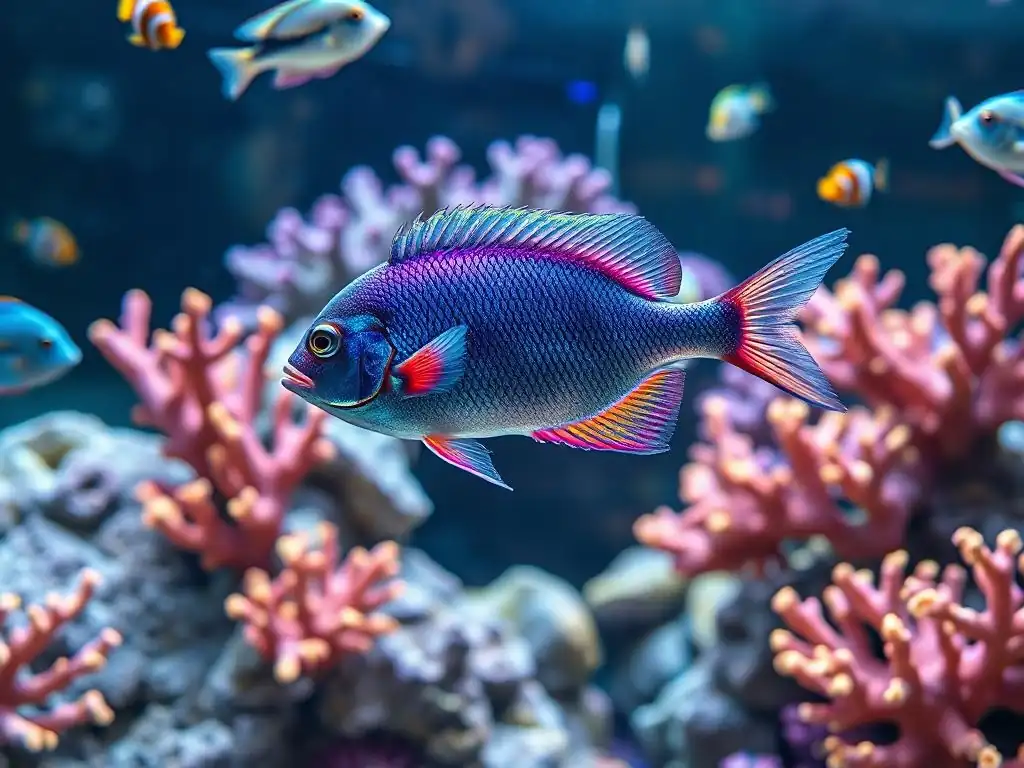
While flasher wrasses are relatively small fish, their active swimming nature and propensity for elaborate flashing displays necessitate adequate tank space. A minimum tank size of 30 gallons is often recommended for a single specimen, providing sufficient room for swimming and establishing territory. However, to truly observe their natural behaviors and allow for more stable water parameters, a 50-gallon aquarium or larger is preferable.
For aquarists considering keeping multiple flasher wrasses, especially a male with a small harem of females, a tank of 75 gallons or more is highly recommended. The dimensions of the tank are also crucial; a longer tank, such as a 48-inch long 75-gallon setup, provides more horizontal swimming space than a taller, narrower tank of similar volume. This extended swimming area helps reduce potential aggression between males and allows the fish to fully express their active personalities within the confines of a Flasher wrasses reef aquarium.
Essential Water Parameters for Flasher Wrasses in Reef Environments
Maintaining stable and pristine water quality is paramount for the health and vibrancy of flasher wrasses in a reef environment. The ideal temperature range for these tropical fish is between 74-78°F (23-26°C), ensuring their metabolic processes function optimally. Salinity should be kept stable between 1.023 and 1.025 specific gravity, closely mimicking their natural marine habitat.
Other critical parameters include a pH level ranging from 8.1 to 8.4, alkalinity between 8-12 dKH, calcium levels of 400-450 ppm, and magnesium levels of 1250-1350 ppm. Ammonia and nitrite must remain undetectable, and nitrates should be kept as low as possible, ideally below 10 ppm. Regular water testing, at least once a week, and consistent partial water changes are essential to maintain these parameters and ensure a thriving Flasher wrasses reef aquarium.
Substrate and Rockwork Considerations for Wrasse Well-being
The choice of substrate and the arrangement of rockwork are critical factors in creating a suitable habitat for flasher wrasses. These fish have a natural instinct to burrow into the sand when startled, stressed, or at night for sleeping. Therefore, a fine sand bed, at least 2 to 3 inches deep, is essential. Coarse sand or crushed coral can potentially injure their delicate bodies as they dive into the substrate.
Complementing the sand bed, abundant live rock with numerous crevices, caves, and overhangs is vital. This complex rock structure provides the flasher wrasses with crucial hiding spots, escape routes from potential aggression, and areas where they can feel secure. A well-structured aquascape not only enhances the aesthetic appeal of the Flasher wrasses reef aquarium but also significantly contributes to the physical and psychological well-being of these shy yet active fish.
Flasher Wrasse Tank Mates: Choosing Compatible Reef Inhabitants
Ideal Fish Companions for Flasher Wrasses in a Reef Setting
Choosing appropriate tank mates is crucial for the long-term success of a Flasher wrasses reef aquarium. Ideal companions are peaceful, non-aggressive, and do not compete excessively for food or territory. Good choices include other small, docile reef fish such as various species of gobies (e.g., watchman gobies, pistol shrimp gobies), blennies (e.g., tailspot blennies, starry blennies), cardinalfish, and certain clownfish species.
Other peaceful wrasses, particularly fairy wrasses ( Cirrhilabrus species), can often coexist peacefully with flasher wrasses, provided the tank is sufficiently large (75 gallons or more) to prevent territorial disputes. The key is to select fish that match the flasher wrasse's temperament and size, ensuring a harmonious and stress-free environment where all inhabitants can thrive and display their natural behaviors.
Invertebrates That Coexist Peacefully with Flasher Wrasses
Flasher wrasses are renowned for being exceptionally reef-safe, making them highly compatible with a wide array of invertebrates found in a typical reef aquarium. They generally pose no threat to corals, whether they are stony corals (SPS like Acropora, LPS like Euphyllia) or soft corals (e.g., zoanthids, mushrooms). Their diet consists primarily of zooplankton and small benthic invertebrates, not coral polyps.
Furthermore, most common cleanup crew members, such as various species of snails (e.g., turbo snails, Nassarius snails), hermit crabs, and ornamental shrimp (e.g., cleaner shrimp, peppermint shrimp), can coexist peacefully with flasher wrasses. These wrasses typically ignore larger invertebrates, focusing instead on microfauna. This excellent compatibility with invertebrates makes them a prime choice for a vibrant and diverse Flasher wrasses reef aquarium.
Avoiding Aggressive or Predatory Tank Mates
To ensure the safety and well-being of flasher wrasses, it is vital to avoid housing them with aggressive, territorial, or predatory fish. Species such as triggerfish, lionfish, large groupers, certain large angelfish, and highly aggressive damselfish can view flasher wrasses as a food source or pose a significant threat due to their territorial nature. Even certain larger tangs or more boisterous species can stress a flasher wrasse due to competition for space or food.
While flasher wrasses are generally peaceful, intraspecific aggression can occur, particularly between multiple male Paracheilinus species in a smaller tank. It is generally recommended to keep only one male per species, or if housing multiple males, to do so in a very large aquarium (100+ gallons) with ample hiding spots to diffuse potential conflicts. Careful selection of tank mates is paramount for a thriving Flasher wrasses reef aquarium.
Feeding Flasher Wrasses in Your Reef Aquarium
What Do Flasher Wrasses Eat? A Guide to Their Diet
In their natural habitat, flasher wrasses are micro-predators, primarily feeding on zooplankton and small benthic invertebrates found within the water column and on the reef substrate. This includes copepods, amphipods, and other minute crustaceans. Their active foraging behavior in the wild contributes to their lean, agile bodies and constant movement.
In a captive Flasher wrasses reef aquarium, their diet must closely mimic this natural foraging behavior and nutritional profile. They are carnivorous and require a varied diet rich in high-quality meaty foods. They are not herbivores and will not graze on algae or plant matter. Providing a diverse range of appropriate foods is crucial for their long-term health and the maintenance of their vibrant colors.
Recommended Foods for Optimal Health and Coloration
To ensure optimal health and maintain the stunning coloration of flasher wrasses, a diverse diet of high-quality frozen foods is highly recommended. Excellent choices include enriched mysis shrimp, cyclop-eeze, finely chopped marine-based frozen preparations (such as those containing krill, brine shrimp, and various fish roe), and enriched brine shrimp. Brands like Hikari and Piscine Energetics offer excellent options specifically formulated for marine fish.
While some flasher wrasses may eventually accept high-quality marine flakes or pellets, these should only constitute a small portion of their diet. The primary focus should be on meaty, nutrient-dense frozen foods, preferably enriched with essential fatty acids and vitamins. Offering small, varied meals throughout the day will encourage natural feeding behaviors and ensure all nutritional needs are met for your Flasher wrasses reef aquarium.
Feeding Frequency and Methods for Flasher Wrasses
Flasher wrasses are active, high-metabolism fish that benefit from frequent, small feedings throughout the day. Ideally, they should be fed two to three times daily, rather than one large meal. This mimics their natural grazing behavior in the wild, where they continuously pick at zooplankton. More frequent feedings also help to maintain their energy levels and reduce stress.
When feeding, broadcast the food into the water column, as flasher wrasses are quick to dart out and snatch food particles. Ensure that the food is appropriately sized for their mouths; smaller pieces are generally better. Observe your wrasses during feeding to ensure all individuals are getting enough to eat, especially if keeping multiple specimens or if they are in a busy community tank. Consistent and appropriate feeding is a cornerstone of success in a Flasher wrasses reef aquarium.
Flasher Wrasse Care: Ensuring Health and Longevity
Recognizing Signs of Stress or Disease in Flasher Wrasses
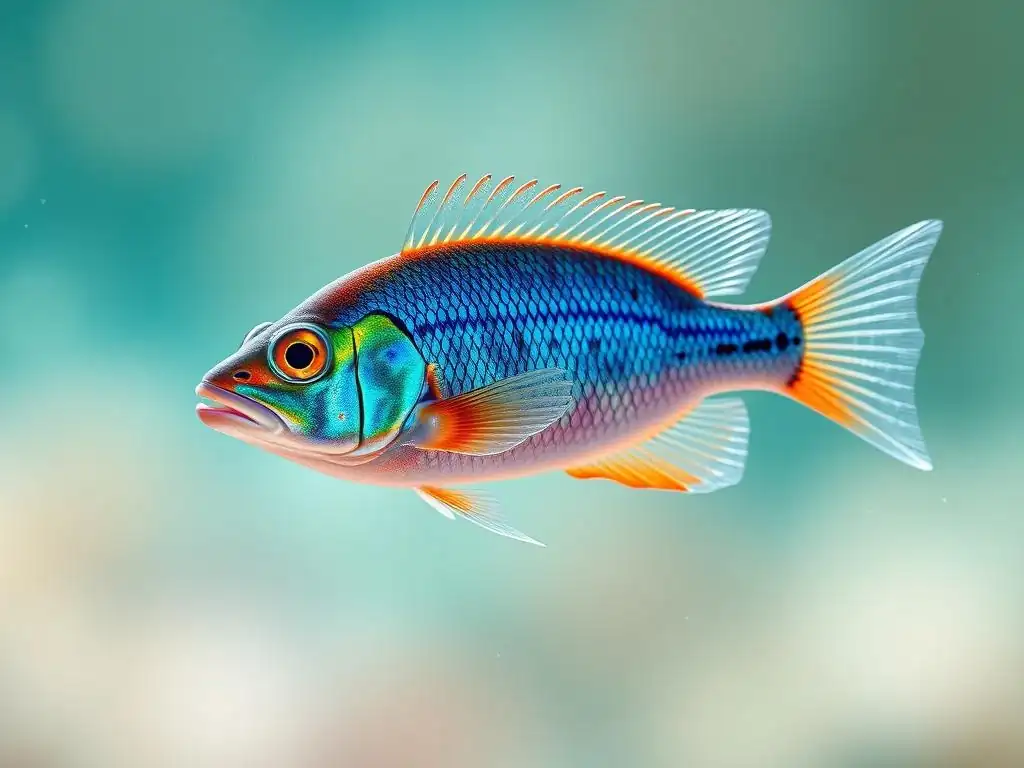
Early detection of stress or disease is vital for the health and longevity of flasher wrasses. Behavioral changes are often the first indicators. Signs of stress include excessive hiding, refusal to eat, rapid or labored breathing, clamped fins, lethargy, or unusual swimming patterns, such as rubbing against rocks or darting erratically. A loss of their characteristic vibrant coloration, appearing dull or faded, is also a significant warning sign.
Physical symptoms to watch for include white spots on the body or fins (indicative of Ich, Cryptocaryon irritans), a fine, dusty gold or brown coating (suggesting Velvet, Amyloodinium ocellatum), cloudy eyes, visible lesions, fin rot, or unusual growths. Any deviation from their typical active and colorful demeanor warrants immediate investigation of water parameters and general tank conditions in your Flasher wrasses reef aquarium.
Common Health Issues Affecting Flasher Wrasses
Like many marine fish, flasher wrasses can be susceptible to common parasitic infections, particularly Marine Ich ( Cryptocaryon irritans) and Marine Velvet ( Amyloodinium ocellatum). These diseases are often introduced by new, unquarantined fish or can manifest when a fish's immune system is compromised due by stress, poor water quality, or inadequate nutrition. Symptoms include white spots, rapid breathing, and general malaise.
Beyond parasites, flasher wrasses can suffer from malnutrition if their diet is not varied or nutrient-rich enough, leading to faded colors and susceptibility to other illnesses. Stress-related issues, often caused by aggressive tank mates, insufficient hiding spots, or unstable water parameters, can also weaken their immune response, making them vulnerable to bacterial infections or internal parasites. Proactive care and a stable environment are key to preventing these issues in a Flasher wrasses reef aquarium.
Quarantine Procedures for New Flasher Wrasses
Implementing a strict quarantine procedure for all new flasher wrasses is perhaps the most critical step in preventing the introduction of diseases into your established Flasher wrasses reef aquarium. A separate quarantine tank, typically 10-20 gallons for a single wrasse, should be set up with a heater, a simple sponge filter, and PVC pipes or small rock structures for hiding.
New fish should be kept in this quarantine tank for at least three to four weeks, during which they should be closely observed for any signs of disease. This period allows for the incubation and manifestation of many common pathogens, which can then be treated in the quarantine tank without exposing the main display tank's inhabitants. Prophylactic treatments may also be considered, depending on the aquarist's experience and comfort level, before introducing the wrasse to the main reef.
Observing Flashing Behavior: The Display of Flasher Wrasses
Understanding the Purpose of Flashing in Flasher Wrasses
The mesmerizing "flashing" behavior, which gives flasher wrasses their name, is a primary reason for their popularity. This display is predominantly performed by male flasher wrasses and serves two main purposes: courtship and territorial assertion. During courtship, a male will rapidly intensify his colors, extend his dorsal and anal fins, and often swim in a distinct pattern to attract and impress females. This brief burst of iridescent color and elaborate finnage is a spectacular sight.
In addition to attracting mates, flashing can also be used by males to assert dominance over rival males within the same species or to establish their territory. While generally peaceful, males may engage in these displays to signal their presence and ward off competition. The intensity and frequency of flashing can often be an indicator of a male's health and comfort level within the Flasher wrasses reef aquarium.
Factors That Influence Flashing Behavior
Several factors can influence the frequency and intensity of flashing behavior in flasher wrasses. The presence of females is perhaps the most significant stimulant; males will flash more frequently and with greater vigor when actively trying to court potential mates. Similarly, the presence of rival males, particularly of the same species, can also trigger competitive flashing displays as they assert dominance.
Environmental conditions within the Flasher wrasses reef aquarium also play a crucial role. A stable, well-maintained tank with pristine water quality, appropriate lighting (especially blue spectrum or actinic lighting which highlights their iridescent colors), and a low-stress environment will encourage more consistent and vibrant flashing. Fish that feel secure, well-fed, and are not harassed by tank mates are more likely to exhibit this natural and captivating behavior.
Enhancing Flashing Displays in Your Reef Tank
To encourage and enhance the spectacular flashing displays of your flasher wrasses, focus on providing optimal conditions and a conducive social environment. Maintaining excellent water quality, with stable parameters and low nitrates, is fundamental. A varied and nutritious diet, rich in meaty frozen foods, will contribute to their overall health and vibrant coloration, which directly impacts the brilliance of their flashes.
Consider keeping a male flasher wrasse with a small group of females (e.g., one male to two or three females) in a sufficiently large aquarium, generally 75 gallons or more. This harem setup often stimulates more frequent and intense flashing as the male performs for his potential mates. Additionally, ensure adequate hiding spots and open swimming areas, along with appropriate lighting that brings out their iridescent blues and reds, to truly highlight the beauty of your Flasher wrasses reef aquarium.
Maintaining a Thriving Flasher Wrasse Reef Aquarium: Long-Term Considerations
Regular Water Changes and Maintenance Schedules
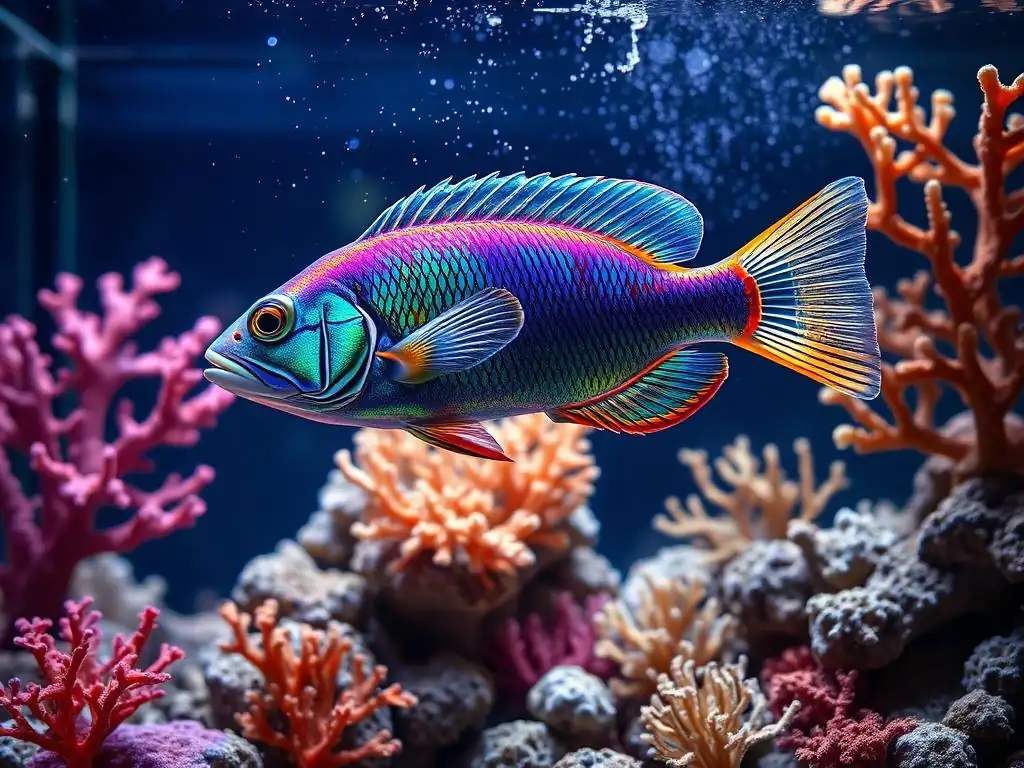
Consistent and diligent maintenance is the cornerstone of a thriving Flasher wrasses reef aquarium. Regular water changes are essential for replenishing trace elements, removing accumulated nitrates and phosphates, and maintaining overall water quality. A general guideline is to perform weekly or bi-weekly water changes of 10-20% of the tank volume, using high-quality reverse osmosis/deionized (RO/DI) water mixed with a reputable marine salt mix.
Beyond water changes, routine cleaning of the aquarium is necessary. This includes siphoning detritus from the sand bed, cleaning the glass to remove algae, inspecting and cleaning powerheads and pumps to ensure optimal flow, and checking protein skimmer performance. A consistent maintenance schedule minimizes stress on the flasher wrasses and other inhabitants, promoting a stable and healthy environment.
Monitoring Water Quality and Adjusting as Needed
Continuous monitoring of water quality parameters is crucial for the long-term success of a Flasher wrasses reef aquarium. Regular testing for temperature, salinity, pH, alkalinity, calcium, magnesium, nitrates, and phosphates provides vital insights into the tank's health. Keeping a detailed log of these readings allows aquarists to track trends and identify potential issues before they become critical.
If test results indicate parameters are drifting outside of ideal ranges, prompt and measured adjustments are necessary. For instance, if alkalinity consistently drops, it may be necessary to increase dosing, enhance water change frequency, or evaluate the salt mix. Gradual adjustments are always preferred over drastic changes to avoid shocking the sensitive marine inhabitants, including the flasher wrasses.
Ensuring a Sustainable Reef Ecosystem for Flasher Wrasses
A sustainable reef ecosystem is characterized by its stability, balance, and resilience, all of which are vital for the long-term well-being of flasher wrasses. This sustainability is achieved through a combination of robust biological filtration, effective nutrient export, and responsible stocking practices. A mature live rock aquascape and a deep sand bed contribute significantly to biological filtration, processing waste and converting harmful compounds.
Effective nutrient export mechanisms, such as a well-sized protein skimmer, regular water changes, and potentially a refugium, help to keep nitrates and phosphates in check, preventing nuisance algae growth and maintaining water clarity. Avoiding overstocking the Flasher wrasses reef aquarium ensures that the biological filter is not overwhelmed and that all fish have adequate space and resources, contributing to a harmonious and thriving environment for years to come.
The Benefits of Keeping Flasher Wrasses in Your Reef Tank
Aesthetic Appeal and Visual Interest
One of the most immediate and undeniable benefits of keeping flasher wrasses in your reef tank is the immense aesthetic appeal they provide. Their vibrant, iridescent colors, especially during the male's flashing displays, transform the aquarium into a dynamic and captivating underwater spectacle. These living jewels darting through the rockwork add a constant sense of movement and energy that few other fish can match.
The brief but intense bursts of color, ranging from electric blues and purples to fiery reds and oranges, create a truly mesmerizing focal point in any Flasher wrasses reef aquarium. Their relatively small size allows them to be enjoyed even in moderately sized tanks, making them an accessible way to introduce breathtaking beauty and visual interest without overwhelming the system or competing aggressively with existing inhabitants.
Contribution to Reef Ecosystem Diversity
Beyond their stunning looks, flasher wrasses contribute positively to the diversity of a reef ecosystem within the confines of an aquarium. As peaceful, planktivorous fish, they fill a specific ecological niche without disrupting the delicate balance of the reef. They are not known to nip at corals or harass other tank mates, making them ideal citizens in a mixed reef.
Observing their natural behaviors, such as their constant foraging for microfauna and their elaborate courtship displays, enriches the aquarist's experience and understanding of marine life. Their presence helps create a more complete and naturalistic reef environment, adding another layer of complexity and fascination to the Flasher wrasses reef aquarium and promoting a healthy, balanced community.
Flasher Wrasses as Indicators of Reef Health
Flasher wrasses can serve as excellent biological indicators of your reef aquarium's overall health and stability. Their vibrant coloration and active, inquisitive behavior are direct reflections of good water quality and a low-stress environment. When conditions are optimal, these fish will display their most brilliant colors and engage in frequent flashing, signifying their comfort and well-being.
Conversely, any signs of fading colors, increased hiding, or lethargy in flasher wrasses can often be an early warning sign that something is amiss with water parameters, tank conditions, or potential disease. Their sensitivity makes them a valuable 'canary in the coal mine,' prompting the aquarist to investigate and address issues promptly, thereby protecting not only the wrasses but the entire Flasher wrasses reef aquarium ecosystem.
Conclusion: Enjoying the Beauty and Activity of Flasher Wrasses in Your Reef
The Last Word on Flasher Wrasse Care for Reef Aquariums
Flasher wrasses are undoubtedly one of the most captivating and rewarding additions to a reef aquarium. Their unparalleled beauty, characterized by their iridescent colors and spectacular flashing displays, provides a constant source of wonder for any aquarist. While relatively peaceful and reef-safe, their successful long-term care hinges on a few critical factors: maintaining pristine and stable water parameters, providing a deep sand bed and ample live rock for security, and offering a diverse, high-quality meaty diet.
Careful selection of tank mates to avoid aggression, coupled with rigorous quarantine procedures for new arrivals, will ensure these delicate beauties thrive. By adhering to these guidelines, aquarists can create a vibrant and harmonious Flasher wrasses reef aquarium that showcases these living jewels at their absolute best, bringing endless enjoyment and a dynamic spectacle of light and motion to your home.
Resources for Further Learning About Flasher Wrasses and Reef Keeping.
For those eager to delve deeper into the fascinating world of flasher wrasses and advanced reef keeping techniques, a wealth of information is available. Consult comprehensive marine aquarium care guides, dedicated online forums, and reputable scientific publications specializing in marine biology and aquaculture. These resources can provide invaluable insights into specific species' nuances, breeding behaviors, advanced water chemistry, and troubleshooting common reef tank challenges, further enhancing your journey with your Flasher wrasses reef aquarium.
Frequently Asked Questions
How suitable are Flasher Wrasses for a reef aquarium?
Flasher Wrasses are generally well-suited for reef aquariums. They are peaceful and won't bother corals or most invertebrates. However, they do require a stable and mature reef environment.
What are the specific water parameters needed to keep Flasher Wrasses healthy?
Flasher Wrasses require stable water parameters, including a temperature between 72-78°F, a specific gravity of 1.023-1.025, and a pH of 8.1-8.4. Maintaining excellent water quality is crucial for their health and vibrant colors.
What type of food do Flasher Wrasses eat in a reef aquarium?
Flasher Wrasses are carnivores that primarily feed on small invertebrates. In a reef aquarium, they will accept a variety of frozen and live foods, such as copepods, brine shrimp, and mysis shrimp.
Are Flasher Wrasses compatible with other fish species in a reef tank?
Flasher Wrasses are generally peaceful and can be kept with other peaceful reef inhabitants. Avoid keeping them with aggressive or overly boisterous fish that may intimidate or outcompete them for food.
What is the typical behavior of Flasher Wrasses in a reef aquarium, and how can I encourage their flashing display?
Flasher Wrasses are known for their brilliant flashing displays, used for courtship and communication. Providing a stress-free environment with ample hiding places and a suitable group size encourages these displays.
Final Reflection: Embracing the Dance of the Reef
The vibrant world of flasher wrasses, as we've explored, is more than just a splash of color in a reef aquarium; it's a testament to the intricate beauty and delicate balance of marine ecosystems. Understanding their needs and appreciating their unique behaviors allows us to not only create thriving captive environments but also to foster a deeper respect for the natural world from which they originate.
The allure of these shimmering fish extends beyond their aesthetic appeal. Their captivating displays serve as a constant reminder of the biodiversity we must strive to protect, both within our tanks and in the vast oceans beyond. As we learn to replicate their natural habitats, we also gain a greater understanding of the challenges they face in the wild. In the end, we will conserve only what we love; we will love only what we understand; and we will understand only what we are taught.
- Baba Dioum's words resonate deeply, urging us to embrace education and awareness as cornerstones of conservation.
Now, as you gaze upon the flasher wrasses in your reef aquarium, or perhaps contemplate adding them to your underwater world, remember that you are not just keeping fish; you are participating in a delicate dance of life. Let their vibrant displays inspire you to become a steward of the reef, advocating for responsible aquarium keeping and supporting efforts to protect these magnificent creatures and their natural habitats for generations to come.
Ignite Your Reef: Unleash the Wrasse Wonder!
Thank you for diving into the mesmerizing world of Flasher Wrasses! We hope you've discovered the vibrant beauty and unique behaviors these fish can bring to a reef aquarium. Now, it's time to translate that inspiration into action!
Here's how you can bring the magic of Flasher Wrasses into your life:
- Start Planning: Research which Flasher Wrasse species best suits your current aquarium setup and experience level. Remember to consider tank size, existing inhabitants, and water parameters!
- Explore the Reef Community: Join online forums dedicated to reef keeping and connect with other hobbyists who have experience with Flasher Wrasses. Share your plans, ask questions, and learn from their insights!
- Share the Sparkle: Spread the word about the captivating beauty of Flasher Wrasses! Share this article with fellow reef enthusiasts who might be looking for a splash of vibrant color and personality in their tanks.
What's the first step you'll take to bring the dazzling dance of Flasher Wrasses to your own reef aquarium?