
Nano Reef Invertebrates: The Unsung Heroes for Dragonet Wellbeing & Food

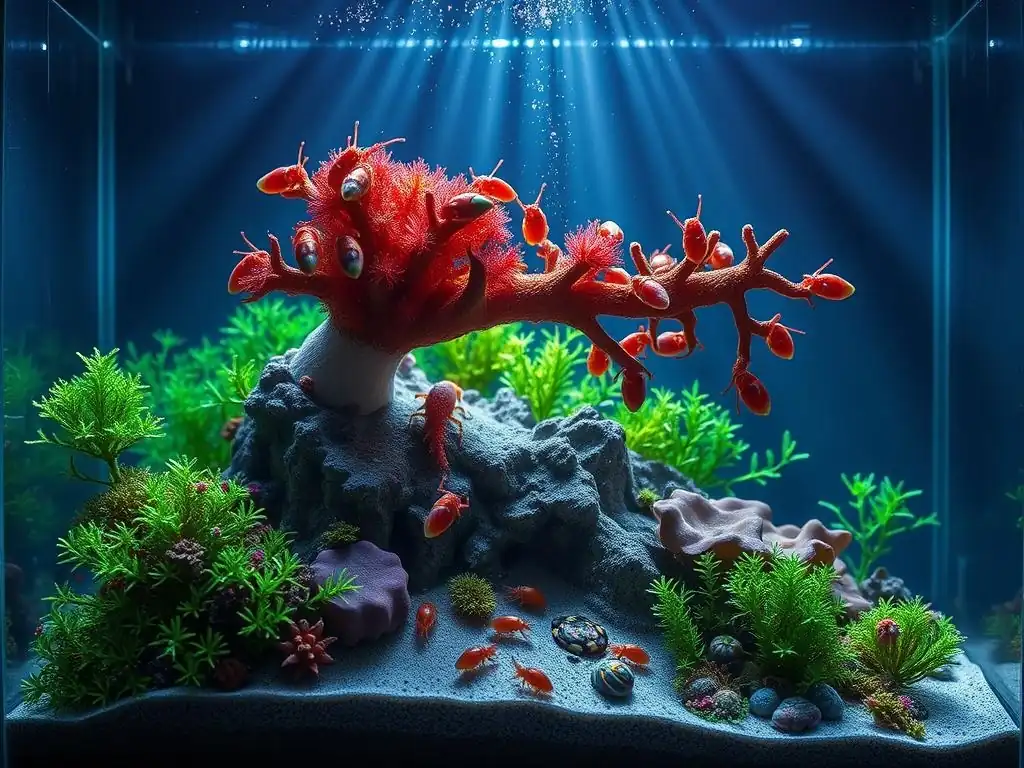
Welcome to Aquarium Mastery!
Ever wondered how to create a thriving nano reef ecosystem that not only looks stunning but also supports even the pickiest eaters, like the finicky dragonet? Dive into the fascinating world of nano reef invertebrates diet and discover the unsung heroes that can transform your aquarium into a self-sustaining haven. Curious to learn how these tiny creatures contribute to dragonet wellbeing and provide a natural food source? Explore our comprehensive guide and unlock the secrets to a balanced and flourishing reef!
- Nano Reef Invertebrates: Essential for Dragonet Health & Natural Feeding
- Introduction: Invertebrates' Vital Role in Nano Reef Dragonet Care
- Keystone Invertebrates for a Thriving Nano Reef Dragonet Ecosystem
- Selecting Invertebrates: Ensuring Dragonet Nutrition and Tank Compatibility
- Creating an Ideal Habitat: Promoting Invertebrate Growth and Dragonet Wellbeing
- Troubleshooting: Invertebrate Die-Off and Dragonet Nutritional Deficiencies
- Culturing Nano Reef Invertebrates: A DIY Guide to Food Security
- Beyond Food: Additional Benefits of Invertebrates
- Conclusion: Investing in Invertebrates for Dragonet Health
-
Frequently Asked Questions
- What are nano reef invertebrates and why are they important for dragonets?
- What types of nano reef invertebrates are best for feeding dragonets?
- How can I establish and maintain a healthy population of nano reef invertebrates in my aquarium?
- What are the risks of not providing a proper diet of nano reef invertebrates to dragonets?
- How often should I supplement my dragonet's diet with nano reef invertebrates?
- Final Reflection: The Tiny Titans of Dragonet Health
- Ignite Your Nano Reef: Supercharge Your Dragonet's Diet!
Nano Reef Invertebrates: Essential for Dragonet Health & Natural Feeding
Introduction: Invertebrates' Vital Role in Nano Reef Dragonet Care
Understanding Dragonet Dietary Needs in a Nano Reef
Dragonets, particularly popular species like the Mandarinfish ( Synchiropus splendidus) and Psychedelic Dragonet ( Synchiropus picturatus), possess highly specialized dietary requirements that often pose a significant challenge for aquarists. Unlike many other reef fish that readily accept prepared foods, dragonets are obligate micro-predators. Their natural diet consists almost exclusively of tiny, live invertebrates, primarily copepods, which they meticulously hunt and consume throughout the day. Their small mouths and slow, deliberate feeding style mean they cannot compete effectively with faster, more aggressive tank mates for larger, less frequent food offerings.
In the confined environment of a nano reef, maintaining a sufficient, self-sustaining population of these crucial live foods is paramount. A typical Mandarinfish, for instance, can consume hundreds, if not thousands, of copepods daily. Without a constant supply of these minute organisms, dragonets quickly deplete their energy reserves, leading to emaciation, compromised immune systems, and ultimately, starvation. Understanding this continuous, high-volume feeding necessity is the first step toward successfully housing these captivating fish.
Why Invertebrates are Crucial for Dragonet Health and Survival
The reliance on a robust nano reef invertebrates diet extends beyond mere sustenance for dragonets; it is fundamental to their overall health, vibrant coloration, and long-term survival in captivity. Live invertebrates provide not only essential proteins and fats but also critical fatty acids like EPA and DHA, which are vital for metabolic function, immune response, and the development of their characteristic, striking patterns. These nutrients are often deficient or absent in static, prepared foods, making a live diet irreplaceable.
Furthermore, the act of foraging for live invertebrates provides dragonets with vital mental and physical stimulation, mimicking their natural behaviors. This reduces stress, promotes natural swimming patterns, and contributes to a more robust and resilient fish. Without a thriving invertebrate population, dragonets often fail to thrive, displaying faded colors, lethargy, and an increased susceptibility to disease. Therefore, a rich and diverse live invertebrate base is not just a food source but the cornerstone of a healthy, thriving dragonet in any nano reef setup.
Keystone Invertebrates for a Thriving Nano Reef Dragonet Ecosystem
Copepods: The Primary Food Source for Dragonets
Copepods are unequivocally the most critical component of a dragonet's nano reef invertebrates diet. These microscopic crustaceans, typically ranging from 0.1 to 2 millimeters in length, are ubiquitous in marine environments and represent the natural prey for many small reef fish. For dragonets, their small size, continuous availability, and high nutritional value make them the perfect sustenance. Different genera, such as Tisbe, Tigriopus, and Apocyclops, offer varying benefits. Tisbe copepods are excellent detritivores and reproduce rapidly, making them ideal for sustaining a population within the display tank.
Tigriopus copepods are slightly larger, more robust, and often brightly colored, making them highly attractive to dragonets. They are also known for their hardy nature, making them good candidates for culturing. Apocyclops are fast-moving, pelagic copepods that can populate the water column, offering a different foraging challenge for dragonets. A diverse mix of these copepod types ensures a continuous and varied food supply, supporting the dragonet's constant grazing habits and providing a broad spectrum of nutrients vital for their health and vibrant coloration.
Amphipods: A Valuable Supplemental Food Source
While copepods are the staple, amphipods serve as an excellent supplemental food source in a nano reef invertebrates diet for dragonets. These small crustaceans, typically ranging from a few millimeters to over a centimeter, are larger than most copepods and provide a more substantial meal. Amphipods, like Gammarus or Caprella species, are benthic, meaning they primarily inhabit the substrate, live rock, and detritus, offering a different foraging opportunity for dragonets. Their presence adds diversity to the dragonet's diet and contributes to the overall health of the reef ecosystem.
Amphipods are often more visible to the aquarist and can be observed scurrying among the rockwork, providing a natural hunting experience for the dragonet. They are generally hardy and can reproduce effectively within a mature reef system if given adequate hiding places and food sources (such as detritus or algae). While dragonets may not consume amphipods with the same voracity as copepods due to their larger size, their inclusion in the tank's microfauna provides essential dietary variety and a robust, high-protein snack that complements the constant copepod grazing.
Mysis Shrimp: Supplementing Dragonet Diets with Larger Prey
Mysis shrimp, though often larger than the typical micro-invertebrates dragonets usually consume, can be a valuable dietary supplement, particularly for dragonets that have been successfully acclimated to prepared foods or as a bridge food. While not a primary component of their nano reef invertebrates diet in the wild, some captive-bred or well-acclimated dragonets may learn to accept live or even frozen mysis shrimp. Live mysis shrimp, if available, offer a highly nutritious, active prey item that can stimulate a dragonet's hunting instinct.
Frozen mysis shrimp, when enriched with essential fatty acids, can also provide a significant nutritional boost. However, it is crucial to understand that frozen mysis will not sustain a dragonet long-term as their sole food source. They lack the continuous availability and natural foraging stimulation that live copepods and amphipods provide. When offering mysis shrimp, ensure they are small enough for the dragonet's mouth and are introduced in a way that minimizes competition from other tank inhabitants, perhaps by spot-feeding directly near the dragonet's preferred hunting grounds.
Selecting Invertebrates: Ensuring Dragonet Nutrition and Tank Compatibility
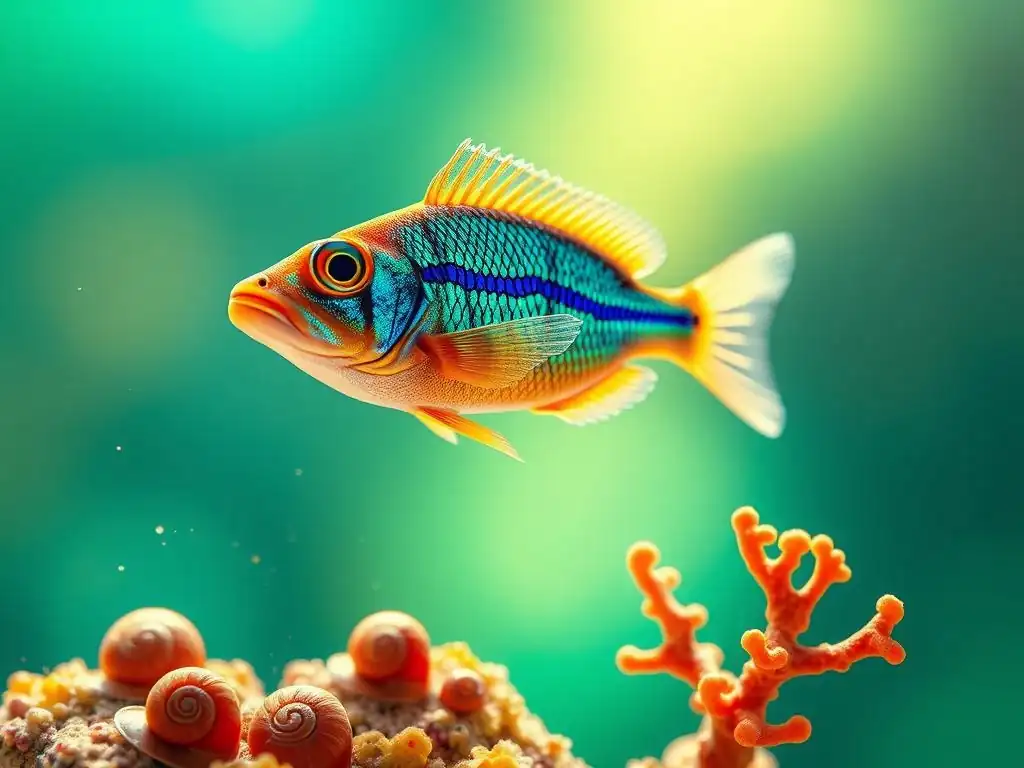
Choosing Invertebrates Dragonets Readily Consume
When building a robust nano reef invertebrates diet for dragonets, the primary consideration is selecting species that are not only nutritious but also readily consumed by these finicky eaters. Copepods are at the top of this list, with Tisbe, Tigriopus, and Apocyclops being the most recommended. Tisbe are small, prolific, and excellent for populating the display tank's rockwork and substrate, forming the continuous, background food supply. Tigriopus are larger and provide more "meat" per bite, often stimulating a stronger feeding response due to their movement.
Beyond copepods, small amphipods are also excellent choices. Look for species that remain relatively small and are not overly cryptic, allowing the dragonet to find and consume them. Rotifers, though too small for adult dragonets, are crucial if you are considering breeding dragonets, as they are the first food source for their microscopic fry. When purchasing live invertebrates, always source from reputable suppliers to ensure healthy, disease-free cultures that will thrive in your nano reef and provide optimal nutrition for your dragonet.
Invertebrates to Avoid: Potential Hazards for Dragonets
While a diverse invertebrate population is beneficial, not all invertebrates are suitable for a nano reef invertebrates diet or the general well-being of a dragonet. Certain invertebrates can pose hazards, either by being too large, predatory, or simply not being a natural part of a dragonet's diet. For instance, large, aggressive shrimp species like pistol shrimp or certain mantis shrimp could injure or stress a dragonet. While unlikely to be consumed, their presence can create an unsafe environment.
Similarly, some larger, slower-moving snails or crabs might be perceived as a threat or simply take up valuable real estate without contributing to the dragonet's food supply. It's also important to avoid any invertebrates that might carry diseases or parasites that could harm your fish. When introducing new invertebrates, even for food purposes, always consider their size, temperament, and whether they are truly beneficial to the dragonet's specific dietary needs and the overall balance of your nano reef ecosystem. Prioritize micro-crustaceans over larger, potentially problematic species.
Maintaining a Balanced Invertebrate Population for Sustainable Feeding
A sustainable nano reef invertebrates diet for dragonets hinges on maintaining a continuously reproducing and balanced invertebrate population within the display tank. This isn't a one-time addition; it requires ongoing effort. The goal is for the invertebrate reproduction rate to outpace the dragonet's consumption rate, ensuring a constant supply of live food. This balance is influenced by several factors, including tank size, rockwork density, water quality, and the presence of other micro-predators.
Regularly supplementing the tank with new copepod and amphipod cultures, even if you believe your tank has a thriving population, is highly recommended. This practice, often done weekly or bi-weekly, helps to replenish populations that may be depleted by the dragonet or other tank inhabitants and introduces genetic diversity. Monitoring your dragonet's body condition and activity levels will provide clues about the adequacy of the invertebrate population. A healthy, well-fed dragonet will be active, plump, and display vibrant coloration, indicating a successful and sustainable food source.
Creating an Ideal Habitat: Promoting Invertebrate Growth and Dragonet Wellbeing
Optimizing Water Parameters for Invertebrate and Dragonet Health
Maintaining stable and optimal water parameters is fundamental for both the health of your dragonet and the proliferation of the nano reef invertebrates diet it relies upon. For a nano reef, target parameters typically include a salinity of 1.023-1.026 specific gravity, a temperature range of 72-78°F (22-26°C), pH between 8.0-8.4, and alkalinity (dKH) between 8-12. Consistent levels are more important than hitting exact numbers, as fluctuations can stress both fish and invertebrates.
Low nitrates and phosphates are also crucial, as high levels can inhibit invertebrate reproduction and promote nuisance algae. Regular water changes (e.g., 10-20% weekly) help maintain these parameters and replenish trace elements. Additionally, ensuring good oxygenation and adequate water flow without being excessively turbulent will support both the free-swimming copepods and the benthic invertebrates. A stable, clean, and well-oxygenated environment fosters a thriving microfauna that, in turn, sustains your dragonet.
Rockwork and Substrate: Providing Shelter and Breeding Grounds
The physical structure of your nano reef plays a pivotal role in supporting a thriving nano reef invertebrates diet. Live rock, with its countless pores, crevices, and surfaces, offers an ideal habitat for copepods, amphipods, and other beneficial microfauna to hide, feed, and reproduce. Aim for a generous amount of live rock, typically 1-1.5 pounds per gallon, arranged to create numerous caves, overhangs, and shaded areas. These complex structures provide refuge from predators (including the dragonet itself, allowing some invertebrates to mature) and stable breeding grounds.
Similarly, the substrate choice is important. A deep sand bed (DSB) of 4-6 inches provides an extensive anaerobic zone and a vast surface area for micro-invertebrates to colonize. Even a shallower sand bed or a bare bottom tank can support some invertebrate life, but a DSB significantly enhances the potential for a self-sustaining food source. The detritus and biofilm that accumulate on and within the rockwork and substrate serve as a primary food source for many of these essential invertebrates, further contributing to their proliferation.
Supplemental Feeding Strategies for Invertebrates
To ensure a continuously robust nano reef invertebrates diet for your dragonet, actively feeding the invertebrates themselves is often necessary, especially in newer or smaller nano reefs. Phyto-plankton, which are microscopic marine algae, are the cornerstone of this strategy. Many copepod species, particularly those that live in the water column, directly consume phytoplankton. Dosing liquid phytoplankton into the display tank 2-3 times a week provides a direct food source for these primary consumers, boosting their numbers.
Alternatively, some aquarists create a separate refugium connected to the main display tank. A refugium is a dedicated area, often plumbed to the sump, where macroalgae (like Chaetomorpha) and live rock are cultivated without fish predation. This provides a safe haven for copepods and amphipods to reproduce undisturbed, with the overflow constantly seeding the main display tank with fresh live food. Feeding the refugium with phytoplankton further enhances its productivity, ensuring a steady supply of dragonet sustenance.
Troubleshooting: Invertebrate Die-Off and Dragonet Nutritional Deficiencies
Identifying Causes of Invertebrate Population Decline
A sudden or gradual decline in your nano reef invertebrates diet population is a common and critical issue that requires immediate attention. Several factors can lead to invertebrate die-off. Poor water quality, including sudden swings in temperature, salinity, pH, or elevated levels of nitrates and phosphates, is a primary culprit. Even trace amounts of heavy metals or residual medications (e.g., copper-based treatments) can decimate invertebrate populations. Over-filtration or a lack of detritus can also starve the microfauna of their food sources.
Another significant cause is predation, either from an insatiable dragonet that is consuming invertebrates faster than they can reproduce, or from other tank inhabitants. Certain wrasses, gobies, or even some corals can consume copepods and amphipods, competing with the dragonet for food. Observing your tank closely for signs of invertebrate life (e.g., tiny specks moving on the glass at night, amphipods scurrying in the rockwork) and monitoring your dragonet's condition are key to early detection. If the dragonet appears thin or less active, it's a strong indicator of an insufficient food supply.
Addressing Dragonet Malnutrition: Supplementation Strategies
If your dragonet shows signs of malnutrition, such as a pinched belly, faded coloration, or lethargy, immediate action is required to supplement its nano reef invertebrates diet. The most effective short-term solution is direct supplementation with live copepods and amphipods. Purchase live cultures from reputable suppliers and dose them into the display tank frequently, perhaps daily, for several days or weeks. This provides an immediate, easily accessible food source for the struggling dragonet.
In parallel, try to acclimate the dragonet to frozen foods. This can be challenging but is often necessary for long-term health. Start with highly nutritious, small-particle frozen foods like enriched baby brine shrimp, cyclop-eeze, or finely chopped mysis shrimp. Use a turkey baster to spot-feed directly in front of the dragonet, ensuring the food lands near its mouth and minimizing competition. While live food remains ideal, a dragonet that accepts frozen fare has a much higher chance of long-term survival and provides a crucial backup during periods of low live food availability.
Preventing Problems: Proactive Invertebrate Care
Preventing issues with your nano reef invertebrates diet is far easier than treating them. Proactive care involves a multi-faceted approach. Firstly, establish a refugium early in your nano reef's setup. A well-established refugium, filled with live rock and macroalgae, acts as a continuous copepod and amphipod factory, constantly seeding your display tank. Regularly dose phytoplankton into the refugium (and occasionally the display) to feed the invertebrate populations.
Secondly, maintain pristine water quality through consistent water changes and careful nutrient management. Avoid introducing any medications that could harm invertebrates. Thirdly, choose tank mates carefully, opting for peaceful fish that won't compete excessively with the dragonet for microfauna. Consider the size of your nano reef; a tank under 30 gallons may struggle to naturally sustain a Mandarinfish's diet without significant manual intervention. Finally, regularly observe your dragonet's health and the visible signs of invertebrate life in your tank; early detection of decline can save your dragonet.
Culturing Nano Reef Invertebrates: A DIY Guide to Food Security
Setting Up a Copepod Culture: A Step-by-Step Guide
Culturing your own copepods is the most reliable way to ensure a consistent and abundant nano reef invertebrates diet for your dragonet. A basic copepod culture is surprisingly simple to set up.
Materials Needed:
- A clean, clear container (e.g., 1-5 gallon bucket or plastic container)
- Air pump and airline tubing with an air stone
- Heater (optional, but recommended for stable temperatures)
- Light source (e.g., small LED light)
- Saltwater (mixed to match your display tank, or slightly higher salinity)
- Live copepod starter culture (e.g., Tisbe or Tigriopus species)
- Liquid phytoplankton (e.g., Nannochloropsis or Tetraselmis)
Steps:
- Prepare the Water: Fill the container with clean, dechlorinated saltwater. Ensure salinity and temperature are stable.
- Add Air Stone: Place an air stone at the bottom of the container and connect it to an air pump. Adjust the airflow to a gentle bubble, just enough to circulate the water and provide oxygen without creating excessive turbulence.
- Introduce Copepods: Add your live copepod starter culture to the container.
- Provide Light: Place the container under a light source for 12-16 hours a day. This encourages the growth of beneficial microalgae within the culture, which can serve as an additional food source for the copepods.
- Feed the Culture: Begin dosing liquid phytoplankton daily or every other day, following the product's instructions. Start with small amounts and increase as the culture grows. The water should become slightly cloudy after feeding and clear up within 24 hours.
- Harvesting: Once the culture is thriving (usually within 1-2 weeks), you can begin harvesting. Use a fine-mesh net (50-100 micron) to scoop out copepods from the water column. Avoid disturbing the bottom sediment too much. Replenish the harvested water with fresh, conditioned saltwater.
- Maintenance: Regularly clean the culture container (every 2-4 weeks) to prevent detritus buildup, which can crash the culture. Transfer the copepods to a new, clean container with fresh saltwater.
Culturing Amphipods: Creating a Sustainable Food Source
While copepods are the primary focus, culturing amphipods can also contribute significantly to a diverse nano reef invertebrates diet. Amphipod cultures are generally simpler than copepod cultures as they are less reliant on specific water column conditions and often feed on detritus.
Materials Needed:
- A separate container (e.g., 2-5 gallons)
- Live rock rubble or ceramic media for habitat
- Small amount of sand or crushed coral
- Air stone and air pump (optional, but good for circulation)
- Starter culture of live amphipods (e.g., Gammarus species)
- Food sources: Algae wafers, detritus, or even small amounts of fish food.
Steps:
- Set Up Habitat: Place live rock rubble, ceramic media, or PVC pipes in the container to provide ample hiding places and surface area for amphipods. Add a thin layer of sand or crushed coral.
- Add Water: Fill with clean, conditioned saltwater matching your display tank's parameters.
- Introduce Amphipods: Add your starter amphipod culture.
- Provide Food: Amphipods are scavengers. Feed them small amounts of algae wafers, sinking pellets, or even a pinch of fish flakes every few days. You can also add some detritus from your display tank.
- Aeration (Optional but Recommended): A gentle air stone can help with oxygenation and prevent stagnation, but is not always strictly necessary if the container has a large surface area.
- Harvesting: To harvest, simply remove some of the rock rubble or media and gently shake it into a small container of saltwater. The amphipods will dislodge. Alternatively, you can use a turkey baster to suck up amphipods visible on the glass or substrate.
- Maintenance: Top off evaporated water with freshwater. Perform small water changes (10-20%) every 2-4 weeks if detritus builds up excessively. The goal is to create a stable, low-maintenance environment where they can reproduce steadily.
Rotifers: An Alternative Invertebrate Culture for Dragonet Enrichment
While rotifers ( Brachionus plicatilis) are too small to be a primary food source for adult dragonets, they are absolutely essential for breeding dragonets, as they are the first food for their microscopic larvae. For general dragonet enrichment, or as a way to boost the nutrient content of your copepod culture (by feeding rotifers to copepods before feeding the copepods to dragonets), a rotifer culture can be beneficial.
Materials Needed:
- Clean, clear container (e.g., 1-2 liter soda bottle with bottom cut off, inverted)
- Air pump, airline tubing, and rigid airline tubing (to reach bottom)
- Heater (optional, for stable temperature)
- Live rotifer starter culture
- Concentrated liquid phytoplankton (e.g., Nannochloropsis)
Steps:
- Set Up Container: Fill the container with clean, conditioned saltwater. Use the inverted bottle method for easier harvesting: rigid airline tubing goes to the bottom for aeration, and a valve at the bottom allows for draining.
- Add Air Stone (or rigid tubing): Ensure gentle but constant aeration to keep the rotifers suspended and oxygenated.
- Introduce Rotifers: Add your live rotifer starter culture.
- Feed the Culture: Rotifers are filter feeders and consume phytoplankton. Dose concentrated liquid phytoplankton daily. The water should turn slightly green after feeding and clear up within 24 hours. Adjust feeding based on how quickly the water clears.
- Harvesting: For the inverted bottle method, simply open the valve at the bottom to drain a portion of the culture water, which will be rich in rotifers. For other containers, use a fine-mesh net (e.g., 50-micron) to collect them.
- Maintenance: Replenish harvested water with fresh saltwater and phytoplankton. Clean the culture vessel regularly (every few days to a week) to prevent crashes. Rotifer cultures require more frequent attention than copepod or amphipod cultures due to their faster reproduction and higher metabolic rate.
Beyond Food: Additional Benefits of Invertebrates
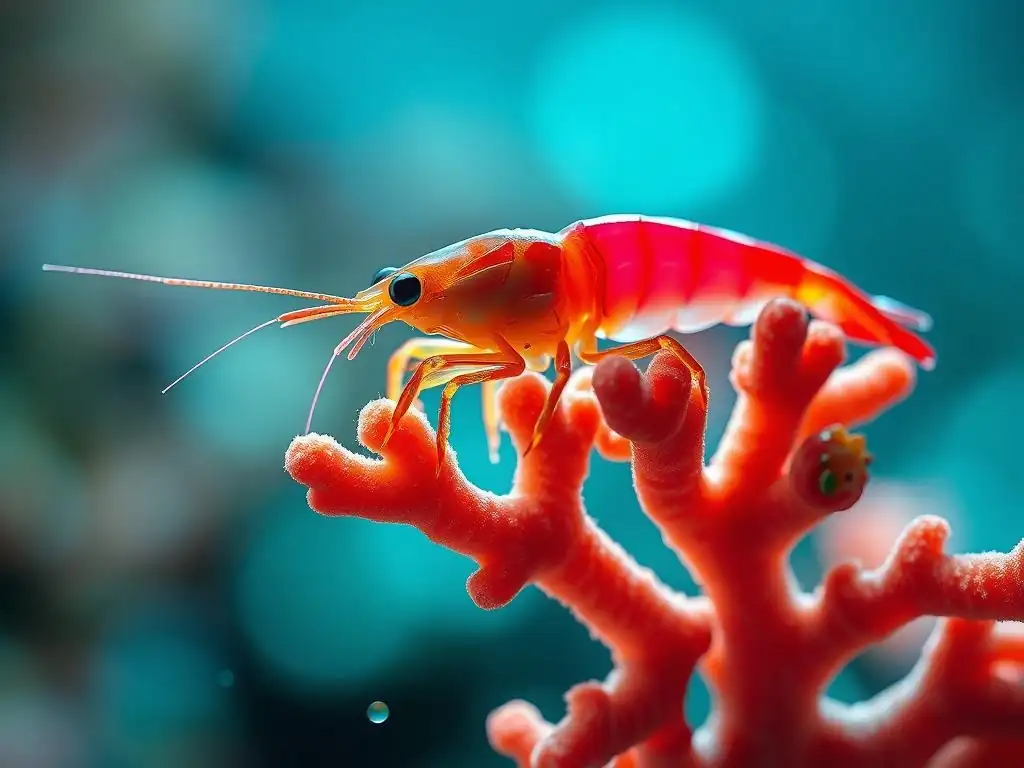
Invertebrates in Biological Filtration
Beyond their role in the nano reef invertebrates diet, these microscopic organisms contribute significantly to the biological filtration of a marine aquarium. Many copepods and amphipods are detritivores, meaning they consume decaying organic matter, uneaten food, and fish waste. By breaking down these materials, they help to convert harmful ammonia and nitrites into less toxic nitrates, and ultimately, consume nitrates, reducing the overall nutrient load in the system.
This natural clean-up crew complements the work of beneficial bacteria in the live rock and sand bed, acting as a crucial part of the nitrogen cycle. A robust population of these invertebrates effectively processes organic waste, preventing its accumulation and thereby contributing to clearer water, fewer nuisance algae outbreaks, and a more stable and healthy environment for all inhabitants, including the sensitive dragonet. Their continuous grazing on biofilm also helps maintain pristine surfaces within the tank.
Invertebrates and Algae Control
The role of invertebrates in algae control within a nano reef is often underestimated but highly valuable. Many species of copepods and amphipods actively graze on various forms of nuisance algae, including diatoms, green hair algae, and cyanobacteria. By consuming these microscopic algae at their nascent stages, they help to prevent widespread outbreaks that can quickly overwhelm a smaller reef system. This natural bio-control reduces the need for chemical treatments or intensive manual removal.
Their constant foraging on the surfaces of live rock, sand, and tank glass helps to keep these areas clean and free of unsightly algal films. This contributes not only to the aesthetic appeal of the aquarium but also to the overall health of the ecosystem by competing with unwanted algae for nutrients. A healthy and diverse population of these tiny grazers is a frontline defense against common algae problems, making them invaluable partners in reef maintenance, complementing the dragonet's nano reef invertebrates diet.
The Aesthetic Value of a Diverse Invertebrate Population
While often overlooked due to their diminutive size, a thriving and diverse nano reef invertebrates diet population also brings significant aesthetic value to the aquarium. The presence of countless tiny copepods darting through the water column, amphipods scurrying across the rockwork, and other micro-critters adds a dynamic and natural dimension to the reef. This "living sand" and "living rock" effect signifies a truly mature and healthy ecosystem.
Observing a dragonet meticulously hunting these live foods, its vibrant colors contrasting with the intricate movements of its prey, is a mesmerizing and rewarding experience for any aquarist. The subtle movements and interactions of the microfauna create a sense of depth and activity that cannot be replicated by fish alone. This natural ballet underscores the vitality of the mini-ecosystem, transforming the tank from a mere display of corals and fish into a miniature, self-sustaining slice of the ocean.
Conclusion: Investing in Invertebrates for Dragonet Health
Long-Term Benefits of a Thriving Invertebrate Population
Investing in and maintaining a thriving nano reef invertebrates diet is not merely a short-term solution for feeding dragonets; it is a fundamental pillar for their long-term health, vitality, and successful integration into a captive environment. A robust, self-sustaining population of copepods and amphipods provides the continuous, natural foraging opportunities and specialized nutrition that dragonets require, leading to stronger immune systems, vibrant coloration, and significantly extended lifespans compared to those kept on inadequate diets.
Beyond the dragonet, a diverse invertebrate community enhances the entire nano reef ecosystem. They contribute to biological filtration, control nuisance algae, and create a more stable and resilient environment. This holistic approach fosters a truly mature and balanced system, reducing the need for constant intervention and providing a more natural and rewarding experience for the aquarist. Ultimately, the success of a dragonet in a nano reef is inextricably linked to the prosperity of its invertebrate food source.
Resources for Dragonet and Invertebrate Care
For aquarists embarking on the journey of keeping dragonets and cultivating their essential nano reef invertebrates diet, numerous resources are available. Reputable online forums and communities dedicated to saltwater aquariums offer a wealth of collective experience and troubleshooting advice. Books and scientific articles on marine biology and reef aquaculture provide deeper insights into the specific needs of dragonets and the life cycles of their prey.
Specialized online retailers and local fish stores often carry live copepod and amphipod cultures, as well as phytoplankton for culturing. Engaging with these resources, continuously learning, and adapting care strategies based on observed results will ensure the best possible environment for your dragonet and its vital invertebrate food supply. Remember, patience and consistent effort are key to achieving a thriving nano reef ecosystem capable of sustaining these beautiful and unique fish.
Frequently Asked Questions
What are nano reef invertebrates and why are they important for dragonets?
Nano reef invertebrates are small, spineless creatures like copepods, amphipods, and mysis shrimp. They are crucial for dragonets because they form a significant part of their natural diet in a reef aquarium.
What types of nano reef invertebrates are best for feeding dragonets?
The best invertebrates are those that reproduce readily in the aquarium and are small enough for dragonets to consume. Copepods and amphipods are highly recommended due to their size and nutritional value.
How can I establish and maintain a healthy population of nano reef invertebrates in my aquarium?
To establish a healthy population, provide ample hiding places like live rock and refugiums. Regularly add live cultures of invertebrates and avoid using medications that can harm them.
What are the risks of not providing a proper diet of nano reef invertebrates to dragonets?
Insufficient invertebrate food can lead to malnutrition and starvation in dragonets. This can result in weakened immune systems and increased susceptibility to diseases.
How often should I supplement my dragonet's diet with nano reef invertebrates?
Ideally, a constant supply is best. You should supplement often enough to ensure the dragonet is actively hunting and feeding, usually multiple times a day.
Final Reflection: The Tiny Titans of Dragonet Health
The exploration of nano reef invertebrates as a crucial dietary component for dragonets resonates deeply in today's reefkeeping world, where ethical and sustainable practices are increasingly valued. Understanding the intricate link between these often-overlooked creatures and the well-being of our beloved dragonets is not just about aquariums; it's about recognizing the delicate balance within miniature ecosystems and our responsibility to maintain them.
This journey into the microscopic world of copepods, amphipods, and other tiny invertebrates reveals their profound influence on the health and survival of dragonets in captivity. My own fascination with these miniature ecosystems has only deepened as I've witnessed firsthand the vibrant life they support, a testament to the interconnectedness of all living things. In nature, nothing exists alone.
- Rachel Carson. This quote perfectly encapsulates the essence of a thriving nano reef, where the smallest organisms play an outsized role in the overall health and stability of the system.
As you consider the information presented here, I invite you to reflect on the power of small things. Think about how you can cultivate a thriving nano reef environment, not just for the benefit of your dragonets, but as a microcosm of the larger world we inhabit. By embracing a deeper understanding of these tiny titans, you can contribute to a more sustainable and ethical approach to reefkeeping, ensuring the health and happiness of your aquatic companions for years to come.
Ignite Your Nano Reef: Supercharge Your Dragonet's Diet!
Thank you for exploring the crucial role invertebrates play in a thriving nano reef and a healthy dragonet. Now, let's put this knowledge into action!
- Prioritize a diverse invertebrate cleanup crew: Introduce a variety of copepods, amphipods, and other beneficial critters to your nano reef. This ensures a constant, natural food source for your dragonet and helps maintain a balanced ecosystem.
- Document your invertebrate population: Consider photographing your rock-scape to see how the invertibrate population fluctuates over the next few months. See what thrives and what dies. This can help you make more informed descisions.
- Share your experiences: Connect with fellow reef enthusiasts on forums or social media to exchange tips and observations about dragonet feeding and invertebrate management. Learn from others, and help them learn from your successes or failures!
Ready to transform your nano reef into a thriving invertebrate haven?