
The Intriguing World of Fang Blennies: Beauty with a Bite in Nanos?

Welcome to Aquarium Mastery!
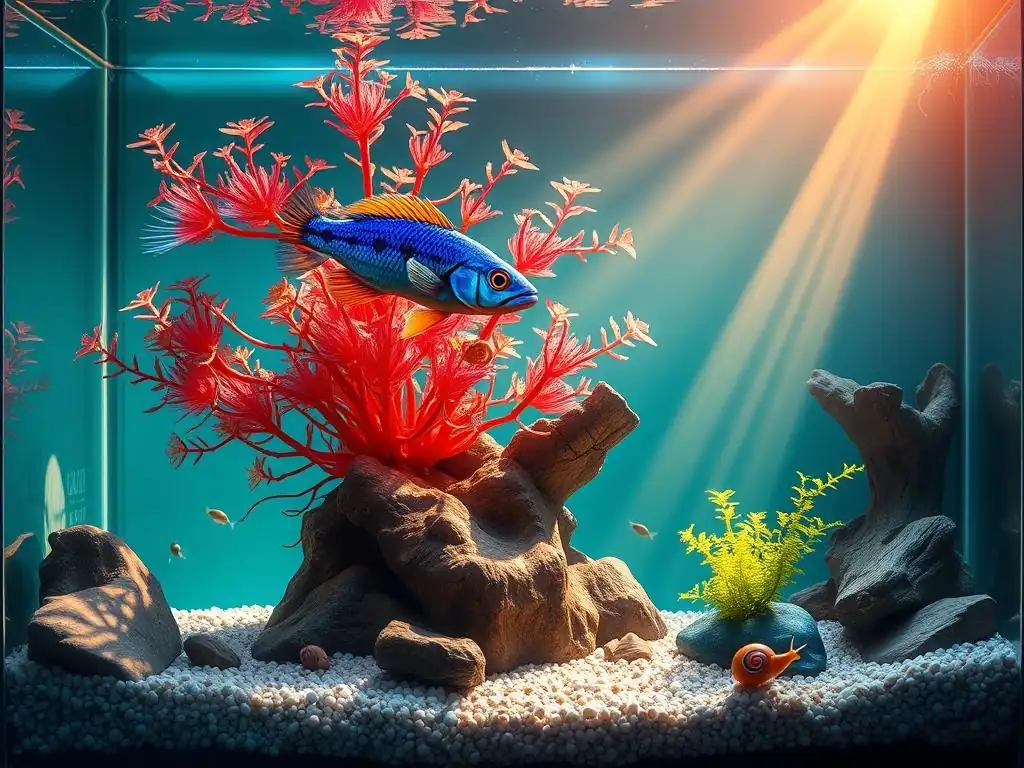
Ever wondered if a tiny fish could pack a surprisingly powerful punch? Dive into our Fang Blennie Care Guide and discover the secrets to keeping these captivating, albeit slightly mischievous, nano reef inhabitants happy and healthy. Prepare to be amazed by their unique personalities and learn everything you need to know about their care, tank mates, and even that intriguing "bite." Ready to unlock the mysteries of the Fang Blenny? Let's get started!
- Understanding Fang Blennies: A Nano Reef Aquarium Guide
- Fang Blennie Species Spotlight: Identifying Popular Varieties
- Fang Blennie Care Guide: Creating the Ideal Nano Reef Habitat
- Fang Blennies and Their Fangs: Understanding the "Bite"
- Maintaining a Healthy Fang Blennie: Preventing and Treating Diseases
- Breeding Fang Blennies: A Challenging but Rewarding Endeavor
- Troubleshooting Common Fang Blennie Problems in Nano Reefs
- Fang Blennies: The Perfect Nano Reef Fish for You? A Recap
- Frequently Asked Questions
- Final Reflection: Appreciating the Bite-Sized Wonders
- Unleash Your Inner Blenny Enthusiast!
Understanding Fang Blennies: A Nano Reef Aquarium Guide
What Makes Fang Blennies Unique? Tiny Size, Big Personality
Fang blennies, belonging to the genus Meiacanthus, are fascinating inhabitants of coral reefs, renowned for their distinctive appearance and behavior. Unlike many other blennies, they possess prominent, venomous fangs located on their lower jaw, a unique adaptation for defense rather than predation. Despite their small stature, typically ranging from 2 to 4 inches (5 to 10 cm) in length, these fish exhibit surprisingly bold and curious personalities, often perching openly on live rock or darting through the water column with confidence.
Their compact size and active yet contained swimming patterns make them exceptionally well-suited for nano reef aquariums, where larger fish would quickly outgrow the space or overwhelm the filtration system. The challenge for a comprehensive fang blennie care guide lies in understanding their specific needs, particularly concerning their diet and social dynamics, to ensure their vibrant personalities can truly shine in a confined reef environment.
Are Fang Blennies Suitable for Nano Reef Tanks?
Yes, fang blennies are generally considered highly suitable for nano reef tanks, often being among the top recommendations for smaller saltwater setups. Their modest adult size means they have a relatively low bioload, which is crucial for maintaining stable water parameters in tanks under 30 gallons. For instance, a single Canary Fang Blenny (Meiacanthus oualanensis) can thrive comfortably in a well-established 10-gallon nano aquarium, provided it has ample live rock for shelter and exploration.
However, suitability also hinges on providing the right environment. While their small size is an advantage, their energetic swimming requires unobstructed areas, and their propensity for jumping necessitates a tight-fitting lid. A detailed fang blennie care guide for nano tanks must emphasize the importance of consistent water quality, as small volumes are more susceptible to rapid fluctuations in parameters like temperature, salinity, and pH, which can quickly stress these delicate fish.
Fang Blennie Species Spotlight: Identifying Popular Varieties
The Canary Fang Blenny (Meiacanthus oualanensis): A Vibrant Choice
The Canary Fang Blenny is arguably one of the most popular choices for nano reef enthusiasts, primarily due to its striking coloration and generally peaceful demeanor. This species boasts a brilliant, uniform yellow body, often accented with a subtle black spot or dash near the tail or dorsal fin, making it an undeniable focal point in any aquarium. Growing to an average adult size of about 3 inches (7.5 cm), its vivid hue provides a stunning contrast against the blues and greens of corals and live rock.
Beyond its aesthetic appeal, the Canary Fang Blenny is known for its hardiness and adaptability, making it a good option even for novice aquarists exploring a fang blennie care guide. They readily accept a variety of prepared foods and are less prone to aggression compared to some other Meiacanthus species, allowing them to coexist peacefully with a range of small, non-aggressive tank mates in a community nano reef.
The Forktail Blenny (Meiacanthus caudovittatus): Elegant and Hardy
The Forktail Blenny, sometimes referred to as the Lyretail Blenny, presents an elegant alternative with its slender body and distinctive, deeply forked caudal (tail) fin. Its coloration typically features a light body adorned with one or two prominent black longitudinal stripes running from the head to the tail, giving it a sleek and sophisticated appearance. This species can grow slightly larger than the Canary, reaching up to 3.5 to 4 inches (9 to 10 cm) in length, yet still remains perfectly suitable for well-sized nano setups.
Known for its robust nature and active swimming habits, the Forktail Blenny is a resilient choice for a nano reef. Its hardiness contributes to its popularity, as it tends to acclimate well to aquarium life and is less susceptible to common stressors if proper fang blennie care protocols are followed. They are generally peaceful, though individual personalities can vary, and like all blennies, they appreciate ample rockwork for perching and hiding.
The Striped Fang Blenny (Meiacanthus grammistes): Potential for Territoriality
The Striped Fang Blenny is perhaps the most visually arresting of the commonly available Meiacanthus species, characterized by its bold, alternating black and white (or sometimes yellowish-white) horizontal stripes. This stark pattern makes it highly visible and captivating in a reef tank. While its size, typically around 4 inches (10 cm) at maturity, falls within the nano-suitable range, its temperament warrants careful consideration, especially in smaller volumes.
Unlike the more docile Canary or Forktail, the Striped Fang Blenny can exhibit a greater degree of territoriality, particularly towards other blennies or fish with similar body shapes. In a nano reef tank of 15-20 gallons, this territoriality can sometimes escalate into aggression if suitable hiding spots are scarce or if tank mates are too passive. Therefore, a comprehensive fang blennie care guide for this species would emphasize careful tank mate selection and providing a complex aquascape to minimize potential conflicts.
Fang Blennie Care Guide: Creating the Ideal Nano Reef Habitat
Tank Size and Setup for Fang Blennies: Minimum Requirements
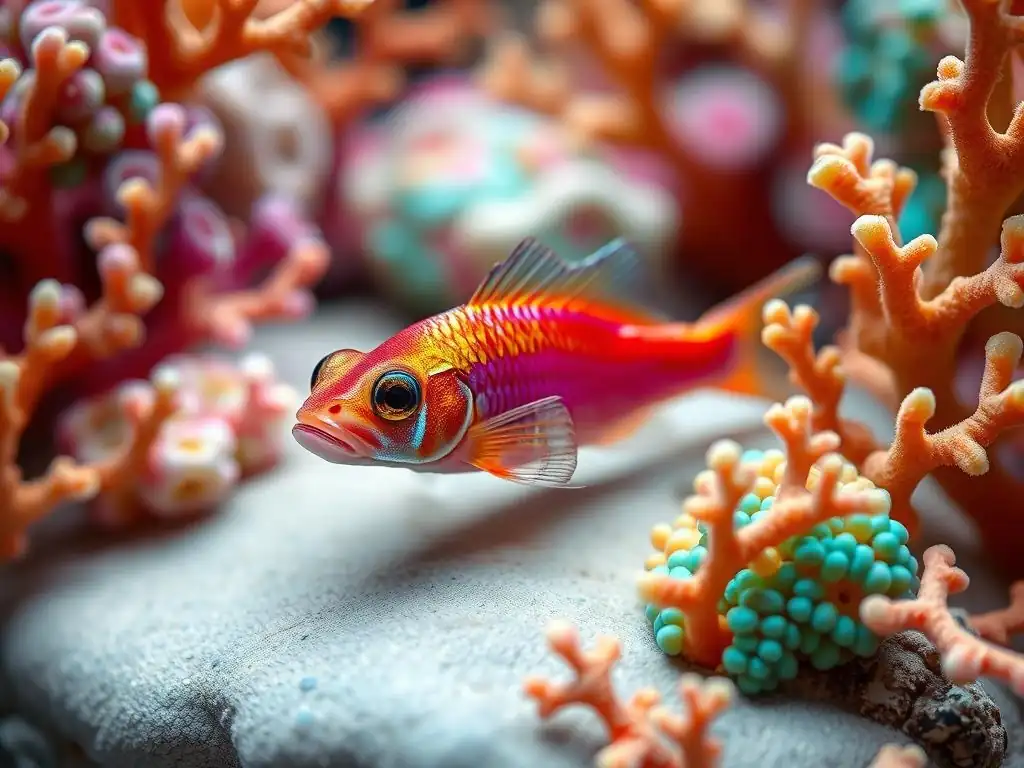
Establishing the correct tank size and setup is paramount in any fang blennie care guide, especially for nano reef environments. For most Meiacanthus species, a minimum tank size of 10 gallons (approximately 38 liters) is recommended for a single specimen, such as the Canary Fang Blenny. Larger species like the Striped Fang Blenny or if considering keeping more than one blenny (which is often ill-advised for Meiacanthus due to potential aggression), a 15-20 gallon (57-76 liter) tank would be more appropriate to provide adequate swimming space and reduce territorial disputes.
The aquarium setup should prioritize stability and security. Live rock is essential, not only for biological filtration but also to create numerous crevices, caves, and perching spots that fang blennies adore. A well-scaped tank with varied topography helps these fish feel secure and provides visual breaks that can mitigate potential aggression. Crucially, a tight-fitting lid or mesh top is an absolute necessity, as fang blennies are notorious jumpers, capable of leaping out of even small openings.
Water Parameters for a Healthy Fang Blennie: Stability is Key
Maintaining pristine and stable water parameters is the cornerstone of successful fang blennie care. In nano reef tanks, where water volume is limited, fluctuations can occur rapidly, making consistent monitoring and maintenance even more critical. Ideal parameters for Meiacanthus blennies closely mirror those required for a healthy reef environment, ensuring both the fish and any invertebrates or corals thrive.
Specific parameters to aim for include: salinity between 1.023 and 1.026 specific gravity, a stable temperature range of 74-78°F (23-26°C), pH levels between 8.1 and 8.4, alkalinity (dKH) of 8-12, calcium levels of 400-450 ppm, and magnesium levels of 1200-1350 ppm. Regular water changes, typically 10-20% weekly or bi-weekly depending on bioload, are vital to replenish trace elements and export nitrates and phosphates, which can quickly accumulate in smaller systems.
Diet and Feeding: What Do Fang Blennies Eat?
Providing a Varied Diet for Optimal Health
A comprehensive fang blennie care guide must address their dietary needs thoroughly, as these fish are primarily carnivorous, feeding on zooplankton and small invertebrates in the wild. In the home aquarium, they readily accept a variety of frozen foods, which should form the bulk of their diet. Excellent choices include enriched mysis shrimp, brine shrimp, finely chopped krill, copepods, and various proprietary marine frozen food blends.
For optimal health and color, it is crucial to offer a varied diet, rotating different types of food to ensure they receive a full spectrum of nutrients. High-quality marine flakes or small pellets designed for carnivorous marine fish can also be offered, though some blennies may initially be hesitant to accept them. Feeding should occur 2-3 times per day for juveniles, and 1-2 times per day for adult specimens, providing small portions that can be consumed within a few minutes to prevent water quality degradation.
Addressing Picky Eating Habits in Fang Blennies
While many fang blennies are eager eaters, some individuals, especially newly introduced ones, may exhibit picky eating habits. This can be a source of concern for aquarists following a fang blennie care guide. One effective strategy is to offer live foods initially, such as copepods or enriched brine shrimp, which can stimulate their natural feeding instincts and encourage them to accept prepared foods later. Target feeding with a pipette can also be beneficial to ensure shy individuals receive enough food without competition from more assertive tank mates.
If a fang blenny refuses prepared foods, try different brands or types of frozen fare. Sometimes, simply varying the size of the food particles can make a difference. Ensuring excellent water quality and a stress-free environment free from aggressive tank mates can also significantly improve their appetite. Patience is key; it may take several days for a new blenny to acclimate and begin feeding consistently.
Fang Blennie Temperament and Compatibility: Tank Mates Matter
Choosing the Right Tank Mates for Peace and Harmony
Selecting appropriate tank mates is a critical aspect of any effective fang blennie care guide, particularly in the confined space of a nano reef. While fang blennies are generally peaceful and non-aggressive towards other fish species, their unique fangs and defensive capabilities mean they are rarely bullied. Ideal tank mates are other small, peaceful, and non-aggressive marine fish that occupy different niches within the aquarium.
Good companions include various peaceful gobies such as Clown Gobies ( Gobiodon sp.), Trimma Gobies ( Trimma sp.), or Hector's Goby ( Amblygobius hectori). Small, docile wrasses like the Possum Wrasse ( Wetmorella nigropinnata) or Six-Line Wrasse ( Pseudocheilinus hexataenia), if space allows, can also coexist. It is important to avoid keeping multiple Meiacanthus species together in a nano tank, as they may become territorial towards each other, especially males.
Avoiding Aggressive Species: Dottybacks, Damselfish, Larger Wrasses
To ensure the long-term well-being of your fang blenny, it is crucial to avoid housing them with overly aggressive or large fish. Species known for their territoriality or propensity to bully smaller tank mates can cause immense stress, leading to health issues and even premature death for the blenny. A comprehensive fang blennie care guide strongly advises against pairing them with Dottybacks ( Pseudochromis sp.), such as the Orchid Dottyback or Springeri Dottyback, which can be highly territorial despite their small size.
Similarly, most Damselfish ( Pomacentridae) are unsuitable tank mates due to their notorious aggression and territorial behavior, which can quickly overwhelm a peaceful fang blenny. Larger, more boisterous wrasses, even if generally peaceful, might outcompete the blenny for food, especially if they are quick eaters. Always research potential tank mates thoroughly to confirm their compatibility with the calm and unique nature of fang blennies.
Fang Blennies and Their Fangs: Understanding the "Bite"
Why Do Fang Blennies Have Fangs? Purpose and Function
The most distinctive feature of fang blennies, their prominent fangs, often leads to questions about their purpose. Unlike predatory fish that use teeth to capture and hold prey, the fangs of Meiacanthus blennies are primarily a defensive mechanism. These blennies are equipped with grooved fangs that deliver a mild venom, which is a unique adaptation among marine fish. When threatened or stressed, the blenny can use these fangs to deliver a quick, deterrent bite to a potential predator.
The venom itself is not life-threatening to larger fish or humans but serves to cause discomfort or pain, encouraging the predator to release the blenny. Research has shown that the venom contains opioid peptides, which can cause a temporary drop in blood pressure and a numbing sensation, effectively disorienting an attacker. This fascinating evolutionary trait allows these small fish to deter much larger threats, making the "bite" an integral part of understanding their survival strategy and a key point in any thorough fang blennie care guide.
Fang Blennies as "Cleaner Fish" Mimics: A Deceptive Strategy
Beyond their venomous fangs, many fang blenny species, particularly the Forktail and Striped Fang Blennies, are remarkable for their mimicry of cleaner wrasses, specifically the Bluestreak Cleaner Wrasse ( Labroides dimidiatus). Cleaner wrasses are known for setting up "cleaning stations" where larger fish visit to have parasites removed from their bodies. Fang blennies exploit this behavior by mimicking the cleaner wrasses' coloration, body shape, and swimming patterns.
This deceptive strategy allows the fang blenny to approach larger, unsuspecting fish, which anticipate a cleaning service. Instead of removing parasites, the blenny takes a quick bite of fin or mucus from the "client" fish before darting away. While this behavior is well-documented in the wild, it is rarely observed in home aquariums due to the absence of large "client" fish and the typically well-fed nature of captive blennies. Nonetheless, it highlights the sophisticated evolutionary adaptations that make fang blennies so intriguing.
Is a Fang Blennie Bite Dangerous to Humans?
For humans, a fang blennie bite is generally not considered dangerous, though it can certainly be unpleasant. The venom delivered by their fangs is mild and designed to deter predators, not to cause severe harm to larger organisms. If bitten, which typically only occurs during handling or if a hand is mistaken for a threat, an individual might experience a sharp, stinging pain, localized swelling, and a temporary numbing sensation.
The sensation is often compared to a bee sting or a minor puncture wound. While uncomfortable, these symptoms usually subside within a few hours. There have been no documented cases of severe systemic reactions in humans from a fang blenny bite. However, as with any animal bite, it's advisable to clean the wound thoroughly to prevent secondary infection. This information is a crucial safety note in any comprehensive fang blennie care guide.
Maintaining a Healthy Fang Blennie: Preventing and Treating Diseases
Common Diseases Affecting Fang Blennies in Nano Reefs
Fang blennies, like all marine fish, are susceptible to common aquarium diseases, especially if water quality is poor or they are stressed. In nano reef tanks, the smaller water volume can make disease outbreaks more rapid and severe. Common ailments include Ich ( Cryptocaryon irritans), often appearing as small white spots resembling salt grains on the body and fins, and Marine Velvet ( Amyloodinium ocellatum), which presents as a dusty, golden-brown film and rapid breathing.
Bacterial infections, such as fin rot (eroded fins) or cloudy eyes, can also occur, often as secondary infections due to stress or injury. Internal parasites, though less visible, can manifest as lethargy, emaciation, or abnormal fecal matter. A proactive approach to fang blennie care, focusing on disease prevention through proper husbandry, is far more effective than attempting to treat an advanced infection.
Quarantine Procedures for New Fang Blennies: A Must-Do
Implementing a strict quarantine procedure for all new fish, including fang blennies, is perhaps the single most important step in preventing disease introduction to your established nano reef. A dedicated quarantine tank (QT) of at least 5-10 gallons is essential. This tank should be set up with a heater, small power filter, and PVC pipes or other inert hiding spots, but no substrate or live rock, to facilitate observation and treatment.
New fang blennies should be housed in the QT for a minimum of 2-4 weeks. During this period, observe them closely for any signs of disease, such as spots, rapid breathing, flashing, or unusual swimming. Prophylactic treatments, such as copper-based medications for parasites or broad-spectrum antibiotics, can be administered in the QT if deemed necessary, without risking your main display tank's invertebrates or beneficial bacteria. This rigorous approach is a non-negotiable component of responsible fang blennie care.
Recognizing and Treating Parasites in Fang Blennies
Early recognition of parasitic infections is crucial for successful treatment. Beyond the obvious white spots of Ich or dusty appearance of Velvet, other signs of parasites in fang blennies include rapid gill movements (indicating gill irritation), scratching or "flashing" against tank decor, clamped fins, lethargy, loss of appetite, and color fading. Any deviation from normal behavior warrants immediate investigation.
Treatment options vary depending on the specific parasite. For Ich and Velvet, common methods include copper-based medications (e.g., Cupramine, Coppersafe) administered in the quarantine tank, or hyposalinity (reducing salinity to 1.009-1.010 SG), though the latter requires careful monitoring and can be stressful. Freshwater dips (5-10 minutes in temperature-matched, pH-buffered freshwater) can offer temporary relief but are not a cure. Always ensure proper diagnosis and follow medication instructions meticulously to provide effective fang blennie care.
Breeding Fang Blennies: A Challenging but Rewarding Endeavor
Creating the Right Environment for Fang Blennie Breeding
Breeding fang blennies in a home aquarium is a challenging but highly rewarding endeavor, requiring dedication and precise environmental control. While possible in larger nano-sized tanks (e.g., 20-30 gallons), a dedicated breeding setup is usually more successful. The breeding tank should be well-established with stable water parameters, ample hiding spots, and smooth, flat surfaces or ceramic tubes where eggs can be laid. Providing a varied, high-quality diet for the prospective parents is essential to condition them for spawning.
A key challenge is obtaining a compatible pair, as sexing fang blennies can be difficult, and aggression between unpaired individuals can occur. Some success has been reported with purchasing a group of juveniles and allowing them to pair naturally as they mature, then removing the non-paired individuals. The environment should be as stress-free as possible, with minimal disturbances, to encourage natural breeding behaviors.
Identifying Mating Behaviors in Fang Blennies
Observing mating behaviors in fang blennies requires patience and keen observation. Courtship typically involves the male displaying to the female, often by flaring his fins, shimmering his body, and leading her towards a chosen spawning site, which might be a rock crevice, a ceramic tube, or a flat surface. The male may also "clean" the spawning site in preparation.
Once the female accepts, she will lay a small clutch of adhesive eggs, often numbering from dozens to a few hundred, which the male then fertilizes. Parental care is usually provided by one parent (most commonly the male), who guards the eggs, fans them to ensure oxygenation, and keeps them clean until they hatch. The eggs are typically small and translucent, developing visible eyespots as they near hatching, which usually occurs within 5-7 days depending on temperature.
Raising Fang Blennie Fry: Infusoria, Rotifers, and Artemia
Raising fang blennie fry is the most challenging aspect of their breeding, primarily due to their minuscule size at hatching and their specific nutritional requirements. Newly hatched fry are planktonic and require extremely small live food. For the first few days to a week, the primary food source must be infusoria (microscopic organisms) or copepod nauplii. Rotifers (e.g., Brachionus plicatilis) are then introduced as the fry grow slightly, typically for the next 1-2 weeks.
As the fry continue to develop, usually around 2-3 weeks post-hatch, they can be gradually transitioned to newly hatched Artemia (brine shrimp) nauplii. Maintaining pristine water quality in the fry rearing tank is paramount, requiring frequent, small water changes and careful removal of uneaten food. High mortality rates are common, but with diligent care, some fry can be successfully raised to juvenile size, a true testament to advanced fang blennie care.
Troubleshooting Common Fang Blennie Problems in Nano Reefs
Sudden Disappearance: Why Did My Fang Blennie Vanish?
One of the most common and distressing problems for fang blenny owners is their sudden disappearance from the tank. There are several primary reasons for this, and a good fang blennie care guide addresses them proactively. Firstly, fang blennies are notorious jumpers. Even small gaps in the aquarium lid can provide an escape route. If your blenny is missing, the first place to check is the floor around your tank. Ensuring a tight-fitting lid with no accessible openings is crucial for prevention.
Secondly, blennies are excellent at hiding. If your tank has extensive live rock work with numerous crevices and caves, a blenny can disappear for days, or even weeks, if it feels stressed or is simply exploring a new favorite hiding spot. This is especially true for newly introduced blennies. Lastly, if tank mates are aggressive, a blenny might be hiding due to bullying, or in rare cases, could have been predated upon by a significantly larger or more aggressive fish, though this is less common given their fangs.
Loss of Color and Appetite: Identifying Underlying Issues
A fang blenny exhibiting a loss of color and appetite is a clear indicator that something is amiss and requires immediate attention as part of your fang blennie care routine. These symptoms are often signs of stress, poor water quality, or the onset of disease. First, perform a full suite of water parameter tests (salinity, temperature, pH, ammonia, nitrite, nitrate). Elevated ammonia or nitrite, or wildly fluctuating pH, can quickly stress fish.
If water parameters are stable, consider other stressors. Is there an aggressive tank mate? Is the blenny being bullied? Does it have enough hiding spots? If no obvious environmental stressors are present, then disease is a strong possibility. Look for other symptoms like rapid breathing, flashing, or visible spots. Early intervention, whether through water changes, removing stressors, or initiating quarantine and treatment, is vital for recovery.
Aggression and Bullying: Managing Tank Dynamics
While fang blennies are generally peaceful, aggression can sometimes arise, either from the blenny itself towards certain tank mates or from other fish towards the blenny. In a nano reef, limited space can exacerbate territorial disputes. If your fang blenny is showing aggression, it's often towards other blennies, gobies, or fish with similar body shapes, particularly if you have more than one Meiacanthus species or closely related fish in a small tank.
To manage aggression, ensure your tank has ample live rock and a complex aquascape that provides numerous hiding spots and breaks up lines of sight. This allows fish to establish territories without constant confrontation. If another fish is bullying your fang blenny, consider if the tank mate is appropriate for a nano reef or for a peaceful community. In persistent cases of aggression, it may be necessary to rehome one of the fish to ensure the well-being of all inhabitants.
Fang Blennies: The Perfect Nano Reef Fish for You? A Recap
Pros and Cons of Keeping Fang Blennies in Nano Aquariums
Fang blennies offer a compelling choice for nano reef enthusiasts, but like any aquarium inhabitant, they come with their own set of pros and cons. On the positive side, their small adult size (typically 2-4 inches) makes them ideal for tanks as small as 10-20 gallons, minimizing bioload. They boast fascinating, often bold personalities, adding dynamic movement and character to a small tank. Their unique fangs and mimicry behaviors are endlessly intriguing. Furthermore, they are generally peaceful towards most other fish species, making them good community tank members.
However, there are considerations. Their propensity for jumping requires a very secure, tight-fitting lid, which can sometimes limit lighting options. While generally hardy, they do require stable water parameters, which can be more challenging to maintain in smaller volumes. Some species, like the Striped Fang Blenny, can be territorial towards similar-looking fish. Their specific dietary needs for varied frozen foods and their potential shyness upon introduction can also be a challenge for new aquarists seeking a straightforward fang blennie care guide.
Alternatives to Fang Blennies for Nano Reefs: Clown Goby, Hector's Goby, Possum Wrasse
If a fang blenny isn't quite the right fit for your nano reef, several other excellent alternatives offer similar small size and interesting personalities. The Clown Goby ( Gobiodon sp.) is an incredibly small, colorful fish that perches on corals and rocks, adding vibrant splashes of color. They typically grow to only 1-2 inches and are very peaceful, making them ideal for tanks as small as 5 gallons.
Another fantastic choice is Hector's Goby ( Amblygobius hectori), a peaceful, sand-sifting goby that actively sifts through the substrate, helping to keep it aerated. They are visually appealing with their striped patterns and reach about 3 inches, suitable for 10-gallon tanks and up. Lastly, the Possum Wrasse ( Wetmorella nigropinnata) is a tiny, shy, and nocturnal wrasse that stays small (under 3 inches) and is exceptionally peaceful, perfect for adding a secretive, charming presence to a quiet nano reef.
Final Thoughts: Appreciating the Unique Charm of Fang Blennies
The world of fang blennies is indeed intriguing, offering aquarists a chance to observe a truly unique marine fish with a blend of beauty, personality, and surprising adaptations. Their small size makes them perfectly suited for the growing popularity of nano reef aquariums, allowing enthusiasts with limited space to enjoy the complexity and vibrancy of a saltwater ecosystem. With their vivid colors, active swimming, and curious dispositions, they quickly become a favorite.
While their "bite" and mimicry are fascinating wild behaviors, in a well-maintained home aquarium, they are generally peaceful and pose no threat to their keepers or suitable tank mates. By adhering to a comprehensive fang blennie care guide that emphasizes stable water parameters, a varied diet, appropriate tank mates, and a secure environment, these captivating fish can thrive, bringing a piece of the reef's unique charm right into your home. Their unique blend of characteristics makes them a truly special addition to any dedicated nano reef aquarium.
Frequently Asked Questions
What are Fang Blennies and are they suitable for nano aquariums?
Fang Blennies are a type of small, colorful fish known for their distinctive fang-like teeth. Some species can thrive in nano aquariums, but careful consideration of their specific needs and potential aggression is crucial.
What should I feed my Fang Blenny?
They are primarily carnivorous, requiring a diet of small meaty foods like frozen mysis shrimp, brine shrimp, and high-quality flake food designed for carnivores. Varying their diet is key for optimal health.
Are Fang Blennies aggressive?
Some Fang Blenny species can be territorial and aggressive, especially towards other fish that resemble them or compete for the same resources. Researching the specific species' temperament is essential before introducing them to a community tank.
What are the ideal water parameters for a Fang Blenny aquarium?
They generally prefer stable water parameters, including a temperature range of 72-78°F (22-26°C), a pH of 8.1-8.4, and a specific gravity of 1.023-1.025. Regular water changes are vital to maintain these conditions.
What are some common health problems that affect Fang Blennies?
Like other saltwater fish, Fang Blennies can be susceptible to parasitic infections like Ich and bacterial infections. Maintaining high water quality and providing a stress-free environment are crucial for preventing these issues.
Okay, here's a final reflection crafted to fit your article "The Intriguing World of Fang Blennies: Beauty with a Bite in Nanos?" and optimized for the keyword "Fang blennie care guide," using the structure you provided.
Final Reflection: Appreciating the Bite-Sized Wonders
The journey into the world of fang blennies, as we've explored, reveals that even the smallest creatures can possess a captivating blend of beauty and unique survival strategies. Understanding their specific needs is not just about keeping them alive, but about fostering a thriving ecosystem within our nano aquariums. The information we've gathered here serves as a starting point, a foundation upon which responsible aquarists can build a fulfilling relationship with these fascinating fish.
The allure of fang blennies extends beyond their striking appearance; it's their quirky personalities and specialized behaviors that truly capture our attention. Caring for these miniature marvels has deepened my appreciation for the delicate balance of marine life and the responsibility we bear as stewards of these ecosystems. In the end, we will conserve only what we love; we will love only what we understand; and we will understand only what we are taught.
- Baba Dioum. This quote perfectly encapsulates the importance of accessible care guides like this one in promoting responsible reef keeping.
Now, armed with this "Fang blennie care guide," I encourage you to reflect on your own role in the aquarium hobby. Consider how you can contribute to the well-being of these captivating creatures, not just by providing the right environment, but by sharing your knowledge and experiences with others. Let's continue to learn, adapt, and strive to create thriving nano-reefs where fang blennies, and all marine life, can flourish for generations to come.
Unleash Your Inner Blenny Enthusiast!
Thank you for diving into the fascinating world of fang blennies! We hope you found new appreciation for these diminutive dynamos and their unique role in the nano aquarium ecosystem. Now, let's put that knowledge into action!
Here are a few things you can do to continue your blenny journey:
- Commit to further research: Dedicate time to exploring reputable sources for ongoing care and information to refine your understanding of blenny behavior and wellbeing.
- Share the article and your newfound blenny knowledge on your social media, helping to spread awareness about these fascinating creatures.
- Explore similar small, colorful fish that can cohabitate peacefully with fang blennies, expanding your nano tank's biodiversity safely.
What surprising fact about fang blennies are you most excited to share with other aquarists?