
Understanding Blenny Aggression: Tips for a Harmonious Nano Tank

Welcome to Aquarium Mastery!
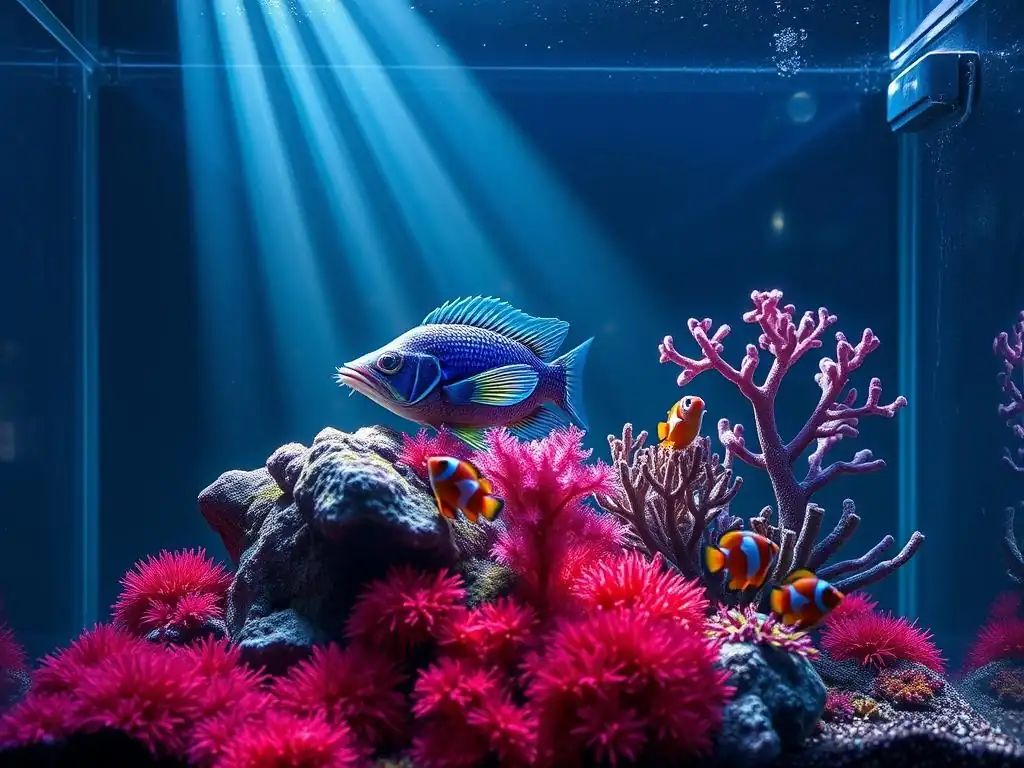
Ever wondered why your blenny, seemingly the chillest fish in your nano tank, is suddenly throwing shade? Understanding blenny aggression is key to a harmonious aquarium, and we're diving deep into the specifics of this fascinating behavior. Discover the secrets to a peaceful nano tank and ensure your blenny thrives. Intrigued? Let's explore the dynamics of your underwater community and unlock the secrets to a balanced ecosystem!
- Managing Dottyback Aggression in Nano Reef Aquariums
- Introduction: Dottybacks in Nano Reef Aquariums – A Personality Primer
- Identifying Aggressive Dottyback Behavior in a Nano Tank
- Why Dottyback Aggression Occurs in Nano Tanks: Root Causes
- Choosing the Right Dottyback for Your Nano Reef: Minimizing Aggression Risks
- Creating a Dottyback-Friendly Nano Tank Environment: Reducing Aggression
- Tank Mate Selection: Avoiding Dottyback Aggression Triggers
- Managing Existing Dottyback Aggression: Solutions and Strategies
- Dottyback Health and Stress: The Link to Aggression
- Conclusion: Promoting a Peaceful Nano Reef with Dottybacks
-
Frequently Asked Questions
- What makes Blennies potentially aggressive in nano tanks?
- How can I identify if my Blenny is displaying aggressive behavior?
- What size nano tank is appropriate to minimize Blenny aggression?
- What tank mates are generally compatible with Blennies in a nano tank?
- How can I reduce aggression if my Blenny is already displaying aggressive behavior?
- Final Reflection: Cultivating Peace in Miniature Worlds
- Unleash a Peaceful Reef: Take Control of Your Blenny's Behavior!
Managing Dottyback Aggression in Nano Reef Aquariums
Introduction: Dottybacks in Nano Reef Aquariums – A Personality Primer
Dottybacks, members of the family Pseudochromidae, are captivating additions to many saltwater aquariums, particularly nano reef setups, due to their vibrant colors, relatively small size, and active swimming patterns. Species like the Orchid Dottyback ( Pholidochromis fridmani) and the Springeri Dottyback ( Pseudochromis springeri) are popular choices for tanks under 30 gallons, offering a splash of personality and color without demanding extensive space. However, their striking appearance often belies a strong territorial instinct and a propensity for aggression, which can become a significant challenge in the confined environment of a nano tank.
Understanding the unique behavioral traits of Dottybacks is crucial for any aquarist considering them for a smaller reef system. While some species are notably more peaceful, others, such as the Bicolor Dottyback ( Pseudochromis paccagnellae) or the Fridmani Dottyback ( Pseudochromis fridmani), are known for their assertive nature, especially towards similar-looking fish or new introductions. This inherent territoriality, coupled with the limited space in a nano tank, frequently leads to instances of Dottyback aggression, impacting the well-being of other inhabitants and the overall harmony of the aquarium.
Identifying Aggressive Dottyback Behavior in a Nano Tank
Common Signs of Dottyback Aggression: Chasing and Fin Nipping
Observing your Dottyback's behavior closely is key to identifying nascent aggression before it escalates into serious harm. One of the most prevalent signs of Dottyback aggression in a nano tank is persistent chasing. This isn't just a brief dart across the tank; an aggressive Dottyback will actively pursue a specific tank mate, often cornering it or preventing it from accessing prime feeding spots or hiding places.
This chasing can last for several seconds or even minutes, and may be accompanied by rapid changes in the Dottyback's coloration, often intensifying their hues as a display of dominance. For instance, an Orchid Dottyback might intensify its purple coloration when asserting dominance over a smaller goby.
Beyond chasing, fin nipping is another undeniable indicator of Dottyback aggression. This involves the Dottyback deliberately biting or nipping at the fins or bodies of other fish. Over time, repeated fin nipping can lead to visible damage, such as frayed or torn fins, and in severe cases, open wounds that are susceptible to bacterial infections.
A Dottyback displaying this behavior typically targets weaker or smaller tank mates, or those that encroach upon its established territory, which in a nano tank, can encompass a significant portion of the available rockwork. Observing these physical signs on other fish, particularly when combined with the Dottyback's active pursuit, should prompt immediate intervention.
Distinguishing Courtship from Aggression in Dottybacks
While both courtship rituals and aggressive encounters can involve chasing and displays of dominance, there are subtle yet important distinctions to observe in Dottybacks. During courtship, especially if you have a male and female Dottyback attempting to pair, the chasing behavior is typically less sustained and lacks the malicious intent seen in aggression. The male might "shiver" or vibrate his body, display intensified colors, and guide the female towards a potential spawning site, such as a small cave or crevice.
The female, in turn, may show receptive behaviors, like following the male or inspecting the chosen site. This interaction is often reciprocal and does not result in physical harm or sustained stress to either party.
In contrast, aggressive chasing is unilateral, with one Dottyback relentlessly pursuing another fish, often driving it into hiding or preventing it from feeding. There is no reciprocal behavior; the pursued fish clearly exhibits signs of stress, such as clamped fins, rapid breathing, or attempts to hide continuously. Furthermore, aggressive encounters often involve flaring of gills and fins as a direct threat, something less pronounced during courtship.
Observing the outcome is also crucial: courtship leads to potential pairing and spawning, while aggression results in stressed, injured, or even dead tank mates. Understanding these nuances is vital for accurate assessment of Dottyback aggression in your nano tank.
Why Dottyback Aggression Occurs in Nano Tanks: Root Causes
Limited Space and Territoriality: The Primary Driver of Dottyback Fights
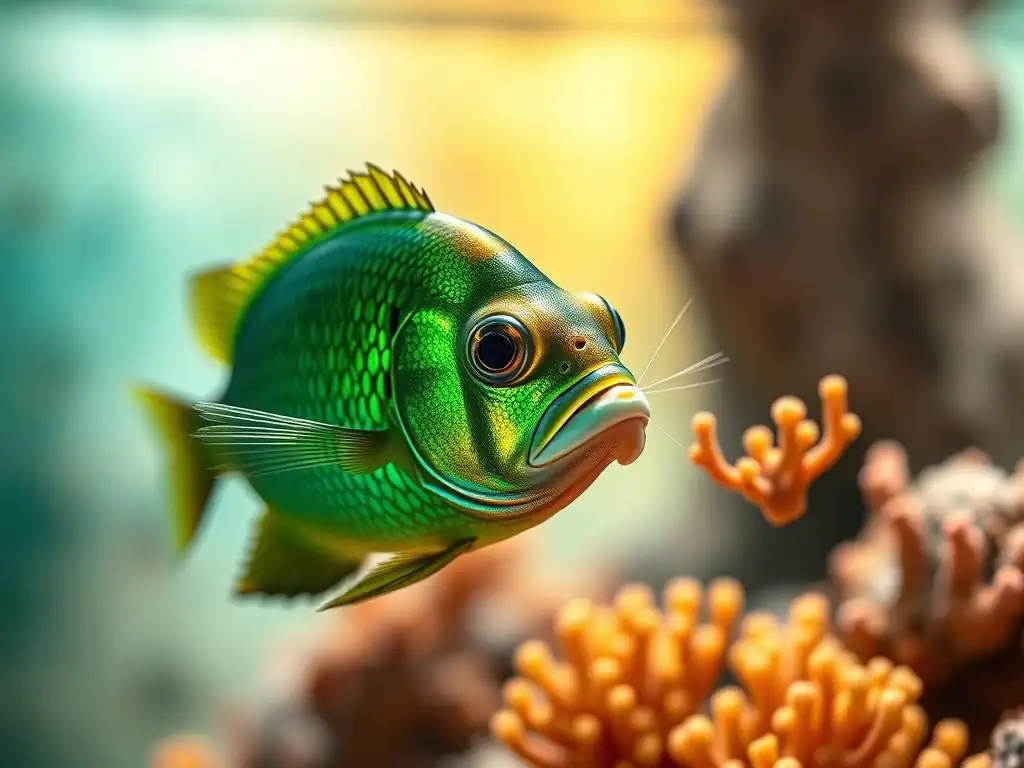
The inherent territorial nature of Dottybacks is significantly amplified in the confined environment of a nano reef aquarium, making limited space the primary catalyst for aggression. In the wild, a Dottyback might establish a territory spanning several square feet, providing ample room for foraging, shelter, and escape from rivals. When confined to a 10-gallon or 20-gallon nano tank, this natural instinct to claim and defend a personal space becomes problematic. Every piece of rockwork, every patch of sand, and even open water columns become contested zones.
This leads to constant skirmishes, as the Dottyback attempts to assert dominance over virtually the entire tank. For example, a single Dottyback in a 10-gallon tank may view any other fish as an intruder into its "personal" territory, leading to immediate and persistent aggressive displays.
The lack of sufficient open water or complex rock structures to break lines of sight further exacerbates the issue, preventing subordinate fish from finding refuge. This constant pressure from Dottyback aggression can lead to chronic stress for other inhabitants, weakening their immune systems and making them susceptible to disease, ultimately impacting the delicate balance of the nano tank ecosystem.
Incompatible Tank Mates: Triggering Dottyback Aggression
The choice of tank mates is a critical factor in mitigating Dottyback aggression, particularly in a nano tank where escape options are limited. Dottybacks are known to be particularly aggressive towards fish that share similar body shapes, coloration, or feeding habits, as they perceive them as direct competitors for resources and territory.
For instance, introducing another Dottyback, even of a different species, into a small nano tank (under 30 gallons) is almost guaranteed to result in severe Dottyback aggression, often leading to the death of the weaker fish. Similarly, small, shy gobies or blennies that occupy similar rockwork territories can become prime targets, facing relentless bullying.
Furthermore, fish that are significantly smaller, slower, or less assertive than the Dottyback are highly vulnerable. A Royal Gramma ( Gramma loreto), while somewhat territorial, might be able to hold its own in a larger tank, but in a 15-gallon nano, it could easily become a victim of a dominant Dottyback. Even peaceful invertebrates like cleaner shrimp can sometimes be harassed, though this is less common than aggression towards other fish. Careful research into species compatibility, focusing on adult size, temperament, and resource needs, is paramount to prevent triggering Dottyback aggression in your nano reef.
Insufficient Hiding Places: Stress and Increased Aggression in Dottybacks
A lack of adequate hiding places directly contributes to stress in all aquarium inhabitants, but particularly exacerbates Dottyback aggression in a nano tank. Fish, by nature, require secure retreats where they can feel safe, rest, and escape perceived threats. When a nano tank lacks sufficient caves, crevices, or overhangs within its rockwork, subordinate fish have nowhere to hide from a dominant Dottyback. This forces them into open areas, making them constant targets for bullying and preventing them from establishing their own small territories.
The absence of safe zones also increases the Dottyback's own stress levels, ironically, as it perceives its territory as constantly being encroached upon, leading to an intensified need to defend it. For example, a 10-gallon nano tank with only a few small rocks and no intricate caves will likely see one aggressive Dottyback dominate the entire space, whereas the same tank with multiple, well-structured hiding spots could potentially reduce the frequency and intensity of aggressive encounters by allowing other fish to retreat.
Providing ample and diverse hiding spots is not just about giving victims an escape route; it's about creating a more complex environment that diffuses territorial disputes and reduces overall stress, thereby mitigating Dottyback aggression.
Choosing the Right Dottyback for Your Nano Reef: Minimizing Aggression Risks
Selecting Less Aggressive Dottyback Species: Avoiding Known Aggressors
When stocking a nano reef, the specific Dottyback species chosen is the most critical factor in minimizing future aggression issues. While all Dottybacks possess some degree of territoriality, their aggression levels vary significantly. Species like the Orchid Dottyback ( Pholidochromis fridmani) and the Springeri Dottyback ( Pseudochromis springeri) are generally considered among the least aggressive, making them suitable choices for nano tanks as small as 10-15 gallons. These species tend to be more focused on their chosen territory and less prone to harassing other tank inhabitants, especially if those tank mates are not similar in appearance or behavior.
Conversely, species such as the Bicolor Dottyback ( Pseudochromis paccagnellae), the Neon Dottyback ( Pseudochromis aldabraensis), or the Magenta Dottyback ( Pseudochromis porphyreus) are notorious for their highly aggressive and territorial nature. These species are often best suited for larger, more robust reef tanks (30 gallons or more) where they can be housed with more assertive tank mates, or kept as the sole Dottyback in the system.
Introducing one of these aggressive species into a typical 10-gallon nano tank with other small fish is almost a guarantee of relentless Dottyback aggression and potential fatalities. Always prioritize research into a specific species' temperament before purchase.
Dottyback Size Matters: Considering Adult Size in a Small Tank
The adult size of a Dottyback, though often overlooked, plays a significant role in its potential for aggression within a nano tank. While many Dottybacks are sold as juveniles when they are only an inch or so long, they can quickly grow to their full adult size, typically ranging from 2 to 4 inches depending on the species.
A larger adult Dottyback, even a relatively peaceful species, will naturally require more territory and can exert more dominance over smaller tank mates in a confined space. For example, a 3.5-inch Bicolor Dottyback in a 15-gallon tank will be far more aggressive and problematic than a 2-inch Orchid Dottyback in the same setup.
Consider the tank volume in relation to the Dottyback's full-grown size. For a 10-gallon nano tank, aiming for a Dottyback species that matures at no more than 2.5 inches, such as the Orchid or Springeri Dottyback, is a sensible approach. Even then, it's crucial to acknowledge that a 2.5-inch fish can still be a significant presence in such a small volume.
Overestimating the capacity of a nano tank to house a larger, more territorial Dottyback will inevitably lead to increased Dottyback aggression, stressing all inhabitants. Always research the maximum adult size of your chosen species and compare it against the practical limitations of your nano tank's volume.
Researching Dottyback Temperament: Understanding Species-Specific Behaviors
Thorough research into the specific temperament of any Dottyback species you consider is indispensable for minimizing aggression risks in a nano tank. Generalizing "Dottybacks" as a single entity can be misleading, as their behaviors vary widely.
For instance, the Orchid Dottyback, while territorial, is known for its relatively peaceful disposition towards other fish that are not similar in shape or color, and it often coexists well with small gobies or clownfish in a 20-gallon tank. Conversely, the Bicolor Dottyback is notoriously pugnacious and will actively harass or kill most other fish in a nano environment, making it a poor choice for community tanks under 30 gallons.
Beyond general aggression levels, investigate specific behavioral traits. Some Dottybacks are more prone to harassing invertebrates, while others might exclusively target other fish. Understanding their natural habitat and social structures in the wild can also provide clues; species that live solitarily in small crevices are more likely to be fiercely territorial in an aquarium.
Consulting reliable aquarium forums, species profiles from reputable sources like LiveAquaria or FishBase, and speaking with experienced local fish store staff can provide invaluable insights into the nuances of Dottyback temperament. This proactive research is your best defense against future Dottyback aggression issues in your nano tank.
Creating a Dottyback-Friendly Nano Tank Environment: Reducing Aggression
Providing Ample Hiding Spots: Rockwork and Caves for Dottyback Retreats
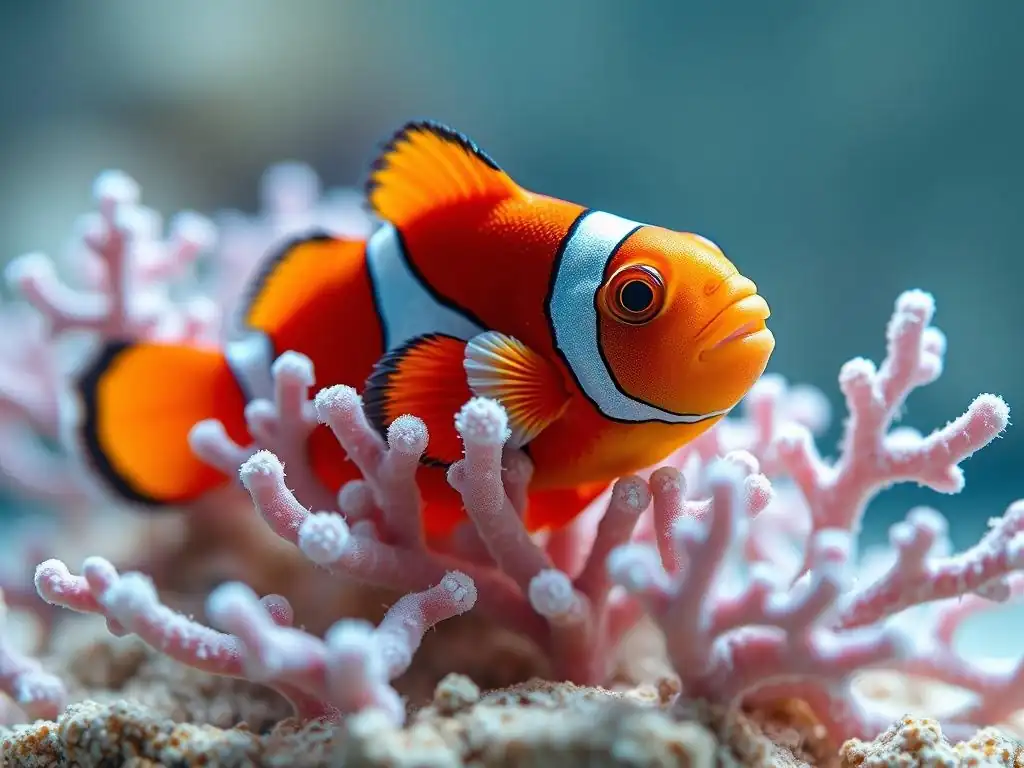
The strategic arrangement of rockwork to create ample hiding spots is paramount for reducing Dottyback aggression in a nano tank. Dottybacks are naturally crevice-dwelling fish, and providing numerous caves, overhangs, and swim-throughs allows them to establish a secure territory without needing to dominate the entire tank. For a typical 10-15 gallon nano tank, aim for at least 3-5 distinct hiding spots or cave formations, distributed throughout the aquascape. This allows the Dottyback to claim one or two primary retreats, while leaving other areas for less assertive tank mates to find refuge.
Consider creating visual barriers with your rockwork. Rather than a monolithic rock structure, opt for multiple, smaller pieces arranged to break up lines of sight. This prevents the Dottyback from seeing all other tank inhabitants at all times, reducing the constant perceived threat that fuels their aggression. Using diverse rock shapes, such as Tonga branch rock or various sized live rock pieces, can help create more intricate and defensible territories. This complex aquascape not only provides necessary retreats but also mimics a more natural environment, which can significantly reduce stress and minimize Dottyback aggression.
Optimizing Water Quality: Maintaining a Stress-Free Environment for Dottybacks
Maintaining pristine and stable water quality is a foundational element in reducing stress for all aquarium inhabitants, including Dottybacks, and consequently, can mitigate Dottyback aggression. Poor water parameters, such as elevated nitrates, ammonia, or fluctuating salinity and temperature, directly lead to physiological stress in fish. A stressed Dottyback is more likely to exhibit aggressive behaviors, as its immune system is compromised, and it may feel more vulnerable or irritable. Consistent water parameters, including a stable temperature range of 74-78°F, specific gravity between 1.023-1.026, and undetectable levels of ammonia and nitrite, are crucial.
Regular water changes, typically 10-20% weekly for a nano tank, are essential for removing accumulated nitrates and replenishing essential trace elements. Utilizing a robust filtration system, including mechanical, chemical (like activated carbon), and biological filtration, helps maintain water clarity and purity. Monitoring water parameters weekly with reliable test kits allows for prompt correction of any deviations. A healthy, stress-free Dottyback is less likely to engage in unprovoked aggression, making optimal water quality a key preventive measure against Dottyback aggression in your nano tank.
Ensuring Adequate Food Supply: Preventing Competition and Aggression
An insufficient or inconsistent food supply can be a direct trigger for Dottyback aggression, particularly in a confined nano tank where competition for resources is heightened. When fish are underfed, or if the food is not distributed adequately, the more dominant fish, often the Dottyback, will aggressively monopolize the available food, starving out weaker tank mates. This scarcity mentality can lead to heightened territoriality around feeding areas and increased bullying behavior.
To prevent this, ensure your Dottyback and its tank mates receive adequate nutrition. Feed small amounts multiple times a day (e.g., 2-3 times daily) rather than one large meal. This ensures that all fish have a chance to eat and reduces the frantic competition.
Offer a varied diet of high-quality flake food, pellets, frozen mysis shrimp, and enriched brine shrimp. For instance, target feeding frozen mysis near less dominant fish can help ensure they get enough to eat. By eliminating food scarcity as a stressor, you significantly reduce one of the primary drivers of Dottyback aggression and foster a more peaceful nano tank environment.
Maintaining Proper Stocking Levels: Avoiding Overcrowding in the Nano Tank
Overcrowding is one of the most common and detrimental mistakes in nano reef keeping, directly fueling Dottyback aggression and overall tank instability. Every fish species requires a certain amount of space to thrive, establish territory, and avoid constant stress. Exceeding the appropriate stocking density for your nano tank will inevitably lead to increased competition for space, food, and hiding spots, turning even a relatively peaceful Dottyback into an aggressive bully.
A general rule of thumb for nano tanks is to be extremely conservative with stocking. For a 10-gallon tank, a single Dottyback might be the only fish you can comfortably house with a few invertebrates. For a 20-gallon tank, you might consider one Dottyback and one or two very small, peaceful fish like a small goby or clownfish, ensuring they occupy different areas of the tank.
For example, an Orchid Dottyback that primarily stays near rockwork might coexist with a small Clownfish that prefers the open water column. Always research the adult size and territorial needs of each potential inhabitant and err on the side of understocking. A lightly stocked nano tank with a happy Dottyback is far more harmonious than an overcrowded one plagued by rampant Dottyback aggression.
Tank Mate Selection: Avoiding Dottyback Aggression Triggers
Choosing Compatible Tank Mates: Avoiding Competition for Food and Territory
Selecting compatible tank mates is paramount to preventing Dottyback aggression in a nano reef, as certain species are inherently more likely to trigger aggressive responses. The primary goal is to avoid fish that compete directly with the Dottyback for food, territory, or resemble them too closely. This means generally avoiding other Dottybacks, similar-looking blennies (especially those that occupy rockwork), and shy, small gobies that might be easily intimidated or outcompeted.
Instead, focus on fish that occupy different niches within the aquarium. For instance, a small, peaceful clownfish ( Amphiprion ocellaris) might be a suitable companion for an Orchid Dottyback in a 20-gallon tank, as clownfish tend to associate with anemones or host corals (if present) and are generally more robust. Similarly, some active, mid-water swimmers that are not bottom-dwellers, or very small, cryptic gobies that remain hidden within rockwork, can sometimes coexist.
Always consider the adult size, temperament, and specific needs of both the Dottyback and potential tank mates. Prioritizing species with distinct behavioral patterns and territorial preferences significantly reduces the likelihood of Dottyback aggression.
Introducing New Tank Mates Carefully: Minimizing Stress and Aggression
The method of introducing new tank mates can significantly influence whether a Dottyback exhibits aggression or accepts the new arrival. A Dottyback that has already established its territory in a nano tank will almost certainly view any new fish as an intruder, potentially leading to immediate and severe Dottyback aggression. To mitigate this, consider introducing the new fish using a quarantine tank first, which is standard practice for disease prevention, but also allows the new fish to acclimate without direct threat.
Once ready for the main display, employ a method like the "acclimation box" or "clear container" approach. Place the new fish in a clear, perforated container or breeder box within the main tank for 24-48 hours. This allows the Dottyback to see the new fish without being able to directly attack it, gradually becoming accustomed to its presence.
During this period, ensure the Dottyback is well-fed. After the acclimation period, release the new fish, preferably at night or with the tank lights off, giving it a chance to find hiding spots before the Dottyback becomes fully active. This cautious approach can significantly reduce the initial shock and subsequent Dottyback aggression.
Observing Tank Mate Interactions: Monitoring for Signs of Dottyback Bullying
Even with careful planning and introduction, continuous observation of tank mate interactions is essential for early detection and intervention of Dottyback aggression. Behavior can change over time, and a previously peaceful Dottyback might become aggressive due to stress, growth, or changes in tank dynamics. Spend at least 10-15 minutes daily observing your nano tank, paying close attention to how the Dottyback interacts with other fish. Look for persistent chasing, fin nipping, or any signs that a particular fish is being constantly harassed or prevented from feeding.
Signs of stress in other fish, such as clamped fins, faded coloration, rapid breathing, hiding continuously, or refusing to eat, are strong indicators of ongoing Dottyback bullying. If you notice a specific tank mate is always at the bottom of the pecking order or appears emaciated despite feeding, Dottyback aggression is a likely culprit. Prompt action based on these observations is crucial. Ignoring subtle signs can lead to chronic stress, disease, or even death for the bullied fish. Regular monitoring allows you to intervene before Dottyback aggression spirals out of control in your nano tank.
Managing Existing Dottyback Aggression: Solutions and Strategies
Re-arranging Rockwork: Disrupting Established Territories
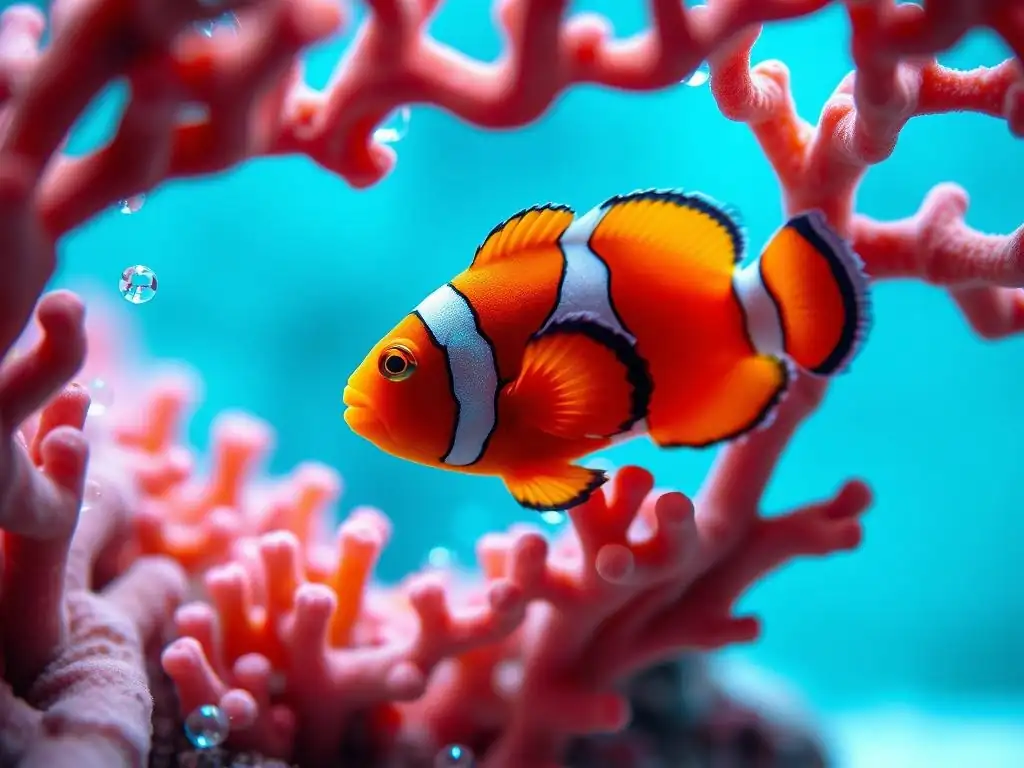
If Dottyback aggression has become a problem in your nano tank, one effective strategy is to re-arrange the existing rockwork. Dottybacks are highly territorial and will establish specific areas they consider their own. By significantly altering the aquascape, you effectively "reset" these established territories. The Dottyback will be forced to explore and re-establish its domain, which can temporarily disrupt its aggressive patterns and give bullied tank mates a reprieve.
When re-arranging, aim to create new caves, swim-throughs, and visual barriers. Try to distribute hiding spots more evenly if possible, or create a distinct "safe zone" for the bullied fish if space allows. While this method might cause temporary stress to all tank inhabitants during the rearrangement, the long-term benefit of reducing persistent Dottyback aggression often outweighs the short-term disruption. This strategy is particularly useful in nano tanks where space is limited, as it directly addresses the territorial aspect of Dottyback aggression.
Introducing a Temporary Divider: Creating Separate Zones
For more severe or persistent cases of Dottyback aggression, a temporary tank divider can be an invaluable tool. A clear, perforated acrylic or plastic divider can be inserted into the nano tank, effectively separating the aggressive Dottyback from its victims while still allowing water flow and visual interaction. This provides an immediate and complete break from the bullying, allowing the stressed fish to recover and the Dottyback to calm down without direct contact.
Typically, the divider should remain in place for several days to a week. During this time, ensure both sides have adequate filtration, feeding access, and hiding spots. The goal is to "re-educate" the Dottyback by breaking its established aggressive routine. Sometimes, after a period of separation, the Dottyback's aggression may lessen upon reintroduction. However, this is a temporary solution, and if Dottyback aggression resumes quickly after removal of the divider, it indicates a fundamental incompatibility that may require more drastic measures.
Considering Re-homing Aggressive Dottybacks: A Last Resort
When all other strategies fail to mitigate Dottyback aggression, re-homing the aggressive Dottyback becomes a necessary last resort for the well-being of your other tank inhabitants and the overall harmony of your nano reef. This decision should not be taken lightly, as it involves finding a suitable new home for the fish, which could be another aquarist with a larger tank, a local fish store, or a public aquarium. Continuing to house a highly aggressive Dottyback will inevitably lead to chronic stress, injury, or death for its tank mates, and can make the entire aquarium experience frustrating.
Before re-homing, ensure you have exhausted all other options, including thorough research, proper tank setup, and careful tank mate selection. Sometimes, a Dottyback's aggression is simply too strong for the confines of a nano tank, especially if it's a particularly assertive species. Recognizing when a fish is simply not suitable for your specific setup, despite your best efforts, is a sign of responsible aquarism. Re-homing ensures the Dottyback can thrive in an environment more suited to its temperament, and allows you to rebuild a peaceful community in your nano tank.
Dottyback Health and Stress: The Link to Aggression
Identifying and Treating Dottyback Diseases: Reducing Stress and Aggression
The health status of a Dottyback is intricately linked to its behavior, and an ailing fish is often a stressed fish, which can manifest as increased Dottyback aggression. Just like humans, fish that are feeling unwell may become irritable, defensive, or lash out at others. Common marine fish diseases such as Ich ( Cryptocaryon irritans), Marine Velvet ( Amyloodinium ocellatum), or bacterial infections can significantly compromise a Dottyback's immune system and overall well-being. A Dottyback suffering from a parasitic infection, for instance, might become more reclusive yet also more aggressive towards any fish that approaches its perceived safe zone.
Regularly inspect your Dottyback for any signs of illness, including white spots, cloudy eyes, fin rot, abnormal swimming, or loss of appetite. Prompt and accurate diagnosis followed by appropriate treatment is crucial. This might involve transferring the Dottyback to a hospital tank for medication, performing targeted water changes, or adjusting water parameters. By alleviating the underlying health issue, you directly reduce the Dottyback's stress levels, which in turn can lead to a noticeable decrease in aggressive behaviors. A healthy Dottyback is generally a happier and less aggressive Dottyback in your nano tank.
Monitoring Water Parameters: Maintaining a Healthy Environment
Consistent monitoring and maintenance of stable water parameters are fundamental to preventing stress and subsequent Dottyback aggression. Fluctuations in temperature, salinity, pH, or elevated levels of ammonia, nitrite, and nitrate can all act as significant stressors on a Dottyback's physiology. For example, sudden drops in salinity can cause osmotic shock, while persistently high nitrates can lead to chronic stress and a weakened immune system, making the Dottyback more prone to aggressive outbursts.
Regular testing with reliable test kits (at least weekly for ammonia, nitrite, nitrate, pH, and salinity; daily for temperature) allows you to catch and correct deviations before they become problematic. Maintaining a stable temperature (e.g., 76°F ± 1°F), specific gravity (e.g., 1.025 ± 0.001), and pH (e.g., 8.1-8.4) within the recommended ranges for marine fish is vital. By providing a consistently pristine and stable environment, you minimize physiological stress on your Dottyback, thereby reducing a key underlying factor that can trigger or exacerbate Dottyback aggression in a nano tank.
Recognizing Signs of Stress in Dottybacks: Addressing Potential Problems
Beyond overt signs of disease, recognizing more subtle indicators of stress in your Dottyback can provide early warnings that may lead to aggression. A stressed Dottyback might exhibit clamped fins, rapid gilling (even in well-oxygenated water), faded or darkened coloration (depending on species and specific stressor), loss of appetite, or excessive hiding. While some hiding is normal, a Dottyback that spends almost all its time tucked away or refuses to come out for food is likely experiencing significant stress.
Conversely, some stressed Dottybacks might become overtly active and aggressive, constantly patrolling their territory with heightened intensity, chasing every tank mate, or even glass surfing. These behaviors are not necessarily signs of happiness or dominance, but rather a manifestation of anxiety or discomfort. Identifying these signs promptly allows you to investigate potential stressors – be it water quality issues, incompatible tank mates, or insufficient hiding spots – and address them before the stress escalates into persistent Dottyback aggression that disrupts the entire nano tank ecosystem.
Conclusion: Promoting a Peaceful Nano Reef with Dottybacks
Key Takeaways for Reducing Dottyback Aggression in Nano Tanks
Successfully managing Dottyback aggression in a nano reef aquarium hinges on a proactive and informed approach. The primary takeaway is that while Dottybacks are captivating additions, their inherent territoriality requires careful consideration, especially in limited spaces. Selecting the right species, such as the less aggressive Orchid or Springeri Dottyback, is the most crucial first step, avoiding known aggressors like the Bicolor Dottyback for smaller tanks. Understanding their adult size and temperament before purchase is paramount.
Equally important is creating an environment that mitigates their aggressive tendencies. This includes providing an abundance of diverse hiding spots and visual barriers within the rockwork, ensuring pristine and stable water quality to minimize stress, and maintaining appropriate stocking levels to prevent overcrowding.
Furthermore, judicious tank mate selection, focusing on species that occupy different ecological niches and are not similar in appearance or behavior, combined with careful introduction protocols, will significantly reduce conflict. Finally, continuous observation for signs of stress or bullying, and prompt intervention, whether through aquascape rearrangement or, as a last resort, re-homing, are essential for fostering a harmonious nano reef where Dottyback aggression is kept to a minimum.
Further Resources for Dottyback Care and Nano Reef Keeping
For aquarists seeking to deepen their understanding of Dottyback care and the intricacies of nano reef keeping, a wealth of information is available through various reputable channels. Comprehensive species profiles on dedicated aquarium websites often provide detailed insights into specific Dottyback temperaments, ideal tank sizes, and dietary needs. Online forums and communities focused on saltwater aquariums offer opportunities to connect with experienced hobbyists, ask specific questions about Dottyback aggression, and learn from real-world experiences in nano tank management.
Additionally, academic and scientific databases can provide detailed information on Pseudochromidae family behavior and ecology, offering a more profound understanding of their natural instincts. Reputable books on marine fish compatibility and reef tank setup also serve as invaluable guides, offering structured knowledge on preventing common issues like Dottyback aggression. By continuously educating oneself and leveraging these resources, aquarists can enhance their ability to create thriving, peaceful nano reef environments for their Dottybacks and other inhabitants.
Frequently Asked Questions
What makes Blennies potentially aggressive in nano tanks?
Blenny aggression in nano tanks often stems from the limited space available. This lack of territory can lead to increased competition for food and shelter, triggering aggressive behaviors.
How can I identify if my Blenny is displaying aggressive behavior?
Look for signs such as chasing other fish, nipping at fins, or defending a specific area of the tank vigorously. These behaviors are indicative of territoriality and aggression.
What size nano tank is appropriate to minimize Blenny aggression?
While it varies by species, a general guideline is to aim for at least a 20-gallon nano tank for most Blennies. This provides enough space for them to establish separate territories and reduce conflicts.
What tank mates are generally compatible with Blennies in a nano tank?
Consider peaceful, non-territorial species like small gobies or shrimp. Avoid fish that compete for the same resources or occupy the same areas, as this can escalate aggression.
How can I reduce aggression if my Blenny is already displaying aggressive behavior?
Try rearranging the tank decor to disrupt established territories. You can also add more hiding places and increase feeding frequency to reduce competition for food, mitigating aggressive tendencies.
Final Reflection: Cultivating Peace in Miniature Worlds
The insights shared in this article regarding blenny aggression within the confines of a nano tank are not merely academic; they are essential for responsible reef keeping in the modern era. As nano tanks become increasingly popular, understanding the delicate balance of these miniature ecosystems is paramount to ensuring the well-being of their inhabitants and the long-term success of the hobby. Ignoring the potential for aggression can lead to devastating consequences, underscoring the importance of proactive planning and informed decision-making.
This exploration into blenny behavior has profoundly shaped my own perspective on aquarium keeping, highlighting the critical need for empathy and meticulous observation. We are not simply curators of a beautiful display, but stewards of a complex and fragile environment. The greatness of a nation and its moral progress can be judged by the way its animals are treated.
- Mahatma Gandhi. This quote, while speaking of all animals, resonates deeply with the responsibility we bear towards the creatures in our care, urging us to prioritize their needs above our aesthetic desires.
Now, I invite you to reflect on the lessons learned. Consider how you can apply these principles of careful planning, diligent observation, and proactive intervention to your own nano tank, or even to other aspects of your life. By fostering a deeper understanding of the delicate ecosystems around us, we can cultivate not only harmonious aquariums, but also a more compassionate and sustainable world.
Unleash a Peaceful Reef: Take Control of Your Blenny's Behavior!
Thanks for diving into the world of blennies with us! We hope this guide has empowered you with the knowledge to create a thriving and balanced nano reef aquarium. Now, let's put that knowledge into action and ensure your blenny lives in harmony with its tank mates.
Here's what you can do right now:
- Immediately assess your tank's rockwork layout. Are there enough distinct territories for each blenny? Rearrange the rocks to create more caves and crevices to reduce competition.
- Consider introducing unusual, yet peaceful, bottom-dwelling invertebrates like serpent stars to distract your blenny's attention and add biological diversity.
- Share this article with fellow nano reef enthusiasts to spread awareness and foster a community of responsible blenny keepers!
What unique solution have you found to curb aggression in your nano reef tank? Share your experiences in the comments below!