
The Hidden World of Goby Behavior: What Your Nano Fish is Really Telling You

Welcome to Aquarium Mastery!
Ever wondered what your Goby is really thinking? Dive into the fascinating world of Goby behavior and tank communication and unlock the secrets hidden within your saltwater aquarium. This isn't just about keeping fish alive; it's about understanding their intricate social lives. Ready to decode their fin flicks and subtle signals? Let's explore!
- Understanding Goby Communication in Nano Reef Tanks
- Common Goby Behaviors and Their Meanings
- Interpreting Goby Tank Communication: Signals and Social Dynamics
- The Role of Environment in Shaping Goby Behavior
- Advanced Goby Behavior: Identifying and Addressing Problems
- Case Studies: Real-World Examples of Goby Behavior in Nano Reefs
- Promoting Positive Goby Behavior in Your Nano Reef
-
Frequently Asked Questions
- What are some common signs of stress in Goby behavior?
- How do Gobies communicate within their tank environment?
- What does it mean if my Goby is constantly digging and rearranging the substrate?
- Can Gobies communicate with other species in the aquarium?
- How important is it to understand Goby behavior for maintaining a healthy nano aquarium?
- Final Reflection: Decoding the Whispers of the Reef
- Unveil Your Goby's Secrets!
Understanding Goby Communication in Nano Reef Tanks
Decoding Goby Body Language: A Beginner's Guide
Gobies, despite their often small stature, possess a surprisingly complex array of body language signals that serve as their primary method of tank communication. Observing these subtle cues can provide aquarists with invaluable insights into their fish's health, mood, and intentions. For instance, a relaxed goby typically exhibits natural coloration and fins held close to its body, moving fluidly through its environment or resting comfortably. Conversely, clamped fins, rapid changes in coloration (often paling or darkening dramatically), or erratic darting movements are strong indicators of stress or discomfort within the nano reef environment.
Furthermore, specific fin movements, mouth gapping, or even changes in eye movement can convey distinct messages. A sudden erection of the dorsal fin, for example, might be a display of aggression or territoriality, warning off an intruder. Mouth gapping, where the goby opens its mouth wide, can be a sign of intimidation, a yawn indicating comfort, or even a symptom of gill irritation. By consistently monitoring these visual aspects of goby behavior, even beginner aquarists can begin to understand the nuanced "language" of their nano fish, fostering a deeper connection and proactive care approach.
The Importance of Observing Goby Behavior for Tank Health
Regular and meticulous observation of goby behavior is paramount for maintaining optimal tank health in any saltwater aquarium, especially within the delicate balance of a nano reef. Gobies are often among the first inhabitants to show signs of distress when water parameters begin to fluctuate or when disease is present. A sudden decrease in appetite, unusual hiding, or a change in normal swimming patterns can signal underlying issues such as elevated ammonia (even trace amounts like 0.1 ppm), nitrite, or a significant swing in salinity (e.g., a drop from 1.025 SG to 1.022 SG).
Beyond just indicators of immediate problems, consistent monitoring of goby behavior allows aquarists to understand their fish's baseline normal. Any deviation from this baseline, no matter how subtle, warrants further investigation. For example, a normally active Diamond Watchman Goby that suddenly stops sifting sand or a Yellow Watchman Goby that remains perpetually hidden in its burrow could indicate deteriorating water quality, the presence of a new stressor, or the onset of a parasitic infection. Early detection through behavioral changes can prevent minor issues from escalating into critical health crises for the entire tank community.
Common Goby Behaviors and Their Meanings
Sand Sifting: Finding Food, Aerating Substrate, or Displaying Breeding Behavior?
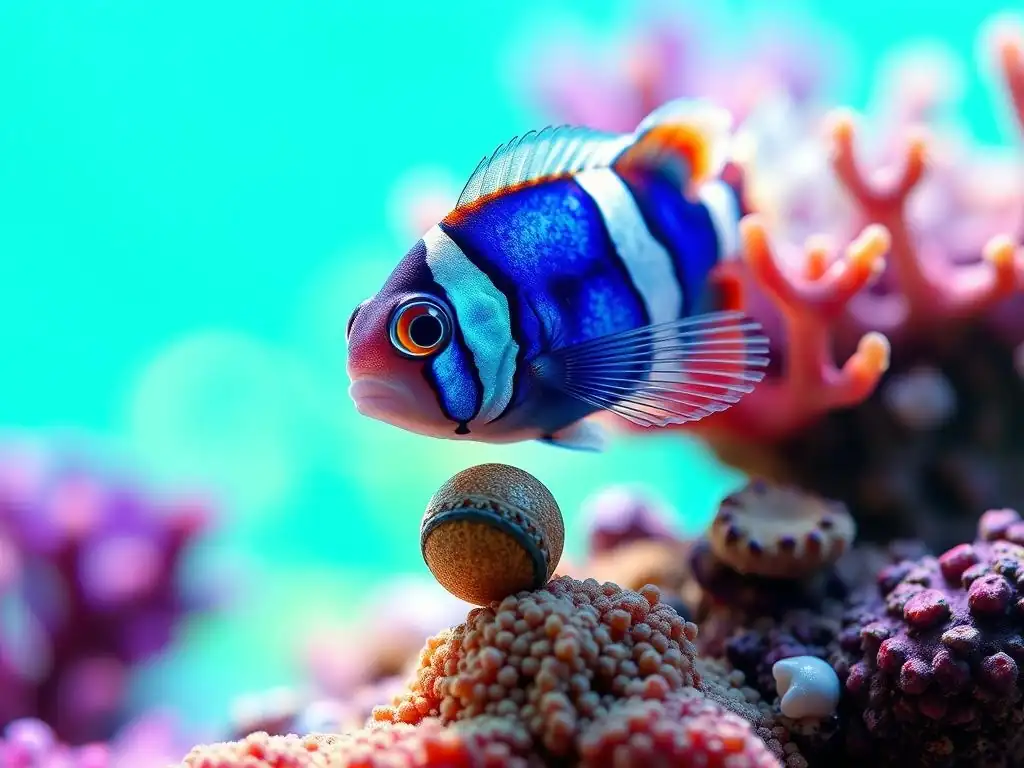
Many goby species, particularly those from the Valenciennea genus like the Diamond Watchman Goby ( Valenciennea puellaris), are renowned for their diligent sand-sifting behavior. This activity primarily serves multiple vital purposes within the nano reef. Firstly, it is a crucial foraging method; gobies sift through mouthfuls of sand, extracting detritus, copepods, amphipods, and other small invertebrates that constitute their natural diet. A healthy sifting goby can process several cubic inches of substrate per hour, demonstrating its active search for sustenance.
Secondly, sand sifting plays an important role in maintaining substrate health. By continuously moving the sand, gobies help to aerate it, preventing the formation of anaerobic pockets that can release harmful hydrogen sulfide gas into the water column. This natural action contributes significantly to the overall stability of the tank's biological filtration. In some instances, particularly with certain species, vigorous sand sifting can also be a preliminary step in preparing a suitable nesting site for breeding, often involving the excavation of a shallow depression or a small burrow where eggs can be laid and protected.
Burrowing Habits: Territory, Security, and Tank Stability
Burrowing is a cornerstone of goby behavior for numerous species, providing essential functions related to security, territory, and even symbiotic relationships. Gobies like the Yellow Watchman Goby ( Cryptocentrus cinctus) or the Tiger Watchman Goby ( Valenciennea strigata) are master excavators, creating intricate tunnel systems that serve as their primary refuge from potential predators and as a secure home base. These burrows can range from simple depressions to complex networks extending several inches deep and wide, sometimes displacing over a pound of sand and small rubble.
The act of burrowing is also a critical aspect of establishing and defending territory. A goby's burrow represents its personal space and a safe haven, which it will often defend vigorously from perceived intruders. For symbiotic gobies, such as the Yasha Goby ( Stonogobiops yasha) that partners with a pistol shrimp, the burrow is a shared home, maintained by the shrimp while the goby acts as a lookout. Aquarists must ensure rockwork is securely epoxied or stacked on the tank bottom to prevent collapses caused by extensive burrowing, which could compromise tank stability and endanger inhabitants.
Goby Hovering: A Sign of Curiosity, Hunting, or Stress?
Goby hovering, where the fish suspends itself in the water column, can convey a range of meanings depending on the context and accompanying goby behavior. Often, it's a sign of curiosity or exploration. A goby might hover near a new piece of coral or a recently introduced tank mate, observing its surroundings with keen interest. This is particularly common in species like the Clown Goby ( Gobiodon okinawae) when they are exploring new perching spots on corals.
In other instances, hovering is directly linked to hunting. Many gobies are ambush predators, and they will hover motionless, patiently waiting for small prey items like copepods or amphipods to drift by before darting forward to strike. This patient observation is a natural and healthy foraging behavior.
However, hovering can also be a significant indicator of stress. If a goby is hovering near the water surface with rapid gill movement (exceeding 70-80 breaths per minute), or if it is hovering motionless and listless in a corner of the tank, it often signals poor water quality (e.g., low oxygen, high nitrates over 20 ppm) or the presence of disease, requiring immediate attention.
Fin Flicking and Display: Identifying Mating Rituals and Aggression
Fin flicking and elaborate fin displays are crucial elements of goby tank communication, serving both in mating rituals and as signs of aggression. During courtship, male gobies, especially those known for pair bonding, will often engage in a vibrant display, fanning out their dorsal and caudal fins, intensifying their coloration, and performing specific "dances" to attract a female. This behavior is a clear signal of readiness to breed and can be quite captivating to observe in a well-established nano reef.
Conversely, fin flicking can also be a warning sign of aggression or territorial disputes. When a goby feels threatened or is defending its territory (often its burrow or a specific coral perch), it may rapidly flick its fins, particularly its dorsal and pectoral fins, as a display of dominance or a challenge to an encroaching tank mate. This "goby behavior" is meant to intimidate and establish boundaries. If accompanied by chasing or nipping, it indicates active conflict, which may require intervention if persistent or causing harm to other inhabitants.
Goby Interactions with Other Fish: Compatibility and Conflict
Understanding goby interactions with other fish is fundamental to maintaining a harmonious nano reef ecosystem. Most nano gobies are generally peaceful towards other non-goby species, making them excellent candidates for community tanks. They typically coexist well with small, docile fish like clownfish, firefish, or small blennies, often ignoring them or showing only fleeting curiosity. However, when it comes to conspecifics (other gobies of the same or very similar species) or fish with similar body shapes and niches, territorial disputes can arise.
Signs of conflict in goby tank communication can include chasing, nipping, rapid color changes (especially darkening), or constant hiding from a particular tank mate. For instance, attempting to house multiple Diamond Watchman Gobies in a tank smaller than 50 gallons without sufficient line of sight breaks can lead to chronic stress and aggression. Observing these interactions closely allows aquarists to identify potential bullies or victims and take corrective action, such as adding more hiding spots, rearranging rockwork to break up lines of sight, or, in severe cases, rehoming an aggressive individual.
Understanding Goby Pair Bonding and Mating Displays
Many goby species, particularly the shrimp gobies and some true gobies like the Neon Goby ( Elacatinus oceanops), are known for their strong pair-bonding tendencies and intricate mating displays. For shrimp gobies, the bond with their pistol shrimp partner is a classic example of symbiotic tank communication; the goby acts as a lookout, signaling danger with a tail flick or body twitch, prompting both to retreat into the shrimp's burrow. This continuous interaction builds a strong, observable partnership.
When a goby pair is ready to mate, their behavior becomes distinctly ritualistic. Males often intensify their colors, perform elaborate "dances" or quivering movements, and fan their fins to entice the female. The pair may engage in "nest cleaning" behavior, meticulously preparing a specific spot, often a crevice within the rockwork or a depression in the sand, where the eggs will be laid. Observing these specific "goby behaviors" provides a fascinating glimpse into their natural reproductive cycles and indicates a high level of comfort and security within their environment.
Recognizing Signs of Stress in Gobies: Water Quality and Tank Mates
Recognizing the subtle yet critical signs of stress in gobies through their altered tank communication is vital for their long-term health. A healthy goby is typically active, exhibits vibrant coloration, and maintains a good appetite. When stressed, gobies often display a range of behavioral changes: loss of appetite, persistent hiding, clamped fins, rapid or labored breathing (gill beats exceeding 90 per minute), and faded or mottled coloration are common indicators. They may also exhibit erratic swimming, darting movements, or constantly rubbing against tank decor.
The primary culprits behind goby stress are usually poor water quality and incompatible tank mates. Even slight elevations in ammonia or nitrite (e.g., 0.1 ppm) or fluctuating salinity (a daily swing of 0.001 SG) can cause significant stress. Aggressive tank mates that continually harass the goby, or insufficient hiding places that leave the goby feeling exposed, also contribute heavily to chronic stress. Prompt identification of these "goby behavior" changes allows aquarists to test water parameters immediately, re-evaluate tank mate compatibility, and address environmental deficiencies before health deteriorates further.
The Role of Environment in Shaping Goby Behavior
Tank Setup for Happy Gobies: Substrate, Rockwork, and Hiding Places
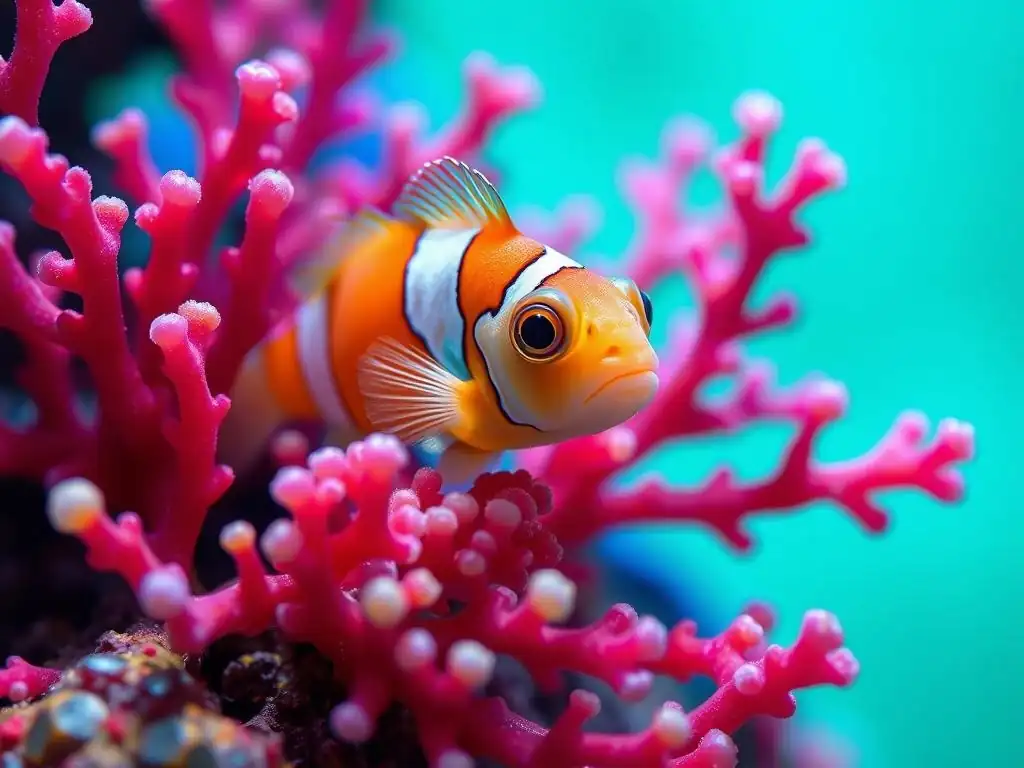
The physical environment of a nano reef tank plays an indispensable role in shaping and encouraging natural goby behavior. For burrowing and sand-sifting gobies, a deep substrate of fine sand is crucial. A sand bed of at least 2-4 inches (5-10 cm) depth, with a grain size of 0.5-2 mm, allows species like the Diamond Watchman Goby to sift efficiently and construct stable burrows. Without adequate substrate, these gobies cannot express their fundamental natural behaviors, leading to stress and inactivity.
Equally important is the strategic placement of rockwork to create stable structures and abundant hiding places. Gobies require crevices, caves, and overhangs where they can retreat for security, rest, or establish territory. Rockwork should be securely aquascaped, preferably epoxied or stacked directly on the tank bottom, to prevent collapses due to the goby's burrowing activities. Providing a diverse landscape with multiple visual barriers helps reduce aggression between tank mates and ensures that each goby can find its own secure niche, promoting natural "goby behavior" and reducing stress.
Water Parameters and Goby Wellbeing: Maintaining a Healthy Habitat
Maintaining stable and appropriate water parameters is the cornerstone of goby wellbeing and directly influences their behavior. Gobies, like most saltwater fish, thrive in consistent conditions. Ideal parameters typically include a salinity of 1.023-1.026 specific gravity (SG), a stable temperature between 74-78°F (23-26°C), and a pH range of 8.1-8.4. Crucially, ammonia and nitrite levels must always be undetectable (0 ppm), and nitrates should be kept below 10-20 ppm through regular water changes and efficient filtration.
Even minor fluctuations in these parameters can cause significant stress, manifesting as altered "goby behavior" such as lethargy, loss of appetite, or rapid breathing. For instance, a sudden drop in pH below 7.9 or a spike in nitrates above 30 ppm can cause a goby to become withdrawn and hide excessively. Consistent monitoring with reliable test kits (at least weekly, or daily during cycling) and proactive maintenance are essential to prevent these stressors. A healthy habitat with stable water chemistry directly translates to active, vibrant gobies exhibiting their full range of natural behaviors.
Impact of Lighting and Flow on Goby Activity and Behavior
Lighting and water flow are two environmental factors that significantly impact goby activity and overall behavior within a nano reef. Most nano gobies, particularly those from reef environments, prefer moderate lighting conditions with areas of both bright illumination and shaded refuge. Excessive light can cause some species, especially those that are naturally shy or burrow-dwelling, to remain perpetually hidden, suppressing their natural foraging and social "goby behavior." Implementing a gradual dawn-to-dusk lighting cycle can also help reduce stress and promote more natural activity patterns.
Water flow also plays a critical role. While some gobies, like those from surge zones, may prefer higher flow, most nano gobies (especially burrowers and perching gobies) prefer areas of moderate to low flow. Strong, turbulent flow can make it difficult for them to swim, maintain their burrows, or forage effectively, leading to exhaustion and stress. Ensuring that there are calmer areas within the tank where gobies can rest and feed, without their burrows being constantly disturbed, is essential for promoting natural "goby behavior" and overall wellbeing.
Advanced Goby Behavior: Identifying and Addressing Problems
Recognizing and Treating Goby Diseases Through Behavioral Changes
Recognizing and promptly addressing goby diseases often begins with identifying subtle changes in their behavior, even before physical symptoms become apparent. For instance, a goby with marine ich ( Cryptocaryon irritans) might initially exhibit flashing (rubbing its body against rocks or substrate) and increased respiration, even before the characteristic white spots appear. Similarly, a bacterial infection might first manifest as lethargy, loss of appetite, or abnormal swimming patterns, such as spiraling or listing to one side, prior to visible fin rot or cloudy eyes.
Effective treatment hinges on early detection. If a goby that normally sifts sand suddenly stops, or one that usually perches on a coral remains hidden for days, it's a strong indication of underlying health issues. These "goby behavior" shifts warrant immediate action, including thorough water parameter testing, close observation for physical signs, and potentially isolating the fish in a quarantine tank for observation and treatment. Understanding the normal behavioral repertoire of your specific goby species is crucial for identifying these critical deviations.
Addressing Aggression and Territoriality in Nano Goby Communities
Aggression and territoriality, while natural in some instances, can become problematic in the confined space of a nano reef if not properly managed. This problematic "goby behavior" often arises from overcrowding, insufficient hiding spots, or the introduction of similar-looking or competitive species. For example, housing two male Watchman Gobies in a 20-gallon tank without ample rockwork and visual barriers is highly likely to result in constant skirmishes and stress for one or both fish.
To address aggression, several strategies can be employed. Firstly, ensure the tank is adequately sized for its inhabitants; a minimum of 10 gallons for a single small goby, and 20+ gallons for a pair or multiple compatible species. Secondly, increase the number of hiding places and break up lines of sight with diverse rock formations. Rearranging existing rockwork can also disrupt established territories. In cases of persistent aggression, especially if one goby is constantly bullying another, separating the aggressive individual into a different tank may be the only long-term solution to prevent injury and chronic stress.
Optimizing Tank Conditions to Encourage Natural Goby Behaviors
Optimizing tank conditions is key to encouraging the full spectrum of natural goby behaviors, making for a more engaging and healthier aquarium. This involves more than just maintaining pristine water quality; it's about replicating their natural habitat as closely as possible. For burrowing gobies, providing a deep, fine sand bed (e.g., 3-4 inches of aragonite sand) is paramount, allowing them to excavate and maintain their intricate homes, which is a fundamental "goby behavior."
Furthermore, incorporating diverse rockwork that offers stable perches, crevices, and overhangs caters to the needs of perching gobies and provides essential security for all species. Introducing live rock and a healthy population of copepods and amphipods can encourage natural foraging and hunting behaviors, reducing reliance on artificial foods. By carefully curating the environment to meet the specific needs of your goby species, you can foster a stress-free habitat where your fish can thrive, exhibit complex "goby behavior," and contribute positively to the nano reef ecosystem.
Case Studies: Real-World Examples of Goby Behavior in Nano Reefs
Case Study 1: Yellow Watchman Goby's Burrowing Behavior and Tank Cycling
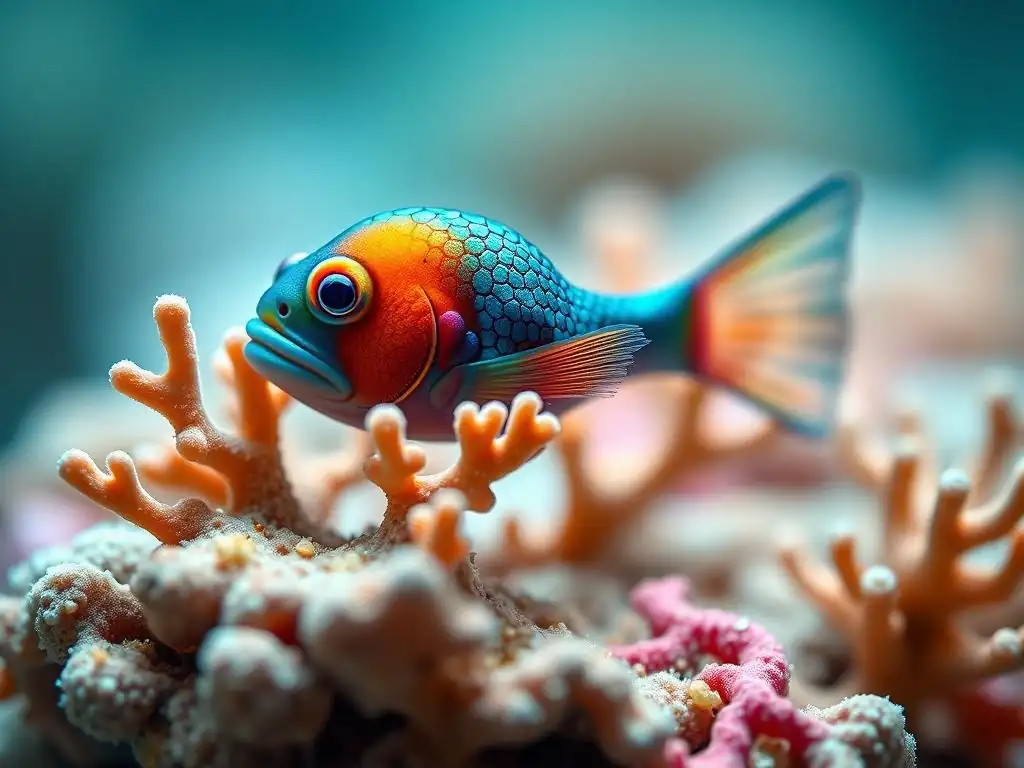
In a 20-gallon nano reef tank that had just completed its nitrogen cycle, an aquarist introduced a Yellow Watchman Goby ( Cryptocentrus cinctus). Within hours of introduction, the goby immediately began excavating a significant burrow under a stable rock structure, displacing an estimated 1.5 pounds of fine aragonite sand over the first 24 hours. This initial, vigorous "goby behavior" was driven by an instinctual need for security and territory establishment in a new environment.
Over the subsequent two weeks, as the tank matured and nitrate levels stabilized around 5-10 ppm, the goby's burrowing activity gradually decreased in intensity. It began spending more time outside its burrow, perching on nearby rocks and actively scanning the water column for food. This shift in "goby behavior" demonstrated the goby's increasing comfort and confidence within its habitat, indicating that it felt sufficiently secure to explore and forage more openly, a clear sign of successful acclimation and a healthy environment.
Case Study 2: Yasha Goby's Interaction with a Tiger Pistol Shrimp
An aquarist introduced a Yasha Goby ( Stonogobiops yasha) to a 15-gallon nano reef already home to a Tiger Pistol Shrimp ( Alpheus bellulus). Initially, the Yasha Goby was reclusive, hiding in a crevice. However, within 48 hours, it located the shrimp's burrow. The goby then positioned itself at the burrow's entrance, acting as a vigilant lookout. When a larger, inquisitive clownfish approached the burrow too closely (within 3 inches), the goby rapidly flicked its caudal fin against the shrimp, signaling an immediate retreat into the burrow for both.
This intricate "tank communication" and symbiotic "goby behavior" became a regular pattern. The goby's constant vigilance and specific tail-flicking signal provided invaluable protection to the blind shrimp, while the shrimp's burrow offered a secure, shared refuge. This real-world example highlights the complex interspecies communication and mutualistic relationships that can be fostered in a well-planned nano reef, showcasing the goby's role as both guardian and beneficiary.
Case Study 3: Clown Goby's Response to Changes in Salinity
During a routine 20% water change in a 10-gallon nano reef, an aquarist inadvertently caused a rapid drop in salinity from 1.025 SG to 1.022 SG over a 2-hour period due to an error in mixing the new saltwater. A resident Green Clown Goby ( Gobiodon atrangulatus), typically perched vibrantly on a Pocillopora coral, immediately exhibited signs of distress. Its vibrant green coloration paled significantly, and it detached from the coral, hovering motionless near the substrate with rapid gill movements, estimated at over 90 breaths per minute.
The goby then retreated into a small crevice in the rockwork, remaining hidden and inactive for several hours. Once the aquarist identified the salinity drop and slowly corrected it back to 1.025 SG over a 6-hour period, the goby gradually regained its vibrant coloration and resumed its normal perching "goby behavior" by the following morning. This case clearly illustrates how sensitive gobies are to sudden environmental shifts and how their "goby behavior" serves as a direct, immediate indicator of physiological stress caused by unstable water parameters.
Promoting Positive Goby Behavior in Your Nano Reef
Tips for Creating a Stress-Free Environment for Gobies
Creating a stress-free environment is paramount for promoting positive goby behavior and ensuring their long-term health in a nano reef. Firstly, consistently maintain stable water parameters; this means regular testing (at least weekly for established tanks, daily during cycling) and performing routine water changes (e.g., 10-20% bi-weekly) to keep nitrates below 10 ppm and ensure no detectable ammonia or nitrite. Temperature and salinity should remain constant, avoiding swings greater than 1°F or 0.001 SG in 24 hours.
Secondly, provide an abundance of appropriate hiding places and stable rockwork. For burrowing species, ensure a deep, fine sand bed of at least 3 inches. For perching gobies, offer plenty of branched corals or stable rock structures with small crevices. Thirdly, choose compatible tank mates carefully, avoiding overly aggressive or boisterous fish that might outcompete gobies for food or harass them. Lastly, minimize sudden changes to the tank environment, such as abrupt lighting shifts or major aquascaping alterations, which can cause significant stress to these sensitive fish.
The Benefits of a Diverse and Balanced Nano Reef Ecosystem
A diverse and balanced nano reef ecosystem offers numerous benefits that directly contribute to positive goby behavior and overall wellbeing. A healthy ecosystem provides a natural and continuous food source in the form of copepods, amphipods, and other micro-invertebrates that naturally colonize live rock and sand. This encourages natural foraging "goby behavior," enriching their daily routine and supplementing their diet beyond prepared foods.
Furthermore, a balanced ecosystem often includes beneficial symbiotic relationships. For example, the presence of a compatible pistol shrimp can lead to a fascinating partnership with a shrimp goby, where the goby acts as a lookout while the shrimp maintains their shared burrow. This interaction promotes natural "goby behavior" and provides essential security. A thriving microfauna also contributes to the tank's biological filtration, leading to more stable water parameters and a healthier environment, which in turn reduces stress and allows gobies to exhibit their full range of natural and engaging behaviors.
Target Feeding Strategies to Encourage Natural Hunting Behaviors
Implementing target feeding strategies can significantly encourage natural hunting behaviors in gobies and ensure they receive adequate nutrition, especially in a community tank where they might be outcompeted. Instead of simply broadcasting food into the water column, use a pipet or long tongs to deliver small portions of food directly to your goby's vicinity, near its burrow or preferred perching spot. This mimics the natural process of finding and capturing prey.
Offer a varied diet of high-quality frozen foods such as mysis shrimp, enriched brine shrimp, copepods, and finely chopped seafood several times a day in small amounts. Observe your goby behavior during feeding to ensure it is actively eating and not being intimidated by other tank mates. This direct approach not only guarantees that the goby gets enough to eat but also stimulates its natural hunting instincts, promoting active and engaging "goby behavior" that is both beneficial for the fish and rewarding for the aquarist to observe.
Frequently Asked Questions
What are some common signs of stress in Goby behavior?
Common signs of stress include rapid breathing, hiding excessively, and loss of appetite. These can indicate poor water quality or bullying.
How do Gobies communicate within their tank environment?
Gobies communicate through a combination of body language, color changes, and fin movements. These signals help establish hierarchy and signal danger.
What does it mean if my Goby is constantly digging and rearranging the substrate?
While some digging is natural, excessive digging might indicate boredom, searching for food, or an attempt to create a more secure burrow.
Can Gobies communicate with other species in the aquarium?
While Gobies primarily communicate with each other, they can also display behaviors that other fish recognize as threats or signs of submission. These interactions are often species-specific.
How important is it to understand Goby behavior for maintaining a healthy nano aquarium?
Understanding Goby behavior is crucial for maintaining a balanced nano aquarium. It allows you to identify problems early and prevent stress and disease among your fish.
Final Reflection: Decoding the Whispers of the Reef
The intricate tapestry of goby behavior, often overlooked in the vibrant chaos of a reef tank, is now being recognized as a vital key to understanding the overall health and harmony of our miniature ecosystems. What was once perceived as simple fish activity is now understood as a complex language, a silent conversation happening right before our eyes, impacting everything from breeding success to disease prevention.
This exploration into goby behavior has profoundly influenced my perspective on responsible reef keeping. It's shifted from merely providing a habitat to actively listening and responding to the subtle cues of these fascinating creatures. The greatest service we can do for any creature is to understand it.
This quote resonates deeply, reminding us that true stewardship lies in deciphering the needs and communications of the life we choose to nurture.
Now, armed with a deeper understanding of goby behavior and tank communication, I invite you to look anew at your own nano reef. Observe, listen, and learn from the silent whispers of your gobies. By tuning into their subtle signals, you can unlock a richer, more rewarding experience, fostering a thriving and balanced ecosystem that benefits all its inhabitants. Your attentiveness is not just about keeping fish; it's about cultivating a deeper connection with the natural world, one tiny goby at a time.
Unveil Your Goby's Secrets!
Thank you for diving into the fascinating world of Goby behavior! We hope you've gained valuable insights into understanding your nano fish. Now, let's turn that knowledge into action!
Here's how you can deepen your connection with your Goby:
- Start a journal dedicated to observing your Goby's daily activities. Note any unusual behavior, feeding patterns, or interactions with tank mates.
- Share your Goby's unique quirks and funny moments with other aquarium enthusiasts on social media using the hashtag #GobyLife. Let's celebrate these tiny titans!
- Try a new enrichment activity! Introduce a small, Goby-safe toy or rearrange the tank decor slightly to stimulate their natural curiosity.
What's one subtle behavior change you've noticed in your Goby recently, and what do you think it means? Share your observations below!