
The Lionfish Diet: What, When, and How to Feed for Optimal Health

Welcome to Aquarium Mastery!
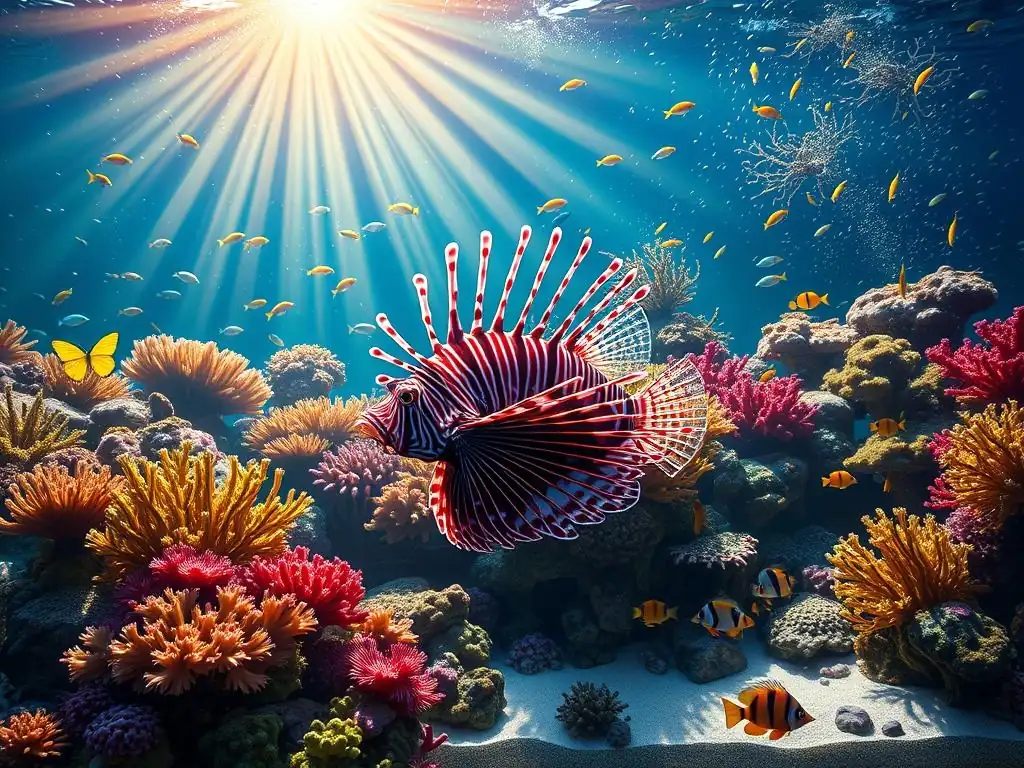
Are you ready to unlock the secrets to a thriving lionfish aquarium? Curious about ensuring your majestic predator gets the optimal nutrition it needs to flourish? Dive into our comprehensive Lionfish Feeding Guide and discover the what, when, and how of feeding these stunning creatures for peak health and longevity. Let's explore the fascinating world of lionfish diets together!
- Understanding Lionfish Nutritional Needs for a Thriving Aquarium
- What Do Lionfish Eat? A Comprehensive Lionfish Feeding Guide
- How Often to Feed Lionfish: Establishing a Feeding Schedule
- Lionfish Feeding Techniques: Ensuring Successful Meals
- Transitioning Your Lionfish to a Healthier Diet
- Maintaining Water Quality During and After Feeding
- Common Lionfish Feeding Mistakes to Avoid
- Optimizing Lionfish Health Through Proper Diet and Care
- Conclusion: Mastering Lionfish Feeding for a Healthy and Vibrant Aquarium.
-
Frequently Asked Questions
- What is the best type of food to feed a lionfish for optimal health?
- How often should I feed my lionfish to maintain optimal health?
- What are the signs of overfeeding or underfeeding a lionfish, and how does it impact their health?
- Can I train my lionfish to accept non-live food, and how does this contribute to their health?
- What water parameters are crucial to consider when feeding lionfish, and how do they relate to optimal health?
- Final Reflection: Nurturing Health Through Informed Feeding
- Unleash the Vibrant Potential of Your Lionfish!
Understanding Lionfish Nutritional Needs for a Thriving Aquarium
Why Proper Lionfish Feeding is Crucial for Longevity
Proper nutrition is not merely about satisfying hunger; it is the cornerstone of a lionfish's long-term health and vitality in a captive environment. Without a meticulously planned and executed feeding regimen, these predatory marvels can suffer from a range of nutritional deficiencies and health complications that significantly shorten their lifespan.
For instance, a diet lacking essential fatty acids or vitamins can lead to issues such as fatty liver disease, compromised immune function, and diminished coloration, all of which are common ailments in improperly fed lionfish. Wild lionfish, benefiting from a diverse natural diet, can live upwards of 10 to 15 years, while those in captivity often succumb to diet-related issues within 5 to 7 years if a comprehensive lionfish feeding guide optimal health is not followed.
Furthermore, an unbalanced diet can severely impact a lionfish's growth rate and overall physical development. Young lionfish, in particular, require a steady supply of high-quality protein and essential nutrients to support rapid development. Inadequate feeding during this critical period can result in stunted growth, skeletal deformities, and a general lack of vigor.
Conversely, overfeeding or providing an overly rich diet can lead to obesity, swim bladder issues, and increased waste production, stressing the aquarium's biological filtration system. Therefore, understanding and implementing the right lionfish feeding guide optimal health principles is paramount to ensuring these magnificent fish thrive for their full potential lifespan.
The Importance of a Varied Diet for Lionfish Health
A varied diet is absolutely essential for lionfish, mirroring the diverse prey they would consume in their natural coral reef habitats. Relying on a single type of food, even if seemingly nutritious, can lead to subtle yet significant nutritional imbalances over time.
For example, feeding only a single type of feeder fish or frozen food can result in deficiencies in specific vitamins like Vitamin A, D, or E, or a lack of crucial trace elements. These deficiencies can manifest as faded colors, fin rot, poor wound healing, and a general susceptibility to diseases, detracting from the lionfish's overall health and aesthetic appeal.
Incorporating a range of food items, such as different types of frozen crustaceans (mysis shrimp, krill), marine fish flesh, and occasional gut-loaded live foods, ensures a broader spectrum of nutrients. This diversity helps prevent the accumulation of specific deficiencies or excesses, promoting robust immune function, vibrant coloration, and healthy organ development.
A well-rounded lionfish feeding guide optimal health strategy emphasizes rotational feeding, where different food types are offered throughout the week, ensuring the lionfish receives all necessary amino acids, fatty acids, and micronutrients for peak condition. This approach not only provides comprehensive nutrition but also stimulates the lionfish's natural hunting instincts and keeps them engaged.
What Do Lionfish Eat? A Comprehensive Lionfish Feeding Guide
Natural Prey vs. Aquarium Diet: Mimicking the Wild
In their natural habitat, lionfish are opportunistic predators, primarily preying on small fish and crustaceans. Studies of lionfish stomach contents in the Indo-Pacific have revealed diets consisting of a wide variety of small reef fish species, including damselfish, gobies, and juvenile snappers, alongside various shrimp and crab species.
This natural diet is rich in protein, essential fatty acids (particularly Omega-3s), and chitin, providing a complete nutritional profile for these active hunters. Replicating this exact diversity in a home aquarium is challenging, but understanding their wild diet is crucial for formulating an effective lionfish feeding guide optimal health plan in captivity.
The primary goal of an aquarium lionfish diet is to provide all the necessary nutrients found in their natural prey, without introducing disease or parasites often associated with wild-caught live foods. This typically involves a transition to high-quality frozen foods, supplemented with occasional live options.
While live feeder fish might seem like a natural choice, they often lack the nutritional value of a varied wild diet and can pose health risks. Therefore, the focus shifts to carefully selected and prepared frozen foods that mimic the nutritional composition of their natural prey, ensuring the lionfish receives a balanced intake of proteins, lipids, and vitamins necessary for maintaining optimal health and vibrancy.
Live Food Options for Lionfish: Benefits and Considerations
While the primary diet for captive lionfish should consist of high-quality frozen foods, live food can occasionally serve as a valuable supplement, primarily for stimulating natural hunting instincts or enticing a finicky eater. However, the use of live feeders comes with significant considerations regarding their nutritional value and potential for disease transmission. It's crucial to select live foods that are appropriate in size and source, and to always gut-load them to enhance their nutritional content before offering them to your lionfish.
Ghost Shrimp: Types, Risks, and Ethical Considerations
Ghost shrimp ( Palaemonetes paludosus), often available at local fish stores, are a popular live food choice for lionfish due to their relatively small size and ease of acquisition. They provide an excellent opportunity for lionfish to engage in natural hunting behaviors, which can reduce stress and improve overall well-being.
However, ghost shrimp alone are not nutritionally complete; their natural protein content can be as low as 10-15% by dry weight, and they are notoriously low in essential fatty acids. Therefore, they must be "gut-loaded" for at least 24-48 hours prior to feeding by providing them with a high-quality, nutrient-rich diet (e.g., spirulina flakes, marine pellets, or specialized gut-loading formulas).
Despite their benefits for behavioral enrichment, ghost shrimp, like all live feeders, carry a risk of introducing parasites or diseases into the aquarium. While often touted as relatively safe, there's always a slight chance of transmitting internal parasites or bacterial infections if their source is not reputable or if they haven't been properly quarantined.
Ethical considerations also arise concerning the use of live animals as food; aquarists should weigh these factors against the behavioral benefits. For a comprehensive lionfish feeding guide optimal health, ghost shrimp should be viewed as an occasional treat or training aid, rather than a dietary staple, and always gut-loaded to maximize their nutritional contribution.
Grass Shrimp and Crustaceans: A Nutritious Treat
Beyond ghost shrimp, other types of live crustaceans, such as grass shrimp ( Palaemonetes pugio) or small freshwater crabs (if appropriately sized and sourced), can offer a more nutritionally robust live food option for lionfish. Grass shrimp, for instance, are often larger and can be more readily gut-loaded with beneficial nutrients. These crustaceans provide not only protein and fat but also chitin, which aids in digestion and can contribute to healthy exoskeleton development in the lionfish. Their harder exoskeletons also provide a more challenging and enriching hunting experience for the lionfish.
When sourcing grass shrimp or other live crustaceans, it is vital to ensure they are free of disease and parasites. Purchasing from a reputable aquatic supplier that maintains clean holding tanks and practices responsible husbandry is paramount.
As with ghost shrimp, gut-loading these crustaceans for 24-48 hours with a high-quality marine-based food or vitamin-enriched formula significantly enhances their nutritional value, making them a more beneficial component of a varied lionfish feeding guide optimal health plan. These live treats should still be offered sparingly, perhaps once or twice a month, to complement a primary diet of frozen foods, ensuring a balanced and safe nutritional intake for your predatory pet.
Frozen Food for Lionfish: A Convenient and Safe Alternative
Frozen foods represent the safest and most convenient primary diet for captive lionfish. They eliminate the risk of introducing parasites and diseases commonly associated with live feeder fish, and when sourced correctly, offer a consistent and balanced nutritional profile. The variety available in frozen foods allows aquarists to easily provide the diverse diet essential for long-term lionfish health. This category typically includes various types of frozen marine fish flesh, shrimp, and other crustaceans, all designed to mimic the natural prey of lionfish in a controlled and nutrient-rich format.
The key to successful frozen feeding lies in selecting high-quality products and preparing them properly. Frozen foods should be free of excessive binders or fillers and should be specifically formulated for marine carnivores. Brands that flash-freeze their products often retain more nutrients. By making high-quality frozen foods the cornerstone of your lionfish feeding guide optimal health, you can ensure a consistent supply of essential proteins, lipids, and vitamins without the inherent risks of live feeders.
Choosing High-Quality Frozen Mysis Shrimp and Krill for Lionfish
Mysis shrimp ( Mysis relicta or Mysis diluviana) and krill ( Euphausia superba) are two of the most highly recommended frozen food items for lionfish due to their excellent nutritional profiles. Mysis shrimp are rich in protein (often exceeding 60% dry weight) and beneficial fatty acids, including Omega-3s, which are crucial for immune function, vibrant coloration, and overall vitality. Their relatively small size also makes them suitable for younger lionfish or as a staple for adults, encouraging natural feeding behaviors.
Similarly, krill are an outstanding source of protein and lipids, known for their high content of astaxanthin, a natural carotenoid that enhances the red and orange pigmentation in lionfish, contributing to their striking appearance. Krill can contain protein levels upwards of 50-60% dry weight and significant amounts of beneficial oils. When selecting these frozen foods, look for brands that offer whole, intact specimens and minimal "freezer burn," which indicates quality preservation.
Avoiding products with excessive ice or fillers ensures you are paying for nutrient-dense food. Incorporating both mysis shrimp and krill into your lionfish feeding guide optimal health strategy provides a diverse and complete nutritional foundation.
Preparing and Thawing Frozen Food Correctly
Proper preparation and thawing of frozen foods are critical steps that impact both the safety and nutritional integrity of the meal for your lionfish. Never feed frozen food directly from the freezer, as it can cause internal chills or damage to the lionfish's digestive tract. The correct method involves thawing the portion of food in a small cup of dechlorinated freshwater or tank water. Avoid using tap water directly, as chlorine and chloramines can be harmful, and avoid hot water or microwaves, which can degrade sensitive nutrients like vitamins and essential fatty acids.
Once thawed, typically within 10-15 minutes depending on the quantity, gently swirl the food in the water to separate individual pieces. It's advisable to strain the food using a fine-mesh net to remove any excess "juice" or phosphates that can contribute to water quality issues in the aquarium. This strained, thawed food is then ready to be offered to your lionfish.
Any uneaten thawed food should be discarded immediately and never refrozen, as refreezing can lead to bacterial growth and further nutrient degradation. This meticulous preparation ensures your lionfish receives a safe, palatable, and nutritionally intact meal, aligning with a responsible lionfish feeding guide optimal health.
Supplementation: Enhancing Your Lionfish's Diet
While a varied diet of high-quality frozen foods forms the backbone of a lionfish's nutrition, certain supplements can further enhance their health, especially for fish that may have specific deficiencies or are recovering from stress or illness. These supplements typically include liquid vitamin complexes and essential fatty acid boosters, which can be easily incorporated by soaking the frozen foods before feeding. This targeted approach ensures that your lionfish receives a comprehensive array of nutrients that might be less abundant in commercially prepared foods.
Supplementation should not replace a diverse primary diet but rather act as an enhancement. Over-supplementation can be as detrimental as under-supplementation, leading to imbalances. Therefore, understanding when and how to use these products is key to optimizing your lionfish feeding guide optimal health.
Vitamin Supplements for Lionfish: When and How to Use Them
Vitamin supplements, such as Selcon, Vita-Chem, or other marine-specific liquid vitamin complexes, can play a vital role in ensuring your lionfish receives a full spectrum of essential micronutrients. These supplements are particularly beneficial for new arrivals, fish under stress, those recovering from illness, or if your primary frozen food selection lacks certain vitamins due to processing or storage. Vitamins like A, D3, E, and B-complex are crucial for immune function, bone health, vision, and metabolic processes in marine fish. For example, Vitamin A is essential for healthy slime coat and vision, while Vitamin E acts as a powerful antioxidant.
To use liquid vitamin supplements, simply add a few drops to the thawed frozen food about 10-15 minutes before feeding. Allow the food to soak up the vitamins, ensuring they are absorbed by the food particles rather than dissolving immediately into the tank water, where they become less bioavailable to the fish. A common recommendation is to supplement 2-3 times per week, rotating with non-supplemented feedings to prevent over-dosing.
Always follow the manufacturer's instructions for dosage, as excessive amounts of fat-soluble vitamins (A, D, E, K) can accumulate and become toxic. This judicious use of supplements is a key aspect of a thorough lionfish feeding guide optimal health.
Essential Fatty Acids for Optimal Lionfish Health
Essential fatty acids (EFAs), particularly Omega-3s like DHA (Docosahexaenoic Acid) and EPA (Eicosapentaenoic Acid), are indispensable for optimal lionfish health. These fatty acids are critical for cell membrane integrity, hormone production, immune system function, and neurological development. Lionfish, as carnivores, cannot synthesize these EFAs themselves and must obtain them directly from their diet. While high-quality frozen foods like mysis shrimp and krill contain EFAs, supplementary sources can ensure adequate levels, especially if the primary diet is varied but not consistently rich in these specific lipids.
Products like Selcon are not only vitamin supplements but are also rich in highly unsaturated fatty acids (HUFA), including DHA and EPA. To supplement EFAs, soak thawed frozen foods in an EFA-enriched solution for about 10-15 minutes prior to feeding, similar to vitamin supplementation. This method ensures that the food is imbued with these vital lipids before consumption.
Offering EFA-enriched foods 2-3 times per week can significantly improve a lionfish's coloration, fin health, and overall vigor. Ensuring a steady supply of these crucial fatty acids is a key component of a comprehensive lionfish feeding guide optimal health, promoting long-term well-being and disease resistance.
How Often to Feed Lionfish: Establishing a Feeding Schedule
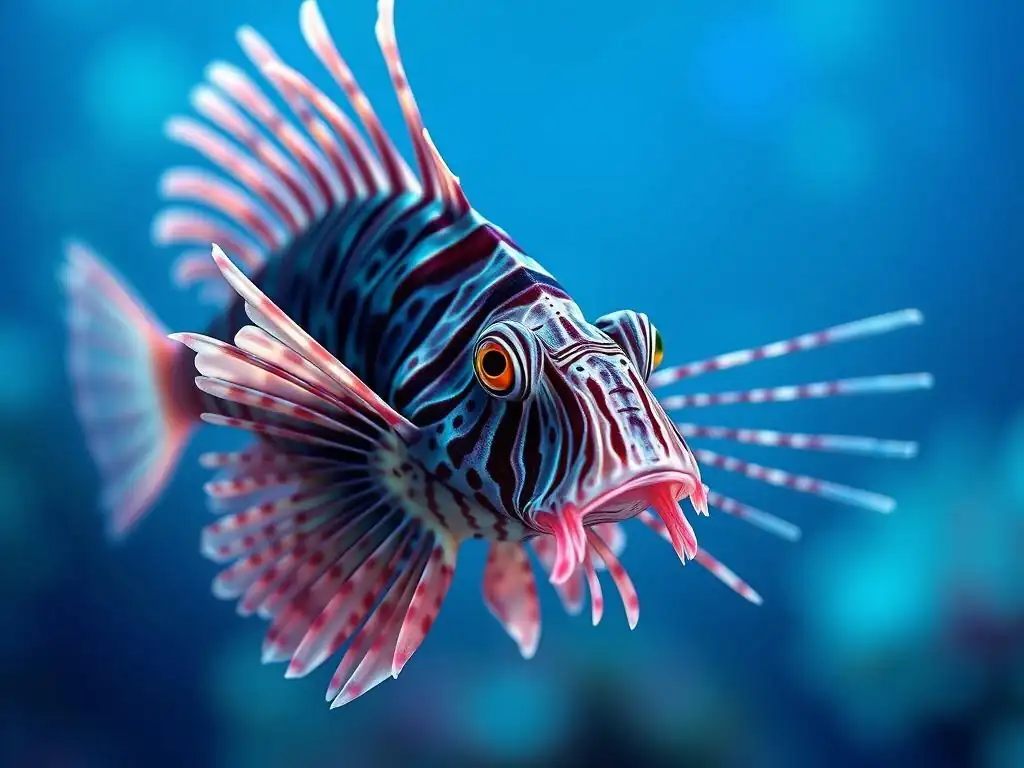
Establishing an appropriate feeding schedule is as important as the type of food offered when it comes to a lionfish feeding guide optimal health. The frequency of feeding depends on the lionfish's age, size, and activity level, as well as the nutritional density of the food. Overfeeding can lead to obesity and water quality issues, while underfeeding can result in malnutrition and stunted growth. A balanced approach ensures the lionfish receives adequate nutrition without compromising its health or the aquarium environment.
Lionfish Feeding Frequency: Balancing Growth and Health
The ideal feeding frequency for lionfish varies significantly with their life stage. Juvenile lionfish, typically less than 4-5 inches in length, have higher metabolic rates and are in a period of rapid growth. For these younger specimens, feeding once daily, or even twice daily with smaller portions, is generally recommended. This consistent supply of nutrients supports their development and prevents stunted growth. As lionfish mature and grow larger, their metabolic rate slows, and their need for frequent meals decreases.
Adult lionfish (over 6-7 inches) typically thrive on a feeding schedule of 2-3 times per week. For instance, offering food every other day, or every two days, allows their digestive system to process previous meals fully and prevents overfeeding. A large adult lionfish, such as an 11-inch Pterois volitans, might consume 3-5 pieces of appropriately sized frozen food (e.g., silversides or large krill) per feeding.
Observing your lionfish's body condition – a slightly rounded belly after feeding that returns to normal within 24-48 hours – is key to fine-tuning this frequency. This careful balance is central to any effective lionfish feeding guide optimal health.
Recognizing Signs of Overfeeding or Underfeeding in Lionfish
Careful observation of your lionfish's appearance and behavior is crucial for determining if your feeding schedule is appropriate. Signs of underfeeding include a noticeably sunken belly, particularly behind the pectoral fins, lethargy, reduced activity, and a general lack of vibrant coloration. A lionfish that consistently appears thin or seems overly aggressive during feeding times may not be receiving enough food. Prolonged underfeeding will lead to weight loss, muscle atrophy, and a weakened immune system, making the fish susceptible to various diseases.
Conversely, overfeeding can be equally detrimental. Signs of overfeeding in lionfish include a consistently distended or bulging belly, excessive fat deposits around the gills or base of the fins, and sometimes a reluctance to eat during scheduled feedings because they are still full. Overfed lionfish may also appear less active or display labored breathing.
Beyond the fish's health, overfeeding significantly contributes to poor water quality, leading to elevated nitrates, phosphates, and potentially ammonia, which are harmful to all tank inhabitants. Regularly assessing your lionfish's body condition and adjusting feeding amounts based on these observations is a vital aspect of a successful lionfish feeding guide optimal health.
Lionfish Feeding Techniques: Ensuring Successful Meals
Beyond what and when to feed, how you present food to your lionfish plays a significant role in their successful adaptation to a captive diet and their overall well-being. Lionfish are ambush predators by nature, and while they can learn to accept prepared foods, using appropriate feeding techniques can make the process more efficient, reduce waste, and ensure even shy individuals receive adequate nutrition. These techniques are especially important when training a lionfish to transition from live feeder fish to frozen alternatives.
Target Feeding: A Precise Method for Nutritional Delivery
Target feeding is the most effective and recommended method for feeding lionfish in a home aquarium. This technique involves offering individual pieces of food directly to the lionfish using a long feeding stick, tongs, or a turkey baster.
The primary benefit of target feeding is precision: it ensures that each piece of food is consumed by the intended fish, preventing aggressive tank mates from monopolizing the meal and ensuring that even shyer lionfish receive their fair share. This method also significantly reduces wasted food, which in turn minimizes the amount of decaying organic matter in the water, thereby helping to maintain pristine water quality.
To execute target feeding, thaw and prepare the food as described previously. Then, gently present a piece of food on the end of a feeding stick or tongs directly in front of the lionfish, allowing it to strike and consume the food. Lionfish have excellent eyesight and will typically track the food as it approaches. This direct approach also allows for close observation of the lionfish's feeding response, helping you gauge its appetite and overall health. Target feeding is a cornerstone of a precise lionfish feeding guide optimal health, promoting efficient nutrient delivery and reducing environmental impact.
Using Feeding Sticks or Tongs to Present Food
Feeding sticks or long, specialized tongs are indispensable tools for feeding lionfish. These tools serve multiple purposes: they keep your hands safely away from the lionfish's venomous spines, allow for precise food placement, and help train the lionfish to associate the stick with food, making future feedings easier. Feeding sticks are typically made of inert materials like acrylic or stainless steel, ranging from 12 to 24 inches in length, which is sufficient to reach most areas of a standard aquarium without submerging your arm.
When using a feeding stick, gently grasp a piece of thawed food (e.g., a silverside or a cluster of mysis shrimp) with the tongs. Slowly lower the food into the water, moving it in front of the lionfish's mouth. A slight wiggle or gentle movement of the food can sometimes entice a reluctant eater.
Over time, your lionfish will learn to recognize the stick and often approach it expectantly. This method is not only safer for the aquarist but also allows for a more controlled feeding environment, which is vital for adhering to a strict lionfish feeding guide optimal health.
Training Your Lionfish to Accept Prepared Foods
Training a newly acquired lionfish, especially one that has been accustomed solely to live feeder fish, to accept prepared frozen foods can be a challenging but rewarding process. Patience and consistency are key. Start by offering the lionfish live ghost shrimp or grass shrimp that have been gut-loaded with high-quality marine food. While the lionfish is accustomed to eating from your feeding stick, gradually introduce pieces of thawed frozen food.
Begin by offering a mixture of live and frozen food on the same feeding stick, or by offering a live shrimp followed immediately by a piece of frozen food. Some aquarists find success by lightly scenting the frozen food with the juice from a live feeder or a strong-smelling marine food like clam. Over several weeks, gradually reduce the live component and increase the frozen.
It may take time, sometimes several weeks or even a month, for a lionfish to fully transition. During this period, it's crucial not to starve the fish but to be persistent with offering the desired food. Once accustomed, a lionfish will readily strike at frozen foods offered via a stick, making their care much simpler and safer, aligning perfectly with a sustainable lionfish feeding guide optimal health.
Transitioning Your Lionfish to a Healthier Diet
Transitioning a lionfish, particularly one that has been exclusively fed feeder fish, to a more balanced and nutritious diet of frozen foods is a critical step for its long-term health. This process requires patience, consistency, and a strategic approach to overcome their natural instinct for live prey. The goal is to gradually introduce new food items while ensuring the lionfish continues to receive adequate nutrition.
Gradual Introduction of New Food Items
The key to successful dietary transition is gradualism. Begin by offering the lionfish its familiar live food, but then immediately follow up with a small, appropriately sized piece of thawed frozen food, presented on a feeding stick. For instance, if the lionfish readily accepts ghost shrimp, offer one or two ghost shrimp, then quickly offer a piece of frozen silverside or krill. The lionfish might initially ignore the frozen food, but repetition is crucial. Some aquarists find it effective to "wiggle" the frozen food on the stick to mimic live prey movement.
Over several days to a week, slowly reduce the number of live feeders while increasing the frozen food offerings. Consider "scenting" the frozen food by rubbing it against a live feeder fish or soaking it in a small amount of water from a bag containing live shrimp. This can make the frozen food more appealing. It's important not to starve the lionfish during this process, especially if it's a new arrival already stressed. A gradual introduction minimizes stress and increases the likelihood of long-term success, making this a vital part of any effective lionfish feeding guide optimal health.
Addressing Food Refusal: Troubleshooting Lionfish Feeding Problems
Food refusal can be a frustrating but common issue when transitioning a lionfish. If your lionfish consistently refuses frozen foods, there are several troubleshooting steps to consider. First, ensure the food size is appropriate; lionfish prefer larger, whole pieces rather than flakes or pellets. If the fish is new to the tank, allow it a few days to acclimate before attempting to feed. Stress from a new environment can suppress appetite.
If refusal persists, try offering different types of frozen foods. Some lionfish show a preference for specific textures or smells. For example, some might prefer whole frozen silversides, while others might take readily to mysis shrimp or krill. You can also try feeding at different times of the day, as lionfish can be more active hunters during certain periods.
If the lionfish still refuses, a short period of fasting (1-2 days for adults) can sometimes stimulate appetite, but this should be done cautiously. If the fish appears thin or lethargic, consult with an experienced aquarist or veterinarian. Persistent food refusal can indicate an underlying health issue. Patience and persistence, combined with varied approaches, are essential for overcoming food refusal and maintaining a comprehensive lionfish feeding guide optimal health.
Maintaining Water Quality During and After Feeding
The act of feeding, while crucial for your lionfish's health, inevitably impacts the water quality of your aquarium. Uneaten food and the metabolic waste produced by the fish contribute to the organic load in the tank. For predatory fish like lionfish, which consume relatively large, protein-rich meals, this impact can be significant. Therefore, proper water quality management is an integral part of any lionfish feeding guide optimal health strategy, ensuring that the tank environment remains stable and healthy.
The Impact of Lionfish Feeding on Aquarium Parameters
The consumption of food by lionfish, followed by the excretion of waste products, directly influences key water parameters. Protein-rich foods break down into ammonia (NH3) and ammonium (NH4+), which are highly toxic to fish. While a healthy biological filter converts these into less toxic nitrites (NO2-) and then nitrates (NO3-), heavy feeding can overwhelm this process, leading to dangerous spikes. Uneaten food also decomposes, releasing ammonia and contributing to the overall organic load, which can fuel algae growth and increase phosphate levels.
High nitrate levels, while less acutely toxic than ammonia or nitrite, can still stress lionfish over time, suppressing their immune system and making them more susceptible to disease. Phosphates, derived from food and waste, can lead to nuisance algae blooms that compete with desirable corals and diminish the aesthetic appeal of the aquarium. Therefore, understanding this direct link between feeding practices and water chemistry is paramount. A responsible lionfish feeding guide optimal health must encompass robust water quality management to prevent these negative impacts.
Water Changes and Filtration: Minimizing Waste Buildup
To counteract the impact of feeding on water quality, regular water changes and efficient filtration are indispensable. Weekly or bi-weekly water changes, typically ranging from 10% to 20% of the tank volume, are highly recommended for lionfish aquariums. This practice physically removes accumulated nitrates, phosphates, and other dissolved organic compounds, replenishing trace elements and maintaining stable parameters. For instance, in a 75-gallon lionfish tank fed every other day, a 15% bi-weekly water change can reduce nitrate accumulation by approximately 30-40% compared to no changes, assuming a healthy biological filter.
In addition to water changes, robust mechanical, biological, and chemical filtration are essential. A protein skimmer is highly effective at removing dissolved organic compounds before they break down into ammonia and nitrates, reducing the bioload significantly. Mechanical filtration (filter socks, sponges) should be cleaned or replaced frequently, at least once a week, to remove particulate matter before it decomposes.
Chemical filtration, such as activated carbon or phosphate removers, can further polish the water by adsorbing undesirable compounds. By combining these filtration methods with diligent water changes, aquarists can effectively minimize waste buildup and maintain the pristine water quality necessary for a thriving lionfish, completing the cycle of a comprehensive lionfish feeding guide optimal health.
Common Lionfish Feeding Mistakes to Avoid
Even with the best intentions, aquarists can sometimes make common mistakes when feeding lionfish that can lead to health issues or compromise water quality. Recognizing and avoiding these pitfalls is crucial for maintaining a healthy and vibrant lionfish and ensuring the long-term success of your aquarium. Adhering to a well-researched lionfish feeding guide optimal health means being aware of these common errors.
Overfeeding and Obesity in Lionfish
One of the most prevalent and detrimental mistakes is overfeeding. While it might seem harmless to give your lionfish an extra piece of food, consistent overfeeding leads directly to obesity. An obese lionfish will exhibit a consistently bulging belly, excessive fat deposits around its fins and gills, and may become lethargic. Just like in humans, obesity in fish can lead to serious health problems, including fatty liver disease, organ failure, and a shortened lifespan. The increased fat deposits can also interfere with swim bladder function, affecting buoyancy and swimming ability.
Beyond the immediate health of the lionfish, overfeeding severely impacts water quality. Uneaten food decays rapidly, releasing ammonia and nitrates, and providing fuel for nuisance algae. Even if the food is consumed, the increased metabolic waste from an overfed fish puts a greater strain on the aquarium's biological filter, potentially leading to ammonia and nitrite spikes. A general rule for adult lionfish is to feed them to a slightly rounded belly, 2-3 times per week, ensuring all food is consumed within a few minutes. This disciplined approach is a cornerstone of a responsible lionfish feeding guide optimal health.
Relying Solely on Feeder Fish: Nutritional Deficiencies
Another significant mistake, particularly for new lionfish owners, is relying solely on live feeder fish (such as mollies or goldfish) as the primary diet. While lionfish will readily consume these, feeder fish are notoriously poor in nutritional value for marine predators. Freshwater feeder fish, in particular, are often high in fat and low in essential marine fatty acids (like Omega-3s), and they lack critical vitamins and minerals necessary for a lionfish's long-term health. A diet exclusively of feeder fish can lead to severe nutritional deficiencies, including Vitamin B1 (thiamine) deficiency, which can cause neurological problems and lethargy.
Furthermore, feeder fish often carry parasites and diseases that can be transmitted to your lionfish and other inhabitants in the display tank. Even if gut-loaded, their overall nutritional profile remains inferior to high-quality frozen marine foods. For example, a typical goldfish contains only about 5-8% protein and lacks the necessary carotenoids for vibrant coloration in lionfish.
The risks associated with disease transmission and the certainty of nutritional deficiencies make a feeder fish-only diet an irresponsible choice. A comprehensive lionfish feeding guide optimal health emphasizes a diverse diet of high-quality frozen marine foods, with live feeders used only sparingly and after proper gut-loading and quarantine.
Ignoring Water Quality After Feeding
A critical oversight often made by aquarists is neglecting water quality management immediately following feeding. While vigorous filtration and regular water changes are generally understood as important, the period directly after feeding is when the bioload is at its peak. Uneaten food can quickly decompose, and the lionfish's metabolic waste production increases. Failing to monitor and address these immediate impacts can lead to rapid deterioration of water parameters.
For instance, if a large piece of food goes uneaten, it can begin to break down within hours, releasing ammonia. If the mechanical filtration (e.g., filter socks) is not cleaned regularly, these decaying particles will persist, contributing to nitrate and phosphate buildup.
Neglecting to remove uneaten food promptly, or not performing adequate water changes to dilute accumulated waste, can result in chronically high nitrate levels, which stress the fish and encourage nuisance algae. A diligent aquarist following a proper lionfish feeding guide optimal health will always check for uneaten food after feeding, ensure filter media are clean, and maintain a consistent schedule of water changes to proactively manage the inevitable impact of feeding on their aquarium's delicate ecosystem.
Optimizing Lionfish Health Through Proper Diet and Care
Achieving optimal health for your lionfish is a continuous journey that extends beyond merely providing food. It encompasses a holistic approach where diet, environmental conditions, and vigilant observation intertwine. A well-executed lionfish feeding guide optimal health is the cornerstone, but its efficacy is amplified when integrated with comprehensive care practices. The aim is not just survival, but for your lionfish to truly thrive, displaying vibrant colors, active behavior, and robust disease resistance.
Monitoring Lionfish Behavior and Appearance for Signs of Health
Regular and meticulous observation of your lionfish's behavior and physical appearance is paramount for assessing the effectiveness of your feeding and care regimen. A healthy lionfish should exhibit alert behavior, be responsive to its environment, and display a keen interest in food during feeding times. Its fins should be fully extended, without tears or fraying, and its coloration should be vibrant and intense, reflective of its species. For instance, a Pterois volitans should have striking red, maroon, and white bands, not dull or faded hues.
Any deviation from these norms can be an early indicator of dietary deficiencies or other health issues. Signs to watch for include:
- Lethargy or reduced activity: Could indicate underfeeding, poor water quality, or illness.
- Faded coloration: Often a sign of nutritional deficiency (e.g., lack of astaxanthin or other carotenoids) or stress.
- Clamped fins or fin erosion: Can point to poor water quality or specific vitamin deficiencies (e.g., Vitamin A).
- Sunken belly or excessive bulging: Clear indicators of underfeeding or overfeeding, respectively.
- Labored breathing: Often a sign of poor water quality, especially high ammonia/nitrite.
By diligently monitoring these subtle cues, aquarists can make timely adjustments to their lionfish feeding guide optimal health and overall care plan, preventing minor issues from escalating into serious problems.
The Long-Term Benefits of a Balanced Lionfish Diet
The long-term benefits of adhering to a balanced and diverse lionfish diet are profound and far-reaching. A nutritionally complete diet strengthens the lionfish's immune system, making it far more resilient to common diseases and infections that can plague captive fish. This robust immunity means fewer instances of fin rot, bacterial infections, and parasitic outbreaks, leading to a more stable and less stressful environment for both the fish and the aquarist. Properly fed lionfish also exhibit faster healing times if they sustain minor injuries.
Beyond disease resistance, a balanced diet promotes optimal growth and development, allowing your lionfish to reach its full genetic potential in terms of size and structure. Their vibrant coloration is maintained, enhancing the aesthetic appeal of your aquarium. Furthermore, proper nutrition contributes to a longer lifespan, often extending it by several years compared to inadequately fed counterparts.
For example, a lionfish consistently fed a varied diet of high-quality frozen foods supplemented with essential vitamins and fatty acids is more likely to live 8-10 years or more, as opposed to the often-seen 3-5 years for those on poor diets. This holistic approach to feeding and care ultimately results in a more active, visually stunning, and enduring aquatic companion, truly embodying the essence of a comprehensive lionfish feeding guide optimal health.
Improving a Lionfish's Health Through Diet Adjustment
If your lionfish is showing signs of suboptimal health, adjusting its diet is often the first and most effective intervention. For instance, if a lionfish exhibits dull coloration, increasing its intake of foods rich in carotenoids, such as krill or spirulina-enriched mysis shrimp, can significantly enhance its hues within weeks. If lethargy or stunted growth is observed, increasing the frequency of feeding (for juveniles) or ensuring the protein content of its food is high (for all ages) can provide the necessary energy and building blocks for recovery.
For lionfish with chronic fin erosion or a weakened slime coat, supplementing their diet with liquid vitamins, particularly Vitamin A and E, can aid in tissue repair and bolster their natural defenses. If the fish consistently appears thin, despite regular feedings, it might not be absorbing nutrients effectively, or the food type might not be dense enough; switching to a richer, higher-fat frozen food (like silversides or larger marine fish pieces) could be beneficial. Conversely, if obesity is evident, reducing feeding frequency and portion sizes, and ensuring the food is not overly fatty, is crucial.
Any dietary adjustment should be made gradually, allowing the lionfish to adapt, and always accompanied by careful monitoring of its response. This iterative process of observation, adjustment, and re-observation is central to mastering a dynamic lionfish feeding guide optimal health.
Conclusion: Mastering Lionfish Feeding for a Healthy and Vibrant Aquarium.
Frequently Asked Questions
What is the best type of food to feed a lionfish for optimal health?
Lionfish thrive on a diet of live or frozen meaty foods. Options include small fish, shrimp, and crustaceans. Ensure the food is appropriately sized for your lionfish to avoid choking.
How often should I feed my lionfish to maintain optimal health?
Young lionfish should be fed daily or every other day. Adults can be fed two to three times per week. Observe your lionfish's body condition to adjust feeding frequency.
What are the signs of overfeeding or underfeeding a lionfish, and how does it impact their health?
Overfeeding can lead to obesity and liver problems. Underfeeding results in a sunken belly and lethargy. Adjust the amount of food based on these observations to ensure optimal health.
Can I train my lionfish to accept non-live food, and how does this contribute to their health?
Yes, lionfish can be trained to accept frozen food. Gradually introduce dead prey alongside live prey. This broadens their diet and can improve their overall health by providing a more diverse range of nutrients.
What water parameters are crucial to consider when feeding lionfish, and how do they relate to optimal health?
Maintaining excellent water quality is crucial. High ammonia or nitrite levels can stress the lionfish, impacting their appetite and health. Regular water changes and proper filtration are vital for a healthy lionfish.
Final Reflection: Nurturing Health Through Informed Feeding
The insights shared in this guide underscore the critical role of informed nutrition in ensuring the vitality of lionfish. Beyond simply providing sustenance, understanding the "what, when, and how" of feeding directly impacts their health, longevity, and overall well-being. In a world increasingly focused on responsible pet ownership, this knowledge empowers aquarists to provide the best possible care for these captivating creatures.
This journey into the lionfish diet has highlighted the delicate balance between providing adequate nutrition and preventing overfeeding, a common pitfall in aquarium keeping. The commitment to understanding and implementing these feeding strategies reflects a deeper appreciation for the complex needs of these animals. The greatness of a nation and its moral progress can be judged by the way its animals are treated.
- Mahatma Gandhi. This quote, while broad, resonates deeply when considering the responsibility we undertake when caring for any animal, including the magnificent lionfish.
Now, armed with this comprehensive lionfish feeding guide, I encourage you to reflect on your own practices. Are you providing a varied and balanced diet? Are you mindful of portion sizes and feeding frequency? Let this knowledge inspire you to refine your approach, ensuring that your lionfish thrive and contribute to the beauty and biodiversity of your aquatic world. Embrace the opportunity to become a truly informed and responsible aquarist, nurturing the health and happiness of your lionfish for years to come.
Unleash the Vibrant Potential of Your Lionfish!
Thank you for diving deep into the world of lionfish nutrition! We hope you’ve gained valuable insights to keep your majestic predator thriving. Now, let's put that knowledge into action!
Here are some ways to ensure your lionfish receives the best possible care:
- Commit to a diversified feeding schedule: Begin integrating at least two new food items into your lionfish's diet each month to enhance its nutritional intake and mimic its natural hunting experience.
- Share your success! Upload a photo or video of your lionfish enjoying its meal on social media, and use #AquariumMasteryLionfish to inspire other aquarists.
- Join the Aquarium Mastery forum to exchange tips, share experiences, and ask questions about lionfish care with fellow enthusiasts.
What innovative feeding technique will you try first to enrich your lionfish's life and maintain its optimal health?