
Acclimating Your New Blenny: Ensuring a Smooth Transition to Nano Life

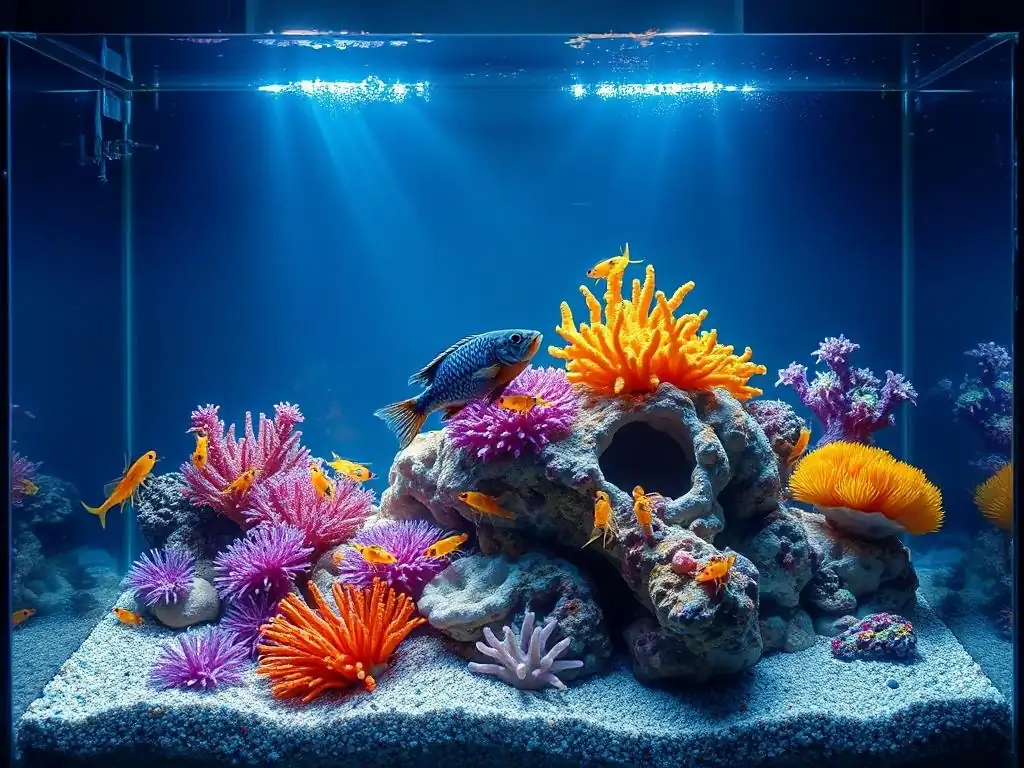
Welcome to Aquarium Mastery!
Thinking about adding a Blenny to your nano tank? Excellent choice! These quirky little characters can bring so much personality to your underwater world. But a smooth transition is key to their happiness and health. Dive into our Blenny acclimation tips to ensure your newest addition thrives in its new nano home. Discover the secrets to a stress-free introduction and unlock the joy of watching your Blenny flourish. What are you waiting for? Let's get started!
- Acclimating Your New Tailspot Blenny: Ensuring a Smooth Transition to Nano Life
- Introduction: Welcoming Your Tailspot Blenny to Its Nano Reef Home
- Understanding Tailspot Blenny Needs Before Acclimation
- The Acclimation Process: Step-by-Step Guide for Tailspot Blennies
- Post-Acclimation Observation: Ensuring Tailspot Blenny Health
- Troubleshooting Common Acclimation Issues with Tailspot Blennies
- Long-Term Tailspot Blenny Care in a Nano Reef Environment
- Conclusion: Setting Your Tailspot Blenny Up for Nano Reef Success
-
Frequently Asked Questions
- How crucial is proper acclimation for a Blenny in a nano tank?
- What are the key differences between drip acclimation and floating acclimation for a Blenny?
- How long should the acclimation process take for a Blenny destined for a nano aquarium?
- What water parameters should I be most concerned about matching during acclimation?
- After acclimation, what are some signs that my Blenny is struggling in its new nano environment?
- Final Reflection: Nurturing Life in Miniature
- Unlock Blenny Bliss: Dive Deeper into Nano Reef Success!
Acclimating Your New Tailspot Blenny: Ensuring a Smooth Transition to Nano Life
Introduction: Welcoming Your Tailspot Blenny to Its Nano Reef Home
The Tailspot Blenny ( Salarias fasciatus), with its endearing personality and striking coloration, has become a beloved inhabitant of many nano reef aquariums. These charming bottom-dwellers are known for their distinctive "perching" behavior and their diligent grazing on undesirable algae, making them not only captivating to observe but also beneficial members of a miniature ecosystem. However, like all new aquatic inhabitants, a Tailspot Blenny requires a careful and precise acclimation process to ensure its successful transition from the often stressful journey of transportation to the stability of your home aquarium.
Proper acclimation is the cornerstone of a healthy and thriving blenny. It minimizes the shock associated with changes in water parameters such as salinity, pH, and temperature, which can severely compromise a fish's immune system and lead to illness or even death. This comprehensive guide will walk you through the essential Blenny acclimation tips for nano tank environments, covering everything from pre-arrival preparation to post-introduction observation, ensuring your new Tailspot Blenny settles in smoothly and flourishes for years to come.
Understanding Tailspot Blenny Needs Before Acclimation
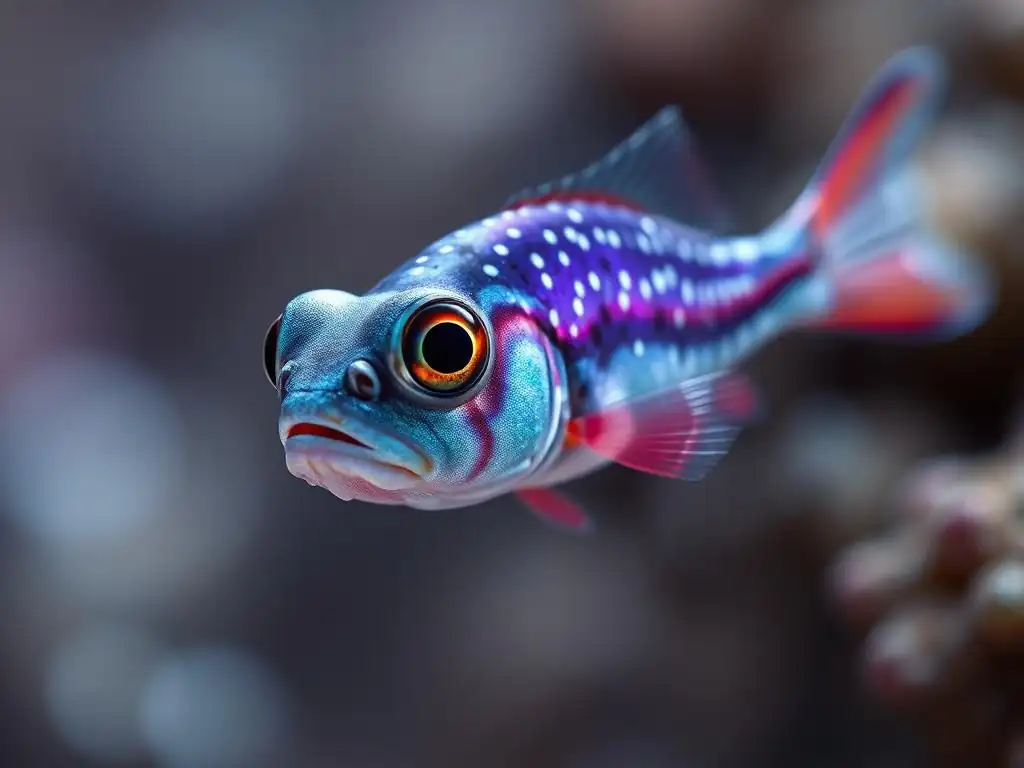
Researching Tailspot Blenny: Key to Successful Acclimation
Before even considering bringing home a Tailspot Blenny, thorough research into its specific needs is paramount. Originating from the Indo-Pacific region, these blennies are typically found in shallow, rocky reef areas, where they graze on various forms of algae and detritus. They grow to an average size of about 2.5 to 3 inches (6-7.5 cm), making them well-suited for nano reef setups, provided adequate space and resources are available. Their diet primarily consists of herbivorous matter, although they will occasionally consume small invertebrates.
Understanding their natural behavior and dietary requirements is crucial for long-term health. More importantly, precise knowledge of their preferred water parameters is non-negotiable for successful acclimation and ongoing care. Tailspot Blennies thrive in stable saltwater conditions, typically requiring a specific gravity of 1.023 to 1.026, a temperature range of 74-80°F (23-27°C), a pH between 8.1 and 8.4, and an alkalinity of 8-12 dKH. Any significant deviation from these parameters during the acclimation process can induce severe stress, highlighting why robust Blenny acclimation tips for nano tank setups focus heavily on water quality matching.
Preparing Your Nano Tank Environment for a New Tailspot Blenny
The success of your Tailspot Blenny's acclimation largely hinges on the readiness of its new home. For a single Tailspot Blenny, a minimum tank size of 10 gallons is often cited, but a 15-20 gallon nano tank provides significantly more stability and territory, reducing stress. The tank must be fully cycled, meaning it has completed the nitrogen cycle, showing zero ammonia, zero nitrite, and low nitrates (ideally below 20 ppm). This cycling process typically takes 4-6 weeks, sometimes longer, and requires consistent monitoring of water parameters.
Beyond biological filtration, ensure your nano tank is equipped with essential hardware. This includes a reliable heater to maintain stable temperatures, a suitable filtration system (such as a hang-on-back filter with biological media or a small sump), and adequate water flow provided by powerheads to mimic their natural turbulent environment.
Most importantly, provide plenty of live rock with numerous crevices and caves, offering abundant hiding spots and grazing surfaces. Aim for approximately 1 to 1.5 pounds of live rock per gallon to create a complex and secure habitat, vital for the blenny's sense of security and a crucial part of effective Blenny acclimation tips for nano tank environments.
The Acclimation Process: Step-by-Step Guide for Tailspot Blennies
Step 1: Initial Inspection & Bag Acclimation for Tailspot Blennies
Upon receiving your new Tailspot Blenny, the very first step is a thorough visual inspection of the shipping bag and its contents. Look for any signs of distress in the fish, such as rapid breathing, clamped fins, listlessness, or physical injuries. Also, observe the water in the bag for excessive cloudiness, foul odor, or dead tank mates, which could indicate poor shipping conditions or an unhealthy specimen. Before proceeding, turn off your aquarium's lights. This minimizes stress on the newly introduced fish by reducing sudden environmental changes and preventing other tank inhabitants from immediately harassing the newcomer.
Once the initial inspection is complete and the fish appears healthy, the immediate next step is to begin temperature acclimation. Without opening the bag, float the sealed bag in your display tank or sump. The goal here is to slowly equalize the water temperature inside the bag with that of your aquarium.
This crucial step prevents thermal shock, which can be devastating to sensitive marine fish. However, this floating period should not exceed 15-20 minutes, as the oxygen levels in the sealed bag will steadily decline, and carbon dioxide will build up, creating an increasingly acidic environment that can cause pH shock if prolonged.
Step 2: Temperature Acclimation: Floating the Bag
Temperature acclimation is a simple yet critical component of the overall process. By placing the sealed transport bag directly onto the surface of your display tank's water or into your sump, you allow the temperature inside the bag to gradually adjust to match the temperature of your aquarium. This slow equalization is vital because sudden temperature shifts, even by a few degrees Fahrenheit, can cause severe stress to a fish's delicate physiological systems, leading to a compromised immune response and increased susceptibility to disease.
While floating, ensure the bag is not directly exposed to strong light, as this can further stress the fish. The 15 to 20-minute timeframe is typically sufficient for temperature equalization without allowing harmful levels of ammonia to become toxic (due to rising pH once exposed to air). It is imperative that you do not open the bag during this step.
Opening the bag prematurely would expose the water to fresh air, causing a rapid increase in pH and potentially converting harmless ammonium (NH4+) into toxic ammonia (NH3), which can be lethal to the fish. This simple precaution is a fundamental part of effective Blenny acclimation tips for nano tank inhabitants.
Step 3: Drip Acclimation: The Gold Standard for Sensitive Fish
Drip acclimation is widely considered the safest and most effective method for acclimating sensitive marine fish, including Tailspot Blennies, to a new aquarium. This method slowly and steadily introduces your aquarium water into the container holding the fish, allowing for a gradual adjustment of salinity, pH, and other critical water parameters.
This slow change minimizes osmotic shock, which occurs when a fish's internal fluid balance is disrupted by rapid shifts in external water chemistry. Given the often significant differences in water parameters between a fish store's tank and your home aquarium, especially in a smaller nano environment, drip acclimation is essential for the long-term health and survival of your blenny.
To begin drip acclimation, gently empty the contents of the shipping bag (fish and water) into a clean, appropriately sized container, such as a 1-2 gallon bucket or a dedicated acclimation box. Ensure the container is large enough for the fish to swim comfortably and that it's placed in a stable location where it won't be easily disturbed. Never transfer the original bag water directly into your display tank, as it may contain parasites, medications, or undesirable nutrients.
Setting Up a Drip Acclimation System for Your Tailspot Blenny
Setting up a drip acclimation system is straightforward. You will need a length of airline tubing. One end of the tubing is placed into your display tank (or sump), and the other end is placed into the container holding your blenny.
To initiate the drip, you can either create a siphon by briefly sucking on the end of the tubing in the bucket, or use a small pump to start the flow. The most crucial part is regulating the drip rate. This can be achieved by tying a loose knot in the airline tubing or, more precisely, by using an airline control valve.
The ideal drip rate for sensitive fish like Tailspot Blennies is very slow, typically 1-2 drips per second. This gradual influx of your tank water allows the blenny's system to slowly adjust to the new parameters over an extended period. Continue the drip until the volume of water in the acclimation container has approximately doubled or tripled from its original volume, which usually takes 45 to 90 minutes, depending on the initial water volume and drip rate. This slow, steady introduction of your tank's water is one of the most critical Blenny acclimation tips for nano tank success.
Monitoring Water Parameters During Drip Acclimation
While the drip acclimation process is underway, it is highly recommended to periodically monitor the water parameters in the acclimation container, particularly salinity and pH. Using reliable test kits, take readings of the water in the container every 15-20 minutes. Compare these readings to the known parameters of your display tank. The goal is for the water in the acclimation container to gradually approach, and eventually match, the salinity and pH of your display tank.
For salinity, aim for the difference to be no more than 0.001-0.002 specific gravity units before introducing the fish. For pH, a difference of 0.1-0.2 pH units is generally acceptable. This continuous monitoring ensures that the acclimation is proceeding effectively and that the blenny is experiencing a slow, non-stressful transition. This diligent observation and parameter matching are fundamental Blenny acclimation tips for nano tank inhabitants, as even small fluctuations can have a magnified impact in smaller water volumes.
Step 4: Gradual Introduction to the Nano Tank
Once the drip acclimation process is complete and the water parameters in the acclimation container closely match those of your display tank, it's time for the final step: introducing your Tailspot Blenny to its new home. This phase also requires gentleness and minimal disturbance to prevent undoing the benefits of careful acclimation. The primary goal is to transfer the fish without causing undue stress or introducing any of the acclimation water into your pristine display tank.
Using a clean, fine-mesh fish net, gently scoop the blenny out of the acclimation container. Be careful not to scrape the fish against the bottom or sides of the container. Avoid handling the fish directly with your hands, as the oils and chemicals on human skin can be harmful to a fish's delicate slime coat.
Avoiding Stress During Release
With the blenny safely in the net, slowly lower the net into your display tank. Position the net near a piece of live rock or a hiding spot, and allow the blenny to swim out of the net on its own. Do not shake the net or force the fish out, as this can cause unnecessary panic and injury.
The blenny might initially dart into a hiding spot, which is perfectly normal behavior. It is crucial to discard all the water from the acclimation bucket; under no circumstances should this water be added to your display tank, as it may contain high levels of ammonia from the shipping process or other undesirable substances.
This gentle release minimizes the final stressful moments of the transfer. Tailspot Blennies are naturally shy upon introduction, and providing a calm entry point allows them to explore their new surroundings at their own pace.
Turning Off the Lights Post-Acclimation
Immediately after introducing your Tailspot Blenny to the nano tank, it is highly recommended to keep the aquarium lights off for at least 4-6 hours, or even for the remainder of the day. This simple yet effective Blenny acclimation tip for nano tank setups significantly reduces the initial stress on the newly introduced fish. A dark environment provides a sense of security, allowing the blenny to explore its new surroundings, locate hiding spots, and establish its territory without the added pressure of bright illumination or the immediate attention of existing tank inhabitants.
The absence of light helps the blenny settle in more comfortably and reduces the likelihood of it becoming overly stressed or attempting to jump out of the tank. For the first few days, consider using dimmer settings or shorter photoperiods if your lighting system allows, gradually increasing to your normal schedule. This gradual reintroduction to light further supports a smooth transition and helps your Tailspot Blenny feel secure in its new environment.
Post-Acclimation Observation: Ensuring Tailspot Blenny Health
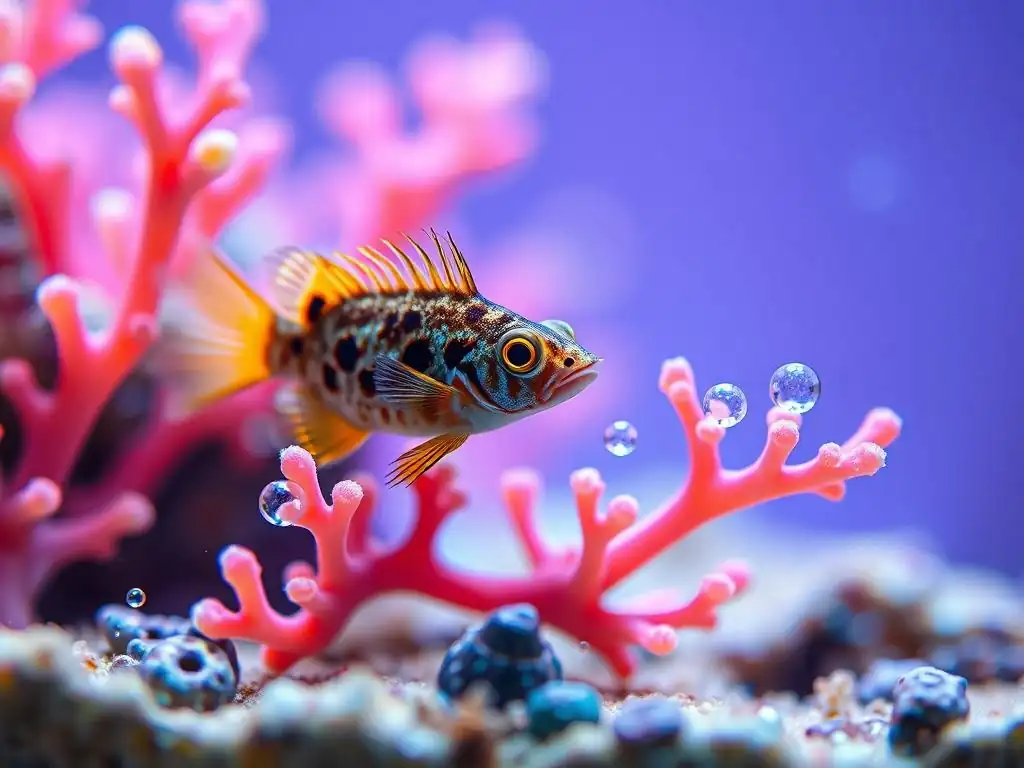
Monitoring Tailspot Blenny Behavior After Introduction
Once your Tailspot Blenny has been successfully introduced, continuous observation over the next few days and weeks is crucial for ensuring its long-term health and well-being. Initially, it is entirely normal for the blenny to be shy, hiding amongst the live rock or perching inconspicuously. This behavior can last for 24-48 hours, or even a few days, as it adjusts to its new surroundings. Look for signs of comfort, such as beginning to explore the tank, grazing on algae, and exhibiting its characteristic perching behavior on rocks or tank glass.
Observe its swimming patterns; it should be steady and controlled, not erratic or listless. Check for clear eyes, intact fins, and vibrant coloration. Rapid gilling (more than 60-80 breaths per minute), clamped fins, or fading colors are early indicators of stress or potential illness. A healthy blenny will eventually become more active and confident, interacting with its environment and showing curiosity. Patient and consistent observation is key to identifying any issues early, making it a vital part of Blenny acclimation tips for nano tank success.
Feeding Your New Tailspot Blenny: First Meals in the Nano Tank
After the initial acclimation period, typically 12-24 hours after introduction, you can attempt to offer your new Tailspot Blenny its first meal in the nano tank. Do not be alarmed if it doesn't eat immediately; stress from the move can suppress appetite. When you do offer food, start with small amounts of high-quality marine flakes or pellets, or small pieces of frozen foods like Mysis shrimp or spirulina-enriched brine shrimp. Tailspot Blennies are primarily herbivorous, so offering marine algae sheets (nori) attached to an algae clip is highly recommended and often a preferred first food.
Observe whether the blenny shows interest and consumes the food. If it doesn't eat the first time, try again later or the next day. Avoid overfeeding, as uneaten food will quickly degrade water quality in a small nano tank. Patience and persistence are key. Offering a variety of foods will help ensure a balanced diet and encourage feeding, particularly if the blenny is initially picky.
Recognizing Signs of Stress or Illness in Tailspot Blennies
Despite the best Blenny acclimation tips for nano tank application, new fish can still succumb to stress or illness. Recognizing these signs early is paramount for intervention. Common indicators of stress include clamped fins (held tightly against the body), rapid and labored breathing (gills moving excessively fast), faded or dulled coloration, hiding excessively beyond the initial adjustment period, or erratic swimming patterns like darting or rubbing against tank surfaces. Refusal to eat for more than 2-3 days is also a significant red flag.
Physical signs of illness can manifest as white spots (Ich), a dusty or velvet-like coating (Marine Velvet), cloudy eyes, lesions, fin rot, or swollen areas. Any deviation from normal behavior or appearance warrants immediate attention and potentially, isolation.
Common Diseases Affecting Tailspot Blennies Post-Acclimation
Tailspot Blennies, like many marine fish, are susceptible to common parasitic diseases, especially when stressed by poor acclimation or fluctuating water parameters. The most prevalent are Marine Ich ( Cryptocaryon irritans) and Marine Velvet ( Amyloodinium ocellatum). Ich appears as small, white spots resembling salt grains scattered across the body and fins, while Velvet presents as a fine, dusty, yellowish-brown coating. Both are highly contagious and can be fatal if not treated promptly. Bacterial infections, often secondary to stress or physical injury, can also cause fin rot, body sores, or internal issues leading to lethargy and appetite loss.
Stress from an improper acclimation process significantly weakens a blenny's immune system, making it highly vulnerable to these opportunistic pathogens. Maintaining stable, pristine water quality post-acclimation is crucial in preventing these outbreaks.
Quarantine Tank Setup for Tailspot Blennies: When and How
A dedicated quarantine tank (QT) is arguably the most important, yet often overlooked, Blenny acclimation tip for nano tank success. A QT, typically a bare-bottom tank of 5-10 gallons, equipped with a heater, a small sponge filter (seeded with beneficial bacteria from your main tank or established over time), and PVC pipes for hiding, allows you to observe new fish in isolation for 2-4 weeks. This period enables you to confirm health, treat any observed diseases without medicating your main display tank, and ensure the fish is eating well before introducing it to your established system.
For a Tailspot Blenny, setting up a QT is highly recommended. If any signs of disease appear post-acclimation in the main tank, immediate transfer to a QT for treatment is necessary to prevent the spread to other inhabitants. The QT setup should be simple to facilitate easy cleaning and medication. Using RO/DI water for the QT ensures a clean slate, and matching its parameters to your display tank is still critical during transfer.
Troubleshooting Common Acclimation Issues with Tailspot Blennies
Tailspot Blenny Hiding After Acclimation: Is it Normal?
It is absolutely normal for a Tailspot Blenny to hide extensively during the first few days, or even up to a week, after being introduced to a new nano tank. These blennies are naturally shy and require time to feel secure in their new environment. The stress of transportation and the unfamiliarity of the tank will cause them to seek refuge in crevices, behind rocks, or in any dark, protected spot. This behavior is a self-preservation instinct and indicates the blenny is attempting to establish its territory and feel safe.
To alleviate this, ensure your nano tank offers ample hiding spots within the live rock aquascape. Avoid constantly peering into the tank or making sudden movements around it, as this can prolong their shyness. Give your blenny time and space; it will eventually gain confidence and begin to explore more openly as it becomes accustomed to its surroundings and perceives no immediate threats. Patience is a virtue when applying Blenny acclimation tips for nano tank inhabitants.
Tailspot Blenny Not Eating: Solutions for Picky Eaters
A Tailspot Blenny refusing to eat after acclimation is a common concern but not always a sign of immediate disaster. Stress from the move can temporarily suppress appetite. Begin by offering a variety of high-quality foods that cater to their herbivorous nature. Try marine algae sheets (nori) attached to an algae clip, spirulina flakes, or small, high-quality omnivore pellets. If they still refuse, try offering small amounts of frozen foods like spirulina-enriched brine shrimp or finely chopped Mysis shrimp.
Ensure that existing tank mates are not outcompeting the new blenny for food, especially if they are more aggressive or faster eaters. Sometimes, offering food during dimmer lighting conditions or shortly after the lights turn on can encourage shy eaters. Persistence is key; try different foods and feeding times. If the blenny goes more than 3-4 days without eating, it's a serious concern, and you should re-evaluate water parameters and look for other signs of illness.
Tailspot Blenny Aggression: Addressing Tank Mate Conflicts
Tailspot Blennies are generally peaceful fish, but they can exhibit territorial aggression, especially in smaller nano tank environments. This aggression is usually directed towards other bottom-dwelling fish, species with similar body shapes (like other blennies or certain gobies), or fish that compete for the same food sources or hiding spots. In a small tank, limited space can escalate natural territorial instincts.
If you observe aggression, first ensure there are sufficient hiding spots and distinct territories within your live rock aquascape for all inhabitants. Sometimes, rearranging the rockwork can disrupt established territories and reduce conflict. If the aggression persists and is causing stress or harm to other fish, you may need to consider rehoming the aggressor or the blenny, particularly if the tank is too small for the chosen combination of species. Thorough research on tank mate compatibility before purchase is a crucial, proactive Blenny acclimation tip for nano tank success.
Long-Term Tailspot Blenny Care in a Nano Reef Environment
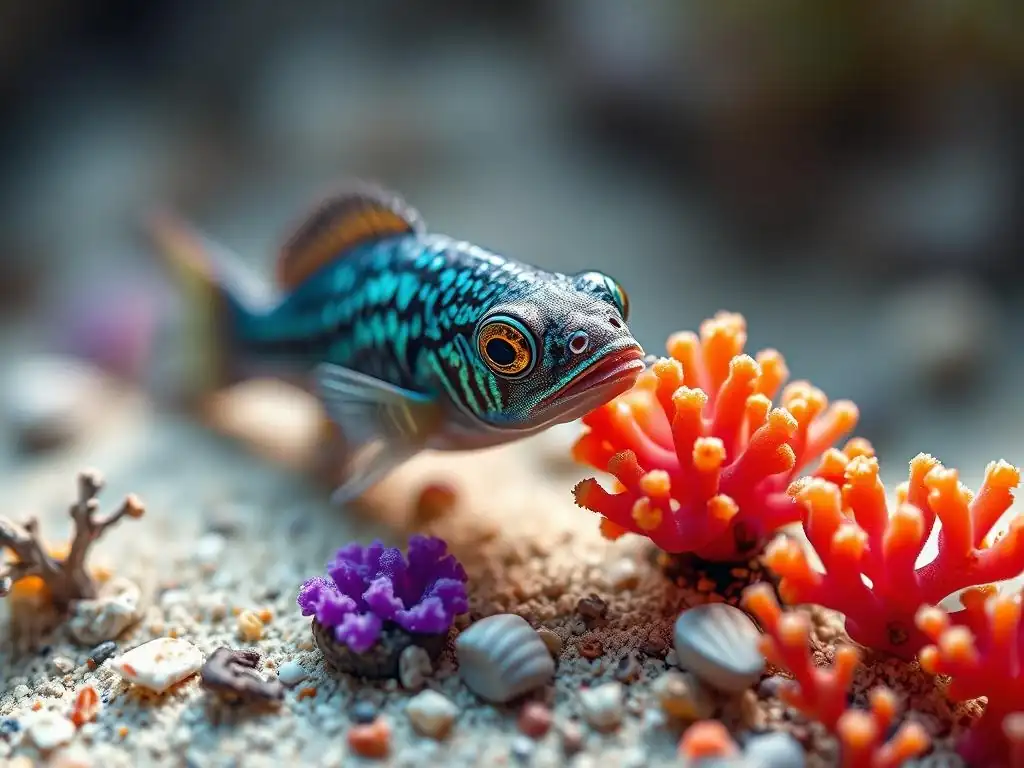
Maintaining Optimal Water Quality for Tailspot Blennies
Long-term success with your Tailspot Blenny in a nano reef environment hinges on consistent and meticulous water quality maintenance. Due to the smaller water volume of nano tanks, parameters can fluctuate more rapidly than in larger systems, making regular monitoring and intervention critical. Perform weekly or bi-weekly water changes of 10-20% using high-quality RO/DI water mixed with a reputable marine salt mix. This replenishes essential trace elements and removes accumulated nitrates and other pollutants.
Regularly test your water for salinity (1.023-1.026 SG), temperature (74-80°F), pH (8.1-8.4), alkalinity (8-12 dKH), ammonia (0 ppm), nitrite (0 ppm), and nitrate (ideally below 10-20 ppm). Ensure your filtration system is adequately sized and maintained, and consider a small protein skimmer if your nano tank setup allows, as they are highly effective at removing organic waste before it breaks down. Stable water parameters are not just a Blenny acclimation tip for nano tank introduction but a continuous requirement for health.
Providing a Suitable Diet for a Healthy Tailspot Blenny
While Tailspot Blennies are known for grazing on nuisance algae, relying solely on tank algae is often insufficient for their nutritional needs in a home aquarium. A varied and consistent diet is essential for their long-term health and vibrant coloration. Primarily herbivorous, they should be offered high-quality marine algae sheets (nori) several times a week, attached to an algae clip. Spirulina-based flakes and pellets are also excellent staple foods.
Supplement their diet with occasional offerings of frozen foods like spirulina-enriched brine shrimp or small Mysis shrimp, which provide essential proteins and fatty acids. Feed small amounts 1-2 times per day, ensuring all food is consumed within a few minutes to prevent water pollution. Continual access to live rock allows them to graze on microalgae and detritus naturally, mimicking their wild diet and contributing significantly to their well-being.
Choosing Compatible Nano Tank Mates for Tailspot Blennies
Selecting appropriate tank mates is vital for the peaceful coexistence and long-term well-being of your Tailspot Blenny in a nano reef environment. Tailspot Blennies are generally peaceful, but their territorial nature, especially around their preferred perching spots and grazing areas, means careful consideration is needed. Good tank mates include small, peaceful invertebrates such as various snails (e.g., Nassarius, Trochus, Turbo snails) and hermit crabs, which also contribute to the tank's cleanup crew.
For fish, aim for species that occupy different parts of the water column and are not overly aggressive or prone to nipping. Small, peaceful gobies (like Clown Gobies or certain small Watchman Gobies) can work in larger nano tanks (e.g., 20+ gallons) with ample rockwork, but monitor for territorial disputes. Small, docile fish like Ocellaris Clownfish can also be compatible in appropriately sized setups.
Avoid large, aggressive, or predatory fish, and generally, avoid housing multiple blennies unless your tank is significantly large (e.g., 30 gallons or more with abundant, distinct territories) to prevent severe territorial conflicts. Researching the specific needs and temperaments of all potential inhabitants is the ultimate Blenny acclimation tip for nano tank harmony.
Conclusion: Setting Your Tailspot Blenny Up for Nano Reef Success
Acclimating a new Tailspot Blenny to your nano reef aquarium is a critical process that lays the foundation for its long-term health and vibrancy. By diligently following proper acclimation protocols, particularly the gold standard of drip acclimation, you significantly reduce the stress associated with environmental changes, ensuring a smooth and successful transition. Beyond the initial introduction, consistent attention to water quality, a varied and appropriate diet, and careful tank mate selection are paramount for their continued well-being in a confined nano environment.
With their captivating personalities and beneficial algae-grazing habits, Tailspot Blennies are truly delightful additions to any nano reef. By applying these comprehensive Blenny acclimation tips for nano tank setups and committing to dedicated long-term care, you will provide your new blenny with the best possible chance to thrive, becoming a cherished and active member of your miniature underwater world for years to come.
Frequently Asked Questions
How crucial is proper acclimation for a Blenny in a nano tank?
Proper acclimation is extremely crucial for the survival of a Blenny, especially in a nano tank. The smaller water volume means even minor changes in water parameters can quickly become stressful or even lethal.
What are the key differences between drip acclimation and floating acclimation for a Blenny?
Drip acclimation allows for a gradual and controlled adjustment to your tank's water parameters, minimizing shock. Floating acclimation is simpler, but doesn't address parameter differences as effectively, potentially stressing the fish.
How long should the acclimation process take for a Blenny destined for a nano aquarium?
The acclimation process, ideally using drip acclimation, should take between 1-2 hours to ensure the Blenny's system adjusts gradually. This minimizes stress and increases the chances of a successful transition.
What water parameters should I be most concerned about matching during acclimation?
Pay close attention to matching temperature, salinity, and pH levels between the transport bag and your nano tank. These are the most critical parameters to minimize stress during acclimation.
After acclimation, what are some signs that my Blenny is struggling in its new nano environment?
Signs of stress include lethargy, clamped fins, erratic swimming, and refusal to eat. Monitor your Blenny closely and address any issues promptly to improve its chances of survival.
Final Reflection: Nurturing Life in Miniature
The journey of introducing a blenny to a nano tank, as we've explored, is more than just a technical process; it's an act of stewardship. The delicate balance of a nano ecosystem demands meticulous attention and a deep understanding of the creature we're inviting into our care. This commitment to responsible reefkeeping resonates profoundly in a world increasingly aware of the fragility of our natural environments.
This careful acclimation process, though specific to blennies in nano tanks, mirrors a broader need for empathy and understanding in all our interactions with the natural world. The success of a blenny in a nano tank is a microcosm of our ability to create sustainable and thriving environments, both within our homes and on a larger scale. The greatness of a nation and its moral progress can be judged by the way its animals are treated.
- Mahatma Gandhi. This quote, though broad, speaks to the core of responsible reefkeeping: treating living beings with respect and ensuring their well-being.
As you embark on, or continue, your reefkeeping journey, remember that each small action, each carefully considered decision, contributes to the overall health and vitality of your miniature ecosystem. Let the lessons learned about blenny acclimation serve as a reminder to approach all aspects of life, both within and beyond the aquarium, with patience, diligence, and a profound respect for the delicate balance of life. Consider how you can apply this mindful approach to other areas of your life, fostering environments where all can thrive.
Unlock Blenny Bliss: Dive Deeper into Nano Reef Success!
Thank you for exploring the nuances of Blenny acclimation! We hope this has empowered you with the knowledge to create a thriving nano reef environment. Now, let's put that knowledge into action:
- Prioritize and implement a stress-free acclimation using a drip method to gradually adjust your Blenny to your tank's parameters.
- Delve into the community! Share photos of your Blenny's new home on social media using #AquariumMastery, and compare experiences with other Blenny keepers.
- Challenge yourself to research one lesser-known Blenny species and its unique nano reef requirements.
What surprising thing have you learned about Blennies, and how will it improve your aquascaping approach?