
Powder Blue Tangs: Avoiding Ich and Ensuring Peak Health Through Diet & Care

Welcome to Aquarium Mastery!
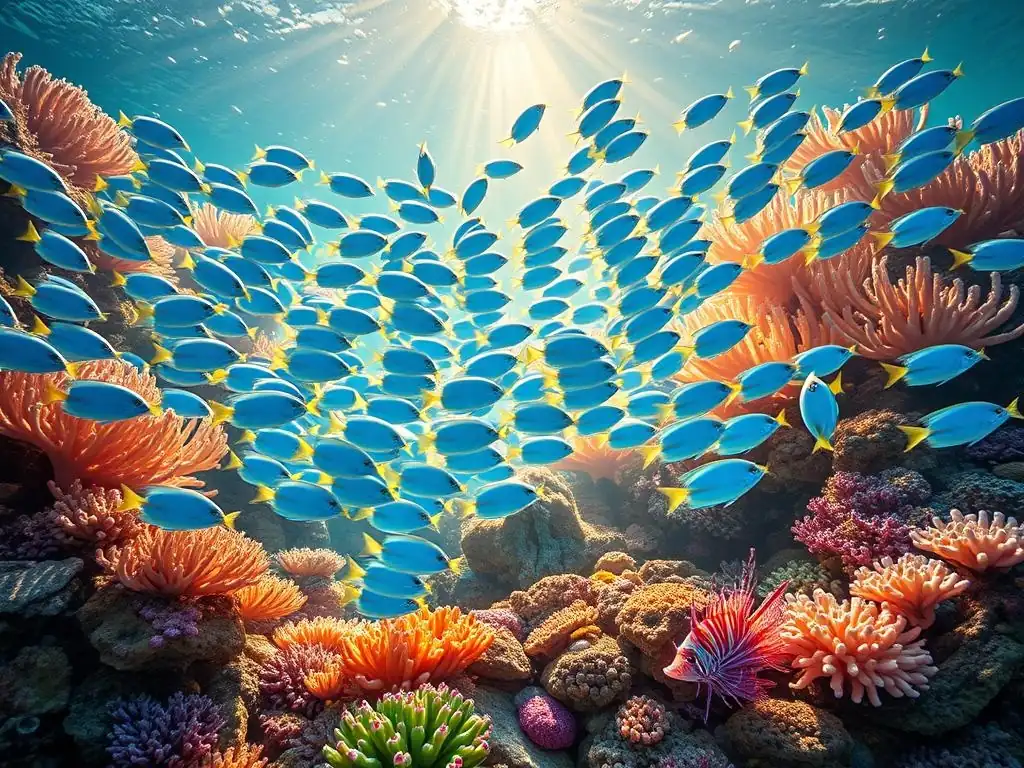
Ever wondered how to keep your Powder Blue Tang thriving and shimmering in your saltwater haven? These vibrant fish can be a true showstopper, but they're also known for their sensitivity. Dive in and discover the secrets to ensuring your Powder Blue Tang not only survives, but flourishes, by mastering the art of Powder Blue Tang Diet Care and proactive health management. What crucial feeding techniques and preventative measures are key to avoiding common ailments like Ich? Let's explore!
- Understanding the Powder Blue Tang: A Comprehensive Overview
-
Optimizing Powder Blue Tang Diet for Enhanced Immunity
- The Importance of a Varied Diet for Powder Blue Tang Health
- Essential Food Components: Algae, Seaweed, and Protein Sources
- Best Algae and Seaweed Options for Powder Blue Tangs: Nori, Gracilaria, Ulva
- Supplementing with High-Quality Protein Foods: Mysis Shrimp, Brine Shrimp
- Feeding Frequency and Amount: Preventing Overfeeding
- Creating the Ideal Tank Environment for Powder Blue Tangs
- Preventing and Managing Ich in Powder Blue Tangs
- Choosing the Right Tank Mates for Powder Blue Tangs
- Long-Term Care and Maintaining Peak Health in Powder Blue Tangs
- Powder Blue Tang Diet Care: A Summary of Best Practices
-
Frequently Asked Questions
- What is the most important aspect of a Powder Blue Tang's diet?
- Why are Powder Blue Tangs so susceptible to Ich (White Spot Disease)?
- What are some good supplemental foods to offer a Powder Blue Tang besides algae?
- How often should I feed my Powder Blue Tang?
- What water parameters are crucial for keeping a Powder Blue Tang healthy?
- Final Reflection: The Enduring Allure of Pristine Reefs
- Nurture Your Tang: Become an Ich-Fighting Aquarist!
Understanding the Powder Blue Tang: A Comprehensive Overview
Powder Blue Tang (Acanthurus leucosternon) Profile: Key Characteristics
The Powder Blue Tang, scientifically known as Acanthurus leucosternon, is a highly sought-after marine fish renowned for its striking coloration. Adults typically reach a size of 8 to 10 inches (20-25 cm) in captivity, though some specimens might grow slightly larger.
Their vibrant appearance features a brilliant blue body, a contrasting yellow dorsal fin, a pristine white chest, and a distinctive black mask that extends from the eye to the base of the pectoral fin. A notable characteristic, common to all surgeonfish, is the presence of a sharp, scalpel-like spine located at the base of their caudal fin, used for defense.
These magnificent fish can live for a considerable period in a well-maintained home aquarium, often exceeding 10 years, with some dedicated aquarists reporting lifespans of up to 15 years. While generally considered semi-aggressive, especially towards other tangs or fish with similar body shapes, their temperament can vary individually. Their active swimming nature and eventual adult size necessitate specific tank requirements to ensure their well-being and longevity.
Natural Habitat and Behavior of Powder Blue Tangs
Powder Blue Tangs originate from the Indo-Pacific region, spanning a vast area from the East African coast across to Indonesia, and extending as far as the Great Barrier Reef. In their natural environment, they prefer clear, shallow coral reefs and rocky areas, typically found at depths ranging from 3 to 25 meters (10-80 feet). These areas provide abundant algal growth, which forms the primary component of their diet, along with plenty of crevices for shelter.
In terms of behavior, juvenile Powder Blue Tangs may be observed in small groups, but as they mature, they often become more solitary and territorial. They are diurnal grazers, spending most of their daylight hours constantly picking at benthic algae from rocks and other surfaces. This continuous grazing behavior is not only vital for their nutritional needs but also plays a crucial ecological role in controlling algal growth on natural reefs.
Why Powder Blue Tangs are Prone to Ich: Understanding the Risks
Powder Blue Tangs are notoriously susceptible to marine ich, caused by the parasite Cryptocaryon irritans. This vulnerability stems primarily from their high sensitivity to stress. Factors such as fluctuating water parameters, inadequate tank size, aggressive tank mates, and an improper Powder Blue Tang Diet Care regimen can all induce significant stress. When a fish is stressed, its immune system is compromised, leaving it highly susceptible to parasitic infections. For instance, even a slight increase in nitrate levels above 20 ppm or sudden temperature swings can be enough to trigger an ich outbreak.
Furthermore, tangs, including the Powder Blue Tang, possess a relatively thin slime coat and smaller scales compared to many other fish species. This anatomical characteristic offers less physical protection against external parasites like ich, allowing the tomont stage of Cryptocaryon irritans to more easily penetrate their skin and establish an infection. Their active swimming nature also means they are constantly exposed to any waterborne pathogens present in the system, making proactive prevention through meticulous Powder Blue Tang Diet Care and environmental stability essential.
Optimizing Powder Blue Tang Diet for Enhanced Immunity
The Importance of a Varied Diet for Powder Blue Tang Health
A diverse and well-balanced diet is the cornerstone of a robust immune system for Powder Blue Tangs. In their natural habitat, these fish graze continuously on a wide array of macro and microalgae, ensuring they receive a full spectrum of essential nutrients, vitamins, and minerals. Replicating this dietary diversity in a captive environment is paramount to prevent nutritional deficiencies that can weaken their immune response and make them more susceptible to diseases.
Nutritional deficiencies, particularly those involving vitamins (such as Vitamin C and A) and essential fatty acids, are strongly linked to the development of Head and Lateral Line Erosion (HLLE), a common and debilitating condition in tangs. A varied Powder Blue Tang Diet Care plan provides these vital nutrients, strengthening their immune system and bolstering their natural resistance against common ailments like ich. For example, a diet lacking sufficient Vitamin C can significantly impair a fish's ability to fight off bacterial and parasitic infections.
Essential Food Components: Algae, Seaweed, and Protein Sources
Powder Blue Tangs are primarily herbivorous, with algae and various forms of seaweed constituting the overwhelming majority of their natural diet. This plant-based nutrition provides them with complex carbohydrates, crucial fiber for digestive health, and a rich array of vitamins and minerals. In the wild, they spend most of their waking hours meticulously grazing on filamentous algae that grows on rocks and coral structures.
While their diet is predominantly herbivorous, a small percentage of their natural intake includes incidental ingestion of tiny invertebrates found within the algal mats. Therefore, a comprehensive Powder Blue Tang Diet Care strategy in captivity must include high-quality, marine-based protein sources in moderation. These protein supplements are essential for proper growth, tissue repair, and overall vitality, ensuring a well-rounded nutritional profile that mirrors their natural feeding habits.
Best Algae and Seaweed Options for Powder Blue Tangs: Nori, Gracilaria, Ulva
Unseasoned, human-grade dried seaweed, commonly known as nori, is an indispensable staple for captive tangs. It is an excellent source of essential vitamins, including Vitamins A, C, E, and K, as well as vital minerals such as iodine, iron, and calcium, alongside crucial dietary fiber. Nori should be offered daily, typically secured to a veggie clip within the tank. An adult tang can easily consume a 6x6 inch (15x15 cm) sheet over the course of a day, providing continuous grazing opportunities.
Beyond nori, incorporating other beneficial macroalgae such as Gracilaria (red macroalgae) and Ulva (green sea lettuce) can significantly enhance their diet. These live options offer a broader spectrum of nutrients and provide natural grazing behavior, which is mentally stimulating for the fish. They can be grown in a refugium and harvested or offered directly. Additionally, supplementing the Powder Blue Tang Diet Care with high-quality spirulina and chlorella flakes further enriches their intake of plant-based proteins and vitamins.
Supplementing with High-Quality Protein Foods: Mysis Shrimp, Brine Shrimp
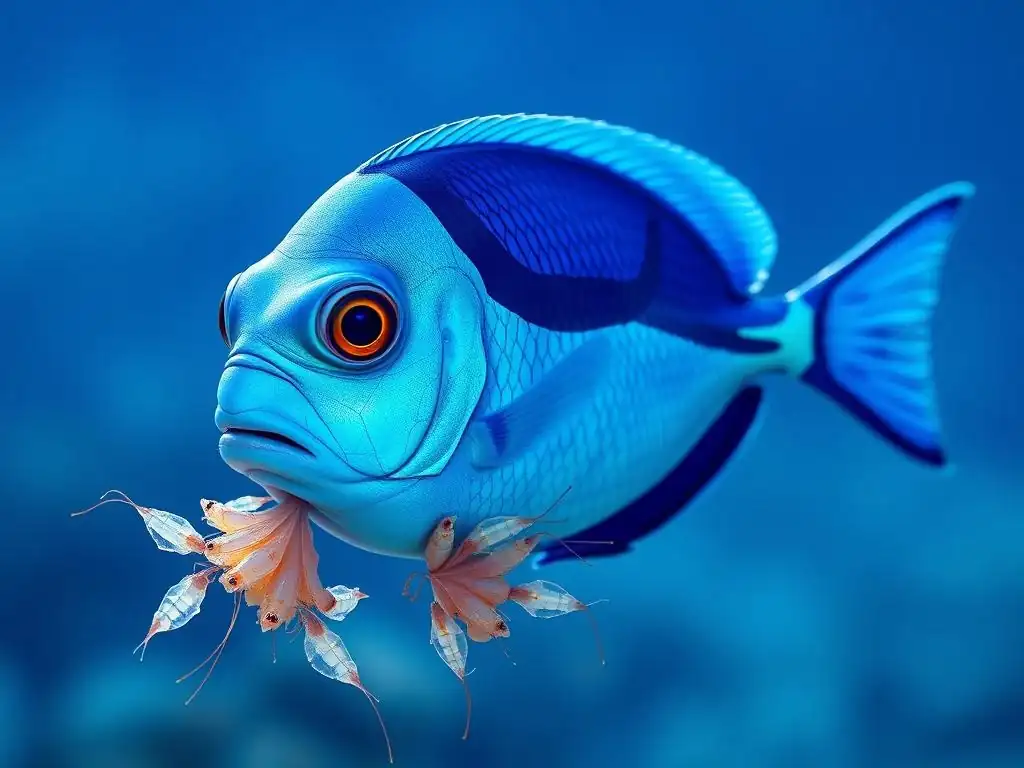
While plant material forms the bulk of a Powder Blue Tang's diet, small, judicious amounts of high-quality marine protein are highly beneficial. Mysis shrimp are an excellent choice due to their high nutritional value, rich content of essential fatty acids (like Omega-3s), and their general palatability to most marine fish. They provide essential amino acids that may not be sufficiently abundant in a purely herbivorous diet, supporting robust growth and overall health.
Frozen brine shrimp, while less nutritious on their own, can be greatly enhanced by "gut-loading" them with spirulina, chlorella, or liquid vitamin supplements before feeding. This process boosts their nutritional content, making them a more valuable occasional treat. These protein sources should be offered sparingly, perhaps 2-3 times per week, to complement their primary herbivorous diet. This careful balance of plant and animal matter is a critical component of comprehensive Powder Blue Tang Diet Care.
Feeding Frequency and Amount: Preventing Overfeeding
Due to their constant grazing nature in the wild, Powder Blue Tangs in captivity should ideally be offered small amounts of food multiple times throughout the day. For example, a sheet of nori can be left in a veggie clip for continuous grazing, supplemented with high-quality marine flakes or pellets 2-3 times daily, and frozen foods a few times per week. This mimics their natural feeding behavior and ensures they have a consistent supply of nutrients, preventing long periods of hunger which can lead to stress.
Preventing overfeeding is just as crucial as ensuring adequate nutrition. Overfeeding leads to an accumulation of excess nitrates and phosphates in the aquarium, directly degrading water quality. This not only stresses the fish but also promotes nuisance algae growth. Furthermore, chronic overfeeding can lead to obesity and liver issues in tangs. As a general rule, only feed what your Powder Blue Tang can consume within a few minutes, with the exception of nori, which can be left for longer periods. This careful management of feeding frequency and quantity is a vital aspect of effective Powder Blue Tang Diet Care.
Creating the Ideal Tank Environment for Powder Blue Tangs
Tank Size Requirements for Powder Blue Tangs: Space is Key
Providing adequate space is arguably one of the most critical factors for the long-term health and well-being of a Powder Blue Tang. A mature specimen, reaching up to 10 inches, requires a minimum tank size of 120 gallons (approximately 450 liters). This volume allows for sufficient swimming room, which is crucial for their active, open-water swimming nature and helps mitigate stress. For optimal conditions, especially if considering housing other active fish, a tank of 180 gallons (around 680 liters) or larger is highly recommended.
Confined or undersized environments are significant stress triggers for Powder Blue Tangs, making them highly susceptible to diseases like marine ich. Ample swimming space, combined with a well-structured aquascape featuring plenty of live rock with caves, arches, and hiding spots, helps them feel secure and reduces potential aggression towards tank mates. A spacious environment directly contributes to a stronger immune system and overall vitality.
Maintaining Optimal Water Parameters: Temperature, Salinity, and pH
Stability in water parameters is paramount for the health of Powder Blue Tangs. Aquarists must consistently maintain water temperature within a narrow range of 76-82°F (24-28°C), specific gravity (salinity) between 1.023 and 1.026, and pH levels between 8.1 and 8.4. Even minor or sudden fluctuations in these parameters can cause significant stress to the fish, severely compromising their immune system and making them vulnerable to illness.
Regular and accurate testing of water parameters is non-negotiable. Ammonia and nitrite levels must always be 0 ppm, while nitrates should be kept below 10-20 ppm. High nitrate levels, in particular, are a common stressor for tangs and can contribute to HLLE. Utilizing reliable test kits and maintaining low nutrient levels through efficient filtration and consistent water changes are fundamental practices for preventing stress-induced diseases and ensuring a healthy environment.
Importance of Strong Water Flow and Oxygenation
Powder Blue Tangs originate from areas in the Indo-Pacific where strong currents are prevalent. Replicating this dynamic water movement within the aquarium is essential for their well-being. The use of powerheads or wavemakers strategically placed throughout the tank ensures robust water flow, which prevents the formation of stagnant "dead spots," keeps detritus suspended for removal by filtration, and provides necessary exercise for these active swimmers, mimicking their natural environment.
Beyond circulation, strong surface agitation, facilitated by adequate water flow, is critical for ensuring high levels of dissolved oxygen. Tangs are highly active fish with significant oxygen demands. Low dissolved oxygen levels can cause considerable stress, leading to lethargy, rapid breathing, and a weakened immune system. Aim for dissolved oxygen levels of 6-8 mg/L to support their high metabolic rate and overall health.
Effective Filtration and Water Changes for a Healthy Tank
A robust and multi-stage filtration system is absolutely essential for maintaining a healthy environment for Powder Blue Tangs. This system should incorporate mechanical filtration (e.g., filter socks, sponges) to physically remove particulate matter, biological filtration (e.g., live rock, bio-media) to efficiently convert toxic ammonia and nitrite into less harmful nitrate, and chemical filtration (e.g., activated carbon, GFO) to remove dissolved organic compounds and phosphates that can degrade water quality.
Consistent and regular water changes are equally critical for diluting accumulated nitrates, replenishing essential trace elements, and maintaining overall water quality stability. A weekly or bi-weekly water change of 10-20% of the tank volume, using properly mixed and aged saltwater, is generally recommended. This diligent practice directly reduces stress factors in the environment and provides crucial support for the fish's immune system, forming a core component of effective Powder Blue Tang Diet Care.
Preventing and Managing Ich in Powder Blue Tangs
Quarantine Procedures for New Powder Blue Tangs: A Must-Do
Quarantine is the single most effective and non-negotiable method for preventing the introduction of ich or other parasites and diseases into your established display tank. A separate quarantine tank (QT) of at least 20-30 gallons (75-115 liters) should be set up with its own established filtration, a heater, and plenty of PVC pipes or other non-porous structures for hiding spots. This isolation tank creates a safe space for new arrivals.
New Powder Blue Tangs should be quarantined for a minimum of 4-6 weeks. During this period, rigorous daily observation for any signs of disease is crucial. Regular water tests should be performed, and many experienced aquarists opt for prophylactic treatments such as a freshwater dip upon arrival or a low-dose copper treatment, especially if they have prior experience with such protocols. This crucial step protects your entire reef system from potential outbreaks.
Recognizing Early Signs of Ich (White Spot Disease)
Ich, caused by the marine parasite Cryptocaryon irritans, typically manifests as small, distinct white spots resembling grains of salt on the fish's body, fins, and gills. However, early signs can be more subtle. These might include increased respiration (rapid breathing), flashing (the fish quickly rubbing its body against rocks or substrate to dislodge parasites), or clamped fins (fins held close to the body, indicating discomfort).
As the infection progresses and the parasitic load increases, the affected fish may exhibit more pronounced behavioral changes. These include lethargy, a noticeable loss of appetite, and in severe cases, a cloudy film developing over their eyes. Identifying these early signs is critically important, as prompt intervention significantly increases the chances of successful treatment and minimizes the stress on the fish.
Effective Treatment Options for Ich: Copper vs. Hyposalinity
Copper-based medications are widely recognized as highly effective against marine ich. Products like Copper Power or Cupramine, when used according to instructions, create a therapeutic environment that kills the ich parasite.
It is crucial to maintain a precise therapeutic copper level, typically 0.25-0.5 mg/L for ionic copper or 0.5-0.8 mg/L for chelated copper, for a sustained period of at least 14-30 days to ensure the complete eradication of the parasite through all stages of its life cycle. It is important to note that copper is highly toxic to invertebrates and corals, so treatment must always occur in a dedicated hospital tank, never in the main display.
Hyposalinity is another effective treatment method, which involves gradually reducing the specific gravity of the water to a very low level, typically 1.008-1.009, and maintaining it for 4-6 weeks. This low salinity environment disrupts the osmotic balance of the ich trophonts (the stage that drops off the fish to reproduce), causing them to swell and burst. Caution is advised with hyposalinity, as it requires precise monitoring with a calibrated refractometer and must be performed very gradually to avoid shocking the fish.
Some fish species may also not tolerate such low salinity levels. Both methods, when correctly applied, are powerful tools for managing ich and supporting overall fish health, which complements Powder Blue Tang Diet Care.
Natural Remedies and Probiotics for Ich Prevention: Garlic, Beta Glucan
While not direct cures for an active ich infection, certain natural additives can play a supportive role in boosting a fish's immune system, making them more resilient to disease. Garlic extracts, often available as fish food additives like Seachem GarlicGuard, are believed to stimulate appetite in stressed or sick fish and may possess some anti-parasitic properties, though scientific evidence for direct ich eradication is limited. They are best used as an appetite stimulant and general health booster.
Incorporating marine probiotics into fish food or directly into the water column can improve gut health and enhance the overall immune response. Beta glucan, a polysaccharide derived from yeast, is another beneficial supplement known to modulate and strengthen the immune system in fish, potentially increasing their resistance to various infections. These "natural remedies" are most effective when used preventatively as part of a holistic Powder Blue Tang Diet Care strategy and a stable environment, rather than as standalone treatments for an established outbreak.
Minimizing Stress to Reduce Ich Susceptibility
Stress is the single most significant factor contributing to ich outbreaks in aquariums. When a Powder Blue Tang is under chronic stress, its immune system is severely compromised, leaving it highly vulnerable to opportunistic parasites like Cryptocaryon irritans. Common stressors include poor water quality (e.g., high nitrates, unstable pH), inadequate tank size, aggressive tank mates, sudden environmental changes, and improper Powder Blue Tang Diet Care.
To minimize stress and reduce ich susceptibility, it is crucial to provide a stable and consistent environment. This involves maintaining pristine and stable water parameters, offering ample hiding spots within the rockwork, adhering to a consistent feeding schedule, and carefully choosing appropriate tank mates. Avoiding sudden changes in lighting, water chemistry, or tank inhabitants can significantly reduce stress levels, allowing the fish's natural immune system to function optimally and protect against disease.
Choosing the Right Tank Mates for Powder Blue Tangs
Compatible Fish Species for a Peaceful Reef Environment: Clownfish, Firefish
Selecting compatible tank mates is crucial for maintaining a peaceful and healthy environment for Powder Blue Tangs. Ideal companions are generally peaceful, do not compete directly for the same food sources, and, importantly, have different body shapes to minimize territorial disputes. Popular and generally excellent choices include various species of Clownfish (e.g., Ocellaris Clownfish, Percula Clownfish), Firefish (e.g., Purple Firefish, Helfrichi Firefish), and many types of gobies (e.g., Watchman Goby, Diamond Watchman Goby).
Other suitable options include certain smaller, peaceful wrasses, such as the Six-Line Wrasse or various Fairy Wrasse species, as well as blennies like the Lawnmower Blenny, which also contribute to algae control. It is vital to ensure that any potential tank mate will not grow too large or become overly boisterous, as constant harassment or competition can lead to chronic stress for the Powder Blue Tang, compromising their immune system.
Avoiding Aggressive Tank Mates that Stress Powder Blue Tangs: Triggerfish, Large Angels
To prevent undue stress and aggression, it is imperative to avoid housing Powder Blue Tangs with overtly aggressive fish species. This includes most Triggerfish species (e.g., Picasso Triggerfish, Clown Triggerfish), large Angelfish (e.g., Emperor Angelfish, Queen Angelfish), and other large, highly territorial tangs, especially if the aquarium is not sufficiently spacious. These species often compete fiercely for territory and food, leading to constant harassment.
Aggressive tank mates can inflict chronic stress on a Powder Blue Tang, manifesting as constant hiding, fin nipping, refusal to eat, and overall subdued behavior. This persistent stress severely compromises their immune system, making them highly susceptible to ich, bacterial infections, and other stress-related diseases. Careful research into the adult size and temperament of any prospective tank mate is essential before introduction.
Invertebrates and Coral Compatibility Considerations
Powder Blue Tangs are generally considered reef-safe, making them excellent additions to mixed reef aquariums. Their primary diet consists of algae, and they typically show little interest in consuming corals. However, it's worth noting that individual tangs, particularly if underfed or experiencing intense hunger, might occasionally nip at large polyp stony (LPS) corals or clam mantles. Providing ample algae and consistent Powder Blue Tang Diet Care significantly reduces this risk.
Beneficial invertebrates such as various species of snails (e.g., Turbo Snails, Nassarius Snails), hermit crabs, and cleaner shrimp (e.g., Skunk Cleaner Shrimp, Peppermint Shrimp) are excellent and safe tank mates. Cleaner shrimp, in particular, can provide a valuable service by actively removing external parasites from the tang's body, further contributing to their overall health and well-being in the aquarium.
Long-Term Care and Maintaining Peak Health in Powder Blue Tangs
Regular Observation and Health Monitoring
Dedicated aquarists should commit a few minutes each day to meticulously observe their Powder Blue Tang. This daily ritual involves looking for any subtle changes in swimming behavior, appetite, fin condition, and the presence of any unusual spots, lesions, or growths on the body. Early detection of health issues is paramount, as prompt intervention significantly increases the chances of successful treatment and minimizes potential suffering.
Beyond visual inspection, maintaining a detailed log of water parameters, feeding schedules, and any observed behavioral changes can be incredibly beneficial. This systematic approach helps identify trends, pinpoint potential problems before they escalate into full-blown crises, and track the effectiveness of your Powder Blue Tang Diet Care and overall husbandry practices. A proactive stance on health monitoring is key to long-term success with these magnificent fish.
Addressing Common Health Issues Beyond Ich: HLLE, Fin Rot
While ich is a well-known concern, Powder Blue Tangs can be susceptible to other health issues. Head and Lateral Line Erosion (HLLE) is a common ailment often linked to poor water quality (especially persistently high nitrates), nutritional deficiencies (particularly lack of Vitamin C, A, or D), and sometimes even prolonged use of activated carbon. It manifests as pitting or erosion on the head and along the lateral line. Treatment primarily involves addressing the underlying causes: rigorous water quality improvement, a varied diet rich in vitamins, and potentially discontinuing or using activated carbon intermittently.
Fin Rot, typically caused by bacterial infections, often appears as a secondary issue following stress, poor water quality, or physical injury. Symptoms include frayed, ragged, or disintegrating fins. Effective treatment involves immediate and significant improvements in water quality, reducing stress factors, and in severe cases, the judicious use of broad-spectrum antibiotics as prescribed by a knowledgeable veterinarian or experienced aquarist. Maintaining excellent water quality and a robust Powder Blue Tang Diet Care regimen are crucial preventative measures against these common ailments.
Promoting a Stress-Free Environment for Longevity
The cornerstone of long-term health and longevity for Powder Blue Tangs is the provision of a consistently stable and stress-free environment. This means diligently avoiding sudden or drastic changes in water temperature, salinity, pH, or lighting. Consistency in feeding schedules and water change routines also significantly contributes to environmental stability, which directly impacts the fish's immune system and overall resilience.
Beyond parameters, providing ample swimming space and a well-structured aquascape featuring plenty of live rock with natural caves and crevices is vital for their security and mental well-being. A well-established tank with a mature biological filter, appropriate water flow, and carefully selected, compatible tank mates fosters a calm and predictable environment. By minimizing stressors, aquarists can allow their Powder Blue Tangs to thrive and potentially live out their full lifespan, which can exceed 10-15 years.
Powder Blue Tang Diet Care: A Summary of Best Practices
Ensuring the peak health of Powder Blue Tangs hinges on a holistic and multifaceted approach, with a robust Powder Blue Tang Diet Care strategy serving as a foundational pillar. This strategy emphasizes providing a diverse, algae-rich diet, supplemented judiciously with high-quality marine proteins. Such a diet directly influences their immune system, bolstering their natural defenses against common diseases and preventing nutritional deficiencies that can lead to chronic health issues.
It is crucial to recognize that diet, pristine water quality, adequate tank size, and stress reduction are intricately interconnected. Proper feeding prevents nutritional deficiencies, while a stable, pristine environment minimizes stress. Both factors are vital in preventing the onset of diseases like marine ich. Furthermore, implementing rigorous quarantine procedures for all new fish is a non-negotiable preventative measure that protects the entire aquarium system.
Long-term success in keeping Powder Blue Tangs in peak health demands ongoing commitment to regular observation, consistent maintenance, and adapting care practices as the fish matures. By diligently applying these best practices in Powder Blue Tang Diet Care, environmental management, and disease prevention, aquarists can enjoy the vibrant beauty and dynamic presence of these magnificent fish in their aquariums for many years to come.
Frequently Asked Questions
What is the most important aspect of a Powder Blue Tang's diet?
The most vital aspect is a varied diet rich in seaweed and algae. Supplementation with other foods is necessary, but algae-based foods should be the primary component.
Why are Powder Blue Tangs so susceptible to Ich (White Spot Disease)?
They are prone to Ich due to their stress sensitivity and specialized dietary needs. Improper diet weakens their immune system, making them more vulnerable to parasites.
What are some good supplemental foods to offer a Powder Blue Tang besides algae?
Offer a variety of high-quality frozen foods like mysis shrimp, brine shrimp, and spirulina-enriched foods. Also, consider small amounts of high-quality flake food designed for marine herbivores.
How often should I feed my Powder Blue Tang?
Powder Blue Tangs should be fed multiple small meals throughout the day. This mimics their natural grazing behavior and helps maintain their health and weight.
What water parameters are crucial for keeping a Powder Blue Tang healthy?
Maintaining stable and pristine water quality is critical. This includes proper salinity, temperature, pH, and low levels of nitrates and phosphates to minimize stress and disease.
Final Reflection: The Enduring Allure of Pristine Reefs
The journey to successfully keeping a Powder Blue Tang, as we've explored, is a testament to our dedication to responsible reef keeping. Understanding and implementing proper diet and care are not merely guidelines, but ethical imperatives when bringing such a magnificent creature into our care. The health and well-being of these fish, and by extension the health of our simulated reef ecosystems, hinges on our commitment to providing the best possible environment.
This commitment extends beyond the confines of our aquariums and ripples outwards, influencing how we perceive and interact with the natural world. The delicate balance required to maintain a thriving reef tank mirrors the fragility of our oceans, reminding us of the interconnectedness of all living things. We are tied to the ocean. And when we go back to the sea, whether it is to sail or to watch it, we are going back from whence we came.
- John F. Kennedy. This quote encapsulates the deep connection we have with the ocean and the responsibility we bear to protect its inhabitants, starting with the choices we make in our own homes.
So, let us not simply be keepers of fish, but stewards of a miniature ocean. Let the vibrant health of your Powder Blue Tang serve as a daily reminder of the power of knowledge, dedication, and respect for the natural world. Consider how you can extend this commitment beyond your aquarium, advocating for sustainable practices and supporting conservation efforts that protect the reefs from which these magnificent creatures originate. The future of our oceans, and the future of reef keeping, depends on it.
Nurture Your Tang: Become an Ich-Fighting Aquarist!
Thanks for diving into the world of Powder Blue Tangs! We hope you've found this guide insightful and are ready to take your fishkeeping skills to the next level. Now, let's put that knowledge into action and ensure your Tang thrives.
- Prioritize a vitamin-rich diet: Commit to feeding your Powder Blue Tang a varied diet packed with vitamins and nori to boost their immunity and ward off Ich.
- Join the Aquarium Mastery community: Share your Tang care experiences and learn from fellow aquarists on our forum.
- Surprise your Tang: Introduce a new type of algae or enrichment activity this week to keep them stimulated and happy.
What's one small change you'll make today to improve your Tang's health and happiness?