
Size Matters: A Guide to Clownfish Adult Sizes for Perfect Anemone Pairing

Welcome to Aquarium Mastery!
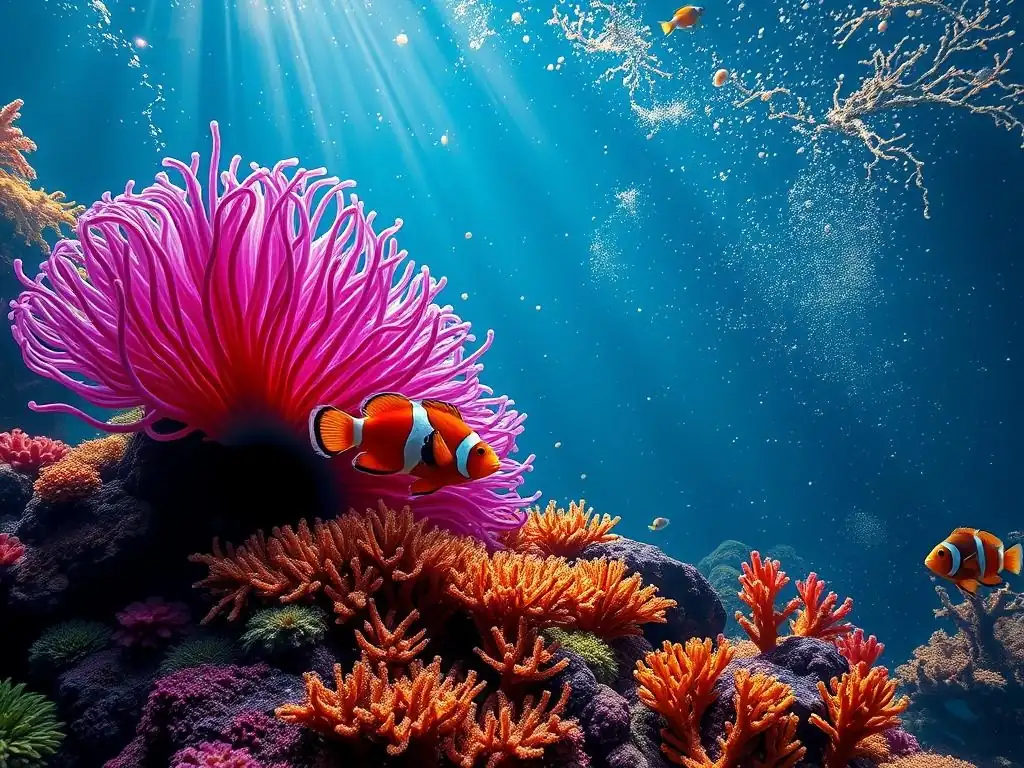
Ever wondered if your clownfish are truly happy in their anemone home? Dive in! This guide unravels the secrets to Clownfish anemone pairing size, ensuring a perfect, harmonious relationship. Discover the ideal adult sizes for various clownfish species and how to choose the right anemone for a thriving symbiotic partnership. Ready to create a slice of underwater paradise? Let's explore!
- Understanding Clownfish Anemone Pairing: Why Size is Crucial
- Clownfish Size Chart: Adult Lengths by Species
- Matching Clownfish Size to Anemone Size: A Practical Guide
- Factors Affecting Clownfish Growth and Size
- Troubleshooting Clownfish Anemone Pairing Issues Related to Size
- Tips for Introducing Clownfish to Anemones of Appropriate Size
- Beyond Size: Other Factors for Successful Clownfish Anemone Pairing
- Conclusion: Achieving a Harmonious Clownfish Anemone Relationship Through Proper Sizing
-
Frequently Asked Questions
- What is the ideal clownfish size for successful anemone pairing?
- How does clownfish size impact the anemone's health?
- What happens if a clownfish is too large for its host anemone?
- Is it possible to introduce multiple clownfish of varying sizes to the same anemone?
- Does clownfish size affect the type of anemone it will host?
- Final Reflection: The Delicate Dance of Coexistence
- Unveil the Perfect Pair: Your Clownfish Journey Starts Now!
Understanding Clownfish Anemone Pairing: Why Size is Crucial
The Symbiotic Relationship Between Clownfish and Anemones
The relationship between clownfish and sea anemones is one of the most iconic examples of mutualism in the marine world. Clownfish gain vital protection from predators by residing within the anemone's stinging tentacles, to which they are immune due to a special mucus layer on their skin. In return, the clownfish are believed to clean the anemone, remove parasites, and even ward off potential predators of the anemone, such as butterflyfish. This intricate co-evolution has resulted in a fascinating and often beautiful display in a home aquarium.
Beyond protection, the anemone provides a safe and stable home base for the clownfish, particularly for breeding pairs. The consistent presence of the clownfish helps to aerate the anemone's tentacles and may even provide supplemental nutrition through food scraps that the clownfish bring back or drop. This deep interdependence underscores why understanding the nuances of their interaction, including the critical aspect of clownfish anemone pairing size, is essential for a thriving setup.
Why Clownfish Size Impacts Anemone Selection
The physical dimensions of both the clownfish and its intended host anemone are paramount for a successful and healthy pairing. An anemone that is too small for a large clownfish can become stressed, retract frequently, or even suffer physical damage from the clownfish's robust hosting behavior. For instance, a 5-inch Maroon Clownfish attempting to host in a 4-inch Bubble Tip Anemone will likely overwhelm it, potentially leading to the anemone's decline or death due to constant irritation and insufficient space for expansion.
Conversely, a very small juvenile clownfish placed with an exceptionally large anemone might initially feel intimidated or struggle to locate its host. More critically, the anemone's capacity to support the biomass of its inhabitants is limited. Overburdening an anemone with an excessively large clownfish or multiple large clownfish can deplete the anemone's energy reserves, as it expends more energy on hosting and less on growth or photosynthesis. This delicate balance highlights why careful consideration of clownfish anemone pairing size is a foundational step.
Avoiding Aggression and Ensuring a Healthy Pairing
Size discrepancies can directly contribute to aggression, both between clownfish and towards the anemone itself. In a pair of clownfish, the female is typically larger and dominant, with the male being smaller and subordinate. If the tank or the anemone is too small, the dominant female may continually harass the male, preventing him from growing or even causing severe injury. This is particularly true for larger, more aggressive species like Maroon Clownfish, where limited space can escalate territorial disputes.
Furthermore, an undersized anemone might not provide adequate territory for a pair, leading to squabbles over prime real estate within the tentacles. An overly large clownfish might also inadvertently damage a smaller, more delicate anemone through excessive burrowing or by simply being too heavy. Ensuring the clownfish anemone pairing size is appropriate minimizes these stressors, fostering a peaceful environment where both the clownfish and the anemone can thrive without constant conflict or physical harm.
Clownfish Size Chart: Adult Lengths by Species
Ocellaris Clownfish (Amphiprion ocellaris) Size Guide
Ocellaris Clownfish Average Adult Size
The Ocellaris Clownfish, often referred to as the Common or False Percula Clownfish, is one of the most popular choices for home aquariums due to its relatively small size and docile nature. Adult males typically reach a length of 2.5 to 3 inches (6 to 7.5 cm), while the larger, dominant females can grow up to 3.5 to 4 inches (9 to 10 cm). Under optimal conditions, including a stable environment and a nutritious diet, Ocellaris clownfish can reach their full adult size within 1.5 to 2 years.
Their moderate adult size makes them highly adaptable to a variety of host anemones and suitable for a wide range of tank sizes. This manageable clownfish anemone pairing size ensures that they can comfortably host without overwhelming most commonly available anemone species, making them an excellent choice for beginner to intermediate aquarists looking to establish a symbiotic relationship.
Tank Size Recommendations for Ocellaris and Anemone
For a single Ocellaris Clownfish intending to host an anemone, a minimum tank size of 20-30 gallons (75-115 liters) is generally recommended. This allows sufficient swimming space for the clownfish and adequate room for the anemone to establish itself and grow. If you plan to keep a pair of Ocellaris clownfish with an anemone, a 30-gallon (115 liters) tank is a more appropriate starting point, providing enough territory to minimize potential aggression between the pair.
It is crucial to remember that the tank size must accommodate the anemone's potential adult size as well, not just the clownfish. A Bubble Tip Anemone (BTA), a common host for Ocellaris, can easily grow to 12 inches (30 cm) or more in diameter. Therefore, a 30-gallon tank should ideally have ample open space and stable rockwork to support a mature BTA without it overshadowing or stinging other corals or tank inhabitants.
Percula Clownfish (Amphiprion percula) Size Guide
Percula Clownfish Average Adult Size
The Percula Clownfish, or True Percula Clownfish, shares a striking resemblance to the Ocellaris and is often confused with it. In terms of adult size, they are very similar, with males typically reaching 2 to 2.5 inches (5 to 6.5 cm) and females growing up to 3 to 3.5 inches (7.5 to 9 cm). While slightly smaller on average than Ocellaris, the difference is often negligible in practical aquarium settings. Their bright orange coloration with distinct black-lined white stripes makes them a vibrant addition to any reef tank.
Like Ocellaris, Percula Clownfish are known for their relatively peaceful demeanor, making them excellent candidates for community reef tanks. Their compact clownfish anemone pairing size allows them to thrive in setups where space might be a consideration, and they are generally less prone to aggression than their larger clownfish cousins.
Tank Size Recommendations for Percula and Anemone
Similar to Ocellaris Clownfish, a minimum tank size of 20-30 gallons (75-115 liters) is recommended for a single Percula Clownfish and its host anemone. For a bonded pair, a 30-gallon (115 liters) tank provides a more suitable environment, allowing for both the fish and the anemone to comfortably coexist and grow. This size ensures that the anemone, which will likely be the focal point, has enough room to expand without encroaching on other tank inhabitants.
When planning your tank, consider the mature size of the chosen anemone. Even though Perculas are small, their preferred host anemones, such as Bubble Tip Anemones, can reach significant diameters of 10-12 inches (25-30 cm). Therefore, the tank's aquascape should leave ample open sand bed space or secure rockwork for the anemone to settle and fully extend, ensuring the long-term viability of the clownfish anemone pairing size.
Maroon Clownfish (Premnas biaculeatus) Size Guide: The Largest Clownfish
Maroon Clownfish Average Adult Size and Aggression
The Maroon Clownfish, easily identifiable by its deep maroon color and single white (or gold) stripe, is the largest and most aggressive of the commonly kept clownfish species. Adult females can reach an impressive size of 5 to 6 inches (12.5 to 15 cm), while males are typically smaller, growing to 3 to 4 inches (7.5 to 10 cm). Their substantial size makes them a commanding presence in any aquarium.
Their aggressive and highly territorial nature is a defining characteristic, especially for the larger females. Maroon Clownfish are known to nip at tank mates, including other clownfish (unless a bonded pair), and can even be aggressive towards the aquarist's hand during maintenance. This inherent aggression is a critical factor that directly influences the necessary clownfish anemone pairing size and overall tank dynamics.
Tank Size Recommendations for Maroon and Anemone: Special Considerations
Due to their considerable adult size and assertive temperament, Maroon Clownfish require significantly larger aquariums than other clownfish species. A minimum tank size of 50-60 gallons (190-225 liters) is recommended for a single Maroon Clownfish with its host anemone. For a pair, a tank of 75 gallons (285 liters) or larger is essential to provide adequate territory and mitigate potential aggression between the pair and towards other tank inhabitants.
The anemone chosen for a Maroon Clownfish must also be substantial enough to withstand their robust hosting. Large species like the Sebae Anemone (Heteractis crispa) or a very large Bubble Tip Anemone (Entacmaea quadricolor), which can reach 15-20 inches (38-50 cm) in diameter, are often necessary. This considerable clownfish anemone pairing size ensures the anemone can provide sufficient shelter and is not overwhelmed by the Maroon's powerful presence.
Other Common Clownfish Species and Their Adult Sizes
Tomato Clownfish (Amphiprion frenatus) Size
Tomato Clownfish are another popular choice, characterized by their reddish-orange body and a single white head stripe, which may fade with age in some specimens. Adult males typically grow to 3 to 4 inches (7.5 to 10 cm), with females reaching 4 to 5 inches (10 to 12.5 cm). They are more active and territorial than Ocellaris or Percula clowns, making them a more dominant presence in the aquarium.
While not as aggressive as Maroons, their territorial nature means they benefit from larger tanks. For a single Tomato Clownfish with an anemone, a 50-gallon (190 liter) tank is a suitable minimum. If housing a pair, a 75-gallon (285 liter) tank or larger is advisable to provide ample space and reduce potential conflict, ensuring the clownfish anemone pairing size is well-managed within the available territory.
Clarkii Clownfish (Amphiprion clarkii) Size
The Clarkii Clownfish is one of the most adaptable and widely distributed clownfish species, known for its ability to host in a broad range of anemones. Their coloration varies significantly, from yellow to black, typically with two or three white stripes. Adult males usually grow to 3 to 4 inches (7.5 to 10 cm), and females can reach 4 to 5 inches (10 to 12.5 cm), making them a mid-sized clownfish.
Clarkii clowns are moderately aggressive, especially as they mature, and can be quite assertive during feeding. A minimum of a 50-gallon (190 liter) tank is recommended for a single Clarkii with an anemone, while a pair would benefit from a 75-gallon (285 liter) tank or larger. Their robust nature and preference for larger anemones mean that careful consideration of the clownfish anemone pairing size is essential to ensure both organisms can thrive in the long term.
Matching Clownfish Size to Anemone Size: A Practical Guide
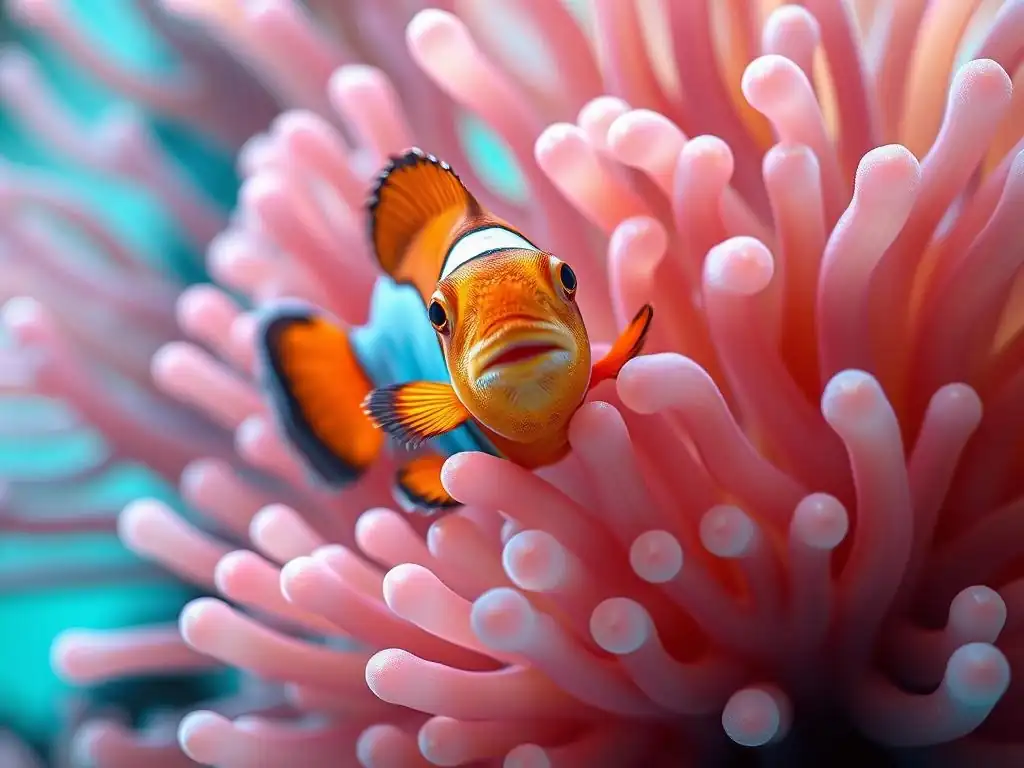
Anemone Species Suitable for Clownfish and Their Size Requirements
Bubble Tip Anemone (Entacmaea quadricolor) Size Considerations
The Bubble Tip Anemone (BTA) is arguably the most popular host anemone for clownfish due to its vibrant colors, distinctive bulbous tips, and relative hardiness compared to other host species. BTAs can vary significantly in size, typically reaching 8-12 inches (20-30 cm) in diameter under ideal conditions, though some mature specimens can exceed 20 inches (50 cm). Their expansion is influenced by feeding, lighting, and water quality.
For a juvenile Ocellaris or Percula clownfish, a BTA of 3-4 inches (7.5-10 cm) can be an appropriate initial host. However, as the clownfish grows to its adult size of 3-4 inches, the anemone should ideally be at least 6-8 inches (15-20 cm) in diameter to provide adequate shelter and prevent stress from the clownfish's constant presence. Ensuring a proportional clownfish anemone pairing size from the outset, and planning for the anemone's growth, is key to a successful long-term relationship.
Magnificent Anemone (Heteractis magnifica) Size Considerations
The Magnificent Anemone, also known as Ritteri Anemone, is a stunning and very large host anemone, characterized by its long, tapering tentacles and often vibrant colors. These anemones typically reach an impressive size of 12-20 inches (30-50 cm) in diameter in captivity, and can even exceed 3 feet (90 cm) in their natural habitat. They demand intense lighting, pristine water quality, and high water flow to thrive.
Due to their substantial size, Magnificent Anemones are best suited for larger clownfish species such as Maroons, Clarkii, or Tomato clowns, or a well-established, mature pair of Ocellaris/Percula in a very spacious aquarium. A tank of 100 gallons (380 liters) or larger is generally considered the minimum to adequately accommodate a Magnificent Anemone's full expansion and movement, making the clownfish anemone pairing size a significant factor in tank selection.
Carpet Anemone (Stichodactyla) Size Considerations
Carpet Anemones (e.g., Stichodactyla gigantea, S. haddoni) are among the largest and most imposing host anemones available to aquarists. These anemones can reach enormous sizes, often expanding to 2-3 feet (60-90 cm) or more in diameter, resembling a "carpet" on the sandbed. They possess extremely potent stinging capabilities, which can be dangerous to other tank inhabitants and even the aquarist if not handled with extreme care.
Given their immense size and aggressive nature, Carpet Anemones are only suitable for very large aquariums, typically 180 gallons (680 liters) or more, and are best paired with larger, more robust clownfish species like Maroons or Clarkii. The sheer scale of a Carpet Anemone means that the clownfish anemone pairing size primarily revolves around whether the tank can accommodate the anemone, rather than the clownfish overwhelming the anemone. Their strong sting also means careful consideration of tank mates is crucial.
The "Hand Rule" for Anemone Size: A Simple Guideline
A practical, albeit generalized, guideline for selecting an appropriately sized anemone is the "hand rule." For a single adult Ocellaris or Percula clownfish, the host anemone should be at least the size of your outstretched hand, roughly 6-8 inches (15-20 cm) in diameter. This provides sufficient surface area for the clownfish to comfortably host without overwhelming a smaller specimen.
For a pair of clownfish, particularly if they are larger species or a mature Ocellaris/Percula pair, consider an anemone that is 1.5 to 2 times the size of your hand, ideally 10-12 inches (25-30 cm) or more. While this rule offers a quick visual reference for clownfish anemone pairing size, it's always best to research the specific adult sizes and needs of both your chosen clownfish and anemone species to ensure a truly harmonious and healthy pairing.
Accounting for Anemone Growth: Planning for the Future
It is imperative to account for the potential growth of your chosen anemone when planning your aquarium. Many commonly available host anemones, especially Bubble Tip Anemones, are sold as relatively small specimens but can grow substantially in a healthy, well-maintained tank. A 3-inch BTA purchased today could easily expand to a 12-inch diameter within a year or two, given proper lighting and feeding.
Therefore, when selecting an anemone, always plan for its maximum potential adult size, not just its current dimensions. This foresight ensures that your aquarium has adequate space to accommodate the fully grown anemone without it stinging other corals, overshadowing rockwork, or outgrowing the tank itself. Proper planning for the clownfish anemone pairing size ensures that the relationship remains stable and beneficial as both organisms mature.
Factors Affecting Clownfish Growth and Size
Tank Size and Water Quality Impact on Clownfish Size
While the notion that fish only grow to the size of their tank is a myth, inadequate tank size and poor water quality can indeed stunt a clownfish's growth and compromise its overall health. A small tank leads to rapid accumulation of waste products like nitrates, which, even at seemingly low levels, can chronically stress fish and inhibit their development. For example, an Ocellaris clownfish kept in a consistently overcrowded 10-gallon tank might only reach 2 inches in length, whereas the same fish in a spacious 30-gallon tank could achieve its full genetic potential of 3.5-4 inches.
Maintaining pristine and stable water parameters is paramount for optimal growth. Consistent temperature (typically 76-82°F / 24-28°C), stable salinity (1.023-1.026 specific gravity), and low nitrate levels (ideally below 20 ppm) are vital. Regular partial water changes, such as 10-20% weekly or bi-weekly, are crucial for diluting pollutants and replenishing essential elements, directly impacting the clownfish's ability to reach its full clownfish anemone pairing size potential.
Diet and Nutrition for Optimal Clownfish Growth
A varied and high-quality diet is fundamental for promoting healthy growth and vibrant coloration in clownfish. Their diet should consist of a mix of marine-based pellets, flakes, and various frozen foods. Excellent choices for frozen foods include mysis shrimp, enriched brine shrimp, finely chopped marine flesh (such as spirulina-enriched krill), and cyclop-eeze. Feeding small amounts 2-3 times per day is generally more beneficial than one large meal, as it mimics their natural foraging behavior and prevents overfeeding.
Protein content is particularly important for juvenile clownfish development. Look for foods with a crude protein content of 40-50%. For instance, a clownfish fed a monotonous diet of low-quality flakes might take 3 years to reach its full adult size, whereas one provided with a diverse, protein-rich diet could achieve it in 1.5-2 years. This accelerated, healthy growth contributes directly to achieving the desired clownfish anemone pairing size in a timely manner.
Clownfish are protandrous hermaphrodites, meaning all are born male, and the largest, most dominant individual in a group will transition into a female. In a pair, the larger fish assumes the female role, while the smaller, subordinate fish remains male. This natural hierarchy often results in the female growing significantly larger than the male, sometimes by 1-2 inches (2.5-5 cm), as she is the primary breeder and protector.
This social dynamic can sometimes lead to the subordinate male's growth being suppressed if the dominant female is overly aggressive or if food access is unequal. In such cases, the male might not reach its full potential adult size. Observing these interactions is important; if the male appears stressed or consistently underfed, interventions like providing more hiding spots or increasing feeding frequency might be necessary to ensure both members of the pair achieve a healthy clownfish anemone pairing size.
Clownfish Ignoring the Anemone: Possible Causes and Solutions
It can be perplexing when a clownfish, despite being in a healthy tank with a suitable anemone, simply ignores its potential host. This behavior is often observed in tank-bred clownfish that have never encountered an anemone before, lacking the innate instinct to host. Other reasons include the anemone being too small or too large, making it appear unappealing or intimidating, or simply that the specific anemone species is not the clownfish's preferred natural host. For example, an Ocellaris clownfish might initially overlook a Carpet Anemone, favoring a Bubble Tip Anemone.
Solutions often involve patience. Ensure all water parameters are pristine, making the anemone as attractive and healthy as possible. Confirming the clownfish anemone pairing size is appropriate is critical; a moderately sized anemone (e.g., a 6-8 inch BTA) can be more approachable for a smaller clownfish (e.g., 1-2 inches). Some aquarists report success by placing a picture of a clownfish in an anemone on the tank glass, though its efficacy is anecdotal. Avoid forcing the interaction, as this can stress both organisms.
Clownfish Being Rejected by the Anemone: Addressing Size Discrepancies
Anemone rejection, where the anemone stings or actively retracts from a clownfish, is a clear sign of distress. This frequently occurs when a clownfish is too large or too aggressive for a smaller, more delicate anemone. A prime example is a large Maroon Clownfish attempting to host in a relatively small or weak Sebae Anemone, leading to the anemone becoming stressed, moving to an undesirable location, shrinking, or even dying. The anemone may also exhibit defensive behaviors if it perceives the clownfish as a threat rather than a symbiotic partner.
The most effective solution is to ensure the clownfish anemone pairing size is correct from the very beginning. If rejection occurs due to size, consider upgrading the anemone to a larger, more robust specimen that can comfortably accommodate the clownfish. Alternatively, if the clownfish is excessively large for available anemone options, rehoming it to a tank with a more appropriately sized host may be necessary. Providing ample food for the anemone can also strengthen its health, making it more resilient to hosting.
Aggression Between Clownfish Due to Inadequate Tank Space
Even a seemingly bonded pair of clownfish can exhibit aggression, particularly if their aquarium is too small or if the host anemone is insufficient to provide distinct territories for both fish. This issue is more pronounced in larger, more aggressive species like Maroon Clownfish; a 50-gallon tank for a pair, even with an anemone, is often inadequate, leading to persistent chasing, nipping, and stress. The female, being dominant, may constantly harass the male, preventing him from growing or even causing injury.
The primary solution to inter-clownfish aggression is to provide ample tank size, ideally 75 gallons (285 liters) or more for a pair, and a sufficiently large host anemone that offers distinct zones for each fish. For instance, a 12-inch Bubble Tip Anemone in a 75-gallon tank allows a pair of Ocellaris clownfish to coexist peacefully, as each fish can have its own space within the anemone without constant conflict. Addressing the clownfish anemone pairing size and overall tank volume is crucial for maintaining a harmonious environment.
Tips for Introducing Clownfish to Anemones of Appropriate Size
Quarantine and Acclimation: Preparing Your Clownfish
Always quarantine new clownfish for a minimum of 3-4 weeks in a separate observation tank before introducing them to your main display. This crucial step allows you to monitor for signs of disease, such as marine ich or velvet, and treat them without risking the health of your established tank inhabitants. Quarantine also provides a low-stress environment for the clownfish to acclimate to captive foods and recover from shipping stress, ensuring they are healthy and at a stable size before introduction, which helps establish the clownfish anemone pairing size.
Proper acclimation to the display tank's water parameters (temperature, salinity, pH) is equally vital. A drip acclimation method, slowly introducing tank water into the fish's transport bag over an hour or more, minimizes shock and stress. A sudden change in water chemistry can severely weaken the fish, making it less likely to host and more susceptible to illness.
Creating a Stress-Free Introduction Environment
Introduce the clownfish to the display tank only after the host anemone has fully established itself, is healthy, and is securely attached to the rockwork—typically a few weeks after the anemone's initial introduction. Ensure that no aggressive tank mates are present to harass the newly introduced clownfish. Dimming the aquarium lights for the first few hours after the clownfish's introduction can help reduce stress and encourage them to explore their new surroundings more calmly.
If you are introducing juvenile clownfish, consider pairing them with a healthy, moderately sized anemone that they can grow into, ensuring the initial clownfish anemone pairing size is manageable for both. Providing ample hiding spots within the rockwork can also give the clownfish a sense of security, especially if they do not immediately take to the anemone. A calm environment fosters confidence and encourages natural behaviors.
Monitoring the Pairing Process: What to Watch For
After introducing the clownfish, closely observe their interactions with the anemone for the first few days and weeks. Look for signs of stress in the clownfish, such as clamped fins, rapid breathing, hiding excessively, or refusing to eat. Simultaneously, monitor the anemone for signs of distress, including frequent retraction, deflation, excessive movement around the tank, or stinging the clownfish. Initial tentative touches and brief periods of hosting are normal, but prolonged stinging or avoidance by either party is a red flag regarding the clownfish anemone pairing size.
Ensure the clownfish is eating well and the anemone remains fully inflated, vibrant, and firmly attached to its chosen location. If the anemone frequently moves, it could indicate it is not happy with its current spot or is being overly stressed by the clownfish. Patience is often key, as some clownfish-anemone pairings can take several days or even weeks to fully establish.
Beyond Size: Other Factors for Successful Clownfish Anemone Pairing
Water Parameters and Stability
Maintaining stable and optimal water parameters is not only crucial for the general health of a saltwater aquarium but is absolutely critical for the delicate balance required for a successful clownfish and anemone pairing. Anemones, in particular, are highly sensitive to fluctuations. Key parameters include salinity (1.024-1.026 specific gravity), temperature (76-82°F / 24-28°C), pH (8.1-8.4), alkalinity (8-12 dKH), calcium (400-450 ppm), and magnesium (1300-1400 ppm).
Regular testing with reliable test kits (e.g., Salifert, Hanna) and consistent maintenance practices, such as bi-weekly 10-20% partial water changes, are essential. Poor or fluctuating water quality will stress both the clownfish and the anemone, making a successful clownfish anemone pairing size irrelevant if the organisms are unhealthy. Anemones often serve as the "canary in the coal mine," showing signs of stress long before other inhabitants if water conditions deteriorate.
Lighting Requirements for Both Clownfish and Anemones
While clownfish themselves do not have specific lighting requirements beyond a natural day/night cycle, their host anemones are photosynthetic organisms that rely heavily on light for their energy. Most commonly hosted anemones, such as Bubble Tip and Magnificent Anemones, require moderate to high intensity lighting, typically with PAR (Photosynthetically Active Radiation) values ranging from 150-400 at their location. Inadequate lighting will cause the anemone to shrink, lose its vibrant coloration, and eventually decline or die.
Modern LED light fixtures with adjustable spectrums are popular choices, allowing aquarists to fine-tune the light intensity and color for optimal anemone health. It's important to research the specific lighting needs of your chosen anemone species and ensure your aquarium setup can provide it. Proper lighting supports the anemone's health and growth, directly impacting its ability to host and thus the long-term viability of the clownfish anemone pairing size.
Choosing Healthy Clownfish and Anemones from Reputable Sources
The foundation of a successful clownfish and anemone pairing begins with selecting healthy specimens from reputable sources. When purchasing clownfish, look for alert, active individuals with clear eyes, intact fins, and no visible signs of disease such as white spots (ich), velvet, or frayed fins. They should be swimming freely and accepting food. Captive-bred clownfish are generally recommended as they are hardier, already accustomed to aquarium life, and less likely to carry diseases compared to wild-caught specimens.
For anemones, choose ones that are fully inflated, have vibrant and uniform coloration, and are firmly attached to a rock or the substrate. Avoid anemones that are deflated, pale, have torn tentacles, or are simply floating aimlessly. Inquire about the anemone's origin; sustainably collected or aquacultured specimens are always preferable. A healthy start for both organisms significantly increases the chances of a successful clownfish anemone pairing size and a thriving symbiotic relationship in your aquarium.
Conclusion: Achieving a Harmonious Clownfish Anemone Relationship Through Proper Sizing
Frequently Asked Questions
What is the ideal clownfish size for successful anemone pairing?
The ideal clownfish size depends on the anemone species. Generally, introducing a smaller clownfish is recommended as they are more likely to be accepted.
How does clownfish size impact the anemone's health?
Overly large clownfish can stress or damage a smaller anemone. Choose a clownfish whose size is proportional to the anemone to ensure the anemone's well-being.
What happens if a clownfish is too large for its host anemone?
A clownfish that is too large may overwhelm the anemone, causing it to retract, become stressed, and potentially decline in health due to excessive rubbing and irritation.
Is it possible to introduce multiple clownfish of varying sizes to the same anemone?
Introducing clownfish of varying sizes can work, but it's crucial to introduce the smallest one first. This establishes a hierarchy and reduces aggression.
Does clownfish size affect the type of anemone it will host?
Yes, larger clownfish species often require larger anemone species to accommodate their size and needs. Research compatible pairings based on adult size of both the clownfish and the anemone.
Final Reflection: The Delicate Dance of Coexistence
The intricacies of clownfish anemone pairing size, as explored in this guide, are not merely about aquarium aesthetics; they reflect a deeper understanding of symbiotic relationships and the delicate balance within our ecosystems. This knowledge is particularly crucial today, as reef environments face increasing pressures, making responsible aquarium keeping and informed conservation efforts more vital than ever.
This topic has profoundly influenced the way we perceive and interact with the underwater world. Understanding the specific needs of these creatures allows us to appreciate the complexity of their lives and the importance of responsible stewardship. In the end, we will conserve only what we love; we will love only what we understand; and we will understand only what we are taught.
- Baba Dioum. This quote encapsulates the essence of responsible aquarium keeping and the power of knowledge in fostering a deeper connection with the natural world.
Now, consider the lessons learned about the importance of size and compatibility. How can you apply this understanding of symbiotic relationships and careful planning to other aspects of your life? Whether it's fostering healthy relationships, building a thriving community, or nurturing a sustainable environment, remember the delicate dance of coexistence. Let the principles of thoughtful pairing and responsible stewardship guide your actions, creating a more harmonious and balanced world around you.
Unveil the Perfect Pair: Your Clownfish Journey Starts Now!
Thank you for diving deep into the world of clownfish and anemone partnerships! We hope this guide has equipped you with the knowledge to create a thriving ecosystem in your aquarium. Now, it's time to put that knowledge into action.
Here are a few steps you can take right away:
- Plan your aquascape to accommodate the adult size of your chosen clownfish and anemone species. This is the single most important step to long-term success!
- Share this article with fellow aquarium enthusiasts to help them understand the importance of size matching for clownfish and anemones.
- Research local aquarium stores that specialize in sustainably sourced anemones and clownfish. Perhaps consider documenting your search and experience for others online.
What specific clownfish and anemone pair are you most excited to bring to your aquarium, and why did you choose them?