
Reef Safe Wrasses: Separating Myth from Reality for a Thriving Coral Haven

Welcome to Aquarium Mastery!
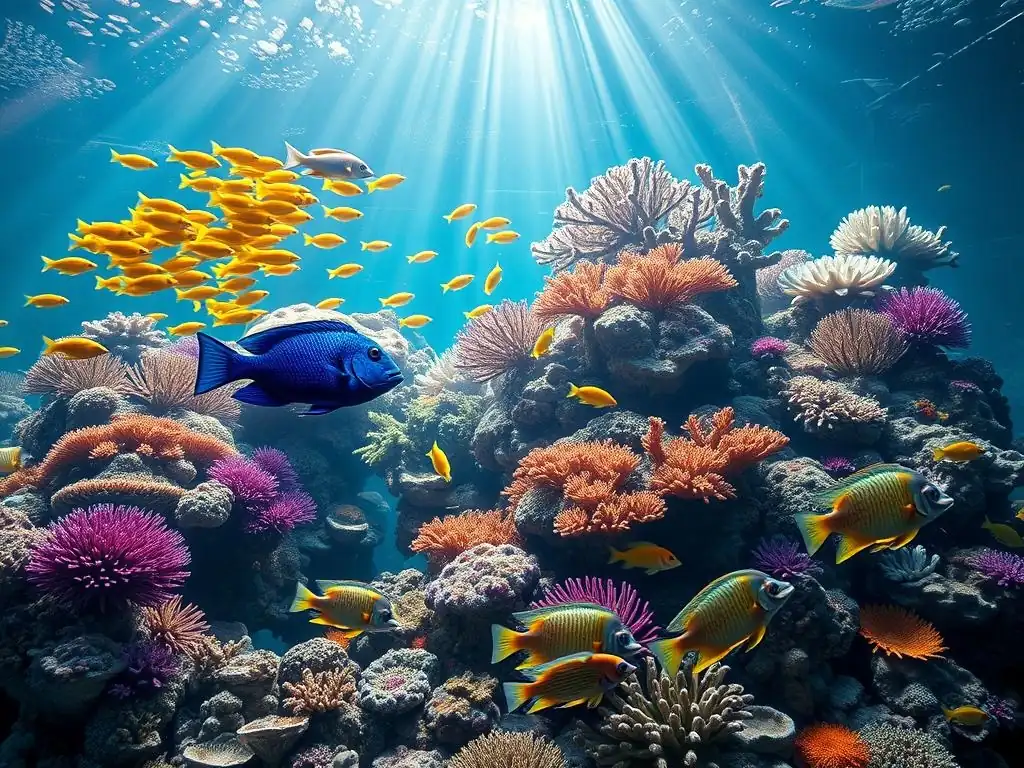
Ever wondered if those vibrant, mesmerizing wrasses can really co-exist peacefully within a delicate reef environment? Dive in with us as we explore the captivating world of reef safe wrasses care. We're about to unravel the truth, separating myth from reality, and equipping you with the knowledge to create a thriving coral haven. Ready to discover which wrasses are the perfect reef companions? Let's get started!
- Understanding Reef Safe Wrasses for a Healthy Reef Tank
- Common Myths About Wrasses and Reef Compatibility
- Identifying Truly Reef Safe Wrasses Species
- Wrasses to Avoid: Potential Reef Tank Menaces
- Reef Safe Wrasses Care: Creating the Ideal Environment
- Preventing Problems: Identifying and Addressing Problematic Wrasse Behavior
- The Benefits of Keeping Reef Safe Wrasses
- Conclusion: Choosing the Right Wrasse for a Balanced Reef Ecosystem
-
Frequently Asked Questions
- What defines a reef safe wrasse and why is it important to consider for a reef aquarium?
- What are some examples of wrasse species commonly considered reef safe, and what are their typical behaviors?
- What are some warning signs that a wrasse might not be reef safe, even if advertised as such?
- How do water parameters and tank size affect the success of keeping reef safe wrasses?
- What specific dietary needs do reef safe wrasses have, and how can I ensure they are met in a reef aquarium?
- Final Reflection: Cultivating Harmony in Our Reefs
- Ignite Your Reef: Take the Wrasse Plunge!
Understanding Reef Safe Wrasses for a Healthy Reef Tank
What Makes a Wrasse Reef Safe? Key Considerations
Determining what truly makes a wrasse "reef safe" involves a nuanced understanding of their natural diet, adult size, and individual temperament. A wrasse is generally considered reef safe if it primarily consumes plankton or small, nuisance invertebrates (such as flatworms or pyramid snails) and shows no propensity to actively prey on or damage corals, desirable sessile invertebrates (like clams or anemones), or other ornamental crustaceans. Factors like their mouth structure—whether designed for picking, crushing, or general predation—play a significant role.
Furthermore, a wrasse's activity level and burrowing habits are crucial considerations. Many wrasses bury themselves in the sand at night or when startled, requiring a sufficiently deep and fine sand bed. While this behavior is natural, overly large or aggressive burrowers can sometimes disturb coral bases or rockwork. Understanding these intrinsic behaviors is fundamental for effective reef safe wrasses care, ensuring the chosen species will thrive without posing a threat to the delicate balance of a coral reef aquarium.
The Importance of Selecting Reef-Friendly Wrasses
The careful selection of reef-friendly wrasses is paramount for maintaining a stable and flourishing coral haven. Introducing a wrasse species that is incompatible with corals or desirable invertebrates can lead to significant financial losses and emotional distress for the aquarist. Corals, especially slow-growing SPS (Small Polyp Stony) corals like Acropora, can take years to mature, and even minor nipping can cause tissue recession or complete colony loss. Similarly, ornamental shrimp, crabs, and snails are often vital components of a reef's clean-up crew or aesthetic appeal.
Beyond direct predation, an incompatible wrasse can introduce undue stress to the entire ecosystem. Constant harassment of tank mates, competition for food, or a disruptive presence can compromise the health and vibrancy of other inhabitants. Therefore, prioritizing species known for their reef compatibility is the first and most critical step in successful reef safe wrasses care, safeguarding the investment and effort put into creating a thriving marine environment.
Common Myths About Wrasses and Reef Compatibility
Myth 1: All Wrasses are Reef Safe
A widespread misconception among aquarists is that all wrasses are inherently reef safe. This myth is far from the truth, as the Wrasse family (Labridae) is incredibly diverse, encompassing over 500 species with a vast range of sizes, diets, and temperaments. While many species, particularly those in the Cirrhilabrus (Fairy Wrasses) and Paracheilinus (Flasher Wrasses) genera, are indeed excellent choices for reef tanks, others are formidable predators that can wreak havoc.
For instance, larger wrasse species such as the Harlequin Tuskfish ( Choerodon fasciatus) or the Bird Wrasse ( Gomphosus varius) are natural predators of crustaceans, mollusks, and small fish, making them entirely unsuitable for mixed reef environments. Their powerful jaws and feeding instincts are designed to crush shells and consume invertebrates, which directly conflicts with the goals of a coral reef aquarium. Thorough research into specific species is crucial, as blanket assumptions can lead to irreversible damage to a sensitive reef ecosystem, undermining effective reef safe wrasses care.
Myth 2: Small Wrasses Pose No Threat to Invertebrates
Another common belief is that the small size of a wrasse automatically equates to its harmlessness towards invertebrates. While it's true that some of the smallest wrasses are among the safest, size alone is not the sole determinant of reef compatibility. Many small wrasses, particularly those from the Halichoeres genus, are natural hunters of small crustaceans and worms. While this often makes them excellent for pest control (e.g., consuming flatworms or pyramid snails), it also means they might view desirable microfauna, tiny ornamental shrimp, or even small hermit crabs as potential food.
For example, a small Six-Line Wrasse ( Pseudocheilinus hexataenia), while generally considered reef safe, has been known to occasionally nip at the mantles of clams or harass smaller, shyer invertebrates if not adequately fed or if their natural hunting instincts are strong. The key lies in understanding the species' natural diet and hunting behaviors, rather than relying solely on adult size. This detailed understanding is vital for successful reef safe wrasses care, preventing unintended predation on beneficial tank inhabitants.
Myth 3: Feeding Prevents Wrasses from Eating Corals
The idea that consistent and ample feeding will deter a wrasse from eating corals or desirable invertebrates is a pervasive myth. While a well-fed fish is generally less likely to engage in opportunistic nipping due out of hunger, some wrasse species possess an inherent biological drive to pick at surfaces or hunt small organisms, irrespective of their satiety. For certain wrasses, this behavior is instinctual and part of their natural foraging strategy in the wild.
Even if a wrasse is provided with a varied and frequent diet of meaty foods like Mysis shrimp or finely chopped seafood, a species with a natural predisposition to consume coral polyps or small invertebrates may still do so. This is particularly true for species that are not truly reef safe by nature, such as some larger Halichoeres species or even certain Cheilinus wrasses. While a robust feeding regimen is a crucial component of reef safe wrasses care, it cannot override a species' fundamental dietary requirements or predatory instincts.
Identifying Truly Reef Safe Wrasses Species
The Yellow Coris Wrasse ( Halichoeres chrysus ): A Peaceful Reef Dweller
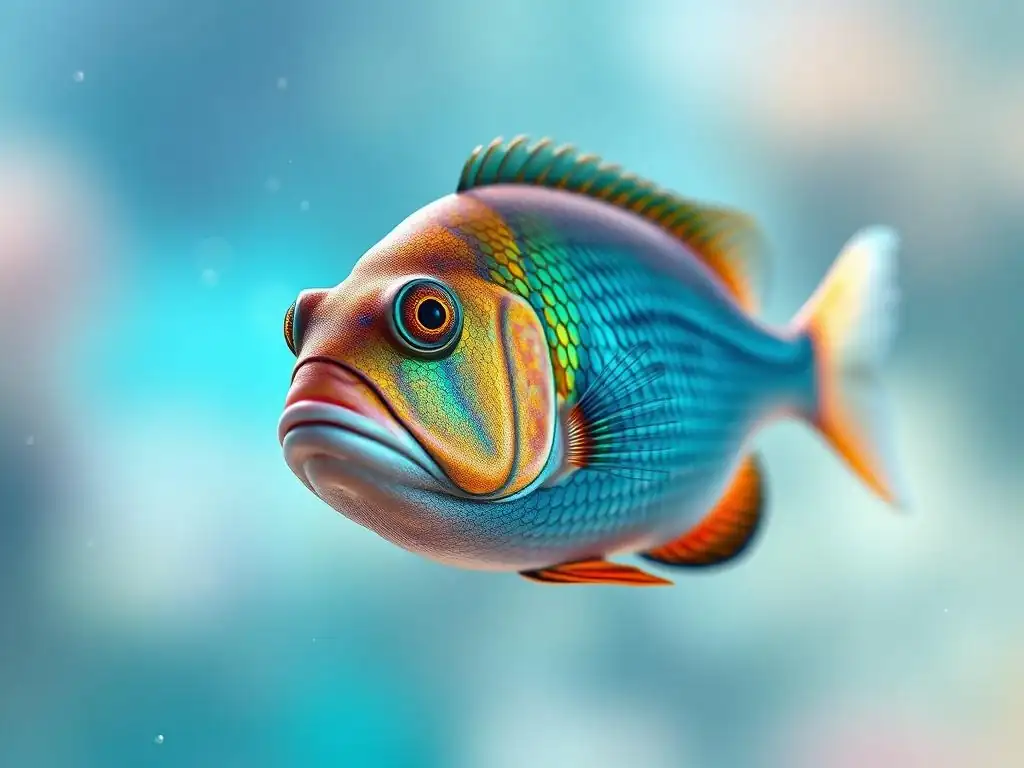
The Yellow Coris Wrasse, scientifically known as Halichoeres chrysus, is widely regarded as an excellent choice for a reef aquarium due to its peaceful temperament and beneficial feeding habits. Growing to an average adult size of about 5 inches (approximately 12-13 cm), this vibrant yellow fish adds a splash of color and activity without posing a threat to most corals or desirable invertebrates. Its diet primarily consists of small crustaceans, copepods, and nuisance pests such as pyramid snails (a common parasite of clams) and various species of flatworms.
These wrasses are active swimmers during the day, constantly sifting through the sand and picking at live rock for tiny organisms. At night, or when startled, they quickly bury themselves in the sand, requiring a fine sand bed of at least 2-3 inches (5-7.5 cm) deep. Their robust nature and consistent pest control capabilities make them a valuable addition to reef tanks generally 50 gallons (approximately 190 liters) or larger, where they can effectively contribute to the ecosystem's health.
The Melanurus Wrasse ( Halichoeres melanurus ): Reef Safety and Pest Control
The Melanurus Wrasse, or Halichoeres melanurus, is another highly recommended reef-safe wrasse, prized for its striking coloration and significant utility as a natural pest controller. Reaching an adult size of about 5-6 inches (13-15 cm), this species exhibits a beautiful mosaic of green, blue, and orange hues, often with distinct black spots. Its active foraging behavior makes it a tireless hunter of various aquarium pests, most notably nuisance flatworms (e.g., Convolutriloba retrogemma) and parasitic pyramid snails, which can devastate clam populations.
Like other Halichoeres species, the Melanurus Wrasse requires a deep sand bed for burrowing. They are generally peaceful towards corals and most other fish, though they can be territorial with other wrasses of similar shape or size. Due to their active swimming and moderate adult size, a minimum tank size of 75 gallons (approximately 285 liters) is recommended to provide ample space for exploration and foraging, making them an excellent choice for comprehensive reef safe wrasses care.
The Possum Wrasse ( Wetmorella nigropinnata ): A Nano Reef Gem
For aquarists with smaller reef setups, the Possum Wrasse ( Wetmorella nigropinnata) stands out as an ideal candidate. This diminutive wrasse typically grows to only about 2.5 inches (6-7 cm) in length, making it perfectly suited for nano and pico reef tanks, often thriving in tanks as small as 10-20 gallons (38-75 liters). Its shy and secretive nature, combined with its small mouth, ensures it poses virtually no threat to corals or even the smallest ornamental invertebrates.
Possum Wrasses are nocturnal and tend to be quite reclusive during the day, often hiding among live rock crevices. They primarily feed on tiny crustaceans and copepods found within the rockwork, making them beneficial for maintaining a healthy microfauna population. Their non-aggressive disposition and minimal impact on the reef environment make them a truly exceptional choice for aquarists seeking a peaceful and aesthetically pleasing inhabitant for their miniature coral havens.
Other Reef-Friendly Wrasse Species: A Comprehensive List
Beyond the popular choices, many other wrasse species are generally considered reef-safe and can make excellent additions to a thriving coral aquarium. These species vary in size, coloration, and specific care requirements, but share a common trait of not typically preying on corals or desirable invertebrates. Understanding their individual needs is crucial for comprehensive reef safe wrasses care.
Here is a comprehensive list of other commonly accepted reef-friendly wrasse species:
- Fairy Wrasses (Cirrhilabrus spp.): This genus includes a vast array of vibrant, peaceful wrasses like the Lubbock's Fairy Wrasse ( Cirrhilabrus lubbocki), Scott's Fairy Wrasse ( Cirrhilabrus scottorum), and the exquisite Rhomboid Fairy Wrasse ( Cirrhilabrus rhomboidalis). They are mostly planktivores and rarely bother corals or invertebrates. Most species grow to 3-5 inches and require tanks of 50 gallons or more.
- Flasher Wrasses (Paracheilinus spp.): Similar to Fairy Wrasses in temperament and diet, Flasher Wrasses (e.g., McCosker's Flasher Wrasse Paracheilinus mccoskeri, Carpenter's Flasher Wrasse Paracheilinus carpenteri) are renowned for their spectacular "flashing" displays during courtship. They are small (2-4 inches) and suitable for tanks 30 gallons and up.
- Six-Line Wrasse (Pseudocheilinus hexataenia): A popular choice for its distinctive stripes and reputation for eating flatworms and other small pests. While generally reef safe, some individuals can be territorial or occasionally nip at clam mantles, particularly if not well-fed. They reach about 3 inches and fit well in tanks 30 gallons and larger.
- Four-Line Wrasse (Pseudocheilinus tetrataenia): Similar to the Six-Line in behavior and size, but with four distinct lines. Also a good pest controller.
- Leopard Wrasses (Macropharyngodon spp.): Species like the Leopard Wrasse ( Macropharyngodon meleagris) are beautiful sand-sifting wrasses that specialize in consuming small invertebrates from the substrate. They require a very deep (at least 4 inches), fine sand bed and are sensitive to water quality. They grow to 5-6 inches and need tanks 75 gallons or larger.
- Hogfish Wrasses (Bodianus spp.): While some are too large or aggressive, smaller species like the Candy Cane Hogfish ( Bodianus opercularis) can be reef-safe with caution, especially in larger tanks where they won't feel cramped. They can reach 4-6 inches and require tanks over 75 gallons.
Wrasses to Avoid: Potential Reef Tank Menaces
The Harlequin Tuskfish ( Choerodon fasciatus ): Beautiful but not Reef Safe
The Harlequin Tuskfish ( Choerodon fasciatus) is undeniably one of the most stunning fish in the marine aquarium hobby, celebrated for its vibrant blue, orange, and white coloration and distinctive tusk-like teeth. However, its undeniable beauty belies a predatory nature that makes it entirely unsuitable for most reef aquariums. Reaching an impressive adult size of 10 inches (approximately 25 cm) or more, the Harlequin Tuskfish possesses powerful jaws and teeth perfectly adapted for crushing the shells of crustaceans and mollusks.
In a reef environment, this means that any ornamental shrimp, crabs, snails, or even bivalves like clams will be viewed as potential prey. While some very large, established SPS corals might be ignored, the risk to LPS (Large Polyp Stony) corals and soft corals from accidental damage or targeted nipping is significant. A minimum tank size of 180 gallons (approximately 680 liters) is typically recommended for these large, active fish, underscoring their unsuitability for all but the largest, fish-only-with-live-rock (FOWLR) systems, not mixed reefs.
The Bird Wrasse ( Gomphosus varius ): A Predatory Wrasse
The Bird Wrasse ( Gomphosus varius) is another captivating wrasse species, easily recognizable by its elongated, bird-like snout, which it uses to probe crevices for food. While its unique appearance is appealing, its predatory instincts and significant adult size make it a poor choice for a reef tank. Growing up to 10-12 inches (25-30 cm) in length, the Bird Wrasse is a highly active and agile hunter, preying primarily on small fish and various invertebrates in its natural habitat.
In a home aquarium, this translates to a high probability of consuming desirable ornamental shrimp, crabs, and even smaller fish. Its constant foraging and powerful movements can also disrupt coral placements and rockwork. Bird Wrasses require substantial swimming space, typically needing tanks of 125 gallons (approximately 470 liters) or larger, and are best housed in aggressive fish-only or FOWLR setups where their predatory nature will not jeopardize the health of corals or other sensitive invertebrates.
Why These Wrasses Aren't Reef Compatible
The fundamental reason why species like the Harlequin Tuskfish and Bird Wrasse are not reef compatible stems from their inherent biological programming and physical adaptations. Their natural diets consist of a wide array of invertebrates, which directly conflicts with the presence of desirable clean-up crew members and ornamental crustaceans in a reef tank. Their powerful mouths, whether designed for crushing or probing, are simply too destructive for the delicate structures of corals.
Furthermore, their substantial adult size and active swimming habits can lead to accidental damage to coral colonies through sheer physical contact or by dislodging frag plugs and rockwork. Attempts to "train" these wrasses to ignore corals or inverts through overfeeding are largely ineffective, as their instincts to hunt and forage are deeply ingrained. Understanding these fundamental incompatibilities is crucial for responsible reef safe wrasses care and for preventing costly and disheartening losses in a reef aquarium.
Reef Safe Wrasses Care: Creating the Ideal Environment
Tank Size and Setup for Reef Safe Wrasses
Proper tank size and setup are crucial components of reef safe wrasses care, directly impacting the health and longevity of these active fish. The minimum tank size varies significantly depending on the species; for instance, a small Possum Wrasse ( Wetmorella nigropinnata) can thrive in a 10-gallon nano reef, while many Halichoeres species like the Yellow Coris Wrasse or Melanurus Wrasse require a minimum of 50-75 gallons (190-285 liters) due to their active nature and adult size of 5-6 inches.
Larger Fairy and Flasher Wrasses, while generally peaceful, benefit from tanks 75 gallons or more to allow ample swimming space.
A critical aspect of wrasse setup is a tight-fitting lid, as many species are notorious jumpers, especially when startled or newly introduced. Furthermore, a fine sand bed of at least 2-4 inches (5-10 cm) deep is essential for most wrasses, as they burrow into the sand at night or when stressed for protection. Providing ample live rock with numerous crevices and hiding spots is also vital, offering security and areas for exploration, which mimics their natural reef environment.
Water Parameters for Optimal Wrasse Health
Maintaining stable and appropriate water parameters is paramount for the optimal health and vibrant coloration of reef safe wrasses. Like most marine inhabitants, wrasses thrive in consistent conditions that mimic their natural oceanic environment. The ideal temperature range should be between 72-78°F (22-26°C), with a specific gravity (salinity) of 1.023-1.026. The pH should be maintained between 8.1 and 8.4.
Beyond these basic parameters, ensuring stable alkalinity (7-11 dKH), calcium (400-450 ppm), and magnesium (1250-1350 ppm) is crucial, not only for the wrasses but also for the corals they cohabit with. Regular water testing and consistent partial water changes (e.g., 10-20% bi-weekly) are essential to prevent the accumulation of nitrates and other undesirable compounds. Pristine water quality minimizes stress and susceptibility to diseases, forming a cornerstone of effective reef safe wrasses care.
Diet and Feeding Strategies for Reef Safe Wrasses
The diet of reef safe wrasses is predominantly carnivorous, requiring a varied selection of meaty foods to maintain their health and vibrant colors. In the wild, most reef-safe wrasses forage continuously for small invertebrates, copepods, and other microfauna. In the aquarium, this natural diet needs to be supplemented with high-quality frozen foods such as Mysis shrimp, brine shrimp (preferably enriched), finely chopped seafood like clam or squid, and high-quality marine pellets or flakes.
For active species, feeding two to three times per day is often recommended to meet their high metabolic rates. Smaller, shyer wrasses might benefit from target feeding or broadcast feeding that allows food to drift into their hiding spots. A diverse diet not only provides essential nutrients but can also help to mitigate any potential nipping behavior towards corals, though it's not a guarantee for species with a natural inclination to pick.
Providing a Varied Diet to Minimize Coral Nipping
Providing a highly varied diet is a strategic component of reef safe wrasses care aimed at minimizing the rare instances of coral nipping. While some wrasses may exhibit exploratory or opportunistic nipping regardless of hunger, a nutritionally complete and diverse feeding regimen can significantly reduce the likelihood of such behavior driven by dietary deficiencies or unmet foraging instincts. Offering a rotation of different frozen foods, such as various types of Mysis shrimp, enriched brine shrimp, finely chopped krill, and even specially formulated wrasse pellets, ensures a wide spectrum of vitamins and minerals.
Moreover, allowing a healthy population of beneficial copepods and amphipods to flourish within the live rock and refugium can provide a continuous natural food source, mimicking their wild foraging habits. This constant access to live, nutritious prey can satisfy their inherent desire to hunt and pick, diverting their attention away from coral polyps. By meeting their nutritional and behavioral needs through a rich and varied diet, aquarists can further enhance the compatibility of their reef-safe wrasses within the coral ecosystem.
Managing Aggression: Wrasse Compatibility with Other Fish
Managing potential aggression and ensuring compatibility with other fish is a vital aspect of reef safe wrasses care. While many reef-safe wrasses are generally peaceful, their temperament can range from shy and reclusive (e.g., Possum Wrasses) to semi-aggressive and territorial (e.g., some Six-Line Wrasses). When introducing wrasses, it's often best to add them as one of the later additions to a mature tank, allowing existing inhabitants to establish territories first.
Careful consideration should be given to tank mates. Avoid housing wrasses with overly aggressive fish that might bully them, or with extremely small, docile fish that wrasses might outcompete for food or, in rare cases, harass.
When keeping multiple wrasses, especially within the same genus, it's generally advisable to introduce them simultaneously or maintain only one male per species, as males can be highly territorial towards other males. Fairy and Flasher Wrasses, however, often do well in small harems (one male with several females), provided the tank is sufficiently large (75 gallons or more) to accommodate their combined activity and potential for minor squabbles.
Preventing Problems: Identifying and Addressing Problematic Wrasse Behavior
Signs of a Wrasse Eating Corals or Invertebrates
Even with diligent reef safe wrasses care and species selection, it's important to remain vigilant for any signs of problematic behavior. The most direct evidence of a wrasse eating corals or invertebrates is observing the wrasse actively picking at coral polyps or preying on desirable clean-up crew members like snails or small shrimp. However, wrasses can be quick, and direct observation might be challenging. Indirect signs often include visibly damaged coral polyps, such as retracted polyps on specific colonies, small white spots indicating tissue loss, or frayed edges on soft corals.
For invertebrates, unexplained disappearances of snails, small hermit crabs, or ornamental shrimp, especially overnight, can be a strong indicator. For instance, if you notice your Acropora or Montipora colonies consistently exhibiting localized polyp retraction or tissue recession on their tips, and no other cause (like water parameters or pests) is apparent, a wrasse might be the culprit. Regularly inspecting your corals for these subtle changes and monitoring your invertebrate population will help identify issues early.
Strategies for Dealing with Nipping Behavior
Should a wrasse exhibit problematic nipping behavior, several strategies can be employed before considering removal. The first approach in reef safe wrasses care is to re-evaluate and enhance the feeding regimen. Increase the frequency of feedings (e.g., 3-4 times a day) and ensure a highly varied diet rich in meaty foods like Mysis shrimp, copepods, and finely chopped seafood. A well-fed wrasse is less likely to opportunistically pick at corals due to hunger or boredom.
Secondly, enriching the tank environment can help. Adding more live rock to create additional hiding spots and foraging opportunities can redirect their attention. Sometimes, simply rearranging the existing rockwork can disrupt established territories or behavioral patterns. If the behavior persists and causes significant damage, target feeding corals might help them recover, but ultimately, if a wrasse continues to damage corals despite these interventions, rehoming it to a fish-only system or another aquarist might be the unfortunate but necessary final step to protect your reef.
Quarantine Procedures for New Wrasses
Implementing strict quarantine procedures for all new wrasses is an indispensable component of responsible reef safe wrasses care. A dedicated quarantine tank (QT) of 10-20 gallons (38-75 liters) with basic filtration, a heater, and PVC pipes for hiding spots, allows new fish to be observed in isolation for a period, typically 4-6 weeks. This isolation period serves several critical purposes: it prevents the introduction of common marine diseases such as Ich ( Cryptocaryon irritans), Marine Velvet ( Amyloodinium ocellatum), or Brooklynella, which can devastate an established display tank's fish and invertebrate population.
During quarantine, the wrasse can be monitored for any signs of illness, aggression, or problematic feeding habits without risking the main display. Prophylactic treatments for parasites (e.g., with copper-based medications) or observation for bacterial infections can be administered safely, ensuring the fish is healthy and robust before being introduced to the sensitive reef environment. For example, a 30-day quarantine period with daily observation and a preventative round of treatment can drastically reduce the risk of a disease outbreak in a valuable reef system, protecting existing corals and fish.
The Benefits of Keeping Reef Safe Wrasses
Wrasses as Natural Pest Control: Dealing with Flatworms and Parasites
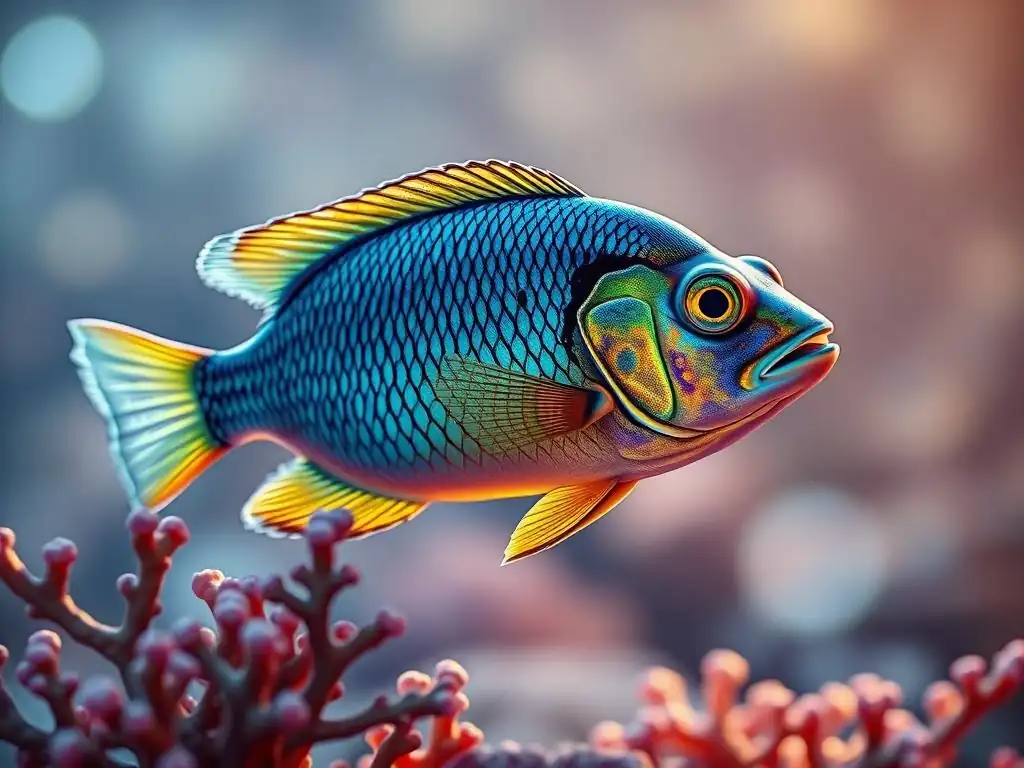
One of the most compelling reasons to include reef safe wrasses in a coral aquarium is their remarkable ability to act as natural pest control agents. Many species, particularly those from the Halichoeres genus like the Yellow Coris Wrasse ( Halichoeres chrysus) and the Melanurus Wrasse ( Halichoeres melanurus), are renowned for their voracious appetite for nuisance flatworms. These tiny, reddish-brown pests ( Convolutriloba retrogemma) can quickly proliferate, covering corals and competing for light and nutrients. A single well-acclimated wrasse can often significantly reduce or even eliminate a flatworm population in a 75-gallon reef tank within a few weeks.
Beyond flatworms, some wrasses are excellent at consuming parasitic pyramid snails ( Pyramidella spp. ), which are notorious for preying on clams. Their constant foraging through live rock and sand also helps to control populations of other undesirable micro-invertebrates that might otherwise become problematic. This natural pest management reduces the need for chemical treatments, contributing to a more stable and organically balanced reef ecosystem, a significant advantage in reef safe wrasses care.
Adding Color and Activity to Your Reef Aquarium
In addition to their practical benefits, reef safe wrasses are highly valued for the incredible aesthetic enhancement they bring to a marine aquarium. Many species, especially the Fairy Wrasses ( Cirrhilabrus spp.) and Flasher Wrasses ( Paracheilinus spp. ), exhibit some of the most vibrant and iridescent colorations found in the marine world, ranging from electric blues and fiery reds to shimmering greens and golds. Their dynamic patterns and often sexually dimorphic displays add spectacular visual interest.
Beyond their stunning colors, wrasses are incredibly active and engaging fish. They are constantly swimming, darting, and exploring the rockwork, adding a lively and dynamic element to the reef tank. Species like the Leopard Wrasse ( Macropharyngodon meleagris) exhibit fascinating sand-sifting behaviors, while Fairy and Flasher Wrasses perform elaborate "flashing" displays, particularly during courtship. Their constant movement and captivating behaviors make them a focal point, transforming a static coral display into a bustling, vibrant underwater world, making reef safe wrasses care a truly rewarding endeavor.
Conclusion: Choosing the Right Wrasse for a Balanced Reef Ecosystem
Frequently Asked Questions
What defines a reef safe wrasse and why is it important to consider for a reef aquarium?
A reef safe wrasse is generally defined as a wrasse species that is unlikely to harm corals or invertebrates within a reef aquarium. Choosing reef-safe wrasses is vital to ensure the health and longevity of the coral ecosystem.
What are some examples of wrasse species commonly considered reef safe, and what are their typical behaviors?
Popular reef-safe wrasses include the Fairy Wrasses ( Cirrhilabrus species) and most Flashers (Paracheilinus species). They typically exhibit peaceful behavior, foraging for small invertebrates without disturbing corals.
What are some warning signs that a wrasse might not be reef safe, even if advertised as such?
Watch for wrasses that nip at corals, consume ornamental shrimp or snails, or exhibit aggressive behavior towards other tank inhabitants. Individual temperaments can vary, so observation is crucial.
How do water parameters and tank size affect the success of keeping reef safe wrasses?
Stable water parameters, including proper salinity, pH, and alkalinity, are crucial. Adequate tank size provides enough room for wrasses to establish territories and reduce stress, impacting their reef compatibility.
What specific dietary needs do reef safe wrasses have, and how can I ensure they are met in a reef aquarium?
Most reef-safe wrasses require a varied diet of small, meaty foods such as mysis shrimp, brine shrimp, and finely chopped seafood. Regular feedings and a diverse food source help prevent them from targeting beneficial invertebrates.
Final Reflection: Cultivating Harmony in Our Reefs
The journey to understanding reef safe wrasses care is not just about selecting the right fish; it's about embracing a holistic approach to reef keeping that prioritizes the delicate balance of our underwater ecosystems. The information presented here, separating myth from reality, is more crucial now than ever, as the pressures on coral reefs worldwide continue to intensify. Choosing wisely and understanding the specific needs of these vibrant creatures is a direct contribution to the health and longevity of these vital habitats.
This exploration into reef safe wrasses has profoundly impacted my own perspective on responsible aquarium keeping, highlighting the interconnectedness of every element within a reef environment. It's a constant reminder that our choices, however small, ripple outwards, affecting the lives of countless organisms. We are tied to the ocean. And when we go back to the sea, whether it is to sail or to watch it, we are going back from whence we came.
- John F. Kennedy. This sentiment underscores the deep responsibility we hold to protect these aquatic realms.
Now, I invite you to reflect on your own role in this delicate ecosystem. Consider the knowledge you've gained and how you can apply it to make informed decisions, not just in your aquarium, but in your broader environmental consciousness. Let us all strive to be mindful stewards of our planet's reefs, ensuring that future generations can marvel at their beauty and benefit from their vital contributions.
Ignite Your Reef: Take the Wrasse Plunge!
Thank you for diving deep into the world of reef-safe wrasses and uncovering the truth about these colorful inhabitants! Now that you're armed with knowledge, let's put it into action and build the ultimate reef environment.
Here's how to continue your reef-building journey:
- Start Planning: Carefully select one wrasse species that aligns with your tank size, existing inhabitants, and experience level. Research its specific needs before introducing it to your reef.
- Share Your Findings: Join our Aquarium Mastery community forum and share your newfound understanding of reef-safe wrasses. Help others avoid common pitfalls and create healthier reef ecosystems.
- Think Outside the Box: Research unconventional methods for ensuring your wrasse integrates smoothly, such as using a acclimation box or introducing specific live foods.
Ready to make a splash and create a wrasse-friendly reef that will thrive for years to come? What specific wrasse species are you most excited to research and potentially add to your aquarium?