
Green Bird Wrasse (Gomphosus caeruleus): The Male's Magnificent Transformation

Welcome to Aquarium Mastery!
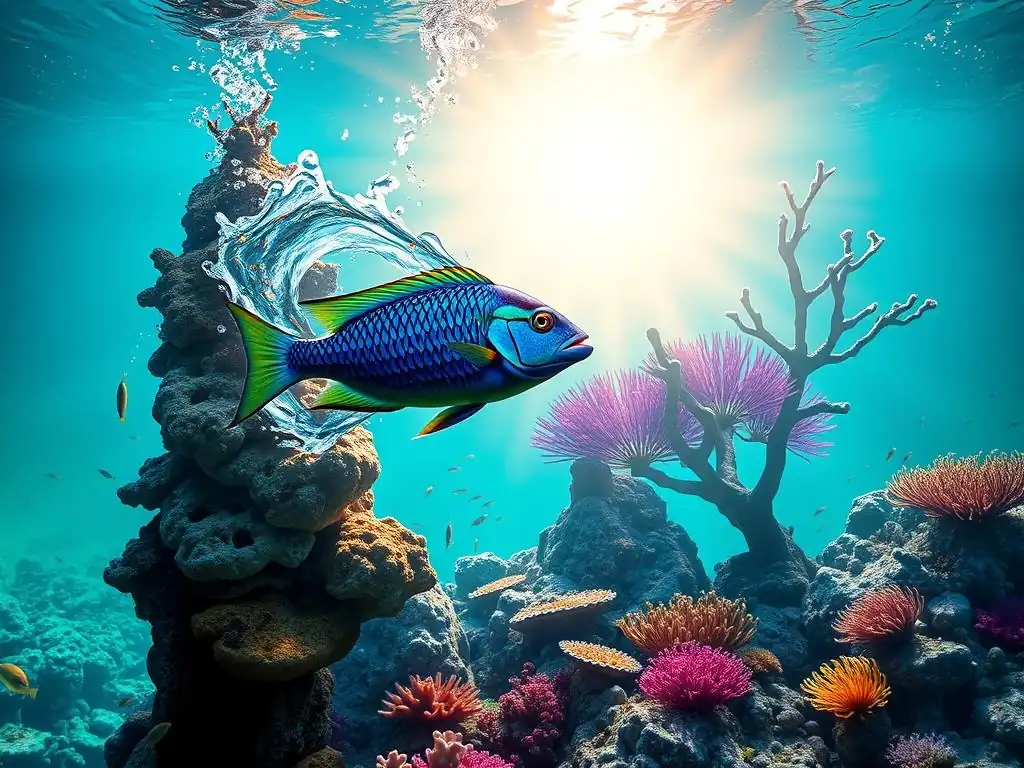
Ever wondered how to unlock the secrets of keeping a truly stunning saltwater specimen? Dive in and discover the captivating world of the Male Green Bird Wrasse. This isn't just another fish profile; it's your guide to understanding their unique transformation and providing the optimal care they deserve. What makes the male's coloration so vibrant, and how can you ensure his health and happiness in your aquarium? Let's find out!
- Understanding the Green Bird Wrasse: An Introduction for Saltwater Aquarists
- Male Green Bird Wrasse Care: Creating the Ideal Aquarium Environment
- Male Green Bird Wrasse Diet and Feeding: Ensuring Proper Nutrition
- Male Green Bird Wrasse Behavior and Compatibility in a Saltwater Tank
- Male Green Bird Wrasse Health and Disease Prevention
- The Male Green Bird Wrasse's Color Transformation: A Detailed Look
- Breeding Green Bird Wrasses: Challenges and Considerations
- Purchasing a Male Green Bird Wrasse: What to Look For
- Conclusion: Appreciating the Beauty and Complexity of the Male Green Bird Wrasse
-
Frequently Asked Questions
- How difficult is it to care for a male Green Bird Wrasse?
- What size aquarium is required for a male Green Bird Wrasse?
- What type of diet does a male Green Bird Wrasse need?
- What are some common health issues that affect male Green Bird Wrasses?
- What is the typical lifespan of a male Green Bird Wrasse in captivity?
- Final Reflection: Embracing the Beauty of Change
- Unveil Your Aquarium's Untapped Potential!
Understanding the Green Bird Wrasse: An Introduction for Saltwater Aquarists
Green Bird Wrasse Profile: Species Overview
The Green Bird Wrasse, scientifically known as Gomphosus caeruleus, is a captivating member of the Labridae family, commonly referred to as wrasses. This species is also known by names such as Birdmouth Wrasse or Indian Ocean Bird Wrasse, reflecting its distinctive elongated snout. Native to the Indo-Pacific region, extending from the Red Sea across to the Ryukyu Islands and Australia, these fish inhabit clear lagoons and outer reef slopes, typically found at depths ranging from 3 to 30 meters.
Adult Green Bird Wrasses can reach an impressive size of up to 12 inches (approximately 30 cm) in the wild, though they may remain slightly smaller in captivity, usually around 8-10 inches (20-25 cm). They are active, diurnal swimmers, constantly exploring their environment. Their unique proboscis-like mouth is perfectly adapted for their natural feeding strategy: probing into small crevices and the sand for hidden invertebrates, making them fascinating subjects for dedicated aquarists.
Distinguishing Male and Female Green Bird Wrasses: A Visual Guide
One of the most striking characteristics of the Green Bird Wrasse is its pronounced sexual dimorphism, particularly the dramatic color difference between males and females. Females are typically much less colorful, often displaying a duller brown or reddish-brown body, sometimes with subtle white or pale blotches. Their snout, while still elongated, is generally less pronounced than that of a mature male, and they tend to be smaller in overall size.
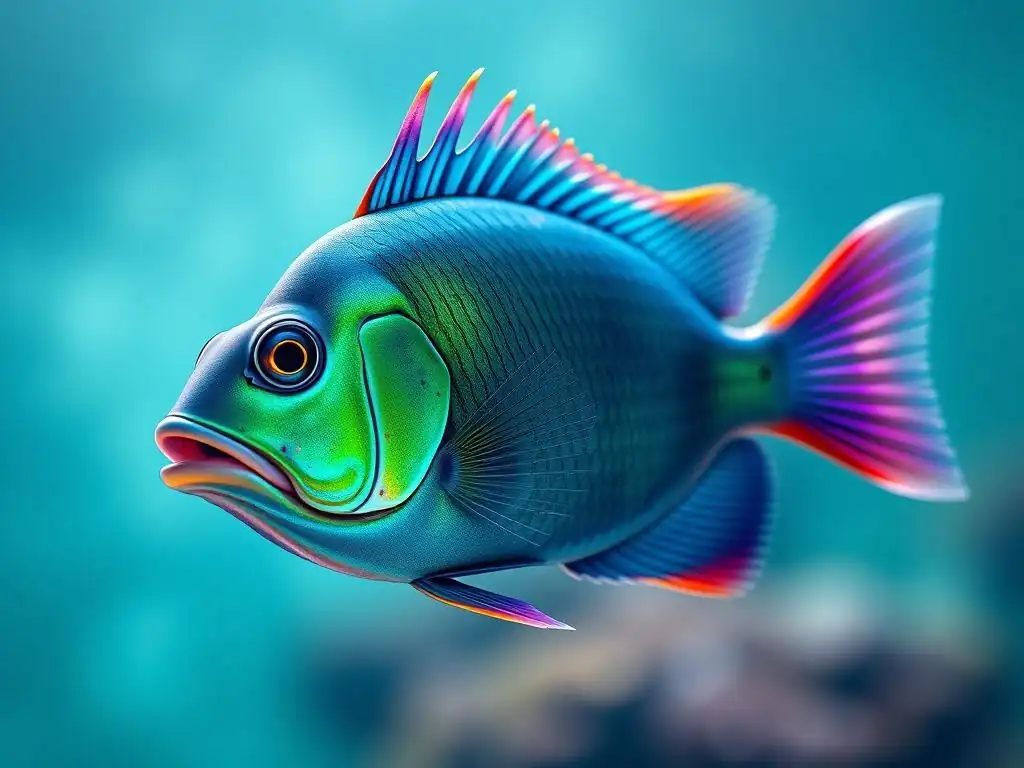
In stark contrast, adult males are renowned for their brilliant and iridescent blue-green coloration, which can shift between shades of emerald, turquoise, and even hints of purple depending on lighting and mood. Their elongated snout becomes more pronounced and pointed as they mature. This magnificent transformation from a more subdued juvenile or female appearance to the vibrant male is a significant draw for many aquarists and a key aspect of advanced male green bird wrasse care.
Why the Male Green Bird Wrasse Transformation is So Captivating
The breathtaking color transformation of the male Green Bird Wrasse is a primary reason for its popularity among saltwater enthusiasts. Juveniles and females possess a more cryptic coloration, but as the fish matures into a male, often triggered by environmental cues and social hierarchy, it develops an astonishing palette of iridescent blues and greens. This process can take several months to a year, depending on factors such as diet, tank conditions, and the presence of other wrasses.
This dramatic shift is not merely superficial; it signifies sexual maturity and often a dominant social status within its species. For the aquarist, witnessing this metamorphosis is a rewarding experience, showcasing the biological marvels of the marine world. It underscores the importance of providing optimal male green bird wrasse care to allow these fish to fully express their genetic potential and achieve their most vibrant, captivating coloration.
Male Green Bird Wrasse Care: Creating the Ideal Aquarium Environment
Tank Size Requirements for Male Green Bird Wrasses
Given their active nature and potential adult size, male Green Bird Wrasses require substantial swimming space. A minimum tank size of 125 gallons (approximately 473 liters) is highly recommended for a single adult male. This volume provides adequate room for their constant movement and helps to maintain stable water parameters by diluting metabolic waste products effectively. For those considering a pair or integrating them into a diverse community tank, a system of 180 gallons (681 liters) or larger would be more appropriate.
The physical dimensions of the tank are as important as its volume. These fish are horizontal swimmers, constantly darting across the length of the aquarium. Therefore, a tank that is longer and wider, rather than just tall, will better accommodate their natural swimming patterns. Insufficient space can lead to heightened stress levels, stunted growth, and increased aggression towards tank mates, directly compromising effective male green bird wrasse care.
Water Parameters: Maintaining Optimal Conditions for a Healthy Wrasse
Maintaining stable and pristine water parameters is paramount for the health and vibrancy of male Green Bird Wrasses. The specific gravity (salinity) should be consistently kept between 1.020 and 1.025, mimicking their natural oceanic environment. Water temperature is ideally maintained within a range of 72-78°F (22-26°C), and pH levels should remain stable between 8.1 and 8.4. Fluctuations in these parameters can cause significant stress and compromise the fish's immune system.
Crucially, ammonia and nitrite levels must always be at an undetectable zero, as these compounds are highly toxic to marine fish. Nitrate levels should be kept as low as possible, ideally below 20 ppm, and certainly no higher than 40 ppm. Regular water changes, typically 10-20% weekly or bi-weekly, using properly mixed and aged saltwater, are essential for removing accumulated nitrates and other undesirable substances, forming the backbone of excellent male green bird wrasse care.
Substrate and Aquascaping for Green Bird Wrasses: Replicating Their Natural Habitat
A critical aspect of providing appropriate habitat for Green Bird Wrasses is the substrate. These fish are known to bury themselves in the sand at night or when startled, a natural protective behavior. Therefore, a deep sand bed of at least 3-4 inches (7.5-10 cm) is absolutely essential. Fine to medium-grain sand is preferred to prevent any potential injury to their delicate bodies or snout as they burrow.
Beyond the substrate, aquascaping should incorporate ample live rock structures. These provide numerous crevices, caves, and overhangs for exploration and shelter, replicating the complex reef environment they inhabit in the wild. While providing plenty of hiding spots, ensure that there remains abundant open swimming space for their active movements. All rockwork must be securely stacked to prevent collapses, especially given the wrasse's burrowing habits, which can undermine unstable structures.
Lighting and Filtration Needs for Green Bird Wrasses in Captivity
Green Bird Wrasses do not have exceptionally demanding lighting requirements themselves, with moderate lighting generally being sufficient for their well-being. However, if the aquarium houses photosynthetic corals, the lighting intensity will naturally be dictated by the needs of those invertebrates. Regardless of intensity, establishing a consistent day-night cycle is important for the fish's natural circadian rhythms and overall health.
Robust filtration is non-negotiable for male green bird wrasse care. Due to their active metabolism and potential size, they can produce a significant bioload. A high-quality protein skimmer is highly recommended to efficiently remove organic waste before it breaks down into harmful compounds. Mechanical filtration, such as filter socks or pads, should be cleaned or replaced frequently, while a strong biological filter (e.g., ample live rock, bio-media) is crucial for the nitrogen cycle. Additionally, moderate to strong water flow is beneficial, mimicking the currents found on natural reef environments.
Male Green Bird Wrasse Diet and Feeding: Ensuring Proper Nutrition
What Do Green Bird Wrasses Eat in the Wild?
In their natural Indo-Pacific habitats, Green Bird Wrasses are specialized carnivores, perfectly adapted to their niche. Their elongated, pointed snout allows them to expertly probe into the intricate crevices of live rock and sift through sandy substrates to uncover small invertebrates. Their primary diet consists of a diverse array of crustaceans, including copepods, amphipods, and small shrimp, as well as various types of small mollusks and marine worms.
These wrasses are active and persistent hunters, spending their daylight hours constantly foraging for food. This continuous feeding behavior in the wild highlights their need for frequent, small meals in a captive environment to maintain their high metabolism and ensure optimal health. Understanding their natural diet is the first step in providing comprehensive and effective nutrition as part of male green bird wrasse care.
Recommended Food for Male Green Bird Wrasses in Aquariums
To replicate their natural diet and ensure proper nutrition for male Green Bird Wrasses in captivity, a varied and high-quality protein-rich diet is essential. Offer a diverse selection of frozen foods, such as Mysis shrimp, enriched brine shrimp, finely chopped pieces of marine seafood like shrimp, squid, or clam, and copepods. Live foods, including blackworms or small feeder shrimp, can be offered occasionally to stimulate their natural hunting instincts and provide valuable enrichment.
While some wrasses may initially be reluctant, high-quality marine pellets and flakes designed for carnivorous fish can also be introduced as a supplemental food source. It's important to ensure that the food items are appropriately sized for their unique, elongated mouth structure. Regular supplementation with vitamin solutions, such as Selcon, can further enhance their nutritional intake and contribute significantly to their overall health and vibrant coloration.
Feeding Schedule and Techniques for Optimal Health
To best mimic their natural foraging behavior and support their active metabolism, adult male Green Bird Wrasses should be fed 2-3 times per day. Each feeding should consist of small portions that can be consumed within a few minutes. This approach helps prevent large amounts of uneaten food from decaying and negatively impacting water quality, which is crucial for maintaining a healthy aquarium environment.
Observe your wrasse's feeding response; a healthy specimen should be an eager and active eater. When feeding, disperse the food over a wider area of the tank. This encourages natural foraging behavior and helps reduce competition if the wrasse is housed with other fast-eating tank mates, ensuring that the Green Bird Wrasse receives adequate nutrition. Consistent feeding practices are a cornerstone of successful male green bird wrasse care.
Male Green Bird Wrasse Behavior and Compatibility in a Saltwater Tank
Understanding the Temperament of Male Green Bird Wrasses
Male Green Bird Wrasses are known for their lively and inquisitive temperament. They are highly active fish, constantly swimming, exploring rockwork, and sifting through the substrate. While generally considered semi-aggressive, they are not typically overtly hostile towards most tank mates of similar size. However, they can exhibit territorial behavior, especially towards other wrasses, particularly those with similar body shapes or coloration, or towards newly introduced fish.
Their high activity level means they require ample space to thrive and exhibit natural behaviors. A cramped environment can lead to increased stress, which may manifest as heightened aggression or lethargy. Understanding their energetic nature is key to successful male green bird wrasse care, ensuring they have the room to swim freely and express their natural curiosity.
Suitable Tank Mates for Male Green Bird Wrasses: Avoiding Aggression
When selecting tank mates for a male Green Bird Wrasse, it's best to choose other active, semi-aggressive fish that can hold their own. Good companions often include larger tangs, robust angelfish, certain triggerfish (with careful consideration of species), and other wrasses that are distinctly different in shape or color. They generally coexist well with larger clownfish, blennies, and various types of gobies, provided these are not small enough to be perceived as prey.
It is crucial to ensure that potential tank mates are not so small that the wrasse might attempt to eat them, nor so large or aggressive that they could intimidate or harm the wrasse. Introducing the Green Bird Wrasse last or simultaneously with other active species can sometimes help reduce initial territorial disputes, promoting a more peaceful coexistence within the aquarium.
Incompatible Tank Mates: Fish to Avoid with Green Bird Wrasses
Certain fish species are generally incompatible with male Green Bird Wrasses and should be avoided in the same aquarium. Very small, docile, or slow-moving fish, such as mandarin gobies, small cardinalfish, or seahorses, are at risk of being outcompeted for food or even preyed upon by the active and opportunistic wrasse. Similarly, extremely aggressive or predatory species like large lionfish or certain moray eels could pose a threat to the wrasse.
It is strongly advised against housing multiple male Green Bird Wrasses in typical home aquarium settings unless the tank is exceptionally large (e.g., 500 gallons or more) and provides ample distinct territories. Housing them with other wrasses of the Gomphosus genus or those with very similar body plans can lead to severe and persistent aggression, often resulting in injury or death.
Observing and Understanding Male Green Bird Wrasse Behavior Patterns
Observing the unique behaviors of your male Green Bird Wrasse is a rewarding aspect of their care. A key behavior is their habit of burying themselves completely in the sand at night or when feeling threatened. This is a normal and vital part of their routine, providing security and rest. If a wrasse stops burying, it can be a significant indicator of stress or illness. Their constant darting, probing, and active exploration of the tank are also typical.
Another important characteristic is their tendency to jump, especially when startled or if water quality is poor. A tight-fitting lid is an absolute necessity for any tank housing a Green Bird Wrasse. Pay close attention to their feeding patterns, general activity levels, and interactions with other fish. Any sudden changes, such as prolonged lethargy, excessive hiding during the day, or a sustained refusal to eat, should be considered early warning signs of potential health issues, prompting immediate investigation as part of attentive male green bird wrasse care.
Male Green Bird Wrasse Health and Disease Prevention
Common Diseases Affecting Green Bird Wrasses
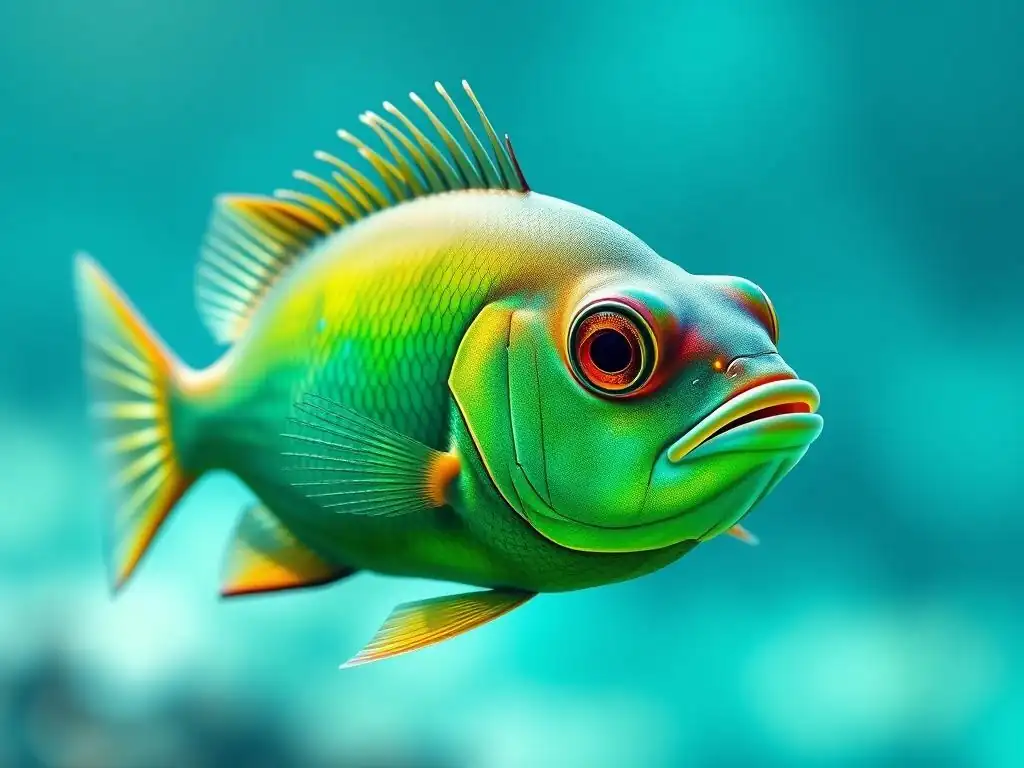
Like many marine fish, Green Bird Wrasses are susceptible to common saltwater diseases, particularly if stressed by poor water quality, inadequate tank size, or improper diet. Among the most prevalent are marine Ich ( Cryptocaryon irritans), characterized by small white spots resembling salt grains, and velvet disease ( Amyloodinium ocellatum), which presents as a dusty, yellowish-brown film. Bacterial infections, often manifesting as fin rot or cloudy eyes, can also occur, especially in compromised fish.
External parasites such as flukes ( Monogenea) can sometimes affect their gills or body. Internal parasites are less common but can lead to emaciation despite consistent feeding. Maintaining a stable, stress-free environment is the primary defense against these ailments, as a strong immune system is the best preventative measure in male green bird wrasse care.
Recognizing Signs of Illness in Your Male Green Bird Wrasse
Early detection of illness is crucial for successful treatment and recovery. Aquarists should regularly observe their male Green Bird Wrasse for any deviations from its normal behavior or appearance. Key signs of illness include the presence of white spots or a dusty film on the body or fins, which indicate Ich or velvet. Other symptoms to watch for are clamped fins, rapid or labored breathing, a loss of appetite, and abnormal swimming patterns such as erratic darting or listlessness.
Changes in coloration, such as a dulling of their vibrant blue-green hues or the appearance of unusual blotches, can also signal distress. Excessive scratching or "flashing" against tank decor, visible lesions, or a general lack of their characteristic energetic activity are all red flags. Any of these symptoms warrant immediate investigation and potential intervention to safeguard the health of your wrasse.
Quarantine Procedures for New Green Bird Wrasses
Implementing a mandatory quarantine period for all new Green Bird Wrasses is arguably the most critical preventative measure in male green bird wrasse care. A separate quarantine tank (QT) should be set up and maintained for 4-6 weeks before introducing the new fish to the main display aquarium. This dedicated period allows for close observation of the new arrival for any signs of disease or stress.
During quarantine, the fish can be proactively treated for common parasites if desired, or simply monitored. Maintaining pristine water quality in the QT and offering a varied diet will help the fish acclimate and strengthen its immune system. This vital step significantly reduces the risk of introducing pathogens into your established main system, protecting your existing fish population from potential outbreaks.
Preventative Measures for Maintaining a Healthy Wrasse
Beyond quarantine, the cornerstone of long-term health for a male Green Bird Wrasse lies in consistent, high-quality environmental management. This includes rigorously maintaining stable and optimal water parameters: zero ammonia and nitrite, low nitrates, consistent salinity (1.020-1.025), and stable temperature (72-78°F). Regular water changes, as previously mentioned, are indispensable for diluting toxins and replenishing essential elements.
Providing a spacious, well-aquascaped tank with ample hiding spots and a deep sand bed is crucial for reducing stress. A diverse and nutritious diet supports a robust immune system. Avoid overcrowding the aquarium, as this increases competition, stress, and bioload. Regularly inspect your fish for early signs of disease and address any issues promptly. Minimizing sudden changes in tank conditions and ensuring a secure, jump-proof lid also contribute significantly to their well-being.
The Male Green Bird Wrasse's Color Transformation: A Detailed Look
Stages of Color Change in Male Green Bird Wrasses
The captivating color transformation of the male Green Bird Wrasse is a gradual process tied to sexual maturity and environmental factors. Juveniles of the species typically display a more muted, often mottled brown or greenish-brown coloration, sometimes with darker spots or bands. As they grow and begin to approach sexual maturity, usually at a size of around 4-6 inches (10-15 cm), subtle hints of the vibrant blue-green may start to emerge, particularly along the dorsal side.
The full, breathtaking iridescent blue-green, sometimes with undertones of purple or pink, develops progressively over several months to a year. This transformation is driven by hormonal changes and can be influenced by the fish's social standing within the tank – a dominant male will often display more intense coloration. Concurrently, the characteristic elongated snout becomes more pronounced and sharply pointed, completing the magnificent male phenotype.
Factors Influencing Color Development in Male Green Bird Wrasses
Several key factors play a significant role in the intensity and vibrancy of a male Green Bird Wrasse's coloration. Diet is paramount; a varied and nutrient-rich feeding regimen, particularly one abundant in carotenoids and other essential vitamins, can dramatically enhance color expression. High-quality marine foods, especially those fortified with ingredients like astaxanthin, are known to promote vivid hues in many fish species, including wrasses.
Beyond nutrition, a stress-free environment is critical. Stable and pristine water parameters, including consistent temperature, pH, and salinity, coupled with undetectable levels of ammonia and nitrite, reduce physiological stress that can dull coloration. Ample swimming space and appropriate tank mates also contribute to a calm environment, allowing the fish to thrive and display its most brilliant colors. A healthy, well-adjusted male Green Bird Wrasse will naturally exhibit its genetic potential for stunning coloration.
Maximizing Color Vibrancy in Your Male Green Bird Wrasse
To truly maximize the color vibrancy of your male Green Bird Wrasse, a holistic approach to male green bird wrasse care is essential. Begin by providing an appropriately sized aquarium, ideally 125 gallons or larger, which offers ample swimming room and minimizes stress. Maintain impeccable water quality through consistent testing, regular water changes, and robust filtration, ensuring all parameters are within optimal ranges.
A diverse and high-quality diet is indispensable. Offer a variety of frozen foods such as Mysis shrimp, enriched brine shrimp, and finely chopped seafood daily. Consider supplementing their diet with foods rich in color-enhancing ingredients. Ensure the wrasse feels secure by providing a deep sand bed for burrowing and plenty of stable live rock for shelter. Minimize stressors like aggressive tank mates or sudden environmental shifts. While lighting won't change the fish's inherent color, appropriate reef-compatible lighting can certainly enhance the visual appeal of its iridescent scales.
Breeding Green Bird Wrasses: Challenges and Considerations
Breeding Behavior of Green Bird Wrasses in the Wild
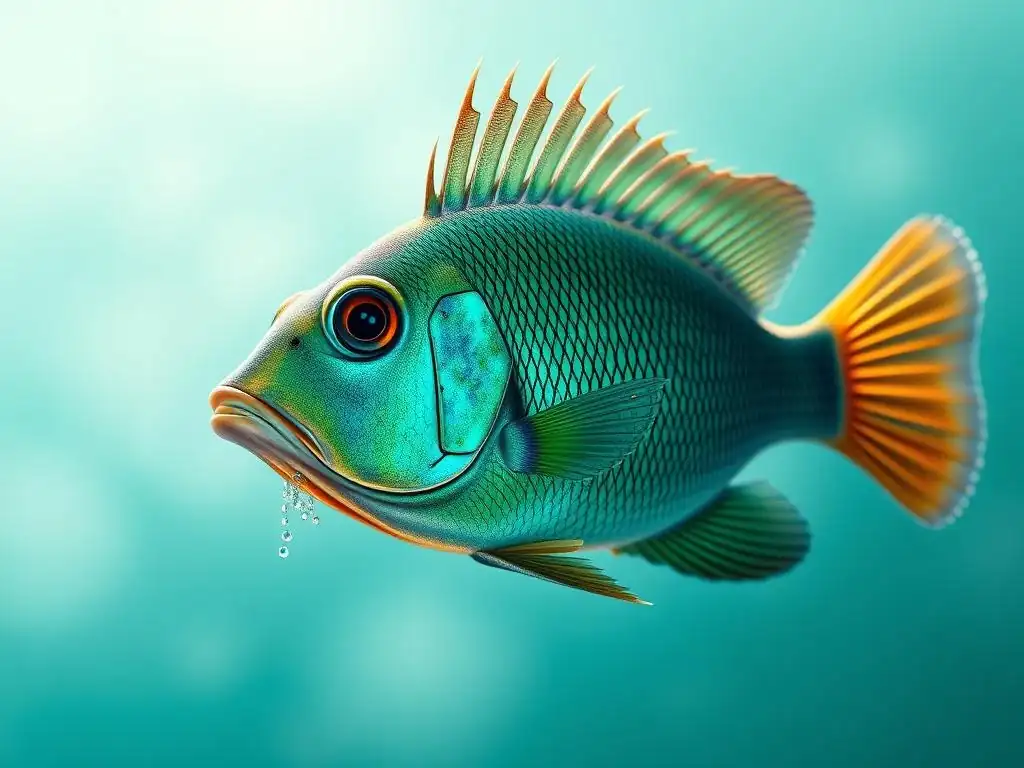
In their natural coral reef habitats, Green Bird Wrasses are known to be pelagic spawners. This means that during the breeding process, they release their eggs and sperm directly into the open water column, where fertilization occurs. They typically form harems, with one dominant male overseeing a group of several females. Spawning events often take place during the twilight hours, usually at dusk.
During spawning, the male and a female will engage in a rapid, upward dash towards the surface of the water, a behavior known as a "spawning rush." At the apex of this ascent, they release their gametes. The buoyant eggs then drift with the ocean currents, eventually hatching into larvae that develop in the open ocean before settling onto the reef as juveniles.
The Difficulty of Breeding Green Bird Wrasses in Captivity
Successfully breeding Green Bird Wrasses in a home aquarium setting is exceptionally challenging, to the point of being virtually unheard of among hobbyists. Their specific pelagic spawning requirements are extremely difficult to replicate in a confined environment. The immense space needed for their characteristic spawning rush, coupled with the precise water flow and environmental cues that trigger breeding in the wild, are beyond the scope of most private aquariums.
Furthermore, the larval stage presents an even greater hurdle. Green Bird Wrasse larvae are microscopic and require very specific, live first foods that are notoriously difficult to culture in sufficient quantities. The high mortality rates associated with rearing marine larvae, combined with the sheer volume of water required for their development, make captive breeding economically and practically unfeasible for the vast majority of aquarists. Consequently, almost all Green Bird Wrasses available in the aquarium trade are wild-caught specimens.
Purchasing a Male Green Bird Wrasse: What to Look For
Identifying Healthy Specimens at Your Local Fish Store
When selecting a male Green Bird Wrasse, careful observation at your local fish store is crucial to ensure you bring home a healthy specimen. Look for a fish that is active, alert, and constantly swimming with purpose. Its fins should be fully extended, free of nips or tears, and its body should appear full and well-fed, not emaciated or sunken. Check for any visible white spots (Ich), a dusty film (velvet), or open sores and lesions on its body.
Observe its breathing rate; it should be regular and unlabored. Its eyes should be clear and bright, not cloudy or bulging. Ask the store staff about the fish's feeding habits and how long it has been in their care. A healthy wrasse should be eager to accept food when offered, indicating a strong appetite and good health.
Questions to Ask Before Buying a Green Bird Wrasse
Before making a purchase, asking pertinent questions about the Green Bird Wrasse can provide invaluable insight into its health and suitability for your aquarium. Inquire about the fish's origin, specifically whether it is wild-caught (as most are) or if it comes from a sustainable collection source. Crucially, ask what type of food the fish is currently eating and how frequently it is fed, as this will help you prepare for its dietary needs.
Confirm if the store has quarantined the fish or if it has undergone any preventative treatments for common marine diseases. Understand the store's acclimation recommendations and their return or guarantee policy in case of unforeseen issues. Finally, ask about the specific water parameters (temperature, salinity, pH) the fish has been kept in, which will aid in a smoother transition to your home aquarium, reflecting responsible male green bird wrasse care from the outset.
Acclimation Process for New Green Bird Wrasses
A slow and careful acclimation process is vital for the successful introduction of a new Green Bird Wrasse to your aquarium, minimizing stress and preventing shock from parameter changes. The drip acclimation method is highly recommended: slowly add water from your display tank into the bag or container holding the new fish over a period of 45-60 minutes, allowing the temperature and salinity to equalize gradually.
Once acclimated, gently net the fish and place it into your quarantine tank (or directly into the main display if a QT is not available, though this is not recommended). It is advisable to turn off the aquarium lights for a few hours after introduction to help the new wrasse settle in without immediate stress from bright illumination or curious tank mates. Never pour the shipping water into your aquarium, as it may contain ammonia or pathogens.
Conclusion: Appreciating the Beauty and Complexity of the Male Green Bird Wrasse
The Rewarding Experience of Caring for a Male Green Bird Wrasse
The male Green Bird Wrasse stands as a truly magnificent and dynamic centerpiece for a large, well-maintained saltwater aquarium. Its astonishing iridescent blue-green coloration, coupled with its active swimming patterns and unique foraging behaviors, provides endless fascination and visual appeal for dedicated aquarists. Witnessing the dramatic color transformation from a juvenile or female to a fully mature, vibrant male is often considered a highlight of the hobby, a testament to the rewards of patient and attentive care.
While their male green bird wrasse care requirements are undeniably specific, demanding significant tank space, stable and pristine water parameters, and a diverse, protein-rich diet, the effort invested is richly rewarded. A healthy and thriving male Green Bird Wrasse is not just a beautiful inhabitant; it is an engaging, long-lived specimen that brings a captivating piece of the Indo-Pacific reef's complexity and beauty directly into your home environment.
Further Resources for Green Bird Wrasse Enthusiasts.
For those dedicated aquarists eager to deepen their understanding and refine their male green bird wrasse care practices, a wealth of further resources is available. Consulting reputable marine aquarium forums and online communities can provide invaluable practical advice, real-world experiences from other hobbyists, and troubleshooting tips. Specialized scientific journals and comprehensive books on wrasse species or marine fish behavior offer in-depth insights into their biology, ecology, and nuanced care requirements that extend beyond general guides.
Engaging with local fish clubs or marine aquarium societies can also be highly beneficial, providing opportunities to connect with experienced aquarists, share knowledge, and learn from specific case studies. These platforms offer a collaborative environment for continuous learning, helping you ensure the continued health, vibrancy, and longevity of your beautiful Green Bird Wrasse.
Frequently Asked Questions
How difficult is it to care for a male Green Bird Wrasse?
Male Green Bird Wrasses are considered intermediate to advanced in terms of care. They require a mature, stable aquarium with plenty of swimming space and a suitable diet.
What size aquarium is required for a male Green Bird Wrasse?
A minimum of 180 gallons is recommended. This is due to their large size and active swimming habits.
What type of diet does a male Green Bird Wrasse need?
They require a varied diet of meaty foods. This includes things like frozen mysis shrimp, brine shrimp, and other small invertebrates.
What are some common health issues that affect male Green Bird Wrasses?
They can be susceptible to parasitic infections like ich. Maintaining excellent water quality is crucial for prevention.
What is the typical lifespan of a male Green Bird Wrasse in captivity?
With proper care, they can live for 5-7 years or even longer. This relies on providing a stress-free environment and a nutritious diet.
Final Reflection: Embracing the Beauty of Change
The journey of the male Green Bird Wrasse, as we've explored, is a testament to the power of transformation, a concept remarkably relevant in today's rapidly evolving world. Understanding the nuances of Male Green Bird Wrasse Care isn't just about maintaining a healthy aquarium specimen; it's about appreciating the dedication and environmental consciousness required to support such vibrant life. This understanding fosters a deeper respect for the delicate balance of our ecosystems and the responsibility we hold in preserving them.
The Green Bird Wrasse's metamorphosis, from the unassuming juvenile to the dazzling adult male, serves as a powerful metaphor for personal growth and adaptation. Witnessing this transformation firsthand, whether in an aquarium or through the lens of scientific observation, underscores the importance of embracing change and recognizing the potential for beauty within ourselves and the world around us. The only constant in life is change.
- Heraclitus. This ancient wisdom resonates deeply when considering the Green Bird Wrasse, reminding us that growth and evolution are inherent to life itself.
Now, consider the lessons learned from understanding the needs of the Male Green Bird Wrasse. Let this knowledge inspire you to cultivate a greater awareness of the interconnectedness of all living things. Reflect on the small changes you can make in your own life to promote sustainability and responsible stewardship of our planet. By embracing the spirit of transformation and dedicating ourselves to mindful action, we can all contribute to a brighter, more vibrant future, much like the magnificent Green Bird Wrasse itself.
Unveil Your Aquarium's Untapped Potential!
Thank you for diving deep into the world of the Green Bird Wrasse with us. Now that you're armed with knowledge about its mesmerizing transformation and care requirements, let's turn that understanding into action!
- Start Planning! Considering adding a Green Bird Wrasse to your large reef tank? Research compatible tank mates and environmental conditions now to ensure a thriving habitat.
- Explore Related Species: Delve into the fascinating world of other wrasse species, comparing their behaviors, colors, and tank requirements for a broader understanding.
- Share the Wonder: Did you find this article captivating? Spread the knowledge by sharing it with fellow aquarium enthusiasts on social media or in your local fish club.
What unique characteristic of the Green Bird Wrasse inspires you to reimagine your aquarium's ecosystem?