
Harlequin Tuskfish (Choerodon fasciatus): Wrasse Relative with an Unforgettable Smile

Welcome to Aquarium Mastery!
Ever wondered if you could keep a fish with personality and stunning colors? Dive in and discover the secrets to successfully keeping the Harlequin Tuskfish. This vibrant wrasse relative might just be the perfect addition to your saltwater aquarium... if you know how to care for it properly. Curious to learn more about their unique needs and how to provide the perfect environment? Let's unlock the secrets of the Choerodon fasciatus together!
- Harlequin Tuskfish (Choerodon fasciatus): A Comprehensive Care Guide
- Understanding the Harlequin Tuskfish
- Essential Care Requirements
- Setting Up the Ideal Tank
- Behavior and Compatibility
- Health Management
- Diet and Nutrition
- Breeding
- Purchasing a Harlequin Tuskfish
- Advanced Care Tips
-
Frequently Asked Questions
- How large does a Harlequin Tuskfish typically grow in an aquarium setting?
- What are the key considerations for water chemistry when keeping a Harlequin Tuskfish?
- What type of diet does a Harlequin Tuskfish require to thrive?
- What are some common health issues to watch out for in Harlequin Tuskfish?
- What is the ideal tank environment for a Harlequin Tuskfish?
- Final Reflection: Embracing the Uniqueness of the Harlequin Tuskfish
- Unleash Your Inner Aquarist: Transform Your Tank Today!
Harlequin Tuskfish (Choerodon fasciatus): A Comprehensive Care Guide
Understanding the Harlequin Tuskfish
Overview of Choerodon fasciatus
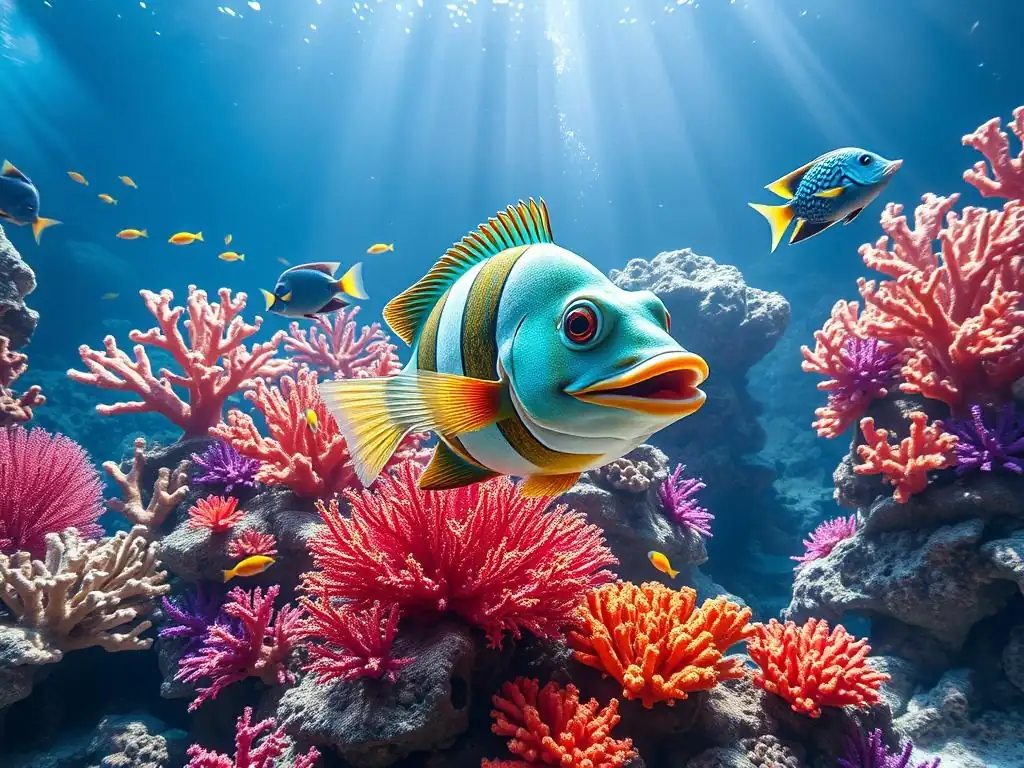
The Harlequin tuskfish, scientifically known as Choerodon fasciatus, is a highly sought-after marine fish renowned for its spectacular coloration and distinctive dental structure. Hailing from the Indo-Pacific region, specifically found across coral reefs from the Ryukyu Islands to Australia, this species boasts a vibrant palette of blue-green or turquoise adorned with striking orange vertical bands. Its most notable feature, however, are the prominent "tusks" – four enlarged canine teeth in the front of its mouth, two on the upper jaw and two on the lower, giving it a truly unforgettable smile and the ability to crush hard-shelled prey.
As a member of the wrasse family (Labridae), the Harlequin tuskfish exhibits the characteristic robust body and active swimming patterns of its relatives. In the wild, these fish can reach an impressive size of up to 16 inches (approximately 40 cm), though in a well-maintained home aquarium, they typically grow to about 10-12 inches (25-30 cm). With proper care, a Harlequin tuskfish can live for 10 to 15 years, with some reports even suggesting lifespans closer to 20 years, making them a significant long-term commitment for the dedicated aquarist.
Benefits of Keeping a Harlequin Tuskfish
The primary allure of the Harlequin tuskfish lies in its stunning visual appeal. Its brilliant coloration and unique facial features make it an instant focal point in any large saltwater display tank, consistently drawing admiration. Beyond its beauty, this fish is an active and engaging swimmer, constantly exploring its environment and adding dynamic movement to the aquarium. Many owners report that Harlequin tuskfish are intelligent and curious, often recognizing their keepers and even interacting with them during feeding times.
Despite their striking appearance, Harlequin tuskfish are considered relatively hardy once established in a suitable environment. They are robust and generally resilient to common marine diseases when provided with pristine water quality and a nutritious diet. This hardiness, combined with their captivating personality and longevity, makes them a highly rewarding species for experienced aquarists looking for a durable and charismatic centerpiece. Following a detailed Harlequin tuskfish care guide ensures their long-term health and vibrancy.
Essential Care Requirements
Tank Size and Water Parameters
Providing adequate space is paramount for the health and well-being of a Harlequin tuskfish. Due to their active swimming nature and potential adult size of 10-12 inches, a minimum tank size of 180 gallons (approximately 680 liters) is recommended for a single adult specimen. However, a tank of 250 gallons (about 945 liters) or larger is ideal, offering ample swimming room and helping to mitigate potential territorial aggression, particularly if other large fish are present. Insufficient tank size can lead to stress, stunted growth, and increased susceptibility to disease.
Maintaining stable and appropriate water parameters is critical for the Harlequin tuskfish. The water temperature should consistently range between 72-78°F (22-26°C). Salinity should be kept within a specific gravity of 1.020-1.025, or 30-35 ppt. The pH level should be stable between 8.1-8.4. Ammonia and nitrite levels must always be 0 ppm, while nitrates should be kept below 20 ppm, ideally below 10 ppm, through efficient filtration and regular water changes. Additionally, for overall health and color vibrancy, alkalinity should be 8-12 dKH, calcium 400-450 ppm, and magnesium 1250-1350 ppm.
Diet and Feeding
Harlequin tuskfish are obligate carnivores, and their natural diet in the wild consists primarily of hard-shelled invertebrates. They are adept at crushing crustaceans like crabs and shrimp, as well as mollusks such as snails and small clams, using their powerful pharyngeal teeth. They may also consume small echinoderms like sea urchins and brittle stars. This specialized diet provides them with the necessary proteins, fats, and minerals essential for their robust health and vibrant coloration.
In a captive environment, it is crucial to replicate their natural diet with a varied selection of high-quality, meaty foods. Offer a mix of frozen mysis shrimp, krill, chopped clam, squid, and silversides. Marine-based pellets or flakes can also be incorporated into their diet for added nutritional balance.
Feed your Harlequin tuskfish 2-3 times per day, providing small portions that can be consumed within a few minutes. Overfeeding should be avoided to prevent water quality issues, but ensure they receive enough food to maintain their strong physique. This varied diet is a cornerstone of any effective Harlequin tuskfish care guide.
Substrate and Decorations
The choice of substrate is important for a Harlequin tuskfish. A bed of fine sand, at least 2-3 inches (5-7.5 cm) deep, is highly recommended. These fish, like many wrasses, are known to sift through the sand in search of food and may occasionally bury themselves in it when startled, stressed, or at night for sleeping. A soft, sandy substrate prevents injury to their delicate mouthparts and scales, which could occur with coarser or sharp gravel.
For decorations, ample live rock is essential to create a stimulating and secure environment. Provide numerous caves, crevices, and overhangs where the Harlequin tuskfish can retreat and feel safe. While they are active swimmers and require open space, having plenty of rockwork allows them to establish territories and explore. Ensure that all rockwork is stable and securely stacked, as a large and powerful fish like the Harlequin tuskfish could potentially dislodge unsecured structures, causing damage or injury.
Setting Up the Ideal Tank
Tank Selection
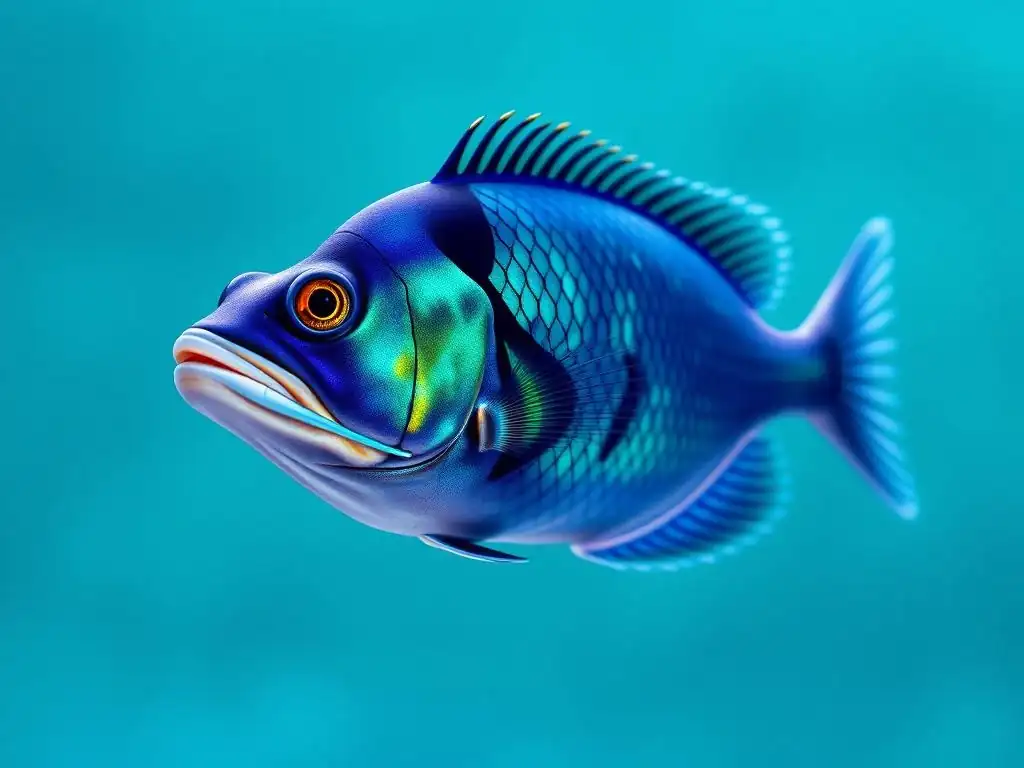
When selecting a tank for a Harlequin tuskfish, prioritizing volume and footprint over height is crucial. As previously stated, a minimum of 180 gallons is necessary, but 250 gallons or more is ideal for an adult. A longer tank, such as one measuring 6 to 8 feet in length (approximately 180-240 cm), provides ample horizontal swimming space, which is more beneficial for this active species than a taller, narrower tank. Given the substantial weight of such a large setup, ensure your floor can support the load and invest in a robust, purpose-built aquarium stand.
Aquarium materials typically include glass or acrylic. Acrylic tanks are generally lighter, offer superior clarity, and are less prone to breaking, but they scratch more easily. Glass tanks are more scratch-resistant and tend to be more affordable for larger sizes, though they are significantly heavier. Regardless of the material, verify the tank's structural integrity and ensure it is designed to accommodate the substantial water volume and powerful filtration systems required for a Harlequin tuskfish, a key consideration in a comprehensive Harlequin tuskfish care guide.
Water Chemistry Management
Consistent water chemistry management is fundamental to the long-term health of a Harlequin tuskfish. Regular water changes are critical for diluting nitrates, replenishing essential trace elements, and maintaining overall water quality. For a well-stocked tank containing a Harlequin tuskfish, a weekly or bi-weekly water change of 10-20% of the total tank volume is often necessary. Always use high-quality RO/DI (Reverse Osmosis/Deionized) water mixed with a reputable marine salt mix to prepare new saltwater, ensuring it matches the display tank's temperature and salinity.
Beyond water changes, a robust protein skimmer is indispensable. This device efficiently removes organic waste compounds before they break down into harmful nitrates, significantly reducing the bioload. The use of chemical filtration media, such as activated carbon and granular ferric oxide (GFO), can further enhance water clarity and control phosphates, respectively. Regular testing of all key water parameters (ammonia, nitrite, nitrate, pH, salinity, alkalinity, calcium, magnesium) provides essential data to guide your maintenance regimen and ensure a stable environment.
Filtration and Water Changes
Effective filtration is paramount for a Harlequin tuskfish tank, given their hearty appetites and the waste they produce. A large sump system is highly recommended, incorporating multiple stages of filtration. Mechanical filtration, typically via filter socks or pads, should be used to remove particulate matter and should be cleaned or replaced frequently, often daily or every few days. Biological filtration, provided by ample live rock within the display tank and in the sump, along with bio-media like bio-balls or MarinePure, is essential for converting ammonia and nitrite.
Chemical filtration, including activated carbon for removing dissolved organic compounds and GFO for phosphate control, should also be regularly employed in the sump. Water changes, as mentioned, should be a consistent part of your routine; for example, a 15% water change every two weeks can significantly help maintain low nitrate levels (below 10 ppm is ideal).
When performing water changes, ensure the new saltwater is properly mixed, heated to the correct temperature, and slowly added to minimize stress on the fish. An auto top-off (ATO) system is also highly beneficial for maintaining stable salinity by replacing evaporated water with fresh RO/DI water.
Lighting Considerations
For a fish-only with live rock (FOWLR) system housing a Harlequin tuskfish, elaborate or high-intensity lighting is generally not required. The primary purpose of lighting in such a setup is to enhance the aesthetic appeal of the fish and the live rock, allowing their vibrant colors to truly shine. Moderate intensity LED or T5 fluorescent lighting fixtures are perfectly sufficient for this purpose. Unlike reef tanks, there's no need for specialized lighting spectrums or intensities to support photosynthetic corals, which are generally not compatible with Harlequin tuskfish anyway.
A natural photoperiod, typically 10 to 12 hours of light per day, is recommended to mimic the natural day-night cycle. Some aquarists opt for a gradual ramp-up and ramp-down cycle using programmable LED fixtures to simulate dawn and dusk, which can reduce stress on the fish. While lighting does not directly impact the Harlequin tuskfish's physiological needs as much as water quality, proper illumination certainly contributes to an aesthetically pleasing display, highlighting the striking patterns and colors that make this species so desirable.
Behavior and Compatibility
The Harlequin tuskfish is generally considered a semi-aggressive species. While they are often peaceful towards fish too large to be considered prey, they can exhibit aggression towards smaller, more docile tank mates, especially those that resemble their natural diet of crustaceans and small fish. They are active and inquisitive swimmers during the day, constantly exploring their environment. Despite their robust nature, they are also intelligent and can form a bond with their owners, often recognizing them and even begging for food.
In most home aquariums, a Harlequin tuskfish is best kept as the sole individual of its species. While there have been rare reports of successfully keeping multiple tuskfish in extremely large systems (500+ gallons), this is highly risky due to potential territorial disputes and aggression, particularly between males or similarly sized individuals. They are not schooling fish and typically lead solitary lives in the wild once mature. Introducing them as the last fish into a well-established tank with appropriate tank mates can help reduce initial territoriality.
Compatible Tank Mates
Selecting compatible tank mates for a Harlequin tuskfish requires careful consideration due to their predatory nature and potential for aggression. Ideal tank mates are other large, semi-aggressive to peaceful marine fish that can hold their own and are too big to be perceived as food. Excellent choices include various species of tangs (e.g., Yellow Tang, Powder Blue Tang, Blue Tang), large angelfish (e.g., Emperor Angelfish, Queen Angelfish), puffers (e.g., Dogface Puffer), and other robust wrasses (though caution is advised with similarly shaped or sized wrasses). Some larger triggerfish species can also be compatible, but this requires careful observation.
Conversely, there are many fish that are incompatible with a Harlequin tuskfish. Any fish small enough to fit into its mouth, such as small damsels, chromis, cardinalfish, or gobies, will likely be eaten. Slow-moving, shy, or delicate species are also poor choices as they may be bullied or outcompeted for food. Furthermore, all ornamental shrimp, crabs, and most snails will be considered food and quickly consumed. Always introduce new tank mates carefully and observe interactions closely for the first few days.
Reef Compatibility
A critical aspect of any Harlequin tuskfish care guide is its compatibility with reef environments. Unfortunately, Harlequin tuskfish are generally not considered reef-safe. Their natural diet of crustaceans, mollusks, and small echinoderms means they will actively predate on the desirable invertebrates commonly found in a reef tank. This includes snails, hermit crabs, ornamental shrimp, and brittle stars, all of which are essential components of a reef's clean-up crew.
Their powerful, crushing teeth are perfectly adapted for breaking open shells, making clams and other bivalves particularly vulnerable targets. While some aquarists report limited success with very large polyp stony (LPS) corals, the risk to other invertebrates and even smaller fish in a mixed reef system is too high. Therefore, it is strongly advised to house Harlequin tuskfish in a fish-only with live rock (FOWLR) setup, where their dietary needs can be met without compromising a delicate reef ecosystem.
Health Management
Recognizing Signs of Illness
Early detection of illness is crucial for the successful treatment of a Harlequin tuskfish. Owners should regularly observe their fish for any changes in behavior, appearance, or activity levels. Signs of illness can include lethargy, spending excessive time hiding, rapid or labored breathing, and a refusal to eat. Physical indicators of distress or disease include faded or dull coloration, clamped fins (held close to the body), white spots resembling salt grains (indicative of marine Ich or Cryptocaryon irritans), a dusty gold appearance (suggesting velvet or Amyloodinium ocellatum), cloudy eyes, lesions, or abnormal growths.
A healthy Harlequin tuskfish will typically be active, alert, and exhibit its vibrant, characteristic colors. It should respond enthusiastically to feeding and swim confidently throughout the tank. Any deviation from these normal behaviors or appearances warrants immediate attention and investigation. It is important to note that temporary color changes can occur due to stress or excitement, but persistent dullness or unusual markings are cause for concern.
Treating Common Diseases
While Harlequin tuskfish are relatively robust, they are susceptible to common saltwater diseases, particularly if stressed by poor water quality or the introduction of unquarantined fish. Marine Ich and velvet are two of the most prevalent parasitic infections. For marine Ich, treatment options include copper-based medications (which must be administered in a separate hospital tank as copper is toxic to invertebrates and some beneficial bacteria), hyposalinity (gradually lowering salinity to 1.009-1.010), or the tank transfer method. Velvet, being more aggressive, often requires swift copper treatment or Chloroquine phosphate in a hospital tank.
Bacterial infections can manifest as fin rot, body sores, or cloudy eyes. These are typically treated with broad-spectrum antibiotics, also administered in a dedicated hospital tank to avoid harming the main display's biological filter and its inhabitants. Internal parasitic worms may require specific anti-parasitic medications. Always ensure accurate diagnosis before starting any treatment, and follow medication instructions precisely. Utilizing a hospital tank is a critical component of any responsible Harlequin tuskfish care guide, protecting your main display from medication exposure and disease spread.
Preventative Care
The most effective strategy for managing the health of a Harlequin tuskfish is through comprehensive preventative care. The cornerstone of this approach is maintaining consistently pristine water quality. This involves rigorous adherence to regular water testing, consistent water change schedules, and ensuring that the filtration system is robust and adequately maintained. A stable, clean environment significantly reduces stress on the fish, which is a primary factor in weakening its immune system and making it susceptible to disease.
Another vital preventative measure is quarantining all new fish for a period of at least 4-6 weeks in a separate, dedicated quarantine tank before introducing them to the main display. This isolation period allows for observation for any signs of illness and provides an opportunity for prophylactic treatment if necessary, preventing the introduction of pathogens into your established aquarium. Furthermore, providing a diverse and nutritious diet boosts the fish's immune system, making it more resilient to potential health challenges.
Diet and Nutrition
Natural Diet
In their natural habitats across the Indo-Pacific coral reefs, Harlequin tuskfish are voracious carnivores, specializing in a diet of hard-shelled invertebrates. Their powerful, prominent teeth are perfectly adapted for crushing the exoskeletons of various species of crabs and shrimp, which constitute a significant portion of their natural intake. They also readily consume mollusks, including different types of snails and small bivalves such as clams, extracting the soft tissue within.
Beyond crustaceans and mollusks, their diet extends to small echinoderms like brittle stars and sea urchins, which they skillfully dislodge and consume. Occasionally, smaller fish may also fall prey to these opportunistic hunters. This natural diet is rich in essential proteins, fats, and minerals, providing the necessary building blocks for their vibrant coloration, strong bones, and overall robust health, elements that are crucial to mimic for optimal Harlequin tuskfish care.
Captive Diet
Replicating the diverse and protein-rich natural diet of the Harlequin tuskfish is essential for their long-term health and vibrancy in captivity. A varied selection of high-quality frozen marine foods should form the staple of their diet. Excellent choices include frozen mysis shrimp, krill, chopped clam, squid, and cockle. These provide the necessary protein and roughage, mimicking their natural prey. It's important to offer a rotation of these foods to ensure a complete nutritional profile.
While primarily carnivorous, it's beneficial to supplement their diet with marine-formulated pellets or flakes that are enriched with spirulina or other algae. Although they are not herbivores, a small amount of plant matter can contribute to overall gut health. Occasional treats like live ghost shrimp or small feeder crabs (sourced from reputable, disease-free suppliers) can also be offered to stimulate their natural hunting instincts and provide mental enrichment. Feed small portions two to three times a day, ensuring all food is consumed within a few minutes to prevent water quality degradation.
Supplementation
While a varied and high-quality diet should cover most of a Harlequin tuskfish's nutritional needs, some aquarists choose to incorporate vitamin supplements, particularly for newly acquired fish or those recovering from stress or illness. Liquid vitamin supplements specifically formulated for marine fish can be soaked into frozen foods prior to feeding. These often provide essential vitamins like Vitamin C, which supports the immune system, and various B vitamins crucial for metabolic processes.
Trace elements, such as iodine, potassium, and strontium, are typically replenished through regular water changes using a high-quality marine salt mix. However, in heavily stocked tanks or those with significant biological activity, monitoring levels of key parameters like calcium, alkalinity, and magnesium is important, even if no corals are present, as these can impact the fish's skeletal health and overall vitality. Maintaining stable water chemistry is often the best form of supplementation, ensuring the fish can absorb nutrients efficiently.
Breeding
Reproductive Biology
Harlequin tuskfish exhibit a fascinating reproductive strategy known as protogynous hermaphroditism. This means they are all born female and have the ability to transition into males later in life, typically driven by social cues within a group. In their natural reef environments, they are known to form small harems, usually consisting of one dominant male and several females. Spawning events involve the release of pelagic eggs directly into the water column, which then drift with ocean currents before hatching.
Successful captive breeding of Harlequin tuskfish in home aquariums is exceptionally rare and has not been widely documented among hobbyists. The immense size and specific environmental requirements of this species, coupled with their complex social and reproductive behaviors, make breeding a formidable challenge. Most recorded instances of spawning have occurred only in very large public aquariums or specialized research facilities with extensive resources and highly controlled conditions, highlighting the difficulty for the average aquarist following a general Harlequin tuskfish care guide.
Creating a Breeding Environment
Due to the significant size of adult Harlequin tuskfish and the necessity of establishing a stable harem structure, creating a viable breeding environment in a typical home aquarium setting is largely impractical. Such an undertaking would require an extremely large tank, likely several hundreds or even thousands of gallons, to accommodate multiple individuals without excessive aggression. Furthermore, precise control over water parameters, lighting cycles, and the provision of specific dietary triggers would be essential, far beyond the scope of most hobbyist setups.
The specific environmental cues that trigger spawning in Harlequin tuskfish, such as lunar cycles or seasonal changes in water temperature and food availability, are not fully understood or easily replicated in a captive environment. The sheer logistical and financial investment required for such a specialized setup means that captive breeding of Harlequin tuskfish remains predominantly within the realm of public aquariums and scientific research, rather than a goal for the home aquarist.
Raising Fry
Even if spawning were to occur in a captive environment, the challenges associated with raising Harlequin tuskfish fry would be immense. Given that their eggs are pelagic and their larvae are typically microscopic upon hatching, they would require specialized larval rearing tanks. These tanks demand incredibly stable and pristine water quality, often with specific flow rates to keep the tiny fry suspended.
The initial diet for marine fish larvae usually consists of highly specific live foods, such as cultured phytoplankton and rotifers, followed by progressively larger live feeds like Artemia nauplii. The survival rate of marine fish fry, even for species routinely bred in captivity, is notoriously low due to their delicate nature and susceptibility to water quality fluctuations and starvation. For a species as large, complex, and rarely bred as the Harlequin tuskfish, the expertise, equipment, and continuous dedication required for successful fry rearing are well beyond the capabilities of the vast majority of hobbyists.
Purchasing a Harlequin Tuskfish
Finding Reputable Sources
When considering the purchase of a Harlequin tuskfish, it is paramount to acquire your specimen from a reputable source. This could be a well-established local fish store (LFS) with a strong reputation for healthy marine fish, or a highly regarded online vendor specializing in saltwater species. Reputable suppliers will house their fish in clean, well-maintained tanks, provide accurate information about the fish's origin (e.g., wild-caught versus sustainably aquacultured, though most tuskfish are wild-caught), and have knowledgeable staff who can answer your questions regarding their care and health history.
Avoid purchasing from stores with visibly unhealthy fish, poor water quality in their tanks, or unhelpful staff. A good Harlequin tuskfish care guide emphasizes starting with a healthy specimen to ensure its long-term success in your aquarium. Inquire about how long the fish has been in their care and whether it has undergone any quarantine or prophylactic treatments, as this can provide valuable insight into its initial health status and adaptability.
Assessing Health Before Purchase
Before making a purchase, take time to carefully observe the Harlequin tuskfish you intend to buy. A healthy specimen should be active and alert, swimming confidently throughout its tank rather than hiding excessively or appearing lethargic. Its fins should be fully extended, free of nips or tears, and its body should appear full and well-fed, not emaciated or sunken. Look for clear, bright eyes and vibrant, consistent coloration that matches the species' description.
Inspect the fish thoroughly for any visible signs of disease, such as white spots (Ich), a dusty or velvet-like coating, cloudy eyes, frayed fins, or open sores. Ask the staff to feed the fish; a healthy Harlequin tuskfish will typically exhibit a strong feeding response and readily accept food. Avoid any fish that is gasping at the surface, appears disoriented, or shows any signs of labored breathing, as these can indicate severe underlying health issues.
Acclimation Process
Proper acclimation is a critical step in introducing any new marine fish, including the Harlequin tuskfish, to minimize stress and prevent shock from changes in water parameters. The drip acclimation method is highly recommended for marine species. This involves slowly dripping water from your display tank into the bag or bucket containing the new fish over a period of 45-60 minutes, allowing a gradual equalization of temperature, pH, and salinity.
Once the acclimation process is complete, gently net the fish and transfer it directly into a pre-setup quarantine tank, rather than immediately placing it into your main display aquarium. This crucial step allows the Harlequin tuskfish to recover from the stress of transport, provides an opportunity to observe it for any signs of illness, and enables you to administer any necessary prophylactic treatments without risking the health of your established tank inhabitants. A minimum of 4-6 weeks in quarantine is advised for observation and ensuring optimal health before introduction to the main system.
Advanced Care Tips
Maintaining Optimal Water Quality
Beyond routine water changes and robust mechanical, biological, and chemical filtration, advanced water quality management can significantly enhance the long-term health and vibrancy of your Harlequin tuskfish. Consider incorporating a refugium plumbed into your sump, which can house macroalgae like Chaetomorpha. Macroalgae naturally absorb nitrates and phosphates, acting as a biological filter and further stabilizing water chemistry. Regular testing of all key parameters (ammonia, nitrite, nitrate, pH, salinity, temperature, alkalinity, calcium, magnesium) using high-quality test kits is paramount.
For even greater precision, consider sending water samples to a professional aquarium testing laboratory periodically. This provides highly accurate data on a wider range of parameters, allowing you to fine-tune your maintenance regimen and address any subtle imbalances before they become problematic. Dosing trace elements may also be beneficial if testing indicates deficiencies, particularly in larger, more stable systems that have been established for an extended period.
Preventing Jumping
Harlequin tuskfish, like many other wrasse species, are notorious jumpers, especially when startled, stressed, or newly introduced to an unfamiliar environment. This inherent behavior makes a secure, tight-fitting lid or screen top an absolute necessity for any tank housing this species. Even a small gap can provide an escape route for a powerful and agile fish like the Harlequin tuskfish, leading to tragic outcomes.
Ensure that the lid is not only tight-fitting but also heavy enough to resist being dislodged by the fish's powerful movements. Custom-made clear mesh tops are an excellent option, as they provide robust protection against escapes while allowing for optimal light penetration and gas exchange. Investing in a secure top is a simple yet vital measure that can prevent a valuable and beloved fish from leaping out of its aquarium, a crucial tip for any comprehensive Harlequin tuskfish care guide.
Observing Behavior
One of the most valuable advanced care tips is to consistently spend dedicated time observing your Harlequin tuskfish. Learn its normal swimming patterns, feeding habits, and how it interacts with its tank mates. Harlequin tuskfish are intelligent and active, and subtle changes in their behavior are often the earliest indicators of stress, the onset of illness, or potential aggression issues with other fish.
Keeping a detailed log of your water parameters, feeding schedule, and any behavioral observations can be incredibly useful. This historical data provides a baseline and can be invaluable for troubleshooting problems quickly and effectively. A well-cared-for Harlequin tuskfish will be a vibrant, engaging, and long-lived centerpiece in your aquarium, a testament to diligent observation and the application of a thorough Harlequin tuskfish care guide.
Frequently Asked Questions
How large does a Harlequin Tuskfish typically grow in an aquarium setting?
Harlequin Tuskfish can reach up to 12 inches (30 cm) in captivity. Therefore, a large tank is essential to accommodate their adult size and activity level.
What are the key considerations for water chemistry when keeping a Harlequin Tuskfish?
Maintaining stable water parameters is crucial. Key parameters include a salinity of 1.024-1.026, a pH of 8.1-8.4, and near-zero levels of ammonia and nitrite through proper biological filtration.
What type of diet does a Harlequin Tuskfish require to thrive?
They are carnivorous and require a varied diet of meaty foods. Offer foods such as frozen shrimp, krill, small fish, and high-quality marine pellets.
What are some common health issues to watch out for in Harlequin Tuskfish?
Harlequin Tuskfish are susceptible to common marine fish diseases like ich (white spot disease) and marine velvet. Quarantine new arrivals and maintain excellent water quality to minimize the risk of disease outbreaks.
What is the ideal tank environment for a Harlequin Tuskfish?
They require a well-established tank with plenty of live rock for hiding and foraging. Provide a deep sand bed as they occasionally bury themselves.
Final Reflection: Embracing the Uniqueness of the Harlequin Tuskfish
The journey through understanding the Harlequin Tuskfish, as detailed in this care guide, underscores the importance of appreciating the intricate beauty and specific needs of every creature within our marine ecosystems. The vibrant colors and distinctive personality of Choerodon fasciatus serve as a powerful reminder that responsible aquarium keeping extends far beyond mere aesthetics; it demands a commitment to providing environments that truly allow these animals to thrive.
The Harlequin Tuskfish, with its unforgettable smile, has undoubtedly captured the hearts of many aquarists. Its popularity highlights our innate fascination with the unusual and the beautiful, but it also places a significant responsibility on us to ensure its well-being in captivity. In the end, we will conserve only what we love; we will love only what we understand; and we will understand only what we are taught.
- Baba Dioum. This quote perfectly encapsulates the need for comprehensive care guides like this one, fostering understanding and ultimately, responsible stewardship.
As you consider adding a Harlequin Tuskfish to your aquarium, or simply reflect on the information presented here, I invite you to go beyond the surface. Consider the impact of your choices, not just on the individual fish, but on the broader marine environment.
Let this care guide be a starting point, a catalyst for deeper learning and a commitment to ethical and sustainable practices. Embrace the challenge of providing the best possible life for these remarkable creatures, and in doing so, contribute to a future where the beauty and diversity of our oceans are preserved for generations to come.
Unleash Your Inner Aquarist: Transform Your Tank Today!
Thank you for diving into the fascinating world of the Harlequin Tuskfish! We hope you've enjoyed learning about this captivating creature and its unique needs. Now, it's time to put that knowledge into action.
Here are some next steps to consider:
- Commit to researching and creating the perfect habitat for a Harlequin Tuskfish before bringing one home. A well-planned environment is crucial for their health and happiness.
- Share this article with fellow aquarium enthusiasts! Spreading awareness helps ensure these stunning fish are properly cared for.
- Why not surprise yourself? Challenge a friend to identify five other wrasse species with equally unique personalities.
What specific aspect of Harlequin Tuskfish care are you most excited (or nervous) to implement in your own aquarium journey? Share your thoughts below!