
Rhomboid Fairy Wrasse (Cirrhilabrus rhomboidalis): The Golden Angelfish of Wrasses?

Welcome to Aquarium Mastery!
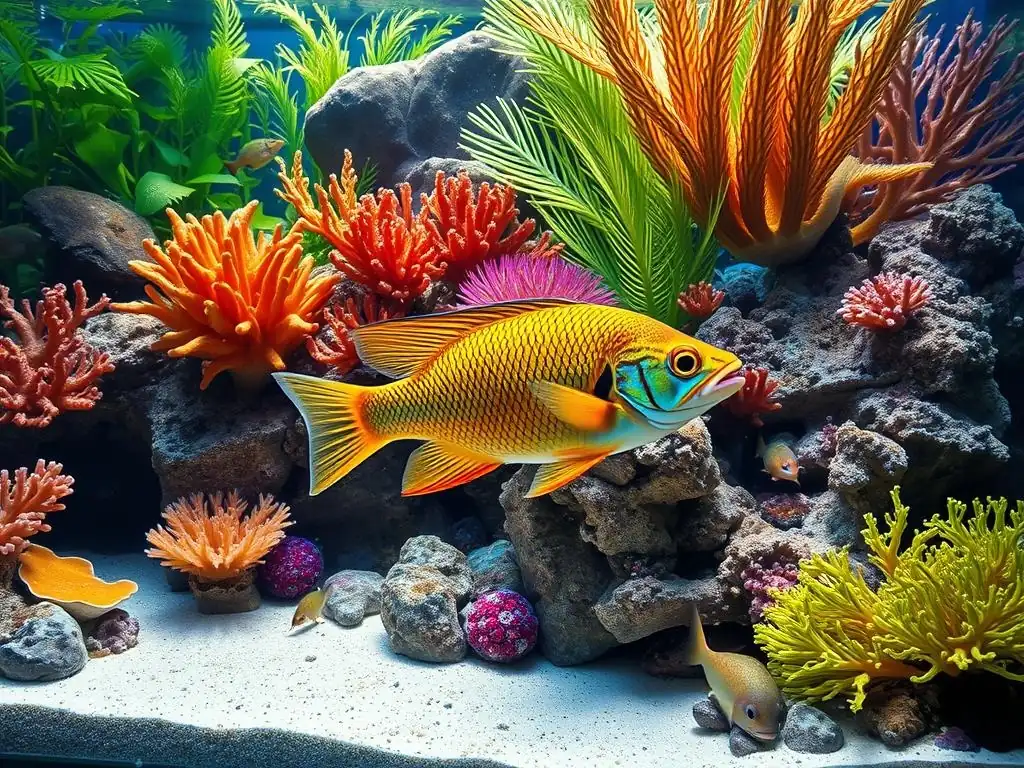
Ever wondered if you could keep a living jewel in your saltwater aquarium? The Rhomboid Fairy Wrasse, often called the "Golden Angelfish of Wrasses," is a breathtaking addition, but requires specific care. Dive in to discover everything you need to know about Rhomboid fairy wrasse care, from ideal tank conditions to compatible tank mates, and unlock the secrets to successfully keeping this stunning fish thriving in your home aquarium. What crucial aspect of their diet are most aquarists overlooking? Let's find out!
- Rhomboid Fairy Wrasse (Cirrhilabrus rhomboidalis): A Comprehensive Guide
- Introduction to the Rhomboid Fairy Wrasse
- Rhomboid Fairy Wrasse Care: Essential Guidelines
- Diet and Feeding: Ensuring Optimal Nutrition
- Tank Mate Compatibility and Social Behavior
- Recognizing and Addressing Health Issues
- Acquiring a Rhomboid Fairy Wrasse: Selection and Acclimation
- The Appeal of Cirrhilabrus rhomboidalis in Reef Aquariums
-
Frequently Asked Questions
- What is a Rhomboid Fairy Wrasse and why is it considered special?
- What are the key considerations for successfully keeping a Rhomboid Fairy Wrasse?
- What are the ideal water parameters for a Rhomboid Fairy Wrasse?
- What kind of diet does a Rhomboid Fairy Wrasse require?
- What are some common health issues or challenges when keeping Rhomboid Fairy Wrasses?
- Final Reflection: The Enduring Allure of the Rhomboid Fairy Wrasse
- Unleash Your Inner Reef Keeper: Master the Art of Wrasse Care!
Rhomboid Fairy Wrasse (Cirrhilabrus rhomboidalis): A Comprehensive Guide
Introduction to the Rhomboid Fairy Wrasse
Natural Habitat and Distribution
The Rhomboid Fairy Wrasse, Cirrhilabrus rhomboidalis, originates from the deep-water reefs of the Western Pacific Ocean. Its primary distribution includes the Philippines, particularly around Palawan and Mindanao, as well as parts of Indonesia. These captivating fish are typically found in depths ranging from approximately 30 to 100 meters (100 to 330 feet), inhabiting rubble zones, outer reef slopes, and areas with mixed sand and rock formations. Their preference for these deeper, often less disturbed environments influences their behavior and requirements in a home aquarium.
In their natural environment, these wrasses utilize the abundant rockwork and crevices for shelter, especially when startled or at night for sleeping. The deep-water habitat means they are accustomed to more subdued lighting conditions and stable water parameters. This specific distribution and depth profile are crucial considerations for aquarists aiming to replicate their natural environment and provide optimal Rhomboid fairy wrasse care, ensuring their long-term health and vibrant coloration in captivity.
Physical Characteristics and Identifying Features
Male Rhomboid Fairy Wrasses are renowned for their breathtaking coloration, which is a primary reason for their high demand in the hobby. They exhibit a brilliant golden-orange body, often adorned with iridescent blue or purple markings, particularly on the fins. The caudal fin is distinctively rhomboid-shaped, giving the species its common name. As they mature, males can reach an impressive size of 4 to 5 inches (10-12 cm), showcasing a more pronounced nuchal hump and intensified colors, especially during display or breeding behaviors.
Females, while still attractive, are generally smaller, typically around 3 inches (7-8 cm), and possess a more subdued coloration, often a lighter orange or pinkish hue without the vivid blue accents seen in males. Both sexes feature elongated, pointed snouts and smooth, streamlined bodies, characteristic of the Cirrhilabrus genus. The unique combination of their rhomboid caudal fin, overall body shape, and specific color patterns distinguishes them from other fairy wrasse species, making them easily identifiable to experienced aquarists.
Rhomboid Fairy Wrasse Care: Essential Guidelines
Tank Size and Setup Requirements
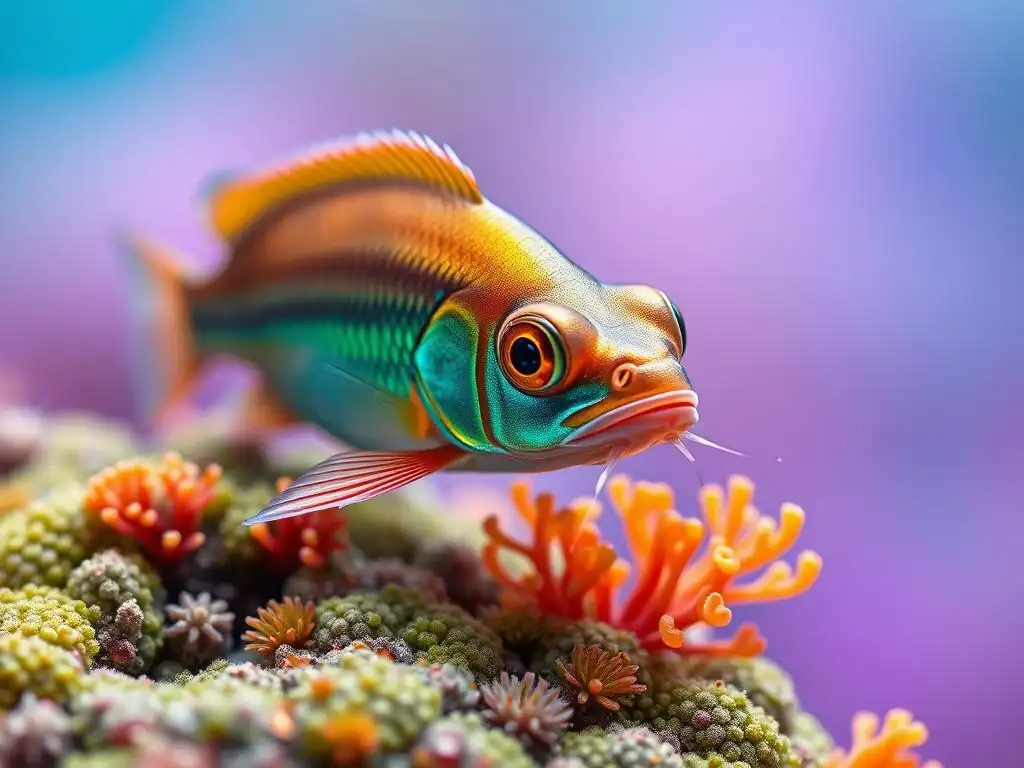
Providing adequate space is fundamental to successful Rhomboid fairy wrasse care. For a single male specimen, a minimum tank size of 75 gallons (approximately 280 liters) is recommended to allow ample swimming room and reduce stress. If planning to house a small harem of females (one male with 2-3 females) or include the Rhomboid in a mixed-reef community with other active fish, a larger aquarium of 120 gallons (around 450 liters) or more is ideal. This increased volume helps dilute waste products and provides more stable water parameters.
The aquarium setup should mimic their natural deep-water reef environment. Incorporate plenty of live rock to create caves, crevices, and hiding spots, which are essential for their security and comfort. A fine sand bed, at least 2-3 inches deep, is beneficial as they often dive into the substrate when startled or for sleeping at night. Due to their tendency to jump, especially when newly introduced or stressed, a tight-fitting lid or mesh top is an absolute necessity to prevent escapes. Lighting should be moderate to subdued, particularly during initial acclimation, as intense illumination can stress these deep-water fish.
Water Chemistry and Filtration
Maintaining pristine and stable water parameters is paramount for optimal Rhomboid fairy wrasse care. The ideal water temperature should range between 74-78°F (23-26°C). Salinity should be kept consistent at 1.023-1.026 specific gravity, mimicking natural ocean conditions. A stable pH of 8.1-8.4 is crucial, along with appropriate levels of alkalinity (8-11 dKH), calcium (400-450 ppm), and magnesium (1250-1350 ppm) to support a healthy reef environment, especially if corals are present. Fluctuations in these parameters can cause significant stress and compromise the fish's immune system.
Robust filtration is essential to manage bioload and maintain water quality. A high-quality protein skimmer is highly recommended to remove organic waste. Live rock provides excellent biological filtration, and a good mechanical filter (e.g., filter socks or sponges) can remove particulate matter. Moderate water flow, avoiding strong, direct currents, is preferred, as these fish are not accustomed to turbulent waters. Regular water changes, typically 10-15% weekly or 20-25% bi-weekly, are vital for replenishing trace elements and exporting nitrates, ensuring the long-term success of your Rhomboid fairy wrasse care regimen.
Diet and Feeding: Ensuring Optimal Nutrition
Recommended Food Types and Feeding Frequency
In their natural habitat, Rhomboid Fairy Wrasses are primarily planktivores, actively feeding on zooplankton and small invertebrates drifting in the water column. To replicate this carnivorous diet in the aquarium, it is crucial to offer a varied selection of high-quality frozen and live foods. Excellent choices include enriched frozen mysis shrimp, brine shrimp, copepods, and finely chopped seafood such as krill or clam. Small pieces of high-quality marine pellet or flake food can also be offered, though they may not always be readily accepted by all individuals.
To mimic their natural grazing behavior and ensure constant nutrient intake, it is best to feed Rhomboid fairy wrasse small amounts 2-3 times per day. Avoid overfeeding, as uneaten food can quickly degrade water quality. Observe their feeding response; healthy specimens should be eager and active eaters, consuming most of the food within a few minutes. Introducing live copepods or rotifers, especially when the fish is first acquired, can stimulate their feeding instincts and aid in a smoother transition to prepared foods.
Supplementation and Nutritional Considerations
While a varied diet of high-quality frozen foods is crucial, supplementing these foods with vitamin and nutrient enrichments can significantly enhance the overall health and vibrancy of your Rhomboid fairy wrasse. Products like Selcon, Vita-Chem, or other fish vitamin supplements can be used to soak frozen foods prior to feeding. This practice boosts their immune system, improves coloration, and helps prevent nutritional deficiencies that can lead to health issues over time.
For newly acquired or particularly finicky eaters, offering live foods like enriched brine shrimp or blackworms can be highly effective in enticing them to eat. If using live foods, consider gut-loading them with nutrient-rich diets before feeding them to the wrasse. This ensures that the nutritional benefits are passed directly to the fish. Consistent, high-quality nutrition is a cornerstone of effective Rhomboid fairy wrasse care, contributing to their longevity and ability to resist disease.
Ideal Tank Mates for a Peaceful Community
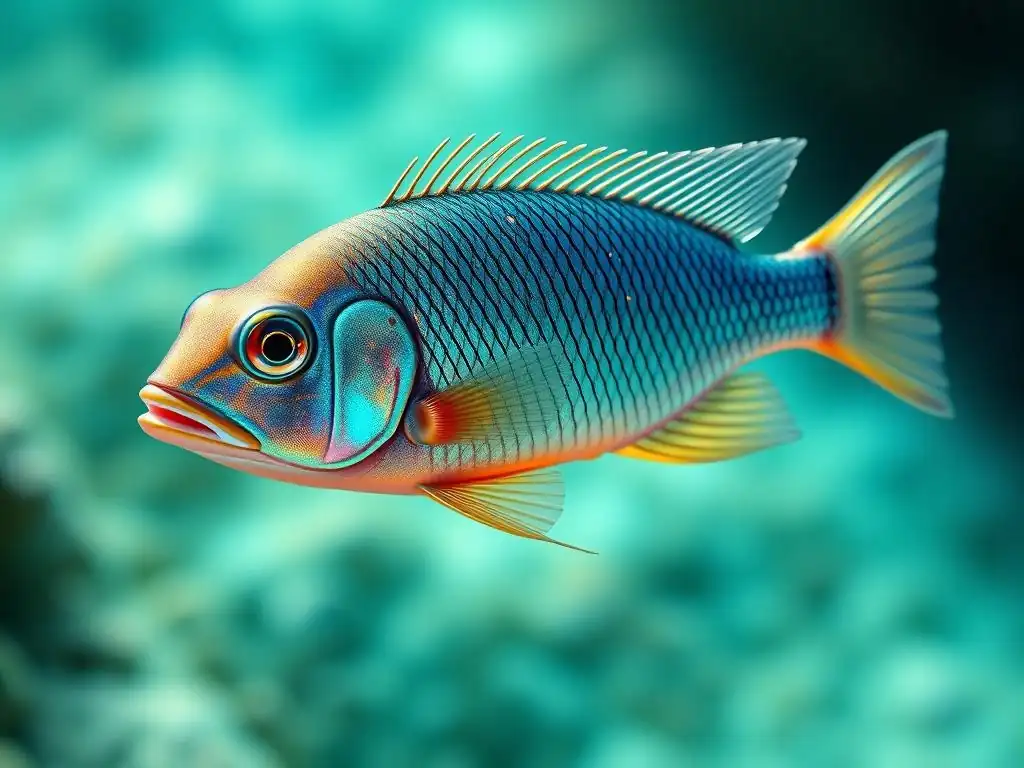
The Rhomboid Fairy Wrasse is generally a peaceful and reef-safe species, making it an excellent addition to a well-planned community aquarium. Ideal tank mates include other peaceful wrasses, such as Flasher Wrasses ( Paracheilinus species) or other Cirrhilabrus species, provided the tank is large enough to prevent territorial disputes (e.g., 120 gallons+ for multiple wrasse species). Other suitable companions include non-aggressive tangs, smaller angelfish (like Genicanthus or Centropyge species), gobies, blennies, and most non-predatory invertebrates.
When selecting tank mates, it is crucial to choose species that will not outcompete the Rhomboid fairy wrasse for food or territory. Avoid very boisterous or overly aggressive fish that might intimidate or stress this relatively shy species. If housing multiple wrasses, ensure they are introduced strategically, and provide ample hiding spots to minimize potential squabbles. A single male Rhomboid can be kept with a small harem of 2-3 females in a sufficiently large aquarium (120 gallons or more), but multiple males should generally be avoided unless the tank is exceptionally vast and offers distinct territories.
Avoiding Aggression and Competition
To prevent aggression and competition, careful consideration of tank mate selection is paramount for successful Rhomboid fairy wrasse care. Avoid housing them with notoriously aggressive species such as large triggers, puffers, or highly territorial dottybacks, as these fish can easily harass and injure the more docile wrasse. Similarly, very boisterous feeders might outcompete the Rhomboid for food, leading to malnutrition.
When introducing new fish to the aquarium, it is often advisable to add the Rhomboid fairy wrasse after other less aggressive species have established themselves. This prevents the wrasse from being seen as an intruder in an already established territory. Observe interactions closely, especially during feeding times, to ensure all fish are getting enough food and that no bullying is occurring. Providing a complex aquascape with numerous visual barriers and hiding spots can significantly reduce stress and potential aggression among tank mates, fostering a more harmonious environment for your Cirrhilabrus rhomboidalis.
Recognizing and Addressing Health Issues
Common Diseases and Parasites
Like many deep-water species, Rhomboid Fairy Wrasses can be susceptible to stress-induced illnesses if their environment is unstable or if they are exposed to poor water quality. Common ailments include marine ich ( Cryptocaryon irritans) and marine velvet ( Amyloodinium ocellatum), external parasites that manifest as white spots or a dusty appearance on the fish's body and fins. Symptoms often include rapid breathing, flashing (rubbing against decor), lethargy, and loss of appetite.
Other potential health issues can include bacterial infections, often presenting as fin rot, cloudy eyes, or open sores, typically exacerbated by poor water conditions or physical injury. Internal parasites, though less common, can lead to emaciation despite regular feeding. Diligent observation is key for early detection; regularly inspect your Rhomboid fairy wrasse for any changes in coloration, swimming behavior, fin integrity, or appetite. Addressing these issues promptly is a critical component of effective Rhomboid fairy wrasse care.
Quarantine and Treatment Protocols
A robust quarantine protocol is arguably the most crucial step in preventing disease outbreaks in your main display tank and ensuring the long-term health of your Rhomboid fairy wrasse. Any new fish should undergo a mandatory quarantine period of 4-6 weeks in a separate, dedicated quarantine tank. This allows for close observation, proactive deworming, and treatment of any potential parasites or bacterial infections before they can spread to your established aquarium. Maintain stable water parameters in the quarantine tank, mirroring the main system as closely as possible.
For external parasites like ich or velvet, treatments such as copper-based medications or hyposalinity can be effective in the quarantine setting, but always follow manufacturer instructions precisely. For suspected bacterial infections, broad-spectrum antibiotics may be necessary. It is important to note that many wrasses are sensitive to certain medications, particularly copper, so careful dosing and observation are vital. Prompt identification and appropriate treatment are essential for successful Rhomboid fairy wrasse care and recovery.
Acquiring a Rhomboid Fairy Wrasse: Selection and Acclimation
Identifying Healthy Specimens
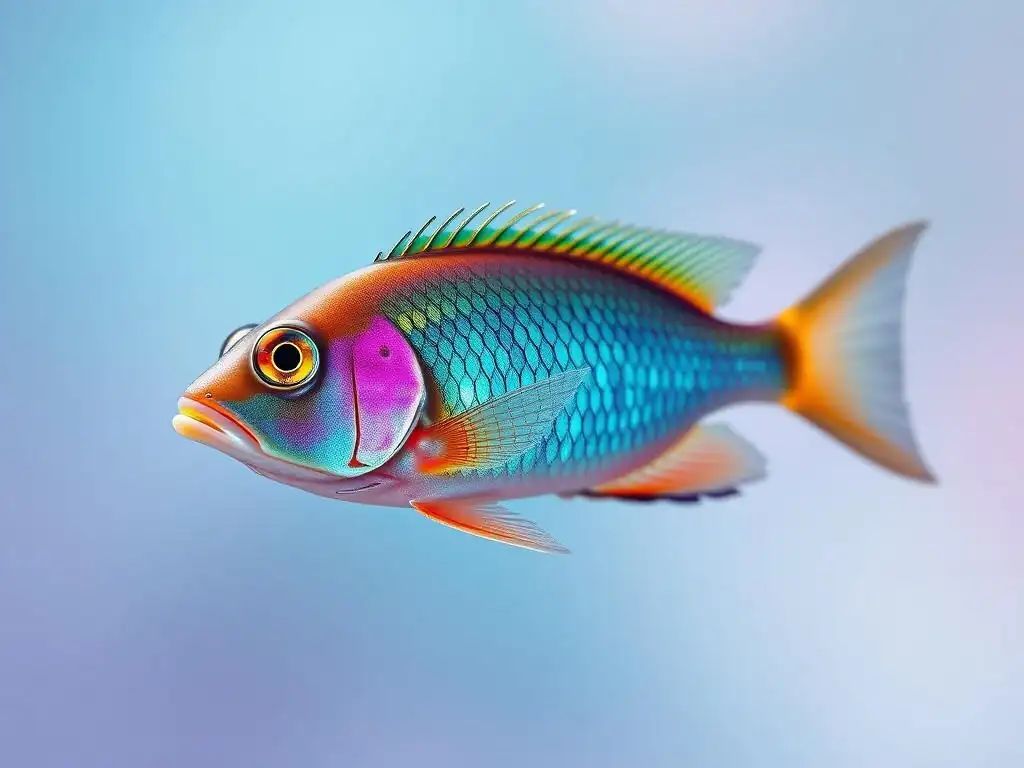
When acquiring a Rhomboid Fairy Wrasse, careful selection is paramount to ensure you bring home a healthy and robust specimen. Look for fish that are active and alert, swimming freely and exhibiting natural behaviors. Their eyes should be clear and bright, and their fins should be fully intact, without any signs of fraying, tears, or clamping. The body coloration should be vibrant and true to the species, not faded or patchy, and there should be no visible spots, lesions, or external parasites.
Observe the fish for several minutes before making a decision. A healthy Rhomboid fairy wrasse should be inquisitive and responsive to its surroundings, not listless, hiding excessively, or gasping at the surface. Crucially, inquire about its feeding habits; a healthy specimen should be readily accepting prepared foods offered by the vendor. Fish that have been held by the retailer for at least a week and are actively eating are generally more resilient and have a higher chance of successful acclimation to your home aquarium, reflecting good initial Rhomboid fairy wrasse care.
Acclimation Procedures for a Stress-Free Transition
Due to their sensitivity to changes in water parameters, particularly salinity and pH, drip acclimation is highly recommended for Rhomboid fairy wrasse. This method allows for a slow, gradual equalization of the water chemistry between the shipping bag and your aquarium. Begin by floating the bag in your sump or quarantine tank for about 15-20 minutes to equalize temperature. Then, transfer the fish and its shipping water into a clean bucket or container.
Using an airline tube with a knot or flow restrictor, slowly drip water from your aquarium into the container at a rate of about 1-2 drops per second. Continue this process for 60-90 minutes, or until the volume of water in the container has at least quadrupled.
Once acclimated, gently net the fish and transfer it to your quarantine or display tank, being careful not to introduce any of the shipping water. Turn off the tank lights for several hours after introduction to reduce stress and allow the Rhomboid fairy wrasse to explore its new environment undisturbed, a vital step in its initial care.
The Appeal of Cirrhilabrus rhomboidalis in Reef Aquariums
Contributing Factors to Popularity
The Rhomboid Fairy Wrasse's immense popularity among reef aquarists stems primarily from its unparalleled beauty and striking coloration. The males, with their iridescent golden-orange bodies and electric blue fins, are often described as living jewels, providing a dynamic splash of color that is unmatched by many other species. Their active yet graceful swimming patterns add constant movement and visual interest to a reef tank, making them a focal point for any observer.
Beyond their aesthetic appeal, Cirrhilabrus rhomboidalis is highly valued for its reef-safe nature. Unlike some other wrasse species, they pose minimal threat to corals, clams, or other invertebrates, making them ideal inhabitants for mixed-reef aquariums. Their relatively peaceful temperament with most other fish species further enhances their desirability. The combination of their stunning appearance, active behavior, and compatibility with a wide range of reef inhabitants solidifies their status as one of the most sought-after fish in the marine aquarium hobby, despite the specialized Rhomboid fairy wrasse care they require.
Considerations Before Purchasing
While undeniably appealing, prospective owners must be aware of several considerations before investing in a Rhomboid Fairy Wrasse. Due to their deep-water collection and relative rarity, Cirrhilabrus rhomboidalis is often one of the most expensive fish in the hobby, with prices typically ranging from $300 to $1000 or more, depending on size, sex, and source. Their availability can also be inconsistent, requiring patience to find a healthy specimen.
Furthermore, these fish are not recommended for novice aquarists. They require a mature, stable reef aquarium with consistent water parameters, a robust filtration system, and a varied, high-quality diet. The commitment to providing optimal Rhomboid fairy wrasse care, including a lengthy quarantine period and attention to detail regarding their specific environmental needs, is substantial. However, for the dedicated aquarist capable of meeting these requirements, the Rhomboid Fairy Wrasse offers an incredibly rewarding and visually spectacular addition to a reef aquarium, often thriving for 5-7 years or more in captivity.
Frequently Asked Questions
What is a Rhomboid Fairy Wrasse and why is it considered special?
The Rhomboid Fairy Wrasse (Cirrhilabrus rhomboidalis) is a highly sought-after saltwater fish known for its vibrant colors. It's often called the "Golden Angelfish of Wrasses" due to its beautiful golden-yellow body and intricate patterns.
What are the key considerations for successfully keeping a Rhomboid Fairy Wrasse?
Successful Rhomboid Fairy Wrasse care hinges on providing a stable and mature reef aquarium. They require pristine water quality, a peaceful environment, and a varied diet of small meaty foods.
What are the ideal water parameters for a Rhomboid Fairy Wrasse?
Maintaining ideal water parameters is crucial. The ideal temperature range is 72-78°F (22-26°C), with a specific gravity of 1.024-1.026, a pH of 8.1-8.4, and low levels of nitrates and phosphates.
What kind of diet does a Rhomboid Fairy Wrasse require?
Rhomboid Fairy Wrasses are carnivores and need a varied diet. Offer them small, meaty foods such as mysis shrimp, brine shrimp, copepods, and high-quality flake food multiple times a day.
What are some common health issues or challenges when keeping Rhomboid Fairy Wrasses?
They can be susceptible to ich and other parasitic infections, especially during acclimation. Quarantine and a strict observation period are essential, alongside maintaining optimal water quality to prevent disease.
Final Reflection: The Enduring Allure of the Rhomboid Fairy Wrasse
The journey into understanding Rhomboid fairy wrasse care reveals more than just the intricacies of keeping a beautiful fish alive; it highlights our responsibility as aquarists to understand and respect the delicate ecosystems from which these creatures originate. The increasing demand for these "golden angelfish of wrasses" underscores the importance of sustainable practices and informed decision-making within the aquarium hobby.
This exploration of Cirrhilabrus rhomboidalis has undoubtedly deepened our appreciation for the beauty and complexity of marine life. It reminds us that each fish, each coral, each grain of sand in our tanks represents a piece of a larger, interconnected web. In the end, we will conserve only what we love; we will love only what we understand; and we will understand only what we are taught.
- Baba Dioum's words resonate deeply, urging us to continue learning and sharing our knowledge to protect these incredible creatures.
Now, as you consider adding a Rhomboid fairy wrasse to your aquarium, or simply admire its beauty from afar, remember the lessons learned here. Let this knowledge empower you to make responsible choices, support sustainable practices, and contribute to the preservation of these magnificent fish and the vibrant reefs they call home. The future of Cirrhilabrus rhomboidalis, and countless other species, rests in our hands.
Unleash Your Inner Reef Keeper: Master the Art of Wrasse Care!
Thank you for diving deep into the mesmerizing world of the Rhomboid Fairy Wrasse! We hope you found valuable insights into this "golden angelfish" of the wrasse family. Now it's time to translate that knowledge into action and truly elevate your reef aquarium hobby.
Here's how you can continue your journey:
- Commit to Creating the Ultimate Wrasse Sanctuary: Research and implement the specific environmental conditions outlined in the article, focusing on aquascaping that provides ample hiding places and open swimming areas.
- Explore the vibrant world of compatible tank mates. Delve into the characteristics of peaceful reef inhabitants that can thrive alongside your Rhomboid Fairy Wrasse. Consider sharing your findings in online forums.
- Challenge yourself: Try photographing your Rhomboid Fairy Wrasse in its full glory. Share your images and inspire others with the beauty of these amazing fish on social media or aquarium forums!
Ready to transform your tank into a thriving wrasse paradise? What specific changes will you implement this week to better cater to your wrasse's needs and overall well-being?