
The Ecological Role of Cardinalfish in a Balanced Reef Ecosystem

Welcome to Aquarium Mastery!
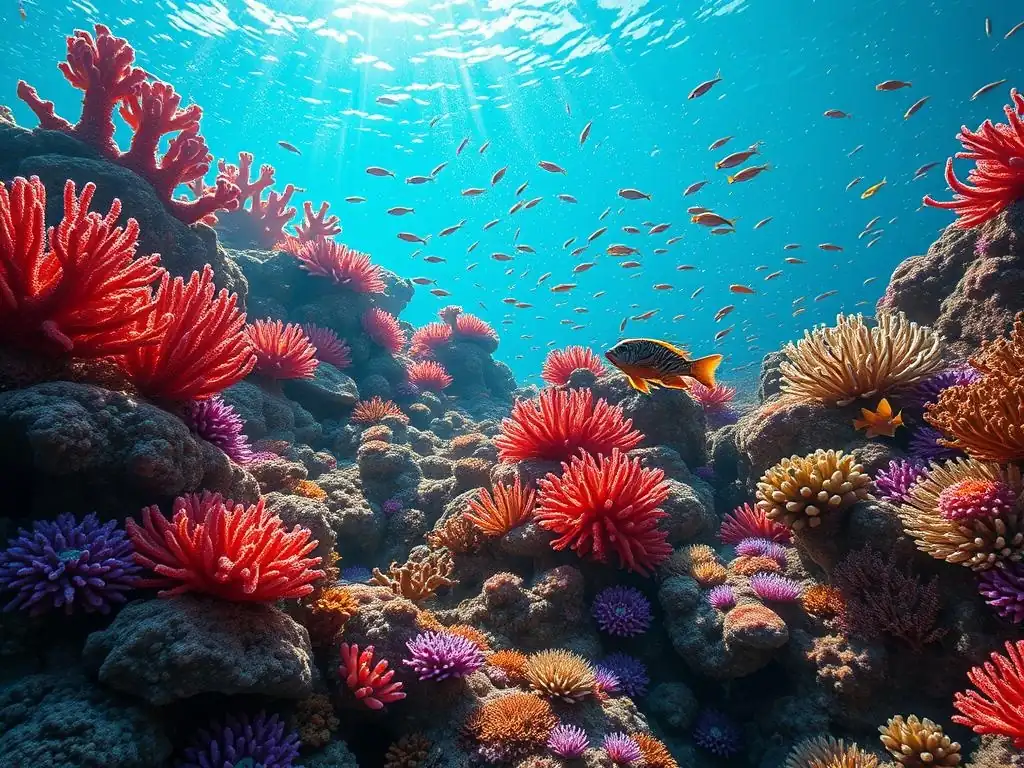
Ever wondered how those dazzling Cardinalfish contribute to the delicate harmony of a thriving reef? Dive in and explore the fascinating ecological role of Cardinalfish in maintaining a balanced reef ecosystem. This article unveils the secrets to understanding their impact, offering insights crucial for any aquarist passionate about creating a vibrant and healthy saltwater aquarium. Discover how these often-overlooked beauties are more than just a pretty face - and what their presence (or absence) reveals about the overall health of your reef. Keep reading to unlock the secrets!
- The Ecological Role of Cleaner Shrimp in a Balanced Reef Ecosystem
- Understanding Cleaner Shrimp and Reef Ecosystem Dynamics
- Cleaner Shrimp: Key Players in Reef Ecosystem Balance
- Cleaner Shrimp's Impact on Reef Biodiversity
- Maintaining Cleaner Shrimp in a Reef Aquarium: Best Practices
- The Role of Cleaner Shrimp in a Thriving Reef Aquarium: A Summary
- Troubleshooting Common Cleaner Shrimp Health Issues in Reef Tanks
-
Frequently Asked Questions
- How do Cardinalfish contribute to a balanced reef ecosystem?
- What is the significance of their nocturnal feeding habits for reef health?
- Why is understanding Cardinalfish behavior important for aquarists?
- What are some common challenges in maintaining a Cardinalfish reef ecosystem in an aquarium?
- How can I ensure the long-term health of Cardinalfish in my reef aquarium?
- Final Reflection: The Silent Guardians of Reef Harmony
- Ignite Your Reef: Become a Cardinalfish Guardian!
The Ecological Role of Cleaner Shrimp in a Balanced Reef Ecosystem
Understanding Cleaner Shrimp and Reef Ecosystem Dynamics
What are Cleaner Shrimp? An Overview for Reef Aquarists
Cleaner shrimp, primarily species from the Lysmata genus such as the Skunk Cleaner Shrimp ( Lysmata amboinensis) and the Blood Red Fire Shrimp ( Lysmata debelius), are fascinating invertebrates commonly found in reef aquariums. These small crustaceans, typically reaching lengths of 2 to 3 inches, are native to the Indo-Pacific and Caribbean coral reefs. Their vibrant coloration, often featuring striking red and white stripes, makes them a visually appealing addition to any reef tank, but their ecological significance extends far beyond their aesthetic appeal.
In their natural habitat, cleaner shrimp establish "cleaning stations" on coral heads or rocks, where various fish species congregate to have parasites and dead tissue removed. Their unique behavior involves signaling fish with their long antennae, then meticulously picking off external parasites with their specialized mouthparts and chelipeds. This intricate symbiotic relationship is a cornerstone of reef health, highlighting their crucial role as natural sanitation engineers within the marine environment.
The Importance of a Balanced Reef Ecosystem for Cleaner Shrimp Health
A balanced reef ecosystem is paramount for the health and longevity of cleaner shrimp. These invertebrates are particularly sensitive to fluctuations in water chemistry, requiring stable parameters to thrive. Optimal conditions include a consistent salinity of approximately 1.025 specific gravity, temperatures ranging from 75-80°F (24-27°C), and a stable pH between 8.1 and 8.4. Elevated levels of nitrates and phosphates, along with the presence of heavy metals or certain medications, can be highly detrimental, leading to stress and even mortality.
Furthermore, a well-established and balanced ecosystem provides a consistent supply of food for cleaner shrimp, primarily in the form of ectoparasites from fish and various forms of detritus. In a healthy environment, cleaner shrimp undergo regular molting cycles, a vital process for their growth and survival. Unstable or poor water quality can lead to failed molts, where the shrimp struggles to shed its old exoskeleton, often resulting in injury or death. Therefore, maintaining a pristine and stable reef environment is not just beneficial but essential for cleaner shrimp health and their ongoing contributions to the tank's ecological balance.
Cleaner Shrimp: Key Players in Reef Ecosystem Balance
Parasite Control: Cleaner Shrimp as Natural Cleaners
One of the most significant contributions of cleaner shrimp to a balanced reef ecosystem is their role in parasite control. These industrious invertebrates establish "cleaning stations" where fish actively seek them out to have ectoparasites and dead skin removed. Species such as Wrasses, Groupers, Moray Eels, and Tangs are commonly observed presenting themselves to cleaner shrimp for this vital service. Research in natural reefs suggests that cleaner shrimp can significantly reduce the parasite load on fish, with some studies indicating a reduction of up to 90% for certain types of ectoparasites like trematodes.
The mechanism is fascinating: cleaner shrimp use their long antennae to signal fish, then carefully crawl over their bodies, meticulously picking off parasites with their small pincers. This natural pest control not only improves the overall health and vitality of the fish population by reducing disease transmission but also lessens the need for chemical treatments in a closed aquarium system. The presence of active cleaner shrimp is a strong indicator of a healthy, functioning reef ecosystem where biological solutions are effectively managing potential health threats.
Cleaner Shrimp and Waste Removal in Reef Aquariums
Beyond their role as natural cleaners of fish, cleaner shrimp also act as valuable detritivores within the reef aquarium, contributing to waste removal and nutrient cycling. They are opportunistic feeders, constantly scavenging for uneaten food, decaying organic matter, and various forms of detritus that accumulate in the tank. While they may not be the primary waste removers in a system, their consistent foraging helps to break down organic waste, preventing its buildup and subsequent conversion into harmful ammonia and nitrite.
For instance, a small group of 2-3 cleaner shrimp in a 100-gallon reef tank can effectively target and consume localized pockets of detritus that might be inaccessible to other clean-up crew members, such as snails or hermit crabs. This constant consumption of decomposing matter contributes to clearer water, reduces the potential for nuisance algae outbreaks, and supports the overall stability of the nutrient cycle. Their diligent scavenging complements the work of other invertebrates, reinforcing the aquarium's natural filtration and maintaining its ecological balance.
Symbiotic Relationships: Cleaner Shrimp and Fish
The symbiotic relationship between cleaner shrimp and fish is a classic example of mutualism, where both parties benefit from the interaction. Fish receive a vital service: the removal of irritating and potentially harmful ectoparasites, which enhances their health and reduces stress. In return, the cleaner shrimp obtain a reliable food source in the form of these parasites and often gain protection from potential predators by associating with larger fish. This intricate co-evolutionary dance is regularly observed in both natural reefs and home aquariums, providing fascinating insights into marine biology.
This mutually beneficial interaction significantly contributes to the overall resilience of the reef ecosystem. Healthier fish populations, less burdened by parasites, are more robust, exhibit better feeding responses, and are more resilient to disease outbreaks. For example, a Skunk Cleaner Shrimp ( Lysmata amboinensis) is particularly adept at establishing these cleaning stations, often becoming a focal point in the aquarium. The presence of these active symbiotic relationships underscores a thriving environment, where the cleaner shrimp's consistent activity helps maintain a healthy and stable reef community.
Cleaner Shrimp's Impact on Reef Biodiversity
Enhancing Fish Health Through Cleaner Shrimp Activity
The continuous activity of cleaner shrimp directly contributes to enhancing the health of fish within a reef ecosystem. By consistently removing external parasites and dead tissue, these invertebrates prevent the accumulation of irritants that can lead to chronic stress, weakened immune systems, and susceptibility to secondary infections. Healthier fish exhibit more vibrant coloration, stronger feeding responses, and improved reproductive success, all of which are indicators of a thriving aquatic environment. This proactive approach to health management significantly supports higher fish survivability rates in both captive and natural reef settings.
For instance, in environments with robust cleaner shrimp populations, fish are observed to have a notably lower incidence of visible external parasites. While exact figures vary, studies and observations suggest that the presence of cleaner shrimp can potentially reduce stress-related mortality in some fish species by an estimated 15-20% due to reduced parasitic loads. This consistent improvement in individual fish health collectively strengthens the entire fish community, contributing to a more biodiverse and resilient reef. The cleaner shrimp's tireless work forms a crucial, often unseen, foundation for the well-being of the reef's finned inhabitants.
Cleaner Shrimp as Indicators of Reef Health: Monitoring the Ecosystem
Cleaner shrimp can serve as valuable bio-indicators of reef health, providing aquarists with visual cues about the overall condition of their ecosystem. Active, regularly molting cleaner shrimp typically signify good water quality and a stable, thriving environment. Their vibrant colors and engaged behavior are often direct reflections of optimal parameters and a healthy food supply. Conversely, changes in their behavior, such as lethargy, prolonged hiding, or unsuccessful molts, can be early warning signs of declining water parameters, nutrient imbalances, or the presence of harmful substances in the tank.
In the wild, a noticeable decline in cleaner shrimp populations or a change in their cleaning behavior can signal broader environmental stresses, such as pollution, increased sedimentation, or even the initial stages of ocean acidification, which directly impacts their delicate calcified exoskeletons and molting processes. In the confined environment of an aquarium, they act as a "canary in the coal mine."
An aquarist observing a struggling cleaner shrimp is often prompted to immediately test water parameters, investigate potential contaminants, or adjust husbandry practices, thereby preventing more widespread issues among other reef inhabitants. This makes them an invaluable living monitoring system for maintaining reef ecosystem balance.
Maintaining Cleaner Shrimp in a Reef Aquarium: Best Practices
Creating a Suitable Habitat for Cleaner Shrimp: Tank Setup and Water Parameters
Establishing a suitable habitat is paramount for the long-term health and activity of cleaner shrimp in a reef aquarium. A minimum tank size of 10-20 gallons is recommended for a single shrimp, with larger tanks providing more stability and space for multiple individuals. Crucially, the tank must include ample live rock or other porous structures that offer numerous crevices and hiding spots, which are essential for the shrimp's security, especially during vulnerable molting periods. These hiding places also serve as potential cleaning stations.
Maintaining stable and precise water parameters is non-negotiable. Ideal conditions include a specific gravity (salinity) between 1.023 and 1.026, a consistent temperature range of 72-80°F (22-27°C), and a pH level of 8.0-8.4. Additionally, calcium levels should be maintained between 400-450 ppm, alkalinity at 8-12 dKH, and magnesium between 1250-1350 ppm, as these minerals are vital for healthy exoskeleton formation and successful molting. Rapid fluctuations in any of these parameters can cause significant stress and lead to failed molts, often resulting in the shrimp's demise.
Feeding Cleaner Shrimp in a Reef Tank: Diet and Nutritional Needs
While cleaner shrimp are renowned for their cleaning services and consumption of detritus, supplemental feeding is often necessary to ensure their optimal health and activity, particularly in newer or sparsely populated reef tanks that may not provide a consistent supply of parasites or ample detritus. These opportunistic omnivores will readily accept small pieces of meaty foods. Offering items such as mysis shrimp, brine shrimp, chopped frozen seafood (e.g., small pieces of squid or clam), or high-quality pellet foods 2-3 times per week is generally sufficient.
Ensuring adequate nutrition is critical for supporting their demanding molting process, which requires a significant intake of calcium and other essential minerals. A well-fed cleaner shrimp will not only be more active and effective in its cleaning duties but will also exhibit stronger growth and more successful molts. Observing their feeding response and ensuring they are actively scavenging after lights out can help confirm they are receiving sufficient sustenance, contributing to their overall vitality and their ongoing role in the reef ecosystem balance.
Choosing Compatible Tank Mates for Cleaner Shrimp
Selecting appropriate tank mates is a critical consideration for the successful integration of cleaner shrimp into a reef aquarium. Most peaceful reef fish and invertebrates are compatible with cleaner shrimp, and many fish species will actively seek out the shrimp for cleaning services. Ideal companions include popular choices like Clownfish, Damselfish, Gobies, Blennies, Tangs, and most Wrasses (excluding predatory species), as well as a wide array of corals and other sessile invertebrates.
However, certain large, aggressive, or predatory fish pose a significant threat to cleaner shrimp, viewing them as a food source. Species to avoid include Lionfish, large Groupers, and most Triggerfish (e.g., Clown Triggerfish, Picasso Triggerfish), which are notorious for preying on crustaceans. Even some seemingly peaceful fish, such as certain Hawkfish species, can occasionally target shrimp. When introducing cleaner shrimp, it is often beneficial to add them before larger, potentially aggressive fish, and to ensure the tank provides ample hiding spots among the live rock to mitigate any risks and promote a harmonious reef ecosystem balance.
The Role of Cleaner Shrimp in a Thriving Reef Aquarium: A Summary
Cleaner Shrimp Contributions to a Healthy and Stable Reef Environment
Cleaner shrimp are indispensable contributors to a healthy and stable reef environment, embodying a multifaceted ecological role that extends far beyond their aesthetic appeal. Their primary contribution lies in their natural parasite removal services, which significantly enhance the health and vitality of fish populations by reducing disease pressure and stress. Complementing this, their diligent consumption of detritus and uneaten food aids in waste removal and nutrient cycling, directly contributing to improved water quality and a reduction in nuisance algae.
Collectively, these roles foster a robust biological equilibrium within the aquarium. The intricate symbiotic relationships they form with various fish species underscore their importance in maintaining a balanced reef ecosystem. Their consistent activity helps prevent the proliferation of pathogens and ensures a cleaner, more vibrant habitat. The presence of thriving cleaner shrimp often serves as a testament to a well-managed and mature aquarium, reflecting the aquarist's commitment to mimicking and supporting natural reef processes for optimal health and stability.
Responsible Sourcing and Ethical Considerations for Cleaner Shrimp
Responsible sourcing and ethical considerations are crucial aspects of maintaining cleaner shrimp in a reef aquarium, impacting both the individual animal's welfare and the broader marine environment. Aquarists should prioritize purchasing cleaner shrimp from reputable suppliers who adhere to sustainable collection practices or, even better, offer aquacultured specimens. This approach helps to avoid supporting destructive wild collection methods that can harm natural reef ecosystems and deplete wild populations.
Beyond sourcing, ethical considerations extend to providing a suitable and enriching environment within the aquarium itself. This includes ensuring stable water parameters, offering adequate hiding spots, and providing appropriate nutrition. Proper handling during acclimation and avoiding the use of harmful medications are also vital for minimizing stress and ensuring their long-term survival. By embracing these responsible practices, aquarists contribute to the conservation of these valuable invertebrates and promote a more ethical and sustainable hobby, reinforcing the cleaner shrimp's role in a balanced reef ecosystem.
Troubleshooting Common Cleaner Shrimp Health Issues in Reef Tanks
Identifying and Addressing Cleaner Shrimp Diseases
Cleaner shrimp, while generally hardy, can occasionally suffer from health issues, with molting problems being the most common concern. A failed molt, where the shrimp struggles to shed its old exoskeleton, is often indicative of poor water quality, specifically deficiencies in calcium, magnesium, or iodine, or sudden shifts in water parameters. Symptoms include lethargy, a cloudy or opaque exoskeleton that doesn't shed, or visible deformities after an incomplete molt. Rapid changes in salinity or temperature can also induce molting difficulties.
Addressing these issues primarily involves correcting and stabilizing water parameters to optimal levels and ensuring a diet rich in essential minerals. Bacterial or fungal infections are less common but can manifest as visible lesions, discoloration, or fuzzy growths on the shrimp's body. While specific treatments for shrimp diseases are limited in hobbyist settings, maintaining pristine water quality, performing regular water changes, and quarantining new tank additions are the best preventative measures. Avoiding copper-based medications, which are highly toxic to invertebrates, is also crucial for cleaner shrimp health.
Preventing Stress in Cleaner Shrimp: Acclimation and Tank Management
Preventing stress is paramount to the long-term health and well-being of cleaner shrimp in a reef tank, as these invertebrates are highly susceptible to environmental changes. Proper acclimation upon introduction is critical; the drip acclimation method, slowly integrating tank water into the transport bag over 60-90 minutes, is highly recommended to minimize osmotic shock and allow the shrimp to gradually adjust to the new water parameters. Sudden shifts in salinity, temperature, or pH are major stressors that can lead to immediate health complications or even death.
Consistent and diligent tank management forms the backbone of stress prevention. This includes performing regular water changes (e.g., 10-20% bi-weekly) to maintain stable water chemistry and low nutrient levels. Avoiding the use of harsh chemical treatments, particularly copper-based medications, which are lethal to all invertebrates, is absolutely essential. Furthermore, providing ample hiding spots and crevices within the live rock structure allows the shrimp to retreat when feeling threatened or during their vulnerable molting periods. A stable, well-managed environment significantly reduces stress, promoting regular, healthy molts and ensuring the cleaner shrimp can effectively contribute to the reef ecosystem balance.
Frequently Asked Questions
How do Cardinalfish contribute to a balanced reef ecosystem?
Cardinalfish play a crucial role as nocturnal predators, controlling populations of small invertebrates. This helps maintain the delicate food web and prevents any single species from becoming dominant.
What is the significance of their nocturnal feeding habits for reef health?
Their nocturnal activity allows them to target invertebrates that are active at night, preventing overpopulation. This helps maintain the natural balance of the reef's ecosystem, reducing competition for resources.
Why is understanding Cardinalfish behavior important for aquarists?
Understanding their behaviour ensures proper care and helps prevent them from being stressed. This knowledge is crucial for replicating a healthy reef environment within an aquarium setting.
What are some common challenges in maintaining a Cardinalfish reef ecosystem in an aquarium?
Maintaining proper water parameters and providing suitable hiding places are key challenges. Ensuring a diverse population of invertebrates can also be difficult to replicate the natural food web.
How can I ensure the long-term health of Cardinalfish in my reef aquarium?
Provide a varied diet, maintain excellent water quality, and offer ample hiding spots. Regular monitoring of tank parameters and observing fish behaviour are also essential.
Final Reflection: The Silent Guardians of Reef Harmony
The intricate dance of life within a coral reef, as we've explored, hinges on the contributions of even the smallest players. The cardinalfish, often overlooked, are in fact vital architects of reef ecosystem balance, their presence or absence directly impacting the health and resilience of these underwater paradises. Understanding their ecological role is no longer just an academic exercise; it's a crucial step towards effective reef conservation in the face of escalating environmental pressures.
The delicate balance maintained by cardinalfish underscores the interconnectedness of all life. Witnessing the impact of these tiny creatures on the larger reef ecosystem has profoundly deepened my appreciation for the unseen forces shaping our world. It reminds us that even seemingly insignificant actions can have ripple effects, both positive and negative. In nature, nothing exists alone.
- Rachel Carson. This quote encapsulates the essence of our exploration, highlighting the crucial role of cardinalfish in maintaining the delicate equilibrium of the reef.
As we conclude this exploration of the cardinalfish and their role in maintaining reef ecosystem balance, I invite you to consider your own connection to the natural world. How can you, in your daily life, contribute to preserving the delicate ecosystems that sustain us all? Let us all strive to be mindful stewards, recognizing that the health of our planet, like the health of a coral reef, depends on the harmonious interplay of every living thing.
Ignite Your Reef: Become a Cardinalfish Guardian!
Thanks for diving deep into the fascinating world of cardinalfish! Now that you understand their crucial role in maintaining a thriving reef ecosystem, it's time to take action and become a champion for these often-overlooked creatures. Ready to make a difference?
Here are a few ways you can get involved:
- Prioritize sustainable sourcing when acquiring new fish for your aquarium. Ask your local fish store about the origin of their cardinalfish and choose those that are responsibly collected or, even better, captive-bred. This is the single most important action you can take.
- Delve deeper into the fascinating world of nocturnal reef inhabitants! Research and document other species that play essential roles in the night-time ecosystem. Share your findings and help raise awareness!
- Consider making a small donation to a reef conservation organization dedicated to protecting coral reefs and the animals that call them home. Even a small contribution can make a big difference.
What steps will you take this week to ensure the well-being of our coral reefs and the cardinalfish that inhabit them?