
Creating a LowStress Haven for Your Wrasse: Environmental Enrichment Tips

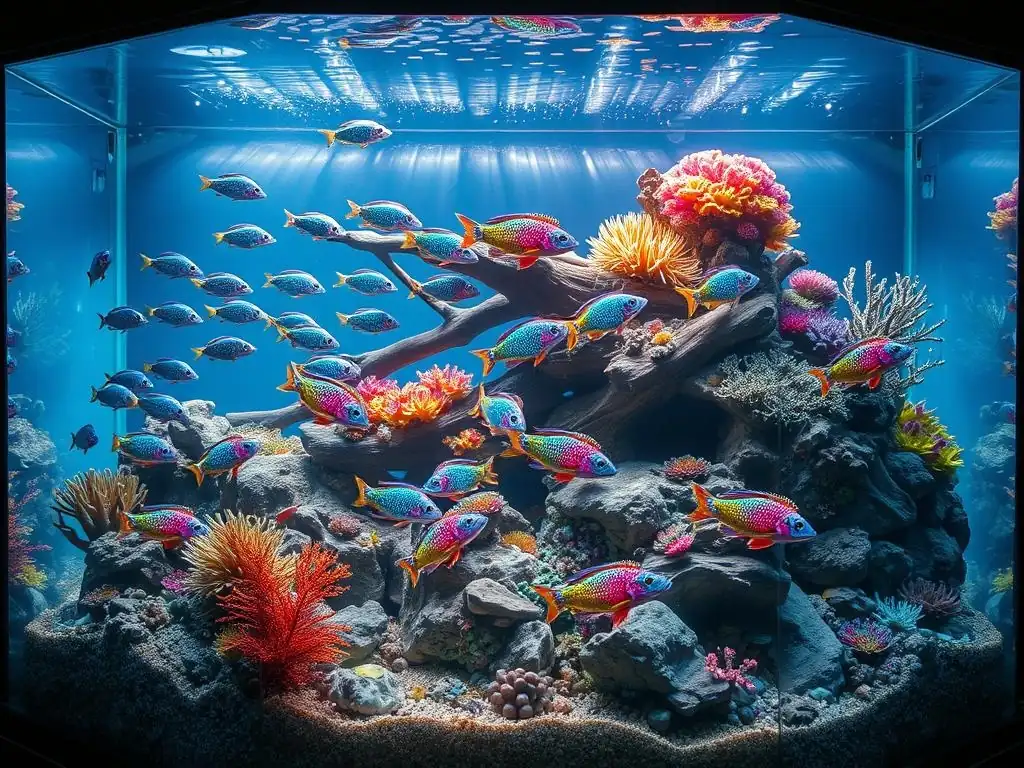
Welcome to Aquarium Mastery!
Curious about creating the perfect environment for your Wrasse? Dive in! We're exploring essential Wrasse tank environmental enrichment tips to ensure your colorful companions thrive. Discover how to minimize stress and maximize their well-being, turning your aquarium into a low-stress haven they'll truly love. Keep reading to unlock the secrets!
- Understanding Wrasse Behavior and Needs for a Healthy Aquarium
- Essential Wrasse Tank Environmental Enrichment Strategies
- Enhancing Wrasse Feeding Habits Through Enrichment
- Choosing Compatible Tank Mates to Minimize Wrasse Stress
- Maintaining Optimal Water Quality for a Stress-Free Wrasse Environment
- Advanced Wrasse Enrichment Techniques
- Troubleshooting Common Wrasse Stress Indicators
- Long-Term Wrasse Tank Management for a Thriving Environment
- Conclusion: A Happy Wrasse is a Healthy Wrasse
-
Frequently Asked Questions
- How important is environmental enrichment for wrasses in an aquarium?
- What are some examples of environmental enrichment I can provide for my wrasse?
- How does environmental enrichment help reduce stress in wrasses?
- What types of decorations are not suitable for wrasses in a tank?
- How often should I rearrange the tank environment to provide enrichment for my wrasse?
- Final Reflection: Cultivating Calm for Colorful Companions
- Transform Your Tank: Spark Joy for Your Wrasse!
Understanding Wrasse Behavior and Needs for a Healthy Aquarium
The Importance of Environmental Enrichment for Wrasses
Environmental enrichment is not merely an optional add-on for a wrasse aquarium; it is a fundamental component for promoting the long-term health and well-being of these active and intelligent fish. A stimulating environment helps to mimic their natural habitats, which are often rich in diverse structures and opportunities for foraging.
Without adequate enrichment, wrasses can develop stress-related issues, leading to weakened immune systems, susceptibility to disease, and a general decline in vibrancy and natural behaviors. Studies have shown that fish in enriched environments exhibit significantly lower cortisol levels – a key stress hormone – often by as much as 25-30% compared to those in barren setups.
Furthermore, a well-enriched wrasse tank environment encourages natural behaviors such as foraging, exploring, and establishing territories, which are crucial for their psychological and physical health. For instance, wrasses like the Macropharyngodon species (Leopard Wrasses) are constant sand-sifters in the wild, spending a significant portion of their day sifting through substrate for small invertebrates. Providing the correct substrate and opportunities for this behavior through proper wrasse tank environmental enrichment tips not only keeps them active but also aids in their digestion and reduces boredom. This proactive approach to their habitat ensures a thriving, resilient wrasse population in your home aquarium.
Key Behavioral Traits of Wrasses in Captivity
Wrasses are renowned for their vibrant colors, active swimming patterns, and intriguing behaviors, many of which persist in captivity if their environmental needs are met. Most wrasse species are diurnal, meaning they are active during the day, constantly exploring their surroundings and foraging for food. Many, particularly from the Halichoeres, Macropharyngodon, and Coris genera, are known for their habit of burying themselves in the sand at night or when startled, a crucial defense mechanism. This burying behavior necessitates a specific substrate type and depth, directly impacting their sense of security.
Beyond their burying habits, wrasses exhibit a range of other behaviors critical to understanding their enrichment needs. Many are opportunistic predators, constantly hunting for small invertebrates among live rock and substrate. Some species, like the Cirrhilabrus (Fairy Wrasses) and Paracheilinus (Flashing Wrasses), are known for their elaborate courtship displays, which involve rapid color changes and fin flaring, especially when housed with conspecifics or compatible tank mates. Understanding these inherent traits is the foundation for implementing effective wrasse tank environmental enrichment tips, ensuring their environment supports these natural instincts rather than suppressing them.
Assessing Your Current Wrasse Tank Environment
Before implementing new wrasse tank environmental enrichment tips, it's crucial to conduct a thorough assessment of your existing aquarium setup. Begin by observing your wrasse's daily behavior. Is it active and exploring, or does it spend most of its time hiding or exhibiting repetitive movements? Healthy wrasses are typically inquisitive and constantly on the move. Next, evaluate the physical layout of your tank. Does it offer ample open swimming space, or is it overly cluttered? Conversely, is it too sparse, lacking the structural complexity that wrasses thrive on?
Pay close attention to your substrate: Is the sand bed deep enough for burying species, typically 2-4 inches for smaller wrasses and up to 6 inches for larger ones? Is the grain size appropriate (fine aragonite sand is often preferred)? Examine your rockwork: Does it provide sufficient hiding spots, caves, and crevices for exploration and retreat? Consider water flow and lighting: Do they mimic natural conditions, with varying flow patterns and a consistent day-night cycle? A critical self-assessment against these points will highlight areas where your wrasse tank environment could benefit from targeted enrichment strategies.
Essential Wrasse Tank Environmental Enrichment Strategies
Providing Ample Swimming Space for Wrasses
Wrasses are incredibly active fish, and providing ample swimming space is paramount for their physical and mental well-being. Unlike some sedentary species, wrasses spend a significant portion of their day traversing the aquarium, foraging, and displaying. Confining them to a tank that is too small can lead to chronic stress, stunted growth, and a reduction in their natural behaviors. For many smaller Halichoeres and Cirrhilabrus species, a minimum tank size of 50-75 gallons is recommended, while larger species like Coris or Macropharyngodon often require 120 gallons or more to truly thrive.
Beyond the sheer volume, the layout of the tank is equally important. Ensure there are open areas for unhindered swimming, particularly in the mid-water column. While rockwork is essential for hiding and exploration, it should not obstruct primary swimming lanes. A good rule of thumb is to aim for a balance, where roughly 50-60% of the tank's horizontal footprint remains open water, allowing wrasses to dart and cruise without constantly bumping into obstacles. This strategic use of space is a fundamental wrasse tank environmental enrichment tip that directly supports their active lifestyle.
Creating a Diverse Substrate for Natural Wrasse Behavior
A diverse and appropriate substrate is one of the most critical wrasse tank environmental enrichment tips, particularly for species that bury themselves. The substrate serves not only as a functional component but also as a vital behavioral outlet. Many wrasses, including popular species like the Macropharyngodon (Leopard Wrasse) and Halichoeres (Hogfish Wrasse), spend significant time sifting through the sand for small invertebrates and burying themselves at night or when startled. Without a suitable substrate, these essential behaviors are suppressed, leading to stress and potentially health issues.
The ideal substrate typically consists of fine-grained aragonite sand, which is soft enough not to damage their delicate skin and fins during burying. Crushed coral or coarse gravel can be abrasive and should generally be avoided for burying wrasse species. A depth of at least 2-4 inches (approximately 5-10 cm) is recommended for most smaller burying wrasses, while larger species or those known for deeper dives may require 6 inches (15 cm) or more. This depth allows them to fully submerge and feel secure, a key aspect of their natural behavior.
Sand Bed Depth and Grain Size Considerations
The specific depth and grain size of your sand bed are crucial for the success of wrasse tank environmental enrichment. For burying wrasses, a minimum sand bed depth of 2-4 inches (5-10 cm) is generally advised for smaller species like Cirrhilabrus or Halichoeres. However, larger wrasses or those that bury more extensively, such as Coris or some Macropharyngodon, may benefit from a deeper bed of 4-6 inches (10-15 cm) or even more in specific cases. Insufficient depth can prevent them from fully burying, leaving them exposed and stressed.
Regarding grain size, fine aragonite sand, often marketed as "sugar-fine" or "live sand," is highly recommended. Particles typically range from 0.5 mm to 1.5 mm. This fine texture allows wrasses to easily burrow without damaging their scales or fins, and it prevents compaction that could trap them. Coarser sands or gravel with grain sizes above 2 mm can be abrasive and challenging for wrasses to navigate, potentially causing abrasions or preventing them from burying altogether. Ensuring the correct substrate depth and texture is a cornerstone of effective wrasse tank environmental enrichment tips.
Live Sand Benefits for Wrasse Aquariums
Incorporating live sand into a wrasse aquarium offers significant benefits for wrasse tank environmental enrichment, extending beyond mere aesthetics. Live sand is rich in beneficial bacteria and a diverse array of microfauna, including copepods, amphipods, and other tiny invertebrates. For wrasses, which are natural foragers, this microfauna provides a continuous, natural food source that stimulates their innate hunting behaviors. Species like Macropharyngodon and Halichoeres will spend hours sifting through the sand, actively seeking out these microscopic organisms, mimicking their wild feeding habits.
Beyond the direct feeding benefits, live sand contributes to a healthier overall aquarium ecosystem. The beneficial bacteria help process waste and maintain water quality by aiding in the nitrogen cycle, which is crucial for a stable environment. The presence of a thriving microfauna population also indicates a robust and balanced system, which directly reduces stress on the wrasses. This natural, self-sustaining food source and ecological support system makes live sand an invaluable component of effective wrasse tank environmental enrichment tips, promoting both physical and behavioral health.
Implementing Rockwork and Hiding Places to Reduce Wrasse Stress
Strategic placement of rockwork and the creation of ample hiding places are fundamental wrasse tank environmental enrichment tips for reducing stress and promoting natural behaviors. Wrasses, being active and often curious, also require secure retreats where they can feel safe, especially when startled or resting. A well-designed aquascape will feature a variety of caves, overhangs, crevices, and tunnels, providing numerous options for exploration and escape. This complex structure not only offers security but also stimulates their natural inquisitive nature, keeping them mentally engaged.
The absence of sufficient hiding spots can lead to chronic stress, as wrasses may feel exposed and vulnerable. This can manifest as constant hiding, faded coloration, or even aggression towards tank mates due to perceived threats. Providing multiple entry and exit points within the rockwork is also important, preventing any single wrasse from monopolizing a specific hiding spot and allowing for quick escapes if necessary. Aim for a balance where the rockwork provides substantial structure without impeding necessary swimming space.
Designing Aquascapes for Wrasse Security
Designing the aquascape with wrasse security in mind is a key aspect of wrasse tank environmental enrichment. The goal is to create a multi-layered environment that offers both open swimming areas and intricate, secure hiding spots. Utilize live rock to form stable, interconnected structures that include caves, arches, and overhangs. Think about creating a "swiss cheese" effect with the rockwork, providing numerous small openings and larger caverns where wrasses can dart in and out. For instance, creating at least three distinct hiding areas per wrasse can significantly reduce perceived threat.
When arranging the rockwork, ensure that all structures are stable and cannot collapse, especially if wrasses are known to burrow underneath them. Use marine-safe epoxy or cement to secure unstable pieces. Furthermore, consider the line of sight within the tank. Breaking up long lines of sight with rockwork can help reduce aggression among tank mates or between wrasses by preventing constant visual contact. This thoughtful approach to aquascaping is a cornerstone of providing a secure and stimulating wrasse tank environment.
Choosing Safe and Appropriate Rock for Wrasse Tanks
The selection of rock for your wrasse tank is crucial for both aesthetic appeal and the safety of your fish, directly impacting the effectiveness of your wrasse tank environmental enrichment efforts. Live rock is highly recommended due to its porosity, which provides extensive surface area for beneficial bacteria, and its natural appearance that mimics wild reef environments. Dry rock, such as various forms of aragonite or natural calcium carbonate rock, is also suitable, provided it is inert and free of harmful contaminants. Avoid rocks that are sharp, unstable, or contain heavy metals.
When choosing individual pieces, look for rocks with interesting shapes that can be stacked to create natural-looking caves, tunnels, and ledges. Porous, irregular shapes are excellent for providing intricate hiding spots. Before adding any rock to your tank, ensure it is thoroughly cured and free of any decaying matter or undesirable organisms. Scrubbing with a brush and rinsing with RO/DI water, followed by a curing process in a separate container, is often recommended. This meticulous selection ensures the rockwork contributes positively to a safe and enriching wrasse tank environment.
Controlling Lighting and Water Flow for Wrasse Comfort
Optimizing lighting and water flow are vital wrasse tank environmental enrichment tips that directly influence their comfort and behavior. Wrasses are accustomed to the dynamic conditions of natural reef environments, which include fluctuating light intensities and varied water movements. Replicating these conditions as closely as possible within the aquarium significantly reduces stress and encourages natural activity patterns.
Proper light cycles are essential for maintaining their circadian rhythm, influencing feeding, sleeping, and breeding behaviors. Similarly, appropriate water flow ensures adequate oxygenation and mimics the natural currents they experience in the wild, promoting strong swimming and preventing stagnant areas.
Mimicking Natural Light Cycles for Wrasses
Mimicking natural light cycles is a crucial wrasse tank environmental enrichment tip that directly impacts their biological rhythms and overall well-being. In their natural habitat, wrasses experience a clear distinction between day and night, often burying themselves in the sand or finding secure crevices to sleep as darkness falls. Replicating this through a consistent photoperiod, typically 10-12 hours of light followed by 12-14 hours of darkness, helps regulate their circadian rhythm. Using a timer for your aquarium lights ensures this consistency.
Furthermore, incorporating a dawn and dusk simulation feature, if your lighting system allows, can significantly enhance their comfort. This involves a gradual increase in light intensity in the morning and a slow decrease in the evening, rather than an abrupt on/off. This gentle transition reduces stress, allowing wrasses to wake up and settle down naturally, similar to their wild environment. Providing this natural light progression is a subtle yet powerful form of wrasse tank environmental enrichment.
Optimizing Water Flow for Wrasse Species
Optimizing water flow is another critical wrasse tank environmental enrichment tip, as different wrasse species have varying preferences based on their natural habitats. Most wrasses thrive in moderate to strong water flow, which helps simulate reef currents, provides good oxygenation, and keeps detritus suspended for filtration. Species like Cirrhilabrus (Fairy Wrasses) and Paracheilinus (Flashing Wrasses) are often found in areas with brisk currents and appreciate a lively flow. Aim for a total tank turnover rate of 10-20 times the tank volume per hour, achieved through a combination of return pumps and powerheads.
However, it's also important to create areas of varied flow within the tank. While some wrasses enjoy direct current, others may prefer calmer zones for resting or specific activities. Strategic placement of powerheads can create turbulent areas near the rockwork for exploration and foraging, while leaving other sections with gentler flow. Avoid direct, constant blasts of high flow onto the sand bed, which can disturb burying wrasses or create sandstorms. A balanced and dynamic water flow regime contributes significantly to a thriving wrasse tank environment.
Enhancing Wrasse Feeding Habits Through Enrichment
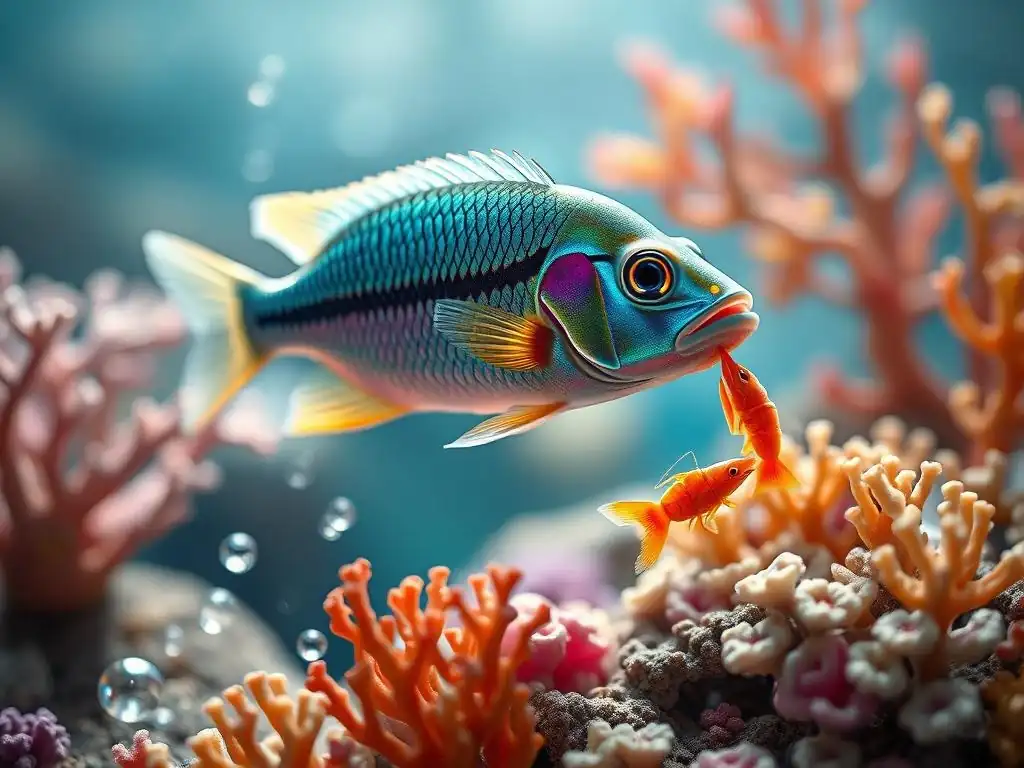
Scatter Feeding Techniques for Wrasse Stimulation
Scatter feeding is a highly effective wrasse tank environmental enrichment technique that closely mimics their natural foraging behavior. Instead of dropping all food in one concentrated spot, distributing small amounts of food across the entire surface of the water, or even gently near the rockwork and substrate, encourages wrasses to actively hunt and explore. In the wild, wrasses spend a significant portion of their day sifting through sand and picking at rocks for small invertebrates and detritus. Replicating this by scattering food taps into their innate desire to forage.
This method not only provides physical exercise as they dart around the tank to capture individual food particles but also offers mental stimulation. It prevents food-related aggression by reducing competition for a single food source, allowing even more timid wrasses to get their share. Offer small quantities of varied foods like mysis shrimp, brine shrimp, and finely chopped seafood several times a day rather than one large feeding. This frequent, dispersed feeding routine significantly enhances the wrasse tank environment and promotes a more natural and less stressful feeding experience.
Introducing Live Foods as Enrichment for Wrasses
Introducing live foods is an unparalleled wrasse tank environmental enrichment tip that directly stimulates their predatory instincts and provides superior nutritional benefits. Wrasses are natural hunters, and the opportunity to actively pursue and capture live prey is incredibly stimulating, reducing boredom and promoting vigorous activity. Excellent live food options include copepods, amphipods, brine shrimp, and even small mysis shrimp. These can be cultured at home or purchased from reputable suppliers.
Copepods and amphipods are particularly beneficial as they can establish self-sustaining populations within the refugium or even the display tank, providing a continuous, natural food source that wrasses can graze on throughout the day. This constant availability of live prey encourages natural foraging behaviors, keeping them active and engaged. For instance, a wrasse may spend hours sifting through the sand, patiently waiting for a copepod to emerge. This direct engagement with their food source is a prime example of effective wrasse tank environmental enrichment, contributing to their overall vitality and natural behavior.
Creating Feeding Stations for Wrasse Variety
Creating multiple feeding stations within your wrasse tank is an innovative wrasse tank environmental enrichment strategy that encourages exploration and reduces competition, particularly in tanks with multiple fish. Instead of feeding all food in one spot, designate a few distinct areas where you periodically offer different types of food. For example, you might offer frozen mysis shrimp in one corner, a small piece of nori (for herbivorous wrasses, if applicable) on a clip in another, and scatter live copepods over the sand bed.
This approach stimulates wrasses to explore different parts of their environment for food, mimicking the varied foraging opportunities they would encounter in the wild. It also helps to ensure that all wrasses, including more timid individuals, have access to food without being outcompeted by more aggressive tank mates. By varying the location and type of food, you keep their feeding experience novel and engaging, contributing significantly to a stimulating and healthy wrasse tank environment.
Choosing Compatible Tank Mates to Minimize Wrasse Stress
Identifying Potential Aggressors and Prey Species
Selecting compatible tank mates is a critical aspect of wrasse tank environmental enrichment, directly impacting their stress levels and overall well-being. Wrasses, while often active and hardy, can be susceptible to bullying from overly aggressive species or may view very small, timid fish as potential prey. Identifying and avoiding these problematic pairings is crucial. Aggressive species such as certain triggerfish, large angelfish, or highly territorial damsels can relentlessly harass wrasses, leading to constant stress, fin nipping, and even starvation as the wrasse is prevented from feeding.
Conversely, very small, slow-moving, or delicate fish like some gobies, small blennies, or certain pipefish might be perceived as food by larger, more predatory wrasse species. For instance, a Coris wrasse, known for its predatory nature, might actively hunt small gobies. Researching the specific dietary and behavioral habits of your chosen wrasse species and potential tank mates is paramount. Prioritizing peaceful, similarly sized fish that occupy different niches within the tank is a fundamental wrasse tank environmental enrichment tip to prevent conflict and ensure a harmonious environment.
Selecting Peaceful Tank Companions for Wrasses
Selecting peaceful and appropriate tank companions is a cornerstone of effective wrasse tank environmental enrichment, ensuring a harmonious and low-stress environment. Ideal tank mates are those that are not overly aggressive, do not compete for the same food sources or hiding spots, and are not perceived as prey. Good choices often include other peaceful reef fish that occupy different parts of the water column or have distinct feeding habits.
Examples of compatible tank mates frequently include various species of tangs (provided the tank is large enough), peaceful gobies (such as watchman gobies or pistol shrimp goby pairs), clownfish, blennies (like lawnmower blennies), and certain non-aggressive cardinalfish. When introducing new fish, always monitor interactions closely for the first few days to weeks. Introducing all fish simultaneously or adding the wrasse last to an established tank can sometimes help minimize territorial disputes. A thoughtfully curated community is vital for a thriving wrasse tank environment.
Monitoring Tank Mate Interactions for Wrasse Wellbeing
Even with careful selection, continuous monitoring of tank mate interactions is an indispensable wrasse tank environmental enrichment practice. Fish behavior can be dynamic, and what appears to be a peaceful coexistence initially can sometimes change over time, especially as fish mature or new individuals are introduced. Observe your wrasse for any signs of stress or bullying:
- Constant hiding: If your wrasse is rarely out and about, it might be intimidated.
- Faded coloration: Stress can cause colors to dull.
- Torn fins or body scrapes: These are clear signs of physical aggression.
- Rapid breathing or clamped fins: General indicators of distress.
- Refusal to eat: If a wrasse is being bullied, it may be too afraid to come out during feeding times.
If you notice any of these signs, intervention may be necessary. This could involve rearranging rockwork to break up territories, adding more hiding spots, or, in severe cases, removing the aggressor or the bullied wrasse to a separate tank. Proactive and vigilant observation is key to maintaining a stress-free wrasse tank environment.
Maintaining Optimal Water Quality for a Stress-Free Wrasse Environment
Regular Water Testing and Maintenance Schedules
Maintaining optimal water quality is arguably the most fundamental wrasse tank environmental enrichment tip, as poor water parameters are a primary source of stress for all marine fish, including wrasses. Regular water testing is crucial for monitoring key parameters such as salinity, temperature, pH, ammonia, nitrite, and nitrate. A consistent testing schedule, ideally weekly for ammonia, nitrite, and nitrate, and bi-weekly or monthly for other parameters like alkalinity, calcium, and magnesium, allows for early detection of issues before they become critical.
Consistent partial water changes are equally important. A weekly water change of 10-20% of the tank volume is generally recommended for most reef tanks. This replenishes essential trace elements, removes accumulated nitrates, and helps maintain stable salinity. Using high-quality salt mix and RO/DI water is imperative to avoid introducing contaminants. Adhering strictly to a water testing and maintenance schedule provides a stable and healthy foundation for any wrasse tank environment.
Preventing Ammonia and Nitrite Spikes in Wrasse Tanks
Preventing ammonia and nitrite spikes is a critical aspect of maintaining a stress-free wrasse tank environment. Ammonia (NH3/NH4+) and nitrite (NO2-) are highly toxic to marine fish, even at low concentrations, and can rapidly cause severe stress, organ damage, and death. These compounds are produced during the initial stages of the nitrogen cycle, from fish waste and decaying organic matter. Ensuring your aquarium is fully cycled before adding wrasses is non-negotiable. A fully cycled tank has established colonies of beneficial bacteria that convert ammonia to nitrite, and then nitrite to less harmful nitrate (NO3-).
Ongoing prevention involves several key practices:
- Avoid overfeeding: Excess food quickly decays, producing ammonia. Feed small amounts multiple times a day.
- Do not overstock: More fish means more waste, potentially overwhelming your biological filtration.
- Perform regular water changes: As mentioned, this dilutes nitrates and removes some accumulated toxins.
- Maintain robust filtration: Ensure your biological filter (live rock, bio-media) is adequate for your tank's bioload.
- Remove uneaten food and detritus promptly: Use a siphon during water changes to clean the substrate.
By diligently adhering to these preventive measures, you can ensure that your wrasse tank environment remains free from these dangerous toxins.
The Role of Proper Filtration in Wrasse Health
Proper filtration plays an indispensable role in maintaining the pristine water quality essential for wrasse health and is a core component of wrasse tank environmental enrichment. A comprehensive filtration system typically combines mechanical, chemical, and biological filtration to remove waste products and maintain stable water parameters. Mechanical filtration, often provided by filter socks or sponges, physically removes particulate matter like uneaten food and detritus, preventing their decomposition into harmful compounds. These should be cleaned or replaced regularly, typically every 2-3 days for filter socks.
Biological filtration, primarily facilitated by live rock and a mature sand bed, is the most crucial component. It houses the beneficial bacteria that convert toxic ammonia and nitrite into less harmful nitrate. A general guideline is to have 1-1.5 pounds of live rock per gallon for effective biological filtration. Chemical filtration, such as activated carbon or GFO (Granular Ferric Oxide), helps remove dissolved organic compounds, odors, and phosphates, contributing to clearer water and preventing nuisance algae. A well-designed and consistently maintained filtration system is paramount for a stable and stress-free wrasse tank environment.
Advanced Wrasse Enrichment Techniques
Incorporating Puzzle Feeders for Wrasse Intelligence
Incorporating puzzle feeders is an excellent advanced wrasse tank environmental enrichment technique that taps into their intelligence and natural foraging instincts. Unlike simply dropping food into the water, puzzle feeders require the wrasse to actively work to obtain their meal, providing significant mental stimulation. These can range from simple DIY solutions, such as placing a small amount of mysis shrimp inside a piece of PVC pipe with a few holes, to commercially available feeders designed for fish. The challenge of extracting food keeps them engaged and prevents boredom.
For instance, you could use a small, clear acrylic cube with small openings, allowing wrasses to pick at food through the holes or attempt to dislodge it. Another idea is to embed frozen food in a piece of inert rock or a clean, empty snail shell that they have to manipulate. Start with easier puzzles and gradually increase the difficulty as your wrasse learns. This form of enrichment not only provides a stimulating challenge but also encourages more natural, prolonged feeding behaviors, significantly enhancing their wrasse tank environment.
Rotating Tank Decorations to Stimulate Exploration
Rotating tank decorations is a simple yet effective advanced wrasse tank environmental enrichment tip that keeps their environment novel and stimulates continuous exploration. Just as humans can get bored with unchanging surroundings, fish can benefit from periodic changes to their habitat. While the main rockwork structure should remain stable, introducing or rearranging smaller, non-essential decorations can provide new areas for wrasses to investigate.
This could involve moving a small piece of live rock, adding a new frag plug with a non-stinging coral, or temporarily placing a clean, inert ornament in a different spot. The key is to make subtle changes that encourage them to re-explore their familiar territory with fresh eyes. These minor alterations can break up monotony and provide new hiding spots or foraging opportunities, keeping your wrasses mentally active and engaged within their wrasse tank environment. Perform these changes gradually and observe your wrasses' reactions to ensure they adapt well.
Using Mirrors for Short-Term Wrasse Enrichment (With Caution)
Using mirrors for short-term wrasse enrichment is an advanced technique that can stimulate certain wrasse species, particularly males, by eliciting a territorial or courtship response. When a wrasse sees its reflection, it often perceives it as a rival conspecific, leading to displays of fin flaring, color intensification, and aggressive posturing. This can be a form of exercise and a way to encourage natural display behaviors that might otherwise be suppressed in a single-species tank or a tank without rivals.
However, this technique must be used with extreme caution and only for very short durations, typically 5-10 minutes, no more than once or twice a week. Prolonged exposure to a mirror can lead to chronic stress, exhaustion, and even physical injury from repeated attempts to fight their reflection. It is crucial to monitor the wrasse's reaction closely.
If it appears overly stressed (e.g., frantic swimming, rapid breathing, trying to escape), remove the mirror immediately. This is a powerful but potentially stressful wrasse tank environmental enrichment tool that should only be employed by experienced aquarists who understand the specific species' behavior.
Troubleshooting Common Wrasse Stress Indicators
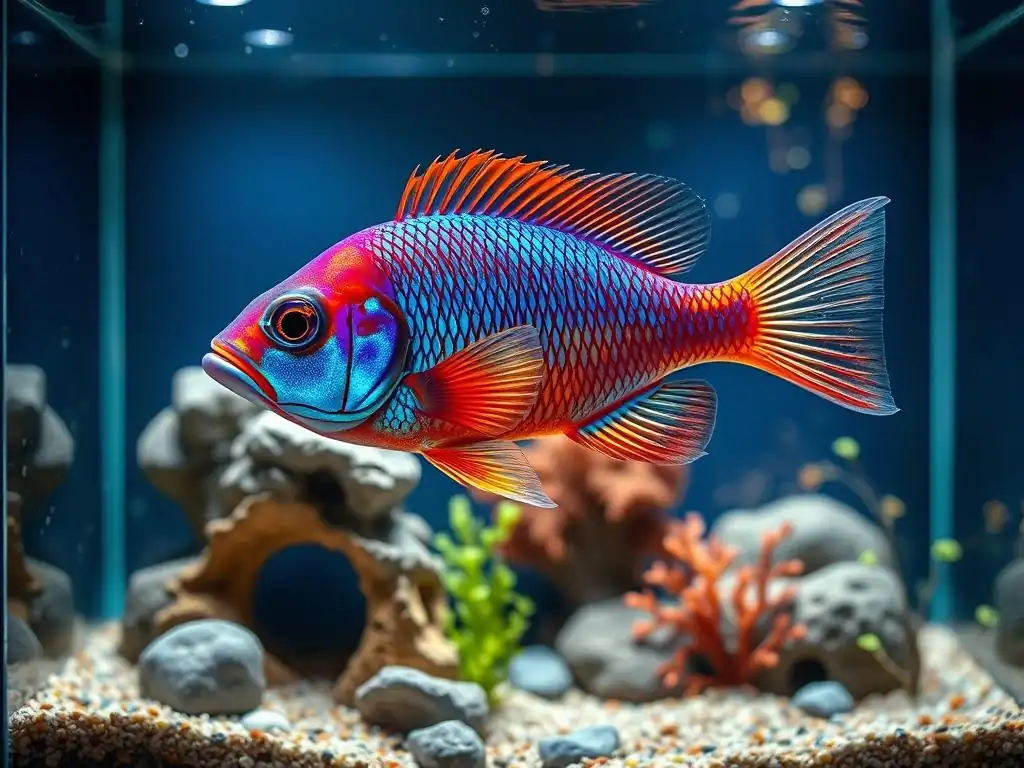
Recognizing Signs of Stress in Wrasses
Recognizing the signs of stress in your wrasse is the first crucial step in troubleshooting and implementing effective wrasse tank environmental enrichment adjustments. Wrasses, like all fish, exhibit specific behaviors and physical changes when under duress. Early detection allows for prompt intervention, preventing more serious health issues. Key indicators include:
- Loss of color or faded appearance: A stressed wrasse may appear duller than usual.
- Clamped fins: Fins held close to the body, rather than spread out naturally.
- Rapid or labored breathing: Gills moving quickly, indicating poor oxygen uptake or gill irritation.
- Constant hiding or unusual lethargy: A normally active wrasse becoming withdrawn or motionless.
- Loss of appetite or refusal to eat: A clear sign something is wrong.
- Erratic swimming or darting: Unnatural, jerky movements, often indicative of discomfort or irritation.
- Flashing or rubbing against objects: Attempting to scratch off parasites or alleviate irritation.
- Physical injuries: Torn fins, body scrapes, or lesions from aggression or poor environmental conditions.
If you observe one or more of these signs, it's time to investigate the potential stressors in your wrasse tank environment.
Addressing Bullying and Aggression in Wrasse Tanks
Bullying and aggression are significant stressors in wrasse tanks, and addressing them promptly is a critical aspect of wrasse tank environmental enrichment. Wrasses can be territorial, especially males, and aggression can arise from incompatible tank mates, insufficient hiding spots, or overcrowding. If you observe one wrasse or another tank mate consistently harassing your wrasse, immediate action is needed.
Steps to address bullying:
- Increase hiding spots: Add more caves, crevices, or even temporary PVC pipes to provide more escape routes and secure retreats.
- Rearrange rockwork: Sometimes, simply changing the aquascape can break up established territories and reduce aggression.
- Introduce a "dither fish": For very timid wrasses, adding a small, active, peaceful schooling fish (like a few chromis) can make them feel safer, as the dither fish's open swimming signals safety.
- Remove the aggressor (temporarily or permanently): If aggression persists and is severe, the most effective solution is often to remove the bully. This might involve placing it in a separate tank for a "time-out" or rehoming it permanently.
- Ensure adequate space: Overcrowding exacerbates aggression. If your tank is too small for the number or type of wrasses/fish, consider an upgrade.
Proactive observation and timely intervention are key to maintaining a peaceful and healthy wrasse tank environment.
Improving Water Parameters to Reduce Wrasse Stress
Poor water parameters are a silent but deadly source of stress for wrasses, and improving them is often the first and most impactful step in reducing stress. Even slight deviations from optimal conditions can compromise their immune system and lead to disease.
- Salinity: Maintain stable salinity (specific gravity) between 1.023 and 1.026. Use a reliable refractometer and ensure regular top-offs with RO/DI water to counteract evaporation.
- Temperature: Keep the temperature stable between 74°F and 80°F (23°C-27°C). Sudden fluctuations can be highly stressful. Use a quality heater and thermometer.
- Ammonia & Nitrite: These should always be undetectable (0 ppm). If present, perform immediate large water changes (e.g., 25-50%), check filtration, and reduce feeding.
- Nitrate: While less toxic than ammonia/nitrite, high nitrates (above 20 ppm) indicate poor water quality. Regular water changes, proper filtration, and reducing bioload can help.
- pH: Maintain a stable pH between 8.0 and 8.4. Fluctuations can be harmful. Proper alkalinity and aeration help stabilize pH.
Regular testing and consistent maintenance, as detailed in the water quality section, are paramount. Addressing any parameter imbalances promptly through water changes, filter maintenance, and reviewing stocking/feeding practices will significantly reduce wrasse stress and enhance their overall wrasse tank environment.
Long-Term Wrasse Tank Management for a Thriving Environment
Regularly Assessing and Adjusting Enrichment Strategies
Long-term wrasse tank management involves a continuous cycle of assessment and adjustment of your environmental enrichment strategies. What works well initially may need fine-tuning as your wrasses grow, mature, or as the tank ecosystem evolves. Regularly observe your wrasses' behavior for signs of sustained engagement or boredom. Are they still actively exploring new areas? Are they using all the hiding spots? Are their feeding behaviors still natural and enthusiastic?
If you notice a decline in activity or an increase in stress-related behaviors, it might be time to introduce new wrasse tank environmental enrichment elements. This could involve rearranging existing rockwork, adding new types of substrate, rotating different puzzle feeders, or introducing new compatible tank mates. The goal is to keep the environment dynamic and stimulating without causing undue stress. A proactive approach to observation and adaptation ensures your wrasse tank environment remains a thriving haven for years to come.
Adapting to Wrasse Growth and Behavioral Changes
As wrasses grow and mature, their needs and behaviors can change, requiring adaptations to your wrasse tank environmental enrichment strategies. A juvenile wrasse might thrive in a 50-gallon tank, but a fully grown adult of the same species could require a 120-gallon or larger system to accommodate its increased size and activity level. Overcrowding in an undersized tank will inevitably lead to stress, aggression, and stunted growth.
Furthermore, some wrasse species exhibit sexual dimorphism and behavioral changes as they mature. Male wrasses, in particular, may become more territorial or aggressive towards conspecifics or other tank mates as they reach maturity, especially if multiple males are present. If you observe increased aggression, you might need to increase hiding spots, rearrange the aquascape to break lines of sight, or even consider rehoming certain individuals. Adapting your wrasse tank environment to their evolving needs is crucial for their long-term health and happiness.
Documenting and Sharing Your Wrasse Enrichment Success
Documenting your wrasse tank environmental enrichment efforts and their outcomes can be an invaluable practice for both your own learning and for the wider aquarist community. Keep a logbook detailing:
- Enrichment activities implemented: e.g., "Added new cave structure on 2023-10-26," "Introduced live copepods weekly starting 2023-11-15."
- Wrasse behaviors observed: e.g., "Increased foraging activity after sand bed deepened," "Less hiding after rockwork rearrangement."
- Water parameters: Consistent records help correlate behavior with water quality.
- Feeding responses: Note preferences and how different methods impact activity.
This documentation allows you to track what works best for your specific wrasses and identify patterns. Sharing your experiences, successes, and even challenges on forums or community platforms like AquariumMastery.com can provide valuable insights to other aquarists seeking to optimize their wrasse tank environment. Collective knowledge sharing helps advance best practices for wrasse care and environmental enrichment.
Conclusion: A Happy Wrasse is a Healthy Wrasse
Recap of Key Wrasse Tank Environmental Enrichment Tips
Creating a low-stress haven for your wrasse is an ongoing journey that hinges on understanding their unique behavioral needs and implementing thoughtful environmental enrichment strategies. We've explored how providing ample swimming space, a diverse and deep sand bed, and intricate rockwork with abundant hiding places are fundamental for their physical and psychological well-being. Optimizing lighting to mimic natural cycles and ensuring appropriate, varied water flow further contributes to a comfortable wrasse tank environment.
Beyond the physical setup, enriching feeding habits through scatter feeding, live foods, and varied feeding stations stimulates their natural foraging instincts. Carefully selecting compatible tank mates and diligently monitoring interactions minimizes external stressors, while maintaining impeccable water quality through regular testing and robust filtration forms the bedrock of their health. Finally, advanced techniques like puzzle feeders and rotation of decorations, coupled with continuous assessment and adaptation to their growth, ensure a dynamic and thriving wrasse tank environment. By embracing these wrasse tank environmental enrichment tips, aquarists can provide a truly enriching and fulfilling life for their vibrant wrasse companions.
Further Resources for Wrasse Care and Information from AquariumMastery.com
For more in-depth information on wrasse care, species-specific profiles, troubleshooting guides, and advanced aquarium husbandry techniques, visit AquariumMastery.com. Our comprehensive articles cover everything from initial tank setup to breeding considerations, ensuring you have all the resources needed to master your wrasse tank environment and maintain a flourishing marine aquarium.
Frequently Asked Questions
How important is environmental enrichment for wrasses in an aquarium?
Environmental enrichment is crucial for wrasses. It helps reduce stress and promotes natural behaviors, leading to a healthier and happier fish. A stimulating environment is key for their well-being.
What are some examples of environmental enrichment I can provide for my wrasse?
Consider adding live rock for hiding and foraging, varying the water flow with wave makers, and providing a deep sand bed for burrowing (depending on the species). Also, ensure sufficient swimming space.
How does environmental enrichment help reduce stress in wrasses?
Environmental enrichment provides wrasses with opportunities to express natural behaviors, such as hunting and exploring. This reduces boredom and frustration, which are major contributors to stress and illness.
What types of decorations are not suitable for wrasses in a tank?
Avoid decorations with sharp edges or small crevices where they could get stuck. Also, be cautious with decorations that could leach harmful chemicals into the water, impacting the water chemistry.
How often should I rearrange the tank environment to provide enrichment for my wrasse?
Rearranging the tank environment sparingly can be beneficial, but avoid drastic changes that could stress the fish. Small adjustments every few months can provide novelty and stimulation.
Final Reflection: Cultivating Calm for Colorful Companions
The insights shared throughout this article highlight the crucial connection between environmental enrichment and the well-being of wrasses in captivity. Understanding their natural behaviors and replicating elements of their native habitats are not merely aesthetic choices; they are fundamental to reducing stress and fostering thriving aquatic ecosystems within our own homes. This knowledge empowers us to move beyond simple fishkeeping and embrace a more holistic approach to animal care.
The impact of providing enriched environments extends far beyond the individual wrasse. It reflects a growing awareness and responsibility within the aquarium hobby, shifting the focus from mere ownership to genuine stewardship. This commitment to ethical and informed practices is vital for the long-term sustainability of the hobby and the conservation of these fascinating creatures. The greatness of a nation and its moral progress can be judged by the way its animals are treated.
- Mahatma Gandhi. This quote underscores the profound ethical implications of our choices as aquarists.
As you consider the information presented, I encourage you to reflect on your own practices and the environments you create for your aquatic companions. Are you truly meeting their needs, or are there opportunities to enhance their lives through thoughtful enrichment? By embracing these principles, you can transform your aquarium into a vibrant haven, not just for your wrasses, but for all the inhabitants within, fostering a deeper connection with the natural world and contributing to a more compassionate future for all creatures great and small.
Transform Your Tank: Spark Joy for Your Wrasse!
Thanks for diving into the world of wrasse care! We hope you've gained valuable insights into creating a truly enriching environment for your finned friend. Now, let's turn that knowledge into action and make your aquarium a wrasse paradise.
- Immediately assess your current tank setup: What changes can you make today to reduce stress for your wrasse?
- Share your favourite wrasse care tips with fellow aquarists in online forums.
- Experiment with creating a new hiding spot in your tank using aquarium-safe materials.
Ready to turn your aquarium into the ultimate wrasse retreat?