
The Secret Life of the Barnacle Blenny: Tiny Home, Big Personality

Welcome to Aquarium Mastery!
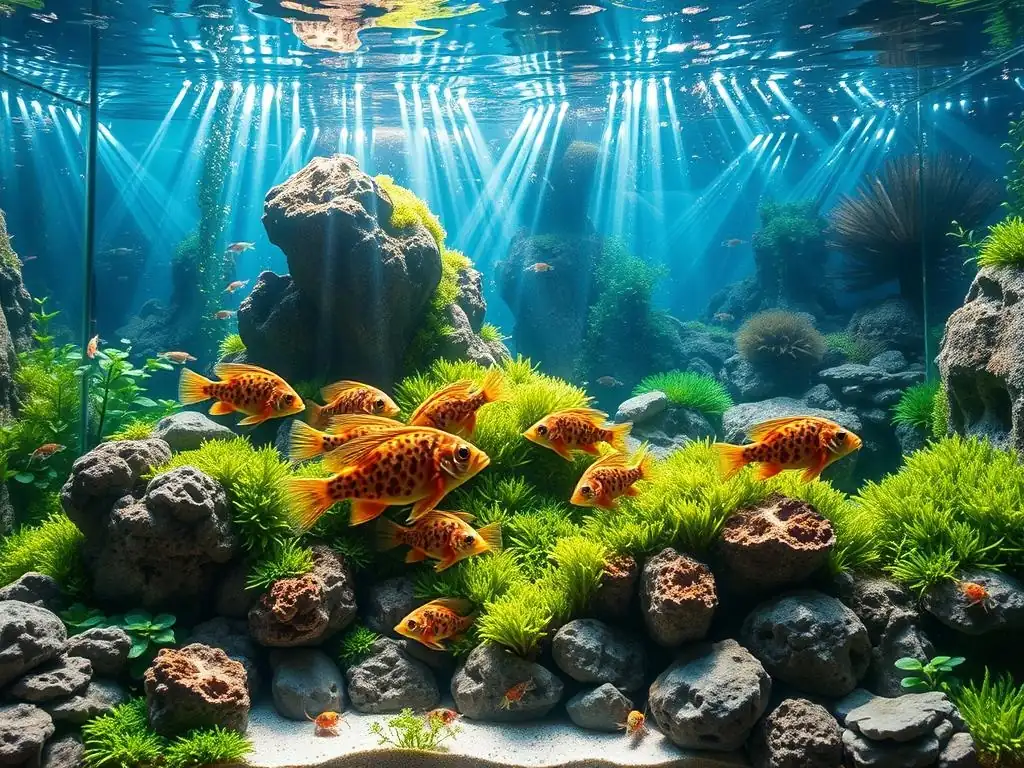
Ever wondered about the tiny titan of the reef tank, a fish with a personality as big as its name is small? Prepare to be captivated! This is where you'll uncover the surprisingly complex world of the Barnacle Blenny. We're diving deep into everything you need to know, from habitat setup to diet and everything in between. Get ready to explore our comprehensive Barnacle Blenny care tips and discover if this charming little character is the perfect addition to your saltwater aquarium. Let's get started!
- Understanding the Allure of the Barnacle Blenny for Your Saltwater Aquarium
- Barnacle Blenny Care Tips: Creating the Ideal Habitat
- Feeding Your Barnacle Blenny: A Nutritional Guide
- Identifying and Addressing Common Barnacle Blenny Health Issues
- Barnacle Blenny Behavior and Compatibility in a Reef Tank
- Barnacle Blenny Breeding: A Potential, But Challenging, Endeavor
- The Ultimate Guide to Barnacle Blenny Care: A Summary of Essential Tips
- Frequently Asked Questions
- Final Reflection: Embracing the Tiny Wonders
- Unearth the Mysteries of Your Micro-Reef!
Understanding the Allure of the Barnacle Blenny for Your Saltwater Aquarium
Why Choose a Barnacle Blenny for Your Nano Reef?
The Barnacle Blenny (scientific name: Chaenopsis ocellata) is a captivating choice for nano reef enthusiasts, primarily due to its diminutive size and unique housing preference. Typically reaching an adult length of only 2 to 3 inches (approximately 5-7.5 cm), these slender fish fit comfortably into smaller aquarium setups, making them ideal inhabitants for tanks ranging from 10 to 20 gallons. Their preference for taking residence in empty barnacle shells, small PVC pipes, or similarly sized crevices adds an intriguing focal point to any miniature reef environment, offering a glimpse into their natural dwelling habits.
Beyond their size, Barnacle Blennies contribute minimal bioload to an aquarium, which is a significant advantage for the delicate balance of a nano reef system. Their generally peaceful demeanor, especially when compared to some other blenny species, makes them suitable for community tanks with other small, non-aggressive fish and invertebrates. This combination of small stature, fascinating behavior, and low impact on water quality makes them a highly sought-after species for those looking to add a touch of personality to their compact marine display.
Exploring the Unique Personality of the Barnacle Blenny
Barnacle Blennies are renowned for their distinct and engaging personalities, often becoming a favorite among aquarists who appreciate subtle behavioral nuances. Their most iconic trait involves their chosen "home"—be it a barnacle shell, an appropriately sized piece of PVC tubing, or a natural rock crevice. From this secure retreat, the blenny will frequently extend its head and upper body, observing the goings-on of the aquarium with an almost comical curiosity. This "peeking" behavior is a constant source of entertainment, as they dart back into their sanctuary at the first sign of perceived danger or when startled.
While territorial about their chosen dwelling, Barnacle Blennies are typically non-aggressive towards other tank inhabitants, focusing their protective instincts primarily on their immediate home. They become accustomed to their owner's presence over time, often associating them with feeding. This can lead to charming interactions where the blenny emerges readily when it sees its caretaker, showcasing a surprising level of recognition and engagement for such a small fish. Their unique blend of shyness and boldness truly sets them apart, making barnacle blenny care tips a rewarding endeavor for the observant aquarist.
Barnacle Blenny Care Tips: Creating the Ideal Habitat
Essential Water Parameters for Barnacle Blenny Health
Maintaining stable and appropriate water parameters is paramount for the health and longevity of Barnacle Blennies. These fish thrive in conditions typical of a healthy saltwater reef environment. The ideal temperature range should be consistently maintained between 72-78°F (22-26°C). Salinity is crucial and should be kept within a specific gravity range of 1.023-1.026, or a corresponding PSU (practical salinity units) of 33-35. The pH level should be stable, typically between 8.1 and 8.4, reflecting the alkaline nature of marine water.
Furthermore, water quality must be pristine, with ammonia and nitrite levels at an undetectable zero. Nitrate levels should be kept as low as possible, ideally below 10-20 ppm, through regular water changes and efficient filtration. While less critical for the blenny itself, maintaining proper alkalinity (8-12 dKH), calcium (400-450 ppm), and magnesium (1250-1350 ppm) is vital for the overall stability of a reef tank, which in turn supports a healthy environment for the blenny. These barnacle blenny care tips regarding water quality are foundational for preventing stress and disease.
Tank Size and Setup: Providing a Comfortable Home
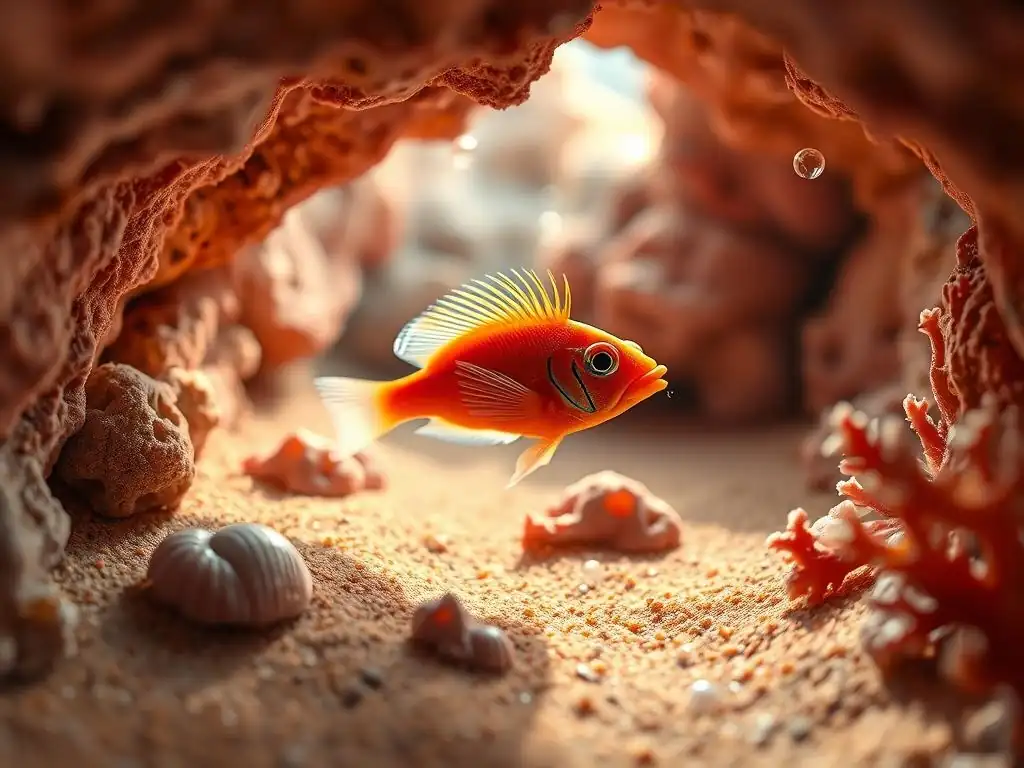
For a single Barnacle Blenny, a minimum tank size of 10 gallons is generally recommended, though a 20-gallon tank offers more stability and space for additional peaceful tank mates. The most critical aspect of the tank setup is providing suitable housing for the blenny. They require a secure, appropriately sized crevice to call their home. Natural options include small, empty barnacle shells, which are their namesake and preferred dwelling. Alternatively, short sections of PVC pipe (e.g., 0.5 to 1 inch diameter, 3-4 inches long) or small, smooth rock crevices can serve as excellent substitutes.
The aquascape should incorporate ample live rock, offering additional hiding spots and a natural environment for beneficial bacteria. A fine sand or crushed coral substrate is suitable, as blennies do not typically burrow extensively. While they appreciate moderate water flow, ensure their chosen home is not directly in the path of a strong current. It's also important to use a tight-fitting lid, as these fish, like many blennies, are known to jump, especially when startled. Following these barnacle blenny care tips for tank setup ensures their comfort and security.
Choosing the Right Tank Mates for Your Barnacle Blenny
Selecting appropriate tank mates is crucial for the peaceful coexistence and well-being of your Barnacle Blenny. Given their small size and generally docile nature, they thrive in community tanks with other small, non-aggressive species. Ideal companions include small gobies (such as Trimma or Elacatinus species), small clownfish (e.g., Ocellaris or Percula), peaceful wrasses like the Possum Wrasse ( Wetmorella nigropinnata), and various species of cleaner shrimp or snails. Avoid any fish that are large enough to view the blenny as prey or that exhibit aggressive tendencies.
It is generally advised to house only one Barnacle Blenny per tank unless the aquarium is very large (50+ gallons) and offers multiple distinct territories, or if you are introducing a known mated pair. They can exhibit territorial aggression towards conspecifics or other fish with similar body shapes and habits if space is limited. Always introduce new fish slowly and observe interactions closely to ensure compatibility. Adhering to these barnacle blenny care tips for tank mate selection will contribute significantly to a harmonious aquarium environment.
Feeding Your Barnacle Blenny: A Nutritional Guide
What Do Barnacle Blennies Eat in the Wild?
In their natural habitat, Barnacle Blennies are micro-predators, primarily feeding on a diet of small, live invertebrates found in the water column and on the surrounding substrate. Their diet consists largely of copepods, amphipods, and other minute crustaceans. They are opportunistic feeders, often darting out from their chosen shelter to snatch passing zooplankton or to pick tiny organisms off the surface of rocks and sand. This natural feeding behavior highlights their need for a diet rich in small, protein-dense items.
Their slender body shape and relatively small mouth are adapted for consuming these tiny prey items. They are not grazers of algae or detritus like some other blenny species; instead, their diet is almost exclusively carnivorous. Understanding their wild dietary preferences is a key barnacle blenny care tip, as it informs the best feeding practices in a home aquarium to ensure their nutritional needs are met.
Recommended Foods for Optimal Barnacle Blenny Nutrition in Aquariums
To replicate their natural diet and ensure optimal health in the aquarium, Barnacle Blennies should be offered a variety of high-quality, small, meaty frozen foods. Excellent choices include enriched frozen brine shrimp, mysis shrimp, and copepods. These foods provide the necessary protein and essential fatty acids. Finely chopped marine-based foods, such as shrimp or fish flesh, can also be offered, provided they are cut small enough for the blenny's mouth.
While live foods like copepods and enriched newly hatched brine shrimp are highly beneficial and often enthusiastically accepted, they may not be practical for daily feeding. Some Barnacle Blennies can be trained to accept high-quality marine pellets or flakes, but this should not be their sole diet. Variety is key to providing a complete nutritional profile, so rotate between several different types of frozen and, if possible, live foods. These barnacle blenny care tips for nutrition are vital for their long-term well-being.
Feeding Frequency and Quantity for Healthy Blennies
Barnacle Blennies have relatively small stomachs and a high metabolism, meaning they benefit from frequent, small feedings throughout the day. It is recommended to feed them 2 to 3 times daily, offering only an amount they can consume within a few minutes. Overfeeding should be avoided, as uneaten food can quickly degrade water quality, leading to potential health issues for all tank inhabitants.
Observe your blenny during feeding times to ensure it is actively consuming the food and appears healthy and alert. A well-fed blenny will maintain good body condition and exhibit its characteristic active peeking behavior. If the blenny appears lethargic or loses weight, it may indicate insufficient feeding or an underlying health issue. Adjusting feeding frequency and quantity based on observation is an important aspect of successful barnacle blenny care tips.
Identifying and Addressing Common Barnacle Blenny Health Issues
Recognizing Symptoms of Illness in Your Blenny
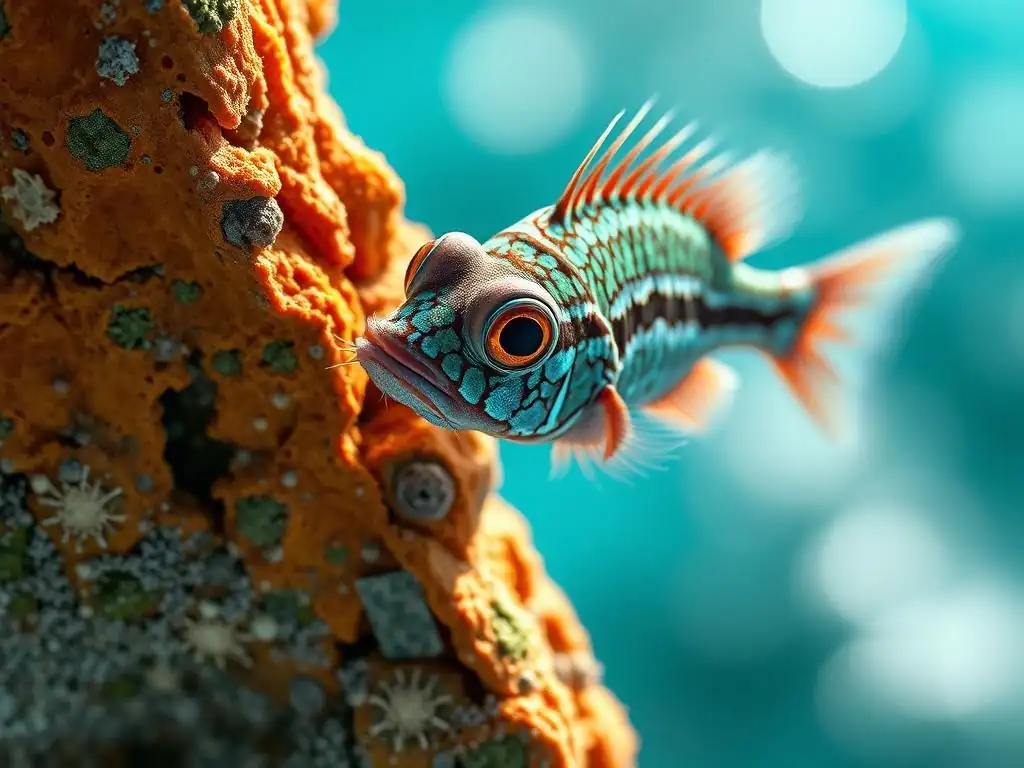
Early detection of illness is crucial for successful treatment and prevention of spread in your aquarium. Common symptoms of an unhealthy Barnacle Blenny include a loss of appetite, where the fish refuses to eat or shows little interest in food. Lethargy, characterized by reduced activity, spending more time hidden, or listless swimming, is another strong indicator. Physical signs can include clamped fins, rapid or labored breathing, and changes in coloration, such as fading or unusual spots.
Visible lesions, white spots (indicative of marine ich), a dusty appearance (suggesting velvet disease), frayed fins, or fungal growths are clear signs of distress. Any deviation from their usual active and curious behavior should prompt immediate investigation. Regular observation of your blenny's appearance and behavior is the first and most critical barnacle blenny care tip for maintaining their health.
Common Diseases Affecting Barnacle Blennies and Their Treatments
Barnacle Blennies are susceptible to common marine fish diseases, particularly parasitic infections like marine ich ( Cryptocaryon irritans) and velvet ( Amyloodinium ocellatum). Marine ich manifests as small, white spots resembling salt grains on the body and fins, while velvet appears as a fine, dusty, yellowish-brown coating. Both are highly contagious and can be fatal if left untreated. Treatment often involves quarantining the affected fish and administering copper-based medications, though caution is advised as copper is toxic to invertebrates and corals. Hyposalinity, a method of reducing salinity, can also be effective for ich but requires precise monitoring.
Bacterial infections, such as fin rot or open sores, can also occur, often as secondary infections following stress or injury. These are typically treated with broad-spectrum antibiotics, ideally in a separate hospital tank. Fungal infections, less common in marine environments, might appear as cotton-like growths. Maintaining pristine water quality, minimizing stress, and providing proper nutrition are the best preventative barnacle blenny care tips against these ailments.
Preventing Health Problems: Proactive Barnacle Blenny Care
Prevention is always more effective than cure when it comes to fish health. Proactive barnacle blenny care tips focus on creating a stable, stress-free environment. This begins with maintaining consistently excellent water parameters—temperature, salinity, pH, ammonia, nitrite, and nitrate levels should be regularly monitored and kept within optimal ranges. Performing regular water changes (e.g., 10-20% bi-weekly or monthly, depending on tank size and bioload) helps to replenish trace elements and remove accumulated nitrates.
Providing a varied and nutritious diet, as discussed previously, strengthens their immune system. Perhaps the most crucial preventative measure is quarantining all new fish, corals, and invertebrates for at least 3 to 4 weeks before introducing them to your main display tank. This practice allows for observation, deworming, and treatment of any potential diseases before they can spread to your established inhabitants, significantly reducing the risk of outbreaks.
Barnacle Blenny Behavior and Compatibility in a Reef Tank
Barnacle Blennies are largely solitary in nature, preferring to establish and defend their own individual territory, which revolves around their chosen dwelling. While they are not schooling fish, their social interactions within a community tank are generally peaceful towards other species. They spend most of their time either inside their home or peeking out, observing the tank activity. They are not known to be aggressive nippers or harassers of other fish or invertebrates.
However, when it comes to conspecifics or fish with very similar body shapes and habits (e.g., other small blennies or gobies that seek crevices), territorial disputes can arise, especially in smaller tanks. They will typically defend their specific home from intruders, but these interactions are usually more of a deterrent display than outright physical aggression. Understanding these social nuances is key for successful barnacle blenny care tips for community tanks.
Minimizing Aggression: Tips for a Peaceful Community Tank
To minimize potential aggression and ensure a peaceful community tank, especially if considering housing multiple Barnacle Blennies or similar species, several strategies can be employed. Firstly, provide an abundance of suitable hiding spots and distinct territories. For a single blenny, one good home is sufficient, but in larger tanks with multiple blennies (if attempted), ensure each has its own clearly defined and separate dwelling. Avoid introducing multiple blennies of the same species into tanks smaller than 50 gallons unless they are a known, established pair.
Introduce new fish gradually, observing their interactions carefully over several days or weeks. If any signs of aggression or excessive stress are noted, be prepared to separate the fish or re-evaluate your stocking plan. Proper stocking density is also vital; an overcrowded tank naturally leads to increased stress and aggression. By adhering to these barnacle blenny care tips, you can foster a harmonious environment for your blenny and its tank mates.
Barnacle Blenny and Coral: Ensuring Reef Safe Behavior
One of the most appealing aspects of Barnacle Blennies for reef aquarists is their excellent compatibility with corals and other sessile invertebrates. They are widely considered "reef-safe," meaning they pose no threat to corals, anemones, or other invertebrates. Their natural diet consists of small, meaty zooplankton and tiny crustaceans, not coral polyps or algae. This makes them a fantastic addition to mixed reef aquariums without the worry of them nipping at or consuming your prized coral colonies.
While a Barnacle Blenny might occasionally perch on a coral or navigate through its branches, they do so without causing damage. Their small size and gentle nature ensure that they do not disturb the delicate structures of corals. Therefore, when planning your reef tank, you can confidently include a Barnacle Blenny, knowing that it will integrate seamlessly into the ecosystem without jeopardizing the health or growth of your corals. This makes barnacle blenny care tips for reef tanks straightforward and worry-free in terms of coral compatibility.
Barnacle Blenny Breeding: A Potential, But Challenging, Endeavor
Creating Breeding Conditions for Barnacle Blennies
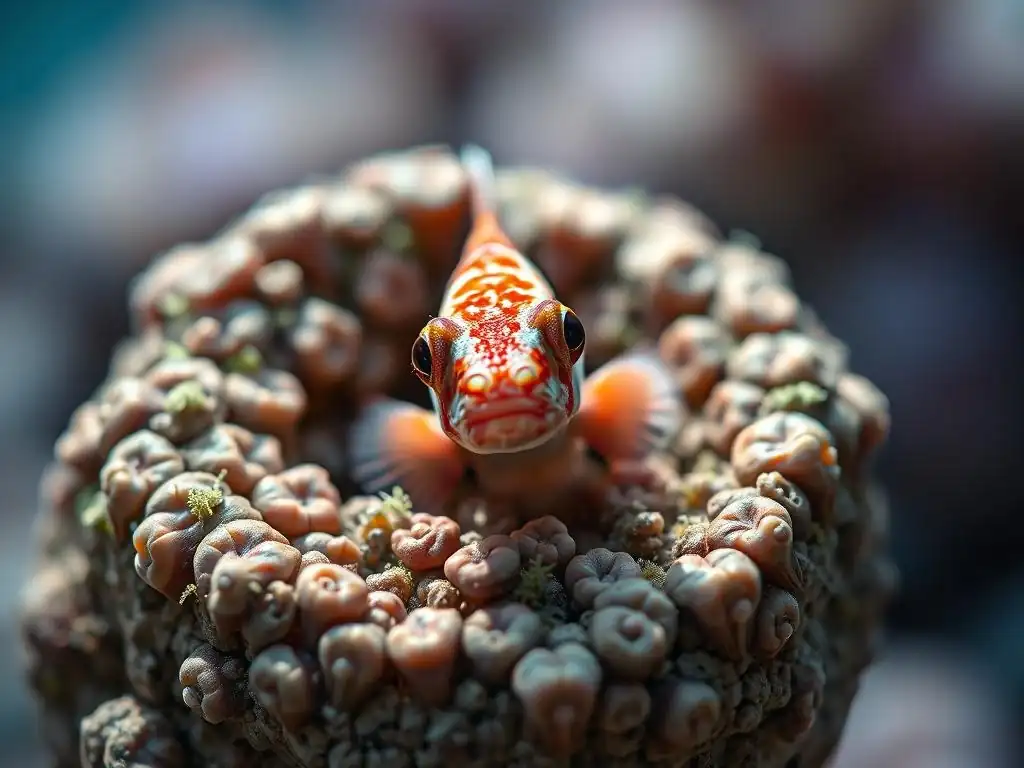
Breeding Barnacle Blennies in a home aquarium is a challenging but potentially rewarding endeavor. Success hinges on providing a mature, stable environment with excellent water quality and a diverse, high-protein diet for the parent fish. A dedicated breeding tank, typically 10-20 gallons, can increase success rates by minimizing disturbance and allowing for precise environmental control. Ensure multiple potential nesting sites are available, such as small PVC pipes (e.g., 0.5-1 inch diameter), empty barnacle shells, or ceramic tubes, as the male will select and guard the eggs within one.
Spawning is more likely to occur with a well-conditioned pair. Slightly raising the water temperature by a degree or two (e.g., to 78-80°F or 25.5-26.5°C) and increasing the frequency and richness of feedings with live and frozen foods can help stimulate spawning. Maintaining consistent water parameters and providing a stress-free environment are critical barnacle blenny care tips for encouraging reproductive activity.
Identifying Male and Female Barnacle Blennies
Sexual dimorphism in Barnacle Blennies can be subtle, making it challenging to definitively distinguish males from females outside of breeding behavior. Generally, males may be slightly larger and can exhibit more vibrant coloration, particularly during courtship and spawning periods. Some sources suggest males might have slightly elongated dorsal fin rays or a more pronounced head shape, but these features are not always reliable indicators.
The most conclusive way to identify a male is by observing his behavior during spawning: the male will diligently guard the clutch of eggs within the chosen nesting site. Females, on the other hand, will deposit the eggs and then typically leave the male to tend to them. Acquiring a known pair, if possible, is the most reliable method for breeding. Without observing spawning, distinguishing sexes can largely be an educated guess, impacting barnacle blenny care tips for breeding.
Raising Barnacle Blenny Fry: Addressing the Challenges of Larval Development
Barnacle Blennies are substrate spawners, with the male guarding the demersal (bottom-dwelling) eggs until they hatch. Once hatched, the larvae are extremely small and pelagic, meaning they drift in the water column. This pelagic larval stage is the most significant hurdle in successfully raising Barnacle Blenny fry. Their minute size necessitates microscopic live food for their initial nutrition.
Newly hatched rotifers are typically the first food source, followed by progressively larger live foods such as newly hatched brine shrimp nauplii as the fry grow. A separate rearing tank with gentle aeration and meticulous water quality management is essential, as the fry are highly sensitive to ammonia and nitrite. Frequent, small water changes using aged or established tank water are necessary. The high mortality rate during the larval stage underscores the difficulty of barnacle blenny care tips for successful breeding and rearing.
The Ultimate Guide to Barnacle Blenny Care: A Summary of Essential Tips
Quick Reference Checklist for Barnacle Blenny Success
To ensure the thriving health and vibrant personality of your Barnacle Blenny, here's a quick reference checklist summarizing essential barnacle blenny care tips:
- Tank Size: Minimum 10 gallons for a single specimen; 20+ gallons for more stability or potential tank mates.
- Water Parameters: Stable temperature (72-78°F), salinity (1.023-1.026 SG), pH (8.1-8.4), and undetectable ammonia/nitrite/low nitrates.
- Habitat: Provide at least one appropriately sized "home" (empty barnacle shell, PVC pipe, or rock crevice) per blenny.
- Tank Mates: Choose small, peaceful, non-aggressive fish and invertebrates. Avoid other similar-looking blennies in smaller tanks.
- Diet: Offer small, meaty frozen foods (mysis, brine shrimp, copepods) 2-3 times daily. Variety is key.
- Water Quality: Perform regular water changes (e.g., 10-20% bi-weekly) and maintain efficient filtration.
- Quarantine: Always quarantine new fish for 3-4 weeks before introduction to the main display.
Avoiding Common Mistakes in Barnacle Blenny Husbandry
Successful barnacle blenny care tips also involve understanding and avoiding common pitfalls that can lead to stress or health issues. One frequent mistake is not providing adequate or appropriately sized housing from the outset; a blenny without a secure home will be stressed and prone to jumping. Another error is introducing them to an immature aquarium; these fish, like most marine species, require a stable, fully cycled tank.
Overlooking their specific dietary needs is also common; some aquarists mistakenly believe they can subsist solely on flakes or pellets, leading to nutritional deficiencies. Introducing aggressive or overly large tank mates can lead to constant stress or injury. Finally, neglecting regular water parameter monitoring and maintenance can quickly degrade their environment. By focusing on their unique requirements for shelter, diet, and water quality, and by practicing patience and thorough research, aquarists can enjoy the engaging presence of a healthy Barnacle Blenny for many years.
Frequently Asked Questions
How difficult is it to care for a Barnacle Blenny?
Barnacle Blennies are generally considered easy to care for, making them suitable for beginner to intermediate aquarists. They require a stable aquarium environment and consistent water parameters.
What size tank is recommended for a Barnacle Blenny?
A minimum of 10 gallons is recommended, though larger tanks are preferable to ensure stable water parameters and provide ample hiding spaces. This allows for a more natural and stress-free environment.
What type of diet does a Barnacle Blenny need?
Barnacle Blennies are primarily herbivores, so their diet should consist mainly of algae. Supplement their diet with small meaty foods like mysis shrimp and brine shrimp for optimal health.
What are the ideal water parameters for a Barnacle Blenny aquarium?
Maintain a temperature of 72-78°F (22-26°C), a specific gravity of 1.023-1.025, and a pH of 8.1-8.4. Regular water changes are crucial for maintaining water quality.
What are some common health issues affecting Barnacle Blennies?
Common issues include ich and other parasitic infections, often caused by stressful conditions or poor water quality. Quarantine new arrivals to prevent introducing diseases into the main tank.
Final Reflection: Embracing the Tiny Wonders
The journey into the secret life of the Barnacle Blenny, as we've explored, isn't just about mastering Barnacle Blenny care tips; it's about appreciating the intricate beauty and resilience found in the smallest corners of our world. Understanding their unique needs and behaviors allows us to not only provide optimal care but also to connect with the delicate balance of marine ecosystems in a more profound way.
This exploration has undoubtedly shifted our perspective, highlighting that even the tiniest creatures possess complex personalities and deserve our respect and attention. My own fascination with these miniature marvels has deepened my appreciation for the interconnectedness of life, reminding me that every creature, no matter how small, plays a vital role. The greatness of a nation and its moral progress can be judged by the way its animals are treated.
- Mahatma Gandhi. This quote resonates deeply, urging us to extend our compassion and understanding to all living beings, including the often-overlooked Barnacle Blenny.
Now, let us carry this newfound knowledge and appreciation forward. Consider how you can apply these principles of mindful observation and responsible care not only to the Barnacle Blenny, should you choose to welcome one into your home, but also to other aspects of your life. Let's strive to be conscious stewards of our planet, recognizing the value and inherent worth of every creature, big or small, and actively contribute to a future where all life thrives.
Unearth the Mysteries of Your Micro-Reef!
Thanks for diving into the fascinating world of the Barnacle Blenny! We hope you've gained a new appreciation for these tiny titans of the reef and are brimming with ideas to enrich your aquarium. Now, let's put that newfound knowledge into action!
Here are a few ways to connect with the Barnacle Blenny and micro-reef ecosystem:
- Start planning a dedicated micro-reef setup! Dedicate some time to researching the specific requirements of blennies and their tankmates to ensure a thriving mini-ecosystem.
- Share this article with fellow aquarium enthusiasts! Help spread awareness about the Barnacle Blenny and inspire others to appreciate the smaller wonders of the marine world.
- Challenge yourself to find and photograph a Barnacle Blenny in its natural habitat. (Perhaps on your next snorkeling adventure!)
What unique hiding spot would your Barnacle Blenny claim in its micro-reef kingdom? Share your ideas in the comments below!