
Selecting Broodstock: Choosing the Best Clownfish Pairs for Optimal Breeding

Welcome to Aquarium Mastery!
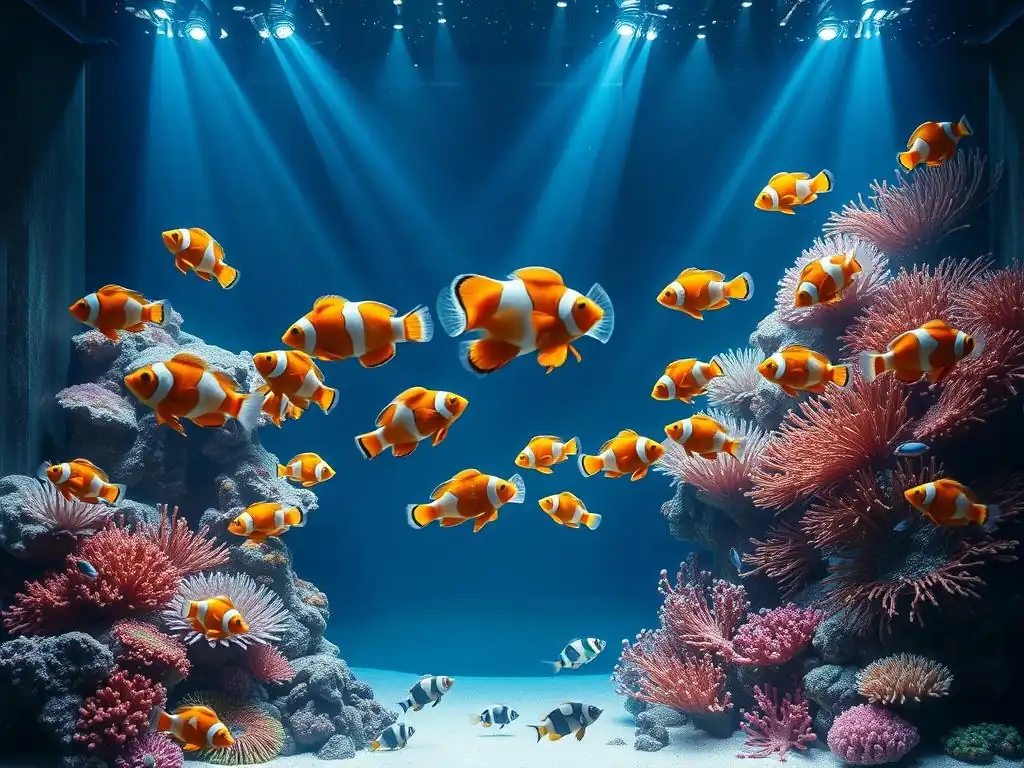
Ever dreamed of witnessing the miracle of clownfish breeding in your own home aquarium? Selecting the perfect broodstock is the crucial first step. Dive into our comprehensive guide, "Selecting Broodstock: Choosing the Best Clownfish Pairs for Optimal Breeding," and unlock the secrets to successful clownfish propagation. What qualities truly make a winning pair? Let's explore the fascinating world of clownfish breeding and discover how to choose the champions of your future generations!
- Understanding the Importance of Broodstock Selection for Clownfish Breeding
- Identifying Healthy Clownfish for Breeding Programs
- Choosing the Right Clownfish Pair: Compatibility and Genetics
- Evaluating Physical Characteristics: Optimizing for Breeding Performance
- Assessing Reproductive Potential: Key Indicators of Breeding Readiness
- Setting Up the Breeding Tank: Creating an Optimal Environment
- Feeding and Nutrition: Enhancing Broodstock Health and Egg Quality
- Monitoring and Management: Ensuring Breeding Success
- Troubleshooting Common Broodstock Selection and Breeding Problems
- Conclusion: Maximizing Clownfish Breeding Success Through Careful Broodstock Selection.
-
Frequently Asked Questions
- How important is the health of clownfish broodstock for successful breeding?
- What physical characteristics should I look for when selecting clownfish broodstock?
- Does size matter when choosing clownfish for breeding?
- How can I ensure the selected clownfish are compatible as a breeding pair?
- Where is the best place to source my clownfish broodstock from?
- Final Reflection: Cultivating the Future of Clownfish Breeding
- Ignite Your Clownfish Breeding Journey!
Understanding the Importance of Broodstock Selection for Clownfish Breeding
Why Proper Broodstock Selection Matters for Clownfish Breeding Success
Proper clownfish breeding broodstock selection is the cornerstone of a successful and sustainable aquaculture program. It directly impacts the genetic health, vitality, and productivity of future generations. By carefully choosing parent fish, breeders can minimize the incidence of deformities, enhance disease resistance, and ensure a higher survival rate for fry, ultimately contributing to the long-term viability of captive-bred clownfish populations and reducing reliance on wild-caught specimens.
Furthermore, meticulous broodstock selection leads to more consistent and frequent spawning cycles, yielding a greater number of viable eggs. This translates into increased output for commercial breeders and a more rewarding experience for hobbyists. For instance, well-selected pairs often produce clutches with 80-90% viability, significantly higher than the inconsistent results seen with poorly chosen or incompatible fish.
Key Traits to Consider When Selecting Clownfish Broodstock
When undertaking clownfish breeding broodstock selection, several critical traits must be evaluated. These include the fish's overall health, age, size, genetic background, and temperament. A robust, disease-free fish with good genetic lineage is more likely to produce healthy, prolific offspring.
Beyond general health, specific characteristics such as vibrant coloration, intact fins, and a strong feeding response are indicators of prime breeding potential. Ideal breeding age for Ocellaris clownfish typically ranges from 2 to 6 years, with peak productivity often observed between 3 and 5 years. Selecting fish within this window ensures both maturity and sustained reproductive capacity.
Identifying Healthy Clownfish for Breeding Programs
Visual Inspection: Assessing Clownfish Health for Broodstock Potential
A thorough visual inspection is the first step in assessing a clownfish's suitability for broodstock. Look for fish that exhibit clear, bright eyes and vibrant, consistent coloration without any fading or patchy areas. Their fins should be fully extended, free of nips, tears, or signs of fin rot, and they should swim actively and gracefully throughout the tank.
Observe their breathing rate; healthy clownfish typically exhibit a steady gill movement, around 60-90 beats per minute at 78°F (25.5°C). Avoid fish that are lethargic, hiding excessively, or displaying abnormal swimming patterns like darting or spiraling, as these can be early indicators of underlying health issues.
Recognizing Signs of Disease and Poor Health in Clownfish
Identifying signs of disease or poor health is crucial to prevent the introduction of pathogens into your breeding system. Common ailments include marine Ich (Cryptocaryon irritans), characterized by small white spots resembling salt grains; Brooklynella hostilis, which presents as a thick, velvet-like coating or sloughing skin; and fin rot, where fins appear frayed or eroded, often with red margins.
Behavioral indicators such as clamped fins, rapid or labored breathing, scratching against tank decorations, loss of appetite, or abnormal fecal matter (e.g., stringy white feces) are all red flags. Any fish exhibiting these symptoms should be immediately isolated and treated, and certainly excluded from the clownfish breeding broodstock selection process until fully recovered and deemed healthy.
Quarantine Procedures for New Clownfish Broodstock Candidates
Implementing a strict quarantine protocol for all new clownfish broodstock candidates is non-negotiable. This prevents the introduction of diseases that could devastate your existing fish and breeding program. A dedicated quarantine tank, equipped with its own heater, filter, and basic decor, should be used for a minimum of 4-6 weeks.
During the quarantine period, closely observe the fish for any signs of illness. Consider prophylactic treatments for common parasites (e.g., a low-dose copper treatment at 0.15-0.2 mg/L for 14 days) or freshwater dips to eliminate external parasites. Regular small water changes and consistent monitoring of water parameters (ammonia, nitrite, nitrate, salinity, temperature) are essential to maintain a stress-free environment conducive to health assessment.
Choosing the Right Clownfish Pair: Compatibility and Genetics
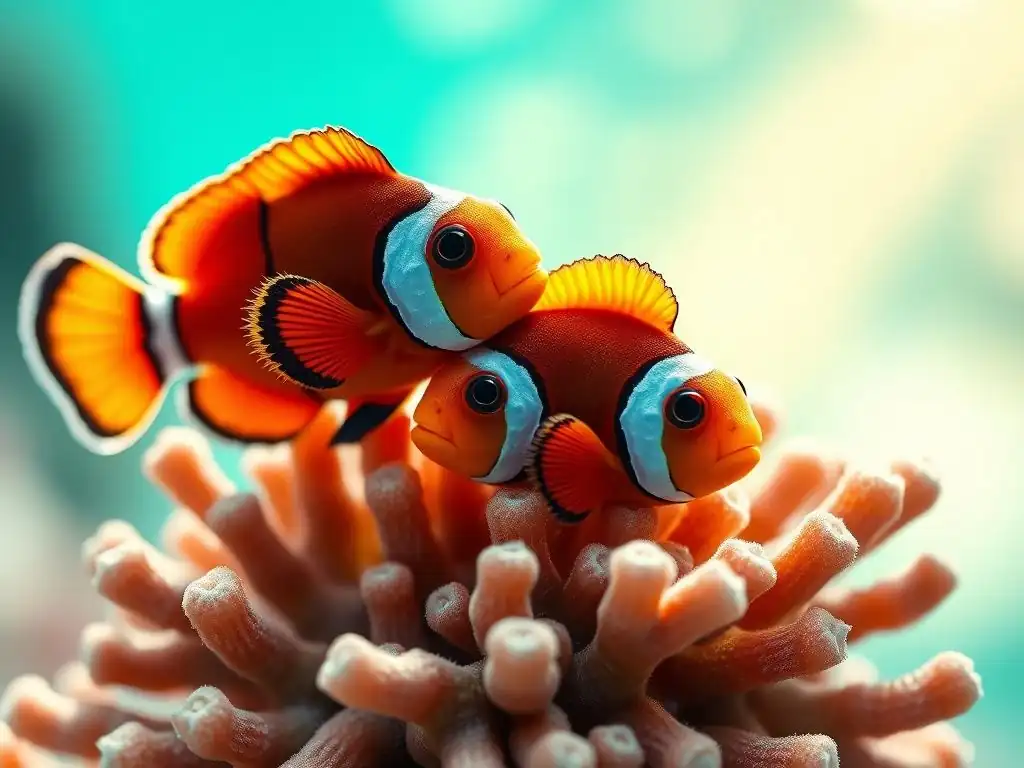
Clownfish are protandrous hermaphrodites, meaning they are all born male and the largest, most dominant individual in a group will transition into a female. The second largest fish typically assumes the role of the dominant male. This natural social hierarchy is fundamental to successful pair formation and subsequent clownfish breeding broodstock selection.
When introducing clownfish for pairing, it's often most successful to start with a group of juveniles or two fish of noticeably different sizes. The size difference allows the natural hierarchy to establish itself more smoothly, with the larger fish becoming the female and the smaller one the male, minimizing aggression and promoting a stable pair bond.
Selecting Compatible Clownfish Based on Size and Behavior
Compatibility is paramount for successful clownfish breeding. When selecting a pair, aim for a female that is significantly larger than the male, ideally by at least 1-2 inches for common species like Ocellaris clownfish. This size disparity reinforces the natural hierarchy and reduces the likelihood of the smaller fish being overly stressed or bullied.
Observe their behavior closely. A compatible pair will exhibit mutual respect, often swimming together, engaging in gentle nudging, and sharing a territory. Avoid pairs where one fish constantly harasses or hides from the other, as persistent aggression can inhibit spawning and lead to chronic stress or injury.
Avoiding Genetic Issues: Lineage and Inbreeding Considerations for Clownfish
To ensure robust and healthy offspring, avoiding genetic issues through careful clownfish breeding broodstock selection is critical. Inbreeding, especially over multiple generations, can lead to reduced growth rates, increased susceptibility to diseases, lower fertility, and a higher incidence of physical deformities like bent spines or misshapen fins.
Whenever possible, source your potential broodstock from different lineages or reputable breeders to maximize genetic diversity. Maintaining diverse genetics within your breeding program helps to preserve the species' vigor and resilience, contributing to stronger, healthier fry with higher survival rates, often improving overall survivability by 10-15% compared to inbred lines.
Evaluating Physical Characteristics: Optimizing for Breeding Performance
Body Conformation: Selecting Clownfish with Ideal Breeding Physique
When evaluating clownfish for breeding, ideal body conformation is a key indicator of health and reproductive potential. Look for fish with a full, well-rounded body that appears robust and slightly plump, rather than thin or emaciated. Their overall shape should be symmetrical, without any noticeable deformities or spinal curvatures.
A healthy physique suggests that the fish has been well-nourished and is in prime condition for the energetic demands of spawning and egg care. A fish with a strong, streamlined body will also be more agile, which is beneficial for courtship displays and efficiently fanning the eggs.
Fin Condition: Ensuring Healthy Fins for Successful Spawning
The condition of a clownfish's fins provides valuable insight into its overall health and ability to perform breeding duties. All fins—dorsal, anal, caudal, and pectoral—should be fully intact, without any nips, tears, or signs of erosion from fin rot. They should be clear, without cloudiness or ragged edges.
Healthy, undamaged fins are crucial for effective swimming, particularly the fanning motions the male performs over the eggs to ensure adequate oxygenation and prevent fungal growth. Any impairment in fin movement or structure can compromise the male's ability to properly care for the clutch, potentially reducing hatch rates.
Coloration and Markings: Choosing Clownfish with Desirable Traits
Vibrant and consistent coloration is a strong indicator of a healthy clownfish and often reflects good genetic quality. Faded, patchy, or dull coloration can signal stress, poor nutrition, or underlying illness. For specific varieties, such as Picasso or Snowflake clownfish, ensure that their unique markings are well-defined and symmetrical, aligning with the desired phenotype for the strain.
While coloration doesn't directly impact the ability to breed, selecting broodstock with desirable and true-to-type markings ensures that the offspring will also exhibit these attractive traits, increasing their market value and contributing to the integrity of the specific genetic line. This aesthetic aspect is an important consideration in clownfish breeding broodstock selection for many aquaculturists.
Assessing Reproductive Potential: Key Indicators of Breeding Readiness
Observing Mating Behavior: Courtship Rituals and Pair Bonding
Observing specific mating behaviors is a strong indicator that your clownfish pair is nearing reproductive readiness. The male will often engage in a characteristic "quivering" or "twitching" display towards the female. Both fish may also begin to meticulously clean a chosen spawning site, such as a flat rock, a terra cotta pot, or even the glass bottom of the tank, by nipping at the surface.
This cleaning ritual can occur for several days or even weeks before actual egg laying. Increased territoriality and mild aggression towards other tank inhabitants (if any) are also common signs, as the pair works to secure their nesting site and prepare for the upcoming spawn.
Examining Genital Papilla: Determining Sex and Reproductive Maturity
A more precise method for assessing reproductive readiness involves examining the genital papilla of both the male and female clownfish. The male's papilla, located just forward of the anal fin, will appear smaller and pointed. The female's papilla, in contrast, will become noticeably larger, more rounded, and swollen as she becomes gravid with eggs, often protruding 3-5mm just prior to spawning.
Regularly observing the changes in the female's papilla can help predict an impending spawn, typically within 24-48 hours once it reaches its maximum size. This visual confirmation is a reliable indicator that your clownfish breeding broodstock selection has resulted in a pair ready to reproduce.
Previous Breeding History: Evaluating Past Performance of Potential Broodstock
When possible, selecting clownfish with a proven breeding history significantly increases your chances of success. Fish that have previously spawned successfully, especially those with consistent cycles and high egg viability, are excellent candidates for broodstock. Look for records of frequent spawns (e.g., every 10-14 days for Ocellaris clownfish) and large clutch sizes, which can range from 300 to over 1000 eggs depending on the species and size of the female.
A history of good egg care by the male, leading to high hatch rates (e.g., 85% or more), is also a strong positive indicator. This information, if available from the supplier or previous owner, provides invaluable insight into the pair's reproductive potential and reduces the uncertainty in your clownfish breeding broodstock selection.
Setting Up the Breeding Tank: Creating an Optimal Environment
Tank Size and Dimensions: Providing Adequate Space for Clownfish Breeding
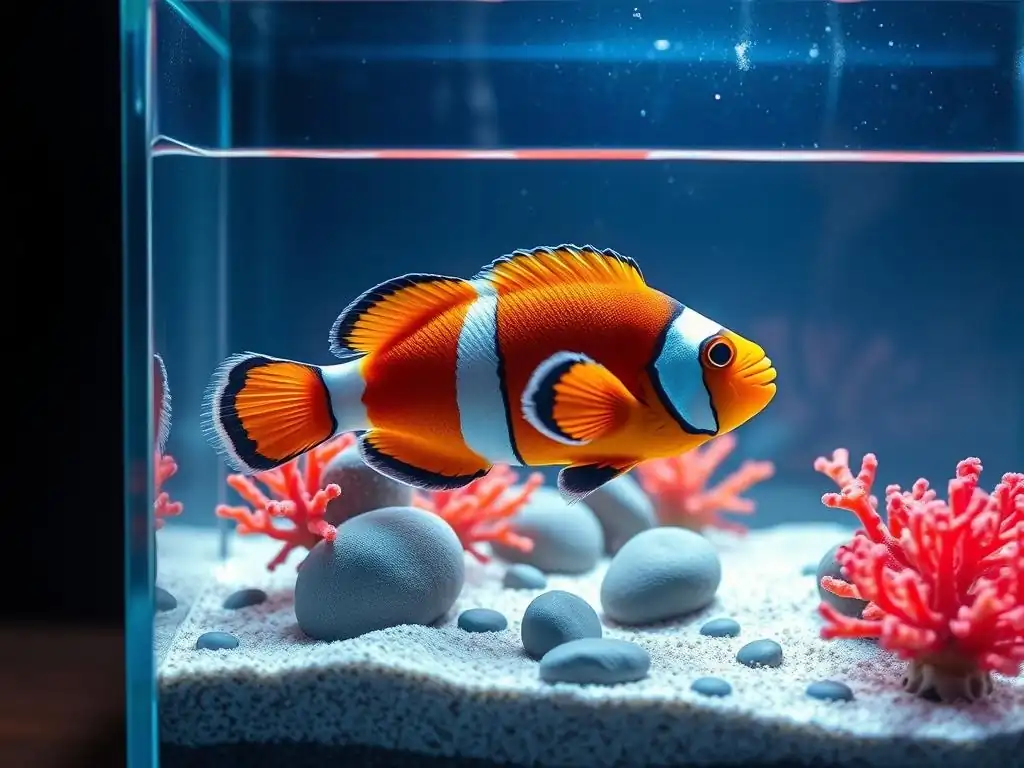
The breeding tank must provide adequate space to minimize stress and aggression, particularly during spawning. For a pair of Ocellaris or Percula clownfish, a minimum tank size of 20-30 gallons is generally recommended. Larger species like Maroon clownfish may require a 40-gallon tank or more to ensure sufficient territory and reduce potential conflict.
A longer tank (e.g., a 30-inch long 20-gallon long tank) is often preferred over a taller, narrower one. This configuration provides more horizontal swimming space, which is beneficial for pair bonding, courtship rituals, and establishing a comfortable breeding territory.
Water Quality Parameters: Maintaining Ideal Conditions for Spawning and Egg Development
Maintaining pristine and stable water quality is paramount for successful clownfish spawning and egg development. Ideal parameters include a salinity of 1.024-1.026, a stable temperature between 78-82°F (25.5-27.8°C), and a pH range of 8.0-8.4. Ammonia and nitrite levels must be undetectable (0 ppm), and nitrates should be kept below 10 ppm.
Consistent water parameters reduce stress on the broodstock and optimize the environment for egg adhesion and development. Gentle water flow, achieved with a moderate powerhead or internal filter, is beneficial for oxygenation but should not be so strong as to dislodge eggs from the spawning surface.
Substrate and Decorations: Enhancing the Breeding Environment for Clownfish
Clownfish prefer a smooth, flat surface for egg deposition. Common choices include a terra cotta pot laid on its side, a ceramic tile, a smooth piece of rock, or even the bare bottom glass of the tank. While clownfish are symbiotic with anemones in the wild, an anemone is not strictly necessary for breeding in captivity and can sometimes complicate egg removal or fry collection.
Keep the breeding tank decor minimalistic to facilitate easy cleaning and observation. A simple setup with one or two preferred spawning surfaces and minimal rockwork for shelter is ideal. This also helps in maintaining excellent water quality by preventing detritus buildup in crevices.
Feeding and Nutrition: Enhancing Broodstock Health and Egg Quality
Optimal Diet for Clownfish Broodstock: Nutritional Requirements for Breeding
A highly nutritious and varied diet is essential for preparing clownfish broodstock for spawning and ensuring high-quality eggs. Their diet should consist of a mix of high-quality marine flakes, pellets, and various frozen foods such as mysis shrimp, brine shrimp, finely chopped krill, and spirulina-enriched preparations. The protein content of their primary diet should ideally be around 40-50%.
Feeding 2-3 times daily in small amounts is recommended to ensure complete consumption and prevent uneaten food from fouling the water. A well-fed pair will exhibit strong coloration, robust body condition, and consistent spawning activity, indicating optimal preparation through careful clownfish breeding broodstock selection.
Live Food Options: Enriching the Diet for Enhanced Spawning
Incorporating live foods into the broodstock's diet can significantly enhance their health and stimulate spawning activity. Live enriched brine shrimp, copepods (e.g., Tisbe, Tigriopus), and blackworms provide essential fatty acids (like DHA and EPA) and other micronutrients that are crucial for egg development and larval survival.
The act of hunting live prey also provides natural enrichment and stimulates their predatory instincts. Culturing live foods at home or sourcing them from reputable suppliers ensures freshness and reduces the risk of introducing pathogens. Many breeders report increased spawning frequency and larger, more viable egg clutches when live foods are a regular part of the diet.
Supplementation: Vitamins and Minerals for Improved Egg Quality and Hatch Rate
Beyond a varied diet, strategic supplementation with vitamins and minerals can further boost broodstock health and improve egg quality. Key supplements include Vitamin C (ascorbic acid) and Vitamin E, which act as powerful antioxidants, supporting cellular health and reproductive function. These can be administered by soaking frozen foods in liquid vitamin supplements before feeding.
Additionally, marine trace elements such as iodine and selenium are beneficial for overall fish health and contribute to stronger, more viable eggs. Consistent supplementation can lead to a noticeable improvement in egg hatch rates, sometimes by as much as 10-20%, and greater vigor in newly hatched fry, making it a critical aspect of effective clownfish breeding broodstock selection.
Monitoring and Management: Ensuring Breeding Success
Observing Spawning Behavior: Identifying Egg Laying and Fertilization
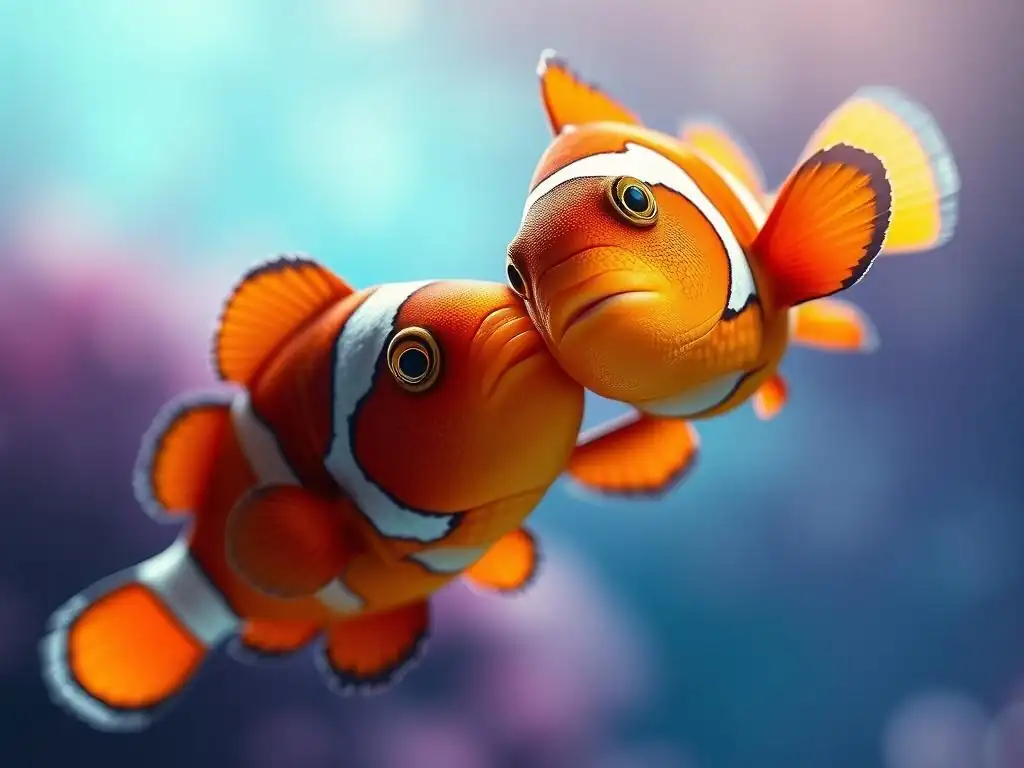
Observing the actual spawning behavior is a rewarding part of clownfish breeding. Spawning typically occurs in the morning. The female will begin to lay her eggs on the prepared surface, often in neat rows, followed immediately by the male who passes over the eggs to fertilize them. This process can last for 1-2 hours.
The newly laid eggs will appear as tiny, oval, reddish-orange clusters firmly attached to the substrate. After spawning, the male will diligently tend to the eggs, fanning them with his pectoral fins to ensure oxygenation and mouthing them to keep them clean and free of detritus throughout the incubation period, which usually lasts 7-10 days depending on temperature.
Removing Broodstock After Spawning: Protecting the Eggs from Predation
While male clownfish are excellent egg tenders, some aquarists opt to remove the eggs to a separate hatching container or move the broodstock to a different tank to ensure maximum fry survival. This decision depends on the breeder's setup and goals. If removing eggs, it's best to wait until they are at least 3-4 days old and firmly attached, then gently scrape them off the substrate with a blunt tool.
If removing the parents, ensure their new environment is ready and stress is minimized during transfer. This strategy can significantly increase the number of fry successfully hatched, as it eliminates any potential predation by the parents, though this is rare with clownfish.
Maintaining Water Quality During Egg Incubation: Preventing Fungal Infections
Pristine and stable water quality is crucial during the egg incubation period, whether the eggs are left with the parents or moved to a separate container. Daily small water changes (e.g., 10-15%) can help maintain optimal conditions and remove any accumulating waste. If the eggs are in a separate container, gentle aeration directed near the eggs is vital for oxygenation.
Fungal infections can be a common issue, appearing as white, fuzzy patches on the eggs. Promptly remove any affected eggs using tweezers to prevent the fungus from spreading to healthy eggs. In some cases, a very dilute Methylene blue solution can be used as a prophylactic in a dedicated hatching container, but use with caution as it can stain equipment.
Troubleshooting Common Broodstock Selection and Breeding Problems
Addressing Aggression Between Pair Members: Strategies for Conflict Resolution
Aggression between clownfish pair members, especially if it's persistent or severe, can hinder breeding success. If the aggression is moderate, ensure the tank is large enough (e.g., 20-30 gallons for Ocellaris) and provides ample hiding spots. If aggression escalates to physical harm, temporarily separate the fish using a tank divider for a few days, or move one fish to a different tank.
Reintroduce them cautiously, ensuring the female is clearly larger than the male, which often helps reinforce the natural hierarchy. Sometimes, providing a new, attractive spawning surface can redirect their focus and reduce inter-pair aggression. Patient observation and careful intervention are key to resolving these issues in clownfish breeding broodstock selection.
Identifying and Treating Diseases Affecting Broodstock: Common Clownfish Ailments
Even after careful clownfish breeding broodstock selection, diseases can emerge, impacting reproductive health. Common ailments include marine Ich (white spots), Brooklynella (velvet-like film), and bacterial infections (red streaks, ulcers, fin rot). Early identification and prompt treatment are crucial to prevent the spread of disease and minimize stress on the breeding pair.
Isolate affected fish in a dedicated quarantine tank for treatment. Copper-based medications (e.g., copper sulfate at 0.15-0.2 mg/L for 14 days) are effective for parasitic infections like Ich, while broad-spectrum antibiotics may be necessary for bacterial issues. Always follow medication instructions carefully and monitor water quality closely during treatment.
Improving Egg Hatch Rates: Optimizing Incubation Conditions
Low egg hatch rates can be frustrating, but several factors can be optimized. Primary causes often include poor water quality, insufficient oxygenation, or infertile eggs. Ensure stable water parameters (temperature 78-80°F, salinity 1.025) and provide gentle, consistent water flow over the eggs to maintain oxygen levels.
If eggs appear infertile (remaining clear or turning white prematurely without developing eyespots), re-evaluate the broodstock's health, nutrition, and pair compatibility. Enhancing their diet with more live foods or specialized supplements can improve fertility. Sometimes, simply allowing a younger pair more time to mature fully will naturally increase their fertility and subsequent hatch rates.
Conclusion: Maximizing Clownfish Breeding Success Through Careful Broodstock Selection.
Frequently Asked Questions
How important is the health of clownfish broodstock for successful breeding?
The health of your clownfish broodstock is absolutely critical for successful breeding. Healthy fish are more likely to mate regularly and produce viable eggs. Neglecting their health can lead to breeding failures.
What physical characteristics should I look for when selecting clownfish broodstock?
Look for clownfish that are vibrant in color, exhibit no signs of disease or injury, and have a healthy appetite. Avoid fish with cloudy eyes, fin rot, or unusual behavior.
Does size matter when choosing clownfish for breeding?
Yes, size can matter. Typically, the female clownfish in a pair is larger than the male. Ensure there is a noticeable size difference between the two.
How can I ensure the selected clownfish are compatible as a breeding pair?
Introduce the clownfish to the tank at the same time and monitor their behavior closely. Aggression is normal initially, but it should subside quickly as they establish a hierarchy.
Where is the best place to source my clownfish broodstock from?
Ideally, source your clownfish from a reputable breeder or local fish store known for their healthy and well-cared-for fish. This ensures you are starting with high-quality broodstock.
Final Reflection: Cultivating the Future of Clownfish Breeding
The principles of careful broodstock selection, as outlined in this article, are not merely academic exercises; they are essential for ensuring the health, resilience, and genetic diversity of clownfish populations in both aquaculture and the wild. As demand for these captivating creatures continues to rise, responsible breeding practices become paramount to mitigating the pressure on wild populations and fostering a sustainable future for the clownfish trade.
This journey into the intricacies of clownfish broodstock selection has highlighted the profound impact of informed choices on the well-being of these animals and the stability of the industry. It underscores the importance of moving beyond simply breeding for quantity and embracing a holistic approach that prioritizes genetic quality and ethical considerations. The future of clownfish breeding lies not just in our ability to produce more fish, but in our commitment to producing better fish.
This sentiment should guide every breeder, hobbyist, and researcher involved in the propagation of these iconic species.
Now, as you consider the information presented, I invite you to reflect on your own role in the future of clownfish. Whether you are a seasoned breeder, a budding aquarist, or simply an admirer of these vibrant creatures, consider how you can contribute to a more sustainable and ethical approach to clownfish breeding. Let the knowledge gained here inspire you to make informed decisions, advocate for responsible practices, and champion the well-being of these remarkable fish for generations to come.
Ignite Your Clownfish Breeding Journey!
Thank you for diving into the world of clownfish breeding! We hope you found valuable insights to help you select the perfect broodstock for a successful and rewarding experience. Ready to put your knowledge into action?
Here's how you can take the next step:
- Begin observing your existing clownfish. Carefully analyze their behaviors and physical attributes to identify potential breeding pairs.
- Share your newfound insights! Discuss your broodstock selection strategies in online aquarium communities to gain feedback and learn from fellow enthusiasts.
- Consider a surprising approach: document the growth and development of your clownfish from a young age. This will provide extremely useful data as the fish mature and you can look back at what conditions, food, and tank mates were most conducive to healthy growth, providing the insight needed for prime broodstock selection!
What specific behaviors are you noticing in your clownfish that suggest they might be a compatible pair?