
Spotting Trouble Early: Key Signs of Common Diseases in Surgeonfish

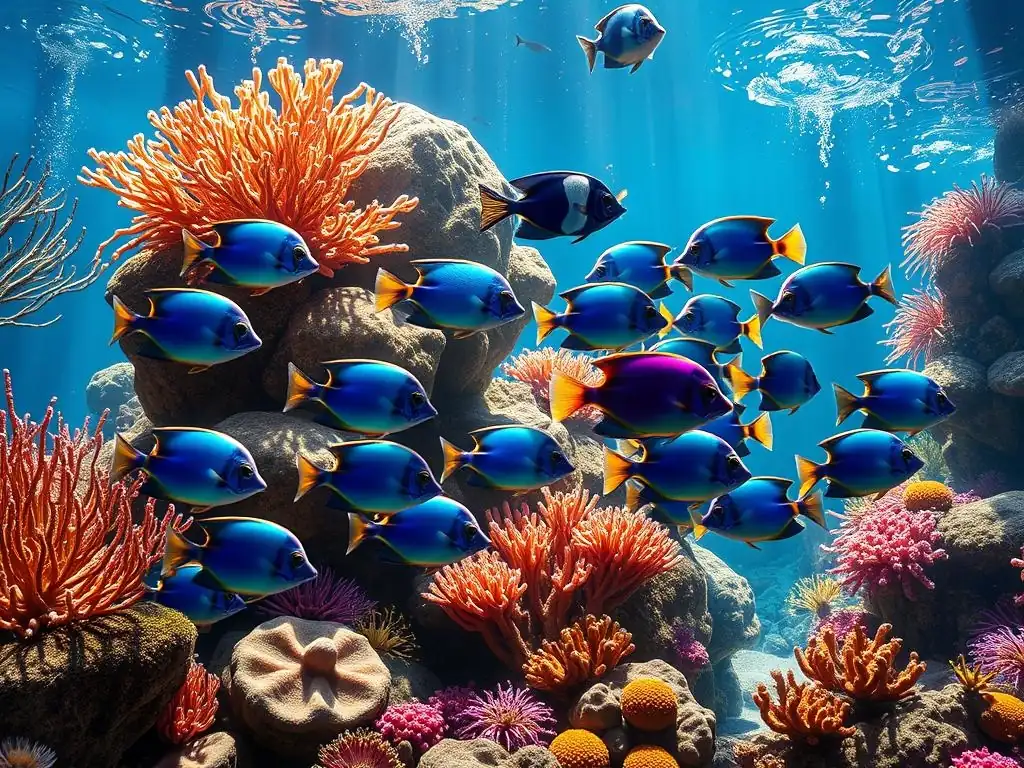
Welcome to Aquarium Mastery! Ever wondered if that subtle change in your surgeonfish's behavior is a sign of something more? Before a full-blown outbreak threatens your entire saltwater setup, learn to recognize the critical early warning signs. Dive into our in-depth guide on " Surgeonfish disease early symptoms" and gain the knowledge you need to keep your finned friends healthy and thriving. Curious to know what to watch for? Let's get started!
- Introduction: Understanding Surgeonfish Health and Disease Prevention
-
Recognizing Early Symptoms of Surgeonfish Diseases: A Visual Guide
- Cloudy Eyes: Identifying Potential Causes and Treatments
- Skin Discoloration: Recognizing Ich, Velvet, and Other Parasitic Infections
- Fin Rot: Identifying and Addressing Bacterial Infections
- Changes in Behavior: Subtle Clues to Underlying Health Issues
- Respiration Problems: Recognizing Rapid Gilling and Labored Breathing
-
Common Surgeonfish Diseases and Their Early Manifestations
- Marine Ich (White Spot Disease): Early Stage Identification
- Velvet Disease (Amyloodinium ocellatum): Recognizing Early Symptoms
- Head and Lateral Line Erosion (HLLE): Identifying the Initial Stages
- Bacterial Infections: Spotting Fin Rot and Ulcers Early
- Parasitic Infections: Recognizing Skin Flukes and Other External Parasites
- Preventing Surgeonfish Diseases: Proactive Measures for a Healthy Aquarium
- Diagnosing Surgeonfish Illnesses: When to Seek Expert Advice
- Treatment Options for Common Surgeonfish Diseases: An Overview
- Long-Term Care and Monitoring After Treatment
- Conclusion: Proactive Care for Healthy Surgeonfish
-
Frequently Asked Questions
- What are some of the earliest behavioral changes that might indicate a surgeonfish is sick?
- How important is it to quarantine a new surgeonfish before introducing it to my main display tank?
- What are some common visual signs to look for when checking a surgeonfish for potential diseases?
- What role does water quality play in preventing surgeonfish diseases, and what specific parameters should I monitor?
- If I suspect my surgeonfish has a disease, what is the first course of action I should take?
- Final Reflection: Protecting the Reef's Surgeons
- Unlock Vibrant Reefs: Start Your Surgeonfish Health Journey Now!
Introduction: Understanding Surgeonfish Health and Disease Prevention
Why Early Detection is Crucial for Surgeonfish
Surgeonfish, renowned for their vibrant colors and active grazing habits, are highly susceptible to stress and disease in captive environments. Their specialized diets, often requiring constant access to algae, and their active swimming nature demand pristine water conditions and a stable environment. Subtle changes in their behavior or appearance can be the first indicators of underlying health issues, making vigilant observation an indispensable part of their care.
The rapid progression of many marine diseases in closed aquarium systems means that a minor issue can quickly escalate into a life-threatening crisis. For example, a parasitic outbreak like Marine Ich (Cryptocaryon irritans) can spread throughout a tank and severely impact a surgeonfish's health within a matter of days if not addressed immediately. Recognizing "Surgeonfish disease early symptoms" allows for prompt and targeted intervention, significantly increasing the chances of successful treatment and preventing widespread devastation to the entire aquatic community.
The Importance of Observing Your Surgeonfish Regularly
Consistent, daily observation is the cornerstone of proactive surgeonfish health management. Aquarists should dedicate time each day to watch their fish, paying close attention during feeding times when fish are most active and their natural behaviors are most evident. Look for normal swimming patterns, consistent coloration, healthy fins, and enthusiastic feeding responses. Documenting these baseline observations, even mentally, helps to quickly identify any deviations.
Any change from a surgeonfish's typical routine, no matter how minor, can be a crucial indicator of stress or the onset of illness. For instance, a Yellow Tang that usually grazes continuously on live rock but suddenly retreats to a corner or shows reduced interest in food is signaling a potential problem. Regular observation allows aquarists to catch these "Surgeonfish disease early symptoms" before they become severe, enabling timely action and often preventing the need for more aggressive, stressful treatments.
Recognizing Early Symptoms of Surgeonfish Diseases: A Visual Guide
Cloudy Eyes: Identifying Potential Causes and Treatments
Cloudy eyes in a surgeonfish appear as a hazy, opaque film covering one or both eyes, often making the eye itself look dull or milky. This symptom can stem from various issues, including bacterial infections, sustained exposure to poor water quality (such as elevated ammonia or nitrate levels), or even physical injury sustained from bumping into tank decor during erratic swimming or interactions with aggressive tank mates.
If left unaddressed, cloudy eyes can progress, leading to partial or complete blindness, which severely impairs a surgeonfish's ability to locate food and navigate its environment, further exacerbating stress. Early intervention typically involves immediate, significant water changes (e.g., 20-30% daily for several days) to improve water parameters. If water quality is optimal and the condition persists, a broad-spectrum antibiotic treatment, often administered in a quarantine tank, may be necessary to combat bacterial causes.
Skin Discoloration: Recognizing Ich, Velvet, and Other Parasitic Infections
Healthy surgeonfish are known for their vibrant, consistent coloration, which is a key indicator of their well-being. Any noticeable dulling of color, darkening patches, or the appearance of unusual spots or films on the skin can be a critical "Surgeonfish disease early symptom." These changes often point towards external parasitic infestations, bacterial infections, or severe stress.
The type of discoloration can often provide clues to the specific ailment. For example, a generalized dullness might suggest overall stress or poor water quality, while specific patterns like white spots or a dusty gold film are indicative of particular parasitic diseases, each requiring distinct identification and treatment strategies to prevent further harm to the fish.
Understanding White Spots: The Tell-Tale Sign of Marine Ich (Cryptocaryon irritans)
Marine Ich, caused by the protozoan Cryptocaryon irritans, is arguably the most common and feared parasitic disease in saltwater aquariums. Its tell-tale sign is the appearance of small, granular white spots, typically 0.5 to 1.0 mm in diameter, resembling grains of salt. These "Surgeonfish disease early symptoms" often first manifest on the fins before spreading to the body and gills. While seemingly benign at first glance, each spot represents a parasitic trophont burrowed into the fish's skin.
The lifecycle of Marine Ich is highly dependent on temperature; in typical aquarium temperatures (78-82°F), the parasite can complete its entire cycle in 7-10 days, rapidly multiplying. Early detection of even a few white spots is crucial because a single visible parasite on a surgeonfish indicates that hundreds or thousands of infective stages (tomites) are already present in the water column, poised to infect other tank inhabitants. Prompt action is vital to prevent a devastating outbreak.
Velvet Disease (Amyloodinium ocellatum): Recognizing the Gold Dust Appearance
Velvet disease, caused by the dinoflagellate Amyloodinium ocellatum, is another highly contagious and aggressive parasitic infection. Its characteristic "Surgeonfish disease early symptom" is a fine, dusty, yellowish-gold or brownish film that covers the fish's body, often described as resembling powdered sugar or velvet. This subtle "gold dust" appearance can be difficult to spot without direct lighting, making it easily missed in its nascent stages.
Velvet progresses even more rapidly than Ich, with its lifecycle sometimes completing in as little as 3-5 days. The parasites cause significant tissue damage, particularly to the gills, leading to severe respiratory distress. Affected surgeonfish may exhibit rapid gilling, lethargy, or rub themselves against tank decorations in an attempt to dislodge the parasites. Due to its rapid onset and high mortality rate, immediate recognition of these early symptoms is paramount for successful treatment.
Fin Rot: Identifying and Addressing Bacterial Infections
Fin rot is a common bacterial infection that causes the fins of a surgeonfish to appear frayed, ragged, or dissolved. In healthy surgeonfish, fins are typically intact, clear, and well-formed. The early stages of fin rot might only show as slight cloudiness or fraying at the edges of the fins, particularly the caudal (tail) fin or dorsal fin.
This condition is often a secondary infection, triggered by underlying stressors such as poor water quality (e.g., elevated ammonia, nitrite, or nitrate levels), physical injury, or chronic stress that compromises the fish's immune system. If left untreated, the infection can progress, leading to significant loss of fin tissue and potentially spreading to the body, causing systemic infection. Addressing fin rot typically involves immediate improvements in water quality through large water changes, coupled with a course of broad-spectrum antibiotics.
Changes in Behavior: Subtle Clues to Underlying Health Issues
Behavioral changes are often the most sensitive and earliest "Surgeonfish disease early symptoms" to manifest, frequently appearing before any visible physical signs. A healthy surgeonfish is typically active, constantly grazing, and curious about its surroundings. Any deviation from this established normal pattern, no matter how subtle, should immediately raise a red flag for the aquarist and prompt further investigation.
These subtle shifts can include increased hiding, unusual lethargy, or altered interactions with tank mates. For instance, a usually bold Blue Tang that suddenly becomes reclusive and spends most of its time hidden among rocks may be experiencing significant stress or the very initial stages of an internal illness. Recognizing these nuances in behavior is key to early intervention.
Loss of Appetite: A Key Indicator of Stress or Illness
A surgeonfish's appetite is a critical barometer of its health. Healthy surgeonfish are typically voracious eaters, especially when it comes to their preferred algae-based foods. A sudden and unexplained refusal to eat, or a significant reduction in their feeding activity over one or two days, is a major "Surgeonfish disease early symptom" that should never be ignored.
Loss of appetite can be indicative of a wide range of problems, including internal parasitic infestations, bacterial infections, severe environmental stress, or simply discomfort due to poor water quality. Prolonged anorexia rapidly weakens the fish, depletes its energy reserves, and severely compromises its immune system, making it far more vulnerable to other opportunistic diseases.
Erratic Swimming: Recognizing Signs of Neurological Problems or Parasitic Infestation
Erratic swimming refers to any unusual, uncoordinated, or disoriented movements by the surgeonfish. This can include darting rapidly around the tank without purpose, spiraling, swimming upside down, or repeatedly bumping into the tank glass or decorations. Such dramatic changes in locomotion are severe "Surgeonfish disease early symptoms."
These behaviors can point to serious underlying issues such as neurological damage, advanced internal parasitic infestations affecting the swim bladder or brain, or acute exposure to toxins in the water. For example, extreme irritation from external parasites like Ich or Velvet, especially when affecting the gills, can cause fish to "flash" or dart erratically against surfaces in an attempt to relieve the irritation.
Clamped Fins: A Sign of Stress, Poor Water Quality, or Disease
Clamped fins occur when a surgeonfish holds its fins, particularly the dorsal (top) and caudal (tail) fins, tightly against its body rather than spreading them out naturally. This is a very common and non-specific "Surgeonfish disease early symptom," but it is a clear indicator of general discomfort or illness.
The causes of clamped fins are varied but typically point to stress. This stress can be induced by poor water quality (e.g., elevated ammonia, nitrite, or nitrate levels), sudden fluctuations in water temperature, bullying from aggressive tank mates, or the very initial stages of parasitic or bacterial infections. It's an important early warning sign that the surgeonfish is not feeling well and its environment or health needs immediate attention.
Respiration Problems: Recognizing Rapid Gilling and Labored Breathing
Normal respiration in a healthy surgeonfish involves rhythmic, subtle movements of the gill covers. When a surgeonfish exhibits rapid gilling or labored breathing, where the gill covers move much faster and with more effort than usual, it is a critical "Surgeonfish disease early symptom." This indicates that the fish is struggling to absorb sufficient oxygen from the water.
This issue is commonly associated with parasitic infestations that colonize the gills, such as Ich or Velvet, which physically impede oxygen exchange. It can also be a sign of severe bacterial infections affecting the gills, or exposure to environmental toxins like ammonia or nitrite, which damage gill tissue. In all cases, increased respiratory rate is the fish's attempt to compensate for reduced oxygen uptake, demanding immediate investigation and corrective action.
Common Surgeonfish Diseases and Their Early Manifestations
Marine Ich (White Spot Disease): Early Stage Identification
In its early stages, Marine Ich (Cryptocaryon irritans) on a surgeonfish might only be visible as a few isolated white spots, often initially appearing on the delicate fin rays or sporadically across the body. These spots are typically small, resembling grains of salt, and may only be apparent under specific lighting conditions. Accompanying behavioral "Surgeonfish disease early symptoms" can include increased flashing (rubbing against tank decor), rapid gilling, or general lethargy, even before the spots become numerous.
It is crucial to understand that even a single visible spot signifies that the parasite is actively reproducing in the aquarium environment. The parasitic trophonts burrowed in the fish's skin will soon drop off to reproduce in the substrate, releasing hundreds of infective tomonts. Therefore, early detection of these subtle signs is paramount, allowing for immediate and effective treatment measures like hyposalinity or copper medication before a full-blown, difficult-to-control outbreak occurs.
Velvet Disease (Amyloodinium ocellatum): Recognizing Early Symptoms
The early symptoms of Velvet disease (Amyloodinium ocellatum) on surgeonfish are often more subtle than Ich. It typically begins as a very fine, yellowish or brownish "dust" or "film" covering the fish's body, which can be difficult to see without a flashlight or specific viewing angles. Behavioral cues often precede visible symptoms, including increased respiration (rapid gilling), lethargy, and a tendency to scratch against surfaces.
Given Velvet's extremely rapid lifecycle, which can complete in as little as 3-5 days at typical aquarium temperatures, recognizing these "Surgeonfish disease early symptoms" is critically time-sensitive. The parasite rapidly reproduces and causes significant damage to gill tissue, leading to severe respiratory distress and high mortality rates if not addressed within hours of initial manifestation. Prompt and aggressive treatment is necessary for a positive outcome.
Head and Lateral Line Erosion (HLLE): Identifying the Initial Stages
Head and Lateral Line Erosion (HLLE) is a chronic condition frequently observed in surgeonfish, often linked to long-term nutritional deficiencies (particularly Vitamin C and D), poor water quality, stray voltage, or even the improper use of activated carbon. Early signs of HLLE are subtle: small, pale, and slightly depressed pits or erosions that develop along the lateral line (the sensory line running down the side of the fish) and around the head and face.
While not immediately fatal, HLLE can progressively disfigure the fish and weaken its natural defenses, making it susceptible to secondary bacterial infections. Recognizing these "Surgeonfish disease early symptoms" requires close inspection. Early intervention focuses on identifying and correcting the underlying environmental or dietary stressors, such as improving diet with vitamin-enriched foods, ensuring pristine water parameters, and eliminating potential sources of stray voltage.
Bacterial Infections: Spotting Fin Rot and Ulcers Early
Bacterial infections are often opportunistic, taking hold when a surgeonfish's immune system is compromised by stress, poor water quality, or injury. Fin rot, a common bacterial infection, begins with the fins appearing slightly cloudy or frayed at the edges. In its earliest stages, this might just be a subtle unevenness in the fin margin, distinct from a clean tear.
Ulcers, on the other hand, manifest as small, often red and inflamed sores or open wounds on the fish's body, which may have a whitish margin. These "Surgeonfish disease early symptoms" can progress rapidly if left untreated. Fin rot can lead to complete fin destruction and systemic body infections, while ulcers can deepen and expose muscle tissue. Prompt treatment with broad-spectrum antibiotics, alongside immediate water quality improvements, is crucial to prevent the infection from becoming life-threatening.
Parasitic Infections: Recognizing Skin Flukes and Other External Parasites
Beyond Ich and Velvet, surgeonfish can be affected by other external parasites, such as skin flukes (monogeneans), which are often microscopic. While not always visible to the naked eye, their presence can trigger several "Surgeonfish disease early symptoms." These include excessive mucus production, which gives the fish a slimy or dull appearance, localized areas of reddening or inflammation on the skin, and persistent flashing or rubbing against tank decor, even in the absence of visible spots.
Though less frequently encountered than Ich or Velvet, flukes can cause significant irritation and lead to secondary bacterial infections due to compromised skin integrity. A surgeonfish that repeatedly scratches itself, despite having clear skin, might be suffering from a fluke infestation. While definitive diagnosis often requires a microscopic examination of a skin scrape, these behavioral cues are vital early warning signs that should prompt further investigation.
Preventing Surgeonfish Diseases: Proactive Measures for a Healthy Aquarium
Maintaining Optimal Water Quality: A Foundation for Surgeonfish Health
The single most critical factor in preventing "Surgeonfish disease early symptoms" and ensuring their long-term health is maintaining stable and pristine water quality. This involves consistently holding specific gravity between 1.023 and 1.026, temperatures between 76-82°F, and pH levels between 8.0-8.4. Crucially, ammonia and nitrite must always be undetectable (0 ppm), and nitrates should be kept as low as possible, ideally below 20 ppm.
Achieving and maintaining these parameters requires a robust filtration system (mechanical, chemical, and biological), along with regular, disciplined water changes. Performing 10-20% water changes weekly or bi-weekly helps replenish essential trace elements and dilute accumulating nitrates and other dissolved organics. Unstable or poor water quality directly compromises a surgeonfish's immune system, making it highly susceptible to pathogens and the first signs of disease.
Proper Nutrition: Feeding Your Surgeonfish a Balanced Diet
Surgeonfish are primarily herbivores and require a diet rich in vegetable matter to thrive and prevent nutritional deficiencies, which can manifest as conditions like HLLE. A varied diet is essential, consisting of high-quality marine algae sheets (nori), spirulina flakes, and specialized surgeonfish pellets. Offering a diverse range of plant-based foods ensures they receive all necessary vitamins and minerals.
It is beneficial to feed surgeonfish small amounts frequently throughout the day, mimicking their natural grazing behavior in the wild. This constant intake of nutrients supports their high metabolism and prevents nutritional stress. Supplementing their diet with vitamin-enriched foods, such as mysis shrimp soaked in a product like Selcon, once or twice a week can further boost their immune system and enhance their vibrant coloration, making them more resilient to disease.
Quarantine Procedures: Protecting Your Main Tank from Disease Introduction
Implementing a strict quarantine tank (QT) procedure for all new fish, especially surgeonfish, is the most effective preventative measure against introducing diseases into your main display aquarium. A QT provides a controlled environment where new arrivals can be observed for "Surgeonfish disease early symptoms," acclimated to captive life, and proactively treated for common parasites or bacterial infections without exposing the established community. A typical quarantine period lasts 4 to 6 weeks.
The quarantine tank should be a bare-bottom setup with minimal decor, a heater, and appropriate filtration (sponge filters are excellent). During this period, diligently observe the fish for any signs of illness. Many experienced aquarists also opt for prophylactic treatments for common ailments like Ich and Velvet during quarantine, even if no symptoms are visible, to ensure the fish is disease-free before being introduced to the main tank. This critical step safeguards your entire aquatic investment.
Stress Reduction: Minimizing Stressors in the Aquarium Environment
Stress is a primary precursor to disease in marine fish, profoundly weakening their immune systems and making them vulnerable to opportunistic pathogens. Common stressors for surgeonfish include overcrowding, aggressive tank mates, insufficient hiding spaces, sudden fluctuations in water parameters, and abrupt changes in lighting or daily routine. Addressing these factors is paramount for prevention of "Surgeonfish disease early symptoms".
To minimize stress, ensure your aquarium is adequately sized for the surgeonfish species you keep (e.g., a Yellow Tang generally requires at least a 70-gallon tank, while larger species like a Blue Tang need 100+ gallons). Choose compatible tank mates, provide ample live rock for grazing and hiding, and maintain a consistent, stable environment. A calm, well-planned habitat significantly enhances a surgeonfish's natural resistance to disease and contributes to its overall well-being.
Diagnosing Surgeonfish Illnesses: When to Seek Expert Advice
Recognizing the Limits of Home Treatment
While many common "Surgeonfish disease early symptoms" can be effectively managed with careful observation, improved husbandry, and readily available aquarium medications, there are inherent limits to home treatment. Conditions that are severe, rapidly progressing, or fail to respond to initial, appropriate treatments often fall outside the scope of a typical hobbyist's capabilities. Internal infections, complex parasitic lifecycles, or systemic bacterial diseases may require more advanced diagnostic tools and medications.
Attempting to self-diagnose and treat complex or advanced illnesses without sufficient knowledge can worsen a surgeonfish's condition, delay proper care, and potentially harm other inhabitants in the aquarium. If a surgeonfish's condition deteriorates despite best efforts, or if multiple fish begin to show severe "Surgeonfish disease early symptoms," it is a clear indication that professional guidance is warranted.
Consulting with a Veterinarian or Experienced Aquarist
When facing challenging or persistent "Surgeonfish disease early symptoms," seeking advice from an aquatic veterinarian or a highly experienced aquarist is a crucial step. Aquatic veterinarians possess specialized knowledge and diagnostic tools, such as microscopes for skin scrapes or biopsies, that can pinpoint the exact pathogen responsible for an illness. This precise diagnosis often leads to a more effective and targeted treatment plan.
Many reputable local fish stores also employ staff with extensive experience in marine fish health, offering valuable insights and recommendations based on years of practical knowledge. Consulting these experts can provide accurate diagnoses, suggest specific medications and dosages, and guide you through complex treatment protocols that might not be suitable for general home application.
Gathering Information for Accurate Diagnosis: Water Parameters, Symptoms, and History
To facilitate an accurate diagnosis from an expert, it is essential for the aquarist to meticulously document all relevant information. This includes current and recent water parameters (ammonia, nitrite, nitrate, pH, salinity, temperature), a detailed timeline and description of the "Surgeonfish disease early symptoms" observed (when they started, how they've progressed, specific behaviors, changes in appearance), and the fish's complete history (when it was acquired, the duration of quarantine, its typical diet, and any recent changes to the tank environment).
This comprehensive data provides the consulting expert with a holistic view of the situation, enabling them to form a more precise diagnosis and recommend the most effective course of action. For instance, knowing that a surgeonfish developed HLLE after a change in its diet or a sudden spike in nitrates is crucial information that directly influences the recommended treatment and preventative measures.
Treatment Options for Common Surgeonfish Diseases: An Overview
Medication Options for Ich and Velvet
For Marine Ich (Cryptocaryon irritans), common and highly effective treatments include copper-based medications, such as Copper Power or Cupramine. These medications require precise dosing and careful monitoring of copper levels using a reliable test kit, as both underdosing and overdosing can be detrimental. Hyposalinity, which involves gradually reducing the specific gravity to 1.008-1.010 for 3-4 weeks, is another effective method, but it is only suitable for fish in a quarantine tank, as it can harm invertebrates and live rock.
Velvet disease (Amyloodinium ocellatum) also responds well to copper treatments. Formalin-based medications are another potent option, often used in conjunction with copper for aggressive or resistant cases. Due to Velvet's rapid lifecycle and severe impact on gill tissue, prompt and decisive treatment is paramount. Always adhere strictly to manufacturer instructions for dosage and duration, and ensure good aeration during any medication regimen.
Treating Bacterial Infections with Antibiotics
Bacterial infections, such as fin rot, mouth rot, or external ulcers, typically necessitate treatment with broad-spectrum antibiotics. Medications containing active ingredients like Furan-2, Maracyn 2, or Kanaplex are commonly used for these conditions. It is almost always recommended to administer these antibiotics in a dedicated quarantine or hospital tank to prevent harming the beneficial nitrifying bacteria in the main display system, which are crucial for maintaining water quality.
It is vital to complete the full course of antibiotics as prescribed, even if the "Surgeonfish disease early symptoms" appear to improve quickly. Prematurely stopping treatment can lead to a relapse of the infection and contribute to the development of antibiotic-resistant bacterial strains. Alongside medication, consistent water quality improvements are a crucial supportive measure to aid recovery.
Addressing Parasitic Infections with Appropriate Treatments
Beyond Ich and Velvet, other external parasites like skin flukes (monogeneans) can affect surgeonfish. These are commonly treated with praziquantel-based medications, which are generally safer for sensitive fish and invertebrates compared to copper. However, their efficacy is specific to certain parasite types, so accurate identification is beneficial.
For suspected internal parasites, which are harder to diagnose without veterinary involvement, medicated foods containing ingredients like metronidazole or praziquantel can be effective. This method ensures the medication reaches the digestive tract directly. It is essential to ensure the surgeonfish is still actively eating before attempting treatment with medicated foods. Always consult product instructions for proper dosage and administration.
Natural Remedies and Supportive Care
While not direct cures for many serious diseases, supportive care and certain natural remedies can play a valuable role in aiding a surgeonfish's recovery and boosting its overall resilience. Maintaining pristine water quality, providing a stress-free environment, and offering highly nutritious, vitamin-enriched foods are fundamental supportive measures that directly enhance the fish's immune system.
For minor issues or as a preventative measure, some aquarists incorporate garlic extracts (e.g., Garlic Guard) into their fish's diet, believing it can enhance appetite and potentially boost immunity, though scientific evidence for direct disease treatment is limited. Products designed to enhance the slime coat (e.g., Stress Coat) can also help repair damaged skin and fins after an illness. These "natural remedies" are best used as adjuncts to primary treatments or for very mild, non-life-threatening "Surgeonfish disease early symptoms."
Long-Term Care and Monitoring After Treatment
Observing for Relapses and Secondary Infections
The successful treatment of "Surgeonfish disease early symptoms" is not the end of the care process; diligent long-term monitoring is essential. Aquarists must continue to closely observe the treated surgeonfish for several weeks after the medication regimen concludes. Relapses of parasitic diseases, such as Ich or Velvet, are common if the entire parasite lifecycle was not completely broken or if environmental conditions remain suboptimal, allowing residual parasites to proliferate.
Furthermore, a fish weakened by a primary illness or the stress of medication is often susceptible to secondary bacterial or fungal infections. Watch for any new spots, fuzzy growths, or changes in behavior, such as lethargy or clamped fins, that could indicate a new or recurring problem. Prompt re-evaluation and intervention are crucial if any of these signs appear.
Maintaining a Stable Aquarium Environment
Consistency in the aquarium environment is paramount for a surgeonfish's long-term health and recovery. Fluctuations in key water parameters like temperature, salinity, or pH can severely stress a recovering fish, making it highly vulnerable to new infections or relapses. Regular water testing and adherence to a consistent water change schedule are non-negotiable practices.
Ensure the tank environment remains stable and free from unnecessary stressors. Avoid sudden changes in lighting cycles, the introduction of new or aggressive tank mates, or major tank reconfigurations immediately after a surgeonfish has recovered from an illness. A calm, predictable, and pristine environment significantly aids in the fish's full recovery and strengthens its natural defenses.
Continuing Preventative Measures to Ensure Long-Term Health
Preventative measures should not cease once a surgeonfish has recovered from an illness; they must become an ongoing part of your aquarium husbandry routine. Strictly adhere to quarantine protocols for all new fish or invertebrates introduced to the tank, as this is the single most effective way to prevent the reintroduction of pathogens.
Continue to offer a high-quality, varied diet rich in marine algae and essential vitamins to maintain the surgeonfish's robust immune system. Regularly inspect all fish for any subtle "Surgeonfish disease early symptoms" during daily feeding and observation. Proactive vigilance, coupled with consistent, optimal husbandry practices, forms the cornerstone of long-term health and vitality for your surgeonfish and the entire aquarium ecosystem.
Conclusion: Proactive Care for Healthy Surgeonfish
The Rewards of Diligent Observation and Early Intervention
For any aquarist, especially those dedicated to the captivating world of surgeonfish, diligent observation for "Surgeonfish disease early symptoms" and prompt, informed intervention are not merely recommendations, but essential practices. These magnificent fish, known for their active grazing and vibrant colors, thrive best in stable, pristine environments, yet remain susceptible to various ailments. Waiting until symptoms are severe drastically reduces the chances of successful treatment and can lead to irreversible damage or loss.
The rewards of proactive care are immense. A healthy surgeonfish, displaying its natural behaviors and vibrant coloration, is a testament to an aquarist's dedication and understanding of its specific needs. By consistently monitoring their well-being, recognizing the earliest signs of trouble, and acting decisively, aquarists can ensure years of enjoyment from these truly spectacular inhabitants, fostering a thriving and disease-free marine aquarium.
Frequently Asked Questions
What are some of the earliest behavioral changes that might indicate a surgeonfish is sick?
Changes in behavior, such as reduced appetite, lethargy, or isolation from other fish, are often the first signs. Observe your surgeonfish for any deviations from its normal activity.
How important is it to quarantine a new surgeonfish before introducing it to my main display tank?
Quarantine is absolutely essential. It allows you to observe the fish for early signs of disease and prevent potential outbreaks in your established aquarium.
What are some common visual signs to look for when checking a surgeonfish for potential diseases?
Look for white spots (Ich), cloudy eyes, fin rot, or any unusual lesions or discoloration on the fish's body. These are common indicators of illness.
What role does water quality play in preventing surgeonfish diseases, and what specific parameters should I monitor?
Maintaining optimal water quality is crucial for preventing disease. Regularly monitor ammonia, nitrite, and nitrate levels, as well as pH and salinity, and perform water changes accordingly.
If I suspect my surgeonfish has a disease, what is the first course of action I should take?
The first step is to isolate the affected fish in a quarantine tank. Then, research the potential disease based on the symptoms and consider consulting with a veterinarian specializing in aquatic animals.
Okay, here's a final reflection crafted to fit your article "Spotting Trouble Early: Key Signs of Common Diseases in Surgeonfish," optimized for the keyword "Surgeonfish disease early symptoms," and following the structure you provided:
Final Reflection: Protecting the Reef's Surgeons
The ability to recognize Surgeonfish disease early symptoms is no longer a luxury, but a necessity. As our oceans face increasing environmental pressures, the health of these vibrant reef inhabitants becomes a crucial indicator of overall ecosystem well-being. Understanding and acting upon these early warning signs is paramount to preserving the delicate balance of coral reefs around the globe.
This exploration into the vulnerabilities of surgeonfish has profoundly underscored the interconnectedness of life beneath the waves. Witnessing the decline of these vital herbivores serves as a stark reminder of our responsibility to protect their habitat and ensure their survival. In the end, we will conserve only what we love; we will love only what we understand; and we will understand only what we are taught.
- Baba Dioum's words resonate deeply, urging us to cultivate a deeper understanding and appreciation for the surgeonfish and the reefs they call home.
Now, armed with the knowledge of early symptoms, consider your role in safeguarding these magnificent creatures. Whether you're an aquarist, a diver, or simply an ocean enthusiast, let this awareness inspire you to advocate for responsible practices, support conservation efforts, and share this vital information. The future of our reefs, and the surgeonfish that grace them, depends on our collective commitment to action.
Unlock Vibrant Reefs: Start Your Surgeonfish Health Journey Now!
Thank you for delving into the fascinating world of surgeonfish health! We hope you've gained valuable insights into recognizing early warning signs of common diseases. Now, it's time to put that knowledge into action and ensure your surgeonfish thrive.
- Prioritize close observation: Dedicate 5 minutes daily to meticulously observing your surgeonfish for any subtle changes in behavior, color, or physical appearance. This is your first line of defense!
- Dive deeper: Research preventative measures specific to your surgeonfish species. What are their unique needs and vulnerabilities?
- Share your observations: Engage with fellow reef enthusiasts online and discuss your proactive health strategies.
What's one specific change you'll make in your observation routine this week to better monitor your surgeonfish's health?