
McCulloch's Anemonefish (Amphiprion mccullochi): Lord Howe Island's Treasure & Anemone

Welcome to Aquarium Mastery!
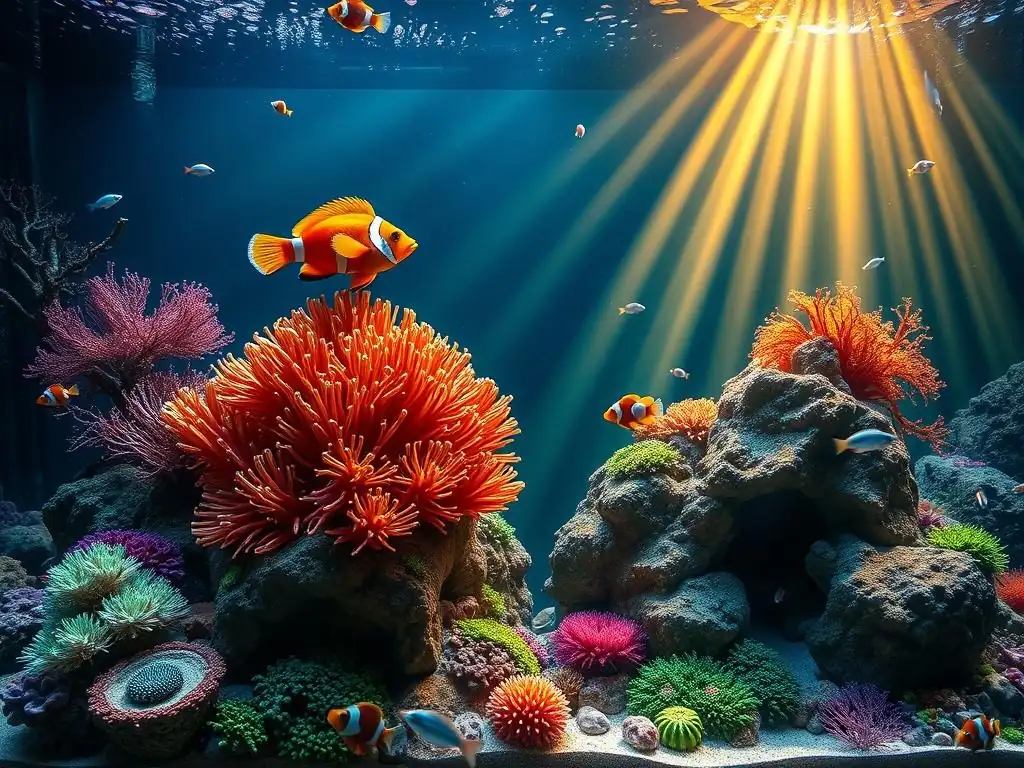
Ever wondered about the vibrant jewel of Lord Howe Island? Dive in and discover the secrets to successfully keeping the captivating McCulloch's Anemonefish (Amphiprion mccullochi). This comprehensive guide unlocks everything you need to know about this stunning saltwater species, from its unique needs to creating the perfect reef tank environment. Are you ready to master the art of McCulloch's Anemonefish care? Let's explore!
- Introduction to McCulloch's Anemonefish
- McCulloch's Anemonefish Care Guide: Essential Information
- Setting Up the Perfect Tank
- Anemone Symbiosis: Choosing the Right Anemone
- Identifying and Treating Common Diseases
- Breeding McCulloch's Anemonefish in Captivity
- McCulloch's Anemonefish Tank Mates: Compatibility
- Purchasing: Finding Reputable Sources
- Common Challenges and Solutions
- Advanced Keeping Techniques
- Conclusion: The Rewarding Experience
-
Frequently Asked Questions
- What are the key characteristics that distinguish McCulloch's Anemonefish from other anemonefish?
- What type of anemone is most suitable for McCulloch's Anemonefish in an aquarium environment?
- What are the essential water parameters to maintain for a healthy McCulloch's Anemonefish aquarium?
- What is the recommended diet for McCulloch's Anemonefish in captivity?
- What are some common health issues that McCulloch's Anemonefish are susceptible to, and how can they be prevented?
- Final Reflection: A Legacy of Reef Stewardship
- Embrace the Majesty: Cultivate Your Anemonefish Fascination!
Introduction to McCulloch's Anemonefish
Overview of Amphiprion mccullochi
Amphiprion mccullochi, commonly known as McCulloch's Anemonefish, is a striking and unique species of clownfish highly prized by marine aquarists. Distinct from other clownfish, it boasts a predominantly black body, accented by a pristine white snout, a narrow white bar behind the eye, and a white caudal fin. This elegant coloration, coupled with its relatively peaceful demeanor, makes it a captivating addition to a well-maintained reef aquarium. Adults can reach a size of approximately 12 centimeters (around 4.7 inches), making them a moderately sized clownfish.
These fascinating fish exhibit the characteristic protandrous hermaphroditism of clownfish, where all individuals are born male, with the largest and most dominant fish in a group transitioning to female. They typically form monogamous pairs once established, displaying strong territorial behavior around their chosen anemone host. Understanding these natural tendencies is a crucial first step in any comprehensive McCulloch's Anemonefish care guide, ensuring their well-being in a captive environment.
Conservation Status: Lord Howe Island Endemic and Vulnerable
McCulloch's Anemonefish holds a special place in marine biology due to its extremely restricted natural range. This species is endemic solely to the waters surrounding Lord Howe Island, a small, crescent-shaped volcanic island located off the coast of New South Wales, Australia. This isolation makes Amphiprion mccullochi a unique and valuable part of the island's diverse marine ecosystem, which is recognized as a UNESCO World Heritage site.
Given its limited distribution, Amphiprion mccullochi is listed as "Vulnerable" on the IUCN Red List of Threatened Species. Threats to its wild population include habitat degradation, particularly from coral bleaching events exacerbated by climate change, and the potential for over-collection for the aquarium trade if not managed sustainably. Responsible aquaculture practices and the promotion of tank-bred specimens are vital for the long-term conservation of this precious species.
Importance in the Marine Aquarium Trade
Despite its vulnerable status in the wild, McCulloch's Anemonefish has garnered significant attention in the marine aquarium trade due to its distinctive appearance and engaging personality. Its rarity and unique coloration appeal to experienced hobbyists seeking a standout species for their reef tanks. The demand for this particular clownfish has spurred efforts in captive breeding, which is essential for ethical sourcing and reducing pressure on wild populations.
The availability of tank-bred McCulloch's Anemonefish has transformed its presence in the hobby. These captive-bred individuals are generally hardier, more accustomed to aquarium diets, and less prone to disease than their wild-caught counterparts. This makes them an excellent choice for those looking to follow a responsible McCulloch's Anemonefish care guide, ensuring they contribute positively to the species' future while enjoying its beauty in their home aquarium.
McCulloch's Anemonefish Care Guide: Essential Information
Optimal Tank Parameters: Temperature, Salinity, and pH
Maintaining stable and optimal water parameters is paramount for the health and longevity of McCulloch's Anemonefish. The ideal temperature range for these fish is between 24-28°C (75-82°F), mimicking their tropical natural habitat. Significant fluctuations outside this range can cause stress and compromise their immune system, making them susceptible to disease. Consistent monitoring with a reliable thermometer is essential.
Salinity should be maintained within a specific gravity range of 1.023 to 1.026, which is typical for a natural reef environment. A refractometer is recommended for accurate salinity measurements. The pH level should ideally be kept between 8.1 and 8.4. Regular testing of these parameters – at least once a week – is a fundamental component of any effective McCulloch's Anemonefish care guide, preventing the common pitfalls of unstable water chemistry.
Feeding: Diet and Nutritional Requirements
McCulloch's Anemonefish are omnivores and thrive on a varied, high-quality diet. In the aquarium, they should be fed two to three times daily with a mix of high-quality marine flakes, pellets, and a variety of frozen foods. Excellent frozen food options include mysis shrimp, brine shrimp (enriched), finely chopped spirulina-enriched foods, and various marine-based preparations. This diverse diet ensures they receive all necessary vitamins and minerals.
Supplementation is also beneficial; occasional offerings of vitamin-enriched foods or those containing spirulina can boost their immune system and enhance their vibrant coloration. It's crucial to avoid overfeeding, as excess food can rapidly degrade water quality, leading to elevated nitrates and phosphates, which are detrimental to the fish and the overall aquarium ecosystem. A proper feeding regimen is a cornerstone of a successful McCulloch's Anemonefish care guide.
Water Quality and Maintenance: Regular Water Changes and Filtration
Pristine water quality is non-negotiable for the robust health of McCulloch's Anemonefish. Regular water changes are critical for nutrient export and replenishing essential trace elements. A general guideline is to perform a 10-20% water change every two weeks, or a 25% change monthly, depending on tank bioload and filtration efficiency. Using high-quality salt mix and RODI (Reverse Osmosis Deionized) water is vital to prevent introducing undesirable contaminants.
Robust filtration is equally important. A combination of biological, mechanical, and chemical filtration is recommended. Biological filtration (live rock, bio-media) handles the nitrogen cycle, mechanical filtration removes particulate matter, and chemical filtration (activated carbon, GFO) removes dissolved organics and phosphates. A protein skimmer, sized appropriately for the tank, is an indispensable piece of equipment for nutrient export in a McCulloch's Anemonefish care guide, significantly contributing to stable water parameters.
Setting Up the Perfect Tank
Tank Size: Minimum Requirements for a Pair
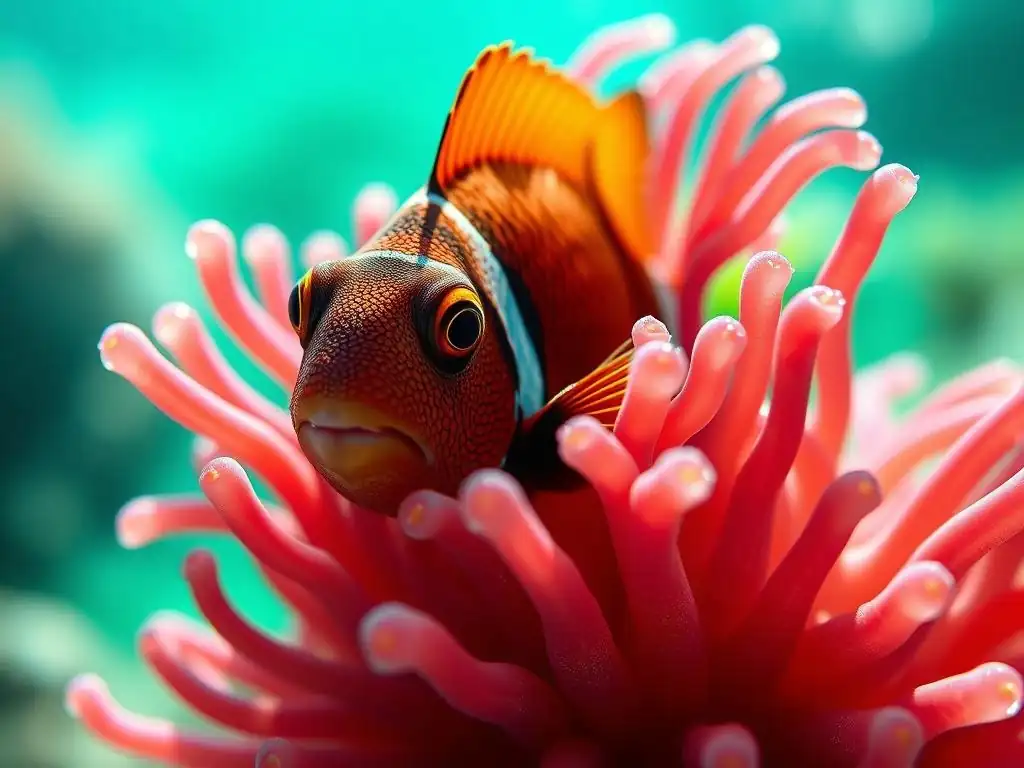
While a single McCulloch's Anemonefish might temporarily inhabit a smaller tank, a minimum tank size of 30 gallons (approximately 115 liters) is recommended for a single pair to ensure their long-term well-being and reduce potential aggression. This provides adequate swimming space and allows for the establishment of territories, particularly if a host anemone is present. Larger tanks, such as 40 gallons or more, are always preferable as they offer greater stability in water parameters and more room for aquascaping and potential tank mates.
An undersized aquarium can lead to several problems, including increased stress, stunted growth, and heightened aggression between the pair or towards other tank inhabitants. Overcrowding also makes it challenging to maintain stable water quality, which directly impacts the fish's health. When planning your McCulloch's Anemonefish care guide, prioritizing tank volume is a fundamental decision that will positively influence their health and behavior for years to come.
Substrate and Aquascaping: Creating a Natural Habitat
For McCulloch's Anemonefish, a substrate of fine aragonite sand or crushed coral is ideal. A sand bed depth of 1-2 inches (2.5-5 cm) is generally sufficient, providing a natural aesthetic and a surface for beneficial bacteria to colonize. While these fish do not burrow, a fine substrate is gentle on their bodies and helps maintain a stable pH by providing calcium carbonate buffering.
Aquascaping should focus on creating a natural reef environment with ample live rock. Live rock provides essential biological filtration, offers numerous hiding spots, and forms the structural basis for potential anemone placement. Arrange the rockwork to create caves and crevices where the clownfish can retreat and feel secure. If planning to introduce a host anemone, ensure there's a suitable, stable, and well-lit area for it to attach, keeping in mind the anemone's eventual size and potential for movement.
Essential Equipment: Filtration, Lighting, and Heating
Beyond the tank itself, several pieces of essential equipment are critical for a thriving McCulloch's Anemonefish setup. A robust filtration system, as mentioned previously, is non-negotiable; this typically includes a protein skimmer rated for the tank's volume (or slightly higher), a powerful return pump for adequate water circulation, and possibly a sump for increased water volume and equipment housing.
Lighting requirements depend heavily on whether a host anemone will be kept. If a photosynthetic anemone is intended, strong, full-spectrum LED or T5HO lighting with appropriate PAR (Photosynthetically Active Radiation) levels (e.g., 150-300 PAR at the anemone's location for a Bubble Tip Anemone) is crucial. Without an anemone, moderate lighting suitable for fish-only or soft coral tanks will suffice. Finally, a reliable aquarium heater, appropriately sized (e.g., 100-200 watts for a 30-50 gallon tank), is necessary to maintain the stable temperature required for this McCulloch's Anemonefish care guide.
Anemone Symbiosis: Choosing the Right Anemone
Compatible Anemone Species: Entacmaea quadricolor and Others
The most common and preferred host anemone for McCulloch's Anemonefish is Entacmaea quadricolor, widely known as the Bubble Tip Anemone (BTA). This species forms a strong symbiotic bond with Amphiprion mccullochi in the wild and is readily available in the aquarium trade. BTAs come in various color morphs, including rose, green, and rainbow, adding aesthetic appeal to the tank.
While Entacmaea quadricolor is the primary host, McCulloch's Anemonefish may occasionally host in other anemone species in captivity, though this is less common and often depends on the individual fish and the availability of preferred hosts. Other potential, albeit less frequent, hosts include Heteractis crispa (Sebae Anemone) or Stichodactyla haddoni (Haddon's Carpet Anemone). It is vital to research the specific care requirements for any chosen anemone, as a healthy anemone is paramount for the well-being of the clownfish.
Introducing Anemones: Acclimation and Placement
Introducing an anemone to your aquarium requires careful acclimation to minimize stress and ensure its survival. Drip acclimation over a period of 1 to 2 hours is highly recommended to slowly equalize temperature, salinity, and pH between the transport water and the aquarium water. Anemones are sensitive invertebrates, and rapid changes can be fatal.
Once acclimated, gently place the anemone in an area with moderate water flow and appropriate lighting. Avoid placing it directly near powerheads or overflows, as it needs to be able to move and attach its foot securely. Anemones will often choose their preferred location, so allow it time to settle. Do not force the anemone into a specific spot. Patience is key; it may take days or even weeks for the McCulloch's Anemonefish to discover and begin hosting in its new anemone.
Understanding the Symbiotic Relationship
The symbiotic relationship between clownfish and host anemones is one of the most fascinating phenomena in the marine world. In this mutualistic partnership, the anemone provides a safe haven for the McCulloch's Anemonefish, protecting it from predators with its stinging tentacles. The clownfish, in turn, develops a protective mucus coating that prevents it from being stung, allowing it to reside safely within the anemone.
Beyond protection, the clownfish also benefits the anemone by defending it from butterflyfish and other anemone predators, removing parasites, and potentially providing nutrients through its waste or uneaten food. This unique interaction is a highlight for many aquarists following a McCulloch's Anemonefish care guide, showcasing a remarkable example of co-evolution and interdependence in a miniature reef ecosystem.
Identifying and Treating Common Diseases
Recognizing Signs of Illness: Brooklynellosis, Uronema, and Others
Early detection of illness is crucial for successful treatment and preventing the spread of disease in your aquarium. For McCulloch's Anemonefish, common signs of illness include lethargy, clamped fins, labored breathing, loss of appetite, and changes in coloration (e.g., dullness, red patches). Specific diseases to watch for include marine Ich (Cryptocaryon irritans), characterized by small white spots resembling salt grains on the body and fins.
Other serious diseases include Brooklynellosis (clownfish disease), which presents as a white, slimy film covering the body, often accompanied by rapid breathing and flashing against tank decor. Uronema marinum, a ciliate parasite, can cause red lesions, rapid tissue erosion, and fin rot, especially in stressed fish. Any deviation from normal behavior or appearance warrants immediate investigation as part of your McCulloch's Anemonefish care guide.
Quarantine Procedures and Treatment Options
A dedicated quarantine tank (QT) is an invaluable tool for preventing the introduction and spread of diseases. All new fish, including McCulloch's Anemonefish, should undergo a minimum 30-day quarantine period. During this time, they can be observed for signs of illness and treated if necessary, without risking the health of your main display tank inhabitants. The QT should be bare-bottom with simple filtration and aeration for easy cleaning and medication.
Treatment options vary depending on the identified disease. Freshwater dips can provide temporary relief for external parasites. Copper-based medications are effective against Ich and velvet (Amyloodinium ocellatum), while formalin or metronidazole are often used for Brooklynellosis and Uronema. Always follow medication instructions carefully and consult with a marine veterinarian or experienced aquarist for severe cases, ensuring proper dosage for the delicate McCulloch's Anemonefish.
Preventing Diseases: Maintaining Optimal Water Quality
The most effective strategy for preventing diseases in McCulloch's Anemonefish is to maintain consistently optimal water quality and a low-stress environment. Stable parameters (temperature, salinity, pH, alkalinity, calcium, magnesium) reduce stress on the fish's immune system, making them less susceptible to pathogens. Regular testing and consistent water changes are paramount.
Beyond water parameters, proper feeding with a varied, nutritious diet strengthens their immune response. Avoiding overstocking the aquarium reduces biological load and competition, further minimizing stress. Finally, ensuring compatibility with tank mates and providing adequate hiding spots contributes to a peaceful environment, which is a key preventative measure within any comprehensive McCulloch's Anemonefish care guide.
Breeding McCulloch's Anemonefish in Captivity
Setting Up a Breeding Tank
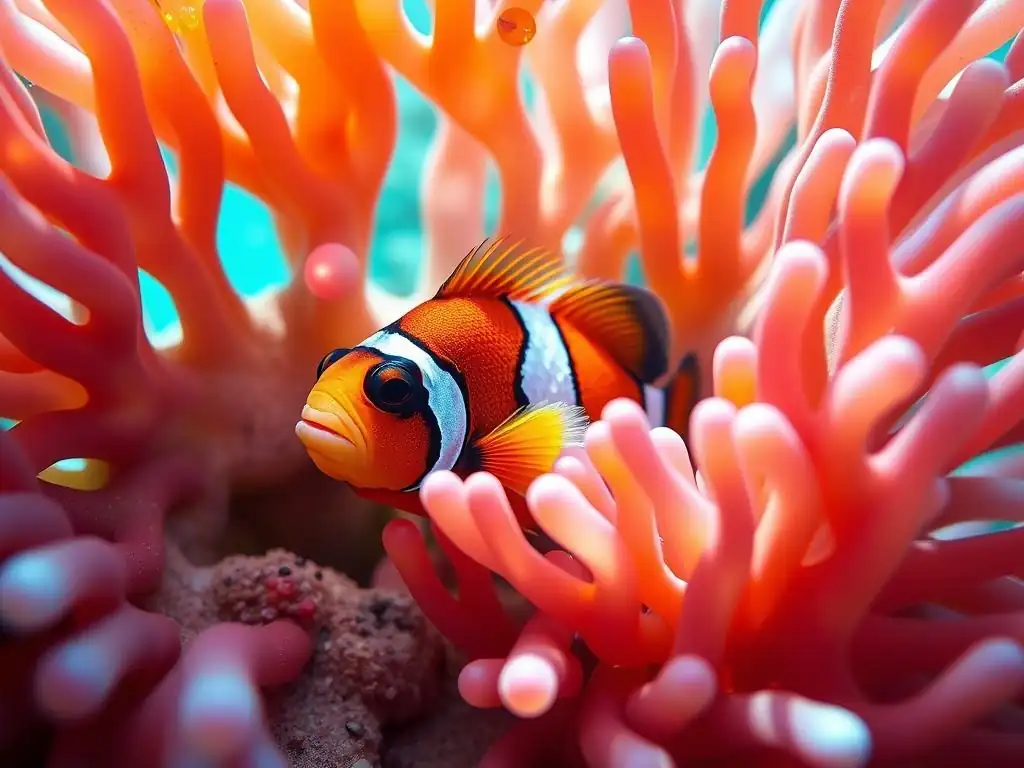
Successfully breeding McCulloch's Anemonefish in captivity requires a dedicated breeding setup. A minimum 20-gallon (75-liter) aquarium is suitable for a single breeding pair, though larger tanks offer more stability. The tank should be bare-bottom or have a very thin layer of fine sand to facilitate easy cleaning and egg collection. Gentle filtration, such as a sponge filter or small air-driven filter, is preferred to avoid harming delicate fry.
Provide a spawning substrate, such as a terracotta pot, a ceramic tile, or a piece of PVC pipe, positioned where the pair feels secure. Subdued lighting and stable water parameters are crucial for encouraging spawning. This specialized environment is a fundamental component of a McCulloch's Anemonefish care guide focused on reproduction, providing the ideal conditions for eggs and subsequent fry.
Conditioning Breeders and Encouraging Spawning
To encourage McCulloch's Anemonefish to spawn, it's essential to condition the breeding pair with a rich, high-protein diet. Feed them frequently, three to four times a day, with a variety of nutrient-dense foods such as frozen mysis shrimp, brine shrimp, blackworms, and finely chopped seafood like krill or fish roe. This increased nutrition helps the female develop eggs and ensures both fish are in peak reproductive condition.
Environmental cues can also play a role in encouraging spawning. A slight increase in water temperature (e.g., to 27°C or 80°F) or more frequent, larger water changes can sometimes stimulate breeding behavior. Once conditioned, the pair will typically clean a chosen spawning site before the female lays her eggs, which are then fertilized by the male. Spawning usually occurs every 10-14 days.
Raising Clownfish Fry: From Hatching to Juvenile
Raising McCulloch's Anemonefish fry is the most challenging aspect of their breeding. The eggs typically hatch after 7-10 days, usually shortly after the lights go out. The newly hatched larvae are tiny and require microscopic live food, specifically enriched rotifers, as their first food source for the initial 5-7 days. Without rotifers, survival rates are extremely low.
After the rotifer stage, the fry can transition to newly hatched brine shrimp (Artemia nauplii) for several days. As they grow and metamorphose into miniature clownfish, they can be introduced to finely crushed flake food and micro-pellets. Maintaining pristine water quality in the fry tank through frequent, small water changes and gentle aeration is critical for their survival and development into healthy juvenile McCulloch's Anemonefish, a testament to a comprehensive care guide.
McCulloch's Anemonefish Tank Mates: Compatibility
Suitable Tank Mates: Peaceful Fish and Invertebrates
McCulloch's Anemonefish are generally peaceful, especially when kept as a pair and provided with adequate space. Suitable tank mates should be equally docile and non-aggressive, ensuring a harmonious environment. Good choices include small gobies (e.g., watchman gobies, shrimp gobies), blennies (e.g., bicolor blennies, starry blennies), peaceful cardinalfish (e.g., Banggai cardinalfish), and certain smaller, peaceful wrasses (e.g., six-line wrasses).
Invertebrates such as cleaner shrimp (e.g., Lysmata amboinensis, peppermint shrimp), snails (e.g., turbo snails, Nassarius snails), and hermit crabs are excellent additions to the clean-up crew and pose no threat to McCulloch's Anemonefish. When considering tank mates as part of your McCulloch's Anemonefish care guide, always prioritize species with similar temperament and environmental requirements to prevent stress and aggression.
Fish to Avoid: Aggressive or Predatory Species
To ensure the safety and well-being of your McCulloch's Anemonefish, it is crucial to avoid housing them with aggressive or predatory fish species. Large angelfish, triggerfish, lionfish, large groupers, and certain predatory wrasses (e.g., large hogfish) can intimidate, harass, or even consume smaller, more docile fish like clownfish. Their aggressive nature can lead to constant stress for the clownfish, inhibiting feeding and potentially leading to disease.
Even seemingly less aggressive but territorial fish, if introduced into a smaller tank, can become problematic. For example, some dottybacks or damselfish, if not carefully chosen, can be overly aggressive. The core principle of a good McCulloch's Anemonefish care guide is to create a peaceful community where all inhabitants can thrive without fear of predation or constant harassment.
Invertebrate Compatibility: Corals, Shrimp, and Snails
McCulloch's Anemonefish are considered reef-safe and generally do not bother corals. This makes them an excellent choice for mixed reef aquariums. However, if a host anemone is present, be mindful of its placement; large anemones can move and sting nearby corals, potentially causing tissue necrosis. Allow ample space between the anemone and sensitive corals.
As mentioned, cleaner shrimp, peppermint shrimp, and various snail species (turbo, Nassarius, Trochus) are highly compatible and beneficial additions. They serve as valuable members of the clean-up crew, consuming detritus and algae, and pose no threat to the McCulloch's Anemonefish. Hermit crabs are also generally safe, though it's wise to provide plenty of empty shells to deter them from potentially harassing snails for their shells.
Purchasing: Finding Reputable Sources
Identifying Healthy Specimens
When purchasing McCulloch's Anemonefish, carefully inspect the specimens for signs of good health. A healthy fish will be active and alert, swimming freely and exhibiting natural behaviors. Their coloration should be vibrant and clear, without any dullness, faded patches, or visible lesions. Look for clear eyes, intact fins (no tears or nips), and a full, rounded belly indicating it has been eating well.
Avoid fish that are lethargic, breathing heavily, clamped their fins, or showing any white spots (Ich), white film (Brooklynellosis), or red sores. Observe the fish for at least 15-20 minutes in the store to ensure it is not hiding excessively or exhibiting abnormal swimming patterns. A thorough visual inspection is your first line of defense in ensuring you bring home a healthy McCulloch's Anemonefish.
Questions to Ask Before Buying
Before making a purchase, engage with the sales staff at the fish store. Ask critical questions to gather information about the fish's history and care. Inquire: "How long has this McCulloch's Anemonefish been at the store?" (Ideally, it should have been there for at least a week, indicating it's settled). "Is it eating, and what food is it accepting?" (This helps with acclimation to your home diet).
Crucially, ask if the fish is wild-caught or tank-bred. Tank-bred McCulloch's Anemonefish are generally hardier, more accustomed to captive conditions, and a more responsible choice given their vulnerable wild status. Inquire about the store's quarantine procedures and any health guarantees they offer. A reputable dealer will be transparent and knowledgeable, providing valuable insights for your McCulloch's Anemonefish care guide.
Acclimation Procedures
Proper acclimation is vital to minimize stress and prevent shock when introducing your new McCulloch's Anemonefish to its new home. The preferred method is drip acclimation, which slowly equalizes the temperature, salinity, and pH of the transport water with your aquarium water. Float the bag in your sump or a separate container for 15-20 minutes to equalize temperature, then begin dripping aquarium water into the bag over a period of 30-60 minutes using airline tubing and a knot or valve to control the flow.
Once the water volume in the bag has tripled, gently net the fish and place it into your display tank, discarding the bag water. Turn off your aquarium lights during acclimation and for several hours afterward to reduce stress on the newly introduced fish. This careful process is a critical step in any McCulloch's Anemonefish care guide, ensuring a smooth transition and reducing the likelihood of disease.
Common Challenges and Solutions
Problem: Anemonefish Not Hosting
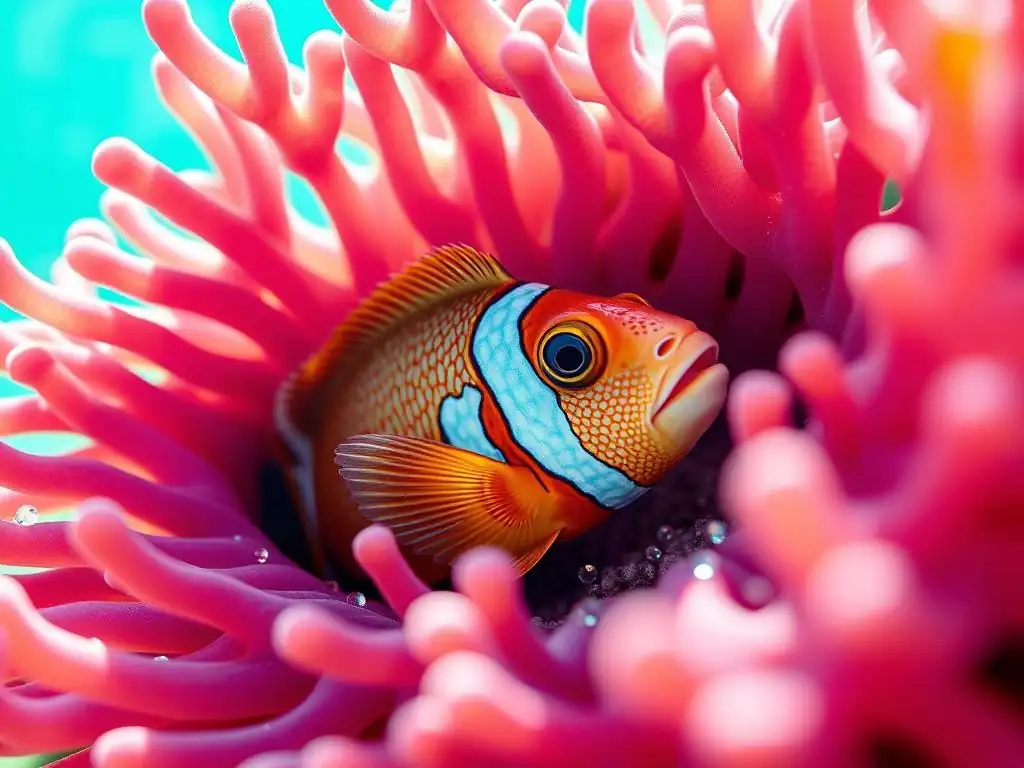
One common observation for aquarists is that their McCulloch's Anemonefish, even with a compatible host anemone, may not immediately or ever host. While hosting is a natural behavior, it is not guaranteed in captivity. Some clownfish simply choose not to host, or they may host in alternative items like powerheads, corals, or even a specific corner of the tank.
Several factors can contribute to this. The anemone might be too small, stressed, or located in an unsuitable area of the tank. The fish itself might be too young, or it may have been tank-bred for generations without exposure to an anemone, reducing its innate drive to host. Patience is key; forcing the interaction can stress both the fish and the anemone, leading to negative outcomes.
Solution: Encouraging Hosting Behavior
While hosting cannot be guaranteed, there are steps you can take to encourage your McCulloch's Anemonefish to host. First, ensure the host anemone is thriving under optimal conditions (lighting, water flow, feeding) as outlined in your McCulloch's Anemonefish care guide. A healthy, robust anemone is more attractive. Ensure it has settled into a stable location where the fish can easily access it.
Sometimes, placing a small, clean, terracotta pot or a piece of PVC pipe near the anemone can give the clownfish an alternative "host" to investigate, which may eventually lead them to the anemone. Some aquarists report success by placing a picture of a clownfish hosting an anemone near the tank, though scientific evidence for this is anecdotal. Ultimately, providing the right conditions and exercising patience are the best approaches.
Problem: Aggression Between Clownfish
While McCulloch's Anemonefish are generally peaceful, aggression can occur, especially if an established pair is disrupted or if multiple non-paired individuals are kept in an undersized tank. Clownfish form a strict hierarchy, with the largest becoming female and the next largest becoming male. Introducing two individuals of similar size can lead to prolonged fighting as they attempt to establish dominance.
If severe aggression occurs (nipping, chasing, fin damage), immediate action is necessary. Ensure your tank size is adequate for a pair (30 gallons minimum). If you are attempting to pair two fish, introduce a significantly smaller juvenile with a larger, established fish. Providing plenty of hiding spots and visual breaks in the aquascape can also help. In extreme cases, separating the fish or rehoming one may be the only solution to maintain a peaceful environment within your McCulloch's Anemonefish care guide.
Advanced Keeping Techniques
Targeted Feeding for Optimal Coloration
Beyond basic nutrition, targeted feeding can significantly enhance the vibrant black and white coloration of McCulloch's Anemonefish. Foods rich in astaxanthin, a powerful antioxidant and pigment, are particularly effective. Look for high-quality marine flakes and pellets that list spirulina, krill, shrimp, or other crustaceans high on their ingredient list. Some specialty foods are specifically formulated for color enhancement in marine fish.
Supplementing their diet with frozen foods like enriched mysis shrimp or krill, which are naturally high in carotenoids, can also contribute to deeper, richer colors. Feeding these color-enhancing foods 3-4 times a week, as part of a varied diet, will not only boost their coloration but also support their overall health and vitality, making your McCulloch's Anemonefish truly stand out in the aquarium.
Optimizing Lighting for Anemone Health
If you are keeping a host anemone for your McCulloch's Anemonefish, optimizing lighting is an advanced but crucial aspect of care. Photosynthetic anemones, like the Bubble Tip Anemone ( Entacmaea quadricolor), rely heavily on intense, full-spectrum lighting to thrive. Inadequate lighting will cause the anemone to bleach, shrink, and eventually decline, which directly impacts the well-being of the clownfish.
Invest in high-quality LED or T5HO lighting fixtures capable of providing the necessary PAR levels (Photosynthetically Active Radiation), typically ranging from 150-300 µmol·m⁻²·s⁻¹ at the anemone's location. Ensure a consistent photoperiod of 10-12 hours per day. Regular monitoring of the anemone's health and adjustments to lighting intensity or duration as needed are key to a successful McCulloch's Anemonefish care guide that includes a host anemone.
Conclusion: The Rewarding Experience
Ensuring Long-Term Health and Happiness
Successfully keeping McCulloch's Anemonefish is a rewarding endeavor that culminates in vibrant, engaging inhabitants for your marine aquarium. The key to ensuring their long-term health and happiness lies in consistent dedication to the core principles outlined in this McCulloch's Anemonefish care guide: maintaining stable and pristine water parameters, providing a diverse and nutritious diet, offering an appropriately sized tank with adequate aquascaping, and carefully selecting compatible tank mates.
Regular observation for any signs of stress or illness, coupled with prompt action, will prevent minor issues from escalating. By creating an environment that closely mimics their natural habitat and caters to their specific needs, aquarists can enjoy the unique beauty and fascinating behaviors of Amphiprion mccullochi for many years.
Supporting Conservation Through Responsible Practices
Beyond the personal satisfaction of keeping a healthy aquarium, responsible practices directly contribute to the conservation of species like McCulloch's Anemonefish. Opting for tank-bred specimens whenever possible significantly reduces pressure on wild populations, which is particularly vital for a species listed as vulnerable and endemic to a single location like Lord Howe Island.
By adhering to ethical sourcing and providing exemplary care, aquarists become advocates for marine conservation. Sharing knowledge and promoting sustainable practices within the hobby not only benefits individual fish but also fosters a broader appreciation for the delicate balance of marine ecosystems. Your commitment to a comprehensive McCulloch's Anemonefish care guide makes you a part of the solution in protecting these magnificent creatures for future generations.
Frequently Asked Questions
What are the key characteristics that distinguish McCulloch's Anemonefish from other anemonefish?
McCulloch's Anemonefish, or Amphiprion mccullochi, is primarily distinguished by its geographic location around Lord Howe Island and its unique coloration: a predominantly black body with white bars. It's also known for its relatively small size compared to some other anemonefish species.
What type of anemone is most suitable for McCulloch's Anemonefish in an aquarium environment?
While they can adapt to various anemones, McCulloch's Anemonefish are naturally found with Entacmaea quadricolor (Bubble-Tip Anemone) and Heteractis crispa (Sebae Anemone). Providing one of these will ensure natural behavior and a secure symbiotic relationship in your tank.
What are the essential water parameters to maintain for a healthy McCulloch's Anemonefish aquarium?
Maintaining stable water parameters is crucial. Ideal conditions include a temperature of 72-78°F (22-26°C), a specific gravity of 1.024-1.026, and a pH level of 8.1-8.4.
What is the recommended diet for McCulloch's Anemonefish in captivity?
These fish are omnivores and thrive on a varied diet. Offer them high-quality marine flakes or pellets, supplemented with frozen foods like mysis shrimp and brine shrimp. Regularly feeding promotes vibrant coloration and overall health.
What are some common health issues that McCulloch's Anemonefish are susceptible to, and how can they be prevented?
Like other anemonefish, they can be susceptible to parasitic infections like marine ich. Proper quarantine procedures for new arrivals and maintaining excellent water quality are key to prevention. Copper-based treatments are often used, but must be done carefully.
Okay, here's a final reflection designed to close your article on McCulloch's Anemonefish, optimized for emotional impact and incorporating the structure you requested. It aims to connect the article's content with a broader appreciation for this unique species and its conservation.
Final Reflection: A Legacy of Reef Stewardship
The preceding exploration of Amphiprion mccullochi and its specific care requirements underscores a crucial point: understanding the intricacies of marine life is paramount to its preservation. This isn't merely about keeping an anemonefish alive in an aquarium; it's about recognizing the delicate balance of an entire ecosystem and our responsibility within it.
This journey into the world of McCulloch's Anemonefish has, hopefully, ignited a deeper appreciation for the biodiversity of Lord Howe Island and the fragility of its reefs. The commitment to responsible aquarium keeping, fueled by knowledge and respect, can directly contribute to the conservation of these vulnerable species. In the end, we will conserve only what we love; we will love only what we understand; and we will understand only what we are taught.
- Baba Dioum. This quote resonates deeply, reminding us that education and understanding are the cornerstones of conservation.
Now, armed with this knowledge, consider your role in protecting these underwater treasures. Whether you're a seasoned aquarist or simply an admirer of marine life, let this guide inspire you to make informed choices, support sustainable practices, and advocate for the preservation of coral reefs worldwide. The future of Amphiprion mccullochi, and countless other species, rests on our collective commitment to responsible stewardship.
Embrace the Majesty: Cultivate Your Anemonefish Fascination!
Thank you for exploring the captivating world of McCulloch's Anemonefish! We hope you found valuable insights into their unique biology and the ecosystems they inhabit. Now, let’s translate that fascination into action!
- Dive deeper: Research ethical sources for acquiring a responsibly bred anemonefish to support conservation efforts and witness their beauty firsthand (ensure you can provide the perfect environment).:
- Share your newfound knowledge: Spark conversations with fellow aquarium enthusiasts about McCulloch's Anemonefish and their delicate environment.
- Challenge yourself: Learn to identify other unique fish species native to Lord Howe Island.
What specific aspect of the McCulloch's Anemonefish’s care or behavior most inspires you to create a thriving aquarium environment?