
Starry Dragonet (Stellatus): A Celestial Cousin to the Mandarin, Care Guide

Welcome to Aquarium Mastery!
Intrigued by the cosmic beauty of the Starry Dragonet? These captivating fish, often considered celestial cousins to the Mandarin, are a prized addition to saltwater aquariums. But are they right for your tank? Dive into our complete Starry Dragonet care guide tips and discover everything you need to know about their specific needs, tank mates, and how to ensure they thrive in your care. Prepare to unlock the secrets to keeping these stunning creatures happy and healthy!
- Introduction to the Starry Dragonet: A Nano Reef Gem
- Understanding Starry Dragonet Care Requirements
- Starry Dragonet Diet and Feeding: A Crucial Aspect of Care
- Starry Dragonet Tank Mates: Compatibility and Considerations
- Maintaining a Healthy Starry Dragonet: Preventing Disease and Parasites
- Starry Dragonet Breeding: Challenges and Possibilities
- Starry Dragonet Care Guide Tips: A Summary for Success
- Conclusion: Enjoying the Beauty and Charm of Your Starry Dragonet
-
Frequently Asked Questions
- What are the key differences between a Starry Dragonet and a Mandarin Dragonet, and how do they impact care?
- What is the ideal tank size and environment for a Starry Dragonet based on the Starry Dragonet care guide tips?
- What should I feed my Starry Dragonet to ensure its health and survival, specifically following the Starry Dragonet care guide tips?
- What are some common health issues that Starry Dragonets are prone to, and how can I prevent them according to the Starry Dragonet care guide tips?
- What are the essential water parameters I need to maintain for a healthy Starry Dragonet aquarium, as outlined in the Starry Dragonet care guide tips?
- Final Reflection: Illuminating the Depths
- Unleash the Stargazer Within!
Introduction to the Starry Dragonet: A Nano Reef Gem
Discovering the Beauty of Stellatus Dragonets
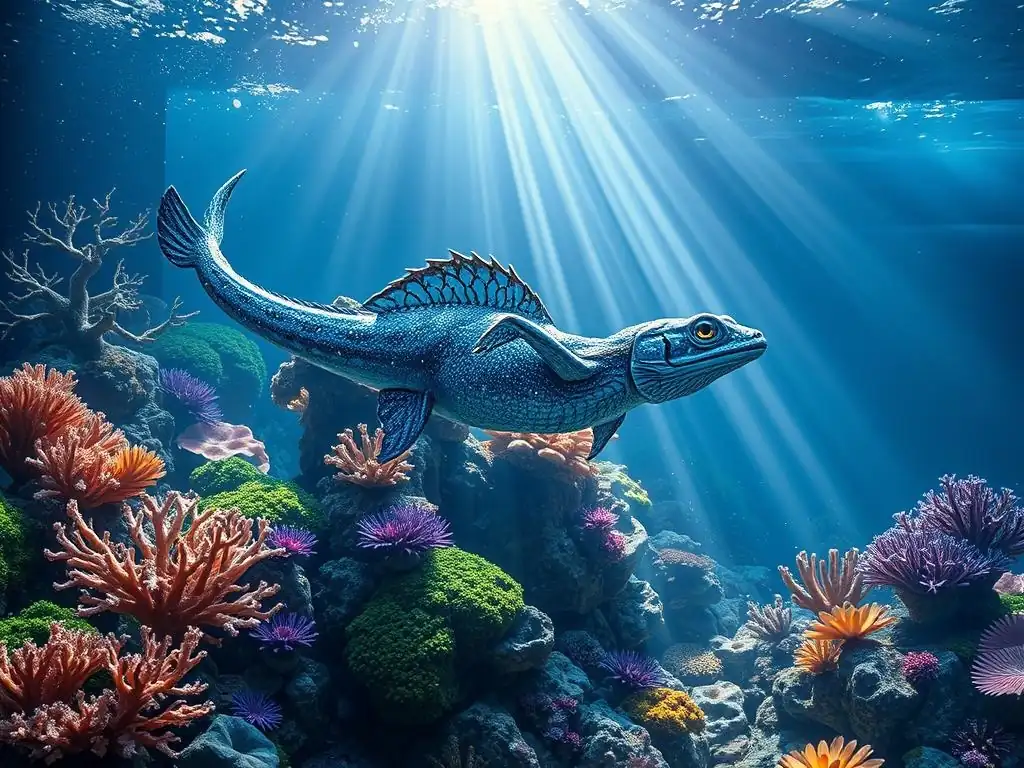
The Starry Dragonet, scientifically known as Synchiropus stellatus, is a captivating and highly sought-after inhabitant for established saltwater aquariums. These mesmerizing fish are renowned for their intricate patterns of iridescent blue, green, and orange spots set against a mottled brown or reddish background, creating a celestial appearance that justifies their common name.
Growing to an average adult size of approximately 2 to 3 inches (5 to 7.5 cm), Stellatus dragonets possess a distinctive, flattened body shape and large, fan-like pelvic fins that they use to "walk" along the substrate. Their unique, almost hypnotic swimming style, characterized by short, deliberate movements, further enhances their appeal, making them a focal point in any reef display.
While often compared to their more famous cousin, the Mandarin Dragonet ( Synchiropus splendidus), the Starry Dragonet distinguishes itself with its distinct spotted pattern rather than the Mandarin's labyrinthine lines. Both species belong to the Callionymidae family and share similar care requirements, particularly concerning their specialized feeding habits. Observing a Stellatus dragonet meticulously scan and pick at live rock for microfauna is a testament to the natural behaviors that these fascinating fish bring to a home aquarium, adding both beauty and a touch of the wild.
Why Choose a Starry Dragonet for Your Saltwater Aquarium?
Choosing a Starry Dragonet for your saltwater aquarium offers a unique blend of aesthetic appeal and fascinating behavior, making it a rewarding addition for the dedicated aquarist. Unlike many active, schooling fish, the Stellatus dragonet is a peaceful, benthic dweller that spends its days gracefully exploring the nooks and crannies of live rock, adding a sense of tranquility and detailed observation to your tank. Their relatively small size and non-aggressive nature make them ideal candidates for nano reef systems (30 gallons or more, provided they are mature) where larger, more boisterous fish might overwhelm the environment.
Beyond their visual charm, Starry Dragonets contribute to the ecosystem of a mature reef tank by grazing on copepods and other minute invertebrates. While they are not a primary solution for pest control, their constant foraging activity is a natural part of a healthy, biodiverse system.
The challenge of providing for their specific dietary needs also encourages aquarists to delve deeper into the intricacies of marine biology, fostering a more profound understanding of their aquatic environment. For those seeking a truly unique and engaging fish that rewards careful husbandry, the Starry Dragonet is an exceptional choice, offering endless hours of captivating observation.
Understanding Starry Dragonet Care Requirements
Optimal Tank Conditions for Starry Dragonets
Providing optimal tank conditions is paramount for the long-term health and vitality of Starry Dragonets. These fish thrive in established reef aquariums with a minimum size of 30 gallons, though 50 gallons or more is often recommended to ensure a robust and stable population of their natural food source: copepods.
The tank must be well-matured, ideally running for at least six months to a year, to allow for the development of a flourishing microfauna community within the live rock and sand bed. A substantial amount of live rock, approximately 1-1.5 pounds per gallon (e.g., 30-45 lbs for a 30-gallon tank), is crucial, as it provides ample surface area for copepod colonization and offers numerous hiding spots and foraging grounds for the dragonet.
Water flow in the Starry Dragonet's habitat should be moderate to low, especially in areas where they typically graze, as strong currents can make it difficult for them to feed and rest. While they appreciate a stable environment, some gentle, indirect flow is beneficial for overall tank health and oxygenation. Dim lighting conditions, particularly during the evening hours, can encourage their natural crepuscular foraging behavior. Consistency in these environmental factors is a key starry dragonet care guide tip, helping to minimize stress and promote a thriving habitat for these delicate fish.
Starry Dragonet Water Chemistry: Maintaining Stability
Maintaining pristine and stable water chemistry is a non-negotiable aspect of Starry Dragonet care, directly impacting their immune system and overall well-being. The ideal temperature range for Stellatus dragonets is between 72-78°F (22-26°C), with minimal daily fluctuations. Salinity should be kept stable at a specific gravity of 1.023-1.026, mimicking natural reef conditions. pH levels should consistently range from 8.1 to 8.4, and alkalinity (dKH) between 8 and 12, ensuring proper buffering capacity for the reef environment.
Beyond these primary parameters, it is critical to keep nitrates and phosphates as low as possible, ideally near undetectable levels, through efficient filtration, regular water changes (e.g., 10-20% bi-weekly), and the use of a protein skimmer. Elevated levels of these nutrients can stress dragonets and contribute to disease.
Calcium (400-450 ppm) and magnesium (1250-1350 ppm) levels should also be monitored, especially in reef tanks with corals, as these contribute to overall water stability and the health of the entire ecosystem. Consistent monitoring with reliable test kits and prompt adjustments are essential starry dragonet care guide tips for preventing stress and promoting a robust environment.
Essential Equipment for a Thriving Starry Dragonet Environment
To ensure a thriving environment for your Starry Dragonet, several pieces of essential equipment are highly recommended, going beyond standard reef tank setups. Foremost among these is a dedicated refugium, ideally plumbed to the main display tank.
A refugium provides a safe, predator-free zone for copepods and other microfauna to breed and multiply, continuously seeding the main display tank with a vital food source for the dragonet. A common setup involves a refugium volume of at least 10-20% of the main tank's size, packed with chaetomorpha algae and live rock rubble, lit on a reverse daylight cycle to stabilize pH.
In addition to a refugium, a high-quality protein skimmer is indispensable for maintaining the low nutrient levels that Stellatus dragonets require. Efficient skimming removes organic waste before it breaks down into nitrates and phosphates, contributing significantly to water purity. Reliable heaters with appropriate wattage are necessary to maintain stable temperatures, and gentle powerheads or return pumps are needed to provide adequate, yet not overpowering, water circulation.
While specialized lighting for the dragonet itself isn't crucial, appropriate reef lighting for corals, if present, should be considered. These specific equipment choices are vital starry dragonet care guide tips for creating a sustainable and healthy habitat.
Starry Dragonet Diet and Feeding: A Crucial Aspect of Care
The Natural Diet of Stellatus Dragonets: Copepods and More
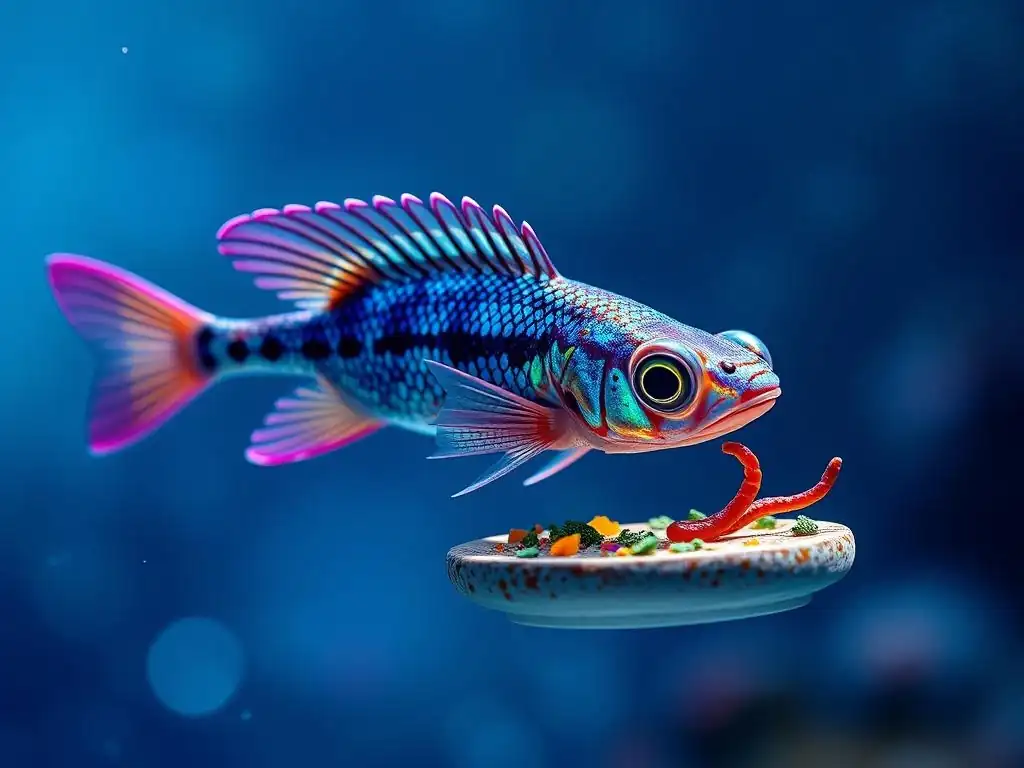
The Starry Dragonet's diet is highly specialized, primarily consisting of live copepods and other small benthic invertebrates that they meticulously pick off live rock and sand surfaces. Unlike many fish that readily accept prepared foods, Synchiropus stellatus are obligate microfauna eaters, meaning their survival in an aquarium hinges on a continuous and abundant supply of these tiny crustaceans. In their natural habitat, they spend virtually all their waking hours grazing, consuming hundreds, if not thousands, of copepods daily. This constant foraging behavior is driven by their high metabolism and the relatively low nutritional density of their primary food source.
The critical implication for aquarium husbandry is that a newly set up or sparsely populated tank will almost certainly lack the necessary population of copepods to sustain a Starry Dragonet. An established reef tank, aged at least six months to a year, with a significant amount of live rock and a deep sand bed, is fundamental for cultivating a natural copepod population. Even then, supplementary feeding or dedicated copepod culturing is often required to meet the dragonet's insatiable appetite. Understanding this fundamental dietary requirement is among the most critical starry dragonet care guide tips for long-term success.
Culturing Copepods for Starry Dragonet Feeding
Given the Starry Dragonet's reliance on live copepods, culturing these tiny crustaceans is often a necessary and highly effective strategy for successful long-term care. The most common and effective method involves setting up a dedicated refugium, typically plumbed into the main display tank, where copepods can reproduce undisturbed. Species such as Tisbe, Tigriopus, and Apocyclops copepods are popular choices due to their reproductive rates and nutritional value. The refugium should contain live rock rubble and macroalgae, particularly Chaetomorpha, which provides surface area and consumes nitrates, fostering an ideal breeding ground.
For tanks that still struggle to maintain a sufficient natural population, or for aquarists wanting to ensure a robust supply, external copepod culture systems can be employed. These systems involve dedicated containers where copepods are cultured in separate vessels, fed with phytoplankton, and then periodically harvested and dosed into the main display tank.
Daily or every-other-day dosing of live copepods, especially for smaller tanks (e.g., a 30-gallon tank might benefit from a 16 oz bottle of copepods every few days), can significantly improve the dragonet's chances of survival and thriving. Implementing these culturing techniques is one of the most proactive starry dragonet care guide tips an aquarist can follow.
Supplementing Your Starry Dragonet's Diet: Ensuring Nutritional Needs are Met
While live copepods form the cornerstone of a Starry Dragonet's diet, successful aquarists often explore methods to supplement their feeding, particularly with prepared foods, to ensure all nutritional needs are met. This can be challenging, as dragonets are notoriously finicky eaters and often ignore anything that isn't live and moving. However, with patience and persistence, some Stellatus dragonets can be trained to accept small, high-quality frozen foods. Fine-grade frozen mysis shrimp, enriched brine shrimp, or even finely chopped clam or scallop can sometimes be accepted.
Target feeding is the most effective method for offering prepared foods. This involves using a pipette or turkey baster to deliver food directly into the dragonet's vicinity, often turning off circulation pumps to prevent the food from dispersing too quickly. Success rates vary widely among individual fish; some may never accept prepared foods, while others become accustomed over time.
It's crucial to remember that even if a dragonet accepts prepared foods, these should only supplement, not replace, a healthy population of live copepods. Continual observation of the dragonet's belly (it should always appear full, not sunken) is a vital indicator of successful feeding. These supplementary feeding strategies are important starry dragonet care guide tips for ensuring comprehensive nutrition.
Starry Dragonet Tank Mates: Compatibility and Considerations
Best Tank Mates for Starry Dragonets in a Reef Aquarium
Selecting appropriate tank mates is crucial for the peaceful coexistence and long-term well-being of Starry Dragonets in a reef aquarium. Due to their slow-moving, peaceful nature and specialized feeding habits, Stellatus dragonets thrive best with non-aggressive, non-competitive species. Ideal tank mates include other small, docile fish that do not actively forage for benthic microfauna. Good examples are most species of clownfish (e.g., Ocellaris or Percula), small cardinalfish (e.g., Banggai or Pajama), and certain gobies that occupy different niches, such as Watchman Gobies (which often pair with pistol shrimp and don't compete directly for dragonet food).
Invertebrates generally make excellent companions for Starry Dragonets. Various types of snails, hermit crabs, and cleaner shrimp (e.g., Peppermint or Skunk Cleaner Shrimp) are typically ignored by dragonets and can even contribute to the tank's cleanliness. Most reef-safe corals, including LPS (Large Polyp Stony), SPS (Small Polyp Stony), and soft corals, are also compatible, as dragonets show no interest in nipping at coral polyps. When considering tank mates, the primary goal is to ensure the dragonet has ample access to its food source without being outcompeted or stressed by more boisterous inhabitants.
Fish to Avoid: Incompatible Species for Stellatus Dragonets
When planning tank mates for a Starry Dragonet, it is equally important to identify and avoid species that pose a threat or create undue competition. Aggressive fish are an obvious no-go; this includes larger angelfish, triggerfish, puffers, and some larger wrasses that might bully or stress the slow-moving dragonet. Even seemingly benign fish can become problematic if they are too active or consume food too quickly. Fast-eating fish like tangs, some damselfish, and even certain types of wrasses (e.g., Leopard Wrasses, which also hunt microfauna) can quickly decimate a copepod population before the dragonet has a chance to feed.
Other dragonet species, particularly other Synchiropus species like Mandarin Dragonets, should generally be avoided unless the tank is exceptionally large (e.g., 100+ gallons) and can support multiple individuals with a vast food supply. Even then, same-sex aggression can occur. The key takeaway for incompatible species is to avoid anything that will directly compete for the dragonet's food source or cause it stress through aggression or excessive activity. Carefully researching potential tank mates is one of the most vital starry dragonet care guide tips for a harmonious aquarium.
Preventing Competition for Food: Minimizing Stress for Your Dragonet
Preventing competition for food is arguably the most critical aspect of successful Starry Dragonet husbandry, directly impacting their health and longevity. As obligate microfauna feeders, Stellatus dragonets are slow, deliberate grazers that cannot compete with faster, more aggressive fish for food. Even if prepared foods are offered, other tank inhabitants will almost always consume them before the dragonet has a chance. Therefore, the primary strategy involves ensuring a continuous and abundant supply of live copepods in the aquarium. This means maintaining a mature tank with a thriving refugium that consistently seeds the display tank.
Beyond the refugium, strategic feeding practices can help. If you are attempting to train your dragonet to accept prepared foods, target feeding methods (using a pipette to deliver food directly to the dragonet) are essential. Turning off powerheads and filters during feeding times can also slow the dispersal of food, giving the dragonet more opportunity to consume it.
Regular observation of the dragonet's body condition – specifically, ensuring its belly is full and rounded – is the best indicator that it is receiving adequate nutrition. If the belly appears sunken, it's a clear sign of insufficient food and requires immediate intervention. These specific starry dragonet care guide tips are crucial for mitigating feeding competition.
Maintaining a Healthy Starry Dragonet: Preventing Disease and Parasites
Common Diseases Affecting Starry Dragonets
Starry Dragonets, while generally hardy once established and well-fed, are susceptible to common marine aquarium diseases, often triggered by stress, poor water quality, or malnutrition. Ich ( Cryptocaryon irritans) is one of the most prevalent parasitic infections, manifesting as small white spots resembling salt grains on the fish's body and fins. Velvet ( Amyloodinium ocellatum) is another highly contagious and rapidly progressing parasite, appearing as a dusty, golden-brown coating, and can quickly lead to respiratory distress. Both parasites are often introduced with new, unquarantined fish or invertebrates.
Malnutrition is a significant concern for Starry Dragonets due to their specialized diet. A prolonged lack of sufficient copepods will lead to emaciation, characterized by a sunken belly and overall lethargy, making the fish highly vulnerable to opportunistic bacterial infections or other diseases. Fin rot, caused by bacterial infections, can also occur, especially in stressed or immunocompromised individuals. Recognizing these common ailments and understanding their root causes is a vital part of comprehensive starry dragonet care guide tips for maintaining a healthy specimen.
Quarantine Procedures for New Starry Dragonets
Implementing a strict quarantine procedure for all new Starry Dragonets, and indeed all new marine inhabitants, is perhaps the single most effective starry dragonet care guide tip for preventing disease introduction into your main display tank. A dedicated quarantine tank (QT) of at least 10-20 gallons, equipped with a heater, sponge filter, and PVC pipes for hiding, should be set up. The dragonet should be kept in this QT for a minimum of 4-6 weeks for observation. During this period, monitor for any signs of illness, such as white spots, rapid breathing, clamped fins, or unusual behavior.
One of the main challenges during quarantine is providing a consistent food source. It's advisable to pre-seed the QT with copepods or be prepared to dose live copepods daily. While dragonets can be sensitive to some medications, a prophylactic treatment for common external parasites, such as a low dose of copper (if the fish tolerates it) or regular freshwater dips, might be considered after careful research and observation. The goal of quarantine is to ensure the dragonet is healthy, eating well, and free of parasites before it ever enters your established reef system, thus protecting your existing inhabitants.
Recognizing Signs of Illness in Your Stellatus Dragonet
Early recognition of illness is crucial for successful intervention and is a key component of effective starry dragonet care guide tips. A healthy Starry Dragonet will be actively foraging on live rock, exhibiting its characteristic slow, deliberate movements, and will have a full, rounded belly. Any deviation from these normal behaviors should prompt closer inspection. The most common and alarming sign of illness is a loss of appetite or refusal to eat, often accompanied by a visibly sunken belly, indicating severe malnutrition.
Other signs to watch for include changes in appearance, such as white spots (Ich), a dusty film (Velvet), frayed fins, or cloudy eyes. Behavioral changes like increased hiding, lethargy, rapid or labored breathing, scratching against rocks (flashing), or unusual swimming patterns (e.g., darting or erratic movements) are also strong indicators of distress or disease. If any of these signs are observed, immediate action is required, which may involve checking water parameters, isolating the fish in a hospital tank, or consulting with an experienced marine aquarist or veterinarian. Prompt attention can often make the difference between recovery and loss.
Starry Dragonet Breeding: Challenges and Possibilities
Creating a Breeding Environment for Starry Dragonets
Breeding Starry Dragonets in a home aquarium is a significant challenge, primarily due to the difficulty in raising their microscopic fry. However, creating an environment conducive to spawning is the first step for dedicated aquarists. A dedicated breeding tank, typically 10-20 gallons, is ideal for a conditioned pair, as it allows for precise control over water parameters and reduces competition for food. The tank should have a mature biological filter, stable water chemistry (as detailed earlier), and plenty of live rock for the pair to forage and feel secure.
Optimal feeding of the parent fish is paramount for conditioning them to spawn. A continuous supply of live copepods, supplemented with enriched frozen foods, is essential to ensure they are robust and nutritionally sound. Gentle water flow and dim lighting, particularly during the evening, can encourage their natural crepuscular spawning behavior. A fine mesh screen placed over the overflow or drain can help prevent eggs from being sucked into the sump, though collecting the pelagic eggs is still a delicate process. While difficult, setting up such an environment is a rewarding aspect of advanced starry dragonet care guide tips.
The Breeding Behavior of Stellatus Dragonets
The breeding behavior of Stellatus Dragonets is a fascinating, yet fleeting, display that typically occurs at dusk. Once a pair is conditioned and comfortable in their environment, they will engage in a courtship ritual where the male displays his dorsal fins to the female. As twilight descends, the pair will slowly rise from the substrate, spiraling upwards in a "spawning embrace" towards the water surface. During this ascent, they release their gametes simultaneously. The eggs are pelagic, meaning they are buoyant and float freely in the water column.
Spawning can occur daily once a pair has established a routine, often releasing several hundred tiny, transparent eggs with each spawning event. The entire process is very quick, lasting only a few seconds at the water's surface before the pair descends back to the substrate. Observing this natural behavior is a rare treat for aquarists.
However, the minute size of the eggs and the subsequent larval stage presents the primary hurdle for successful rearing. Understanding this specific behavior is a key piece of information for any aquarist interested in the more advanced starry dragonet care guide tips related to reproduction.
Raising Starry Dragonet Fry: A Difficult Undertaking
Raising Starry Dragonet fry is considered one of the most challenging feats in marine aquarium husbandry, with very few documented successes in home aquariums. The primary difficulty lies in the incredibly small size of the newly hatched larvae, which are barely visible to the naked eye. These larvae require rotifers as their first food source, and even then, only specific strains of rotifers (e.g., L-type Brachionus plicatilis) may be small enough for the fry to consume.
As the fry grow, they then transition to newly hatched artemia nauplii. Maintaining a dense, consistent culture of these live foods is a full-time commitment.
Beyond feeding, the fry require pristine water quality in a dedicated larval rearing tank, typically a black-sided, low-volume vessel with extremely gentle aeration to prevent damage to the delicate larvae. High mortality rates are common, with even minor fluctuations in water parameters or food availability proving fatal.
Specialized equipment, such as a "green water" system (using phytoplankton to keep rotifers alive and provide a continuous food source), is often employed. While the breeding behavior itself is achievable, successfully raising Starry Dragonet fry to metamorphosis is an undertaking only for the most experienced and dedicated aquarists, representing the pinnacle of starry dragonet care guide tips.
Starry Dragonet Care Guide Tips: A Summary for Success
Key Takeaways for Keeping Starry Dragonets Healthy
For aquarists aspiring to keep Starry Dragonets healthy and thriving, several key takeaways form the cornerstone of successful husbandry. Firstly, tank maturity is non-negotiable. A tank must be established for at least six months to a year, possessing a robust population of live copepods within its live rock and sand bed. Secondly, consistent and abundant live food is paramount.
Dragonets are obligate microfauna feeders, so a dedicated refugium or continuous dosing of cultured copepods is essential. Without it, the fish will slowly starve. Thirdly, stable and pristine water parameters are vital; fluctuating temperatures, salinity, or high nitrates will quickly stress these delicate fish.
Furthermore, careful tank mate selection is crucial. Only peaceful, non-competitive fish should share the dragonet's space to prevent feeding competition and stress. Finally, proactive disease prevention through strict quarantine for all new additions will safeguard your established system and the dragonet's health. By prioritizing these fundamental starry dragonet care guide tips, aquarists can significantly increase their chances of long-term success with these captivating fish.
Troubleshooting Common Starry Dragonet Care Problems
Even with the best intentions, aquarists may encounter challenges when caring for Starry Dragonets. One of the most common problems is the dragonet refusing to eat or appearing emaciated (sunken belly). The primary troubleshooting step here is to re-evaluate your copepod supply. Is your refugium producing enough? Are you dosing enough cultured copepods? Consider increasing the frequency or quantity of live food. If the dragonet is new, it might be stressed; ensure it has ample hiding spots and non-aggressive tank mates.
Another issue can be lethargy or increased hiding. This often points to poor water quality or disease. Test your water parameters immediately (ammonia, nitrite, nitrate, pH, salinity, temperature). If parameters are off, perform small, frequent water changes. Check for signs of external parasites like Ich or Velvet (white spots, dusting, rapid breathing). If parasites are suspected, and the fish is in a quarantine tank, consider appropriate medication. If in the main display, improving water quality and reducing stress are the first steps. Addressing these issues promptly is key among starry dragonet care guide tips for maintaining a healthy specimen.
Advanced Starry Dragonet Care Techniques for Experienced Aquarists
For experienced aquarists seeking to provide the absolute best for their Starry Dragonets, several advanced care techniques can further enhance their well-being and longevity. One such technique involves the implementation of a large, highly productive refugium that not only houses macroalgae but also supports a diverse ecosystem of various copepod and amphipod species. This ensures a constant, varied natural food source, mimicking a more natural grazing environment. Automating the dosing of phytoplankton to the refugium can further boost copepod production.
Another advanced approach is regularly culturing multiple species of live foods in separate setups, beyond just copepods. This could include small amphipods or even specialized rotifer strains, providing dietary variety and ensuring nutritional completeness.
Experienced hobbyists might also consider ICP-OES water testing (Inductively Coupled Plasma Optical Emission Spectrometry) to precisely monitor trace elements, as deficiencies or excesses can impact the health of delicate fish like dragonets. Finally, for those with very large systems (e.g., 100+ gallons), exploring the possibility of keeping a bonded pair (male and female) or a small group, provided the food supply can unequivocally support them, represents a pinnacle of starry dragonet care guide tips.
Conclusion: Enjoying the Beauty and Charm of Your Starry Dragonet
Frequently Asked Questions
What are the key differences between a Starry Dragonet and a Mandarin Dragonet, and how do they impact care?
Starry Dragonets are generally considered easier to feed than Mandarins. They are more likely to accept prepared foods, reducing the reliance on a thriving copepod population.
What is the ideal tank size and environment for a Starry Dragonet based on the Starry Dragonet care guide tips?
A minimum of 75 gallons is recommended for a single Starry Dragonet. This provides ample space for hunting and a stable environment.
What should I feed my Starry Dragonet to ensure its health and survival, specifically following the Starry Dragonet care guide tips?
Offer a varied diet including frozen mysis shrimp, brine shrimp, and high-quality flake food. Supplement with live copepods if possible to ensure optimal nutrition.
What are some common health issues that Starry Dragonets are prone to, and how can I prevent them according to the Starry Dragonet care guide tips?
Starry Dragonets are susceptible to parasitic infections and nutritional deficiencies. Quarantine new arrivals and maintain excellent water quality to prevent issues.
What are the essential water parameters I need to maintain for a healthy Starry Dragonet aquarium, as outlined in the Starry Dragonet care guide tips?
Maintain a stable salinity of 1.024-1.026, a temperature of 72-78°F, and ammonia and nitrite levels at zero. Regular water changes are crucial.
Okay, here's a final reflection tailored for your "Starry Dragonet (Stellatus): A Celestial Cousin to the Mandarin, Care Guide" article, designed to resonate with readers and encourage them to apply the knowledge they've gained.
Final Reflection: Illuminating the Depths
The information shared in this care guide, particularly the detailed tips for maintaining a healthy environment, couldn't be more relevant today, as the delicate balance of our reef ecosystems faces increasing pressure. Understanding the specific needs of the Starry Dragonet is not just about keeping a beautiful fish; it's a microcosm of the larger responsibility we have to protect the biodiversity of our oceans.
The allure of the Starry Dragonet, with its celestial patterns and captivating behavior, has undoubtedly drawn many to the reef aquarium hobby. This fascination underscores the importance of responsible aquarists who prioritize the well-being of these creatures. In the end, we will conserve only what we love; we will love only what we understand; and we will understand only what we are taught.
- Baba Dioum. This quote reminds us that education, like this care guide, is the first step towards genuine conservation.
Now, as you embark on, or continue, your journey with the Starry Dragonet, I invite you to reflect on the profound connection between our actions and the health of our planet. Let this guide be more than just a set of instructions; let it be a reminder of the beauty and fragility of marine life, and inspire you to be a responsible steward of the underwater world.
Unleash the Stargazer Within!
Thank you for diving into the captivating world of the Starry Dragonet! We hope you've enjoyed discovering the secrets to keeping this celestial beauty thriving in your aquarium. Now, let's transform knowledge into action.
- Embrace Patience and Observation: Commit to a week of dedicated observation, closely monitoring your Starry Dragonet's feeding habits and overall well-being.
- Share Your Success: Document your journey of caring for the Starry Dragonet, and post a photo or video to your social media, tagging Aquarium Mastery, using #StarryDragonetMastery.
- Dive Deeper: Research another unusual marine fish species and share a fascinating fact you learned in the comments below!
What single step will you take today to ensure a brighter future for your Starry Dragonet, or to contribute to the thriving community of marine aquarium enthusiasts?