
Antennata Lionfish (Pterois antennata): Spotfin Intrigue & Aquarium Care

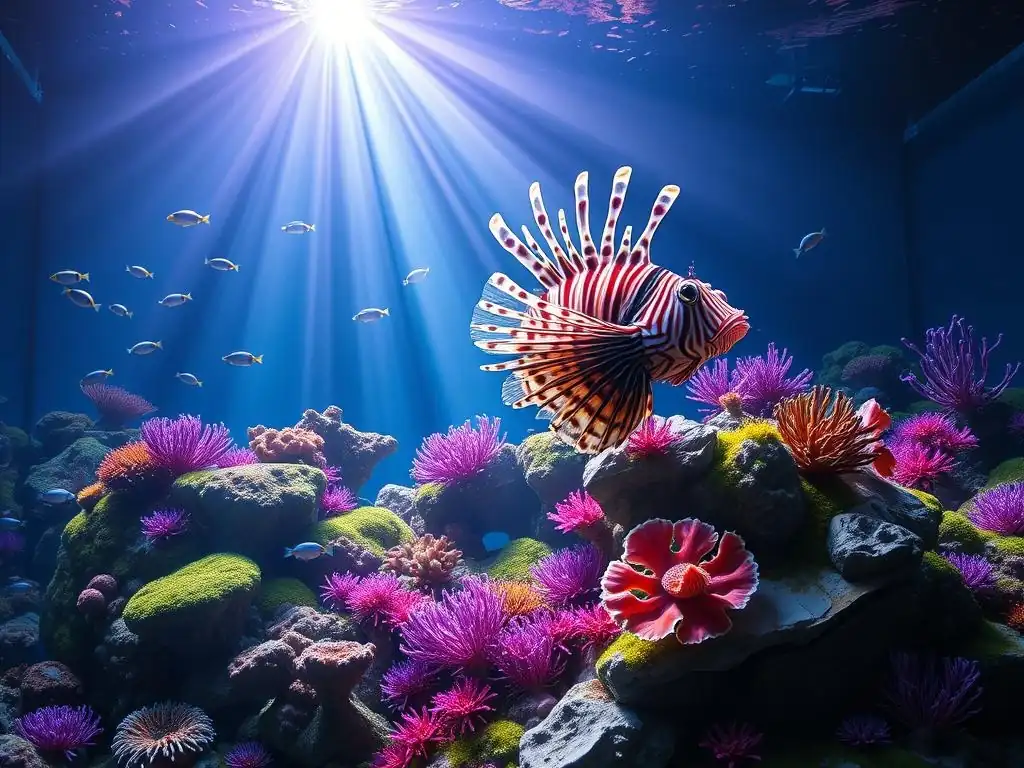
Welcome to Aquarium Mastery!
Ever been captivated by the mesmerizing beauty of a Lionfish? Their regal presence and unique patterns make them a prized addition to any saltwater aquarium. But, are you ready to unravel the secrets to their care? Dive in and discover our comprehensive Lionfish aquarium care guide, where we explore everything you need to know to keep these stunning creatures thriving in your home aquarium. Get ready to unlock the secrets!
- Introduction to the Antennata Lionfish: A Spotfin Beauty for Saltwater Aquariums
- Understanding Antennata Lionfish Biology and Natural Habitat
- Setting Up the Ideal Antennata Lionfish Aquarium: A Comprehensive Guide
- Antennata Lionfish Care: Feeding, Maintenance, and Health
- Antennata Lionfish Tank Mates: Compatibility and Considerations
- Breeding Antennata Lionfish: Challenges and Possibilities
- Is the Antennata Lionfish Right for You? Evaluating Your Experience Level
- Conclusion: Mastering Antennata Lionfish Aquarium Care
-
Frequently Asked Questions
- What are the key considerations when setting up a Lionfish aquarium?
- What kind of diet does an Antennata Lionfish require in an aquarium setting?
- What are some common health issues that might affect Lionfish in aquariums, and how can I prevent them?
- How often should I perform water changes in a Lionfish aquarium, and what parameters are most important to monitor?
- Can Antennata Lionfish be kept with other fish species in a community aquarium?
- Final Reflection: Embracing the Wild Within Our Tanks
- Unleash Your Inner Aquarist: Dive Deeper with Antennata Lionfish!
Introduction to the Antennata Lionfish: A Spotfin Beauty for Saltwater Aquariums
Unveiling the Allure of the Spotfin Lionfish (Pterois antennata)
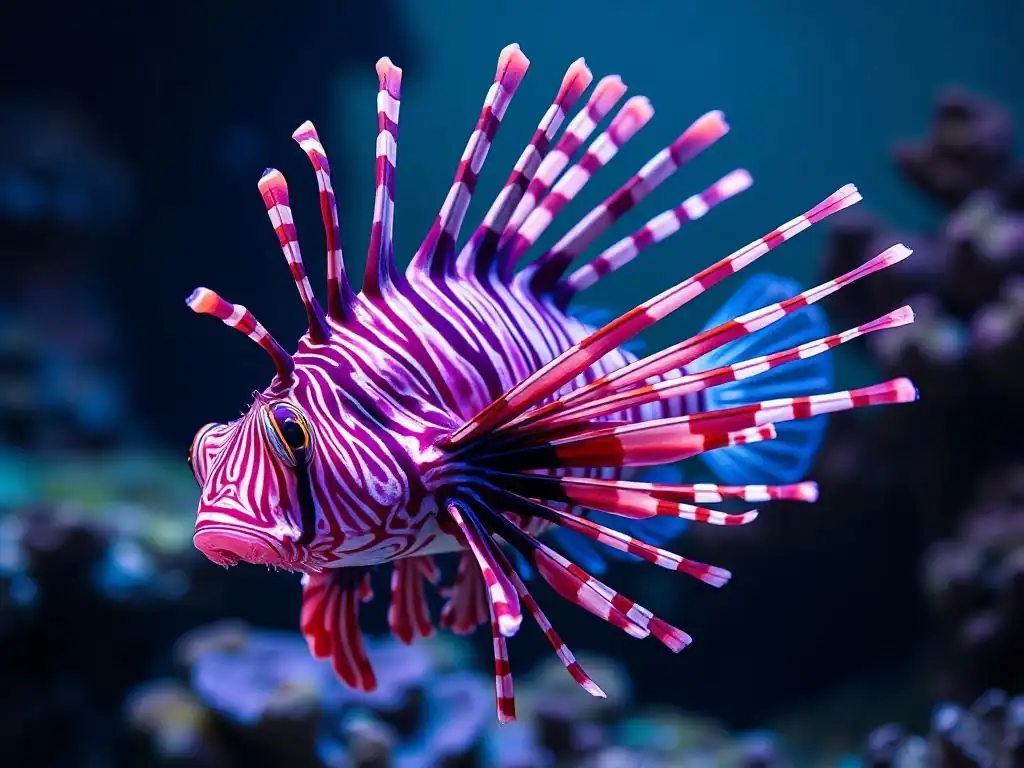
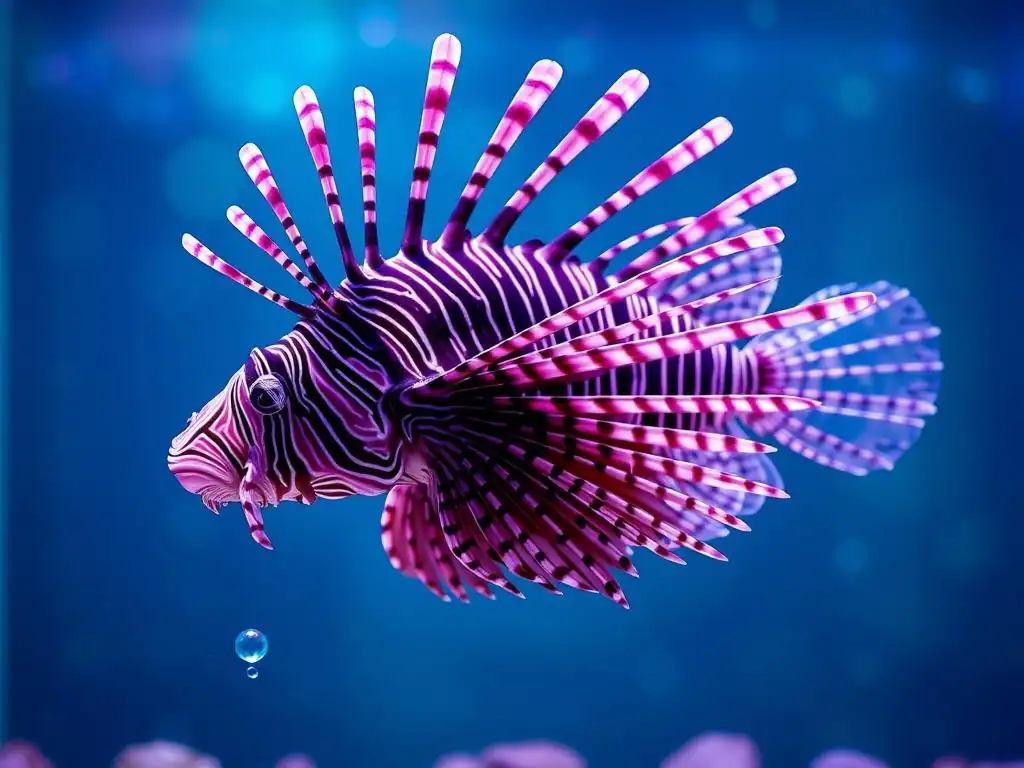
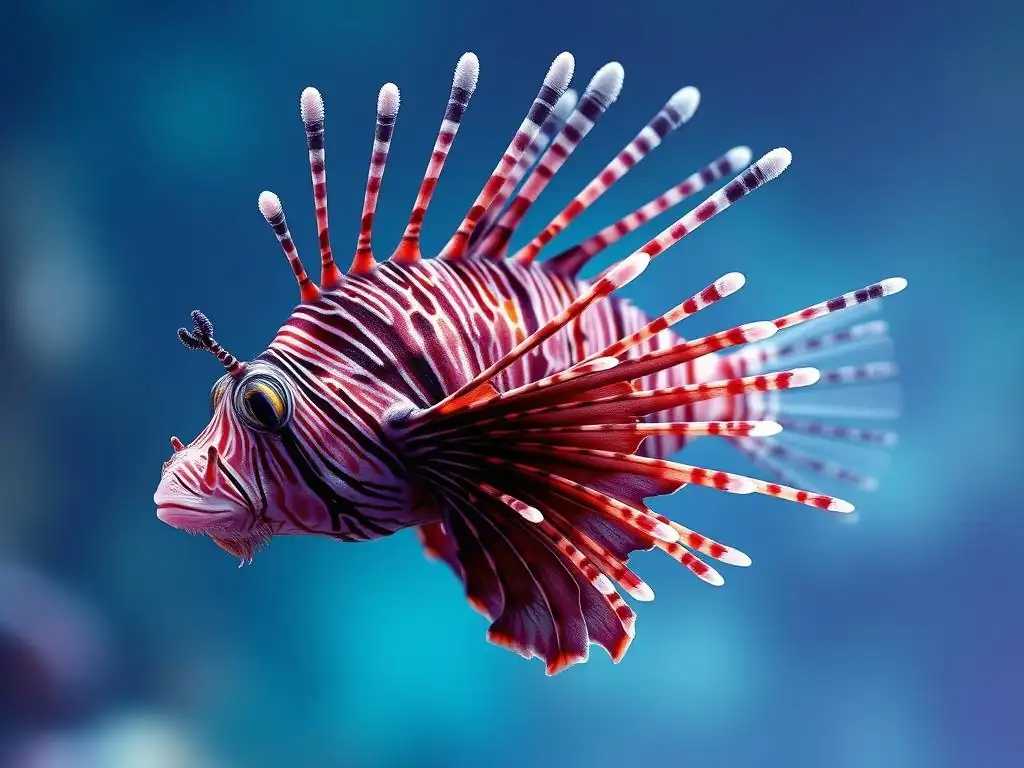
The Antennata Lionfish, scientifically known as Pterois antennata, is a captivating and strikingly beautiful marine predator that brings a unique allure to any saltwater aquarium. Its common name, Spotfin Lionfish, perfectly describes its most distinctive feature: the prominent dark spots adorning its elongated dorsal, anal, and caudal fins. Beyond these elegant markings, the Antennata Lionfish boasts an intricate pattern of reddish-brown and white bands across its body, complemented by long, feathery pectoral fins that resemble delicate fans. This species also possesses distinctive supraorbital tentacles, or "antlers," above its eyes, further enhancing its exotic appearance.
As an ambush predator, the Spotfin Lionfish exhibits a mesmerizing hunting style, slowly maneuvering its large, wing-like pectoral fins to corner unsuspecting prey. Its venomous dorsal spines, while a critical defense mechanism in the wild and a point of caution for aquarists, contribute to its formidable and majestic presence. The combination of its intricate patterns, graceful movements, and predatory prowess makes the Antennata Lionfish a true centerpiece, drawing the eye and commanding attention in a well-curated marine display.
Why Choose an Antennata Lionfish for Your Saltwater Tank?
Choosing an Antennata Lionfish for your saltwater aquarium offers a truly rewarding experience for the dedicated aquarist, elevating a standard reef tank into a dynamic showcase of marine life. This species stands out not only for its stunning aesthetics but also for its relatively hardy nature once established, making it a viable option for experienced hobbyists looking to expand their Lionfish aquarium care guide expertise beyond more common species. Unlike some highly active fish, the Spotfin Lionfish moves with deliberate grace, allowing for detailed observation of its unique behaviors and striking coloration.
Furthermore, the Antennata Lionfish provides a fascinating glimpse into the predatory world of the ocean from the comfort of your home. Observing its hunting instincts and interaction with its environment can be incredibly engaging. However, it's crucial to acknowledge the significant commitment involved. Due to their venomous spines, specific dietary needs, and considerable adult size, a comprehensive understanding of Pterois antennata care is paramount. For those prepared to meet these demands, the Antennata Lionfish offers an unparalleled opportunity to house a truly magnificent and intriguing creature, adding a layer of sophistication and intrigue to their saltwater setup.
Understanding Antennata Lionfish Biology and Natural Habitat
Origin and Distribution of Pterois antennata in the Wild
The Antennata Lionfish, Pterois antennata, originates from the vast and biodiverse Indo-Pacific region, showcasing a wide natural distribution that spans from the eastern coast of Africa, including the Red Sea, across the Indian Ocean, and throughout the western and central Pacific Ocean. Their range extends as far east as the Marquesas Islands, north to southern Japan, and south to Australia's Great Barrier Reef. This expansive habitat highlights their adaptability to various tropical marine environments.
In their natural habitat, Spotfin Lionfish are typically found in association with rocky reefs, coral rubble areas, and sheltered lagoons. They prefer to inhabit areas with plenty of crevices, overhangs, and small caves where they can hide during the day and ambush prey. While they are most commonly observed in relatively shallow waters, ranging from 1 to 10 meters (approximately 3 to 33 feet), they have been documented at depths reaching up to 80 meters (about 260 feet). This preference for structured environments underscores the importance of adequate rockwork and hiding places in any Lionfish aquarium care guide setup.
Antennata Lionfish Size, Appearance, and Lifespan in Captivity
The Antennata Lionfish is a medium-sized lionfish species, typically reaching an adult length of up to 8 inches (approximately 20 cm) in the wild, though specimens in home aquariums often mature at a slightly smaller size, around 6-7 inches. Their most striking visual characteristics include the distinct dark spots on their soft-rayed fins, which give them their "Spotfin" moniker. The body is adorned with alternating bands of reddish-brown and white or cream, providing excellent camouflage against reef backdrops. Their elongated, fan-like pectoral fins are a hallmark of the Pterois genus, used for herding prey and adding to their majestic appearance. Additionally, the long, prominent supraorbital tentacles above their eyes are a defining feature of P. antennata, distinguishing them from other lionfish species.
When provided with optimal Antennata Lionfish care within a well-maintained aquarium environment, these captivating fish can enjoy a considerable lifespan. While individual variations occur, a healthy Antennata Lionfish can live for 5 to 10 years, and in some exceptional cases, even longer. Achieving this longevity requires diligent adherence to best practices outlined in any comprehensive Lionfish aquarium care guide, focusing on stable water parameters, a high-quality diet, and a stress-free habitat. Consistent attention to their specific needs directly correlates with their overall health and lifespan in captivity.
Diet and Feeding Habits of Spotfin Lionfish in Their Natural Environment
In their natural Indo-Pacific habitats, Spotfin Lionfish are formidable ambush predators, primarily feeding on a diet consisting of small fish and various crustaceans. Their hunting strategy is both patient and precise; they typically lie in wait, often concealed within rockwork or coral formations, until suitable prey ventures within striking distance. Once a target is identified, the Pterois antennata uses its large, fan-like pectoral fins to slowly herd or corner its prey, effectively creating a "net" from which escape is difficult.
These lionfish are known for their ability to consume surprisingly large prey, sometimes nearly equal to their own body size. While they are generally considered crepuscular or nocturnal hunters, becoming more active during dawn and dusk, they will seize any opportunity for a meal throughout the day. Their natural diet of live, swimming organisms highlights the importance of providing appropriate, nutritious foods in a captive Lionfish aquarium care guide setup, mimicking their wild feeding patterns to ensure their health and vitality.
Setting Up the Ideal Antennata Lionfish Aquarium: A Comprehensive Guide
Choosing the Right Tank Size for Your Antennata Lionfish
Selecting the appropriate tank size is a critical first step in providing optimal Antennata Lionfish care and ensuring the long-term health and well-being of your Pterois antennata. For a single adult Antennata Lionfish, a minimum aquarium size of 75 gallons (approximately 280-300 liters) is strongly recommended. While juveniles might temporarily reside in smaller tanks, their rapid growth rate and eventual adult size quickly necessitate a larger volume.
The rationale behind a larger tank is multifaceted. Firstly, it provides ample swimming space for this active predator, allowing it to display its natural behaviors and reducing stress. Secondly, a larger water volume is inherently more stable, making it significantly easier to maintain consistent water parameters and dilute metabolic waste products, which is crucial for a species with a relatively high bioload like the lionfish. For those considering adding other compatible, non-prey tank mates or aiming for superior water stability, a tank of 100 gallons or more would be even more beneficial, offering a robust foundation for a successful Lionfish aquarium care guide experience.
Essential Equipment for a Healthy Antennata Lionfish Habitat
Establishing a thriving habitat for your Antennata Lionfish requires a suite of essential equipment designed to maintain pristine water quality and a stable environment. Beyond the appropriately sized aquarium, key components include robust filtration, suitable lighting, and precise temperature control. A high-quality heater is necessary to maintain the stable temperature range of 72-78°F (22-26°C) that Pterois antennata thrives in, ideally with a backup or multiple heaters for larger tanks to prevent temperature fluctuations.
Additionally, reliable test kits for monitoring water parameters such as ammonia, nitrite, nitrate, pH, salinity, calcium, alkalinity, and magnesium are indispensable for proactive Lionfish aquarium care guide management. A good quality protein skimmer, adequate circulation pumps (powerheads) to prevent dead spots, and an auto-top-off (ATO) system to replenish evaporated freshwater and maintain stable salinity are also highly recommended. Investing in these foundational pieces of equipment ensures the environmental stability critical for the health and longevity of your Spotfin Lionfish.
Filtration Systems for Lionfish Tanks: Keeping the Water Pristine
Maintaining pristine water quality is paramount for the health of Antennata Lionfish, and robust filtration systems are the cornerstone of any effective Lionfish aquarium care guide. Due to their predatory nature and often messy feeding habits, Pterois antennata produce a significant bioload, necessitating powerful biological and mechanical filtration. A sump-based filtration system, often incorporating a large refugium, is highly recommended as it maximizes water volume, provides space for biological media, and allows for the integration of essential equipment like protein skimmers and reactors.
A high-quality protein skimmer is arguably the most critical piece of filtration equipment for a lionfish tank. It efficiently removes organic waste before it breaks down into harmful nitrates, significantly reducing the frequency of massive water changes and contributing to overall water clarity and health.
For an Antennata Lionfish, select a protein skimmer rated for at least 2-3 times the actual tank volume to ensure adequate waste removal. Additionally, mechanical filtration such as filter socks or sponges should be regularly cleaned or replaced to prevent trapped detritus from degrading water quality, while ample live rock within the display tank provides natural biological filtration, converting toxic ammonia and nitrite into less harmful nitrates.
Lighting Considerations for Antennata Lionfish Aquariums
When setting up an aquarium for Antennata Lionfish, lighting considerations are generally straightforward, as Pterois antennata do not have specific high-intensity lighting requirements like many photosynthetic corals. In their natural habitat, Spotfin Lionfish often inhabit deeper waters or shaded areas of reefs, indicating a preference for moderate light levels. Therefore, intense lighting systems typically used for demanding corals are often unnecessary and can even stress the fish if too bright.
A moderate output LED or T5 HO (High Output) fluorescent fixture is usually sufficient to illuminate the tank for viewing purposes and to support any non-photosynthetic or low-light corals you might choose to include. Many aquarists opt for LED lights with adjustable spectrums, allowing them to highlight the lionfish's vibrant colors, particularly the blues and reds, without overwhelming the fish. Incorporating a blue "moonlight" setting can also be beneficial, providing a tranquil nocturnal viewing experience that mimics natural moonlight and can encourage more active behavior from your Antennata Lionfish during the evening hours.
Maintaining Optimal Water Parameters for Pterois antennata
Maintaining stable and optimal water parameters is absolutely critical for the long-term health and vitality of your Antennata Lionfish, forming a cornerstone of any comprehensive Lionfish aquarium care guide. The ideal temperature range for Pterois antennata is between 72-78°F (22-26°C), with stability being more important than hitting a precise number within this range. Salinity should be maintained within a specific gravity of 1.020-1.025, or 30-35 parts per thousand (ppt). A stable pH level between 8.1 and 8.4 is also essential for marine fish health, reflecting the slightly alkaline nature of natural seawater.
Beyond these basic parameters, it's vital to monitor alkalinity (8-12 dKH), calcium (400-450 ppm), and magnesium (1200-1350 ppm) if you plan to incorporate corals or calcareous algae, as these contribute to overall water stability and buffering capacity. Crucially, ammonia and nitrite levels must always be zero parts per million (0 ppm), as even trace amounts are highly toxic to marine fish. Nitrate levels should be kept below 20 ppm, ideally below 10 ppm, through regular water changes and efficient filtration. Consistent testing with reliable kits and prompt adjustments are key to preventing stress and disease in your Spotfin Lionfish.
Decorating Your Antennata Lionfish Tank: Creating a Natural Environment
Decorating your Antennata Lionfish tank effectively involves creating an environment that not only looks aesthetically pleasing but also closely mimics their natural habitat, providing security and enrichment. The primary goal is to establish a natural-looking reefscape with ample hiding places and open swimming areas. Live rock is the preferred choice for aquascaping, as it provides essential biological filtration and offers numerous nooks and crannies for the lionfish to explore and retreat into.
Consider the layout carefully, ensuring that all rockwork is stable and secure to prevent collapses, especially given the lionfish's size and potential to brush against structures. Avoid sharp edges that could damage their delicate fins. While Pterois antennata are generally considered reef-safe with corals, their large fins can potentially knock over loosely placed corals, so secure placement is advised. The overall design should reflect their natural preference for structured environments where they can ambush prey or simply rest, contributing significantly to a successful Antennata Lionfish care setup.
Rockwork and Hiding Places for Spotfin Lionfish
Creating an intricate and secure rockwork structure is paramount for a thriving Antennata Lionfish aquarium, serving multiple vital functions for Pterois antennata. In their natural habitat, Spotfin Lionfish are often found lurking in crevices, under ledges, or within caves, using these structures for both shelter and as ambush points for prey. Therefore, your aquascape should prioritize ample live rock arranged to form numerous caves, overhangs, and swim-throughs. Aim for rock formations that provide secure, dark hiding spots where the lionfish can retreat when feeling stressed, during acclimation, or simply for rest.
Beyond providing psychological comfort, live rock also acts as a natural biological filter, hosting beneficial bacteria that process harmful ammonia and nitrite. Ensure that all rockwork is stacked securely and directly on the bottom glass or acrylic of the tank, rather than on the substrate, to prevent collapses that could injure your fish or damage the tank. A well-designed rock structure enhances the aesthetic appeal of the tank and significantly contributes to the overall well-being and natural behavior of your Antennata Lionfish, making it a critical component of any Lionfish aquarium care guide.
Substrate Options for Lionfish Aquariums
When considering substrate options for an Antennata Lionfish aquarium, versatility is key, as Pterois antennata are not particularly selective about the type of substrate. Both sand and fine gravel are acceptable choices, each offering distinct advantages. A fine sand bed, typically aragonite-based to help maintain stable pH and alkalinity, is a popular choice for many marine aquariums. It provides a natural aesthetic and can support beneficial microfauna. If opting for sand, ensure it's not so fine that it gets easily blown around by powerheads, which could cause cloudy water or irritate the lionfish's gills.
Alternatively, a fine gravel substrate also works well and may be easier to keep clean for some aquarists, as detritus tends to settle on top rather than sinking into deep crevices. Regardless of the choice, maintaining a clean substrate is crucial for overall water quality in any Lionfish aquarium care guide. Avoid very coarse or sharp substrates that could potentially injure the lionfish's delicate fins or body if it rests on the bottom. While lionfish do not typically burrow, a comfortable and clean substrate contributes to the overall health and stress reduction of the fish.
Antennata Lionfish Care: Feeding, Maintenance, and Health
Feeding Your Antennata Lionfish: A Nutritional Guide
Providing a nutritionally complete and varied diet is paramount for the long-term health and vibrant appearance of your Antennata Lionfish. As obligate carnivores, Pterois antennata require a diet rich in protein and fatty acids, mimicking their natural consumption of small fish and crustaceans. While live foods can be used sparingly, a staple diet of high-quality frozen marine-based foods is generally recommended to prevent the introduction of diseases and to ensure balanced nutrition.
A well-rounded feeding regimen will not only maintain their physical condition but also enhance their natural colors and activity levels. Overfeeding should be avoided, as it can lead to obesity and contribute to poor water quality. Conversely, underfeeding can lead to stunted growth and a weakened immune system. Adhering to a carefully planned feeding schedule and portion control, as detailed in this Lionfish aquarium care guide, is essential for the vitality of your Spotfin Lionfish.
What to Feed Antennata Lionfish: Live vs. Frozen Foods
When it comes to feeding your Antennata Lionfish, the choice between live and frozen foods is a critical aspect of their Pterois antennata care. While Pterois antennata are naturally drawn to live prey, making live feeder fish (such as guppies or mollies) an easy option for initial feeding, relying solely on them is generally discouraged. Live freshwater feeder fish often lack the necessary marine nutritional profile and can introduce diseases or parasites into your saltwater system. If used, they should be gut-loaded with nutritious foods prior to feeding and offered only as an occasional treat. Ghost shrimp, being marine invertebrates, are a better live food option as they are less likely to carry freshwater pathogens and offer some nutritional value.
The cornerstone of a healthy Antennata Lionfish diet should be a variety of high-quality frozen marine foods. Excellent options include frozen silversides, mysis shrimp, krill, and chopped defrosted seafood such as shrimp, squid, and clam. These foods provide the essential proteins and fats needed for their growth and immune function. Always thaw frozen foods thoroughly before feeding and avoid overfeeding to prevent water quality issues. It is also beneficial to soak frozen foods in a vitamin supplement occasionally to boost their nutritional content, ensuring your lionfish receives all necessary micronutrients.
Feeding Schedule and Portion Control for Spotfin Lionfish
Establishing a consistent feeding schedule and practicing careful portion control are vital components of effective Antennata Lionfish care, contributing significantly to their health and preventing common issues like obesity and poor water quality. For juvenile Antennata Lionfish, feeding 3-4 times per week is generally appropriate to support their rapid growth. As they mature into adults, their metabolic rate slows, and they can be fed 2-3 times per week. The key is to observe your individual fish; a healthy lionfish should have a slight bulge in its belly after feeding, but never appear distended or excessively round.
When offering food, use a feeding stick or tongs to present the food directly to the lionfish. This method not only ensures the lionfish gets the food but also prevents potential injury to the aquarist from the lionfish's venomous spines. Feed only what the lionfish can consume within a few minutes to avoid uneaten food decaying and fouling the water. Overfeeding is a common mistake in Lionfish aquarium care guide practices and can lead to elevated nitrates and phosphates, compromising water quality and potentially leading to health issues for your Spotfin Lionfish.
Maintaining Water Quality in Your Antennata Lionfish Aquarium
Maintaining pristine water quality is the single most critical factor for the long-term health and success of an Antennata Lionfish aquarium. Given their predatory nature and often messy feeding habits, Pterois antennata produce a substantial bioload, making diligent water quality management non-negotiable. Consistent monitoring and proactive measures are essential to prevent the accumulation of harmful compounds and to ensure a stable environment that mimics their natural marine habitat.
Beyond simply observing the tank, regular testing of key water parameters and scheduled water changes are the pillars of effective Lionfish aquarium care guide water quality maintenance. Neglecting these aspects can quickly lead to stress, disease, and ultimately, the demise of your beautiful Spotfin Lionfish. A well-filtered tank with a proactive water change regimen will significantly reduce the risk of common ailments and promote a thriving environment for your Pterois antennata.
Regular Water Changes: The Key to a Healthy Lionfish Tank
Regular water changes are an indispensable practice for maintaining the pristine water quality essential for a healthy Antennata Lionfish tank, directly contributing to the overall success of any Lionfish aquarium care guide. These routine exchanges serve multiple critical functions: they dilute and remove accumulated nitrates and phosphates, which are end products of the nitrogen cycle and fish metabolism, and they replenish essential trace elements and minerals that are naturally depleted over time.
For an Antennata Lionfish aquarium, it is generally recommended to perform weekly or bi-weekly water changes, replacing 10-20% of the tank's total volume. The exact frequency and volume may vary depending on stocking levels, feeding habits, and filtration efficiency, but consistency is key. Always use high-quality reverse osmosis/deionized (RO/DI) water mixed with a reputable marine salt mix to the correct specific gravity (1.020-1.025) and temperature-matched to the aquarium water to minimize stress on your Pterois antennata. This diligent practice significantly mitigates the risk of water quality-related stress and disease, fostering a stable and thriving environment for your Spotfin Lionfish.
Monitoring Water Parameters: Ammonia, Nitrite, and Nitrate Levels
Diligent monitoring of key water parameters, specifically ammonia, nitrite, and nitrate levels, is absolutely fundamental to successful Antennata Lionfish care and the overall health of your Pterois antennata. Ammonia and nitrite are highly toxic compounds that result from fish waste and decaying organic matter. In a properly cycled saltwater aquarium, beneficial bacteria convert ammonia into nitrite, and then nitrite into nitrate. Therefore, both ammonia and nitrite levels must always register at zero parts per million (0 ppm). Any detectable amount indicates an issue with the biological filtration or an overstocked/overfed tank, requiring immediate action such as a water change and investigation.
While nitrate is less toxic than ammonia and nitrite, elevated levels can still cause stress, weaken the immune system, and lead to health problems in marine fish. For a Lionfish aquarium, the goal is to keep nitrate levels below 20 ppm, and ideally below 10 ppm.
Regular testing using reliable test kits is crucial; testing at least weekly, especially during the initial setup and when adding new fish, provides valuable insight into the stability and efficiency of your filtration system. Proactive monitoring allows for timely interventions, such as increased water changes or adjusting feeding habits, to ensure a stable and healthy environment for your Spotfin Lionfish.
Common Antennata Lionfish Diseases and Treatments
Despite diligent Lionfish aquarium care guide practices, Antennata Lionfish, like all captive fish, can occasionally fall victim to various diseases. Recognizing the early symptoms of illness is crucial for successful treatment and preventing the spread of disease within your aquarium. Proactive observation of your Pterois antennata for any changes in behavior, appearance, or feeding habits can make a significant difference in recovery rates.
Common ailments in marine aquariums include parasitic infections like Marine Ich (Cryptocaryon irritans) and Marine Velvet (Amyloodinium ocellatum), as well as bacterial infections such as fin rot or bacterial septicemia. Fungal infections are less common in marine systems but can occur secondary to other issues. Having a well-equipped quarantine tank and a basic understanding of common treatments for these conditions is highly recommended for any serious aquarist committed to Antennata Lionfish care.
Recognizing Symptoms of Illness in Your Spotfin Lionfish
Early recognition of illness symptoms is vital for effective Antennata Lionfish care and can dramatically improve the prognosis for your Pterois antennata. Vigilant daily observation of your Spotfin Lionfish is key. Common indicators of stress or disease include a noticeable loss of appetite or refusal to eat, which is often one of the first signs of trouble. Lethargy, characterized by reduced activity, spending excessive time hiding, or unusual swimming patterns (e.g., listlessness, rapid breathing) also warrants immediate attention.
Physical symptoms can include clamped fins (held close to the body rather than fanned out), fading or dulling of their vibrant colors, white spots resembling salt grains (indicative of Marine Ich), a dusty or velvety appearance on the skin (suggesting Marine Velvet), cloudy eyes, or visible lesions, sores, and torn fins. Any changes in their skin, such as excessive mucus production or unusual growths, should also be noted. Prompt identification of these symptoms allows for quicker isolation and treatment, significantly increasing the chances of recovery for your Antennata Lionfish.
Treating Common Lionfish Diseases: Fin Rot, Parasitic Infections
Treating common diseases in Antennata Lionfish requires careful attention to diagnosis and proper medication, as outlined in a comprehensive Lionfish aquarium care guide. For bacterial infections like fin rot, which often manifest as frayed or deteriorating fins, the primary course of action involves improving water quality through diligent water changes and ensuring optimal parameters. If the condition persists or worsens, broad-spectrum antibiotics such as Maracyn or Furan-2, administered in a separate quarantine tank, may be necessary. Always follow dosage instructions precisely and remove carbon filtration during treatment.
Parasitic infections, such as Marine Ich ( Cryptocaryon irritans) and Marine Velvet ( Amyloodinium ocellatum), are common and highly contagious. Quarantining new fish for 4-6 weeks before introduction to the main display tank is the best preventative measure. Treatment options often include copper-based medications (e.g., Cupramine), which are effective but must be used with extreme caution as they can be toxic if overdosed, and require precise monitoring with a copper test kit. Hyposalinity, which involves gradually lowering the specific gravity to 1.008-1.010, can also be effective for Ich but requires careful monitoring and may not be suitable for all tank inhabitants. Always research the specific medication and its compatibility with your fish and system before use.
Antennata Lionfish Tank Mates: Compatibility and Considerations
Choosing Suitable Tank Mates for Your Pterois antennata
Selecting appropriate tank mates for your Antennata Lionfish is a critical aspect of Pterois antennata care, as their predatory nature dictates strict compatibility rules. The primary consideration is size: any fish small enough to fit into the lionfish's mouth will eventually become a meal. Therefore, suitable tank mates must be robust and significantly larger than the lionfish's mouth, typically at least 1.5 to 2 times its current size.
Good choices often include other large, semi-aggressive to peaceful marine fish that are not prone to fin-nipping. Examples of compatible species can include various tangs (e.g., Yellow Tang, Sailfin Tang), larger angelfish (e.g., Emperor Angelfish, Queen Angelfish), and certain triggerfish (e.g., Blue-throat Triggerfish) provided they are not overly aggressive towards the lionfish. It's also beneficial to choose fish that occupy different swimming levels in the tank, reducing direct competition for space. Always introduce new tank mates slowly and observe interactions closely to ensure harmony within your Lionfish aquarium care guide setup.
Fish to Avoid Keeping with Antennata Lionfish
When planning tank mates for your Antennata Lionfish, it's equally, if not more, important to understand which fish to absolutely avoid. The golden rule for Pterois antennata care is simple: if a fish can fit into the lionfish's mouth, it will eventually become food. This immediately rules out virtually all small, commonly available marine fish, regardless of their temperament. Examples include small damsels (e.g., Blue Green Chromis), gobies, blennies, cardinalfish, and small wrasses. Even fish that seem too large initially may become prey as the lionfish grows.
Beyond size, also avoid fish that are known fin-nippers, such as certain triggerfish or puffers, as they can damage the lionfish's delicate and venomous fins, leading to stress and secondary infections. Highly aggressive fish that might harass or outcompete the lionfish for food should also be avoided, as Pterois antennata prefer a relatively calm environment. Ensuring careful tank mate selection is a cornerstone of responsible Lionfish aquarium care guide practices, preventing loss of life and maintaining a peaceful, thriving aquarium.
Invertebrates and Antennata Lionfish: A Risky Combination?
Introducing invertebrates into an Antennata Lionfish aquarium is generally a risky proposition, as Pterois antennata are natural predators of crustaceans in their wild habitat. Most small crustaceans, such as ornamental shrimp (e.g., Peppermint Shrimp, Cleaner Shrimp) and hermit crabs, will be perceived as food and are highly likely to be consumed by your Spotfin Lionfish. Even larger hermit crabs or snails might eventually fall prey, especially if the lionfish becomes hungry or if the invertebrate is perceived as an easy meal.
While some larger, more robust invertebrates like certain sea stars or anemones might be theoretically safe from predation, their compatibility often depends on the specific species and the lionfish's individual temperament. For instance, some aquarists have successfully kept very large snails, but caution is always advised. When it comes to corals, Antennata Lionfish are typically considered "reef-safe" as they don't actively consume coral polyps. However, their large, flowing fins can easily knock over unsecured corals or damage delicate specimens, so careful placement and anchoring are crucial. Therefore, for a dedicated Lionfish aquarium care guide, it's generally recommended to limit invertebrates to those that are either too large to be eaten or are not a significant part of the lionfish's natural diet, and always with a degree of caution.
Breeding Antennata Lionfish: Challenges and Possibilities
The Difficulty of Breeding Spotfin Lionfish in Captivity
Breeding Antennata Lionfish ( Pterois antennata) in a home aquarium setting is extremely challenging and has been rarely achieved by hobbyists, making it a significant hurdle in the realm of Lionfish aquarium care guide endeavors. While spawning events, where eggs and sperm are released, have been observed in captivity, successfully raising the resulting fry to adulthood is an entirely different matter. The primary difficulty lies in the incredibly small size and delicate nature of the lionfish larvae, which require specific, microscopic planktonic food sources that are notoriously difficult to culture in sufficient quantities for their survival.
Furthermore, the environmental parameters needed for larval development are highly specific and prone to rapid fluctuations, making the consistent provision of optimal conditions a monumental task. The sheer volume of live food required daily for thousands of tiny fry, coupled with the need for pristine water quality in the larval rearing tanks, presents logistical and technical challenges that typically exceed the capabilities of most home aquarists. These factors collectively contribute to the very low success rate of captive breeding for Pterois antennata.
Documented Breeding Attempts and Research
Documented breeding attempts of Antennata Lionfish ( Pterois antennata) in captivity are exceedingly rare, with most successful instances occurring in large public aquariums or specialized research facilities rather than private home aquariums. These institutions possess the advanced infrastructure, dedicated staff, and resources necessary to tackle the immense challenges associated with raising lionfish fry. Such attempts often involve controlled breeding environments, sophisticated larval rearing tanks, and the meticulous culture of live, microscopic plankton (like rotifers and copepods) that serve as the initial food source for the incredibly tiny fry.
Ongoing research into the reproductive biology of Pterois antennata and other lionfish species is crucial, particularly given concerns about invasive lionfish populations in the Atlantic. Understanding their breeding habits and larval development in a controlled setting can provide valuable insights for potential future population control strategies or conservation efforts. While significant breakthroughs for widespread captive breeding in the hobby remain elusive, the knowledge gained from these dedicated attempts contributes to our broader understanding of Lionfish aquarium care guide principles and marine fish aquaculture.
Is the Antennata Lionfish Right for You? Evaluating Your Experience Level
The Commitment Required for Antennata Lionfish Aquarium Care
Acquiring an Antennata Lionfish is a significant commitment that extends far beyond the initial purchase; it demands an experienced and dedicated aquarist prepared for the specific challenges of Pterois antennata care. Firstly, there's the long-term commitment: a well-cared-for Antennata Lionfish can live for 5 to 10 years, requiring consistent attention over a substantial period. This includes the financial investment in a sufficiently large tank (minimum 75 gallons) and all the necessary high-quality equipment, from robust filtration to precise water testing kits.
Beyond the initial setup, daily diligence is paramount. This involves consistent monitoring of water parameters, adhering to a strict feeding schedule with appropriate frozen foods, and performing regular water changes (10-20% weekly or bi-weekly). The presence of venomous spines also necessitates careful handling and awareness during all maintenance tasks to prevent painful stings. Therefore, before bringing home a Spotfin Lionfish, thoroughly evaluate your experience level, time availability, and financial resources, ensuring you can provide the comprehensive Lionfish aquarium care guide environment this magnificent creature deserves.
Alternatives to Antennata Lionfish for Beginner Aquarists
For beginner aquarists or those seeking a unique marine fish without the specific challenges and venomous nature of the Antennata Lionfish, several captivating alternatives exist that offer similar intrigue without the extensive Lionfish aquarium care guide requirements. One excellent option is the Marine Betta ( Calloplesiops altivelis), also known as the Comet. This fish shares the lionfish's cryptic nature and striking spotted pattern, often hiding in rockwork and emerging gracefully. It is non-venomous, typically peaceful, and easier to feed, making it a more forgiving choice.
Another suitable alternative might be a Flame Hawkfish ( Neocirrhites armatus). While smaller, these fish have a charismatic perching behavior, vibrant red coloration, and are generally hardy and peaceful towards tank mates of appropriate size. They are also relatively easy to feed. For those simply drawn to the dramatic fins and slow movement, exploring other peaceful, non-venomous fish with unique body shapes or fin structures could also be an option. These alternatives allow new aquarists to gain valuable experience in saltwater fish keeping before considering the specialized needs of a Pterois antennata.
Conclusion: Mastering Antennata Lionfish Aquarium Care
Enjoying the Beauty and Intrigue of Your Spotfin Lionfish
Mastering Antennata Lionfish aquarium care is a rewarding endeavor that culminates in the privilege of observing one of the ocean's most captivating and intriguing predatory fish right in your home. The Pterois antennata, with its distinctive spot-finned allure and graceful movements, truly stands out as a living piece of art in a well-maintained marine environment. By diligently adhering to the comprehensive guidelines outlined in this Lionfish aquarium care guide, aquarists can ensure a thriving and healthy existence for their Spotfin Lionfish, allowing its unique personality and stunning aesthetics to shine.
The commitment required for Pterois antennata care—from providing a spacious tank and robust filtration to maintaining pristine water quality and offering a nutritious diet—is significant, but the visual spectacle and behavioral fascination of this species make every effort worthwhile. Successfully keeping an Antennata Lionfish is a testament to an aquarist's dedication and skill, offering years of enjoyment as you witness the beauty and predatory intrigue of this magnificent creature.
Frequently Asked Questions
What are the key considerations when setting up a Lionfish aquarium?
Setting up a Lionfish aquarium requires a large tank (at least 75 gallons for Pterois antennata), proper filtration to maintain water quality, and a secure lid to prevent escapes.
What kind of diet does an Antennata Lionfish require in an aquarium setting?
Antennata Lionfish are carnivorous and need a diet of live or frozen meaty foods, such as small fish, shrimp, and crustaceans. It's crucial to avoid overfeeding.
What are some common health issues that might affect Lionfish in aquariums, and how can I prevent them?
Common issues include parasitic infections and nutritional deficiencies. Prevention involves quarantine of new arrivals, providing a varied diet, and maintaining pristine water conditions.
How often should I perform water changes in a Lionfish aquarium, and what parameters are most important to monitor?
Regular water changes are essential, typically around 25% every 2 weeks. Key parameters to monitor include ammonia, nitrite, nitrate, pH, and salinity to ensure optimal water chemistry.
Can Antennata Lionfish be kept with other fish species in a community aquarium?
Generally, no. Lionfish are predatory and will eat smaller fish. They should only be kept with tank mates of similar size and temperament that are not easily swallowed.
Final Reflection: Embracing the Wild Within Our Tanks
The preceding exploration of Pterois antennata, the Antennata Lionfish, underscores the profound responsibility that accompanies the allure of keeping these magnificent creatures. Beyond the captivating beauty and unique hunting strategies lies a commitment to replicating, as closely as possible, their natural environment and meeting their specific needs. This isn't merely about filling a tank; it's about providing a thriving ecosystem for a creature that deserves our respect and understanding.
The enduring fascination with lionfish in aquariums reflects a deeper human desire to connect with the wild, to bring a piece of the ocean into our homes. This connection, however, demands ethical consideration and a dedication to responsible husbandry. The well-being of these animals hinges on our ability to learn, adapt, and prioritize their needs above our own aesthetic desires. As Jacques Cousteau wisely stated: The sea, once it casts its spell, holds one in its net of wonder forever.
This "net of wonder" should inspire us to be stewards, not just spectators.
Now, as you consider the possibility of welcoming an Antennata Lionfish into your aquarium, I urge you to reflect on the information presented. Are you truly prepared to provide the specialized care they require? Can you commit to the ongoing learning and adaptation necessary to ensure their health and happiness? The decision to keep a lionfish is not one to be taken lightly. Let the knowledge gained here empower you to make an informed choice, one that honors the beauty and complexity of these remarkable creatures and contributes to their long-term well-being.
Unleash Your Inner Aquarist: Dive Deeper with Antennata Lionfish!
Thank you for exploring the captivating world of the Antennata Lionfish with us! We hope this article has sparked your interest in these fascinating creatures and equipped you with valuable knowledge. Ready to take the next step?
Here are a few ways you can further your journey:
- Commit to Learning More: Dedicate 30 minutes this week to researching the specific dietary needs of Antennata Lionfish based on their size and age to ensure optimal health.
- Share your newfound knowledge! Discuss the unique challenges and rewards of keeping Antennata Lionfish with fellow aquarists online.
- Consider starting a journal to document your research and observations on Antennata Lionfish and the challenges of their care, from initial setup to ongoing maintenance.
What specific aspect of Antennata Lionfish behavior or care are you most curious to explore next?