
Beyond Nemo: Exploring the Rich Diversity of Clownfish Species & Their Anemones

Welcome to Aquarium Mastery!
Dive into the fascinating world beyond Nemo with our guide to the captivating diversity of clownfish species. Ever wondered if there's more to these vibrant reef dwellers than meets the eye? Prepare to uncover the secrets to successfully keeping these iconic fish, from their unique symbiotic relationships with anemones to mastering their specific care needs. Intrigued? Let's explore the amazing spectrum of clownfish together!
- Understanding Clownfish Species: An Aquarium Mastery Guide
- A Comprehensive Clownfish Species Care Guide for Aquarists
- Exploring the Anemone-Clownfish Symbiotic Relationship
- Popular Clownfish Species for Home Aquariums
- Advanced Clownfish Care: Breeding and Raising Fry
- Common Clownfish Diseases and Prevention
- Selecting Compatible Tank Mates for Your Clownfish
- The Future of Clownfish Conservation and Responsible Aquariums
-
Frequently Asked Questions
- What are the primary differences between various clownfish species?
- What type of anemone is best suited for a beginner clownfish keeper?
- How important is water quality for clownfish health and longevity?
- What are some common health problems that affect clownfish, and how can I prevent them?
- How do I choose the right size aquarium for a pair of clownfish?
- Final Reflection: Embracing the Anemone's Embrace
- Dive Deeper: Uncover the Secrets of the Clownfish Kingdom!
Understanding Clownfish Species: An Aquarium Mastery Guide
The Allure of Clownfish in Saltwater Aquariums
Clownfish, often recognized as the iconic "Nemo," are among the most beloved inhabitants of saltwater aquariums. Their vibrant colors, distinctive stripe patterns, and unique swimming style make them a captivating addition to any marine setup. Their relatively small size, typically ranging from 3 to 6 inches depending on the species, also makes them suitable for a variety of tank dimensions, appealing to both novice and experienced aquarists. Their playful antics and curious personalities often become the focal point of a home aquarium.
Beyond their aesthetic appeal, clownfish are also prized for their hardiness compared to many other marine species. This resilience, coupled with their fascinating symbiotic relationship with sea anemones, makes them an excellent choice for those new to saltwater aquariums. Many clownfish species are now readily available as captive-bred specimens, further enhancing their appeal by providing robust, disease-resistant fish that adapt well to aquarium life, making the journey of a clownfish species care guide much smoother.
Clownfish Species Identification: Key Characteristics
Identifying different clownfish species involves observing distinct characteristics such as body shape, color variations, and the number and pattern of their white or yellow stripes. For instance, the Ocellaris Clownfish ( Amphiprion ocellaris) and the Percula Clownfish ( Amphiprion percula), while very similar, can often be distinguished by the thickness of the black outline around their white stripes; Perculas typically have thicker black outlines. Both species generally feature three vertical white stripes.
Other prominent species exhibit more pronounced differences. The Maroon Clownfish ( Premnas biaculeatus), for example, is easily identified by its larger size (up to 6 inches) and a single, broad white or yellow stripe behind its eye. Clarkii Clownfish ( Amphiprion clarkii) are highly variable in color, ranging from yellow to black, and possess two or three white bands. Understanding these key characteristics is fundamental to providing a species-specific clownfish species care guide and ensuring the well-being of your fish.
A Comprehensive Clownfish Species Care Guide for Aquarists
Essential Clownfish Care: Water Parameters and Tank Setup
Maintaining stable and appropriate water parameters is paramount for the health of clownfish. Ideal salinity levels should be kept between 1.020 and 1.025 specific gravity, while the temperature should consistently range from 75-82°F (24-28°C). The pH level should be maintained between 8.1 and 8.4. Crucially, ammonia and nitrite levels must remain at 0 ppm, and nitrates should be kept below 20 ppm to prevent stress and disease. Regular testing with reliable kits is essential to monitor these parameters effectively.
Regarding tank size, a single Ocellaris or Percula clownfish can comfortably reside in a 20-gallon (approximately 75 liters) aquarium, though a 30-gallon (approximately 115 liters) tank is recommended for a pair to allow ample space for territory establishment. Larger and more aggressive species, such as the Maroon Clownfish, require a minimum of 50 gallons (approximately 190 liters) or more. Providing adequate live rock structures is also important, offering numerous hiding spots and promoting a sense of security for your clownfish. This detailed information forms the bedrock of any effective clownfish species care guide.
Clownfish Diet and Feeding Habits for Optimal Health
A varied and nutritious diet is crucial for the optimal health and vibrant coloration of clownfish. They are omnivores and readily accept a range of high-quality marine flake foods, pellets, and frozen preparations. Excellent choices for frozen foods include mysis shrimp, brine shrimp, finely chopped seafood like krill or silversides, and spirulina-enriched foods. Feeding should occur 1-2 times daily, offering small amounts that can be consumed within a few minutes to avoid overfeeding and water quality degradation.
To further enhance their nutritional intake and boost their immune system, frozen foods can be enriched with vitamin supplements such as Selcon or Vita-Chem before feeding. This practice is particularly beneficial for newly acquired clownfish or those showing signs of stress. A well-rounded diet, as emphasized in any comprehensive clownfish species care guide, not only promotes growth and vitality but also helps prevent common deficiency-related ailments, ensuring your clownfish thrive.
Maintaining a Healthy Environment for Your Clownfish
Consistent and diligent tank maintenance is key to providing a healthy and stable environment for your clownfish. Regular water changes, typically 10-20% weekly or bi-weekly, are essential for replenishing trace elements and removing accumulated nitrates and other pollutants. It is also vital to routinely clean filtration media and perform substrate vacuuming to prevent the buildup of detritus, which can lead to poor water quality.
Furthermore, ensuring a well-cycled aquarium before introducing any clownfish is non-negotiable. A mature biological filter converts toxic ammonia and nitrites into less harmful nitrates, creating a safe habitat. Proper water circulation and effective filtration (mechanical, chemical, and biological) are also critical for maintaining oxygen levels and removing impurities. Adhering to these maintenance practices is a cornerstone of a successful clownfish species care guide, preventing stress and disease outbreaks.
Exploring the Anemone-Clownfish Symbiotic Relationship
The Benefits of Anemone Hosts for Clownfish
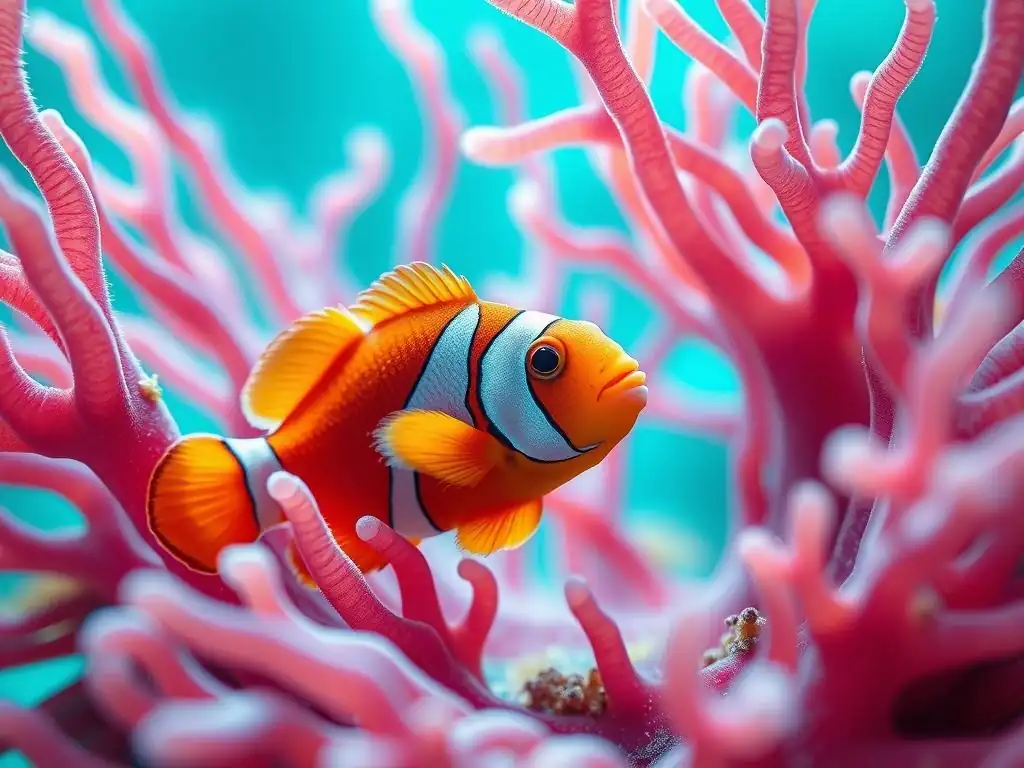
The iconic symbiotic relationship between clownfish and sea anemones is a marvel of the marine world. Clownfish possess a protective mucus layer that prevents them from being stung by the anemone's nematocysts, allowing them to safely reside within the stinging tentacles. In return for this immunity, the clownfish gain invaluable protection from predators, as very few marine animals dare to approach a stinging anemone. This provides them with a secure home base.
Beyond protection, clownfish also benefit from leftover food scraps from the anemone's meals. In some cases, they may even consume parasites or detritus from the anemone's surface, acting as a cleaning crew. For example, a clownfish might actively chase away butterflyfish or other species that are known to nip at anemone tentacles. This mutualistic exchange enhances the survival chances for both organisms, making the pairing a fascinating aspect to consider in any clownfish species care guide.
Choosing the Right Anemone for Your Clownfish Species
Selecting an appropriate host anemone is crucial, as not all anemones are suitable for every clownfish species, and not all clownfish will host in an aquarium. The Bubble Tip Anemone ( Entacmaea quadricolor) is one of the most popular and versatile choices, known to host a wide range of clownfish, including the common Ocellaris and Percula. Other suitable options include the Sebae Anemone ( Heteractis crispa), Magnificent Anemone ( Heteractis magnifica), and various Carpet Anemones ( Stichodactyla spp.).
It's important to research the specific hosting preferences of your chosen clownfish species. For instance, while Ocellaris and Percula clownfish primarily host in Bubble Tip Anemones in captivity, Maroon Clownfish are often found with Bubble Tip or Sebae Anemones. Introducing an anemone requires careful consideration of its specific care needs, as a healthy anemone is paramount for a successful symbiosis, a critical element often highlighted in a comprehensive clownfish species care guide.
Understanding Anemone Care for a Thriving Symbiosis
Sea anemones are significantly more demanding to care for than clownfish and require specific conditions to thrive. They need strong lighting, typically provided by high-output T5 fluorescent lights or powerful LED fixtures, often requiring 4-8 watts per gallon depending on the anemone species. Robust water flow is also essential to deliver food and remove waste, mimicking their natural turbulent environments. Furthermore, anemones are highly sensitive to water quality fluctuations; stable parameters, especially low nitrates (preferably below 5 ppm), are critical.
Feeding anemones is also a vital part of their care. Depending on their size, they should be offered meaty foods such as silversides, mysis shrimp, or finely chopped seafood 1-2 times per week. A healthy anemone will have sticky tentacles and a firm foot firmly attached to rockwork. An unhealthy or stressed anemone can quickly decline, posing a risk to the clownfish and the overall tank environment. Integrating proper anemone care into your clownfish species care guide is essential for a truly thriving symbiotic display.
Popular Clownfish Species for Home Aquariums
Ocellaris Clownfish: Care and Considerations
The Ocellaris Clownfish ( Amphiprion ocellaris), often referred to as the False Percula, is arguably the most popular clownfish species in the aquarium hobby, largely due to its starring role in animated films. They typically grow to about 3 inches (7.5 cm) in length and are known for their generally peaceful temperament, making them excellent candidates for most community reef tanks. A single Ocellaris can be housed in a 20-gallon (75 liters) tank, while a pair thrives in a 30-gallon (115 liters) setup.
These clownfish are remarkably hardy and forgiving of minor water parameter fluctuations, making them an ideal choice for beginner aquarists. The vast majority of Ocellaris clownfish available today are captive-bred, which contributes to their robustness, adaptability to aquarium diets, and significantly reduces pressure on wild populations. Their ease of care makes them a fundamental species covered in any entry-level clownfish species care guide.
Percula Clownfish: A Beginner-Friendly Option
The Percula Clownfish ( Amphiprion percula), or True Percula, closely resembles the Ocellaris but often exhibits more vibrant orange coloration and distinctively thicker black outlines around its three white vertical stripes. Like the Ocellaris, they reach a similar adult size of approximately 3 inches (7.5 cm) and share a peaceful disposition, making them equally suitable for a wide range of marine aquariums.
Their care requirements are virtually identical to those of the Ocellaris, encompassing similar water parameters, diet, and tank size considerations. Percula clownfish are also highly resilient and readily adapt to captive environments, making them another excellent choice for novice aquarists. The increasing availability of captive-bred Perculas further solidifies their status as a beginner-friendly option, simplifying the process of following a comprehensive clownfish species care guide.
Maroon Clownfish: Temperament and Tank Mates
The Maroon Clownfish ( Premnas biaculeatus) stands out among its relatives due to its larger size, reaching up to 6 inches (15 cm), and its notably aggressive temperament. They are easily identifiable by their deep maroon body color and a single, prominent white or yellow stripe behind the eye. This species is known for being the most territorial and assertive clownfish, especially the mature females.
Due to their size and aggressive nature, Maroon Clownfish require a larger aquarium, with a minimum of 50 gallons (190 liters) recommended for a single specimen or a bonded pair. Careful consideration of tank mates is crucial; they are best kept with other robust, semi-aggressive fish that can hold their own. They are generally not suitable for community tanks with very small or timid species. Understanding their specific temperament is a critical component of any comprehensive clownfish species care guide.
Clarkii Clownfish: Unique Characteristics and Care Tips
The Clarkii Clownfish ( Amphiprion clarkii) is a versatile and hardy species, growing up to 4.5 inches (11.5 cm) in length. One of its most unique characteristics is its highly variable coloration, which can range from bright yellow to orange, brown, or even black, always adorned with two or three distinct white vertical bands. This adaptability extends to their hosting preferences, as they are known to host in a wide variety of anemone species in the wild.
In terms of temperament, Clarkii Clownfish are moderately aggressive, falling somewhere between the peaceful Ocellaris and the more assertive Maroons. They require a tank of at least 30 gallons (115 liters) for a single specimen or a pair. Their hardiness and diverse appearance make them a popular choice for intermediate aquarists seeking a clownfish with more character than the common "Nemo" varieties. A thorough clownfish species care guide for Clarkiis would emphasize their adaptability in hosting and their need for appropriately sized tank mates.
Advanced Clownfish Care: Breeding and Raising Fry
Creating a Breeding Environment for Clownfish
Breeding clownfish in a home aquarium can be a rewarding experience, but it requires dedication and specific conditions. The first step is to establish a mature, healthy pair, which typically forms when two juvenile clownfish are kept together, with the larger one becoming the female and the smaller one the male. Providing a dedicated breeding tank, often 20-30 gallons (75-115 liters), helps prevent predation of eggs and fry by other tank inhabitants.
Optimal water parameters, consistent water quality, and an enriched diet are essential for conditioning the pair to spawn. A suitable spawning site, such as a flat piece of slate, a terracotta pot, or a large clam shell, should be provided. Many clownfish species will spawn regularly, typically every 10-14 days, once they are well-established and comfortable in their environment. This advanced section of a clownfish species care guide delves into the nuances of reproduction.
Clownfish Egg Care and Hatching
Once laid, clownfish eggs typically appear as an oval-shaped cluster, orange or reddish in color, firmly attached to the chosen spawning site. The male clownfish takes on the primary role of guarding and caring for the eggs. He meticulously fans them with his fins to ensure proper oxygenation and meticulously cleans them to prevent fungal growth. Over the course of 7 to 10 days, the eggs will gradually darken, and tiny silver eyes will become visible as development progresses.
Hatching usually occurs in the dark, often shortly after the aquarium lights go out. The larvae are planktonic, very small (approximately 3-4 mm), and will float freely in the water column. It is crucial to be prepared for their arrival by having their initial food source, live rotifers, ready and a separate rearing tank prepared. This delicate stage of a clownfish species care guide demands keen observation and prompt action.
Raising Clownfish Fry: A Detailed Guide
Raising clownfish fry is a challenging but gratifying endeavor. The newly hatched larvae are incredibly tiny and require microscopic food. For the first 5-7 days, their sole diet should consist of live rotifers ( Brachionus plicatilis), which are small enough for their delicate mouths. After this initial period, they can gradually be transitioned to newly hatched artemia (brine shrimp nauplii), which are slightly larger and more nutritious.
Maintaining pristine water quality in the fry rearing tank is paramount, as the fry are highly sensitive to pollutants. This often necessitates performing very small, daily water changes (e.g., 10-20%) using aged or pre-mixed saltwater. Gentle aeration is also important, but strong currents should be avoided to prevent stressing the fragile fry. High mortality rates are common in the early stages, but with diligent care, proper feeding, and meticulous water management, successful rearing of juvenile clownfish is achievable, completing the full lifecycle aspect of this clownfish species care guide.
Common Clownfish Diseases and Prevention
Identifying Common Clownfish Ailments
Clownfish, while generally hardy, can be susceptible to various diseases, especially if water quality is poor or stress levels are high. Common ailments include Marine Ich ( Cryptocaryon irritans), characterized by tiny white spots resembling salt grains on the body and fins, often accompanied by scratching against tank decor. Velvet ( Amyloodinium ocellatum) presents as a dusty, yellowish-gold film on the fish's body, coupled with rapid breathing and lethargy.
Bacterial infections can manifest as fin rot, cloudy eyes, or open sores. Clownfish Disease ( Brooklynella hostilis) is particularly aggressive, causing rapid tissue loss, excessive slime coat production, and severe respiratory distress. Lymphocystis, a viral infection, appears as white, cauliflower-like growths on the fins or body. Early identification of these symptoms is crucial for effective treatment, a vital part of any responsible clownfish species care guide.
Preventing Disease Outbreaks in Your Clownfish Tank
Prevention is always more effective than cure when it comes to fish diseases. A critical preventive measure is to quarantine all new fish for at least 3-4 weeks in a separate tank before introducing them to your main display. This allows you to observe for signs of disease and treat them without risking the entire aquarium. Maintaining stable, optimal water parameters and providing a varied, nutritious diet are fundamental for boosting your clownfish's immune system.
Avoid overcrowding your tank, as this increases stress and the likelihood of disease transmission. Minimize sudden changes in water temperature or salinity, which can weaken fish. Regular tank maintenance, including consistent water changes and filter cleaning, significantly contributes to a healthy environment. By adhering to these preventive strategies, as outlined in this clownfish species care guide, you can drastically reduce the risk of disease outbreaks.
Treatment Options for Sick Clownfish
Should your clownfish fall ill, prompt and appropriate treatment can significantly improve their chances of recovery. For external parasites like Marine Ich and Velvet, common treatment options include copper-based medications (e.g., Chelated Copper) administered in a hospital tank, or hyposalinity (gradually reducing salinity to 1.009-1.010 specific gravity). Always follow product instructions carefully and monitor copper levels precisely.
Bacterial infections often respond to broad-spectrum antibiotics such as Furan-2 or Maracyn, also administered in a hospital tank. For severe cases of Brooklynella, quick freshwater dips (5-10 minutes, pH and temperature matched) can provide immediate relief, followed by formal-based medications. Always remove activated carbon filtration when medicating to ensure the medication remains effective. Consulting a detailed clownfish species care guide for specific dosages and procedures is highly recommended.
Selecting Compatible Tank Mates for Your Clownfish
Peaceful Tank Mates for a Harmonious Aquarium
Choosing compatible tank mates is essential for creating a harmonious and stress-free environment for your clownfish. Generally, peaceful species that occupy different niches in the aquarium are ideal. Good options include various gobies, such as the Watchman Goby or Yellow Watchman Goby, which are bottom-dwellers and often form symbiotic relationships with pistol shrimp. Blennies, like the Lawnmower Blenny or Two-Spot Blenny, are also excellent choices, often grazing on algae.
Small, peaceful wrasses, such as the Six-Line Wrasse or Possum Wrasse, can add color and activity without posing a threat. Certain cardinalfish, like the Banggai Cardinalfish, are also calm and make good companions. When selecting tank mates, always ensure that the aquarium is large enough to accommodate all inhabitants comfortably, reducing potential territorial disputes. This careful selection is a key aspect of a comprehensive clownfish species care guide.
Fish to Avoid Keeping with Clownfish
While clownfish are generally hardy, certain fish species should be avoided as tank mates due to their aggressive or predatory nature. Large predatory fish, such as Lionfish, Groupers, or large Triggerfish, will view clownfish as food and should never be housed together. Similarly, highly aggressive damselfish, apart from the clownfish themselves, can bully and stress clownfish, leading to health issues.
Certain fin-nipping or anemone-eating species should also be avoided, especially if you plan to keep your clownfish with an anemone. Some angelfish or butterflyfish, for example, may nip at the clownfish's fins or damage the host anemone. Furthermore, unless you have a very large system (hundreds of gallons) and are specifically aiming to breed, avoid mixing different species of clownfish, as inter-species aggression can be severe. This warning is a crucial part of any clownfish species care guide.
Tank Mate Recommendations Based on Clownfish Species
The ideal tank mates for your clownfish can vary depending on the specific clownfish species you keep. For the more peaceful Ocellaris and Percula clownfish, a wide array of small, docile marine fish are suitable. They can thrive in community tanks with species like Royal Grammas, Firefish, small tangs (in appropriately sized tanks), and most peaceful invertebrates.
For the more aggressive Maroon and Clarkii clownfish, selecting tank mates requires more caution. These species are best kept with other robust, semi-aggressive fish that can stand their ground. Suitable companions might include certain larger tangs (in very spacious tanks, typically 100 gallons or more), or other less aggressive species of damselfish. Avoid pairing them with very timid or slow-moving fish, as they may be harassed. Tailoring tank mate choices to the specific temperament of your clownfish species is a critical recommendation in this clownfish species care guide.
The Future of Clownfish Conservation and Responsible Aquariums
Sustainable Sourcing of Clownfish
The future of clownfish in the aquarium hobby is intrinsically linked to sustainable sourcing practices. A significant positive development in recent decades is the widespread availability of captive-bred clownfish. Today, approximately 90% of clownfish sold in the aquarium trade are estimated to be captive-bred, a remarkable achievement that drastically reduces the pressure on wild clownfish populations and their natural reef habitats.
Choosing captive-bred clownfish not only supports conservation efforts but also offers practical benefits for aquarists. Captive-bred specimens are typically hardier, more accustomed to aquarium diets, and less likely to carry diseases or parasites compared to their wild-caught counterparts. This makes them a superior choice for any aquarist and a cornerstone of responsible clownfish species care guide recommendations.
Supporting Ethical Aquarium Practices
Beyond choosing captive-bred fish, supporting ethical aquarium practices involves purchasing from reputable dealers who prioritize sustainability and animal welfare. This includes ensuring that any wild-caught specimens (though less common for clownfish now) are collected using environmentally sound methods that do not damage coral reefs or harm non-target species. Look for suppliers who can trace the origin of their fish and who demonstrate a commitment to responsible aquaculture.
Furthermore, supporting organizations and initiatives dedicated to marine conservation, coral reef restoration, and sustainable aquaculture research can have a broader positive impact. These efforts contribute to the overall health of marine ecosystems, ensuring that future generations can continue to appreciate the beauty of clownfish and other marine life, both in the wild and in responsible home aquariums.
The Importance of Responsible Clownfish Ownership
Responsible clownfish ownership is about more than just setting up a tank; it's a long-term commitment to the well-being of a living creature. This entails thorough research, utilizing comprehensive resources like this clownfish species care guide, to understand the specific needs of your chosen species before purchase. It also means providing an appropriately sized tank with stable water parameters, a nutritious diet, and a stimulating environment throughout their lifespan.
Clownfish can live for a surprisingly long time in captivity, often reaching 10-15 years or even more with optimal care. Understanding this longevity and the ongoing responsibility it entails is crucial. Educating fellow aquarists about sustainable sourcing, proper care, and the potential lifespan of their fish contributes to a more informed and ethical hobby, ensuring the continued health and enjoyment of these charismatic marine inhabitants.
Frequently Asked Questions
What are the primary differences between various clownfish species?
The primary differences lie in their color patterns, size, and preferred anemone hosts. Certain species are also more aggressive or easier to care for than others.
What type of anemone is best suited for a beginner clownfish keeper?
For beginners, the Bubble-Tip Anemone is often recommended due to its hardiness and relative ease of care in comparison to other anemone species.
How important is water quality for clownfish health and longevity?
Water quality is absolutely crucial. Maintaining stable parameters like salinity, pH, and ammonia levels is essential for preventing disease and ensuring their well-being.
What are some common health problems that affect clownfish, and how can I prevent them?
Common issues include Brooklynella, Ich, and Amphiprion Disease. Prevention involves quarantining new fish, maintaining excellent water quality, and providing a stress-free environment.
How do I choose the right size aquarium for a pair of clownfish?
A minimum of a 20-gallon tank is generally recommended for a pair, but larger species require larger tanks. Consider the adult size of the clownfish species you choose.
Final Reflection: Embracing the Anemone's Embrace
The journey through the vibrant world of clownfish, as detailed in this guide, highlights not just their captivating beauty, but also the intricate dance of symbiosis that defines their existence. Understanding the nuances of each species, from the common Ocellaris to the rarer varieties, is more crucial than ever as the aquarium hobby grows and the pressures on wild populations increase. This knowledge empowers us to become responsible stewards of these fascinating creatures, ensuring their survival for generations to come.
This exploration has profoundly influenced my perspective on the delicate balance within marine ecosystems. Witnessing the clownfish's unwavering reliance on its anemone host serves as a powerful reminder of the interconnectedness of all life. It underscores the importance of conservation efforts and responsible aquarium practices. As Sylvia Earle so eloquently stated, Even if you never have the chance to see or touch the ocean, the ocean touches you with every breath you take, every drop of water you drink, every bite you consume. Everyone, everywhere is inextricably connected to and utterly dependent upon the existence of the sea.
Now, armed with this deeper understanding of clownfish species and their care, I invite you to reflect on your own role in preserving our planet's biodiversity. Consider the choices you make, from supporting sustainable fishing practices to educating others about the wonders of the underwater world. Let us all strive to be more than just observers; let us become active participants in safeguarding the future of these remarkable creatures and the fragile ecosystems they call home.
Dive Deeper: Uncover the Secrets of the Clownfish Kingdom!
Thanks for exploring the amazing world of clownfish with us! We hope this article has given you a newfound appreciation for these vibrant creatures and their unique symbiotic relationships. Now, let's turn that knowledge into action:
- Start your journey by identifying the clownfish species in your local aquarium or pet store. Note down the species, the type of anemone they're hosted in (if any), and compare your observations with the data presented in the article.
- Share your newfound clownfish knowledge! Post a captivating photo of your favorite clownfish species on social media, tagging Aquarium Mastery and using the hashtag #ClownfishDiversity to inspire others to learn.
- Research local aquarium clubs or marine conservation organizations. Consider volunteering your time to support their efforts in protecting coral reefs, the natural habitat of clownfish and anemones.
Ready to become a true Clownfish Connoisseur? What's the most surprising thing you learned about clownfish diversity and how will you use this knowledge to appreciate them better?