
Setting Up a Clownfish Breeding Tank: Essential Design and Equipment

Welcome to Aquarium Mastery!
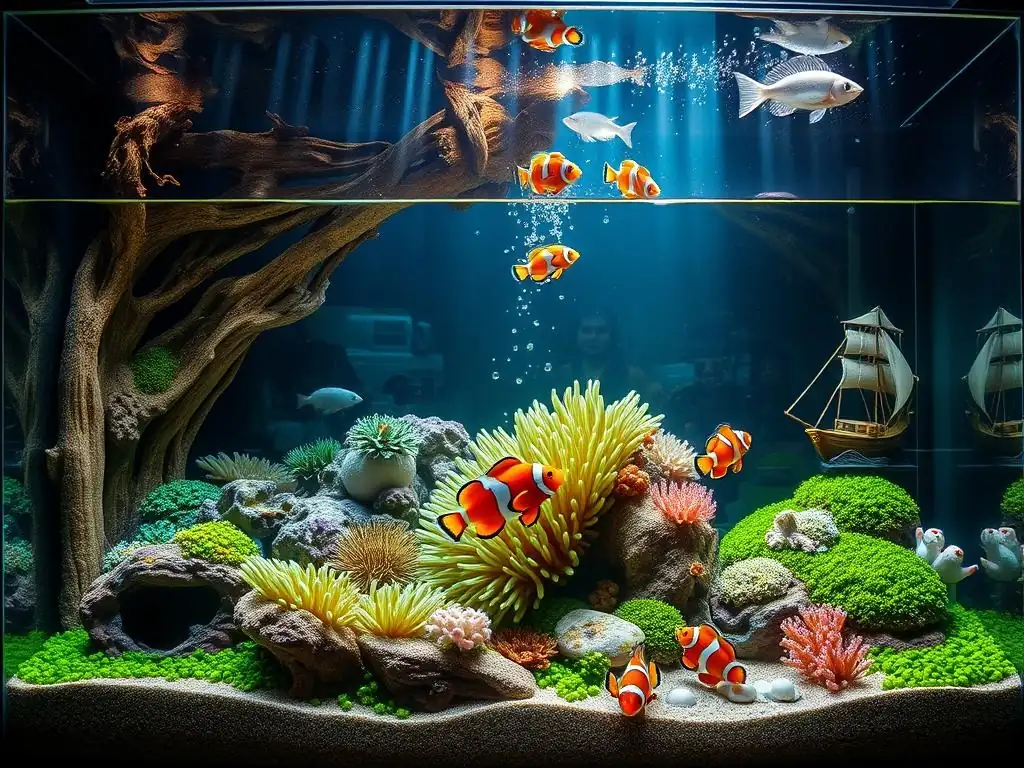
Ever dreamed of seeing tiny, vibrant clownfish eggs nestled amongst your anemones? This is where that dream begins. Dive into our comprehensive guide on Clownfish breeding tank setup, where we unravel the secrets to creating the perfect environment for these captivating creatures to thrive and reproduce. Discover the essential design elements and equipment that will transform your aquarium into a breeding paradise. Ready to witness the miracle of life unfold in your own living room? Let's get started!
- Introduction to Clownfish Breeding Tank Setup
- Essential Tank Design for Clownfish Breeding
- Water Quality: The Foundation of a Clownfish Breeding Tank
- Filtration Systems for Clownfish Breeding
- Lighting and Heating for Clownfish Breeding
- Essential Equipment for Clownfish Breeding
- Preparing the Breeding Tank for Clownfish
- Monitoring and Maintenance of Your Clownfish Breeding Tank
- Feeding Strategies for Breeding Clownfish
- Raising Clownfish Fry: A Separate Nursery Tank
- Troubleshooting Common Issues in Clownfish Breeding
- Conclusion: Mastering the Art of Clownfish Breeding
-
Frequently Asked Questions
- How large should a clownfish breeding tank be?
- What specific equipment is essential for a clownfish breeding tank?
- What type of rock or structure is best for clownfish spawning?
- What water parameters are critical for successful clownfish breeding?
- How often should I perform water changes on a clownfish breeding tank?
- Final Reflection: Nurturing Life Beneath the Waves
- Ignite Your Reef: Embark on Clownfish Breeding!
Introduction to Clownfish Breeding Tank Setup
Why Breed Clownfish at Home?
Breeding clownfish at home offers a profoundly rewarding experience for marine aquarists, moving beyond simple observation to active participation in the life cycle of these iconic fish. Beyond the personal satisfaction, successfully raising clownfish contributes directly to the sustainability of the marine aquarium hobby by reducing the demand for wild-caught specimens. Species like the Ocellaris Clownfish ( Amphiprion ocellaris) and Percula Clownfish ( Amphiprion percula) are particularly popular choices for home breeding due to their relatively predictable spawning habits and hardy nature.
Furthermore, breeding clownfish provides a unique opportunity to observe intricate behaviors, from courtship rituals and egg-laying to meticulous parental care. This hands-on involvement deepens an aquarist's understanding of marine biology and ecosystem dynamics. The potential to share or sell captive-bred clownfish also offers a tangible benefit, helping to offset the costs associated with maintaining a dedicated clownfish breeding tank setup and supporting the hobby's growth.
Understanding the Requirements for Successful Clownfish Breeding
Successful clownfish breeding hinges on creating an environment that precisely mimics their natural spawning conditions and caters to the delicate needs of their offspring. This involves more than just providing a male and female pair; it necessitates meticulous attention to tank design, water quality, filtration, lighting, and specialized equipment. A dedicated clownfish breeding tank setup is distinct from a typical display tank, prioritizing stability, hygiene, and the specific needs of developing eggs and fry over aesthetic appeal.
Key requirements include a stable, mature aquarium free from stressors, a highly nutritious diet for the breeding pair, and the foresight to prepare for the extremely small and vulnerable fry. Understanding the complete lifecycle, from egg deposition to larval metamorphosis, is crucial. This comprehensive approach ensures that every stage of the breeding process, from courtship to the successful rearing of juvenile clownfish, is supported by optimal conditions within your clownfish breeding tank setup.
Essential Tank Design for Clownfish Breeding
Optimal Tank Size for Breeding Clownfish Pairs
For a dedicated clownfish breeding tank setup, selecting the optimal tank size is paramount for both the comfort of the breeding pair and the ease of management. While some hobbyists have success in smaller setups, a 20-gallon long (approximately 75 liters) aquarium is generally considered a good minimum for a pair of Ocellaris or Percula clownfish. The "long" dimension is crucial as it provides more horizontal swimming space and a larger surface area for egg deposition, which clownfish typically prefer on a flat or curved surface.
Larger tanks, such as 30-40 gallons (113-150 liters), can offer even greater water volume, contributing to enhanced stability in water parameters like temperature and salinity, which are critical for consistent spawning. This increased volume also dilutes waste products more effectively, reducing the frequency of drastic parameter swings. Ultimately, the chosen tank size for your clownfish breeding tank setup should balance the need for stability and space with practical considerations for maintenance and the eventual transfer of fry.
The Importance of a Bare-Bottom Tank for Clownfish Fry
A bare-bottom tank is a cornerstone of an effective clownfish breeding tank setup, particularly once eggs hatch and fry emerge. The absence of substrate, such as sand or gravel, significantly simplifies tank maintenance and sanitation. Detritus, uneaten food, and waste products from the adult clownfish and, later, the fry, settle directly on the bottom, making them easily visible and siphoned out during daily cleaning routines.
This design choice is critical because clownfish fry are incredibly delicate and susceptible to poor water quality. Substrate can trap decomposing organic matter, leading to the accumulation of nitrates and other harmful compounds, and can also harbor undesirable bacteria. Furthermore, a bare bottom prevents the tiny fry from becoming trapped in the substrate, which can occur in tanks with a deep sand bed. By eliminating substrate, the bare-bottom clownfish breeding tank setup fosters a cleaner, healthier environment essential for the high survival rates of sensitive clownfish larvae.
Incorporating Breeding Caves or Shelters
Providing appropriate breeding caves or shelters is a fundamental aspect of a successful clownfish breeding tank setup. Clownfish are known to lay their eggs on a flat, often vertical or angled, surface within a protected area. Common choices for breeding surfaces include terracotta pots (broken or whole), PVC pipe elbows, ceramic tiles, or even specific artificial breeding cones designed for this purpose. A half-coconut shell or a piece of flat, smooth rock can also serve as an excellent spawning site.
These structures offer the breeding pair a sense of security and a designated location to deposit their eggs. The chosen shelter should be stable, non-toxic, and easy to clean or remove if needed for egg transfer. Placing the breeding cave in a low-flow area of the clownfish breeding tank, yet accessible for observation, encourages the pair to utilize it consistently. Observations show that pairs often meticulously clean their chosen site for several days before spawning, indicating its importance in their reproductive cycle.
Water Quality: The Foundation of a Clownfish Breeding Tank
Maintaining Ideal Water Parameters for Clownfish Spawning
Maintaining precise and stable water parameters is the absolute foundation for successful clownfish spawning within a dedicated breeding tank setup. Clownfish, particularly when conditioned for breeding, are highly sensitive to fluctuations in their environment. Key parameters such as salinity, temperature, pH, ammonia, nitrite, and nitrate must be consistently within optimal ranges. Any significant deviation or rapid change can stress the fish, suppress spawning, or even lead to health issues.
For instance, sudden drops in temperature by more than 2-3°F (1-1.5°C) or swings in salinity can halt egg production or negatively impact egg viability. Regular testing using reliable test kits is indispensable for monitoring these parameters. A stable environment signals to the clownfish that conditions are favorable for reproduction, encouraging consistent spawning cycles and increasing the likelihood of viable egg clutches in your clownfish breeding tank.
Salinity, Temperature, and pH: Critical Factors
Salinity, temperature, and pH are arguably the three most critical water parameters that directly influence the health and reproductive success of clownfish in a breeding tank setup. For salinity, a specific gravity (SG) of 1.023-1.026, or 32-35 parts per thousand (ppt), is ideal. This range mimics natural ocean conditions and is crucial for proper osmotic regulation in marine fish. Maintaining a consistent temperature between 78-82°F (25.5-27.8°C) is essential, as clownfish are tropical species and consistent warmth encourages spawning.
The pH level should be stable within the range of 8.1-8.4. Fluctuations outside this narrow band can cause stress and inhibit spawning. For example, a pH below 8.0 can lead to acidosis and general decline. Daily monitoring of temperature and weekly checks of salinity and pH are recommended to ensure these critical factors remain within their optimal ranges, providing the best possible conditions for clownfish breeding.
The Role of Water Changes in a Clownfish Breeding System
Regular water changes are a non-negotiable aspect of maintaining pristine water quality in a clownfish breeding system. Even with efficient filtration, nitrates, phosphates, and other dissolved organic compounds can accumulate over time, negatively impacting the health of the breeding pair and the viability of their eggs. Performing small, frequent water changes – for instance, 10-20% weekly or bi-weekly – is far more beneficial than larger, less frequent ones, as it minimizes parameter shock.
Fresh, properly mixed saltwater not only removes harmful waste products but also replenishes essential trace elements that are consumed by the fish and biological processes within the tank. Many aquarists observe that consistent water changes, especially with slightly cooler water, can sometimes act as a trigger for spawning in conditioned clownfish pairs. This routine maintenance is vital for sustaining the stable, high-quality environment necessary for continuous egg production and overall success of your clownfish breeding tank setup.
Filtration Systems for Clownfish Breeding
Choosing the Right Filtration for a Breeding Tank
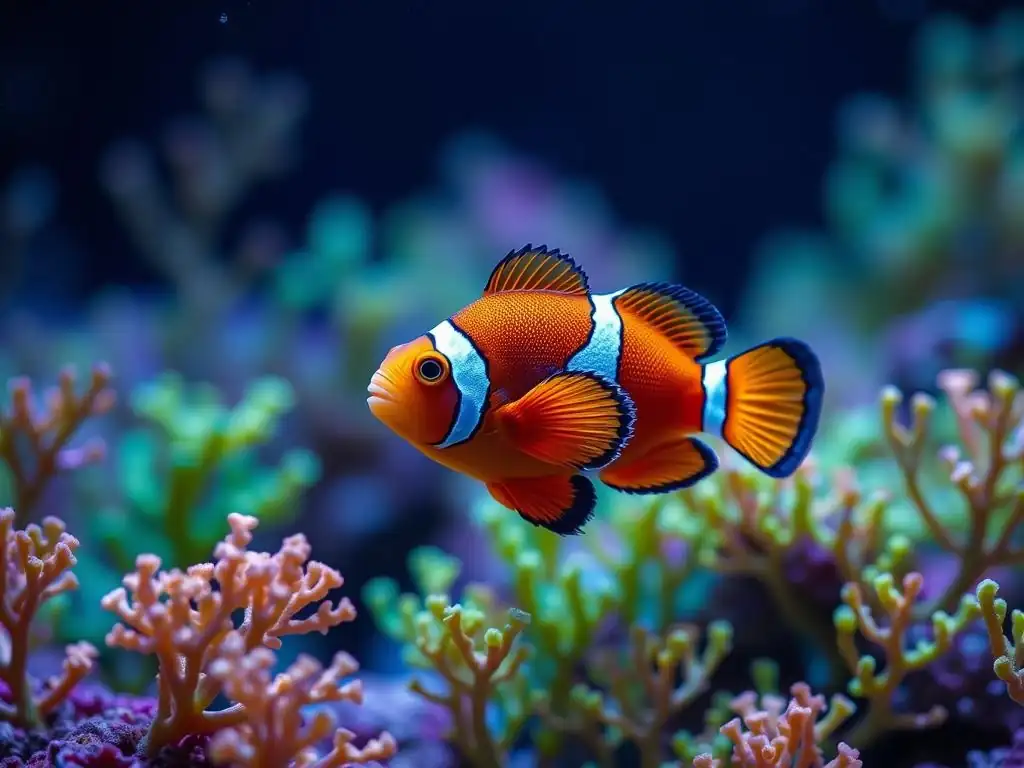
Selecting the appropriate filtration system for a clownfish breeding tank setup requires a delicate balance between effective water purification and minimizing disturbance to eggs and delicate fry. Unlike a typical reef tank, strong water flow or mechanical filtration that can easily suck in tiny larvae must be avoided. The primary goal is to provide robust biological filtration to process ammonia and nitrite, while also ensuring gentle water movement and easy removal of detritus.
Common choices lean towards simplicity and safety. Air-driven filters, such as sponge filters or small box filters, are often preferred for their gentle flow and excellent biological media capacity. These systems are highly effective at converting harmful nitrogenous compounds without creating currents strong enough to dislodge eggs or harm the newly hatched clownfish fry. The right filtration is crucial for maintaining the specific conditions required for successful clownfish breeding.
Sponge Filters: A Gentle Option for Fry
Sponge filters are widely regarded as the gold standard for filtration in a clownfish breeding tank setup, particularly when considering the safety of the fry. Powered by an air pump, these filters draw water gently through a porous sponge, providing an expansive surface area for beneficial bacteria to colonize. This allows for highly effective biological filtration, converting toxic ammonia and nitrite into less harmful nitrate, without generating strong currents.
The gentle suction of a sponge filter is unlikely to harm even the most delicate clownfish larvae, which are typically only a few millimeters long upon hatching. Furthermore, the sponge material can trap small particulate matter and detritus, which can then be easily rinsed out during routine maintenance, preventing the buildup of organic waste. Their simplicity, effectiveness, and safety make sponge filters an indispensable component for any successful clownfish breeding operation.
Avoiding Strong Currents that Harm Clownfish Eggs and Larvae
One of the most critical design considerations for a clownfish breeding tank is the deliberate avoidance of strong water currents. Clownfish eggs, typically laid on a chosen surface, are delicate and can be dislodged by excessive flow, jeopardizing their development. Once hatched, the newly emerged larvae, often referred to as fry, are planktonic and extremely small, measuring less than 4mm in length. They are poor swimmers and are easily swept away, exhausted, or even injured by turbulent water.
Traditional powerheads, hang-on-back filters with high flow rates, or large canister filter outputs are generally unsuitable for a breeding setup without significant modification to diffuse their output. The ideal clownfish breeding tank setup maintains gentle, even circulation to ensure oxygenation and prevent stagnation, but without creating any areas of strong turbulence. This environment allows the fragile fry to conserve energy, locate food, and develop safely, significantly increasing their survival rate.
Lighting and Heating for Clownfish Breeding
Providing the Correct Lighting for Clownfish Health and Spawning
When setting up a clownfish breeding tank, the lighting requirements are relatively straightforward, focusing on consistency rather than intensity. Unlike a reef display tank, high-intensity metal halides or powerful LEDs are not necessary. A standard LED or fluorescent fixture providing a consistent photoperiod of 12-14 hours per day is generally sufficient. The light should be bright enough to establish a clear day-night cycle, which is important for regulating the fish's natural rhythms and encouraging spawning behavior.
Many successful breeders use simple 6500K daylight spectrum bulbs, which mimic natural sunlight. The consistency of the light cycle is more critical than its specific spectrum or intensity for clownfish spawning. A reliable timer should be used to ensure the lights turn on and off at the same time each day, providing a stable environment that signals to the clownfish that conditions are favorable for reproduction and egg development.
Selecting an Appropriate Heater and Thermostat
Maintaining a stable temperature is paramount for the health and breeding success of clownfish. Therefore, selecting an appropriate heater and a reliable thermostat is a critical component of any clownfish breeding tank setup. A submersible heater, rated at approximately 5 watts per gallon (e.g., a 100-watt heater for a 20-gallon tank), is generally recommended to ensure it can effectively maintain the desired temperature without overworking.
It is highly advisable to use a heater with an integrated, accurate thermostat, or better yet, a separate external temperature controller for enhanced precision and safety. Additionally, always use a separate, calibrated thermometer to verify the water temperature independently of the heater's setting. This redundancy helps prevent temperature fluctuations that could stress the breeding pair or negatively impact egg development, ensuring the stability crucial for successful clownfish breeding.
Maintaining a Stable Temperature for Optimal Breeding Conditions
A stable temperature within the optimal range of 78-82°F (25.5-27.8°C) is not just about comfort; it's a direct trigger for spawning in clownfish. Fluctuations of more than 1-2°F (0.5-1°C) can cause stress, inhibit egg production, or even lead to the reabsorption of eggs by the female. Consistent warmth signals to the clownfish that environmental conditions are favorable for reproduction, encouraging them to enter and maintain a spawning cycle.
To achieve this stability, ensure the clownfish breeding tank is located in an area free from drafts or direct sunlight that could cause rapid temperature swings. A properly sized and reliable heater, coupled with vigilant monitoring using an accurate thermometer, will help maintain this crucial stability. This consistent thermal environment directly contributes to the frequency and viability of egg clutches, making it a cornerstone of a productive clownfish breeding tank setup.
Essential Equipment for Clownfish Breeding
Setting up a Quarantine Tank
Setting up a dedicated quarantine tank (QT) is an absolutely essential step for any serious aquarist, and it is particularly critical for a clownfish breeding tank setup. A QT, typically a simple 10-20 gallon (38-75 liter) tank, allows new fish to be observed for signs of disease, treated if necessary, and acclimated to captive conditions before being introduced to the main breeding system. This practice significantly reduces the risk of introducing pathogens like marine ich ( Cryptocaryon irritans) or velvet ( Amyloodinium ocellatum) that could devastate a valuable breeding pair and contaminate the entire breeding system.
The QT should be equipped with basic filtration (like a sponge filter), a heater, and an air stone. Fish should ideally spend 4-6 weeks in quarantine, even if they appear healthy, allowing time for latent diseases to manifest. This proactive measure safeguards your investment in a clownfish breeding tank and protects the health of your established fish, ensuring a healthier and more productive breeding program.
Air Pump and Air Stone: Ensuring Oxygenation
An air pump connected to an air stone is a fundamental piece of equipment for a clownfish breeding tank setup, serving multiple vital functions. Firstly, it ensures adequate oxygenation of the water. High dissolved oxygen levels are crucial for the health of adult clownfish, but even more so for developing eggs and newly hatched fry, which have high metabolic rates. A lack of oxygen can lead to failed hatches or fry mortality.
Secondly, an air stone provides gentle water movement without creating strong currents that could harm delicate eggs or fry, a common pitfall in breeding setups. This gentle circulation helps distribute heat evenly and prevents the formation of stagnant areas where waste could accumulate. In a bare-bottom tank, the air stone's bubbles also help lift detritus into the water column for easier removal, contributing to the overall cleanliness and stability of the clownfish breeding environment.
Live Food Cultures: Rotifers and Copepods for Clownfish Fry
One of the most critical yet often overlooked components of a successful clownfish breeding tank setup is the preparation and maintenance of live food cultures, specifically rotifers and copepods. Clownfish fry are incredibly small upon hatching, typically less than 4mm, and have tiny mouths. Their initial diet must consist of live, microscopic organisms that are both nutritious and appropriately sized. Rotifers ( Brachionus plicatilis) are the primary food source for the first 5-7 days post-hatch due to their small size (around 50-200 microns) and slow swimming speed, making them easy for the fry to capture.
As the fry grow, typically around day 7-10, they transition to larger live foods like enriched Artemia nauplii (brine shrimp). Some breeders also introduce copepods earlier, as certain species offer superior nutritional profiles. It is vital to have these cultures established and thriving before the first batch of eggs hatches, as fry require food within hours of hatching. Without a consistent supply of live, gut-loaded rotifers and copepods, the survival rate of clownfish fry will be extremely low, making these cultures indispensable for any serious clownfish breeding endeavor.
Preparing the Breeding Tank for Clownfish
Cycling the Tank Before Introducing Clownfish
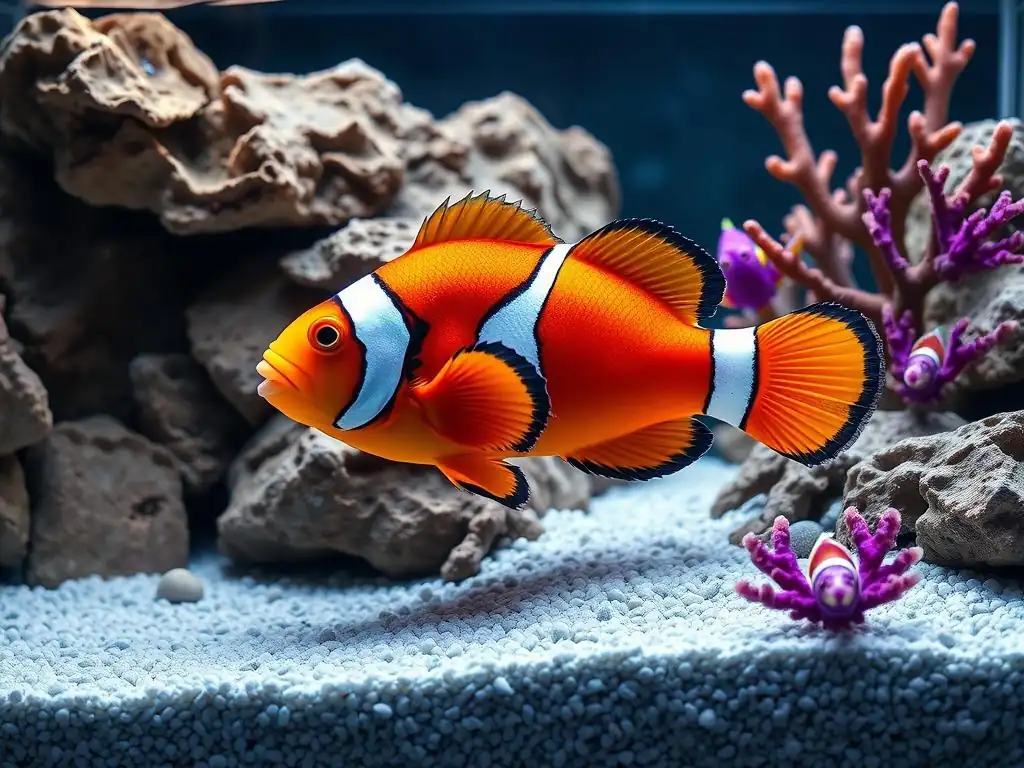
Cycling the clownfish breeding tank is a non-negotiable prerequisite before introducing any fish. This critical process establishes the nitrogen cycle, where beneficial bacteria colonize the biological filter media and convert toxic ammonia (from fish waste and uneaten food) into less toxic nitrite, and then into even less harmful nitrate. A fully cycled tank ensures that the water parameters remain stable and free from lethal levels of ammonia and nitrite, which are highly detrimental to marine fish.
A typical fishless cycle using an ammonia source can take anywhere from 4 to 6 weeks to complete, though it can vary. During this period, ammonia, nitrite, and nitrate levels are regularly tested to track the progress of bacterial colonization. Introducing clownfish into an uncycled tank would expose them to severe stress, potential illness, and even death, making proper cycling an indispensable step for a stable and successful clownfish breeding tank setup.
Introducing a Mature Biological Filter
To significantly accelerate the cycling process and provide immediate biological stability to your new clownfish breeding tank, introducing a mature biological filter is a highly effective strategy. This involves transferring established filter media (such as sponges, ceramic rings, or bio-balls) from a healthy, already cycled marine aquarium into the new breeding tank's filtration system. These media are teeming with the beneficial nitrifying bacteria necessary for breaking down ammonia and nitrite.
By seeding the new tank with an active bacterial colony, the initial ammonia and nitrite spikes can be mitigated or even avoided entirely, reducing the overall cycling time from weeks to just days. This rapid establishment of biological filtration minimizes stress on the breeding clownfish pair once they are introduced, allowing them to acclimate more smoothly and begin their reproductive journey in a stable and safe environment.
Acclimating Clownfish to the Breeding Tank Environment
Proper acclimation is a crucial step in introducing clownfish to their new breeding tank environment, minimizing stress and ensuring a smooth transition. The goal is to slowly equalize the water parameters (temperature, salinity, and pH) between the transport water and the tank water. Drip acclimation is the preferred method for marine fish due to its gentle and gradual nature. This involves slowly dripping tank water into the container holding the new clownfish, typically over an hour or more, using airline tubing and a control valve.
Rapid changes in water parameters can lead to osmotic shock, severe stress, and even death, especially in fish destined for breeding. By slowly acclimating them to the precise conditions of your clownfish breeding tank setup, you reduce the likelihood of health issues and promote their overall well-being. A calm and healthy pair is far more likely to pair bond successfully and eventually spawn, laying the groundwork for a productive breeding program.
Monitoring and Maintenance of Your Clownfish Breeding Tank
Regular Water Testing and Adjustments
Regular and diligent water testing is the cornerstone of maintaining optimal conditions in a clownfish breeding tank setup. Key parameters such as ammonia, nitrite, nitrate, pH, salinity, and temperature should be monitored consistently. Ammonia and nitrite should always read zero, as even trace amounts are highly toxic to marine fish. Nitrate levels should be kept as low as possible, ideally below 10 ppm, through regular water changes.
Daily checks for temperature and salinity, and weekly checks for pH, ammonia, nitrite, and nitrate, are recommended. If tests reveal deviations from optimal ranges, immediate, small adjustments should be made. For instance, high nitrates necessitate a water change, while low pH might require buffering. This proactive monitoring and adjustment routine prevents parameter swings that could stress the breeding pair, inhibit spawning, or harm eggs and fry, ensuring the long-term success of your clownfish breeding efforts.
Observing Clownfish Behavior for Signs of Spawning
Observing the behavior of your clownfish pair for specific cues is vital for anticipating spawning and preparing for egg care in a clownfish breeding tank. Prior to spawning, the female clownfish, usually the larger of the two, will often become noticeably plumper with eggs. Both the male and female will typically engage in an intense "cleaning" ritual of their chosen spawning site (e.g., a terracotta pot, rock, or PVC pipe). This involves meticulously biting and rubbing the surface to remove any algae or debris.
Other pre-spawning behaviors include increased aggression towards other tank inhabitants (if any) to protect their territory, and a characteristic "tail-waving" or "fin-flicking" dance performed by the male. The pair may also engage in a side-by-side shimmy, with the female often rubbing her belly against the spawning surface. Recognizing these tell-tale signs allows the aquarist to prepare fry rearing tanks and ensure all necessary equipment is ready for the arrival of clownfish eggs and eventually, fry.
Cleaning the Tank Without Disturbing Eggs or Fry
Maintaining cleanliness in a clownfish breeding tank is crucial for water quality, but it must be done with extreme caution to avoid disturbing delicate eggs or newly hatched fry. When eggs are present, typically guarded by the male, avoid siphoning directly near the spawning site. Instead, focus on gently siphoning detritus from open, bare-bottom areas of the tank. A small, narrow siphon or airline tubing can be very effective for precision cleaning.
Once fry have hatched and are free-swimming, cleaning becomes even more challenging. Daily, small water changes are essential to remove accumulating waste from heavy feeding. During these changes, use a fine mesh net or a filter sock over the siphon intake to prevent accidental removal of tiny fry. Cleaning the glass should also be done gently, avoiding any jarring movements that could dislodge fry or stress the parents. The utmost care is required to ensure the survival of the next generation in your clownfish breeding tank setup.
Feeding Strategies for Breeding Clownfish
Providing a Nutritious Diet for Adult Clownfish
A highly nutritious and varied diet is paramount for conditioning adult clownfish for breeding and ensuring the production of viable eggs. Simply feeding standard flakes or pellets is often insufficient. Instead, a diverse regimen should include high-quality marine pellets and flakes specifically formulated for omnivorous marine fish, supplemented heavily with a variety of frozen foods. Examples of beneficial frozen foods include mysis shrimp, spirulina-enriched brine shrimp, finely chopped krill, and various marine blends.
Feeding multiple times a day (2-3 times) in smaller portions is more beneficial than one large feeding, as it mimics their natural foraging behavior and ensures consistent nutrient intake. A well-fed pair is not only healthier but also more likely to spawn regularly and produce larger, more robust clutches of eggs, significantly increasing the success rate of your clownfish breeding tank setup.
Supplementing with Live or Frozen Foods
Supplementing the adult clownfish's diet with live or enriched frozen foods plays a crucial role in stimulating spawning and enhancing egg production. Live foods, such as enriched brine shrimp or blackworms, often trigger a strong feeding response and provide a nutrient boost that dry foods cannot replicate. Many breeders will "gut-load" these live foods by feeding them nutrient-rich phytoplankton or commercial enrichment products before offering them to the clownfish. This process transfers vital fatty acids and vitamins directly to the breeding pair.
Frozen foods like mysis shrimp, often fortified with omega-3 fatty acids, are also excellent supplements. The variety and quality of these protein-rich and vitamin-packed foods directly contribute to the female's ability to produce large, healthy egg clutches and the male's vigor in caring for them. This specialized feeding regimen is a key component of a successful clownfish breeding tank setup, promoting consistent and fertile spawning.
Ensuring Optimal Nutrition for Egg Production
Optimal nutrition for egg production in female clownfish goes beyond just feeding; it involves ensuring a consistent supply of high-energy, nutrient-dense foods, especially leading up to and during spawning cycles. The female requires significant energy and specific nutrients, particularly lipids and proteins, to develop and lay viable eggs. Increasing feeding frequency and quantity slightly during periods when the pair is showing pre-spawning behaviors can be beneficial.
For instance, providing multiple daily feedings of high-quality frozen foods like enriched mysis shrimp or specialized breeding pellets ensures the female has the necessary reserves for egg development. Some breeders also incorporate vitamin supplements, such as Selcon, soaked into frozen foods to boost overall health and reproductive vigor. A female clownfish that is well-nourished will produce larger, more numerous, and more viable egg clutches, which directly impacts the overall success and productivity of your clownfish breeding tank.
Raising Clownfish Fry: A Separate Nursery Tank
Setting Up a Dedicated Fry Rearing Tank
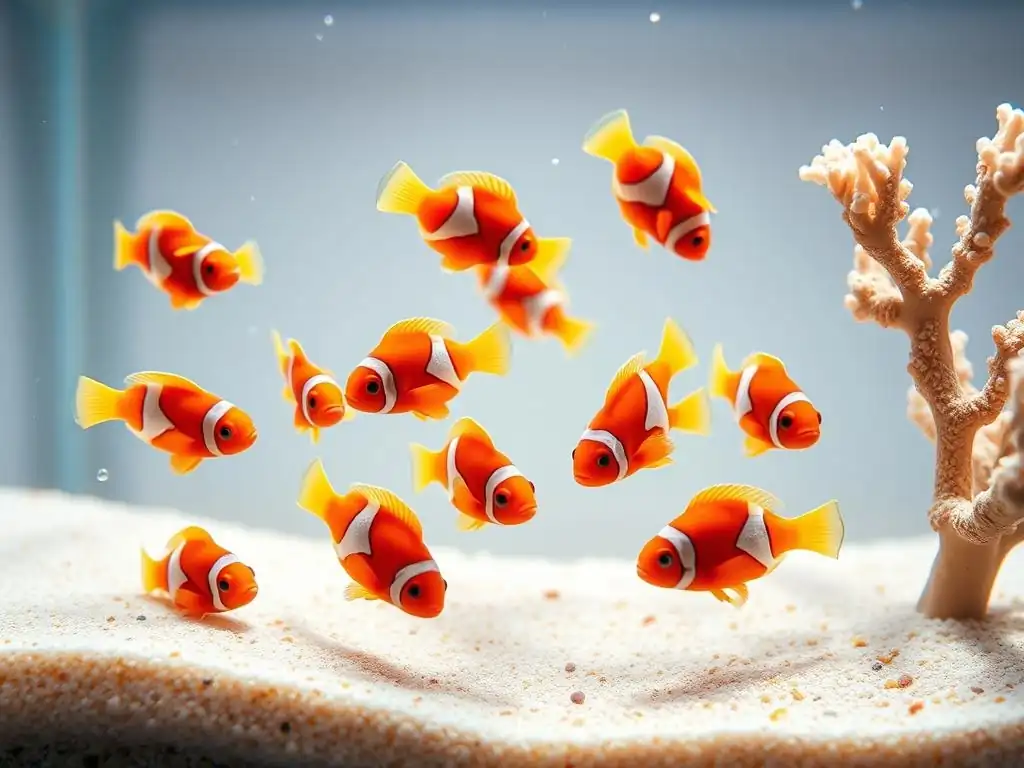
Setting up a dedicated fry rearing tank, separate from the main clownfish breeding tank, is absolutely essential for the successful survival and growth of clownfish fry. These tiny larvae are incredibly delicate and susceptible to predation, strong currents, and poor water quality in a larger, more complex system. A bare-bottom 5-10 gallon (19-38 liter) tank is ideal for the initial weeks. This size allows for precise feeding of microscopic live foods and easier maintenance.
The fry tank should be equipped with gentle aeration, typically an air stone or a small sponge filter, to provide oxygen without creating strong currents. Minimal decor is preferred to prevent fry from getting trapped and to facilitate easy cleaning. A dark background is often beneficial as it makes the tiny, translucent rotifers and other live foods more visible to the fry, encouraging them to feed. This specialized setup ensures the fragile fry have the best possible chance of survival and development.
Maintaining Pristine Water Quality in the Fry Tank
Maintaining pristine water quality in the fry rearing tank is arguably the most challenging and critical aspect of raising clownfish fry. Due to the high density of fry and the frequent, heavy feedings of live foods (like rotifers and brine shrimp), waste products accumulate rapidly, leading to dangerous spikes in ammonia and nitrite. Daily, small water changes are indispensable, often 10-20% of the tank volume. The replacement water must be perfectly matched in temperature and salinity to avoid shocking the delicate fry.
A small air stone providing gentle aeration and circulation is often sufficient for filtration initially, as traditional filters can be too strong or consume the fry's food. Excess food and waste should be siphoned off gently using airline tubing several times a day. Constant vigilance and immediate action are required to keep ammonia and nitrite at zero, and nitrates as low as possible, directly impacting the survival rate of the clownfish fry in your clownfish breeding tank setup.
Feeding Clownfish Fry: A Detailed Guide
Feeding clownfish fry is a precise and demanding process that directly dictates their survival and growth rate. Upon hatching, clownfish fry are planktonic and possess very small mouths, requiring live, microscopic food. For the first 5-7 days, the primary food source is live rotifers ( Brachionus plicatilis), ideally enriched with phytoplankton to boost their nutritional value. Rotifers should be present in the fry tank at a high density (e.g., 5-10 rotifers per mL) at all times, requiring multiple feedings throughout the day and night.
Around day 7-10, as the fry grow, they can begin to transition to larger food items, such as newly hatched Artemia nauplii (brine shrimp). These should also be enriched to provide optimal nutrition. The transition should be gradual, overlapping rotifer and Artemia feedings. As the fry continue to grow and metamorphose (typically around 10-14 days), they can gradually be weaned onto finely crushed dry foods and frozen foods. Consistent, frequent feeding is paramount, as clownfish fry have high metabolisms and require constant access to food to thrive and develop.
Troubleshooting Common Issues in Clownfish Breeding
Preventing and Treating Diseases in the Breeding Tank
Preventing and treating diseases in a clownfish breeding tank requires a proactive and vigilant approach, as an outbreak can devastate a valuable breeding pair and halt production. The best prevention is maintaining impeccable water quality, providing a highly nutritious diet, and strictly adhering to quarantine protocols for any new fish, invertebrates, or corals introduced to the system. Common marine diseases like marine ich ( Cryptocaryon irritans) or velvet ( Amyloodinium ocellatum) can be particularly challenging in a breeding setup due to the stress of spawning and the presence of delicate eggs/fry.
If disease is suspected, early detection is key. Treatment options for the main breeding tank can be limited, as many medications are harmful to beneficial bacteria, invertebrates, or even the fish themselves in sensitive breeding conditions. Often, the affected fish may need to be moved to a separate hospital tank for treatment, using methods like copper-based medications or hyposalinity, while the display tank undergoes a fallow period. This careful management is crucial to protect your investment in a clownfish breeding tank setup.
Addressing Aggression Between Clownfish
While clownfish are known for forming strong pair bonds, minor aggression, particularly from the female towards the male, is a common behavior, especially during courtship and spawning periods. This is often part of their natural dominance hierarchy. However, excessive aggression, characterized by constant chasing, fin nipping leading to injury, or preventing the male from accessing food or the spawning site, requires intervention in a clownfish breeding tank.
Solutions can include providing additional hiding spots or shelters within the tank to allow the submissive fish a retreat. Rearranging the tank decor can sometimes disrupt established territories and reduce aggression. In severe cases, temporary separation of the fish, perhaps using a tank divider, may be necessary to allow the injured or stressed fish to recover. Persistent, harmful aggression can prevent successful spawning, so monitoring and addressing it promptly is vital for a harmonious and productive clownfish breeding tank setup.
Resolving Issues with Egg Hatching and Fry Survival
Resolving issues with egg hatching and fry survival is a critical aspect of mastering clownfish breeding, as these stages are often where the highest losses occur. If eggs are not hatching, or hatch rates are low, common culprits include infertile eggs (often appearing white or opaque instead of translucent), poor water quality in the breeding tank (e.g., high nitrates, unstable parameters), or fungal growth on the eggs.
Ensuring optimal water parameters, consistent temperature, and thorough cleaning of the spawning site by the parents can improve fertility. In some cases, a very dilute methylene blue solution can be used to prevent fungal growth, but caution is advised.
For low fry survival rates post-hatch, the primary issues are almost always related to initial feeding and water quality in the fry rearing tank. If fry are not feeding, ensure rotifer density is high enough (e.g., 5-10 per mL) and that the rotifers are properly enriched. Water quality in the fry tank must be pristine, often requiring multiple small water changes daily to combat ammonia spikes from heavy feeding. Addressing these factors directly impacts the success of your clownfish breeding tank setup.
Conclusion: Mastering the Art of Clownfish Breeding
Key Takeaways for a Successful Clownfish Breeding Tank Setup
Mastering the art of clownfish breeding is a journey that synthesizes meticulous planning, unwavering dedication, and a deep understanding of marine aquaculture. The cornerstone of a successful clownfish breeding tank setup lies in establishing and rigorously maintaining a stable, pristine environment.
This encompasses selecting an appropriately sized bare-bottom tank, ensuring gentle yet effective filtration, and providing a consistent light and temperature regime. Critical to success is the provision of a highly nutritious and varied diet for the adult breeding pair, alongside the essential preparation for the delicate fry, which includes setting up a dedicated nursery tank and culturing live foods like rotifers and copepods.
Furthermore, proactive disease prevention through strict quarantine protocols, diligent water quality monitoring, and prompt troubleshooting of behavioral issues or reproductive challenges are indispensable. The commitment to these detailed requirements transforms a standard aquarium into a thriving breeding ground, allowing aquarists to witness the full life cycle of these captivating marine fish and contribute to sustainable practices within the hobby.
Further Resources for Advanced Clownfish Breeding Techniques
For those seeking to delve deeper into the intricacies of clownfish breeding and refine their techniques, a wealth of resources exists beyond the foundational knowledge. Engaging with online forums dedicated to marine aquaculture and clownfish breeding, such as those found on prominent reef keeping websites, provides access to a community of experienced breeders who share insights, troubleshooting tips, and advanced methodologies. Specialized books and scientific papers on marine fish reproduction and larval rearing offer in-depth biological understanding and cutting-edge techniques.
Attending local aquarium club meetings or online webinars focused on aquaculture can also provide valuable networking opportunities and practical demonstrations. Continuous learning, experimentation with different feeding protocols for fry, and refining water management strategies will lead to increased success rates and a more profound appreciation for the complexities of a highly productive clownfish breeding tank setup. Embracing these advanced resources empowers aquarists to move from successful breeding to truly mastering the art.
Frequently Asked Questions
How large should a clownfish breeding tank be?
A clownfish breeding tank should ideally be at least 20 gallons to provide sufficient space for the pair and their potential offspring. Larger tanks, like 30 or 40 gallons, offer more stability and room for error.
What specific equipment is essential for a clownfish breeding tank?
Essential equipment includes a reliable protein skimmer to maintain water quality, a heater and thermostat to ensure stable temperature, and a sponge filter for gentle filtration and fry safety.
What type of rock or structure is best for clownfish spawning?
Clownfish prefer a flat, smooth rock or tile for spawning. Ensure the surface is clean and free of sharp edges to protect the eggs. A clay pot turned upside down can also work.
What water parameters are critical for successful clownfish breeding?
Maintaining stable water parameters is crucial. Key parameters include a temperature between 78-82°F, a specific gravity of 1.024-1.026, and a pH of 8.1-8.4.
How often should I perform water changes on a clownfish breeding tank?
Regular water changes are important, typically 10-20% weekly, to remove nitrates and maintain water quality. This helps to promote healthy spawning and fry development.
Final Reflection: Nurturing Life Beneath the Waves
The journey of setting up a clownfish breeding tank setup is more than just assembling equipment; it's about creating a miniature ecosystem, a sanctuary where life can flourish. In a world increasingly disconnected from the natural world, the act of fostering such a delicate environment becomes a powerful statement about our commitment to biodiversity and the wonders of marine life.
This endeavor has profoundly influenced my understanding of the interconnectedness of life. Witnessing the delicate dance of courtship and the emergence of new life underscores the fragility and beauty of our planet's ecosystems. As Jacques Cousteau so eloquently stated: The sea, once it casts its spell, holds one in its net of wonder forever.
This holds true not only for the vast ocean but also for the microcosm we create within our own homes.
Now, I invite you to consider the impact you can have by embracing the responsibility of nurturing life. Whether you embark on the journey of setting up a clownfish breeding tank or find other ways to connect with the natural world, remember that every action, no matter how small, contributes to a larger narrative of conservation and respect for the delicate balance of our planet. Let the vibrant colors and captivating behavior of these creatures inspire you to become a steward of the ocean, one tank, one act of kindness, at a time.
Ignite Your Reef: Embark on Clownfish Breeding!
Thanks for diving deep into the world of clownfish breeding! We hope this guide has equipped you with the essential knowledge to get started. Now it's time to put that knowledge into action and witness the miracle of life in your own home aquarium.
Ready to take the plunge? Here are a few things you can do now:
- Start Planning Your Breeding Tank Setup: Begin by sketching out your tank design and researching the specific equipment you'll need. Remember to prioritize the needs of the clownfish throughout the process.
- Join the Aquarium Mastery Community: Connect with fellow breeders, share your progress, and learn from experienced aquarists. It's a great place to ask questions and get support!
- Unexpected action: Design a "Clownfish Cam" setup. Plan how you can film the breeding process and put it on social media.
What unique feature will you incorporate into your clownfish breeding setup to create the perfect environment for success?