
Beyond the Basics: Advanced Goby Care for Dedicated Nano Aquarists

Welcome to Aquarium Mastery!
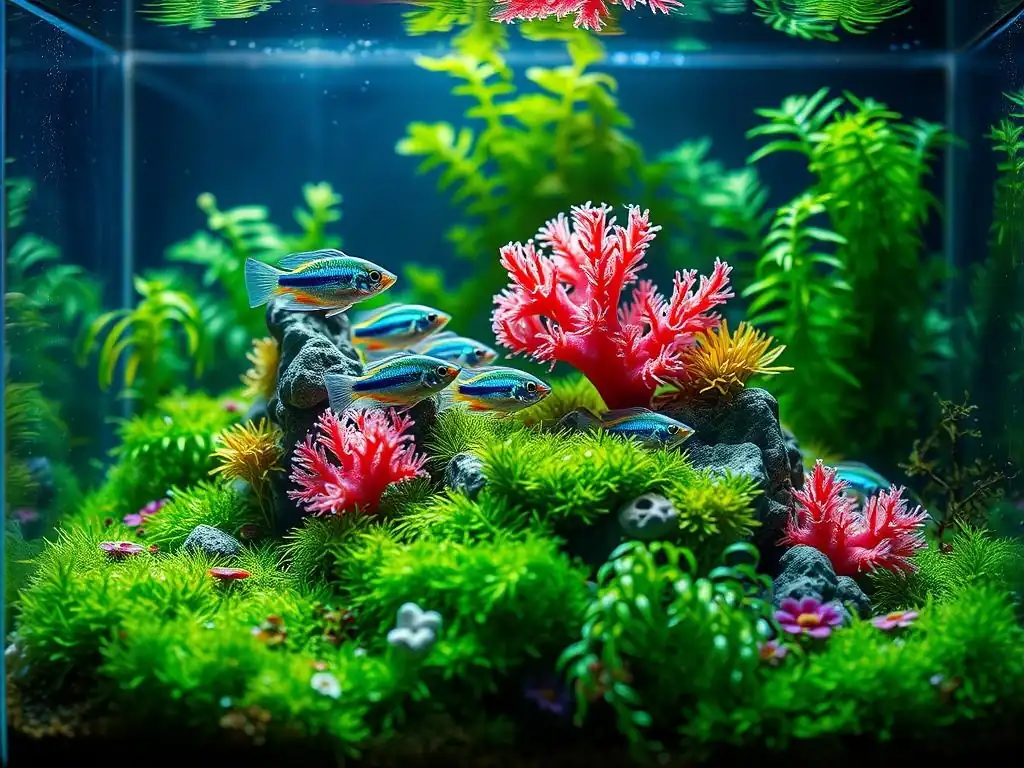
Curious about unlocking the full potential of your nano goby? You've come to the right place! Dive deep into our expert guide and discover advanced nano goby care tips that go beyond the basics. Learn how to create the perfect environment for these captivating little fish and watch them thrive. Ready to elevate your saltwater aquarium game? Let's begin!
- Introduction to Specialized Goby Care in Nano Reefs
- Understanding Goby Species Suitable for Nano Reefs
- Optimizing Your Nano Reef Environment for Gobies
- Advanced Feeding Strategies for Nano Gobies
- Maintaining Pristine Water Quality: Crucial for Goby Health
- Identifying and Treating Goby Diseases in Nano Aquariums
- Goby Tank Mates: Compatibility Considerations for Nano Reefs
- Advanced Breeding Techniques for Gobies in Nano Aquariums
- Troubleshooting Common Goby Problems in Nano Reefs
- Advanced Techniques for Enhancing Goby Coloration
- Conclusion: Mastering Nano Goby Care for a Thriving Reef
-
Frequently Asked Questions
- How often should I feed my Nano Goby?
- What are the ideal water parameters for a Nano Goby tank?
- What tank mates are suitable for Nano Gobies in a nano aquarium?
- What are some common health issues affecting Nano Gobies, and how can I prevent them?
- What type of substrate is best for a Nano Goby aquarium?
- Final Reflection: The Tiny Titans of Our Tanks
- Dive Deeper: Elevate Your Goby Keeping to Expert Level!
Introduction to Specialized Goby Care in Nano Reefs
Why Advanced Goby Care is Crucial for Nano Aquariums
Advanced nano goby care is not merely an optional enhancement but a critical requirement for the long-term health and vitality of these fascinating fish in confined aquatic environments. Unlike larger reef systems, nano aquariums (typically under 30 gallons) have significantly less water volume, which means that any environmental fluctuations – be it temperature swings, pH shifts, or nutrient spikes – are amplified and occur much more rapidly.
For sensitive goby species, even a subtle decline in water quality or a slight change in temperature can induce severe stress, compromising their immune systems and making them highly susceptible to disease. Therefore, meticulous attention to detail in every aspect of their husbandry is paramount to ensure their survival and flourishing.
Furthermore, dedicated nano goby care allows these captivating creatures to exhibit their natural behaviors, from intricate burrowing and territorial displays to cooperative relationships with pistol shrimp. When gobies are kept in optimal conditions, their vibrant colors intensify, their activity levels are healthy, and their natural lifespan is maximized.
For instance, a well-cared-for Neon Goby ( Elacatinus oceanops) can live for 3-5 years, whereas in sub-optimal nano tank conditions, their lifespan might be cut to less than a year due to chronic stress or disease. True success in nano goby keeping is measured not just by survival, but by the thriving, active display of these miniature reef personalities.
Common Challenges with Keeping Gobies in Small Reef Tanks
Keeping gobies in small reef tanks presents unique challenges that necessitate a more precise approach compared to larger systems. One primary concern is the limited physical space available, which can lead to territorial disputes or chronic stress, especially for species that establish defined territories or engage in pair bonding.
A typical 10-gallon nano tank, for example, offers a footprint of approximately 20x10 inches, significantly restricting the available territory for a goby compared to a 40-gallon breeder tank with a 36x18 inch footprint. This reduced space means fewer hiding spots and less room to escape aggressive tank mates or perceived threats, directly impacting the goby's sense of security and overall well-being.
Another significant challenge stems from the inherent instability of water parameters in small volumes. Nano tanks are notoriously difficult to keep stable due to their low buffering capacity and rapid evaporation rates. A slight oversight, such as forgetting to top off evaporated water for a day, can cause salinity to spike by several parts per thousand (e.g., from 1.025 to 1.028 SG in a 5-gallon tank), which is far more drastic than in a 50-gallon system.
Similarly, temperature fluctuations, nutrient accumulation, and pH swings are more pronounced and rapid, directly impacting sensitive gobies that thrive in consistent environments. Successfully navigating these challenges requires a commitment to rigorous monitoring and proactive intervention, making advanced nano goby care tips essential for any serious aquarist.
Understanding Goby Species Suitable for Nano Reefs
Identifying Ideal Small Goby Species for Nano Tanks
When selecting gobies for nano reef aquariums, the primary criteria revolve around their adult size, temperament, and specific environmental needs. Ideal species typically remain under 3 inches in length, ensuring they do not outgrow their limited space and can thrive without excessive stress. Popular choices include various Trimma gobies, known for their diminutive size and often vibrant coloration.
For example, the Trimma rubromaculata, or Red-Spotted Trimma Goby, rarely exceeds 1.5 inches and is known for its peaceful demeanor, making it suitable for tanks as small as 5 gallons. Similarly, the Elacatinus genus, which includes the well-known Neon Goby ( Elacatinus oceanops), is another excellent candidate, typically reaching 1.5-2 inches. These species are not only small but also tend to be relatively hardy and adaptable to typical captive conditions.
Beyond their size, assessing the goby's natural behavior and dietary preferences is crucial for long-term nano goby care. Many of these smaller species are either sand-sifters, requiring a fine sand bed, or perching gobies that prefer ample rockwork for hiding and observation. For instance, a Diamond Watchman Goby ( Valenciennea puellaris), while a fantastic sand sifter, can reach 4 inches and might be too large for tanks under 20 gallons, despite its beneficial sand-sifting activities.
Conversely, a Yellow Watchman Goby ( Cryptocentrus cinctus) typically stays around 3 inches and is a popular choice for larger nano tanks (15+ gallons) due to its charismatic personality and potential to form symbiotic relationships with pistol shrimp. Understanding these nuances helps prevent issues like malnourishment or aggression within the confined space of a nano reef.
Characteristics of Beginner-Friendly Nano Gobies
Beginner-friendly nano gobies possess several key characteristics that make them more forgiving for aquarists new to advanced nano goby care. Foremost among these is their hardiness and adaptability to a range of captive conditions.
Species like the Green Clown Goby ( Gobiodon atrangulatus) or the Yellow Clown Goby ( Gobiodon okinawae) are often recommended due to their robust nature and tolerance for slight fluctuations in water parameters, provided extremes are avoided. These gobies typically reach a maximum size of 2 inches, fit comfortably in tanks as small as 5-10 gallons, and are less prone to succumbing to minor environmental stressors compared to more delicate species.
Another defining trait of beginner-friendly gobies is their willingness to accept prepared foods. Many can be transitioned relatively easily from live or frozen foods to high-quality pellets or flakes, simplifying their feeding regimen. For example, a Green Clown Goby will often readily consume frozen Mysis shrimp, enriched brine shrimp, and even high-quality marine pellets within a few days of introduction to a new tank.
Their generally peaceful temperament also makes them suitable for community nano tanks, as they are less likely to harass or be harassed by other small, non-aggressive tank mates. These combined attributes make them excellent choices for aquarists looking to dive into the world of nano goby keeping without immediately tackling the complexities of highly specialized species.
Less Common, But Suitable, Goby Species for Experienced Aquarists
For experienced aquarists seeking to delve deeper into advanced nano goby care, several less common but equally captivating goby species offer a rewarding challenge. These species often have more specific requirements regarding diet, water parameters, or habitat, demanding a higher level of precision and dedication. Examples include the exquisite Discordipinna griessingeri, a tiny, cryptic goby that rarely exceeds an inch.
These gobies are often only found in mature, highly stable nano systems with an abundance of natural copepods and other microfauna, as they can be notoriously difficult to transition to prepared foods. Their delicate nature means they are highly sensitive to even minor water quality fluctuations and require pristine, stable conditions.
Another group of gobies for the advanced hobbyist are certain Stonogobiops species, such as the Orange-striped Goby ( Stonogobiops nematodes), which, while visually stunning, are known for their extreme shyness and specific dietary needs. These gobies typically prefer to burrow under rockwork or in fine sand and thrive best in systems with very low flow and minimal disturbance.
They often require a continuous supply of live copepods or similarly small, live prey to truly flourish, making a well-established refugium or regular live food cultures essential for their long-term health. Successfully keeping these species demonstrates a high level of proficiency in advanced nano goby care tips, as it requires an in-depth understanding of their natural history and a commitment to replicating their specific environmental niche.
Optimizing Your Nano Reef Environment for Gobies
Recreating Natural Goby Habitats in a Nano Reef
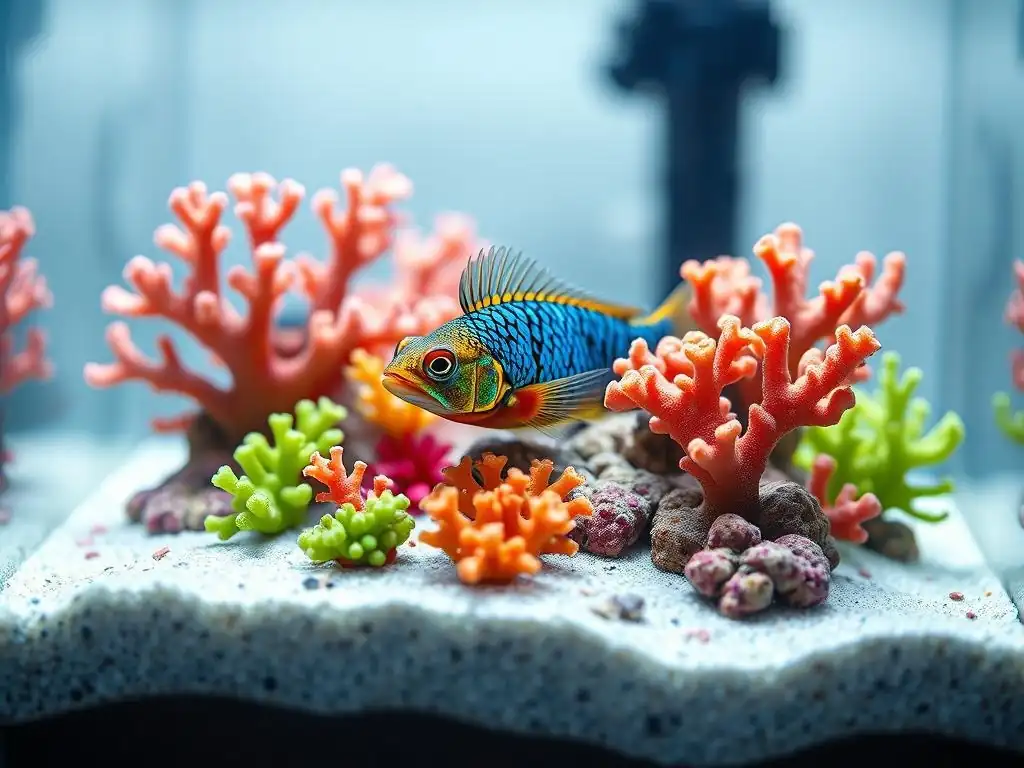
Recreating the natural habitat of gobies within a nano reef is a cornerstone of advanced nano goby care, fostering their well-being and allowing them to exhibit natural behaviors. Most gobies, particularly those suitable for nano tanks, originate from shallow reef environments, often found burrowing in sandy bottoms, perching on rocks, or living symbiotically with invertebrates in crevices. To mimic this, a diverse substrate and intricate rockwork are essential.
For sand-dwelling gobies like the Diamond Watchman Goby, a deep sand bed of at least 3-4 inches is crucial for their burrowing activities. Without adequate depth, these gobies can become stressed, leading to poor health and even starvation as they cannot perform their natural foraging behaviors.
Beyond the substrate, the overall aquascape should provide a sense of security and numerous hiding spots. This can be achieved through strategically placed live rock, creating caves, overhangs, and swim-throughs. For instance, a small cave or a cluster of rocks can serve as a goby's primary territory, reducing stress from perceived threats.
Water flow should also be considered; while some gobies prefer moderate flow, others, especially cryptic species, thrive in lower flow areas. For example, a Trimma Goby might prefer a sheltered spot with gentle water movement, whereas a Clown Goby might be more tolerant of varied flow. Balancing these elements ensures that the goby feels secure and has ample opportunities for exploration and refuge, which are vital nano goby care tips for their long-term success.
Substrate Selection: Fine Sand vs. Coarse Gravel for Gobies
Substrate selection is a critical aspect of optimizing a nano reef environment for gobies, directly impacting their natural behaviors and overall health. For the vast majority of goby species suitable for nano aquariums, a fine sand substrate is overwhelmingly preferred, if not absolutely essential. Species like the Watchman Gobies ( Cryptocentrus and Valenciennea genera) are prolific burrowers and sand-sifters.
They require a substrate with a grain size of 0.5-2 mm (e.g., aragonite sugar-fine or live sand) to effectively construct and maintain their burrows without damaging their delicate fins or gills. A depth of at least 2-4 inches is often recommended for these species, allowing them to create stable, multi-chambered homes. Using coarse gravel or crushed coral can injure their mouths and gills as they sift, leading to infections and stress.
Conversely, while fine sand is generally superior, some gobies, particularly perching species like the Green Clown Goby ( Gobiodon okinawae), are less reliant on a deep sand bed for burrowing. These gobies spend most of their time perched on live rock or corals. For such species, a thinner layer of fine sand (1-2 inches) is acceptable, primarily for aesthetic purposes and to host beneficial bacteria.
However, even for perching gobies, coarse gravel should be avoided entirely in a marine nano tank. It traps detritus, leading to nutrient accumulation (nitrates and phosphates), which is detrimental to overall water quality and can stress gobies. Therefore, for effective nano goby care, a fine sand bed remains the gold standard for most goby setups.
Rockwork and Hiding Places: Creating a Goby Paradise
Providing ample and appropriate rockwork is indispensable for creating a goby paradise within a nano reef, directly contributing to their sense of security and natural behavior. Gobies, by nature, are often shy and require numerous hiding places to retreat from perceived threats, rest, and establish territories. The aquascape should incorporate live rock to form intricate cave systems, overhangs, and crevices.
For instance, stacking live rock to create several small, interconnected caves can mimic the complex reef structures where gobies naturally reside. This not only provides refuge but also visual barriers that help reduce aggression if multiple gobies or other territorial fish are present in a nano tank.
The design of the rockwork should also consider the specific goby species being kept. Burrowing gobies, such as the Yellow Watchman Goby, benefit from stable rock structures that extend to the bottom glass, preventing their extensive burrows from undermining the entire aquascape. For these species, ensuring that rocks are securely placed on the tank bottom or on egg crate before adding sand is a critical nano goby care tip to prevent collapses.
Perching gobies, like the various Gobiodon species, appreciate flat surfaces or small ledges on which to rest and observe their surroundings. A well-designed rockscape should offer a variety of such perching spots at different heights, catering to the goby's natural inclination to survey its territory from a vantage point. The more secure and varied the rockwork, the more confident and active your gobies will be.
Advanced Feeding Strategies for Nano Gobies
Targeting Feeding Techniques for Picky Gobies
Advanced nano goby care often necessitates targeted feeding techniques, especially for species known to be picky eaters or those that struggle to compete for food in a mixed reef environment. Many smaller gobies, particularly newly introduced specimens or wild-caught individuals, may initially refuse prepared foods, preferring live fare. To overcome this, spot feeding is highly effective.
Using a long, slender pipette or turkey baster, small portions of frozen Mysis shrimp, enriched brine shrimp, or finely chopped marine formula can be delivered directly to the goby's hiding spot or preferred foraging area. This ensures the food reaches the goby before being swept away by currents or consumed by faster tank mates. For example, a shy Stonogobiops goby might only feed if food is placed within an inch of its burrow entrance.
Another strategy involves feeding small amounts multiple times a day rather than one large meal. Gobies have small stomachs and a high metabolism, benefiting from frequent, smaller feedings (e.g., 2-3 times daily). For very finicky gobies, soaking frozen foods in a garlic additive (e.g., GarlicGuard) or a vitamin supplement (e.g., Selcon) can enhance palatability and nutritional value.
For instance, soaking frozen copepods in Selcon for 15 minutes before feeding can entice a reluctant Discordipinna goby to eat while boosting its essential fatty acid intake. Consistency and patience are key; it may take several days or even weeks for a picky goby to fully acclimate to prepared foods, but these targeted approaches significantly increase the chances of success in advanced nano goby care.
Live Food Cultures for Optimal Goby Nutrition
For optimal nano goby nutrition, particularly for delicate or specialized species, maintaining live food cultures is an advanced but highly rewarding strategy. Live foods offer unparalleled nutritional value and palatability, often triggering a strong feeding response in even the most reluctant gobies. Copepods, such as Tisbe and Tigriopus species, are excellent choices, providing essential fatty acids and natural foraging opportunities.
A continuous culture of copepods in a refugium connected to the main display tank can provide a steady, self-sustaining food source, mimicking the goby's natural diet of micro-crustaceans. This is especially crucial for species like Discordipinna gobies or newly imported Trimma species that may not immediately accept frozen foods.
Beyond copepods, culturing enriched brine shrimp nauplii or rotifers can be beneficial, especially for conditioning breeding pairs or providing a varied diet. While adult brine shrimp are less nutritious, newly hatched nauplii are packed with vital nutrients and are an ideal size for even the smallest goby mouths. For instance, feeding newly hatched, gut-loaded brine shrimp to a pair of Neon Gobies can significantly improve their spawning success and the viability of their eggs.
Culturing live blackworms or grindal worms, though less common for marine setups, can also be considered for certain species as a highly nutritious protein source. Incorporating live food cultures elevates nano goby care tips to a professional level, ensuring your gobies receive the most natural and complete nutrition possible.
Supplementing Goby Diets with Essential Vitamins and Minerals
Supplementing goby diets with essential vitamins and minerals is a crucial aspect of advanced nano goby care, ensuring long-term health, vibrant coloration, and disease resistance. While high-quality frozen and prepared foods provide a baseline of nutrition, they can degrade over time, and some vital nutrients, particularly certain vitamins (like Vitamin C and B vitamins) and trace minerals, might be present in insufficient quantities. Soaking frozen foods in liquid vitamin supplements (e.g., Selcon, Vita-Chem) for 10-15 minutes before feeding significantly enhances their nutritional profile.
Selcon, rich in Omega-3 fatty acids and Vitamin C, is particularly beneficial for boosting the immune system and enhancing coloration. For example, regular supplementation can visibly improve the intensity of yellow or blue pigments in species like the Yellow Watchman Goby or Neon Goby within a few weeks.
Additionally, some aquarists opt for specialized marine pellets or flakes that are fortified with spirulina, chlorella, or other algae, providing essential plant-based nutrients and carotenoids. While gobies are primarily carnivorous, a small amount of plant matter can contribute to a well-rounded diet. For instance, a diet lacking in certain carotenoids can lead to faded colors in even the healthiest goby.
It's also important to ensure that the trace elements in the aquarium water itself are maintained at optimal levels, as gobies can absorb some minerals directly from the water. Regular testing for parameters like iodine and strontium, and dosing if necessary, complements dietary supplementation. These detailed nano goby care tips regarding nutrition are vital for not just survival, but for truly thriving and showcasing the full potential of your gobies.
Maintaining Pristine Water Quality: Crucial for Goby Health
Advanced Water Parameter Monitoring for Sensitive Gobies
Maintaining pristine and stable water quality is paramount for the health of sensitive gobies in nano aquariums, necessitating advanced water parameter monitoring. Due to the small water volume, any deviation in parameters can quickly become critical. Regular testing, ideally daily for salinity and temperature, and at least 2-3 times per week for alkalinity (dKH), calcium, and magnesium, is essential.
For instance, a dKH drop from 8.0 to 7.0 in a 10-gallon tank can happen rapidly if coral growth is high or dosing is inconsistent, stressing calcifying organisms and potentially gobies. Nitrates and phosphates should be monitored weekly, aiming for near-zero levels (e.g., nitrates <5 ppm, phosphates <0.03 ppm) to prevent algae growth and reduce stress on delicate fish.
Beyond standard parameters, advanced nano goby care may involve monitoring less common but equally important elements. For species that rely on specific microfauna, ensuring the water quality supports a thriving copepod population is key. This might involve testing for silicates if diatoms are an issue, or maintaining stable iodine levels.
Using high-quality test kits with accurate reagents is crucial; cheap kits can give misleading results, leading to inappropriate interventions. For example, an inaccurate alkalinity reading could lead to over-dosing, causing an alkalinity spike that is more detrimental than a slight dip. Consistent, precise monitoring allows for proactive adjustments, preventing stress and disease in your gobies before symptoms even appear.
The Importance of Regular Water Changes in Nano Goby Tanks
Regular and consistent water changes are arguably the most fundamental and effective nano goby care tip for maintaining pristine water quality in nano aquariums. Due to their small volume, nano tanks accumulate dissolved organic compounds, nitrates, and phosphates much faster than larger systems. Performing weekly water changes of 10-20% is often recommended, but for highly stocked or nutrient-export-challenged nano goby tanks, even 25-30% might be beneficial.
For example, in a 10-gallon tank, changing 2 gallons weekly effectively removes accumulating toxins and replenishes essential trace elements that are consumed by corals and fish. This dilutes pollutants, preventing them from reaching toxic levels that can stress or kill sensitive gobies.
Beyond pollutant removal, water changes replenish vital trace elements that are depleted through biological processes and absorption by tank inhabitants. Elements like iodine, strontium, and various other trace minerals are crucial for goby health, immunity, and vibrant coloration. While some aquarists use trace element dosing, regular water changes with high-quality, freshly mixed saltwater often provide a more balanced and safer replenishment method, reducing the risk of overdosing specific elements.
Ensuring the new saltwater is mixed to the exact same salinity and temperature as the tank water is critical to avoid shocking the gobies. The discipline of consistent water changes forms the backbone of any successful advanced nano goby care regimen, promoting a stable and healthy environment for these delicate fish.
Managing Nitrates and Phosphates for Goby Well-being
Effective management of nitrates and phosphates is critical for goby well-being in nano aquariums, as elevated levels of these nutrients can severely stress delicate species and promote nuisance algae growth. Nitrates (NO3) are the end product of the nitrogen cycle, while phosphates (PO4) are introduced through food, tap water, and decaying organic matter.
For sensitive gobies, maintaining nitrate levels below 5 ppm and phosphates below 0.03 ppm is ideal. Levels exceeding these thresholds can suppress a goby's immune system, making them more susceptible to diseases like marine ich or bacterial infections, and can also lead to faded coloration and lethargy.
Several advanced nano goby care strategies can be employed to keep these nutrients in check. Regular water changes, as discussed, are the primary method. However, for persistent issues, implementing nutrient export methods is essential. This includes using GFO (Granular Ferric Oxide) or similar phosphate-removing media in a media reactor or filter bag, which effectively binds phosphates.
Running activated carbon also helps remove dissolved organic compounds before they break down into nitrates. Furthermore, cultivating macroalgae in a refugium (e.g., Chaetomorpha or Caulerpa) acts as a natural nutrient sponge, absorbing both nitrates and phosphates as they grow. Overfeeding is a common cause of high nutrients, so adjusting feeding amounts and ensuring all food is consumed promptly is a simple yet impactful measure. By diligently managing these parameters, aquarists can provide a stable, low-nutrient environment that gobies thrive in.
Identifying and Treating Goby Diseases in Nano Aquariums
Recognizing Early Signs of Illness in Nano Gobies
Recognizing the early signs of illness in nano gobies is paramount for successful intervention and is a critical aspect of advanced nano goby care, given their small size and sensitivity. Subtle changes in behavior or appearance can be the first indicators. Look for deviations from normal activity: a typically active goby becoming lethargic and hiding excessively, or a shy goby suddenly becoming unusually bold.
Changes in breathing rate, such as rapid gill movements (flashing), can indicate stress or respiratory issues. Observing their coloration daily is also important; faded colors, dullness, or the appearance of unusual spots or patches (e.g., white spots resembling salt grains for Ich, or velvety gold dust for Marine Velvet) are clear red flags.
Physical signs also include clamped fins, ragged or torn fins, cloudy eyes, or visible lesions on the body. For instance, a healthy Yellow Watchman Goby typically has clear eyes and erect fins, whereas a goby suffering from a bacterial infection might exhibit cloudy eyes and clamped pectoral fins. Changes in appetite are another crucial indicator; a goby that suddenly refuses food, or takes food but then spits it out, is likely experiencing an internal issue.
Any new or unusual behavior, no matter how minor, should prompt immediate investigation of water parameters and a closer inspection of the fish. Early detection, often within the first 24-48 hours of symptom onset, significantly increases the chances of successful treatment and recovery for your nano gobies.
Quarantine Procedures for New and Sick Gobies
Implementing strict quarantine procedures for new and sick gobies is a non-negotiable aspect of advanced nano goby care, preventing the introduction and spread of diseases within the main display tank. A dedicated quarantine tank (QT) of at least 5-10 gallons, equipped with a heater, small filter (sponge filter or hang-on-back), and PVC pipes or small rockwork for hiding, is essential. All new fish, including gobies, should spend a minimum of 4-6 weeks in the QT.
During this period, they can be observed for signs of disease, acclimated to prepared foods, and potentially undergo prophylactic treatments for common parasites like marine ich ( Cryptocaryon irritans) or velvet ( Amyloodinium ocellatum). For example, a 4-week copper treatment, carefully monitored with a reliable copper test kit, can effectively eradicate external parasites before introduction to the display.
For sick gobies removed from the main tank, the QT serves as a dedicated hospital tank, allowing for targeted treatment without harming corals or invertebrates in the display. Medications, such as antibiotics for bacterial infections or antiparasitics, can be administered precisely. For instance, a goby showing signs of fin rot (a common bacterial issue) can be treated with a broad-spectrum antibiotic in the QT, preventing the spread of the infection and allowing for a controlled environment for recovery.
Maintaining stable water parameters in the QT, identical to the main tank, is crucial to minimize stress on the already compromised fish. A well-executed quarantine protocol is one of the most effective nano goby care tips for disease prevention and management.
Common Goby Diseases and Effective Treatment Options
Gobies in nano aquariums can be susceptible to several common marine diseases, and knowing effective treatment options is crucial for advanced nano goby care.
- Marine Ich (Cryptocaryon irritans): This is perhaps the most common and recognizable parasitic disease, appearing as small, white spots resembling salt grains on the fish's body and fins. Itching (flashing against rocks) and rapid breathing are also common.
- Treatment: The most effective and widely used treatment for Ich in a quarantine tank (QT) is copper-based medication (e.g., Copper Power, Cupramine). Maintain a therapeutic copper level (e.g., 0.5-0.7 ppm for Copper Power or 0.25 ppm for Cupramine) for at least 30 days, meticulously monitoring levels with a reliable test kit. Hyposalinity (lowering salinity to 1.008-1.009 SG) for 4-6 weeks is an alternative, but requires precise monitoring and is not suitable for all species. Transferring the goby to a fallow QT (no fish in display for 72 days) will starve the parasite in the main tank.
- Marine Velvet (Amyloodinium ocellatum): More deadly and rapid-acting than Ich, Velvet appears as a fine, dusty, yellowish-gold coating on the fish, often accompanied by rapid breathing, lethargy, and cloudiness.
- Treatment: Similar to Ich, copper-based medications in a QT are highly effective. Due to its rapid progression, immediate treatment is necessary. Chloroquine Phosphate is another highly effective treatment for Velvet (and Ich) in a QT setting, typically dosed at 10mg/gallon.
- Bacterial Infections (e.g., Fin Rot, Body Ulcers): These manifest as ragged fins, red streaks, cloudy eyes, open sores, or a slimy coating. Often caused by poor water quality or stress.
- Treatment: Broad-spectrum antibiotics (e.g., Nitrofurazone, Kanamycin, Erythromycin) administered in a QT are typically used. Identifying the specific bacterial strain is difficult, so a broad-spectrum approach is common. Improving water quality and reducing stress are critical supporting measures. For example, a goby with fin rot might show significant improvement within 5-7 days of Kanamycin treatment combined with daily small water changes in the QT.
- Brooklynella (Brooklynella hostilis): Less common but highly virulent, affecting clownfish primarily but can impact other species. Appears as thick, white mucus on the skin, often with rapid breathing.
- Treatment: Formalin dips or Formalin-based medications in a QT are effective. Freshwater dips (5 minutes in dechlorinated, pH- and temperature-matched freshwater) can provide temporary relief but are not a cure.
Always ensure correct diagnosis, follow medication instructions precisely, and use a dedicated QT to protect the main display. These nano goby care tips for disease management are vital for maintaining a healthy and thriving aquarium.
Goby Tank Mates: Compatibility Considerations for Nano Reefs
Selecting Peaceful Tank Mates for Nano Gobies
Selecting peaceful tank mates is a critical aspect of advanced nano goby care, ensuring a stress-free environment for these often shy and small fish. The limited space in nano aquariums means that even mildly aggressive species can pose a significant threat. Ideal tank mates are those that are non-aggressive, slow-moving, and do not compete directly with gobies for food or territory.
Small, peaceful blennies, such as the Tailspot Blenny ( Ecsenius stigmatura), can often coexist with gobies as they occupy different niches—blennies typically perch on rocks, while many gobies are bottom-dwellers or burrowers. However, ensure there's enough rockwork for both to establish their territories without conflict.
Small, non-aggressive species of cardinalfish, like the Banggai Cardinalfish ( Pterapogon kauderni), can also be suitable, provided the tank is at least 15-20 gallons to accommodate their schooling behavior if kept in pairs. Similarly, certain small, peaceful wrasses, such as the Possum Wrasse ( Wetmorella nigropinnata), can be considered for larger nano tanks (20+ gallons), as they are generally peaceful and do not compete for bottom space. When introducing new tank mates, always observe interactions closely for the first few days.
For instance, a pair of Neon Gobies can typically coexist peacefully with a single Tailspot Blenny in a 10-gallon tank, but adding a second blenny might lead to territorial disputes. Prioritizing calm, non-confrontational species is a golden rule for successful nano goby care.
Avoiding Aggressive Species that Stress Gobies
Avoiding aggressive or overly boisterous species is paramount in advanced nano goby care, as their presence can induce chronic stress, leading to poor health and even death for shy gobies. Even species that might be considered "semi-aggressive" in larger tanks can become overtly aggressive in the confined space of a nano aquarium due to limited territory. Fish known for nipping, chasing, or establishing large territories are particularly problematic. This includes most damselfish (e.g., Blue Devil Damselfish, Yellowtail Damselfish), which, despite their small size, are notoriously territorial and can relentlessly harass gobies, preventing them from feeding or finding refuge.
Similarly, most dottybacks, while colorful, are generally too aggressive for nano goby tanks. For example, a Royal Gramma ( Gramma loreto), while beautiful, can become territorial in a small tank and may harass smaller, more docile gobies. Certain clownfish species, especially if kept singly or in pairs in a small tank without an anemone, can also become surprisingly aggressive towards bottom-dwelling fish.
Any fish that grows larger than 3-4 inches and is known for its active swimming or territorial nature should generally be avoided in tanks under 20-30 gallons when keeping gobies. The stress caused by constant harassment can lead to a goby refusing to eat, developing fin rot, or succumbing to secondary infections. These nano goby care tips emphasize that compatibility is not just about size, but temperament and spatial needs.
Invertebrate Companions: Shrimp, Snails, and Gobies
Invertebrate companions, specifically shrimp and snails, are generally excellent and often beneficial tank mates for gobies in nano reefs, enhancing both the ecosystem and the goby's well-being. Cleaner shrimp ( Lysmata species, e.g., Peppermint Shrimp, Skunk Cleaner Shrimp) are typically peaceful and can even provide cleaning services for gobies, removing parasites or dead skin. For example, a Skunk Cleaner Shrimp will often set up a cleaning station, and a goby might approach it for a quick clean, showcasing natural symbiotic behavior. These shrimp are generally safe with most gobies and contribute to tank biodiversity.
Snails, such as Nassarius snails, turbo snails, and various hermit crabs (e.g., Dwarf Blue Leg Hermit Crabs), are also highly compatible. They act as part of the clean-up crew, consuming algae and detritus, which helps maintain water quality—a key aspect of nano goby care. Nassarius snails, in particular, are excellent detritivores and burrow into the sand, helping to aerate the substrate, which can benefit sand-sifting gobies.
However, it's important to choose smaller hermit crab species, as larger ones can sometimes harass or even prey on very small gobies, especially at night. Pistol shrimp ( Alpheus species) are a special case, forming a fascinating symbiotic relationship with certain goby species (e.g., Yellow Watchman Goby, Tiger Watchman Goby). This partnership, where the shrimp digs the burrow and the goby acts as a lookout, is one of the most captivating behaviors in a nano reef and is highly encouraged for compatible pairs.
Advanced Breeding Techniques for Gobies in Nano Aquariums
Creating a Breeding Environment for Specific Goby Species
Creating a dedicated breeding environment is an advanced nano goby care technique aimed at encouraging spawning in specific goby species within the confines of a nano aquarium. This typically involves setting up a separate "breeding box" or a small, species-specific tank (e.g., 5-10 gallons) with optimal conditions. The key is to mimic their natural spawning triggers and provide suitable egg-laying sites.
For many gobies, this means providing a stable, secure cave or PVC pipe section. For instance, a pair of Neon Gobies ( Elacatinus oceanops) will readily spawn in a small PVC elbow or a ceramic pot placed upside down, providing a dark, enclosed space for egg deposition.
Water parameters must be pristine and highly stable, with temperatures typically at the higher end of their preferred range (e.g., 78-80°F for many species) to stimulate spawning. A slight increase in temperature or a small, frequent water change can sometimes act as a trigger. Diet is also crucial; conditioning the breeding pair with high-quality, protein-rich foods, including live foods like enriched brine shrimp or copepods, significantly increases their readiness to spawn.
For burrowing gobies, a deep, fine sand bed is essential for them to create their spawning burrow. The tank should be dimly lit and have minimal flow to prevent eggs from being dislodged. Successfully creating this specialized environment is a challenging but rewarding aspect of advanced nano goby care.
Identifying Male and Female Gobies
Accurately identifying male and female gobies (sexing) is a prerequisite for successful breeding in nano aquariums and a key component of advanced nano goby care. While some goby species exhibit obvious sexual dimorphism, others are more subtle, requiring keen observation. For many species, males tend to be larger, more robust, and may display more vibrant coloration, especially during breeding season.
For example, in many Elacatinus gobies (e.g., Neon Gobies), males often have a more pronounced dorsal fin or a slightly larger head. Their behavior can also be indicative; males are typically more territorial and may engage in courtship displays, such as fin-flaring or "dancing," to attract a female.
In some species, the difference lies in the shape of their urogenital papilla, which becomes more apparent when they are conditioned for spawning. Females typically have a rounder, more swollen papilla when gravid, while males have a more pointed one. This requires careful observation, often with the fish temporarily isolated in a clear container. For symbiotic gobies, like the Yellow Watchman Goby, distinguishing sexes can be challenging, but pairs often form naturally.
The best way to ensure a male-female pair for breeding purposes is often to purchase a small group of juveniles (e.g., 4-6 individuals if tank size permits) and allow them to pair off naturally as they mature. Once a pair forms, the others can be rehomed. Precise sexing is an art that comes with experience and is vital for any advanced nano goby care breeding project.
Raising Goby Fry in a Nano Setting
Raising goby fry in a nano setting is an incredibly challenging yet ultimate achievement in advanced nano goby care, demanding meticulous attention to detail and specialized techniques. Most goby species lay demersal eggs (eggs that sink), which are typically guarded by the male. Once the eggs hatch (which can be 3-7 days depending on species and temperature), the fry are often pelagic (free-swimming) and incredibly tiny, usually less than 2-3 mm in length.
They require microscopic food sources immediately upon hatching. The first food for most goby fry is rotifers (e.g., Brachionus plicatilis), which must be cultured continuously and enriched with highly nutritious products (e.g., phytoplankton concentrates like Nannochloropsis).
As the fry grow (typically within 1-2 weeks), they can transition to larger live foods such as newly hatched, enriched brine shrimp nauplii. The fry tank itself must be kept extremely clean, with gentle aeration (a small air stone) and minimal water flow to prevent the delicate fry from being swept away. Daily small water changes (e.g., 10-20% using a clear airline tubing to siphon out detritus without sucking up fry) are essential to maintain pristine water quality, as fry are highly sensitive to ammonia and nitrite.
Dim lighting is also preferred to prevent disorientation. The survival rate for goby fry in a nano setting can be very low (often less than 1-5%), but with persistent effort, continuous live food cultures, and vigilant water quality management, successful rearing is possible, offering immense satisfaction for the dedicated aquarist.
Troubleshooting Common Goby Problems in Nano Reefs
Addressing Goby Fin Nipping and Aggression
Addressing goby fin nipping and aggression is a common troubleshooting challenge in nano goby care, often stemming from territorial disputes or inappropriate tank mates in confined spaces. While many gobies are peaceful, some species, particularly males or certain pairs, can become territorial, especially if their personal space is invaded. Fin nipping, usually directed at other gobies or similarly shaped fish, indicates stress or a perceived threat.
The first step is to assess the tank layout: does it offer enough hiding places and visual barriers to break up lines of sight? Adding more live rock, creating additional caves, or even rearranging the existing rockwork can help redefine territories and reduce conflict.
If aggression persists, especially towards a specific tank mate, temporary isolation of the aggressor in a breeder box within the main tank for 24-48 hours can sometimes reset the pecking order. If the aggression is severe and persistent, removing the aggressive goby or the targeted victim to a separate tank may be necessary.
For instance, if a Yellow Watchman Goby is relentlessly chasing a smaller Trimma Goby in a 10-gallon tank, the smaller goby will likely suffer chronic stress and eventually perish. In such cases, these nano goby care tips recommend re-evaluating tank mate compatibility, as the limited volume of a nano tank may simply not support certain combinations of species.
Resolving Goby Hiding Behavior and Inactivity
Resolving excessive goby hiding behavior and inactivity is a frequent troubleshooting task in nano goby care, as it often signals underlying stress, illness, or an unsuitable environment. While many gobies are naturally shy, prolonged hiding or complete inactivity (e.g., a goby remaining in its burrow for days) is a cause for concern. The first step is to thoroughly check all water parameters (salinity, temperature, pH, ammonia, nitrite, nitrate, phosphate) to rule out poor water quality, which is a common stressor.
Even subtle deviations can make a goby feel unwell or insecure. For instance, a sudden drop in pH from 8.2 to 7.8 could cause a normally active goby to retreat to its cave.
Next, assess the tank environment for perceived threats. Are there aggressive tank mates? Is the lighting too intense or sudden? Some gobies prefer subdued lighting, especially upon introduction. Providing ample, secure hiding places (caves, overhangs) can significantly increase a goby's confidence. If the goby is new, it may simply be acclimating; some species take several weeks to become comfortable in a new environment.
If water parameters are pristine and tank mates are peaceful, consider the goby's diet. Is it getting enough food, and is the food appropriate? Malnutrition can lead to lethargy. If hiding persists despite environmental adjustments, inspect the goby closely for any subtle signs of illness (e.g., faded color, rapid breathing) that might have been missed, prompting further investigation and potential quarantine. These nano goby care tips emphasize patience and methodical problem-solving.
Combating Goby Starvation and Malnutrition
Combating goby starvation and malnutrition is a critical troubleshooting area in advanced nano goby care, as these small fish can quickly waste away if not properly fed. Starvation is often characterized by a sunken belly, lethargy, and a general emaciated appearance. The primary cause is typically insufficient food intake, whether due to a picky eater, competition from faster tank mates, or inadequate feeding frequency.
The first step is to re-evaluate your feeding strategy. Are you feeding enough? Many nano gobies benefit from 2-3 small feedings per day rather than one large one, as their small stomachs cannot hold much food.
Targeted feeding is often necessary for shy or slow-eating gobies. Using a pipette or turkey baster to deliver frozen Mysis shrimp, enriched brine shrimp, or finely chopped marine formula directly to the goby's hiding spot or known territory ensures it gets food. For instance, a Diamond Watchman Goby might struggle to compete with a faster-swimming clownfish for food distributed broadly in the water column; direct placement near its burrow solves this.
If the goby is refusing prepared foods, introducing live foods (e.g., live copepods, enriched brine shrimp nauplii) can often stimulate a feeding response. Soaking foods in a palatability enhancer like garlic or a vitamin supplement can also help. Persistent malnutrition can lead to organ failure and weakened immunity, making these nano goby care tips on feeding crucial for the long-term survival and health of your gobies.
Advanced Techniques for Enhancing Goby Coloration
Utilizing Specialized Lighting to Maximize Goby Color
Utilizing specialized lighting is an advanced nano goby care technique that can significantly enhance and maximize the vibrant coloration of your gobies, bringing out their full aesthetic potential. While basic white light provides visibility, specific spectrums and intensities can make a dramatic difference. LED lighting systems with adjustable blue and actinic channels are particularly effective.
Blue spectrum light (e.g., 420-470nm) makes fluorescent pigments in fish 'pop,' intensifying blues, greens, and reds. For instance, a Neon Goby's iridescent blue stripe or a Yellow Watchman Goby's yellow and orange spots will appear far more vivid under a higher proportion of blue light.
However, a balanced spectrum is still necessary to avoid making the tank appear unnaturally blue and to support any corals. A common approach for color enhancement is to run a higher percentage of blue/actinic light during peak viewing hours (e.g., 60-70% blue, 30-40% white), with a more balanced white light during other periods. Gradual ramp-up and ramp-down cycles (sunrise/sunset simulations) also reduce stress on fish, potentially contributing to better overall health and color.
Avoiding overly bright, harsh lighting that might cause shy gobies to hide is also key. Experimenting with different light recipes and observing your goby's response can fine-tune the visual appeal, making specialized lighting a powerful tool in advanced nano goby care tips for showcasing their beauty.
Dietary Supplements for Vibrant Goby Hues
Dietary supplements are a cornerstone of advanced nano goby care for achieving and maintaining vibrant goby hues, as coloration is often a direct reflection of a fish's nutritional status. Carotenoids, a group of pigments found in algae and crustaceans, are particularly crucial for enhancing yellow, orange, and red coloration. While some prepared foods contain synthetic carotenoids, supplementing with natural sources can yield superior results.
Foods rich in natural astaxanthin, such as spirulina, krill, and certain specialized marine pellets, should be a regular part of the goby's diet. For example, feeding a Yellow Watchman Goby frozen Mysis shrimp enriched with spirulina can visibly deepen its yellow and orange pigmentation over several weeks.
Beyond carotenoids, ensuring a complete spectrum of vitamins and essential fatty acids is vital for overall health, which indirectly contributes to brilliant coloration. Soaking frozen foods in high-quality liquid supplements like Selcon (rich in Omega-3 fatty acids and Vitamin C) or Vita-Chem (a broad-spectrum vitamin supplement) provides these crucial nutrients. Vitamin C, in particular, supports immune function and cellular health, which are prerequisites for vibrant colors.
Regular feeding of live foods like enriched copepods also provides a natural, highly bioavailable source of pigments and essential nutrients. A consistent, varied diet fortified with these supplements is not just about survival; it's about unlocking the full chromatic potential of your nano gobies.
Maintaining Optimal Water Parameters for Color Enhancement
Maintaining optimal and stable water parameters is not just crucial for goby health but also directly impacts their coloration, making it a vital aspect of advanced nano goby care for aesthetic purposes. When gobies are stressed by fluctuating or poor water quality, their colors often fade, becoming dull and washed out as a defense mechanism or a sign of illness.
Consistent parameters, specifically stable salinity (e.g., 1.025-1.026 SG), temperature (e.g., 76-78°F), and a low-nutrient environment (nitrates <5 ppm, phosphates <0.03 ppm), are essential. High nitrates, for instance, can lead to chronic stress and a noticeable dulling of colors, even if the goby appears otherwise healthy.
Regular water changes, as discussed, are key to replenishing trace elements and diluting pollutants, both of which contribute to a healthy environment that supports vibrant coloration. Elements like iodine and potassium, while needed in small amounts, are believed to play a role in fish health and pigment production. While direct dosing of these elements should be done cautiously and with testing, ensuring they are present through high-quality salt mix and regular water changes is beneficial.
Ultimately, a goby that is thriving in a stable, clean, and stress-free environment will naturally display its most intense and beautiful colors, reflecting its excellent health. These nano goby care tips emphasize that pristine water quality is the foundation for both vitality and visual appeal.
Conclusion: Mastering Nano Goby Care for a Thriving Reef
Continuous Learning and Observation for Goby Success
Mastering nano goby care is an ongoing journey that fundamentally relies on continuous learning and diligent observation. The dynamic nature of a nano reef, coupled with the unique requirements of individual goby species, means that there is always something new to understand or a subtle change to detect. Staying informed through reputable resources, participating in online forums, and reading scientific literature on goby behavior and physiology can provide invaluable insights. For instance, learning about a specific goby's natural diet in the wild might inspire new feeding strategies in your tank, such as culturing a particular type of copepod.
Beyond academic learning, the most impactful knowledge comes from direct, daily observation of your own gobies. Pay close attention to their feeding habits, swimming patterns, coloration, and interactions with tank mates and the environment. A goby that suddenly hides more, refuses a favorite food, or shows subtle changes in color might be signaling an issue long before overt symptoms appear.
For example, noticing a slight twitching of pectoral fins might be an early sign of a parasitic infection. Maintaining a tank journal to record water parameters, feeding regimens, and any behavioral changes can help identify trends and troubleshoot problems more effectively. This proactive, observational approach is the hallmark of truly advanced nano goby care, allowing aquarists to anticipate and address issues before they escalate.
The Rewards of Dedicated Nano Goby Care
The rewards of dedicated nano goby care are profound, extending far beyond simply keeping fish alive. For the committed aquarist, the ultimate satisfaction comes from witnessing these miniature reef personalities not just survive, but truly thrive and exhibit their full range of natural behaviors in a confined environment. A well-cared-for nano goby will display vibrant, stable coloration, actively forage, interact with its surroundings (and perhaps a symbiotic shrimp!
), and maintain a robust immune system, significantly reducing the likelihood of disease. For instance, observing a pair of Yellow Watchman Gobies meticulously excavating and maintaining their burrow with their pistol shrimp partner is a testament to a healthy and well-managed ecosystem.
Furthermore, success in advanced nano goby care instills a deeper appreciation for the delicate balance of marine ecosystems and the intricate needs of their inhabitants. It hones an aquarist's skills in water chemistry, nutrition, disease prevention, and environmental design, translating into success with other sensitive marine species.
The challenge of providing pristine conditions in a small volume, and the subsequent flourishing of these captivating fish, offers immense personal gratification. It transforms a simple aquarium into a vibrant, miniature slice of the ocean, where every goby is a testament to the aquarist's expertise and unwavering commitment to their advanced nano goby care tips.
Frequently Asked Questions
How often should I feed my Nano Goby?
Nano Gobies require frequent feeding due to their small size and high metabolism. Aim to feed them small portions 2-3 times per day with a diet of high-quality foods. Avoid overfeeding to prevent water quality issues.
What are the ideal water parameters for a Nano Goby tank?
Maintaining stable water parameters is crucial. Nano Gobies thrive in water with a specific gravity of 1.023-1.025, a pH between 8.1-8.4, and a temperature of 72-78°F. Regular water testing is essential for long-term success.
What tank mates are suitable for Nano Gobies in a nano aquarium?
Choose tank mates carefully, as Nano Gobies are small and can be easily outcompeted or bullied. Peaceful invertebrates like shrimp and snails are generally good choices. Avoid aggressive or larger fish species.
What are some common health issues affecting Nano Gobies, and how can I prevent them?
Nano Gobies can be susceptible to diseases like ich and velvet, often triggered by stress. Maintaining excellent water quality and providing a varied diet are key to preventing illness. Quarantine new fish to prevent disease outbreaks.
What type of substrate is best for a Nano Goby aquarium?
A fine sand substrate is generally preferred by Nano Gobies, as it allows them to sift through it in search of food. This also promotes natural behaviors and can help maintain a healthy ecosystem in the tank.
Final Reflection: The Tiny Titans of Our Tanks
The journey into advanced nano goby care, as we've explored, transcends mere maintenance; it's about cultivating thriving ecosystems within miniature worlds. This dedication to understanding and meeting the nuanced needs of these tiny creatures reflects a growing appreciation for the intricate beauty of the natural world, even in its smallest forms. It's a commitment that elevates the aquarium hobby from simple pet ownership to a profound engagement with biodiversity and responsible stewardship.
This deeper dive into nano goby care has not only enriched our understanding of these fascinating fish but has also fostered a stronger sense of responsibility within the aquascaping community. The commitment to providing optimal conditions, from specialized diets to carefully curated environments, underscores the importance of ethical aquascaping and the well-being of our aquatic companions. The greatness of a nation and its moral progress can be judged by the way its animals are treated.
- Mahatma Gandhi. This quote, while broad, resonates deeply with the spirit of responsible aquarists who strive to create environments where even the smallest inhabitants can flourish.
As we conclude this exploration of advanced nano goby care, I invite you to reflect on the lessons learned and the potential for positive impact. Consider how you can apply these principles not only to your own nano aquariums but also to your broader interactions with the natural world. Embrace the challenge of creating thriving, balanced ecosystems, and let the tiny titans of your tanks inspire a greater appreciation for the delicate beauty and interconnectedness of all life.
Dive Deeper: Elevate Your Goby Keeping to Expert Level!
Thank you for exploring the nuances of advanced goby care! We hope you've found valuable insights to enrich your nano aquarium experience. Now, it's time to put that knowledge into action and truly connect with your aquatic companions.
Here are a few ways to take your goby keeping to the next level:
- Implement a Biotope-Inspired Setup: Transform your nano aquarium into a miniature replica of your goby's natural habitat. Research their native environment and meticulously recreate the substrate, rock formations, and even the specific types of macroalgae they would encounter in the wild.
- Master Live Food Cultivation: Supplement their diet beyond prepared foods. Start cultivating copepods, rotifers, or even brine shrimp to provide a dynamic and enriching feeding experience that mimics their natural foraging behavior.
- Document and Share Your Journey: Create a goby care journal (or even a video log!) to track your observations, experiments, and successes. Share your findings with other dedicated nano aquarists on forums or social media to foster a community of shared learning.
What specific element of biotope design are you most excited to experiment with in your goby's environment?