
Troubleshooting Common Lionfish Problems: Aquarium Mastery Q&A

Welcome to Aquarium Mastery!
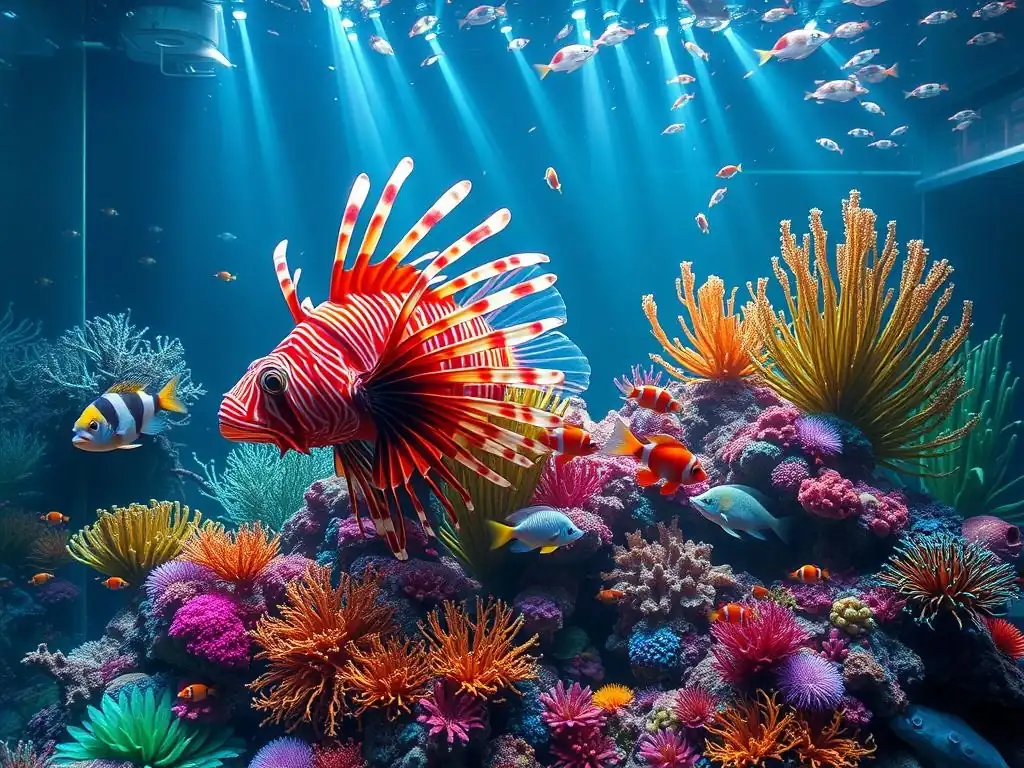
Ever wondered if you're truly prepared for the majestic yet demanding Lionfish? Lionfish aquarium care problems can be tricky, but fear not! We're diving deep into the most common issues aquarists face when keeping these stunning predators, offering expert solutions and insights. Ready to unlock the secrets to a thriving Lionfish tank? Let's explore!
- Lionfish Aquarium Care Problems: An Introduction to Common Issues
- Understanding Lionfish Behavior and Identifying Potential Problems
- Addressing Lionfish Feeding Challenges in the Aquarium
- Water Quality Issues Affecting Lionfish Health
- Lionfish Tank Mates and Compatibility Concerns
- Lionfish Aquarium Setup and Equipment Troubleshooting
- Lionfish Health Issues: Diagnosis and Treatment
- Preventing Future Lionfish Aquarium Care Problems
- Frequently Asked Questions
- Final Reflection: Navigating the Prickly Path of Lionfish Keeping
- Ignite Your Lionfish Keeping Journey!
Lionfish Aquarium Care Problems: An Introduction to Common Issues
Lionfish are undeniably captivating inhabitants for a saltwater aquarium, known for their dramatic fins and predatory grace. However, their unique needs and behaviors can present a distinct set of lionfish aquarium care problems for even experienced aquarists. These challenges range from adapting to captive diets to maintaining pristine water conditions crucial for their health and vibrant appearance. Understanding the most frequently encountered issues is the first step toward successful long-term lionfish husbandry.
Addressing these lionfish aquarium care problems proactively is vital for the well-being of these venomous beauties. Many common ailments and behavioral issues stem directly from suboptimal environmental conditions or improper diet. By focusing on preventative measures and recognizing early warning signs, aquarists can mitigate the severity of problems and ensure their lionfish thrive within the home aquarium environment, avoiding the stress and potential loss associated with neglected care.
Understanding Lionfish Behavior and Identifying Potential Problems
Recognizing Signs of Stress in Lionfish
Identifying stress in lionfish is crucial for early intervention against lionfish aquarium care problems. A healthy lionfish typically exhibits vibrant coloration, alert eyes, and a steady, graceful swimming pattern. Signs of stress often include significant darkening or lightening of their natural coloration, which can indicate discomfort or fear. They might also display clamped fins, where their normally fanned pectoral and dorsal fins are held close to their body, signaling general malaise or irritation.
Furthermore, stressed lionfish may exhibit unusual breathing patterns, such as rapid gilling, which suggests respiratory distress or poor water quality. They might become reclusive, hiding excessively and refusing to come out even during feeding times, a stark contrast to their usual curious nature. Erratic swimming, rubbing against tank decorations, or a sudden loss of appetite are also strong indicators that the lionfish is under stress, necessitating immediate investigation into water parameters, tank mates, or potential disease onset to resolve these lionfish aquarium care problems.
Common Lionfish Diseases and Ailments in Captivity
Lionfish, like all captive fish, are susceptible to various diseases, often exacerbated by stress or poor water quality, leading to significant lionfish aquarium care problems. One of the most prevalent is Marine Ich (Cryptocaryon irritans), characterized by small white spots resembling salt grains on the fish's body and fins. Another common external parasite is Marine Velvet (Amyloodinium ocellatum), which appears as a dusty, yellowish-brown coating and often causes rapid gilling and flashing. Both require prompt treatment to prevent widespread infection.
Bacterial infections are also a frequent concern, manifesting as fin rot, cloudy eyes, or open sores. These often arise from poor water conditions or physical injuries that allow opportunistic bacteria to proliferate. Internal parasites, though less visible, can lead to weight loss and lethargy if left untreated. Regular observation, maintaining stable water parameters, and proper quarantine procedures for new additions are critical preventative measures against these common lionfish aquarium care problems, helping to ensure the long-term health of your lionfish.
Addressing Lionfish Feeding Challenges in the Aquarium
Lionfish Not Eating: Possible Causes and Solutions
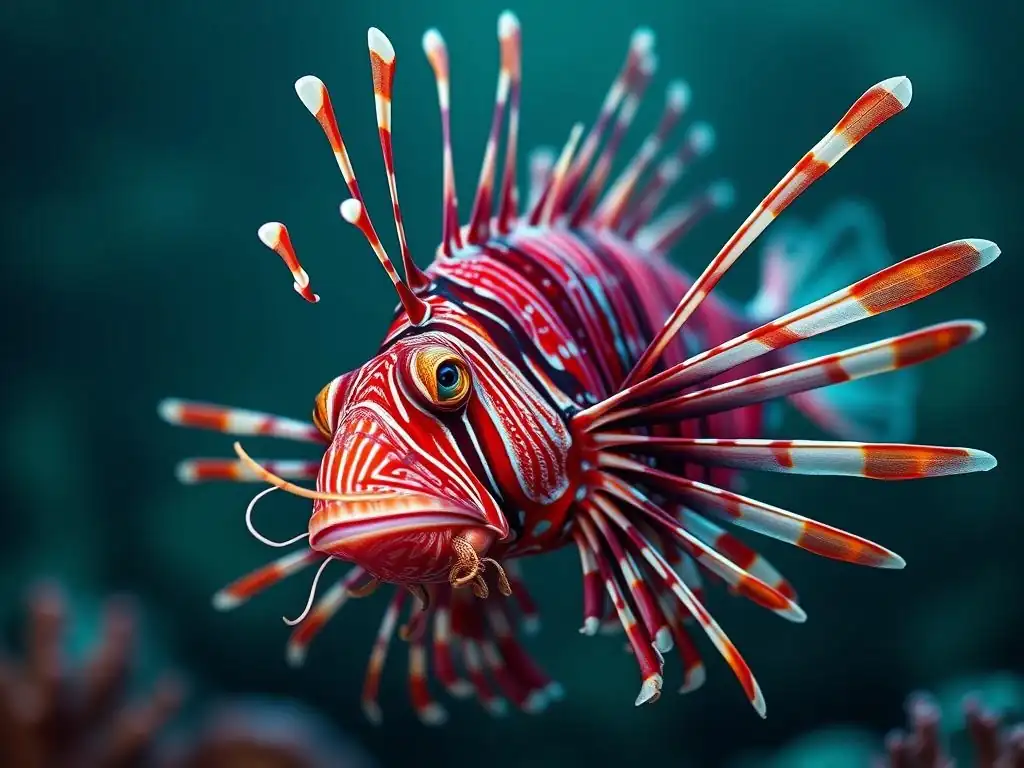
A lionfish refusing to eat is a common and concerning lionfish aquarium care problem. Several factors can contribute to this, including recent acquisition stress, poor water quality, or internal parasites. New lionfish often take a few days to acclimate to their new environment and may not immediately accept offered food. In such cases, maintaining stable water parameters (e.g., salinity 1.023-1.025, temperature 75-80°F) and providing a secure, low-stress environment can encourage them to begin feeding.
If a lionfish that was previously eating stops, the first step is to test water parameters for ammonia, nitrite, and nitrate spikes, as poor water quality is a primary stressor. Offering a variety of appropriate foods, such as frozen silversides, krill, or pieces of shrimp, using a feeding stick can also entice reluctant eaters. If water parameters are optimal and the fish remains uninterested, consider the possibility of internal parasites or other diseases, which might require specific medication to resolve this lionfish aquarium care problem.
Ensuring Proper Nutrition for Healthy Lionfish Growth
Proper nutrition is paramount for preventing lionfish aquarium care problems and ensuring robust growth and vibrant health. Lionfish are predatory carnivores, and their diet in captivity should mimic their natural intake of whole, meaty foods. While frozen silversides are a staple, a varied diet is crucial to provide a complete spectrum of nutrients. This includes offering other frozen marine foods such as Mysis shrimp, krill, and pieces of squid or scallops, ensuring a balanced nutritional profile.
Avoid feeding freshwater feeder fish, as they lack essential marine fatty acids and can introduce diseases. Overfeeding should also be avoided; adult lionfish typically need to be fed 2-3 times per week, depending on their size and activity level. Young lionfish, growing rapidly, may require more frequent feedings, perhaps every other day. Supplementing their diet with vitamin-enriched foods or marine vitamin supplements can further enhance their health and immunity, proactively preventing common lionfish aquarium care problems related to nutritional deficiencies.
How to Deal with Finicky Lionfish Eaters
Dealing with finicky lionfish eaters is a common lionfish aquarium care problem that requires patience and persistence. Some lionfish, especially wild-caught specimens, may initially only accept live foods. To transition them to frozen options, a common technique is to "wean" them by offering live feeder shrimp or silversides alongside frozen alternatives. Gradually, the proportion of live food can be reduced, encouraging them to accept the frozen diet.
Another effective strategy is target feeding using a long, rigid feeding stick or tongs. This allows the aquarist to present food directly to the lionfish, minimizing competition from other tank mates and ensuring the food is noticed. If a lionfish consistently refuses a particular type of food, try different brands or textures. Some aquarists have success by scenting frozen foods with garlic extract, which can make them more appealing. Consistency and a calm approach are key to overcoming this lionfish aquarium care problem and encouraging the lionfish to eat a varied, nutritious diet.
Water Quality Issues Affecting Lionfish Health
Ammonia and Nitrite Spikes: Impact on Lionfish
Ammonia (NH3/NH4+) and nitrite (NO2-) spikes are among the most critical lionfish aquarium care problems, directly threatening their health and survival. In a healthy, cycled aquarium, these toxic compounds are converted into less harmful nitrates by beneficial bacteria. However, if the biological filter is compromised (e.g., due to overfeeding, new tank syndrome, or medication use), ammonia and nitrite levels can rapidly rise. Even concentrations as low as 0.25 ppm of ammonia or nitrite can cause severe stress and gill damage in lionfish.
Symptoms of exposure to elevated ammonia and nitrite include rapid gilling, lethargy, loss of appetite, and discolored patches on the skin. Prolonged exposure leads to organ damage and ultimately death. Immediate action is required: perform a significant water change (30-50%), add a detoxifying agent (like Prime), and cease feeding until levels drop to zero. Regularly testing water parameters (daily during cycling, weekly thereafter) is paramount to prevent these acute lionfish aquarium care problems.
Maintaining Optimal Salinity and pH for Lionfish
Maintaining stable salinity and pH levels is fundamental to preventing lionfish aquarium care problems related to water chemistry. Lionfish thrive in stable marine environments. The ideal salinity for most lionfish species ranges from 1.020 to 1.025 specific gravity, or 30-35 parts per thousand (ppt). Fluctuations outside this range can cause osmotic stress, leading to dehydration or overhydration of their cells, severely impacting their health and immune system.
Similarly, the pH of the aquarium water should be consistently maintained between 8.1 and 8.4. Significant drops or spikes in pH can cause acidosis or alkalosis, respectively, disrupting vital bodily functions and leading to stress, respiratory distress, and increased susceptibility to disease. Regular testing with reliable test kits (at least weekly) and performing routine water changes with properly mixed saltwater are essential practices to avoid these common lionfish aquarium care problems and ensure a stable environment for your lionfish.
The Importance of Regular Water Changes for Lionfish Aquariums
Regular water changes are arguably the single most important maintenance practice for preventing a multitude of lionfish aquarium care problems. Even with efficient filtration, nitrates accumulate over time, and essential trace elements are depleted. High nitrate levels (above 20-40 ppm) can cause chronic stress, suppress the immune system, and contribute to algae blooms. Water changes dilute these accumulated nitrates and replenish vital minerals that lionfish need for proper physiological function.
For a well-stocked lionfish aquarium, a weekly or bi-weekly water change of 10-20% of the tank volume is generally recommended. This consistent removal of old water and introduction of new, properly mixed saltwater helps maintain stable water parameters, reduce the organic load, and ensure a healthy environment. Neglecting this crucial step can lead to a cascade of lionfish aquarium care problems, including increased disease susceptibility, poor coloration, and general decline in health.
Lionfish Tank Mates and Compatibility Concerns
Avoiding Aggression and Predation Issues with Lionfish
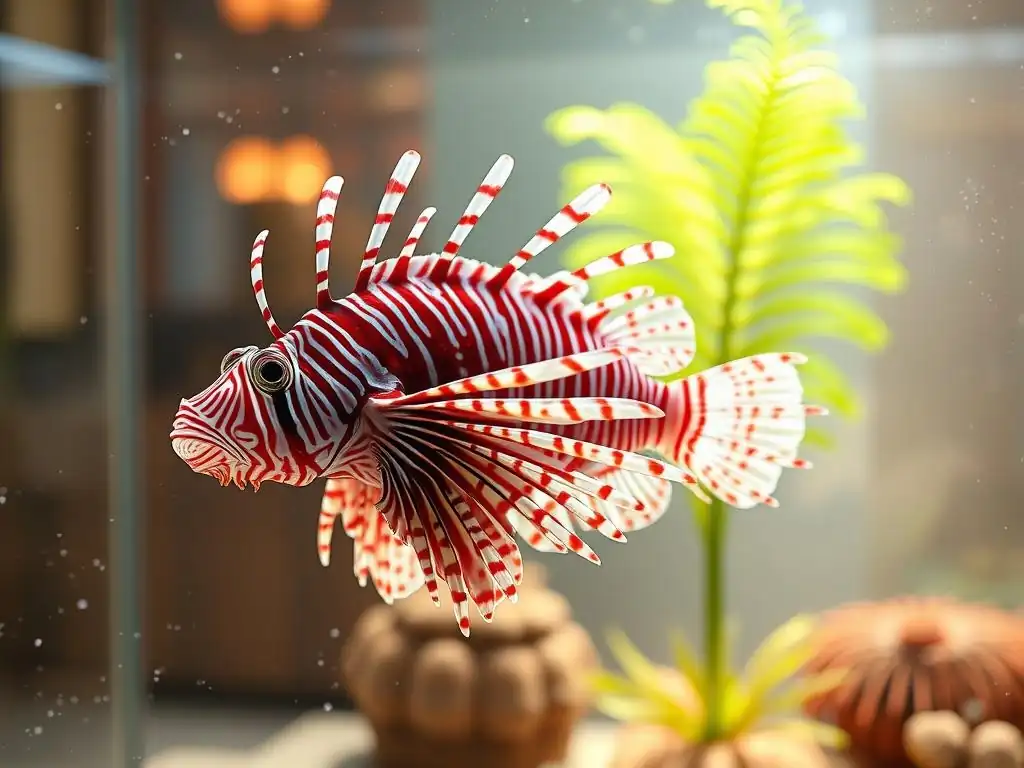
Lionfish are opportunistic predators, and their predatory nature is a key consideration when addressing lionfish aquarium care problems related to tank mate compatibility. Any fish small enough to fit into a lionfish's mouth, regardless of its species, is a potential meal. This typically means avoiding tank mates under 3-4 inches for a medium-sized lionfish (e.g., Pterois volitans) or even larger for a fully grown specimen. Even if a fish seems too large, a hungry lionfish might attempt to swallow it, leading to choking or injury for both fish.
Aggression from lionfish towards larger, incompatible tank mates is less common but can occur if the lionfish feels threatened or overly crowded. More often, the lionfish aquarium care problem arises from aggression towards the lionfish by other species. Highly aggressive or fin-nipping fish (e.g., certain triggerfish, large angelfish, or aggressive damselfish) can stress and injure lionfish, potentially leading to secondary infections. Careful research and observation are critical when selecting tank mates to prevent these issues.
Choosing Suitable Tank Mates for a Peaceful Lionfish Aquarium
Choosing appropriate tank mates is paramount to preventing lionfish aquarium care problems and ensuring a harmonious aquarium environment. Ideal tank mates for lionfish are typically large, peaceful, and non-aggressive fish that are too big to be considered prey. Good candidates include other large, semi-aggressive to peaceful fish such as tangs (e.g., Yellow Tangs, Sailfin Tangs), large angelfish (e.g., Emperor Angelfish, Blueface Angelfish), and some species of groupers or snappers that grow to a substantial size.
Other suitable options include certain puffers (e.g., Dogface Puffer), moray eels (if the tank is large enough), and even certain triggers (e.g., Blue Jaw Trigger) if introduced carefully and watched closely. It is essential that any chosen tank mate is not only too large to be eaten but also robust enough to withstand the lionfish's venomous spines if accidental contact occurs, though lionfish are generally not aggressive towards tank mates unless provoked. Careful selection minimizes lionfish aquarium care problems related to inter-species conflict.
Quarantine Procedures for New Tank Mates Introduced to Lionfish
Neglecting proper quarantine procedures for new tank mates is a significant contributor to lionfish aquarium care problems, particularly the introduction of diseases. A new fish, even if appearing healthy, can carry parasites (like Ich or Velvet) or bacterial infections that can quickly spread to your established lionfish, which may be more susceptible due to environmental changes or stress. A dedicated quarantine tank (QT) of at least 10-20 gallons is highly recommended.
The QT should be set up with a heater, simple filtration (sponge filter), and PVC pipes for hiding. New fish should be kept in the QT for a minimum of 2-4 weeks, observed for any signs of disease (e.g., white spots, rapid breathing, lethargy, loss of appetite).
During this period, it's advisable to treat prophylactically for common external parasites with copper-based medications if the fish can tolerate it, or to simply observe diligently. Only after a clean bill of health should the new tank mate be introduced to the main lionfish aquarium, thereby preventing many potential lionfish aquarium care problems.
Lionfish Aquarium Setup and Equipment Troubleshooting
Maintaining Proper Water Temperature for Lionfish
Maintaining a stable and appropriate water temperature is a fundamental aspect of preventing lionfish aquarium care problems. Lionfish are tropical marine fish and thrive within a narrow temperature range, typically between 75°F and 80°F (24°C to 27°C). Fluctuations outside this range, or sudden drastic changes, can cause significant stress, weaken their immune system, and make them highly susceptible to diseases such as Ich.
To ensure consistent temperature, a reliable submersible heater (or multiple heaters for larger tanks) with a good thermostat is essential. It's also advisable to use a separate, accurate thermometer to verify the heater's reading. In warmer climates or during summer months, chilling units or fans directed at the water surface might be necessary to prevent overheating, which can be just as detrimental as cold. Consistent temperature control is a non-negotiable step in avoiding common lionfish aquarium care problems and maintaining overall fish health.
Filtration and Circulation Problems in Lionfish Aquariums
Effective filtration and robust circulation are critical for preventing lionfish aquarium care problems related to water quality. Lionfish, being predatory and consuming meaty foods, produce a significant bioload. A robust filtration system, combining mechanical (for particulate removal), biological (for ammonia/nitrite conversion), and chemical (for nitrate/phosphate reduction and water clarity) filtration, is essential. An undersized or inefficient filter will lead to rapid deterioration of water quality, causing stress and disease.
Beyond filtration, adequate water circulation is vital to ensure oxygen saturation throughout the tank and prevent dead spots where detritus can accumulate. Powerheads or wavemakers should be positioned to create turbulent flow without directly blasting the lionfish, as they prefer calmer areas. Insufficient circulation can lead to low oxygen levels and the buildup of harmful compounds, contributing to significant lionfish aquarium care problems. Regular maintenance of filters (rinsing mechanical media, ensuring biological media is not clogged) is also crucial.
Lighting Considerations for a Healthy Lionfish Environment
While lighting is often a primary consideration for coral growth in reef tanks, its role in a lionfish-only or fish-only-with-live-rock (FOWLR) system is more about aesthetics and supporting the natural day-night cycle, which helps prevent certain lionfish aquarium care problems. Lionfish are nocturnal predators by nature, becoming more active during lower light conditions. Therefore, excessively bright or prolonged lighting can cause them stress and encourage them to hide more frequently.
A moderate lighting intensity, sufficient for viewing and supporting any live rock or macroalgae, is generally appropriate. A typical 8-10 hour photoperiod is standard. Some aquarists opt for moonlights to observe their lionfish during their more active nocturnal hours. The type of spectrum (e.g., daylight white, actinic blue) is less critical for the lionfish itself than for photosynthetic organisms. The key is to provide a consistent light cycle that mimics their natural environment, reducing stress and avoiding lionfish aquarium care problems related to improper illumination.
Lionfish Health Issues: Diagnosis and Treatment
Identifying and Treating Lionfish Parasites
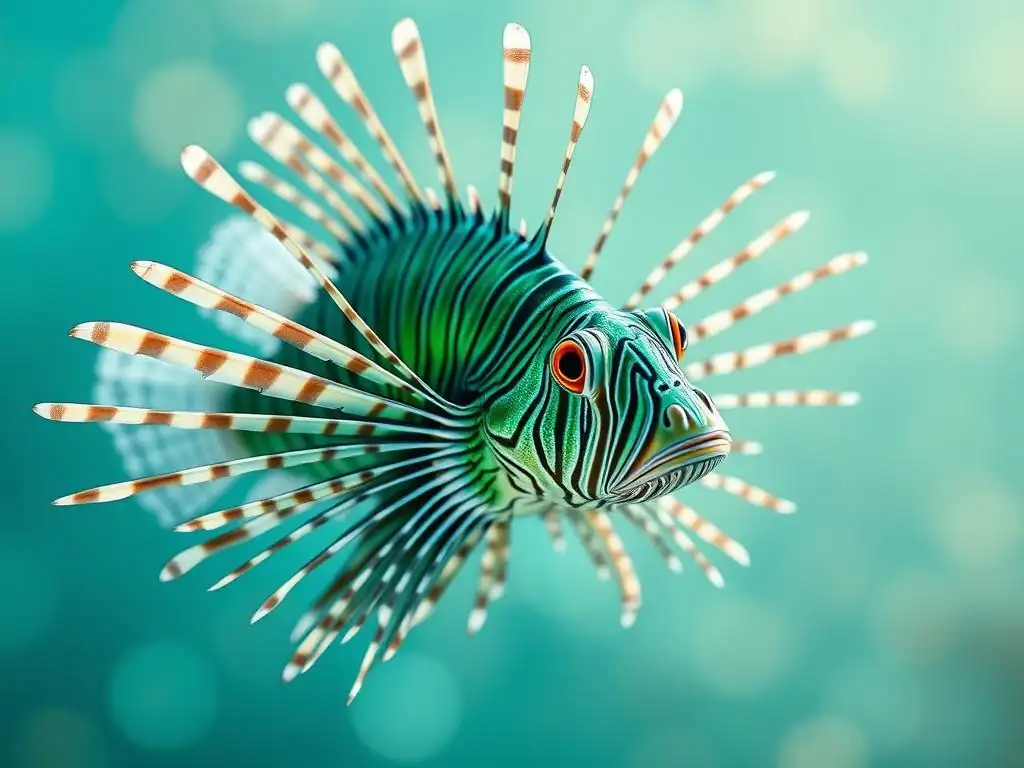
Identifying and treating parasites early is crucial for resolving lionfish aquarium care problems before they become severe. The most common external parasites are Marine Ich (Cryptocaryon irritans) and Marine Velvet (Amyloodinium ocellatum). Ich presents as distinct white spots, while Velvet appears as a fine, dusty coating, often yellowish. Both cause flashing, rapid gilling, and lethargy. Internal parasites are harder to spot but may cause weight loss despite eating, or stringy white feces.
Treatment for external parasites typically involves medications containing copper (e.g., cupramine) or formalin, administered in a separate quarantine or hospital tank. It's vital to follow dosage instructions precisely, as lionfish can be sensitive to some medications. For internal parasites, medicated foods containing anthelmintics (dewormers) are usually required. Early diagnosis through careful observation and prompt, appropriate treatment are key to successfully overcoming these common lionfish aquarium care problems.
Addressing Bacterial Infections in Lionfish
Bacterial infections are a common lionfish aquarium care problem, often secondary to stress, poor water quality, or physical injury. Symptoms can include fin rot (frayed or decaying fins), cloudy eyes, open sores, red streaks on the body, or general lethargy and loss of appetite. These infections can rapidly progress and become fatal if not addressed promptly.
Treatment usually involves broad-spectrum antibiotics, administered either orally via medicated food or as a bath treatment in a hospital tank. It is crucial to identify and rectify the underlying cause, such as high nitrates or ammonia, which weakened the fish's immune system. Improving water quality through large water changes and ensuring optimal parameters are maintained is as important as the medication itself in resolving these bacterial lionfish aquarium care problems.
Fin Rot and Other Common Lionfish Ailments
Fin rot is one of the most visible lionfish aquarium care problems, characterized by the erosion and fraying of the fins, often with a white or reddish edge. It's typically a bacterial infection, often secondary to stress, poor water quality, or fin nipping by incompatible tank mates. Left untreated, it can lead to complete fin loss and systemic infection. Treatment involves improving water quality dramatically (e.g., 50% water change), and often, a course of broad-spectrum antibiotics in a hospital tank.
Beyond fin rot, lionfish can suffer from other ailments like Popeye (exophthalmia), where one or both eyes protrude, often due to bacterial infection, injury, or poor water quality. Dropsy, characterized by a swollen body and scales protruding (pineconing), is a sign of severe internal organ failure, often bacterial, and has a poor prognosis. Addressing the root cause, such as maintaining pristine water parameters and a stress-free environment, is the best preventative measure against these diverse lionfish aquarium care problems.
Preventing Future Lionfish Aquarium Care Problems
Proactive Maintenance Strategies for a Thriving Lionfish Aquarium
Proactive maintenance is the cornerstone of preventing lionfish aquarium care problems and ensuring a thriving environment. This includes a consistent schedule of partial water changes (e.g., 10-20% weekly) to control nitrate levels and replenish essential trace elements. Regular testing of water parameters (ammonia, nitrite, nitrate, pH, salinity, temperature) should be a routine practice, allowing for early detection of any deviations.
Furthermore, consistent tank cleaning, including siphoning detritus from the substrate and wiping down algae from glass, contributes to overall water quality. Proper feeding habits, avoiding overfeeding, and offering a varied, nutritious diet are also crucial. Investing in high-quality filtration and ensuring proper flow within the tank minimizes the organic load. By adopting these diligent maintenance strategies, aquarists can significantly reduce the likelihood of encountering common lionfish aquarium care problems.
Setting Up a Quarantine Tank for Sick or Injured Lionfish
A dedicated quarantine tank (QT) or hospital tank is an invaluable tool for managing and preventing lionfish aquarium care problems. This separate tank, typically 10-20 gallons for a single lionfish, allows for the isolation and treatment of sick or injured fish without exposing the main display tank's inhabitants or beneficial bacteria to medications. It should be equipped with a heater, a simple air-driven sponge filter (which won't absorb medication), and some PVC pipes for hiding.
When a lionfish shows signs of illness or injury, it should be promptly moved to the QT. This provides a controlled environment where precise medication dosages can be administered, and water parameters can be closely monitored. The QT also reduces stress on the sick fish by removing it from potential aggression or competition. Having a QT ready and cycled is a critical proactive measure that can save your lionfish's life and prevent widespread lionfish aquarium care problems in your main display.
Regular Observation and Early Intervention for Lionfish Health
Regular, diligent observation is perhaps the most powerful tool in preventing and mitigating lionfish aquarium care problems. Spend time daily observing your lionfish's behavior, coloration, swimming patterns, and appetite. Notice any subtle changes, such as clamped fins, rapid gilling, unusual spots, or a reluctance to eat, as these are often the first indicators of stress or disease.
Early intervention is key. If a problem is identified, immediate action, whether it's a water change, a parameter adjustment, or moving the fish to a hospital tank for treatment, can make a significant difference in the outcome. Waiting until symptoms are severe drastically reduces the chances of successful recovery. By combining consistent maintenance with vigilant observation, aquarists can proactively address lionfish aquarium care problems, ensuring the long-term health and vitality of their magnificent lionfish.
Frequently Asked Questions
What are some of the most common diseases that affect lionfish in aquariums?
Lionfish are relatively hardy, but bacterial infections and parasitic infestations, like Ich, can occur. Maintaining optimal water quality is crucial for prevention.
Why is my lionfish not eating?
A lionfish refusing food could be due to stress, poor water parameters, or internal parasites. Try offering a variety of food types and check your water quality.
What size tank is recommended for keeping a lionfish?
A minimum of 75 gallons is generally recommended for a single dwarf lionfish. Larger species require tanks 125 gallons or larger to thrive.
How often should I perform water changes in a lionfish aquarium?
Regular water changes are essential! Aim for 10-20% water changes every one to two weeks to maintain good water quality and prevent the buildup of nitrates.
What type of filtration is necessary for a lionfish aquarium?
Lionfish require robust filtration to handle their waste. A combination of mechanical, chemical, and biological filtration is ideal to maintain a healthy aquarium environment.
The challenges of maintaining a thriving lionfish aquarium, as we've explored, are not merely technical hurdles, but a testament to our commitment to responsible aquarium keeping. Understanding and addressing common lionfish aquarium care problems is crucial not only for the well-being of these magnificent creatures, but also for the long-term sustainability of the aquarium hobby itself. Ignoring these issues can lead to preventable suffering and ultimately, discourage others from embracing the wonders of the underwater world.
This journey into lionfish aquarium care has highlighted the delicate balance between our desire to observe and our responsibility to protect. The dedication required to provide proper care underscores the profound connection we can forge with these fascinating animals, a connection that demands respect and continuous learning. The greatness of a nation and its moral progress can be judged by the way its animals are treated.
- Mahatma Gandhi. This quote, while broad, resonates deeply with the ethos of responsible aquarium keeping; our treatment of these animals reflects our own ethical compass.
As you close this article, consider the lessons learned and the challenges overcome. The knowledge you've gained empowers you to create a healthier, more enriching environment for your lionfish. Now, take that knowledge and share it. Encourage others to research, to learn, and to commit to the highest standards of aquarium care. The future of lionfish keeping, and indeed the future of our hobby, rests on our collective dedication to responsible practices.
Ignite Your Lionfish Keeping Journey!
Thanks for diving deep into the world of lionfish keeping with us! We hope this article has armed you with the knowledge to tackle common challenges and keep your majestic lionfish thriving. Ready to take the next step?
- Implement one key solution you learned today to address a specific issue in your lionfish aquarium, and monitor the results.
- Share this article with a fellow lionfish enthusiast and discuss your favorite fact or troubleshooting tip.
- What's one surprising lionfish behavior you've observed that wasn't covered in this article? Share your experiences in the comments below!