
Lyretail Anthias: Shoaling Beauties for Larger Reef Aquariums – A Care Guide

Welcome to Aquarium Mastery!
Ever dreamt of a vibrant reef aquarium teeming with flashes of color? The Lyretail Anthias, with its dazzling hues and captivating shoaling behavior, might be the perfect addition. But are these beauties right for your reef? Dive into our Lyretail Anthias Care Guide and discover everything you need to know about keeping these stunning fish thriving, from ideal tank conditions to compatible tank mates. Prepare to unlock the secrets to successfully introducing these shoaling jewels to your saltwater paradise!
- Introduction to Lyretail Anthias (Squamipinnis): A Comprehensive Guide
- Lyretail Anthias Species Profile: Identifying Pseudanthias squamipinnis
- Setting Up the Ideal Aquarium for Lyretail Anthias
- Lyretail Anthias Care: Diet, Feeding, and Maintenance
- Selecting Compatible Tank Mates for Lyretail Anthias
- Understanding Lyretail Anthias Behavior and Social Dynamics
- Breeding Lyretail Anthias: Challenges and Possibilities
- Purchasing Lyretail Anthias: Selecting Healthy Specimens
- Troubleshooting Common Lyretail Anthias Problems
- The Benefits of Keeping Lyretail Anthias in a Reef Aquarium
- Conclusion: Mastering Lyretail Anthias Care for a Stunning Reef Display.
-
Frequently Asked Questions
- What is a Lyretail Anthias and what type of aquarium is it best suited for?
- What are the key considerations for Lyretail Anthias water chemistry?
- What type of food and feeding schedule do Lyretail Anthias require?
- How many Lyretail Anthias should I keep together, and what are the ideal social dynamics?
- What are some common health issues affecting Lyretail Anthias, and how can I prevent them?
- Final Reflection: Embracing the Anthias Dance
- Dive Deeper: Transform Your Reef with Anthias!
Introduction to Lyretail Anthias (Squamipinnis): A Comprehensive Guide
Why Choose Lyretail Anthias for Your Reef Tank?
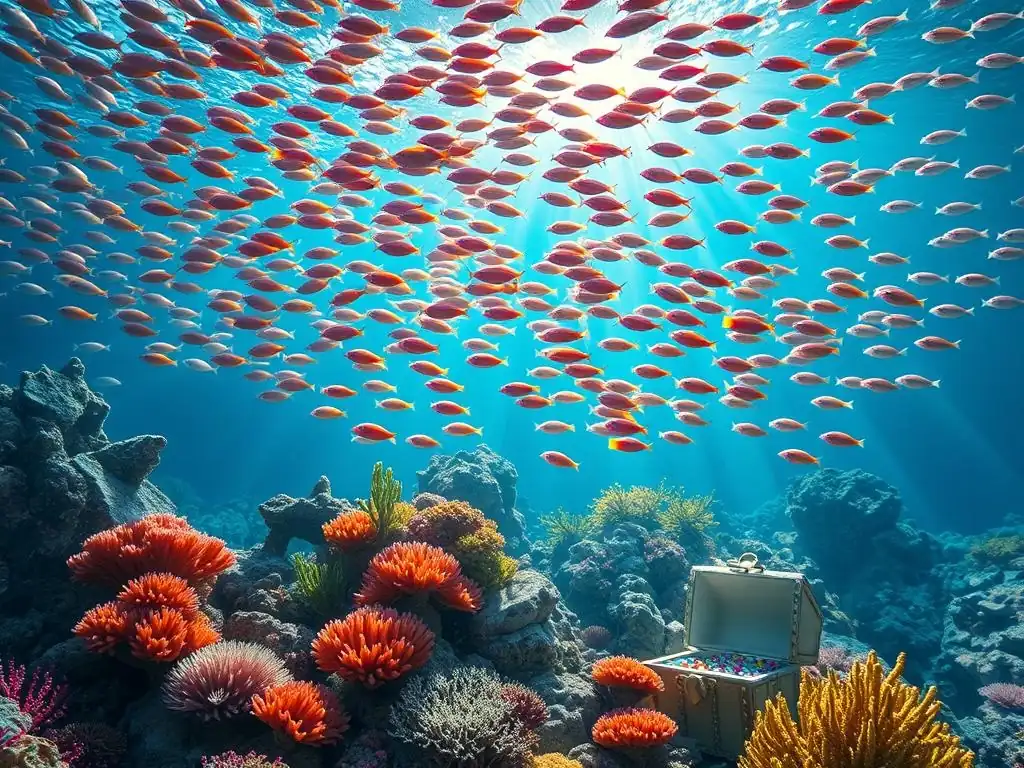
Lyretail anthias, specifically Pseudanthias squamipinnis, are celebrated for their stunning coloration, ranging from vibrant oranges and pinks to striking purples, which instantly brighten any reef aquarium. Their active, graceful swimming and natural shoaling behavior make them a captivating focal point, adding dynamic movement and a splash of color to the mid-water column. Unlike some other reef fish, they are generally peaceful and compatible with a wide array of corals and invertebrates, making them an ideal choice for mixed reef environments.
Beyond their aesthetic appeal, Lyretail anthias contribute to a thriving aquarium ecosystem. Once properly acclimated, they are relatively hardy and can adapt well to captive conditions, provided their specific needs are met. They often act as "dither fish," encouraging shyer species to emerge and display more natural behaviors, enhancing the overall liveliness of the tank. For aquarists seeking to elevate their reef display with active, beautiful, and relatively low-impact fish, a comprehensive Lyretail anthias care guide is essential to ensure their long-term success.
Understanding the Appeal of Shoaling Reef Fish
The natural behavior of shoaling fish in the wild is a survival mechanism, offering safety in numbers and coordinated movements that confuse predators. In the enclosed environment of a reef aquarium, this instinct translates into a mesmerizing visual spectacle. A well-established school of Lyretail anthias moving in unison creates a dynamic and immersive display that far surpasses the impact of solitary fish. This collective behavior adds a sense of natural realism and depth to the aquatic landscape.
The visual impact of a cohesive school of Lyretail anthias is profound, filling the often-empty mid-water column with constant, fluid motion. This not only enhances the aesthetic appeal but also encourages other tank inhabitants to exhibit more natural behaviors, knowing there are "eyes" in the water. Mastering this aspect of Lyretail anthias care involves understanding their social needs and providing the appropriate environment for them to thrive as a group, creating a truly spectacular and active reef display.
Lyretail Anthias Species Profile: Identifying Pseudanthias squamipinnis
Scientific Classification and Taxonomy
The Lyretail anthias is scientifically known as Pseudanthias squamipinnis. It belongs to the family Serranidae, which includes sea basses, groupers, and other anthias species. The genus Pseudanthias is one of the largest and most diverse within the anthias subfamily, encompassing over 60 recognized species, all renowned for their vibrant colors and graceful forms. Pseudanthias squamipinnis is one of the most popular and readily available anthias in the aquarium trade due to its hardiness and striking appearance.
This species has a wide geographical distribution across the Indo-Pacific region, spanning from the Red Sea and East Africa eastward to the Pacific islands, and extending south to the Great Barrier Reef. They are typically found in clear, current-swept waters on outer reef slopes and drop-offs, at depths ranging from approximately 3 to 30 meters, though they can occasionally be found deeper. Understanding their natural range and habitat provides crucial insights for providing optimal Lyretail anthias care in a captive environment.
Distinguishing Male vs. Female Lyretail Anthias: Coloration and Finnage
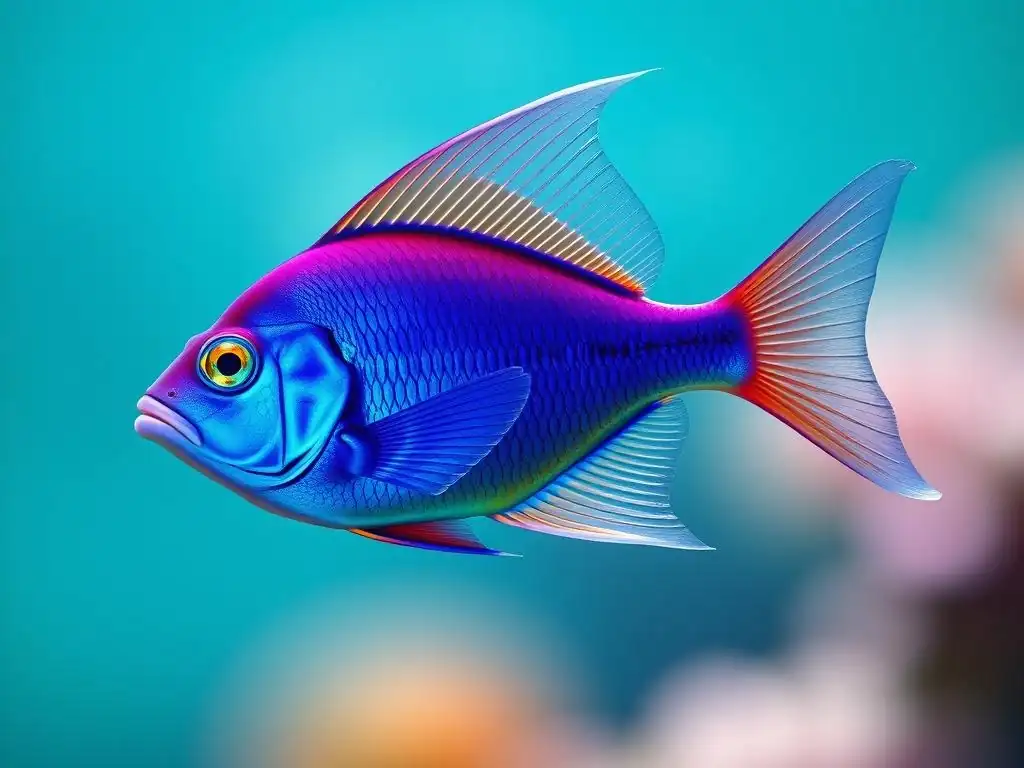
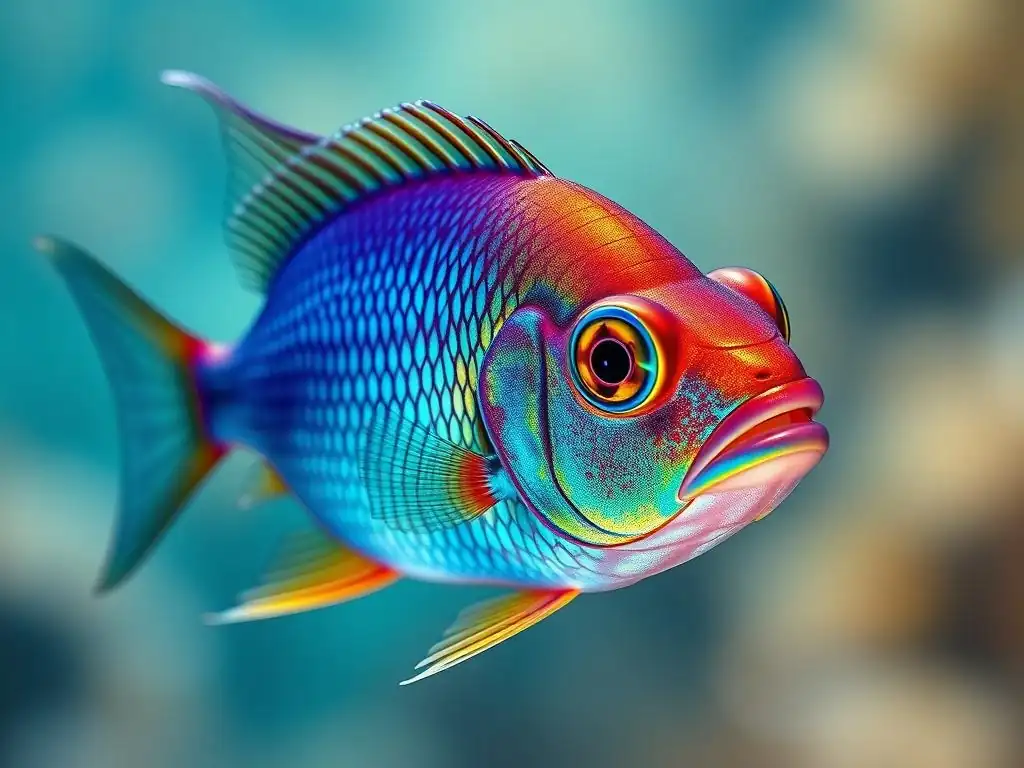
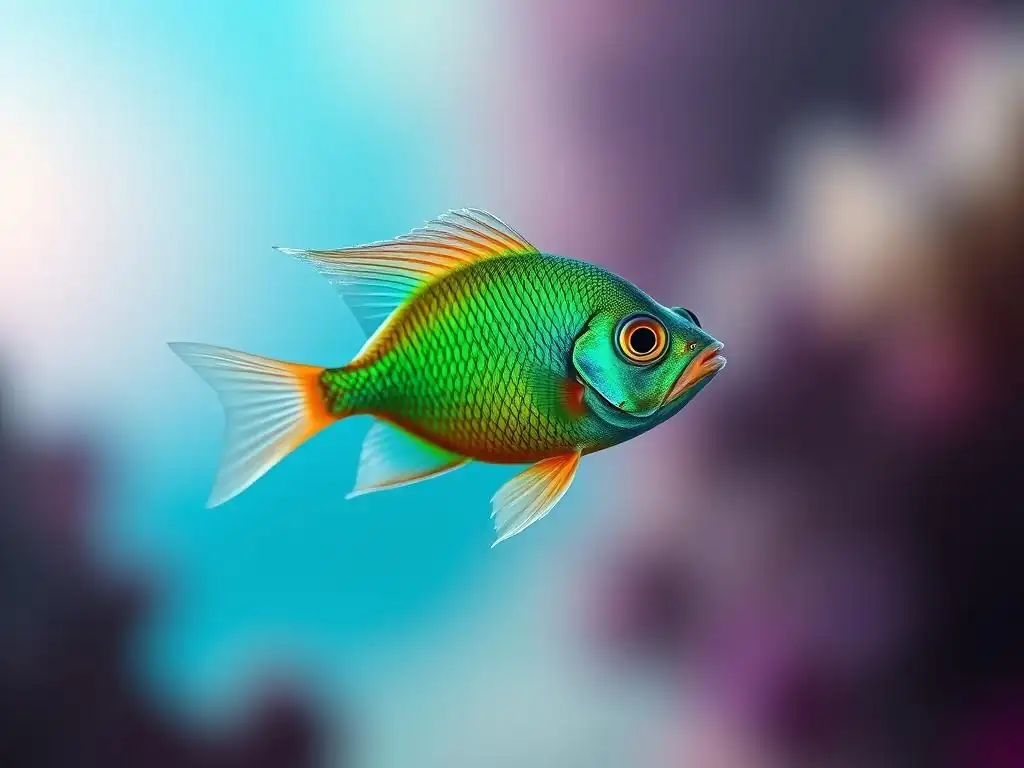
Lyretail anthias exhibit distinct sexual dimorphism, making it relatively easy to distinguish between males and females. Females are typically smaller, reaching about 3-4 inches (7-10 cm), and display a vibrant orange or peach coloration with a prominent, often reddish-purple spot on the dorsal fin. Their caudal (tail) fin is usually forked but less elongated than that of the male.
Males, on the other hand, are larger, growing up to 6 inches (15 cm), and undergo a dramatic color transformation. They develop more intense pink, purple, and red hues, especially during courtship, and their dorsal and caudal fins become significantly elongated, giving them a more elaborate, "lyretail" appearance. Importantly, Lyretail anthias are protogynous hermaphrodites, meaning all individuals are born female, and the dominant female in a group will transform into a male if the existing male is removed or dies. This social structure is a key consideration for successful Lyretail anthias care and stocking.
Natural Habitat and Behavior in the Wild
In their natural environment, Lyretail anthias are found in large, active aggregations, often numbering in the hundreds or even thousands, hovering over coral formations on outer reef slopes and drop-offs. These areas are characterized by strong, consistent currents that deliver a steady supply of zooplankton, their primary food source. They use the intricate crevices and overhangs of the live rock and coral as shelter from predators and as resting places during the night.
Their behavior is highly adapted to their planktivorous diet; they constantly dart out from their schooling formation to snatch individual zooplankton organisms from the water column. This continuous feeding activity is crucial to their high metabolism. The social structure in the wild typically consists of a single dominant male overseeing a harem of females. Understanding these natural behaviors is fundamental to replicating suitable conditions and providing effective Lyretail anthias care in a home aquarium.
Setting Up the Ideal Aquarium for Lyretail Anthias
Minimum Tank Size Requirements for a Lyretail Anthias School
Given their active swimming nature and propensity for shoaling, Lyretail anthias require a spacious aquarium to thrive. For a small group of 5-7 individuals, a minimum tank size of 75-90 gallons (approximately 280-340 liters) is recommended. This allows ample swimming room and helps dissipate any minor aggression within the school. For larger schools, or if planning to keep them with other active fish, a 120-gallon (approx. 450 liters) or larger aquarium is highly advisable.
While it might be tempting to keep a single Lyretail anthias in a smaller tank, their natural shoaling behavior is significantly inhibited, leading to increased stress and potentially a shorter lifespan. Larger tanks also offer greater stability in water parameters, which is paramount for the long-term health of these sensitive fish. Providing adequate space is a foundational element of any successful Lyretail anthias care guide.
Essential Water Parameters: Temperature, Salinity, pH, and Alkalinity
Maintaining stable and appropriate water parameters is critical for the health and longevity of Lyretail anthias. The ideal temperature range is 74-78°F (23-26°C). Salinity should be kept between 1.023 and 1.026 specific gravity, or 32-35 parts per thousand (ppt). The pH level should consistently be within 8.1-8.4, and alkalinity (dKH) should be maintained at 8-12 dKH.
Consistency is more important than hitting exact numbers within these ranges. Sudden fluctuations in any of these parameters can cause severe stress to Lyretail anthias, leading to weakened immune systems and increased susceptibility to disease. Regular testing using reliable test kits is essential, ideally on a weekly basis, to monitor and adjust water chemistry. This diligent monitoring is a cornerstone of effective Lyretail anthias care.
Providing Adequate Filtration and Water Flow
Lyretail anthias, being active and requiring frequent feedings, contribute significantly to the bioload of an aquarium, necessitating robust filtration. A high-quality protein skimmer is indispensable for removing organic waste before it breaks down into nitrates and phosphates, helping maintain pristine water quality. A sump system with live rock and other biological media further enhances filtration capacity, supporting a healthy nitrogen cycle.
Beyond filtration, strong and turbulent water flow is crucial, mimicking their natural habitat on current-swept reef slopes. Powerheads or wavemakers should be strategically placed to create varied flow patterns throughout the tank, ensuring there are no stagnant areas. Aim for a turnover rate of 10-20 times the tank volume per hour. This high flow keeps them active, encourages natural swimming behaviors, and helps deliver food particles, all vital components of comprehensive Lyretail anthias care.
Creating a Reef-Safe Environment: Rockwork and Hiding Places
Although Lyretail anthias primarily occupy the mid-water column, they require ample live rock structures within the aquarium. These formations should include numerous caves, crevices, and overhangs, providing essential hiding places for security and refuge, especially during the night or when feeling stressed. A well-designed rockscape offers a sense of safety and reduces anxiety, which is crucial for their overall well-being.
Strategically placed rockwork not only provides shelter but also helps break up lines of sight, which can mitigate potential aggression within the school or from other tank mates. Ensure that the live rock is securely stacked and stable to prevent collapses. The creation of a rich, complex reef environment with plenty of secure nooks is an often-overlooked yet critical aspect of providing optimal Lyretail anthias care.
Lyretail Anthias Care: Diet, Feeding, and Maintenance
Optimal Diet: What to Feed Your Anthias
As obligate planktivores, Lyretail anthias thrive on a diet rich in small, meaty foods. Their natural diet consists primarily of zooplankton, so in captivity, their feeding regimen should closely mimic this. High-quality frozen foods such as enriched Mysis shrimp, brine shrimp, copepods, and finely chopped seafood (e.g., clam, scallop, krill) are excellent choices. It is crucial to offer a varied diet to ensure they receive all necessary nutrients.
While they may occasionally accept high-quality marine flakes or pellets, these should not constitute the bulk of their diet. Foods enriched with essential fatty acids (HUFA) and vitamins are particularly beneficial for maintaining their vibrant coloration and strong immune system. Live copepods, if cultured or purchased, are an exceptional natural food source that encourages their instinctive foraging behaviors and is a cornerstone of advanced Lyretail anthias care.
Feeding Frequency and Techniques to Ensure Proper Nutrition
Lyretail anthias have a very high metabolism due to their constant activity and natural feeding habits in the wild. Therefore, they require frequent, small feedings throughout the day rather than one large meal. It is recommended to feed them at least 2-3 times daily, and ideally even more, to mimic their continuous grazing on zooplankton in their natural habitat. Consistent feeding prevents starvation and maintains their energy levels.
When feeding, broadcast the food into the water column, allowing it to drift naturally. This encourages their characteristic darting behavior and ensures all individuals, including shyer ones, have an opportunity to feed. Observing their feeding response is key; a healthy Lyretail anthias will eagerly consume food. Overfeeding at once should be avoided as it can quickly degrade water quality. Proper feeding techniques are fundamental to successful Lyretail anthias care.
Maintaining Water Quality: Regular Water Changes and Testing
Pristine and stable water quality is paramount for the health of Lyretail anthias. Regular water changes are a non-negotiable aspect of their care. A weekly or bi-weekly water change of 10-20% of the tank volume, using high-quality mixed saltwater, helps replenish essential trace elements and remove accumulated nitrates, phosphates, and other undesirable organic compounds that build up over time.
Consistent monitoring of water parameters is equally important. Daily or weekly testing of temperature, salinity, pH, alkalinity, nitrates, and phosphates with reliable test kits allows for prompt identification and correction of any deviations. Maintaining stability within the recommended ranges prevents stress, which is a major precursor to disease. Proactive water quality management is a cornerstone of comprehensive Lyretail anthias care, ensuring a robust and healthy environment.
Preventing and Treating Common Anthias Diseases
Lyretail anthias, like many marine fish, can be susceptible to common parasitic diseases such as Ich ( Cryptocaryon irritans) and Marine Velvet ( Amyloodinium ocellatum), especially when stressed or newly introduced to an aquarium. The most effective preventative measure is a strict quarantine protocol for all new arrivals, typically lasting 4-6 weeks. During this period, fish can be observed, dewormed, and treated for any signs of illness before being introduced to the main display tank.
General prevention also includes maintaining stable water parameters, providing a nutrient-rich and varied diet, and minimizing stressors. Should disease occur, treatment often involves transferring affected fish to a hospital tank for medication. Copper-based medications are frequently effective against external parasites but must be used with caution and precise dosing. Freshwater dips can offer temporary relief but are not a long-term solution. A proactive approach to disease prevention and prompt treatment are vital for effective Lyretail anthias care.
Selecting Compatible Tank Mates for Lyretail Anthias
Best Tank Mates for a Peaceful Reef Environment
When selecting tank mates for Lyretail anthias, prioritize peaceful, non-aggressive species that will not outcompete them for food or territory. Good choices include other small to medium-sized peaceful anthias species (such as Dispar anthias), various species of clownfish, gobies (e.g., watchman gobies, clown gobies), blennies, cardinalfish, and certain peaceful tangs like yellow tangs or kole tangs. These species generally occupy different niches within the aquarium, minimizing direct competition.
It's also beneficial to choose tank mates that are not overly boisterous during feeding times, ensuring the Lyretail anthias, with their high metabolism and constant feeding needs, can get their fair share of food. Species that spend time on the substrate or among the rocks are ideal, as they won't compete for the mid-water swimming space favored by anthias. Careful selection of tank mates is a crucial aspect of providing a stress-free environment for optimal Lyretail anthias care.
Fish to Avoid: Aggressive or Predatory Species
To ensure the safety and well-being of Lyretail anthias, certain aggressive or predatory fish should be strictly avoided. Large angelfish, particularly some species known for territorial behavior, triggerfish, lionfish, moray eels, and certain groupers are highly unsuitable as they can harass, injure, or even consume Lyretail anthias. Their delicate fins and relatively small size make them vulnerable to more robust or predatory tank mates.
Similarly, extremely active or nippy fish, such as some species of damselfish or large, boisterous wrasses, can cause undue stress and fin damage to Lyretail anthias. Constant harassment can lead to hiding, refusal to eat, and increased susceptibility to disease. Researching the temperament and adult size of any potential tank mate is essential to prevent conflicts and ensure the peaceful coexistence necessary for successful Lyretail anthias care.
Invertebrate Compatibility: Corals and Other Reef Dwellers
Lyretail anthias are widely regarded as one of the most reef-safe fish available for mixed reef aquariums. They are obligate planktivores and show no interest in nipping at or consuming corals, making them excellent additions to tanks housing various types of corals, including SPS (Small Polyp Stony), LPS (Large Polyp Stony), and soft corals. Their vibrant colors also provide a beautiful contrast against the often more subdued tones of corals.
They are also compatible with most other common reef invertebrates, such as snails, hermit crabs, various species of ornamental shrimp (e.g., cleaner shrimp, peppermint shrimp), and starfish. Lyretail anthias pose no threat to these clean-up crew members or other sessile invertebrates. This broad compatibility with the diverse life forms found in a reef tank further solidifies their popularity and ease of integration into a thriving ecosystem, simplifying comprehensive Lyretail anthias care.
Establishing a Healthy School Hierarchy
Lyretail anthias inherently form social hierarchies within their groups. When introducing a school, it is common for one dominant female to begin the process of changing into a male, or if a male is already present, he will assert dominance. To foster a healthy hierarchy and minimize aggression, it is advisable to introduce a group of females simultaneously, allowing them to establish their pecking order. A common recommendation is to keep one male for every 5-7 females, or simply introduce all females and allow the largest to transition into a male.
Once established, a healthy hierarchy will typically see the dominant male exhibiting vibrant colors and patrolling the group, while females will display submissive behaviors. Minor squabbles, such as chasing or fin nipping, may occur, particularly during feeding or when establishing new territories within the rockwork. However, persistent aggression resulting in physical harm or constant hiding by individuals indicates an imbalance in the social structure, signaling a need for intervention in your Lyretail anthias care strategy.
Observing and Addressing Aggression Within the School
While generally peaceful, aggression among Lyretail anthias can arise, often stemming from insufficient tank size, an imbalanced male-to-female ratio (e.g., too many males), or improper introduction of new individuals. Signs of aggression include excessive chasing, persistent fin nipping leading to damage, or certain individuals constantly hiding and refusing to join the school. Early observation of these behaviors is key to preventing serious harm.
If aggression becomes a problem, several solutions can be explored. Ensuring the tank is adequately sized for the number of fish is paramount. Providing ample rockwork with multiple hiding spots and escape routes can help break up lines of sight and offer refuge.
In severe cases, it may be necessary to remove the aggressor or rearrange the rockwork to disrupt established territories. Introducing all fish at once, or at least the entire school, can also help prevent existing fish from bullying new additions. Consistent and proper feeding can also reduce food-related aggression, all vital aspects of hands-on Lyretail anthias care.
Recognizing Signs of Stress or Illness
Healthy Lyretail anthias are active, vibrant, and constantly swimming in the mid-water column, readily darting out to feed. Recognizing early signs of stress or illness is crucial for prompt intervention and successful treatment. Signs of stress include faded or dull coloration, clamped fins held close to the body, rapid or labored breathing, excessive hiding, or a noticeable lack of appetite. These symptoms often precede more serious health issues.
Signs of specific illnesses can manifest as white spots on the body and fins (Ich), a dusty or velvety appearance (Marine Velvet), frayed or deteriorated fins, cloudy eyes, or visible lesions. Any deviation from their normal behavior or appearance warrants close observation. Prompt action, such as isolating the affected fish in a hospital tank and initiating appropriate treatment, significantly improves the chances of recovery. Regular observation and understanding these indicators are fundamental to effective Lyretail anthias care.
Breeding Lyretail Anthias: Challenges and Possibilities
The Difficulties of Breeding in Captivity
Breeding Lyretail anthias ( Pseudanthias squamipinnis) in a home aquarium setting is exceptionally challenging and rarely achieved by hobbyists. They are pelagic spawners, meaning they release their eggs and sperm directly into the water column, where the fertilized eggs drift freely with currents. The resulting larvae are incredibly small, often less than 2mm upon hatching, and require a highly specialized diet of microscopic live foods, such as specific rotifer strains and copepod nauplii, cultured in immense quantities.
The specific water parameters, high water quality, and the sheer volume of appropriate live feed required for larval rearing make successful captive breeding impractical for most home aquarists. Furthermore, the delicate nature of the larvae and their susceptibility to even minor fluctuations in water quality add to the complexity. As a result, the vast majority of Lyretail anthias available in the aquarium trade are wild-caught specimens, highlighting the inherent difficulties in their reproductive Lyretail anthias care.
Understanding Their Reproductive Behavior
In their natural habitat, Lyretail anthias typically spawn at dusk, a time when predation risk is reduced. The dominant male will engage in courtship displays with one or more females, leading to a "spawning rush" where the male and female(s) ascend rapidly into the water column, releasing their gametes at the apex of their ascent. The buoyant eggs then disperse with the ocean currents.
As protogynous hermaphrodites, their reproductive strategy is fascinating. All individuals are born female, and the largest, most dominant female in a group has the ability to transition into a male if the existing male dies or is removed. This social plasticity ensures that a breeding male is always present within a healthy school. While observing spawning behavior in a home aquarium is exceedingly rare, understanding this natural cycle provides valuable context for their social dynamics and overall Lyretail anthias care.
Breeding Programs and Research Efforts
Despite the significant challenges, some dedicated public aquariums and commercial aquaculture facilities have achieved limited success in breeding Pseudanthias squamipinnis. These programs often involve large-scale, highly controlled systems designed specifically for larval rearing, with intensive culturing of various live foods to meet the specific nutritional requirements of the microscopic fry. Researchers continually explore new methods and technologies to improve survival rates.
The goal of these breeding programs is to potentially reduce reliance on wild-caught specimens, thereby easing collection pressures on natural reef populations. Advances in larval nutrition, water quality management, and rearing techniques are gradually making progress, but captive breeding of Lyretail anthias remains a highly specialized and resource-intensive endeavor. Such efforts underscore the complex biological requirements that inform the most advanced aspects of Lyretail anthias care.
Purchasing Lyretail Anthias: Selecting Healthy Specimens
Where to Buy Lyretail Anthias: Reputable Sources
When purchasing Lyretail anthias, it is crucial to source them from reputable local fish stores (LFS) or established online vendors. A reputable supplier will prioritize the health of their livestock, often employing robust quarantine protocols and providing detailed information about the fish's origin and care. Inquire about how long the fish have been in their care, their feeding regimen, and any health guarantees they offer.
Avoid purchasing from stores with visibly unhealthy tanks, cloudy water, or where other fish show signs of disease or stress. A reliable vendor will have clean tanks, active and alert fish, and knowledgeable staff who can answer your questions about Lyretail anthias care. Choosing a trustworthy source significantly increases your chances of acquiring healthy, well-acclimated specimens that will thrive in your aquarium.
Examining Fish for Signs of Health and Vigor
Before making a purchase, take time to carefully observe the Lyretail anthias you intend to buy. Healthy specimens will be active, swimming freely and confidently in the mid-water column, exhibiting vibrant and rich coloration appropriate for their sex. Their fins should be fully extended and intact, without any signs of fraying or clamping. Their eyes should be clear and bright, not cloudy or sunken.
Look for any physical signs of disease, such as white spots (Ich), a dusty or velvety appearance (Marine Velvet), visible lesions, or abnormal growths. Also, observe their breathing rate; it should be steady and unlabored. Ask the store to feed the fish while you watch; a healthy Lyretail anthias should eagerly dart after food. A fish that is actively feeding and displaying normal behavior is a strong indicator of good health and better prospects for successful Lyretail anthias care.
Acclimation Procedures for New Arrivals
Proper acclimation is a critical step that minimizes stress and significantly increases the survival rate of new Lyretail anthias. The drip acclimation method is highly recommended: slowly introduce small amounts of your aquarium water into the bag water over a period of 60-90 minutes. This gradual mixing allows the fish to slowly adjust to differences in temperature, pH, and salinity, reducing the shock of environmental change.
Following acclimation, it is imperative to transfer new Lyretail anthias to a dedicated quarantine tank (QT) for a period of 4-6 weeks. This separate tank allows you to observe the fish for any signs of disease, administer preventative treatments (e.g., deworming), and ensure they are eating well before introducing them to your main display tank. A proper quarantine period is one of the most effective preventative measures in Lyretail anthias care, protecting your existing livestock from potential pathogens.
Troubleshooting Common Lyretail Anthias Problems
Addressing Fin Nipping and Aggression
Fin nipping and aggression among Lyretail anthias, while generally peaceful, can occur within a school, particularly between males or if the male-to-female ratio is imbalanced. It is often a sign of stress due to an undersized tank, insufficient hiding places, or improper social dynamics. Persistent nipping, leading to frayed fins or individuals constantly hiding, indicates a problem that needs immediate attention to ensure proper Lyretail anthias care.
Solutions include ensuring the aquarium is large enough to accommodate the school, providing ample live rock with numerous caves and crevices that offer escape routes and break up lines of sight. If multiple males are present in a smaller tank, it may be necessary to remove one or add more females to dilute aggression. Rearranging rockwork can also disrupt established territories. Consistent and frequent feeding can also reduce competition and associated aggression.
Dealing with Common Diseases Like Ich and Marine Velvet
Lyretail anthias are susceptible to common marine parasites such as Ich ( Cryptocaryon irritans) and Marine Velvet ( Amyloodinium ocellatum), often triggered by stress from poor water quality, temperature fluctuations, or improper acclimation. Symptoms include visible white spots (Ich) or a fine, dusty, velvet-like coating (Marine Velvet) on the body and fins, rapid breathing, scratching against rocks, and lethargy.
Immediate action is crucial. Affected fish should be moved to a dedicated hospital tank for treatment, as many medications are not reef-safe. Common treatments include copper-based medications or hyposalinity (reducing salinity to 1.008-1.009 specific gravity). Always follow medication instructions precisely and monitor water parameters closely during treatment. Preventing these diseases through proper quarantine and maintaining stable, pristine water quality is a far better approach to Lyretail anthias care than treating an outbreak.
Managing Water Quality Issues Affecting Anthias Health
Fluctuations or deficiencies in water quality are primary stressors for Lyretail anthias and can quickly lead to weakened immune systems and susceptibility to disease. Issues such as unstable temperature, incorrect salinity, pH swings, or elevated levels of nitrates and phosphates are detrimental to their health. These parameters must be consistently maintained within their ideal ranges for optimal Lyretail anthias care.
To manage water quality effectively, invest in reliable test kits and establish a routine for daily or weekly parameter checks. Consistent maintenance, including regular water changes (10-20% weekly or bi-weekly), proper protein skimmer operation, and regular cleaning of filter media, is essential. Addressing the root cause of water quality issues, whether it's overfeeding, insufficient filtration, or infrequent maintenance, is key to preventing stress and maintaining a healthy environment for your Lyretail anthias.
The Benefits of Keeping Lyretail Anthias in a Reef Aquarium
Enhancing the Beauty and Activity of Your Reef Tank
Lyretail anthias are arguably one of the most visually striking fish available for reef aquariums. Their vibrant spectrum of colors – from bright orange and peach in females to deep pinks, purples, and reds in males – adds an unparalleled burst of life and brilliance to the aquatic landscape. Their constant, graceful swimming fills the mid-water column, creating a dynamic and engaging display that draws the eye and elevates the overall aesthetic appeal of the entire tank.
A well-established school of Lyretail anthias provides a mesmerizing spectacle of synchronized movement, mimicking their natural shoaling behavior in the wild. This continuous activity and their stunning coloration transform a static reef tank into a vibrant, living ecosystem, making them a prized addition for any aquarist seeking to create a truly captivating and active underwater world. Their contribution to the visual splendor is a significant reward for mastering Lyretail anthias care.
Contributing to a Thriving and Balanced Ecosystem
Beyond their beauty, Lyretail anthias play a beneficial role in a balanced reef aquarium ecosystem. As active planktivores, they continuously filter the water column, feeding on microscopic organisms such as copepods and amphipods, which can help manage their populations. This natural foraging behavior contributes to the overall health of the tank's microfauna. Their presence also acts as "dither fish," encouraging shyer or more reclusive species to emerge from hiding, making the tank appear more lively and natural.
Their relatively peaceful temperament, when properly housed in a sufficiently large aquarium, ensures their compatibility with a wide range of corals and most other reef-safe fish and invertebrates. By introducing Lyretail anthias, you add a fascinating social dynamic and a constant source of activity that enhances the natural balance and vitality of your reef display. Their integration into a diverse community is a testament to the comprehensive Lyretail anthias care principles that foster a flourishing marine environment.
Conclusion: Mastering Lyretail Anthias Care for a Stunning Reef Display.
Frequently Asked Questions
What is a Lyretail Anthias and what type of aquarium is it best suited for?
Lyretail Anthias are a type of colorful reef fish known for their striking appearance. They are best suited for larger reef aquariums, typically 125 gallons or more, due to their active swimming habits and need for social interaction.
What are the key considerations for Lyretail Anthias water chemistry?
Maintaining stable water parameters is crucial. This includes a specific gravity of 1.024-1.026, a pH of 8.1-8.4, and low levels of nitrates and phosphates. Regular water testing and changes are essential.
What type of food and feeding schedule do Lyretail Anthias require?
They need a varied diet of small, high-quality foods offered multiple times a day. This can include frozen mysis shrimp, enriched brine shrimp, and high-quality flake food. Frequent feedings help maintain their health and vibrant colors.
These fish are best kept in small groups (shoals) with a ratio of one male to several females. Introducing them simultaneously can help establish a stable social hierarchy and reduce aggression.
What are some common health issues affecting Lyretail Anthias, and how can I prevent them?
Lyretail Anthias can be susceptible to diseases like ich and Brooklynella. Maintaining excellent water quality, providing a varied diet, and quarantining new arrivals are essential preventative measures.
Final Reflection: Embracing the Anthias Dance
The vibrant world of reef aquariums, often a microcosm of the ocean's beauty, finds a particularly captivating expression in the shoaling behavior of Lyretail Anthias. Understanding their complex needs, as highlighted in this care guide, is not just about keeping fish alive; it's about fostering a thriving ecosystem within our glass walls. The responsibility we undertake when introducing these delicate creatures into our care is significant, demanding a commitment to replicating their natural environment as closely as possible.
The allure of the Lyretail Anthias lies not only in their striking colors and graceful movements but also in the dynamic social structure they exhibit. Observing their interactions, their subtle displays of dominance and cooperation, offers a glimpse into the intricate tapestry of life beneath the waves. In one drop of water are found all the secrets of all the oceans,
as Kahlil Gibran so eloquently stated. This holds true for our aquariums; each fish, each coral, each interaction, contributes to a deeper understanding of the interconnectedness of life.
As you consider the information presented in this guide, I invite you to reflect on your own role in the preservation of our planet's aquatic ecosystems. By providing the best possible care for these Lyretail Anthias, you are not only creating a stunning display but also contributing to a greater awareness of the challenges facing coral reefs worldwide. Let us all strive to be responsible stewards of these miniature oceans, ensuring that future generations can marvel at the beauty and complexity of the Lyretail Anthias and the reefs they call home.
Dive Deeper: Transform Your Reef with Anthias!
Thanks for exploring the vibrant world of Lyretail Anthias! We hope this guide has given you the confidence to consider adding these stunning fish to your reef aquarium. Now, let's translate that knowledge into action.
- Commit to researching and sourcing at least six healthy Lyretail Anthias from a reputable dealer to ensure proper social dynamics and survival. This is your key next step!
- Explore related articles on Aquarium Mastery to broaden your understanding of reef aquarium ecosystems and discover compatible tank mates.
- Share this guide with fellow reef enthusiasts to spread the knowledge and inspire others to embrace the beauty of shoaling fish.
Ready to take the plunge and create a breathtaking anthias shoal in your reef?