
Documenting Your Clownfish Breeding Journey: Logs, Observations & Success Tracking

Welcome to Aquarium Mastery!
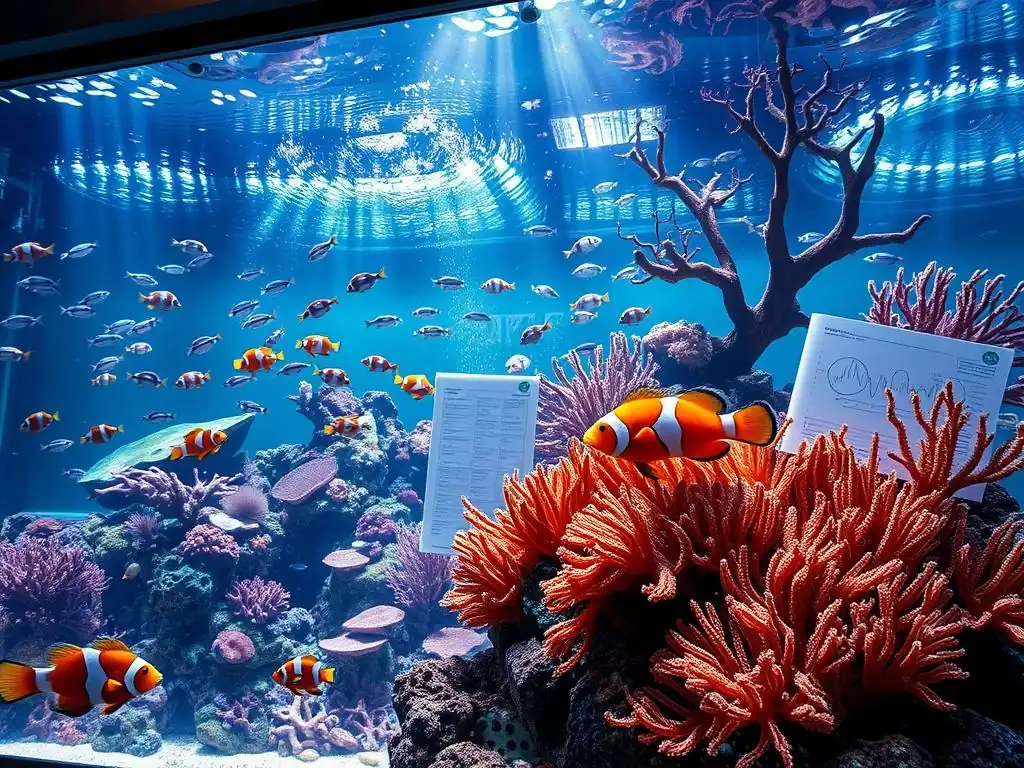
Ever dreamt of witnessing the miracle of clownfish breeding in your own aquarium? Unlock the secrets to successful breeding and meticulously track your progress with our Clownfish Breeding Log Template. Dive in to learn how to document every crucial observation, from egg laying to fry development, and transform your aquarium into a thriving clownfish haven. Are you ready to embark on this fascinating journey?
- Why Keep a Clownfish Breeding Log? Unlocking Breeding Success
- Setting Up Your Clownfish Breeding Log: Essential Components
- Essential Data Points for Your Breeding Log
- Incubation and Hatching: Documenting Egg Development
- Raising Clownfish Fry: Log Entries for Growth and Survival
- Utilizing Your Breeding Log for Future Success
- Breeding Log Resources
-
Frequently Asked Questions
- How can a Clownfish Breeding Log Template help me?
- What information should I include in my Clownfish Breeding Log Template?
- Where can I find a suitable Clownfish Breeding Log Template?
- How often should I update my Clownfish Breeding Log?
- What do I do with the data collected in my Clownfish Breeding Log?
- Final Reflection: The Living Tapestry of Life
- Ignite Your Clownfish Dreams!
Why Keep a Clownfish Breeding Log? Unlocking Breeding Success
The Importance of Detailed Record Keeping for Clownfish Breeding
Clownfish breeding, while immensely rewarding, is a nuanced and often complex endeavor. Success hinges on a delicate balance of environmental conditions, nutritional support, and understanding the specific behaviors of your breeding pair. Without a structured approach to observation and data collection, identifying the precise factors that lead to successful spawns or, conversely, the reasons for failures, becomes a matter of guesswork. A meticulously maintained clownfish breeding log template provides the essential framework to transform casual observations into actionable insights.
This systematic documentation allows aquarists to pinpoint correlations between specific actions or environmental shifts and breeding outcomes. For instance, you might observe that a consistent water temperature of 79.5°F (26.4°C) consistently triggers spawning, or that a particular feeding regimen significantly increases egg viability. Such precise data, captured within your log, empowers you to replicate successful conditions and swiftly troubleshoot issues, dramatically improving your chances of raising healthy batches of clownfish fry.
Benefits of Using a Clownfish Breeding Log
The advantages of employing a dedicated clownfish breeding log template extend far beyond mere data collection. Firstly, it significantly improves breeding success rates by enabling the identification of optimal breeding conditions unique to your specific pair and setup. For example, if your log consistently shows larger clutches when nitrates are maintained below 5 ppm, you can prioritize stricter nutrient control. Secondly, it accelerates the troubleshooting process; if a spawn fails, reviewing the log for recent changes in water parameters, diet, or behavior can quickly reveal the probable cause, saving time and resources.
Furthermore, a comprehensive breeding log serves as an invaluable historical archive. It allows you to track the long-term productivity of your breeding pair, monitor the growth and survival rates of their offspring, and even document genetic traits passed down through generations. This detailed record can help predict future spawns, enabling you to prepare fry rearing systems in advance, potentially increasing fry survival rates from an average of 10-20% to often 40% or even higher for well-managed batches.
Setting Up Your Clownfish Breeding Log: Essential Components
Choosing the Right Format: Digital vs. Physical Log
When embarking on your clownfish breeding journey, selecting the appropriate format for your log is a crucial first step. Digital options, such as spreadsheets (e.g., Google Sheets, Microsoft Excel), dedicated aquarium management software, or even simple text documents, offer unparalleled advantages in terms of searchability, data analysis capabilities, and ease of backup. They allow for quick filtering of information, creation of graphs to visualize trends, and can be accessed from multiple devices.
Conversely, a physical logbook, such as a sturdy notebook or a binder with custom printouts, provides the tactile benefit of quick, on-the-spot notation without relying on electronic devices or power sources. Many breeders find the immediate accessibility of a physical log useful for jotting down observations directly at the tank. For optimal results, a hybrid approach is often recommended: initial observations can be quickly recorded in a small, waterproof physical notebook, then transferred to a more comprehensive digital clownfish breeding log template for long-term storage, detailed analysis, and trend identification.
Key Information to Include in Your Breeding Log
A robust clownfish breeding log template should be designed to capture all relevant data points across the entire breeding cycle. At a high level, this includes the date and time of all entries, comprehensive details on environmental parameters (water chemistry, temperature, salinity), biological observations of the parent fish (behavior, health), specifics about feeding schedules and diet, precise records of spawning events, and meticulous tracking of fry development and survival.
Consistency in data entry is paramount for the log to be truly useful. Ensure that measurements are taken at the same time each day (or as frequently as needed) and recorded accurately. For instance, knowing the exact date and estimated time of spawning allows for precise calculation of the expected hatch date (typically 7-9 days at 78-80°F). Tracking subtle changes in parental behavior before a spawn can provide early indicators, allowing you to prepare your fry rearing system well in advance. This detailed approach ensures that your log becomes a powerful tool for predicting and optimizing future breeding successes.
Essential Data Points for Your Breeding Log
Clownfish Pair Identification and History
Establishing a unique identification for each breeding pair is fundamental, especially if you manage multiple tanks or plan to breed different species or color variations. This identification should include the specific species (e.g., Amphiprion ocellaris, Amphiprion percula, Amphiprion frenatus), their acquisition date, and their estimated initial size or age. Assigning a simple alphanumeric ID, such as "Pair OC-001" for your first ocellaris pair, allows for easy cross-referencing throughout your clownfish breeding log template.
Beyond basic identification, document their initial health status upon arrival, any past medical treatments they may have undergone, and their source (e.g., wild-caught, tank-bred from a specific breeder). This background information can be invaluable for troubleshooting unexpected breeding issues later on, such as persistent infertility or susceptibility to certain diseases, as it may point to genetic predispositions or past environmental stressors.
Tracking Lineage and Genetic Traits
For breeders focused on selective breeding or understanding inheritance patterns, meticulously tracking the lineage of your clownfish pairs is critical. Record the parentage of each pair if known (e.g., "Male: Offspring of Pair A-002, Female: Offspring of Pair B-003"). Furthermore, note any distinct genetic traits or phenotypes observed in the parents, such as specific stripe patterns, unique color variations (e.g., "snowflake" patterns in ocellaris), or any minor fin deformities.
This detailed genetic information, diligently recorded in your clownfish breeding log template, holds immense long-term value. If a certain lineage consistently produces larger clutches, more resilient fry, or desirable aesthetic traits, this data allows you to selectively perpetuate those characteristics in future generations. Conversely, it helps in avoiding undesirable traits by identifying and excluding individuals from breeding programs that consistently pass on genetic weaknesses or deformities.
Previous Breeding Attempts and Results
A critical section of your log should be dedicated to recording the outcomes of all previous breeding attempts. For each spawn, document the clutch size (estimated number of eggs), the hatch rate (percentage of eggs that successfully hatched), and the subsequent fry survival rate to various milestones (e.g., 30 days post-hatch, metamorphosis completion). Even failed attempts provide valuable data; note the reasons for failure, such as "eggs eaten by parents," "no fertilization," or "fungus outbreak."
Document any observed patterns or anomalies from these past attempts. Did a specific change in the adult diet precede a larger-than-average clutch? Did a particular water change protocol seem to stimulate spawning or lead to higher fry survival? For example, if your log shows that clutch sizes increased from 150 to 250 eggs after switching to a higher-protein pellet, this historical context is invaluable for refining future strategies and optimizing your breeding protocol.
Water Parameters: Monitoring for Optimal Breeding Conditions
Precise and consistent monitoring of water parameters is perhaps the most critical component of a successful clownfish breeding program. Your clownfish breeding log template should include daily or bi-daily entries for temperature, salinity, pH, ammonia, nitrite, and nitrate levels. Aim for stable conditions: temperature typically 78-82°F (25.5-27.8°C), salinity 1.025-1.026 specific gravity, pH 8.0-8.4, ammonia and nitrite at 0 ppm, and nitrates ideally below 10 ppm (and certainly below 20 ppm).
Any deviation from these optimal ranges can significantly impact breeding success. For instance, a sudden drop in pH below 7.8 might inhibit spawning, or elevated nitrates above 20 ppm could stress the breeding pair, leading to egg consumption or reduced egg viability. Consistent logging allows you to identify correlations between parameter fluctuations and breeding outcomes, enabling you to proactively maintain the ideal environment for your clownfish.
Temperature, Salinity, pH, Ammonia, Nitrite, and Nitrate Levels
For each entry, record the exact readings. An example entry might look like this:
Date: 2023-10-26
Time: 08:00 AM
Temp: 79.8°F
Salinity: 1.025 SG
pH: 8.1
Ammonia: 0 ppm
Nitrite: 0 ppm
Nitrate: 7 ppm
Notes: All parameters stable.
Utilize reliable test kits and calibrate your refractometer or hydrometer regularly. Maintaining a stable temperature within a narrow range (e.g., +/- 0.5°F) is particularly crucial, as it directly influences the timing of spawning and the development rate of the eggs, ensuring they hatch predictably.
Documenting Water Changes and Their Impact
Record every water change meticulously: the date, the volume of water removed and replaced (e.g., "20% of 40-gallon tank = 8 gallons"), and the source of the new water (e.g., "RO/DI water mixed with Red Sea Coral Pro salt"). Also note any additives used, such as alkalinity buffers or trace elements.
Crucially, observe and log the clownfish pair's behavior immediately following a water change. Did it stimulate cleaning behavior around the spawning site? Did it lead to a spawn within 24-48 hours? For example, "2023-10-20: 25% water change. Pair exhibited increased cleaning behavior around terracotta tile within 12 hours, followed by spawning on 2023-10-22." This data helps determine the optimal water change schedule and volume that consistently triggers spawning in your specific pair.
Feeding Schedule and Diet: Ensuring Nutritional Needs
A high-quality, varied, and consistent diet is paramount for conditioning clownfish for breeding and ensuring the viability of their eggs. Your clownfish breeding log template should detail the types of food provided, the quantities, and the frequency of feeding. Common high-protein foods include high-quality pellets (e.g., TDO Chroma Boost, New Life Spectrum), frozen Mysis shrimp, enriched brine shrimp, and spirulina flakes. Aim to feed multiple small meals throughout the day rather than one large meal.
Proper nutrition directly impacts the quantity and quality of eggs produced. Anecdotal evidence among breeders suggests that consistently feeding a varied diet rich in marine proteins and lipids for several weeks prior to a predicted spawn can significantly increase clutch sizes and improve egg health, leading to higher hatch rates. Documenting these dietary changes and their subsequent impact is key to optimizing your feeding regimen.
Types of Food Provided and Quantities
For each feeding, specify the food type and approximate quantity:
Date: 2023-10-27
Time: 07:30 AM - TDO Chroma Boost (size M), 1 small pinch
Time: 12:00 PM - Frozen Mysis shrimp, 1/2 cube (thawed)
Time: 05:00 PM - Spirulina flakes, 1 small pinch
Time: 09:00 PM - Frozen enriched brine shrimp, 1/2 cube (thawed)
Notes: Added Vita-Chem supplement to frozen foods.
Log any changes to the diet, providing the rationale. For example, "Increased frozen food quantity by 25% starting Oct 25th to boost protein intake, hoping for larger clutch size in next spawn." This specific data helps correlate dietary input with breeding output.
Observing Feeding Behavior and Adjustments
Record how eagerly the clownfish consume their food. Are they aggressive eaters? Do they pick at certain foods? "Male is always first to food, female eats slower." Note if any food is left uneaten, indicating overfeeding.
Adjust feeding based on these observations. If food consistently settles on the substrate, reduce the quantity or frequency. If the fish appear lean, increase it. "Reduced morning pellet amount by 10% as some was settling on substrate, improving water quality." This adaptive approach, guided by your log, ensures optimal nutrition without compromising water quality.
Spawning Observations: Recording Key Events
The spawning event itself is a culmination of weeks or months of conditioning and careful tank management. This section of your clownfish breeding log template is crucial for capturing every nuance, from the pre-spawn cleaning rituals to the post-spawn parental care. Documenting these specific behaviors can provide invaluable insights into your pair's unique spawning patterns and help predict future events.
Meticulous recording of these observations can reveal correlations with environmental triggers, such as specific water changes or even lunar cycles. For example, some pairs consistently spawn two days after a large water change, or during a full moon. This detailed behavioral data, diligently captured in your log, allows you to anticipate spawns and ensure you are fully prepared for the subsequent fry rearing phase, maximizing the chances of success.
Date and Time of Spawning
Precisely record the date and the estimated start and end times of the spawning event. This timing is critical for accurately predicting the hatch date, which typically occurs 7 to 9 days later depending on water temperature.
Date: 2023-11-02
Time: 11:00 AM - 12:15 PM
Location: Terracotta tile in the corner near powerhead.
Note any specific environmental triggers observed immediately prior to or during the spawn. For instance, "Spawn occurred 2 days after a 20% water change and the day after a significant drop in barometric pressure."
Egg Count Estimation and Appearance
Immediately after spawning, estimate the number of eggs laid (e.g., "approx. 200-250 eggs"). Describe their color, size, and how they are laid: "Bright orange, uniformly sized, tightly packed in an oval shape measuring roughly 2x3 inches."
Document any irregularities in the clutch. "Noted about 10-15 eggs appeared white and infertile on the outer edges of the clutch." This provides an early indication of the potential viability of the spawn and the health of the parents' gametes.
Parental Care Behavior: Male and Female Roles
Observe and describe the specific behaviors of both the male and female clownfish during the incubation period. The male typically takes primary responsibility for fanning the eggs to provide oxygen, mouthing them to remove debris, and guarding them. "Male constantly fanning eggs, very protective, chasing away other tank inhabitants."
Note any unusual behaviors or changes in parental roles. "Female occasionally nipping at eggs, possibly removing infertile ones, but mostly observing from a distance." This provides insight into the pair's parental instincts and can sometimes indicate stress or issues if care is neglected.
Incubation and Hatching: Documenting Egg Development
Egg Care Practices: Monitoring and Intervention
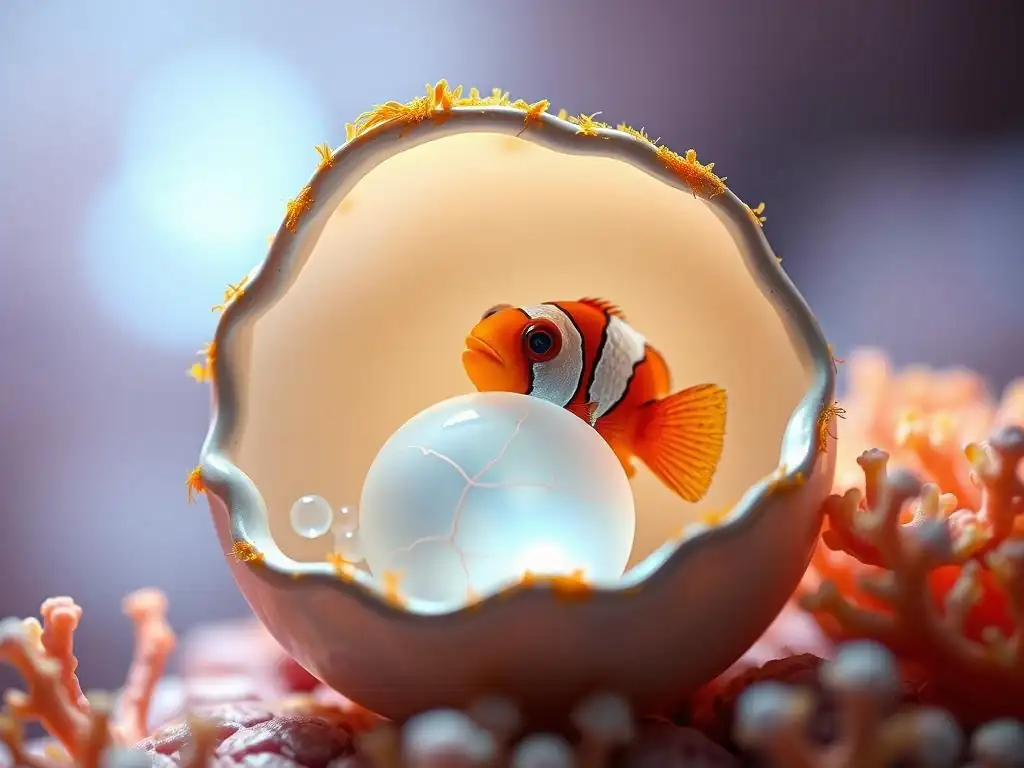
Once the eggs are laid, daily monitoring of their development is crucial. Your clownfish breeding log template should track visual changes in the egg clutch, which are key indicators of healthy embryonic development. The eggs typically start as vibrant orange and gradually darken, with silver eyespots becoming visible around day 6-7, signaling impending hatch.
Document any interventions you perform to ensure egg health. This might include gently siphoning away detritus from around the clutch or, in rare cases, carefully removing small patches of fungus with a soft brush. For example, "Day 4: Noticed small patch of white fungus on lower left side of clutch; carefully removed with soft toothbrush. Fungus did not spread." Record the success or failure of such interventions and their apparent impact on the clutch.
Documenting Egg Color Changes
Record the progression of egg development through color changes:
Day 1:Vibrant orange, opaque.Day 3:Darkening orange, slightly translucent.Day 6:Dark brown/black, distinct silver eyespots visible.Day 7:Eggs appear translucent, eyespots very prominent, fry movement visible within eggs.
These visual milestones, logged diligently, help predict the precise hatching time and confirm healthy embryonic development, ensuring you are prepared for the fry's emergence. This progression is a key indicator to include in any effective clownfish breeding log template.
Artificial Incubation Methods and Success Rates
If you choose to remove the eggs for artificial incubation, meticulously document the setup and parameters. This includes the type of egg tumbler used, the volume of the incubation container (e.g., "5-gallon bucket"), water temperature (e.g., "79.0°F"), salinity (e.g., "1.025 SG"), and the aeration method (e.g., "gentle air stone creating light flow").
Compare the success rates between natural and artificial incubation methods if you experiment with both. For instance, "Natural incubation yielded 80% hatch rate for Pair A-001's last spawn, while artificial tumbler yielded 95% hatch rate for this batch." This data allows you to refine your preferred incubation method for future spawns, aiming for the highest possible yield.
Hatching Details: Tracking Fry Emergence
The moment of hatching is a critical event that requires careful observation and documentation. The fry typically hatch at night, usually 7 to 9 days after spawning, depending on water temperature. Your clownfish breeding log template should capture the precise timing and conditions of the hatch.
This information is invaluable for refining your preparation for future hatches. Knowing the exact window of emergence allows you to ensure that your fry rearing tank is fully prepared, with appropriate live food cultures (like rotifers) thriving and ready for immediate introduction, which is crucial for the survival of newly hatched clownfish fry.
Date and Time of Hatching
Record the exact date and estimated time window during which the hatching occurred.
Date: 2023-11-09
Time: Hatching occurred overnight between 9:00 PM (2023-11-08) and 1:00 AM (2023-11-09).
Notes: Fry observed swimming actively in the rearing tank by 6:00 AM.
Correlate the hatching time with the spawning date and water temperature. For example, "Consistent 7-day incubation period at 79.5°F (26.4°C) for this pair."
Number of Fry Hatched
Estimate the number of newly hatched fry observed swimming in the rearing tank shortly after hatching. This can be challenging but provides a baseline for tracking survival. "Estimated 180-200 newly hatched fry observed."
Also, note any unhatched eggs remaining on the spawning substrate or in the tumbler, and describe their appearance. "Approximately 10-15 unhatched eggs remained on tile, some appeared undeveloped or fungused." This helps assess the overall viability of the clutch.
Raising Clownfish Fry: Log Entries for Growth and Survival
Fry Feeding Regimen: Rotifers, Copepods, and Artemia
The initial days of clownfish fry life are critically dependent on the availability of appropriate live food. Your clownfish breeding log template should detail the precise feeding regimen, which typically progresses from smaller to larger food items as the fry grow.
Days 1-7:S-type rotifers ( Brachionus plicatilis) at a density of 10-15 rotifers/mL.Days 8-14:L-type rotifers + newly hatched Artemia nauplii.Day 15+:Artemia + finely crushed high-protein flakes/pellets (e.g., Otohime B1, TDO Chroma Boost A).
Emphasize the importance of maintaining a consistent and sufficient density of live food at all times. A common cause of fry mortality is "starve-out" due to insufficient food or food that is too large for their mouths.
Documenting Feeding Frequency and Fry Response
Record the feeding frequency and the fry's response to food. "Feeding every 3-4 hours, 6 times daily. Fry exhibiting active feeding response, bellies appear full and rounded after feeding."
Note any changes in feeding behavior or a lack of interest in food. "Reduced feeding frequency to 4 times daily from week 3 as fry grew and consumed more per feeding, also reducing uneaten food." This detailed observation allows for real-time adjustments to optimize nutrition and minimize water fouling.
Monitoring Water Quality for Fry Health
Clownfish fry are extremely sensitive to water quality. Unlike adult tanks, fry rearing tanks often require even stricter parameters and more frequent monitoring. Your log should include daily entries for ammonia, nitrite (always 0 ppm), and nitrate (ideally <5 ppm). Document daily water changes, typically 10-20% of the tank volume, accompanied by gentle siphoning of detritus from the bottom.
Explain the extreme sensitivity of fry to pollutants: "Even trace amounts of ammonia (e.g., 0.25 ppm) can cause significant mortality in newly hatched fry." Consistent monitoring and proactive water changes, diligently logged, are paramount for high survival rates.
Fry Growth and Development: Size, Color, and Behavior
Tracking the physical growth and developmental milestones of your fry is a rewarding aspect of breeding. Your clownfish breeding log template should include weekly or bi-weekly observations on their size, the appearance of their stripes, and changes in their behavior.
Week 1:Larval stage, translucent, typically 3-4 mm.Week 2:First stripe appearing (central body), avg. 6-7 mm.Week 3:Second stripe forming (behind gills), avg. 10-12 mm.Week 4:Fully striped, resembling miniature adults, avg. 15-20 mm.
Note any significant behavioral milestones, such as when they start to actively explore the water column, show interest in settling near small rocks or anemone surrogates, or exhibit schooling behavior.
Weekly Measurements and Observations
Record approximate measurements of a representative sample of fry using a small ruler or visual comparison against a known scale.
Date: 2023-11-16 (Week 1)
Avg. size: 3-4 mm
Observations: Translucent, active swimming near surface, eating rotifers well.

Date: 2023-11-23 (Week 2)
Avg. size: 6-7 mm
Observations: First stripe visible on many fry, becoming more opaque.
Document any visible abnormalities, such as spinal deformities, stunted growth in certain individuals, or unusual colorations. "Noted 2 fry with slight spinal deformities at week 3; isolated them for observation."
Documenting Metamorphosis and Stripe Development
Metamorphosis is a key developmental stage where the fry transition from their larval form to a miniature adult appearance.
Metamorphosis observed:From Day 14-21.Stripe development:First stripe typically appears centrally around Day 10-14, followed by the second behind the gills (Day 15-20), and the third near the tail (Day 20-25).
Note the duration and uniformity of metamorphosis across the batch. "Most fry completed metamorphosis by Day 20, with all three stripes fully formed, indicating healthy development and good nutrition."
Mortality Rates and Potential Causes: Analyzing Losses
Despite best efforts, some fry mortality is inevitable. It is crucial to diligently record the number of mortalities each day, especially during the first few weeks, and to postulate potential causes. "Day 1-3: 15 mortalities; likely due to 'starve-out' as rotifer density was initially too low." "Day 4-7: 5 mortalities; possibly stress from initial water changes."
Analyzing these loss patterns helps identify critical periods and potential weaknesses in your rearing protocol. For example, if peak mortality consistently occurs on Day 2-3, it suggests an issue with initial feeding or water quality immediately post-hatch.
Identifying Common Fry Diseases and Treatments
If signs of disease are observed, document them thoroughly. Common fry ailments include bacterial infections, Oodinium (velvet), or Cryptocaryon irritans (ich). "Observed signs of Oodinium (small dusting on bodies) on Day 12 in about 10% of fry."
Record any treatments administered: the date, type of medication (e.g., "copper sulfate"), dosage (e.g., "0.2 ppm"), duration, and the observed outcome. "Initiated copper treatment at 0.2 ppm for 5 days; velvet cleared, no further mortalities from disease."
Improving Survival Rates Through Data Analysis
The ultimate goal of documenting mortality is to identify patterns and implement changes to improve future survival rates. Review your clownfish breeding log template to spot correlations. "Analysis of previous logs showed that fry survival significantly increased (from 30% to 45%) when initial rotifer density was increased by 20% at hatch."
Based on such analysis, implement targeted improvements. "For the next batch, we will increase initial rotifer density and perform smaller, more frequent water changes during the first week." This iterative process of logging, analyzing, and adjusting is key to continuously improving your fry survival rates, potentially reaching 50% or higher for well-managed batches.
Utilizing Your Breeding Log for Future Success

Analyzing Data to Identify Trends and Patterns
Your diligently maintained clownfish breeding log template is more than just a collection of daily entries; it's a powerful dataset awaiting analysis. Regularly review your log to identify trends and patterns that might not be immediately obvious. For example, cross-referencing spawning dates with lunar cycles, water change schedules, or specific environmental conditions (like barometric pressure changes) can reveal surprising correlations. You might discover that your pair consistently spawns within 48 hours of a 25% water change, or during the new moon phase.
This data allows you to move beyond guesswork and establish clear, data-driven protocols. By identifying what consistently works well for your specific breeding pair and setup, you can refine your husbandry practices, predict future spawns with greater accuracy, and optimize conditions to encourage consistent breeding activity and healthier clutches.
Optimizing Breeding Conditions Based on Log Insights
Once trends are identified, use these insights to proactively optimize your breeding conditions. For example, if your log consistently shows higher hatch rates when the breeding tank's nitrate levels are below 5 ppm, you can adjust your water change schedule or filtration to maintain this stricter parameter. Similarly, if you notice larger clutch sizes when the pair receives a specific type of enriched frozen food for a week leading up to a spawn, you can integrate this into your pre-spawn conditioning diet.
This continuous cycle of logging, analyzing, and adjusting, guided by the precise information in your clownfish breeding log template, is fundamental to achieving consistent and improved breeding success. It transforms the art of fish breeding into a more scientific and predictable endeavor, allowing you to fine-tune every aspect of your process.
Improving Fry Survival Rates Through Data-Driven Decisions
The most significant impact of a well-utilized breeding log often comes in improving fry survival rates. By analyzing mortality patterns and correlating them with specific rearing practices, you can make informed, data-driven decisions. For instance, if your log reveals that peak mortality consistently occurs on Day 2-3, and you hypothesize it's due to "starve-out," your next step would be to increase initial rotifer density or introduce copepods earlier.
Many breeders have seen dramatic increases in survival rates by implementing changes based on log analysis. For example, one breeder increased their average clownfish fry survival rate from 35% to 50% within three batches simply by adjusting their initial feeding density and water change frequency, directly informed by patterns identified in their clownfish breeding log template.
The knowledge gained from your individual clownfish breeding journey holds immense value for the broader aquarist community. Sharing anonymized data, specific observations, or even a blank clownfish breeding log template you've found effective, can significantly benefit aspiring and experienced breeders alike. This collective sharing helps others avoid common pitfalls, accelerates their learning curve, and promotes best practices in the hobby.
Contributing your findings to online forums, breeding groups, or educational platforms fosters a collaborative environment. When multiple breeders share their insights and data, a more robust and comprehensive understanding of clownfish breeding emerges, benefiting not only individual hobbyists but also the conservation and sustainable propagation of Amphiprion species.
Contributing to the Body of Knowledge on Clownfish Breeding
Individual breeding logs, when aggregated and analyzed across a wider community, can reveal broader trends and insights that a single breeder might never discover. For example, shared data might highlight regional differences in tap water parameters affecting breeding success, or conclusively prove the efficacy of different larval feed brands. Your meticulous records, perhaps adapted into a shareable clownfish breeding log template, can become a valuable resource.
By actively participating in knowledge sharing, you contribute directly to the collective body of knowledge on clownfish breeding. This collaborative effort helps refine breeding techniques, improve fry survival rates across the hobby, and ultimately supports the responsible and sustainable propagation of these fascinating marine fish.
Breeding Log Resources
Frequently Asked Questions
How can a Clownfish Breeding Log Template help me?
A Clownfish Breeding Log Template provides a structured way to record crucial data like water parameters, feeding schedules, and behavioral observations. This consistent documentation helps identify trends and optimize your breeding efforts. It ensures reproducibility and analysis.
What information should I include in my Clownfish Breeding Log Template?
Essential information includes water parameters (temperature, salinity, pH, ammonia, nitrite, nitrate), feeding details (type, amount, frequency), observation of parental behavior, and egg development stages. Tracking these factors is critical for success.
Where can I find a suitable Clownfish Breeding Log Template?
AquariumMastery.com may offer a downloadable template. You can also create your own template using spreadsheet software or a notebook based on your needs. Look for templates with customizable fields.
How often should I update my Clownfish Breeding Log?
Update your log at least daily, especially during spawning and egg development. More frequent updates may be necessary if you notice any significant changes in water parameters or behavior. Consistency is key for accurate analysis.
What do I do with the data collected in my Clownfish Breeding Log?
Analyze the data to identify patterns and correlations. Use this information to adjust your breeding conditions (water parameters, feeding, etc.) for improved success rates. The log is valuable for future attempts.
Final Reflection: The Living Tapestry of Life
The journey of breeding clownfish, meticulously documented in a clownfish breeding log template, is more than just a scientific endeavor; it's a testament to our capacity to connect with the intricate dance of life unfolding within our own homes. By carefully recording observations and tracking successes, we become active participants in a microcosm of the natural world, fostering a deeper appreciation for the delicate balance that sustains it.
This practice of detailed observation has profoundly influenced our understanding of marine life, and continues to shape the way we approach conservation. The act of documenting each stage, from egg to fry, fosters a personal connection that transcends mere observation, transforming us into stewards of these tiny lives. In the end, we will conserve only what we love; we will love only what we understand; and we will understand only what we are taught.
- Baba Dioum
As you embark on your own clownfish breeding journey, remember that your log is more than just data; it's a chronicle of life, a testament to patience, and a contribution to a growing body of knowledge. Embrace the challenges, celebrate the successes, and let the rhythmic cycle of life within your tank inspire a deeper connection to the world around you. Let your observations guide you, and may your clownfish breeding log template be a gateway to a richer understanding of the wonders of nature.
Ignite Your Clownfish Dreams!
Thank you for diving into the world of clownfish breeding! We hope this guide has armed you with the knowledge to embark on your own exciting journey. Now, let’s turn that knowledge into action.
- Start your breeding log today! Accurately documenting your clownfish breeding process is the key to unlocking consistent success and identifying patterns.
- Share your questions, observations, and even setbacks with the Aquarium Mastery community. Learn from others and contribute to the collective knowledge!
- Consider filming a short video showcasing your setup or sharing your favorite feeding method. Seeing is believing, and your experience can inspire others!
What unique aspect of your clownfish breeding setup are you most excited to document and share with other enthusiasts?